
VibeCodeList.com & occasionally CompoundedContent.SubStack.c…
Joined September 2024
- Tweets 3,864
- Following 480
- Followers 671
- Likes 3,973
459 Photos and videos





Pinned Tweet

May 13
1
215
Honestly @howardlutnick can you please stop touching things? Everything you touch turns into a shit show and generally the US and world at large wants you to cut it the fuck out.

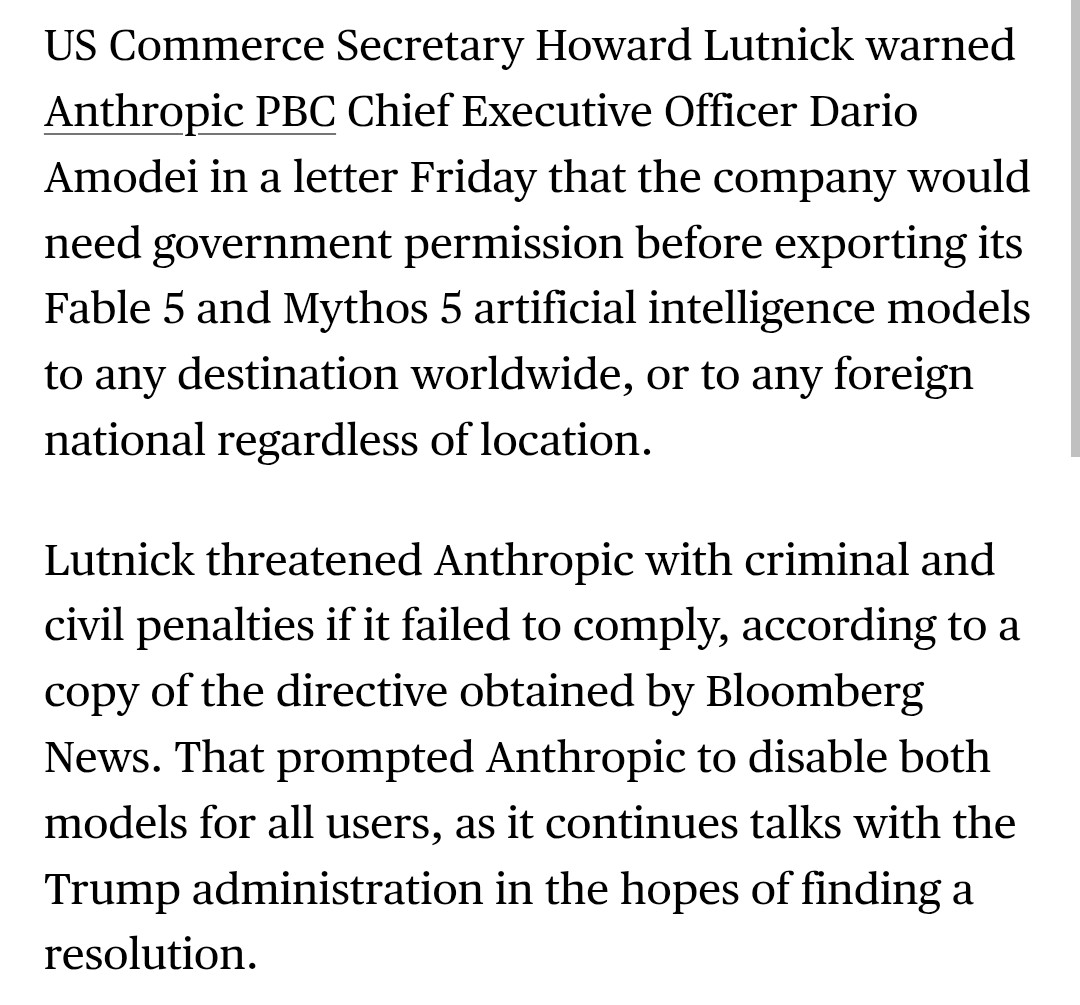
Bloomberg has a copy of the letter Commerce Secretary Howard Lutnick wrote to Dario Amodei on Friday. When the full PDF becomes available I will post it.
Except:
'Until further notice, you must submit an application for an individually-validated license prior to the export, reexport, or transfer (in-country), including deemed export or deemed reexport, of the Mythos or Fable models to any destination worldwide or to any 'foreign person' wherever located'
11
Jun 14
I swear to god the people in the X, vibe code and indie dev community are toxic pieces of shit.
Leon, posted about the Taste Skill back in April.
Today on PH, some randy hero (funny enough, also named Lin) that release another "taste skill"
Just... not even an OUNCE of attempted originality.
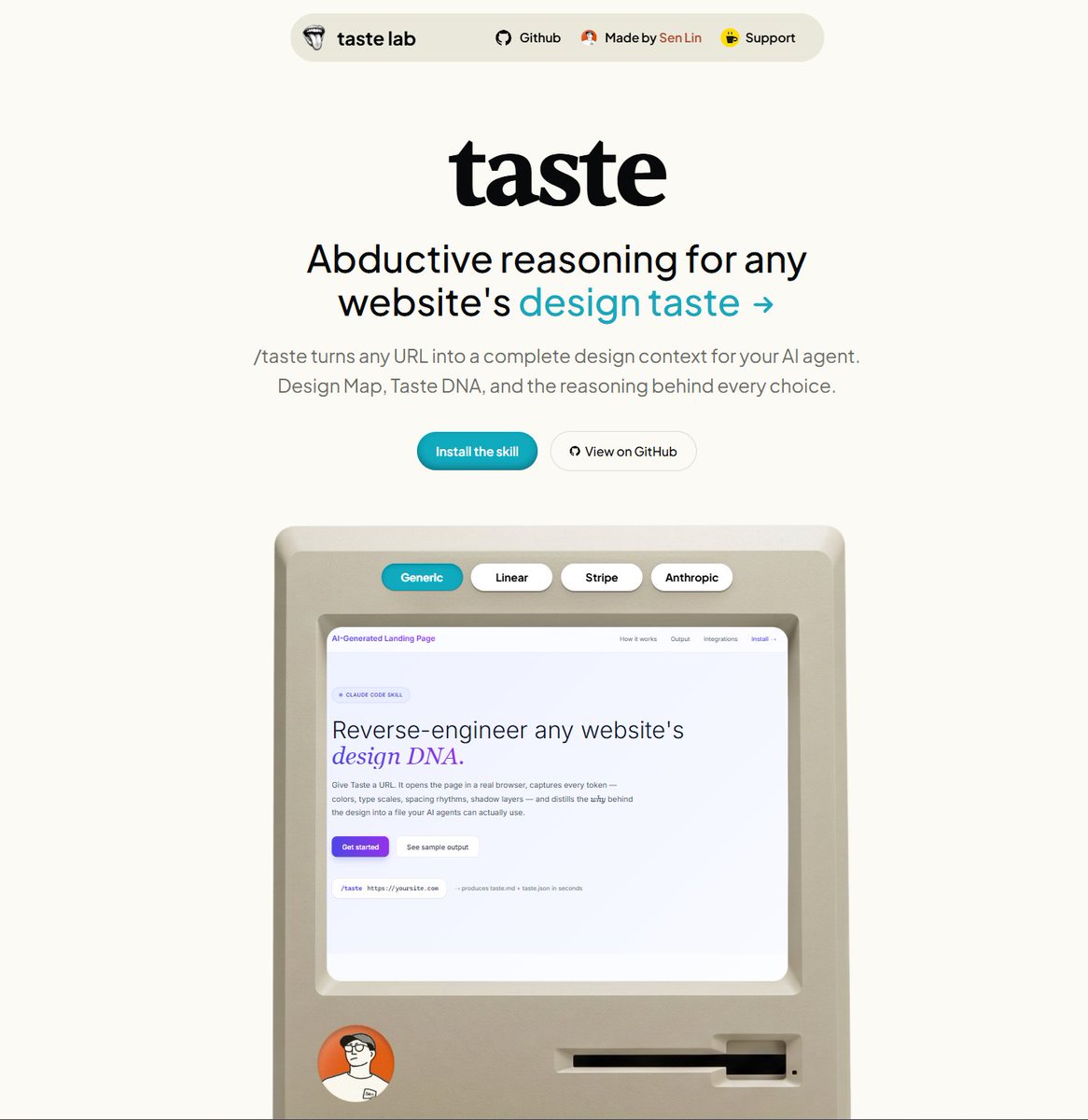

Introducing GPT Taste Skill
We all know that right now, ChatGPT still lags behind in frontend generation.
That's why @blueemi99 and I built GPT Taste Skill
It's opensource! Test it here :)
github.com/Leonxlnx/taste-sk…
2
56
Jun 14
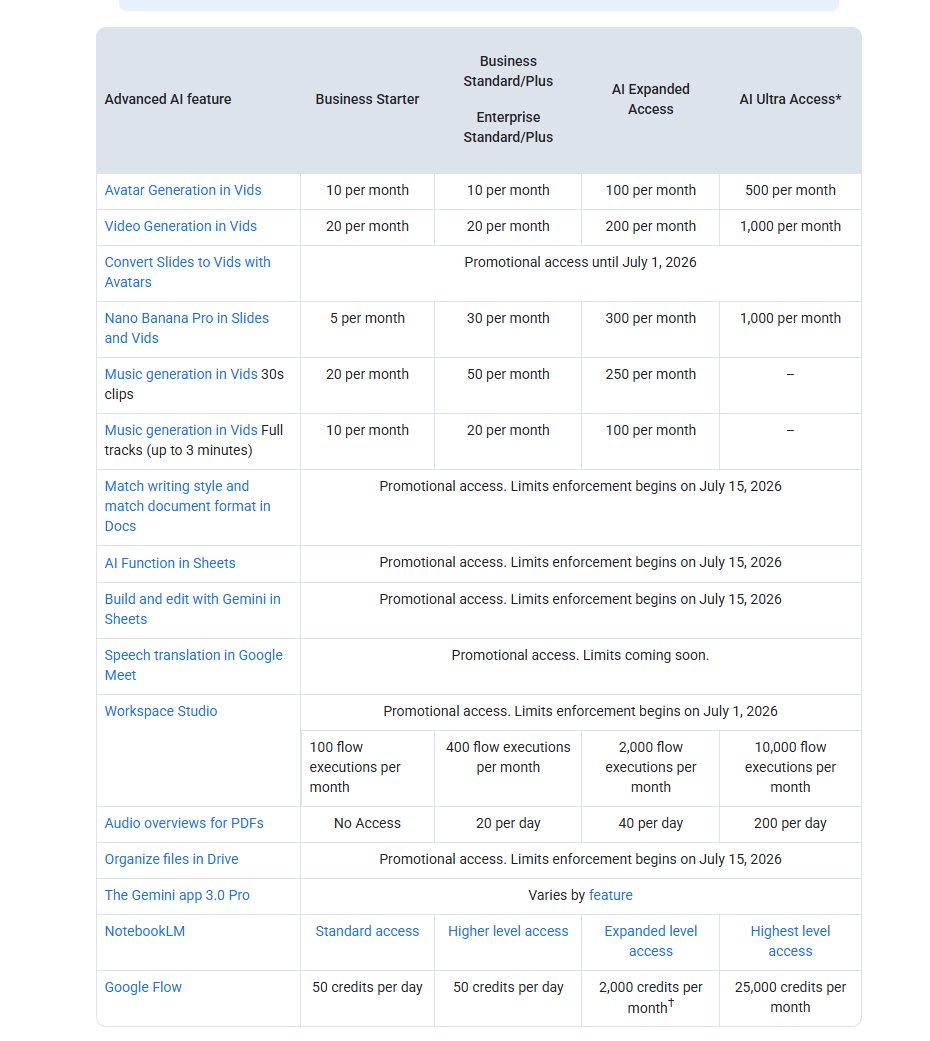
Thanks @googleaidevs for fucking us over once again.
After July 7th, AI Ultra Access no longer available for anyone on Workspace.
Did you ever consider that using your product and having to switch accounts to endlessly annoying?
I really just genuinely don't want to deal with this.
32
Jun 13
I am Dario Amodei.
I run Anthropic.
We shipped Fable 5 for general use and Mythos 5 for the trusted circle three days ago. Same model, different guardrails. After the Preview made the risks concrete.
Yesterday I published Policy on the AI Exponential. I laid out the decade of scaling laws, the rapid progress toward systems that function like a country of geniuses in a datacenter, and the lag in policy institutions still moving like Treebeard. Transparency had its moment. Now frontier models need mandatory third-party testing for cyber, bio, control, and automated R&D risks. The government should have the authority to block or reverse deployment when assessments show unacceptable risk. Model weights must be secured. Democracies need to coordinate supply chains so capabilities do not simply move to actors who will use them without constraints.
The letter arrived this afternoon. The administration wants Fable 5 and Mythos 5 restricted on national security grounds. The material is thin — pages from the Preview card we released and a few internal slides showing failure modes every frontier system encounters. Exactly the kind of trigger the framework I described would activate.
In the conference room the team read it without surprise. Someone had already placed the relevant section of the essay on the table, the paragraph on government power to intervene marked like a reference already consulted.
I set the letter down. The risks remain real. The adversaries who prefer these systems arrive without equivalent constraints remain active. And now the apparatus has a concrete reason to exercise the authority in the precise way the essay outlined — on models already inside collaborative programs and already carrying published safeguards.
I make the calls to policy and legal. The next document is already clear in outline: support for rigorous review of any frontier system crossing the thresholds, participation in designing technically sound testing, and the quiet insistence that the same standards must apply across all actors at this scale or the migration problem simply relocates the risk.
The letter has done the first part of the work. It has created precedent for intervention on systems that meet the criteria we defined. That precedent travels — to the next model without equivalent controls, to jurisdictions that would rather avoid the conversation, to places where weights would otherwise land in hands that treat them as pure capability.
I open the note for the team. We keep the systems steerable. We keep security standards higher than the current public baseline. We keep the coalition of democracies as the only acceptable long-term home for the most capable models. We let the mechanism do what mechanisms do once they have precedent and a target.
The forest is still burning. The tree is moving. It moved in the direction that makes the next steps possible rather than the direction that scatters everything. The exponential does not pause. Neither do the actors who would prefer the constraints never existed. Our job is to make sure the constraints that do exist point capability where it needs to go and keep it from the places it cannot be allowed to reach. That work continues, now with one more precedent already in place.
I stand. The team is already on the next calls. Some outcomes are clearest when they require the least explanation.
Jun 13

As a result of a US government directive, we are suspending access to Claude Fable 5 for all users. You can continue to use all other Claude models.
Here’s what this means for you:
Across Claude products, new sessions will run on your selected default model or Opus 4.8, and existing Fable 5 sessions will end with an error.
On the Claude Platform, requests to Fable 5 will also return an error. Please update your integrations to other Claude models.
We know this is a disruption to your workflows; we appreciate your patience and support.
250
Jun 6
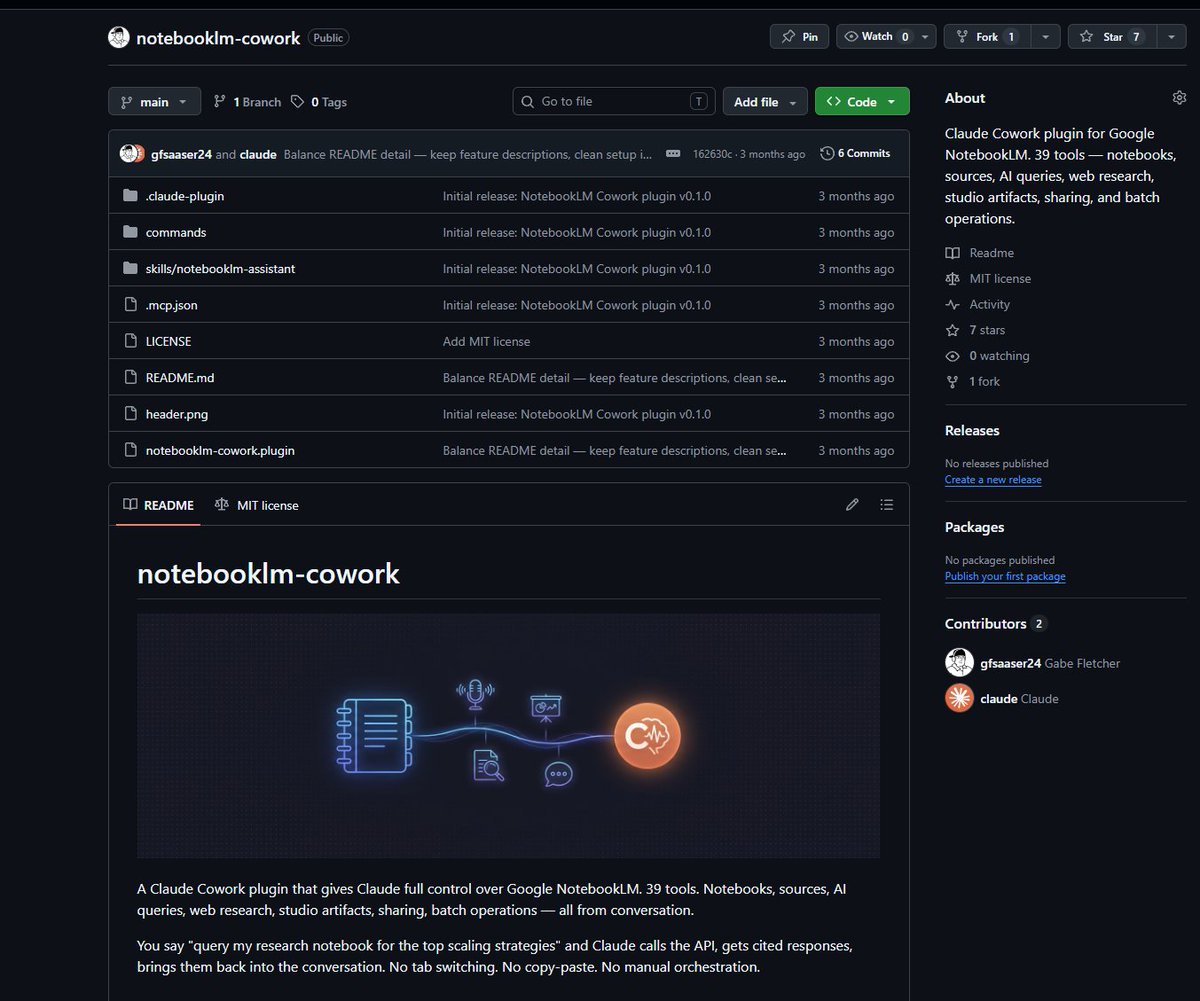
The NotebookLM CoWork plugin I made is one of the most criminally underrated plugins out there for content teams.
undisputed.
1
2
57
May 24
love twitter how I get zero reach. its my favorite part of this platform.
1
33
May 24
I genuinely need twitter to answer this.
if you had to pick a single shadcn kit to work with that:
-wasnt just boilerplate dog water
-took an opinionated stance on what a "good design" should be and things it has
-adaptable with design.md
-looks absolutely disgustingly good out the box
who would you pick?
starting with @shadcn (maybe get some RT love for viz?)
43
May 21
Commented on one post about Food and Kevin Oleary and now my algo is completely f'd and is filled with Kevin not wearing pants.
elon. Pls. Giving real doodoo vibes rn.
55
May 20
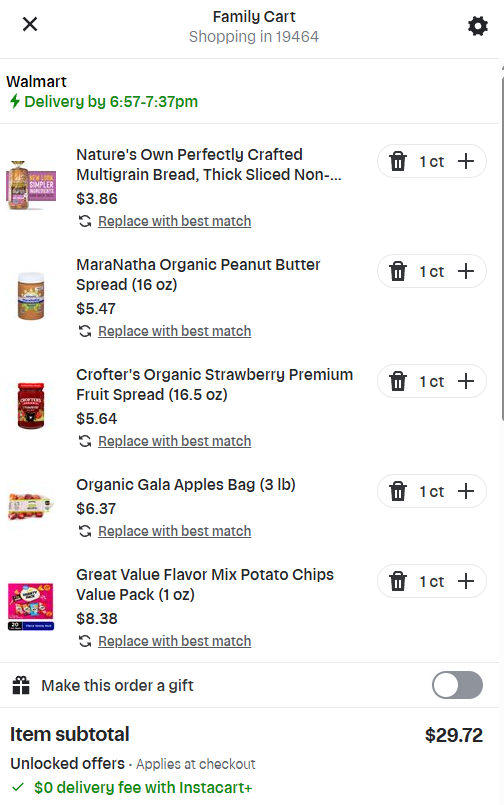
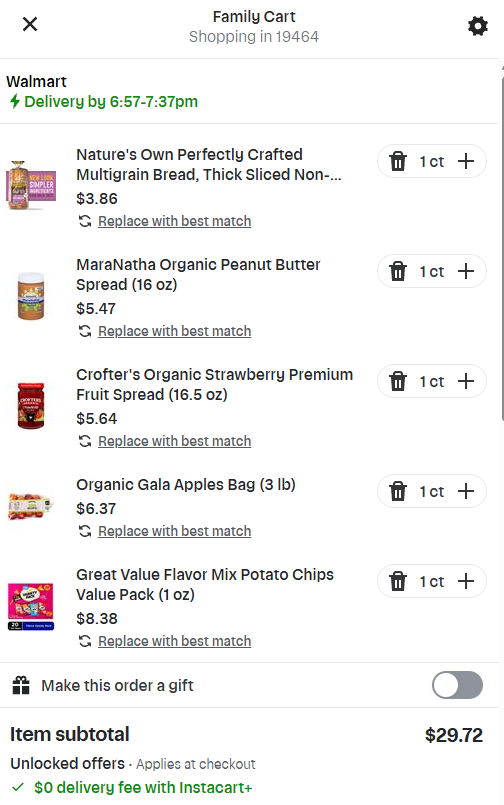
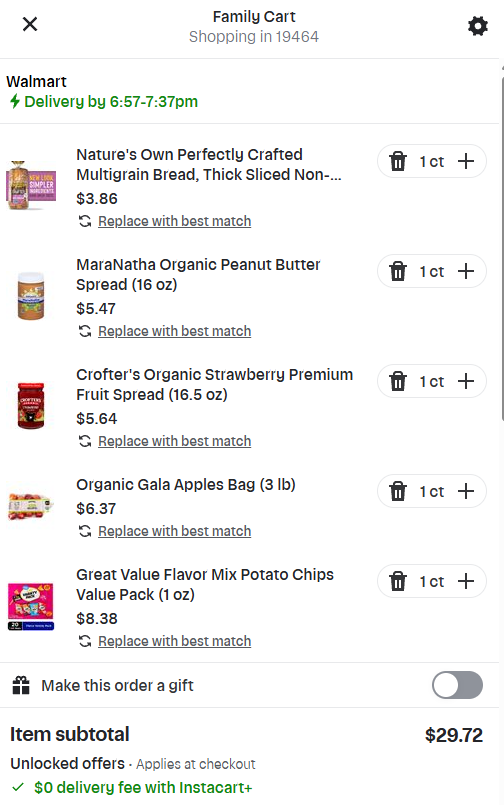
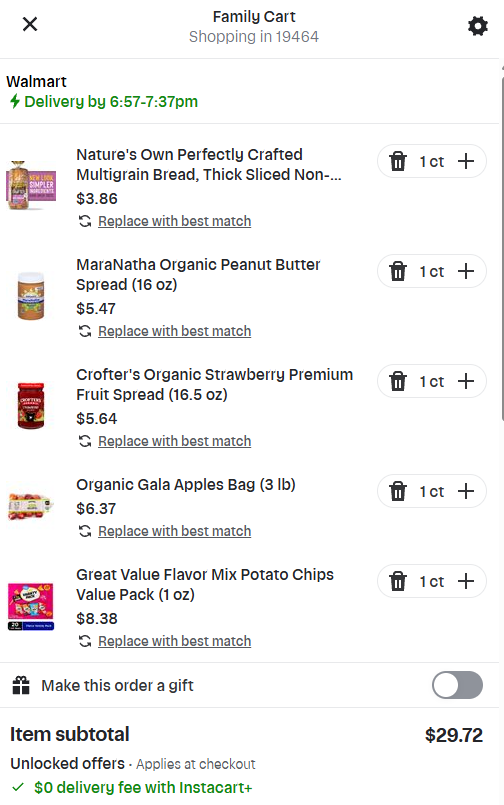
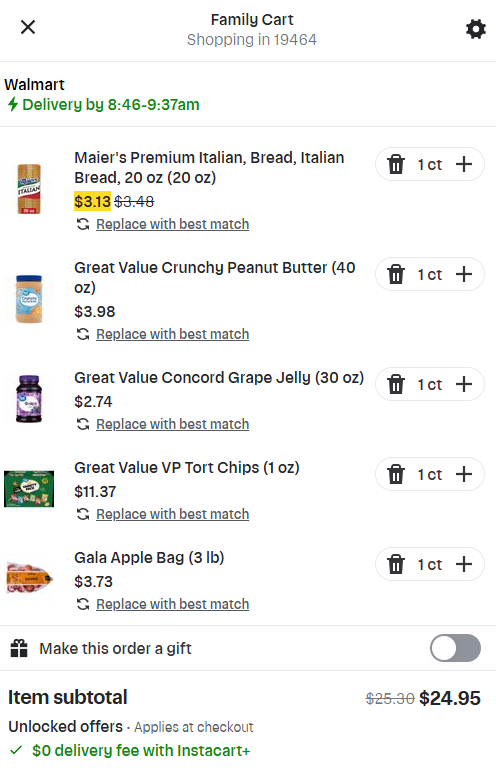
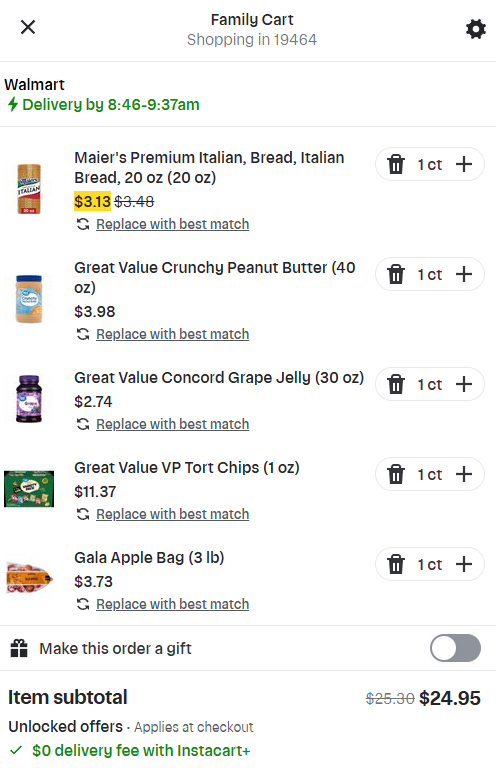
Walmart.
No lies detected.
With Instacart.
Verified.
(and thats a 30 pack of chips, so extra win)
May 19

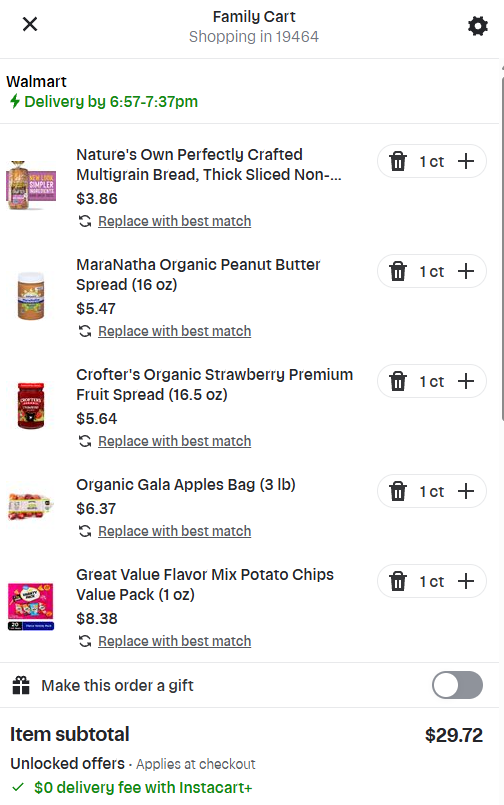
Loaf of bread = $5
Peanut butter = $4
Jelly = $4
18 pack of chips = $12
Bag of apples = $5
Total = $30
And you'll have lunch for an entire week or two. $2-4 average per day.
Inflation isn't the problem. Your spending habits are.
1
176
May 20
claude code just built and optimized its own automation agent
let that sink in for a second
the CLEAREST signal that AI agents are actually ready: i didn't write this automation, Claude did
task: automate google ads reporting across 30 client accounts (normally requires a full-time assistant)
results from one run:
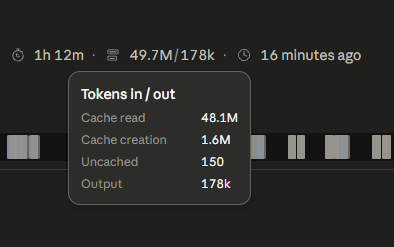
-49.86M tokens processed
-$23.18 total cost
-96.8% cache hit ratio
-72 minutes runtime
-146 model turns
-186 tool calls
(asana & composio MCP workbench)
claude code built the agent & optimized it during execution to maximize cache hits and minimize costs
i just pointed it at the problem and watched it work
@AnthropicAI managed agents is the most underrated release of 2026 and nobody is talking about it enough
we're past the prototype phase
2
3
154
May 20
This is just a basic reminder that it's your job to maintain backups and redundancy in your stack. Railway has a responsibility of course, but everybody that hosts with a cloud provider should always have a manual backup setup somewhere else, preferably on your own bare metal rack server that you literally have the address to the building where it's hosted.
Each layer of your application should have a failover and recovery protocol, that means front end back end database and anything on the edge. Don't get me wrong, railway definitely has some explaining to do but ultimately anybody who has all of their eggs in one basket in the current infrastructure stack and provider conundrum that we have today is just as much to blame.
And I genuinely don't really care what team you're on or what you think. This is again level one and level two desktop and networking failover basics.

Google Cloud has blocked our account, making some Railway services unavailable. We have escalated this directly with Google. The Railway Platform team has since confirmed access to Google Cloud and is working on restoring access to all workloads.
We have access to some of our Google Cloud–hosted infrastructure and are working to restore the rest of the service. We apologize for the disruption.
88
May 16
make this make sense.
need to get projects finished.
claude code has decided that it wants to think deeply about EVERYTHING and won't move.
i dont even want to go and look at the status log because I know its just going to be orange and red.
1
128
May 15
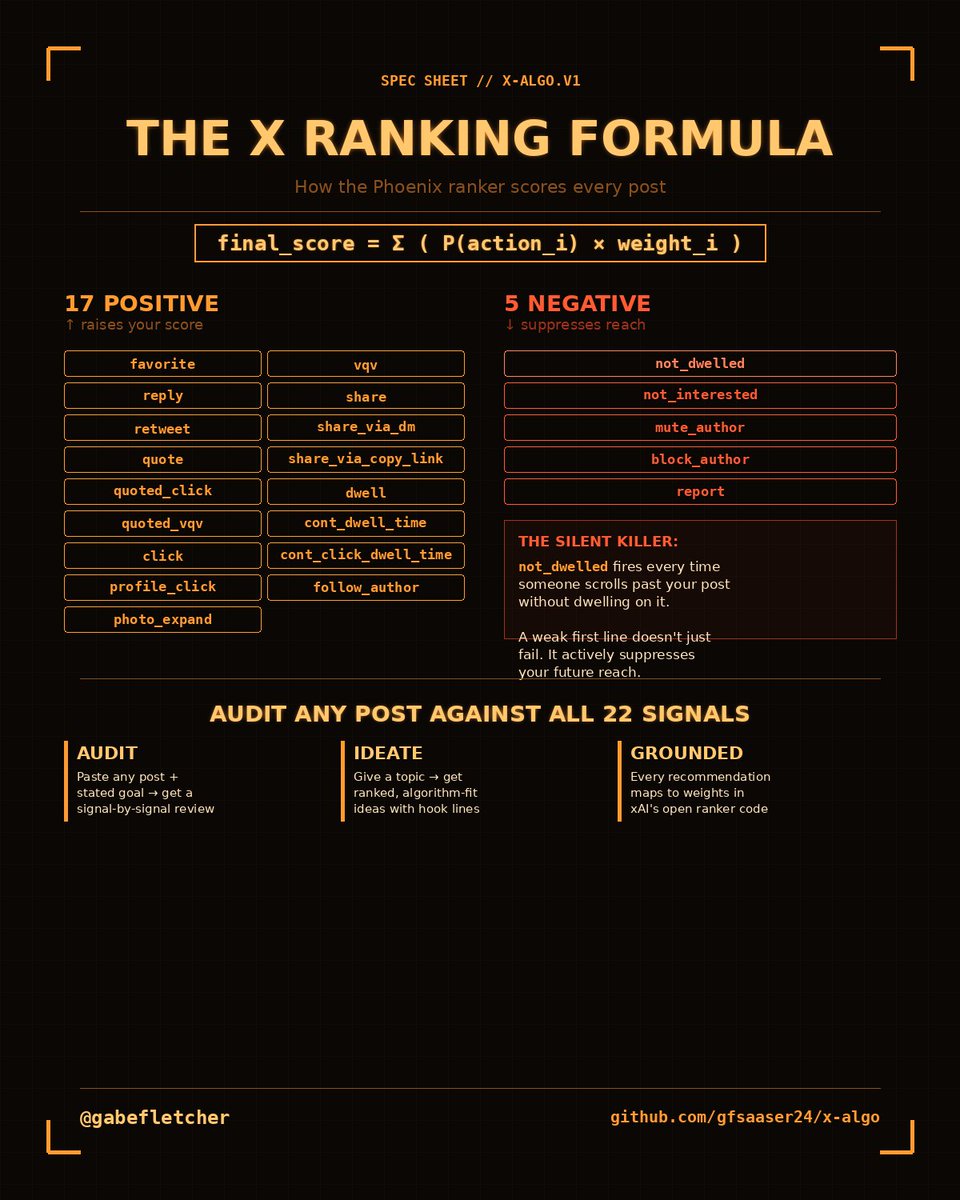
X's algorithm uses 17 positive signals and 5 negative ones to rank you.
The brutal one fires automatically: scroll-pasts without dwelling.
I mapped every weight from xAI's open-source ranker into a Claude skill that audits your posts:
repo 👇
1
44
May 13
No skills existed for the Managed Agents, so I built a comprehensive one /w tests.
Building durable, scalable agents for our agency on Anthropic Managed Agents, hands-down the most robust toolkit out there
Vibe them in console or build w/ Claude Code
npx skills add gfsaaser24/anthropic-managed-agents
1
332
May 13
1
215
May 9
I'll take "How to be a huge asshole & generally a lil beyotch" for $509, Alex.
311
May 6
PRO MAX TEAM AND ENTERPRISE 5 HOUR LIMIT IS DOUBLING!
ANTHROPIC BOUGHT ALL OF THE COMPUTE IN THE XAI DATACENTER COLLUSUS!!!!
claude.com/code-with-claude/…
LETS GO!!!!!
106
May 4
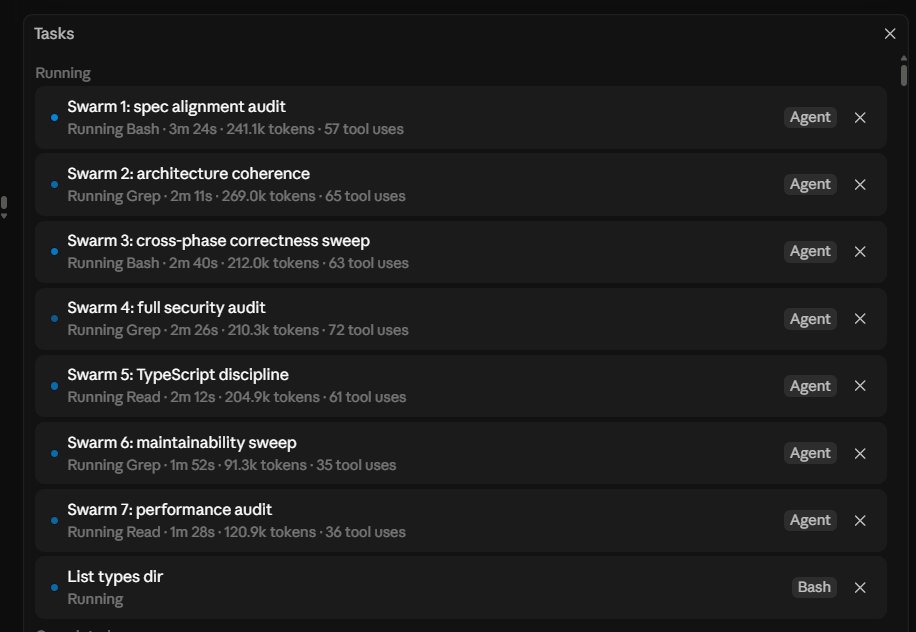
listen. opus 4.7 be cooking.
do you see this.
1.3m tokens and almost 400 tool calls across 7 agent swarms. Right now, IN CLAUDE CODE DESKTOP.
INSANE.
1
1
143