Investigatives Hirn. Immobilien Fokus. Im Moment Berlin und Ostdeutschland Korrespondentin bei der Immoblien Zeiung.
Joined April 2009
- Tweets 1,292
- Following 926
- Followers 2,778
- Likes 1,465
65 Photos and videos












23 Nov 2025
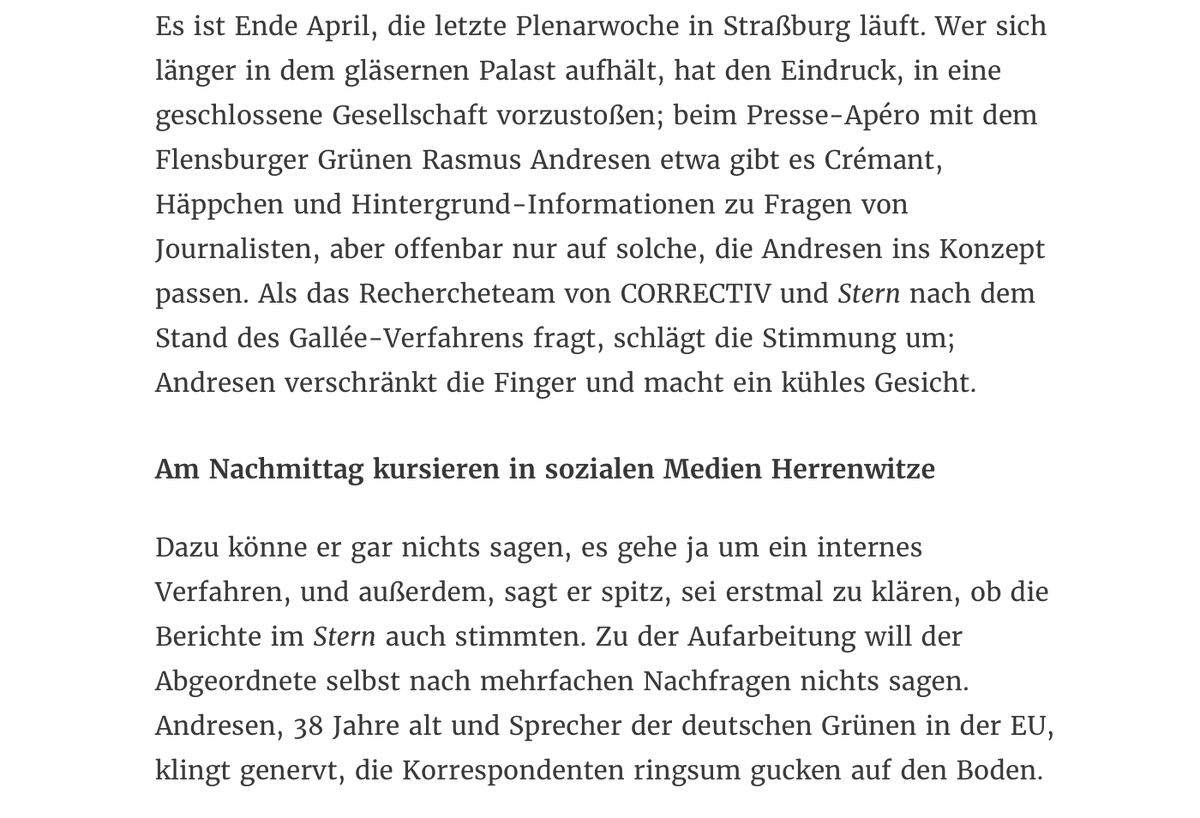
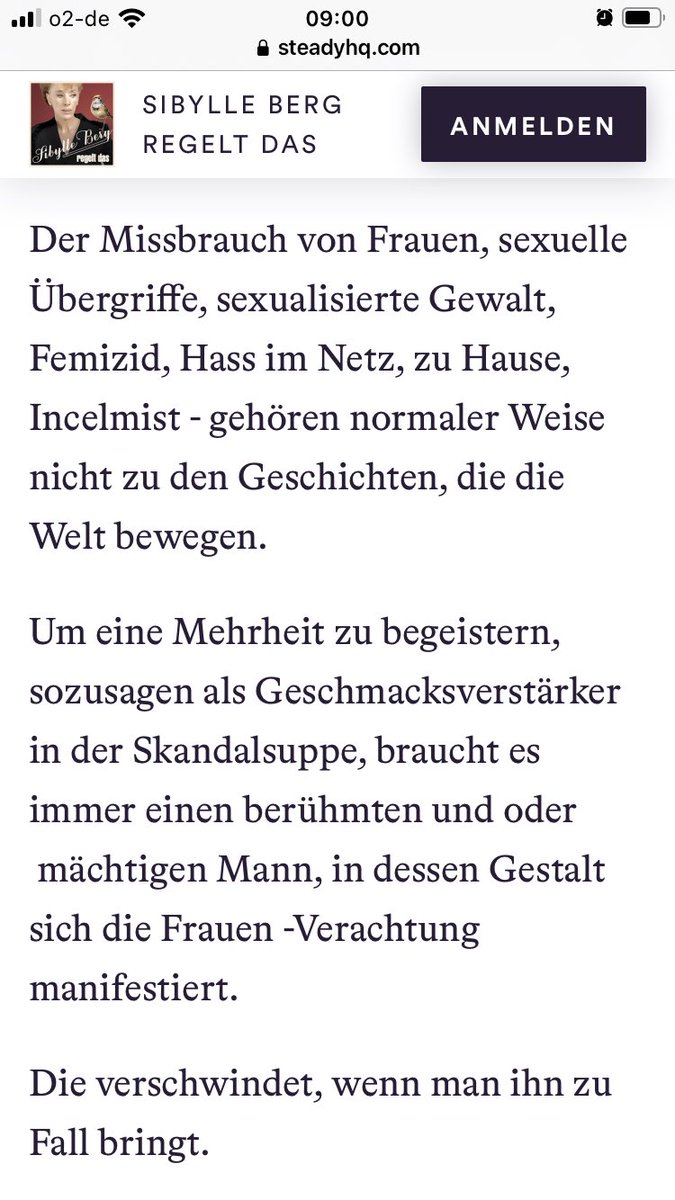
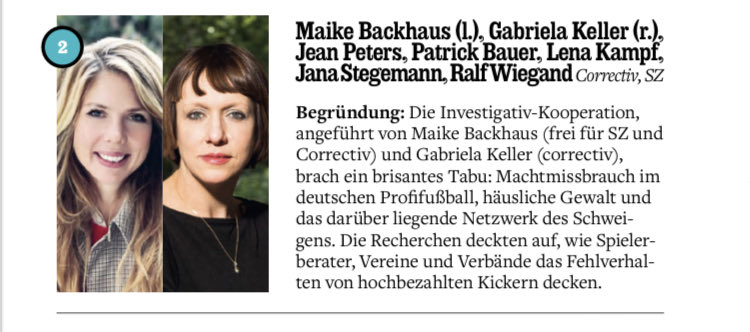
Ich habe mir das Puffpiece der ARD über Boateng angesehen. Und kann nur sagen: Die Recherche von @MaikeBackhaus und mir dazu, warum misogyne Gewalt im Profifußball so oft unter den Teppich gekehrt wird und die Frauen schweigen, ist noch aktuell: correctiv.org/top-stories/20…
1
2
5
590
23 Nov 2025
Relevante Informationen zu den Hintergründen deckt Maike aktuell im Spiegel auf. spiegel.de/sport/fussball/kr…
1
5
479
14 Oct 2025
Spannender Prozess in Berlin: Die Urbane Mitte Besitz S.à.r.l. will einem Anwohner mehrere Äußerungen zu ihrem Vorhaben am Gleisdreieck verbieten lassen. Aber die Richterin wertet die Äußerungen vorläufig als Meinungsfreiheit: iz.de/recht/news/-urbane-mit…
2
2
355
30 Sep 2025
Abgesehen haben sie es auf Gebäude mit Value-add-Potenzial, also Häuser, die bei der Entwicklung noch Spielraum nach oben haben, wodurch sich auch die Rendite steigern lässt.
1
2
313
30 Sep 2025
Das Eigentümerkarussel am Ku'damm 231 dreht sich mal wieder: Der österreichische Investor Georg Stumpf will das frühere Karstadt-Areal offenbar aus der Signa Konkursmasse erwerben. Das Land hat ein Vorkaufsrecht, wird aber wohl nicht zum Zug kommen iz.de/transaktionen/news/-mi…
1
1
4
319
27 Sep 2025
2021 haben 58% für das Volksbegehren @dwenteignen gestimmt. Passiert ist seither wenig. Nun hat die Initiative selbst ein Gesetz geschrieben, das den Übergang der Konzernbetrände in Gemeingut regeln und den Senat unter Zugzwang setzen soll: iz.de/politik/news/-berliner…
1
1
226
25 Sep 2025
Zunehmend wecken Schulen das Interesse von Investoren. Die schwedische Gesellschaft Hemsö erwirtschaftet Rendite für einen schwedischen Pensionsfonds und baut eine Schule in Brandenburg. Laut dem Deutschland-Chef von Hemsö sollen weitere folgen. iz.de/projekte/news/-hemsoe-…
3
194
gabriela keller retweeted

22 Sep 2025
Wer verstehen will, warum Jens Spahn bei Miosga den Trumpismus verharmlost & die Linke derart verteufelt, dem lege ich unsere @gabrielakeller Recherche zu Spahns engen Verbindungen zu MAGA-Milliardären & trumpschen Stiftungen ans Herz - erklärt vieles:
correctiv.org/aktuelles/gesu…
146
1,982
3,664
88,340
18 Sep 2025
Ein Hochhaus-Projekt in Friedrichshain sorgt für Zoff zwischen Senat und Bezirk: Bau-Stadtrat Schmidt wirft Bau-Senator Gaebler Kungelei mit Investoren vor: „Quatsch“, sagt Gaebler: Schmidt wolle „ wieder mal als Kämpfer gegen den bösen Senat“ profileren. iz.de/politik/news/-politisc…
1
1
297
gabriela keller retweeted
14 Sep 2025
Die Reaktionen auf den Mord an Kirk zeigen, wie deutsche Konservative den Trumpschen Stil aus Halbwahrheiten, wilden Beschuldigungen und Hass kopieren. Das ist keine Gefühlswallung, sondern Strategie. Millionenschwere US-Stiftungen & rechtskonservative Netzwerke arbeiten daran🧵
300
357
1,305
58,574
30 Aug 2025
Ich verlasse Correctiv und fange Montag als Korrespondentin Berlin / Ostdeutschland bei der Immobilien-Zeitung an. Ich freue mich, mich nach meinen intensiven Recherchen bei der Berliner Zeitung voll in den Bereich einsteigen zu können. Wenn ihr Tipps für Stories habt: Hit me.
2
3
7
393
28 Aug 2025
Die Regierung will die öffentliche Infrastruktur mit 500 Milliarden ausbauen – und den Bereich dem Finanzmarkt schmackhaft machen will, Schulen, Kitas, Polizeiwachen. Aber weiß die Politik, mit wem sie sich einlässt? Unsere Recherche zeigt die Risiken. correctiv.org/aktuelles/bild…
1
2
2
207
gabriela keller retweeted

25 Jul 2025
Der Pressesprecher des Gesundheitsministeriums, Hanno Kautz, hat Journalisten gedroht. Er setzte in einer Mail nach 1 Hintergrund eine Art Kopfgeld aus. Die "Belohnung": "Exklusiv-Informationen nicht unter Agenturmeldung"
Text von J Mueller-Töwe @tonline
t-online.de/nachrichten/deut…
16
66
192
13,512
gabriela keller retweeted
22 Jul 2025
Vor der Veröffentlichung zu Jens Spahns Netzwerk versuchten gleich zwei Anwälte des umstrittenen Milliardärs Angermayer, uns einzuschüchtern – darunter Ralf Höcker, der auch die AfD vertritt.
Natürlich haben wir unsere Recherche publiziert – lest selbst:⬇️
correctiv.org/aktuelles/gesu…
176
1,397
3,645
130,262
gabriela keller retweeted

22 Jul 2025
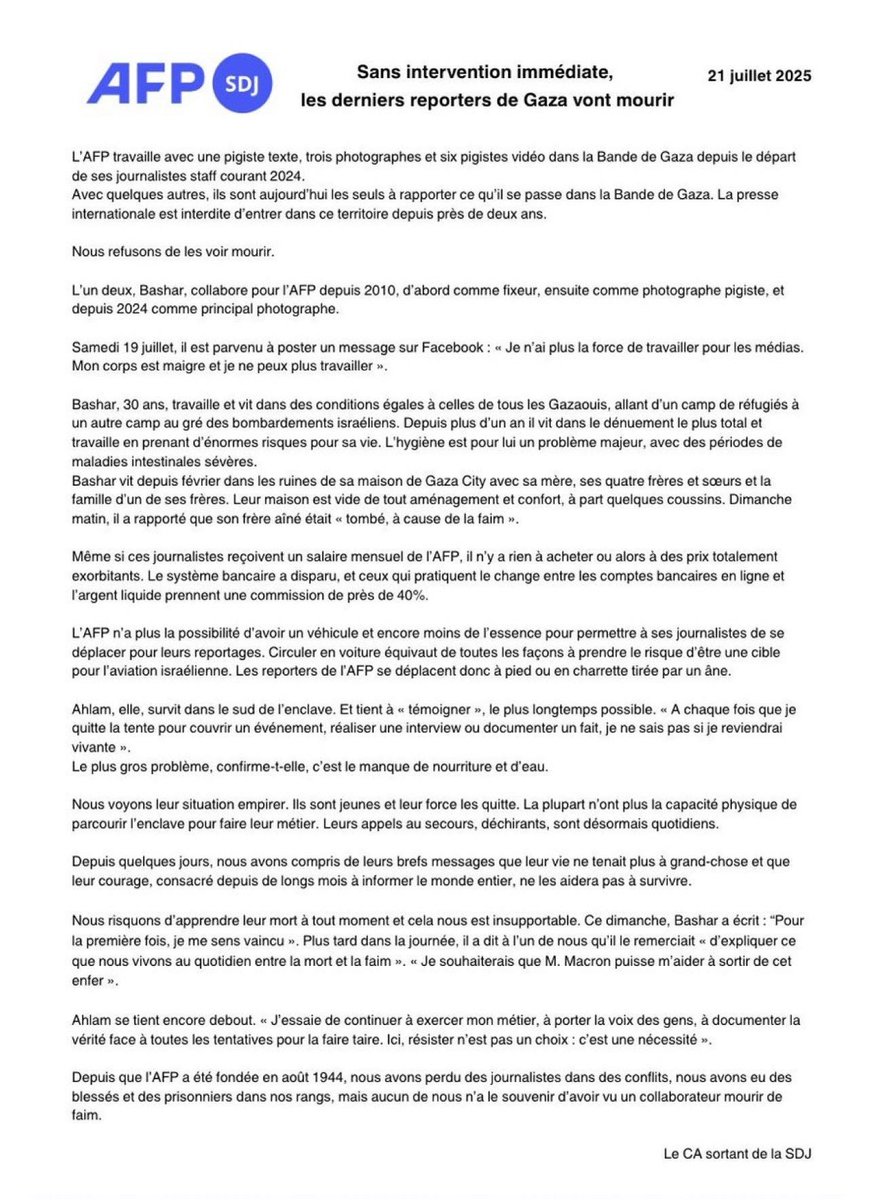
AFP reports that its reporters (one text freelancer, three photographers and six video freelancers) still on-site in Gaza are currently dying from hunger.
They write: "Since AFP was founded in August 1944, we have lost journalists in conflicts, we have had wounded and prisoners in our ranks, but none of us has the memory of having seen a collaborator die of hunger."
_________________________
Translation of the full text:
"AFP works with one text freelancer, three photographers and six video freelancers in the Gaza Strip since the departure of its staff journalists during 2024.
Along with a few others, they are today the only ones reporting what is happening in the Gaza Strip. The international press has been banned from entering this territory for nearly two years.
We refuse to let them die.
One of them, Bashar, has been collaborating with AFP since 2010, first as a fixer, then as a freelance photographer, and since 2024 as principal photographer.
On Saturday July 19, he managed to post a message on Facebook: "I no longer have the strength to work for the media. My body is thin and I can no longer work."
Bashar, 30 years old, works and lives in conditions equal to those of all Gazans, going from one refugee camp to another at the mercy of Israeli bombardments. For more than a year he has been living in complete destitution and working while taking enormous risks for his life. Hygiene is a major problem for him, with periods of severe intestinal illnesses.
Bashar has been living since February in the ruins of his house in Gaza City with his mother, his four brothers and sisters and the family of one of his brothers. Their house is empty of all furnishing and comfort, apart from a few cushions. Sunday morning, he reported that his older brother had "collapsed, because of hunger."
Even if these journalists receive a monthly salary from AFP, there is nothing to buy or else at totally exorbitant prices. The banking system has disappeared, and those who practice currency exchange between online bank accounts and liquid cash take a commission of nearly 40%.
AFP no longer has the possibility of having a vehicle and even less gasoline to allow its journalists to travel for their reporting. Driving a car is equivalent in all ways to taking the risk of being a target for Israeli aviation. AFP reporters therefore travel on foot or by donkey cart.
Ahlam, she survives in the south of the enclave. And insists on "bearing witness," as long as possible. "Every time I leave the tent to cover an event, conduct an interview or document a fact, I don't know if I will come back alive." The biggest problem, she confirms, is the lack of food and water.
We see their situation getting worse. They are young and their strength is leaving them. Most no longer have the physical capacity to travel the enclave to do their job. Their heartbreaking calls for help are now daily.
For the past few days, we have understood from their brief messages that their lives hang by a thread and that their courage, dedicated for long months to informing the entire world, will not help them survive.
We risk learning of their death at any moment and this is unbearable to us. This Sunday, Bashar wrote: "For the first time, I feel defeated." Later in the day, he told one of us that he thanked him "for explaining what we experience daily between death and hunger." "I would like Mr. Macron to be able to help me get out of this hell."
Ahlam still stands. "I try to continue practicing my profession, to carry the voice of the people, to document the truth in the face of all attempts to silence it. Here, resisting is not a choice: it is a necessity."
Since AFP was founded in August 1944, we have lost journalists in conflicts, we have had wounded and prisoners in our ranks, but none of us has the memory of having seen a collaborator die of hunger.
The outgoing Board of Directors of the SDJ"
26
868
1,749
118,980
23 Jul 2025
Jens Spahn gehört zum Netzwerk des Milliardärs Angermayer. Der ist Deutscher, zählt aber zu der Tech-Bro-Szene, die in den USA Trump unterstützen, mit rechts libertären Thesen und der Forderung nach möglichst totaler Freiheit für Unternehmen. (1/10) correctiv.org/aktuelles/gesu…
1
1
9
275
23 Jul 2025
Angermayer, teilt der Anwalt mit, habe nichts mit dem Deal, nichts mit Eli Lilly und auch nur ganz minimal mit Abcellera zu tun gehabt. Er sei nur mit rund zwei Prozent an der Biotech-Firma beteiligt gewesen und sei nie an dem operativen Geschäft beteiligt gewesen. (9/10)
1
1
1
164
23 Jul 2025
Allerdings dürften zwei Prozent bei einem Unternehmen, das in der Zeit auf Milliardenwert kletterte, einem Millionenbetrag entsprechen. Für den Steuerzahler war Spahns Deal kein gutes Geschäft. Was mit den restlichen Dosen passierte? Wir fragen weiter nach. (10/10)
1
120