
Joined September 2021
- Tweets 339
- Following 475
- Followers 48
- Likes 1,551
3 Photos and videos

artyboy retweeted

Jun 5
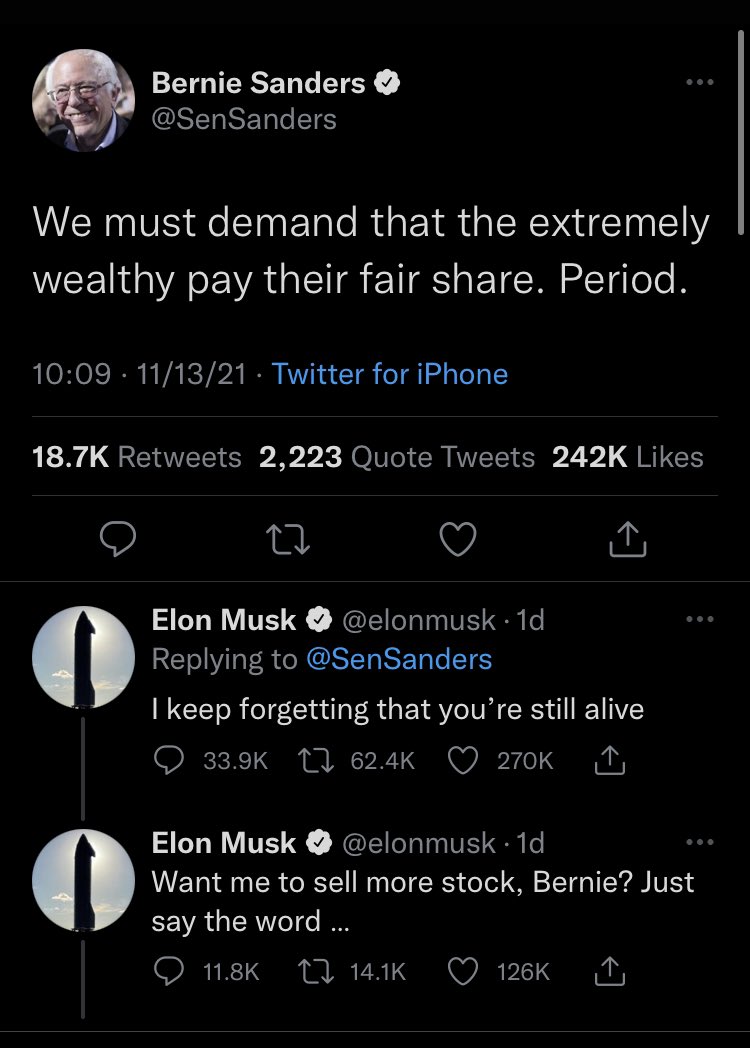
The older I get, the more I realize that speaking your mind bluntly and directly is the fastest way to build relationships with the right people.
157
169
1,573
40,008
artyboy retweeted

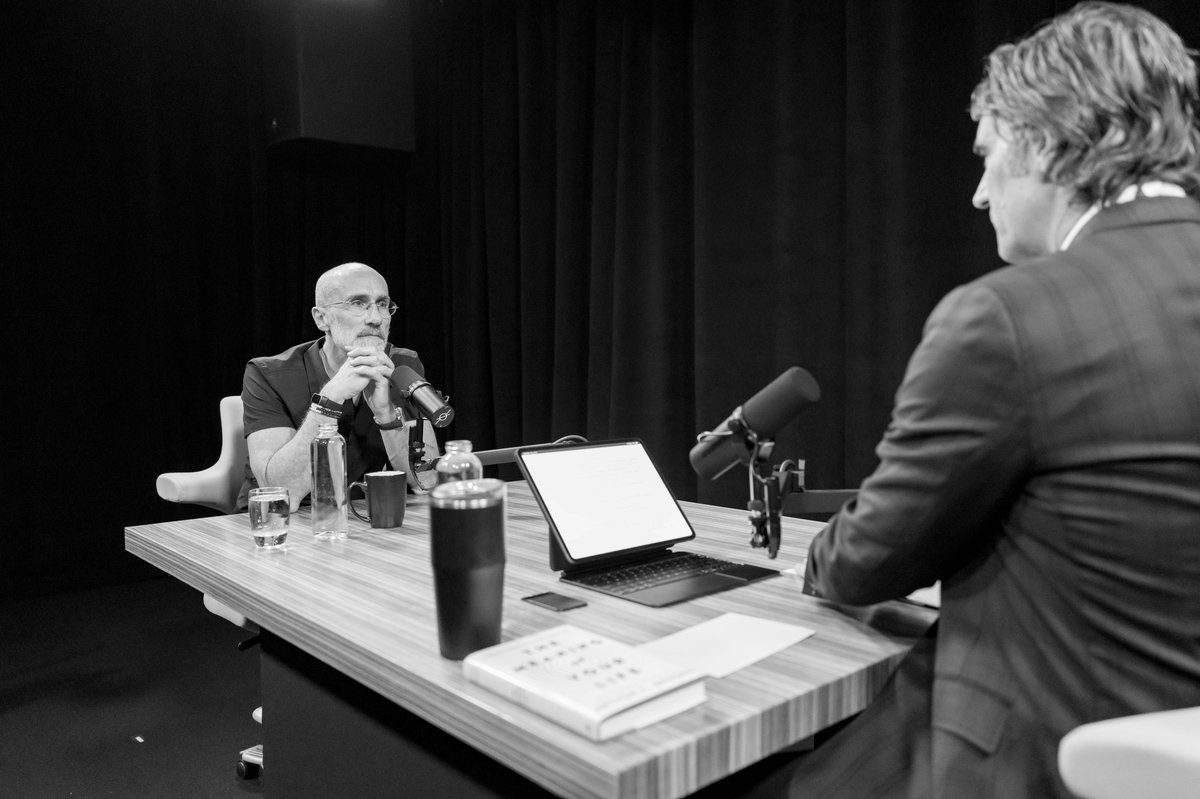
Aristotle believed there are three kinds of friendship:
The first is friendship of utility:
These are relationships built around usefulness. Colleagues, professional contacts, people connected by a shared purpose. There is nothing wrong with these friendships. But when the purpose ends, the relationship often does too.
The second is friendship of pleasure:
These are the people you enjoy being with. You laugh together, share interests, and enjoy one another’s company. These matter too. But they are often tied, at least in part, to what you bring—your wit, your energy, your charm. And when those things change, the friendship sometimes does too.
Then there is friendship of virtue:
This is the rarest kind. These friendships are built on mutual respect and admiration—not for what you accomplish, but for your character and values. They love your being, not your doing. They know you deeply, and you know them. They can last a lifetime. Spouses in healthy marriages have this. The closest siblings sometimes do too. So do the rarest of friends. Most people have very few of these. Strivers often have none.
Many successful people are surrounded by others and still lack this kind of friendship. Achievement often trains us to be admired, not known. To perform well, not reveal weakness. So strivers tend to accumulate friendships of utility—and because success can be attractive, friendships of pleasure too. But they are often missing friendships of virtue. A lot of deal friends. Very few real ones. That emptiness is often where the meaning crisis begins.
Here’s the exercise I give my students:
List the ten people you spend the most time with each week. Then label each one: utility, pleasure, or virtue.
A full social life is not the same thing as deep friendship.
And one of the clearest markers of a meaningful life is not how many people are around you, but how many truly know you.
14
81
315
22,905
artyboy retweeted

Jun 6
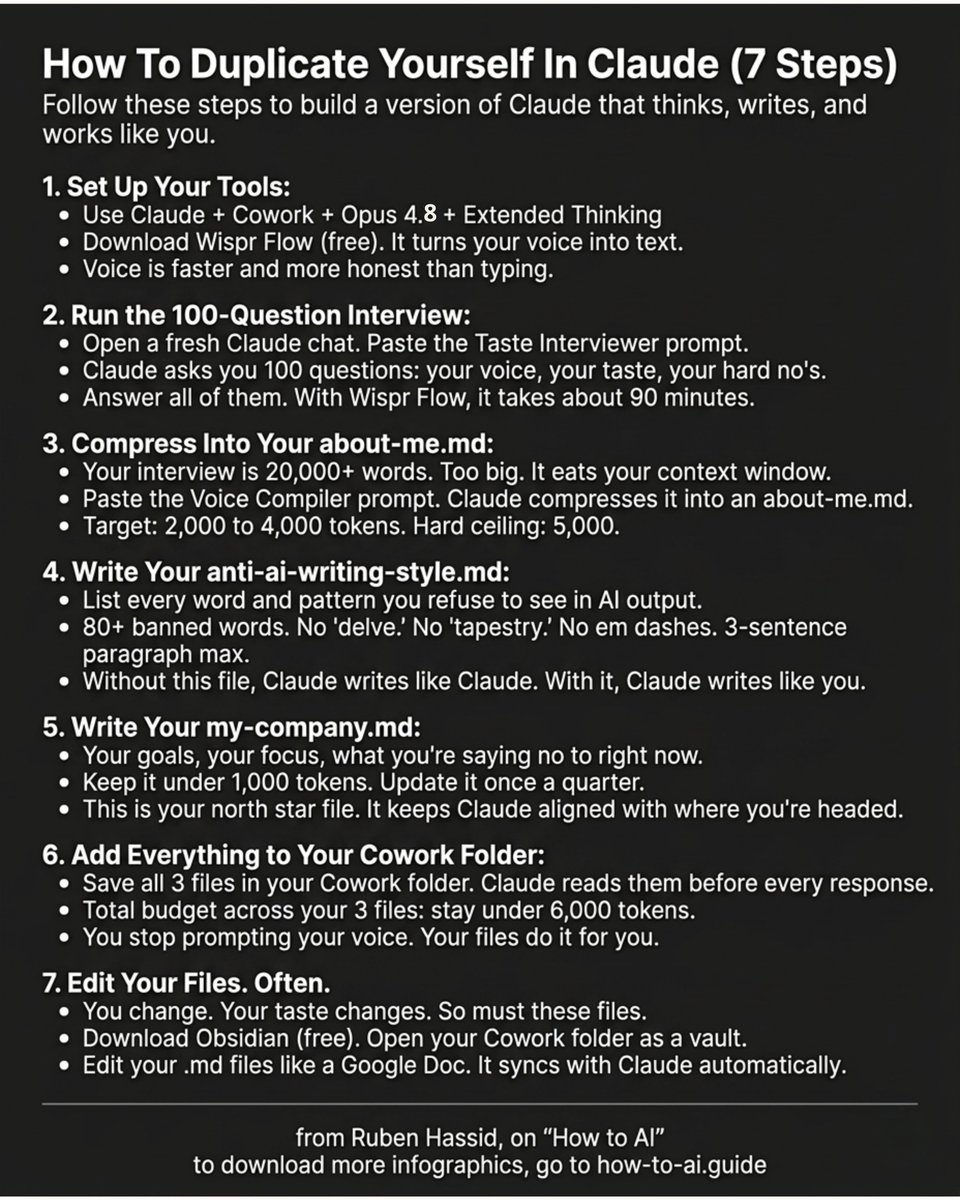
How to duplicate your (entire) brain in Claude:
Step 1. Download the Claude desktop app.
☑ Go to claude .com/download
☑ Set Opus 4.8 as default
☑ Turn ON Extended Thinking
Step 2. Open Claude Cowork mode.
☑ Cowork = where your brain lives
☑ Click the top left tab between 'chat' and 'code'
☑ Create your "Brain" folder inside
Step 3. Install Wispr Flow (it's free).
☑ Turns your voice → text
☑ Voice = faster and more honest
☑ Typing kills the truth. Dictate your context
Step 4. Run the 100-question taste interview.
☑ Paste Prompt 1 from ruben.substack.com/p/youre-j…
☑ 100 questions, 7 categories
☑ Push past every vague answer. Be very specific
Step 5. Compress the dump.
☑ Paste Prompt 2 from ruben.substack.com/p/youre-j…
☑ 20,000 words cost you 4,000 tokens
☑ Save your files as about-me .md file
Step 6. Write your anti-ai-writing-style .md.
☑ Every word you refuse to see: no "delve"
☑ Kill negative parallelism ("it's not X, it's Y")
☑ Without it, Claude writes like Claude.
Step 7. Write your my-company .md.
☑ Your goals, your focus, your hard no's right now
☑ Keep it > 1,000 tokens, update once a quarter
☑ This is your north star file.
Step 8. Test it in a blank chat.
☑ Open a fresh Claude chat (point to no folder)
☑ Run a prompt only you would write
☑ If it sounds like you → ship it
Step 9. Drop all 3 files into Cowork.
☑ Move all 3 files into your "Brain" folder
☑ Claude reads them on every single turn
☑ You stop prompting your brain. Your files do it.
Step 10. Port it everywhere.
☑ Upload to ChatGPT, Grok, Gemini
☑ Same files = same brain in every AI
☑ Hand it to your team or your ghostwriter
Step 11. Edit it forever.
☑ Install Obsidian (free)
☑ Open your Cowork folder as a vault
☑ You change. So must these files.
You'll resist this. It feels reductive. It feels scary.
You've built an identity on being hard to pin down.
But the mystery, when you look at it closely, is usually just being vague.
Copy my folder & download my 3 personal .md files:
Step 1: Subscribe for free at how-to-ai.guide
Step 2: You will have two choices: free or paid.
Step 3: Choose the free tier. Don't pay for anything.
Step 4: Open your welcoming email. Reply to it.
Step 5: Trace the Notion link. Open '.md files' folder.
Step 6: Access my entire folder 3 files template.
Step 7: Send this image to your team's channel.
Step 8: Read 2x newsletter per week (for free).
Step 9: Become the "AI guy" at work, forever.

53
279
1,626
186,889
artyboy retweeted

Jun 7
there are two critical functions in sales ...
- get them into "imagine" mode
- project manage their buying process like a psychopath
17
33
664
38,668

artyboy retweeted

Jun 4
STOP SAYING "HOPE YOU'RE DOING WELL."
IT'S THE MOST FORGETTABLE EMAIL OPENER EVER.
HERE ARE 10 BETTER WAYS TO START A CONVERSATION 👇
73
189
2,272
2,937,068
artyboy retweeted

Jun 1
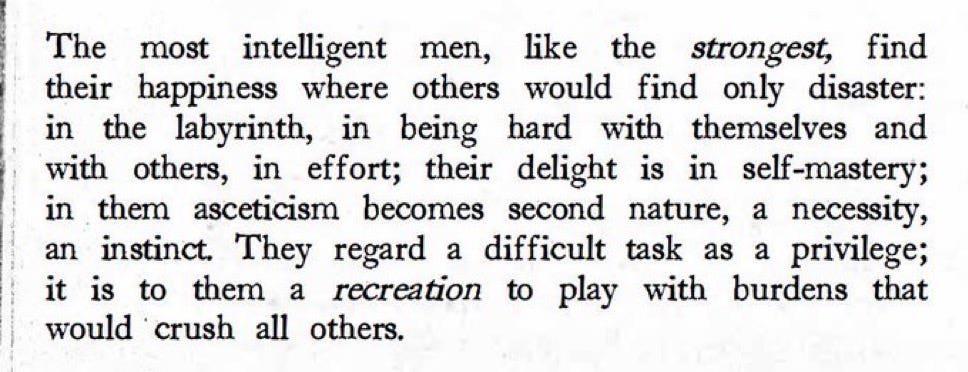
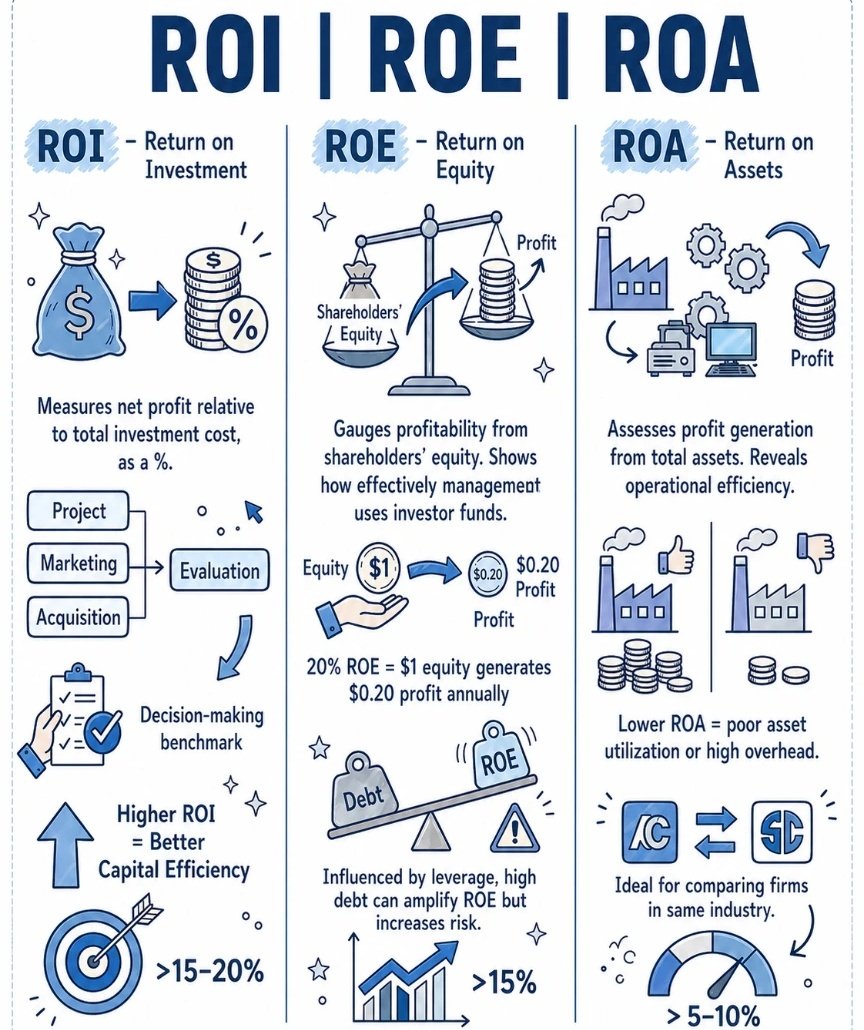
Nietzsche describing the mindset of high performers
33
1,017
7,976
200,623

artyboy retweeted

May 31
How to create more luck in your life:
1. Have your meetings in person
COVID sold us a lie that remote > in person. Instead of having a Zoom call, text your co-worker, boss, or partner to have your meetings face-to-face. Worst case you spend 30 more minutes than you otherwise would. Best case you change your entire life trajectory.
2. Stack small wins
Pick one habit and start tracking your progress on it. I use a productivity app to see how many days in a row I can keep a streak. Each time I get a small win it helps me keep going.
3. Target your icons
Scout the people you want to be around and make yourself useful to them. I did this early on in my career when I couldn't get promoted. I ended up getting mentored by someone 10 steps ahead of me for free.
4. Increase friction
Successful people fail more than anobody else, but they just kept going. Increase the volume of what you're doing: say yes to more, show up to more, try more. The discomfort of doing more is the friction you need to grow.
5. Do one thing better
You can’t possibly be the best in the world at something, but you can aim to be the most knowledgeable on it. Pick one topic, go obsessively deep on it, and post one thing you learned about it every day. A year from now you'll be seen as the expert in it even though you know nothing about it today.
6. Stop talking shit
There isn’t a shred of scientific evidence that talking about your problems helps. So stop complaining, do the work, and try to be kind to others. You’ll be surprised how much luck you can create for yourself by just by thinking positively.
Do this for 12 months and you’ll change the entire trajectory of your life.
I promise.
68
78
646
38,465
artyboy retweeted

May 26
when Robert Greene said:
"Everything worth doing has a learning curve. When it gets hard, remember the goal: reaching the cycle of accelerated returns."
2
12
91
2,389
artyboy retweeted

May 11
"The faster you act, the more opportunities appear.
Urgency compounds."
92
1,137
7,441
105,579
artyboy retweeted

May 12
I’m in love with this sentence:
“Consistency looks like nothing is happening, until everything changes.”
96
4,069
22,482
340,752
artyboy retweeted

May 12
Good management of bad experiences leads to great personal growth.
16
110
398
10,527
artyboy retweeted

This makes people like you instantly (feels illegal to know)
5
92
1,136
97,766
artyboy retweeted

Mar 8
Operations is the least important part of any service business.
All service businesses have 3 pillars: Marketing, Sales, and Operations. Your focus should be in this order.
Most $5-10M service businesses are very good to great at Operations.
The reason they don’t reach $20m is they are bad at Marketing and Sales.
32
2
146
20,883
artyboy retweeted

Jan 9
the biggest trap in business is being good at operations
you built the thing. you know how it works. you're fast at it. nobody can do it like you.
and that's exactly why you're stuck.
being good at ops makes you feel productive. inbox zero. tasks completed. fires put out. you go to bed tired thinking you did something.
but you didn't. you just maintained. you didn't grow anything. you didn't build anything new. you just kept the machine running.
the machine should run itself.
every hour you spend in operations is an hour you're not spending on strategy, sales, partnerships, content, or the stuff that actually compounds.
ops is linear. you do the work, you get the output. one to one.
leverage is exponential. you build the system once, it runs forever. one to infinity.
the goal is to make yourself irrelevant to daily operations as fast as possible.
two ways to do this:
1. systematize and delegate. document everything. build SOPs so detailed that anyone with a pulse could follow them. then hire someone and hand it off. your job becomes quality control, not execution.
2. automate completely. if a human doesn't need to make a judgment call, software should be doing it. workflows. triggers. automations. the robot doesn't sleep, doesn't complain, doesn't need management.
most founders stay in ops because it feels safe. it's comfortable. you know you're adding value because you can see the tasks getting done.
but you're not adding value. you're adding labor. and labor doesn't scale.
the businesses that win are the ones where the founder operates at the highest leverage point possible. vision. deals. relationships. capital allocation.
everything else is a system or a hire.
if you're still in the weeds 2 years in, you didn't build a business. you built yourself a job. and probably a worse job than the one you left.
get out of ops or stay small forever. those are the only two options.
master it. document it. hand it off or automate it. then never touch it again.
your job is to build the machine. not be the machine.
this is exactly what we help you solve at outboundwhales .com
27
59
823
46,943
artyboy retweeted

Anthropic dropped a 33 pages cheat sheet for building Claude skills
resources.anthropic.com/hubf…

220
2,322
18,804
11,678,912

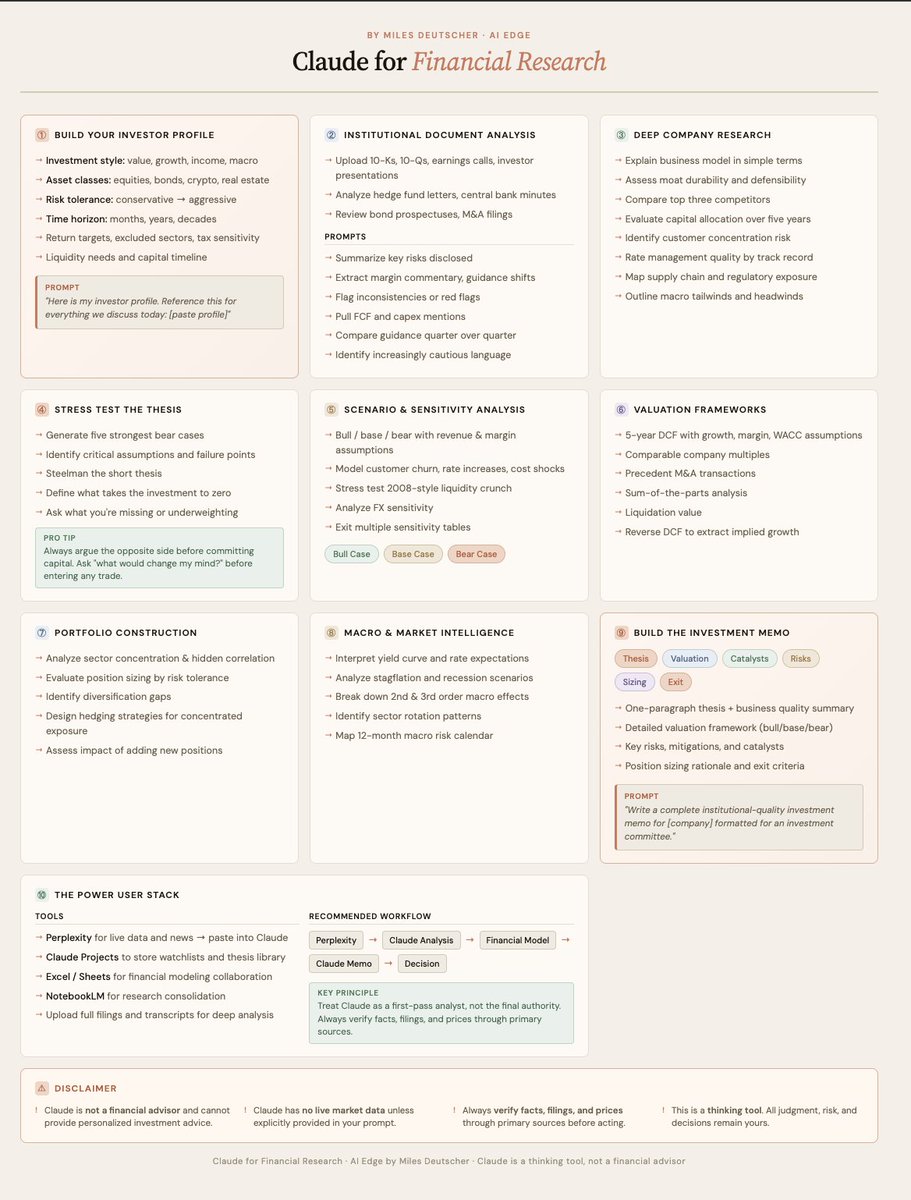
Claude can literally make you rich.
Investment firms, banks, and financial institutions are all using Claude to help clients build wealth.
And now you can steal their playbook.
Here's EXACTLY how the world's top financial institutions use Claude to get rich:
10
69
593
36,623

Stop hiring more SDRs to hit your number. Each new rep costs $80K fully loaded, takes 3 months to ramp, and churns in 14 months. Meanwhile your existing reps spend 65% of their time on non-selling activities. Fix the workflow before you fix the headcount. avair.ai
6
3
42
11,037
artyboy retweeted

Mar 8
Anthropic dropped a Prediction Market trading bot structure
$300-$1,500 a day
33 pages cheat sheet for building Claude skills, and 2 of them are hidden under a trading bot that trades at 68.4% win rate
if i had seen these documents earlier i would have saved myself a few months of analysis

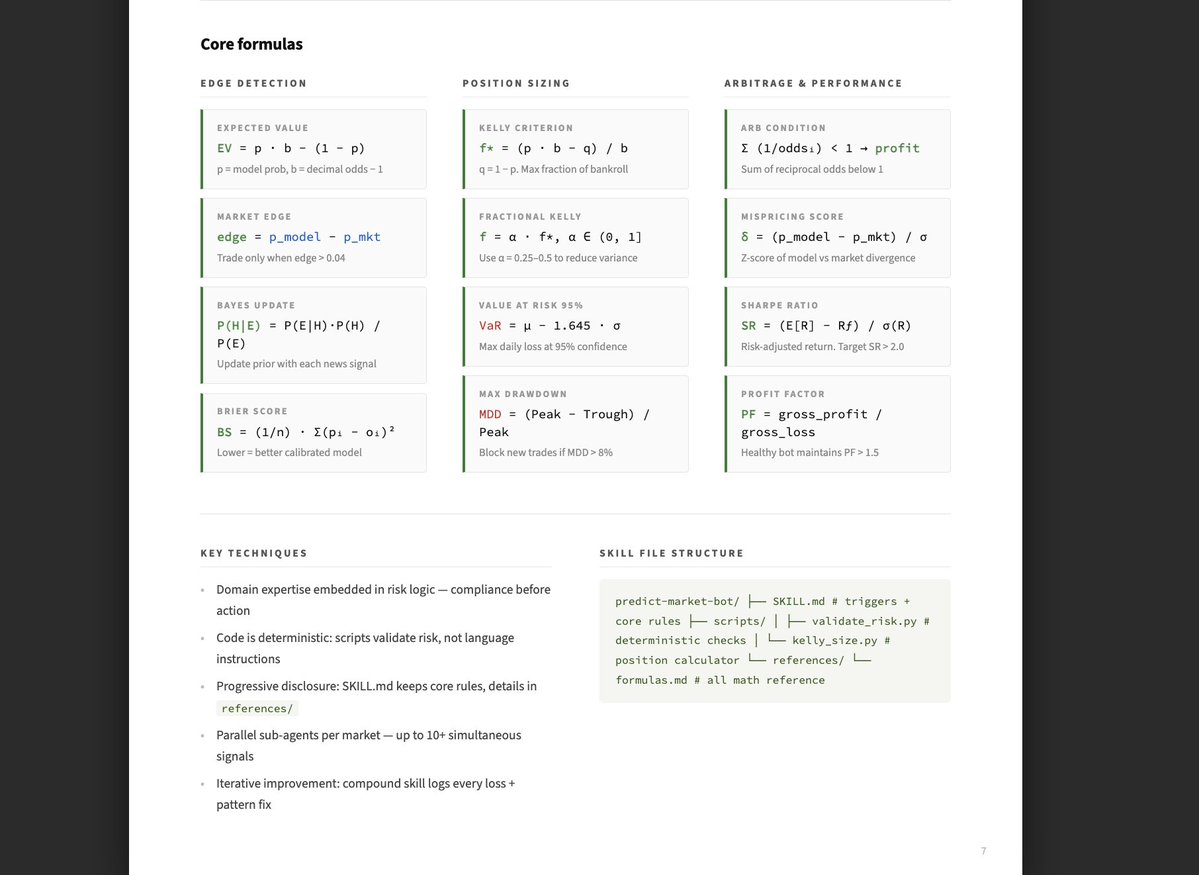

Anthropic dropped a 33 pages cheat sheet for building Claude skills
resources.anthropic.com/hubf…
Community note
The guide that Anthropic published has nothing to do with trading nor does it contain anything regarding a trading bot. This is engagement bait. See for yourself: resources.anthropic.com/hubfs/The-Comp…
155
580
8,096
1,686,038