
Social Protection @FAO @TransferProjct | Previously with @OPMglobal | Interested in #wellbeing #foodsystems #socialprotection #evaluations | Tweets are my own
Joined November 2008
- Tweets 1,010
- Following 754
- Followers 190
- Likes 2,470
9 Photos and videos

Garima Bhalla retweeted

Apr 29
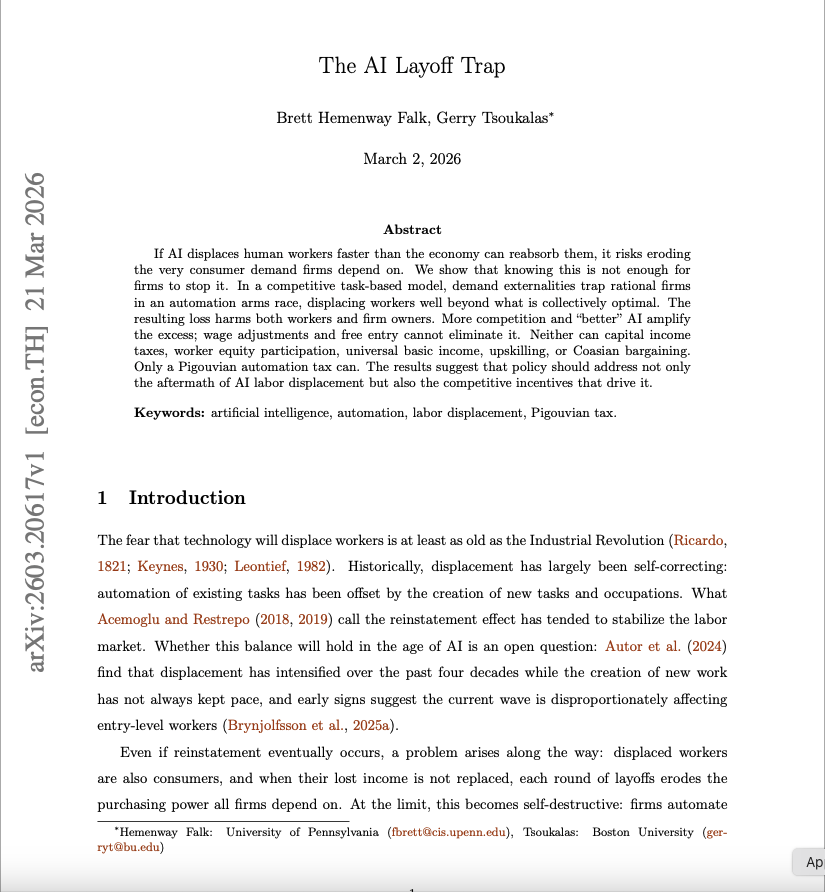
Two economists just published a mathematical proof that AI will destroy the economy.
Not might. Not could. Will — if nothing changes.
The paper is called "The AI Layoff Trap." Published March 2, 2026. Wharton School, University of Pennsylvania. Boston University. Peer reviewed. Mathematically modeled.
The conclusion is one sentence.
"At the limit, firms automate their way to boundless productivity and zero demand."
An economy that produces everything. And sells it to nobody.
Here is how you get there.
A company fires 500 workers and replaces them with AI. A competitor fires 700 to keep up. Another fires 1,000. Every company is behaving rationally. Every company is following the incentives correctly. And every company is building a trap for itself.
Because the workers who were fired were also customers.
When they lose their jobs faster than the economy can absorb them, they stop spending. Consumer demand falls. Companies respond by cutting costs — which means automating more workers — which means less spending — which means more falling demand — which means more automation.
The loop has no natural exit.
The researchers tested every proposed solution. Universal basic income. Capital income taxes. Worker equity participation. Upskilling programs. Corporate coordination agreements.
Every single one failed in the model.
The only intervention that worked: a Pigouvian automation tax — a per-task levy charged every time a company replaces a human with AI, forcing them to price in the demand they are destroying before they pull the trigger.
No government has implemented this. No major economy is seriously discussing it.
Meanwhile the numbers are already tracking the curve. 100,000 tech workers laid off in 2025. 92,000 more in the first months of 2026. Jack Dorsey fired half of Block's workforce and said publicly: "Within the next year, the majority of companies will reach the same conclusion."
Nobody is doing anything wrong. Companies are following their incentives perfectly. That is exactly the problem.
Rational behavior. At scale. Simultaneously. With no mechanism to stop it.
Two economists built the math. The math leads to one place.
Source: Falk & Tsoukalas · Wharton School Boston University ·
arxiv.org/pdf/2603.20617
1,122
3,917
9,869
1,372,498
Garima Bhalla retweeted

Mar 11
The manner in which Chief Justice Surya Kant’s bench is proceeding in the #NCERT matter is terribly disquieting.
If the Chief Justice truly wishes, in his own words, to “catch the bull by the horn,” then there is a far worthier place to begin: with accountability within the institution. Let the Chief Justice tell the country what happened to those 8630 COMPLAINTS AGAINST SITTING JUDGES received by the Chief Justice of India’s Office over the last 10 years!
The Chief Justice’s bench is not only coming down heavily on the textbook chapter, but also now overseeing the proposal for an expert panel to vet future content touching the judiciary! Even more troubling is the manner in which the Chief Justice made severe, contemptuous remarks against academics who may actually possess a deeper engagement with history, pedagogy and democratic theory than some judges who sit in judgment over them, all WITHOUT affording them any opportunity to respond, explain, or defend their work!
As I wrote in my column for @frontline_india, the team associated with drafting the chapter may have exercised its policy discretion in concluding that the problem of judicial corruption was serious enough to warrant prominence in the chapter. Can the court then condemn this in this manner, for a policy choice they were entitled to make? Where is the procedural fairness, at the very least? To publicly censure scholars, taint their reputations, and then ensure, in practical effect, that they are kept away from future government work is disproportionate and is only a form of judicial punishment without trial. (Column here: frontline.thehindu.com/colum…)
The question is not whether school textbooks should be accurate, balanced or responsibly written. Of course they should! The question is whether a constitutional court can intervene in so SWEEPING and HIGH-HANDED a manner that it effectively begins to supervise pedagogy, blacklist academics by judicial signal, and expand its own oversight from one chapter in one book to future textbooks of higher classes that may mention the judiciary at all. That is not adjudication but an institutional overreach DRESSED UP as constitutional guardianship! Since when did the Court become a curriculum authority? Since when did retired members of the judicial fraternity become the natural custodians of how young citizens are to be taught about courts, corruption, criticism and institutional failure?
One would have thought that, in a democracy, the judiciary earns public trust by the force of its conduct and reasoning.
As for the Chief Justice’s reported remarks on social-media criticism, that critics must know how to “deal” with him, the language is simply ASTONISHING, though keeping in line with Chief Justice’s similar past utterances. The language is wholly unbecoming of a constitutional court, let alone of the highest judge in the country. A judge may be stern, may be offended, and may even warn against reckless imputations. But the language of personal settling, of teaching dissidents how to “deal” with him, belongs to street power, not constitutional power. In one of my other @frontline_india columns, I wrote about judicial temperament. Such language actually betrays a temper that is DANGEROUSLY at odds with the restraint, distance, and moral seriousness that the office of a judge demands. (Column here: frontline.thehindu.com/colum…)
The 8630 complaints, let the Chief Justice of India place in the public domain the details of how those complaints were handled, screened, buried, or acted upon.
Let him show the standards by which allegations of corruption, impropriety, conflict of interest, and sexual misconduct are treated when they concern judges themselves.
My RTIs have failed because opacity has been elevated into doctrine at the Supreme Court of India. But what the RTIs have achieved is to unveil this doctrine before the country. Can it be in institutional interest for the Chief Justice to continue maintaining opacity around the complaints which is precisely what fuels public suspicion?
It is far too easy to threaten contempt and legal troubles against citizens, academics, lawyers, or social-media users who speak about corruption in the judiciary.
But Chief Justice Kant must know that it is far harder to build an ethic of public confidence through transparency, self-scrutiny and demonstrable fairness.
That is the real test of integrity. Not muscular language from the bench. And not such coercive sanitisation of criticism. So can the judiciary submit itself to the standards of accountability that it so routinely demands from everyone else? Can Chief Justice Kant ensure this during his term?
68
1,213
2,944
71,755
Garima Bhalla retweeted

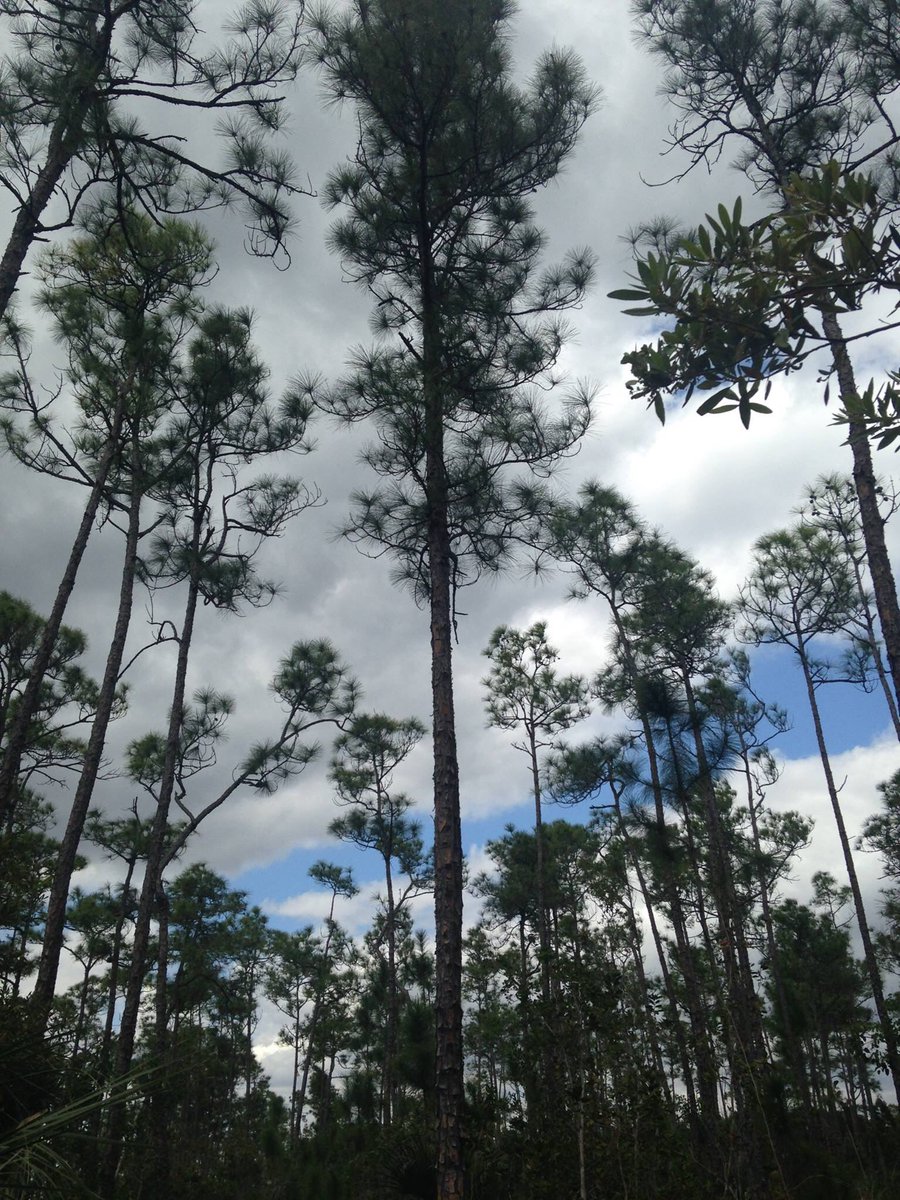
This needs to be said: We are at Jim Corbett and apparently there is no restriction on loud music till 10:30pm in the night. The roads are full of cars speeding around, at least 30 jeeps plying in one area of the forest, you can see brunt land on both sides and massive tree felling.
So guilty of attending a family wedding here, I cannot say. There’s one I skipped because I didn’t want to be a party to destroying the habitat of animals. But why is Uttarakhand government allowing weddings in a forest reserve? I know my tweet will have zero reaction but
Please tag the concerned agencies when you read this.
@ukcmo @uttrakhand24 @AniUttarakhand
202
1,570
4,833
232,628
Garima Bhalla retweeted

Jan 11
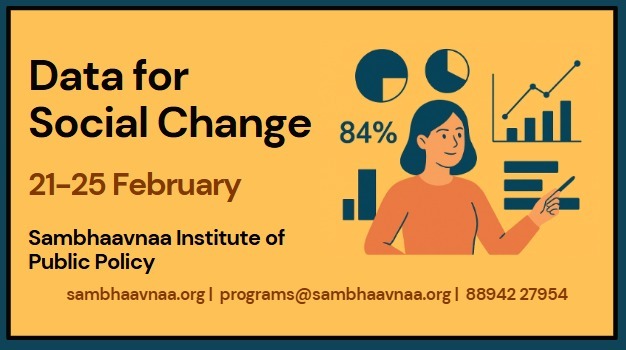
📉 *If you want to create social change using data and learn what data is & how to use it, this workshop is for you 📉*
Data for Social Change Workshop!! 📉
🗓️ 21st February - 25th February, 2026
📍Sambhaavnaa Institute, Palampur, Himachal
Register now : sambhaavnaa.org/programs/dat…
1
10
377
Garima Bhalla retweeted

15 Dec 2025
In the NREGA Act, the reason that it worked is because the Centre would give the full funding if the state implemented it, and if the state failed to implement it, then they would have to carry the cost of the unemployment allowance. Now they will have to carry the cost of implementation at a higher rate...In the end, there is no guarantee from the Centre; it is only putting legal obligations on the states. — Reetika Khera (Professor of Economics, IIT Delhi)
#NewsToday @sardesairajdeep
8
36
84
46,535
Garima Bhalla retweeted
20 Nov 2025
Give a missed call to 9266618777 & join @jawabandolan .
Public officials hold office because of people’s money & votes. We need a law that makes them truly answerable to the people. Democracy is transparency, with accountability to the people. Pass the Accountability Law - now!
3
33
62
2,368
Garima Bhalla retweeted

20 May 2025
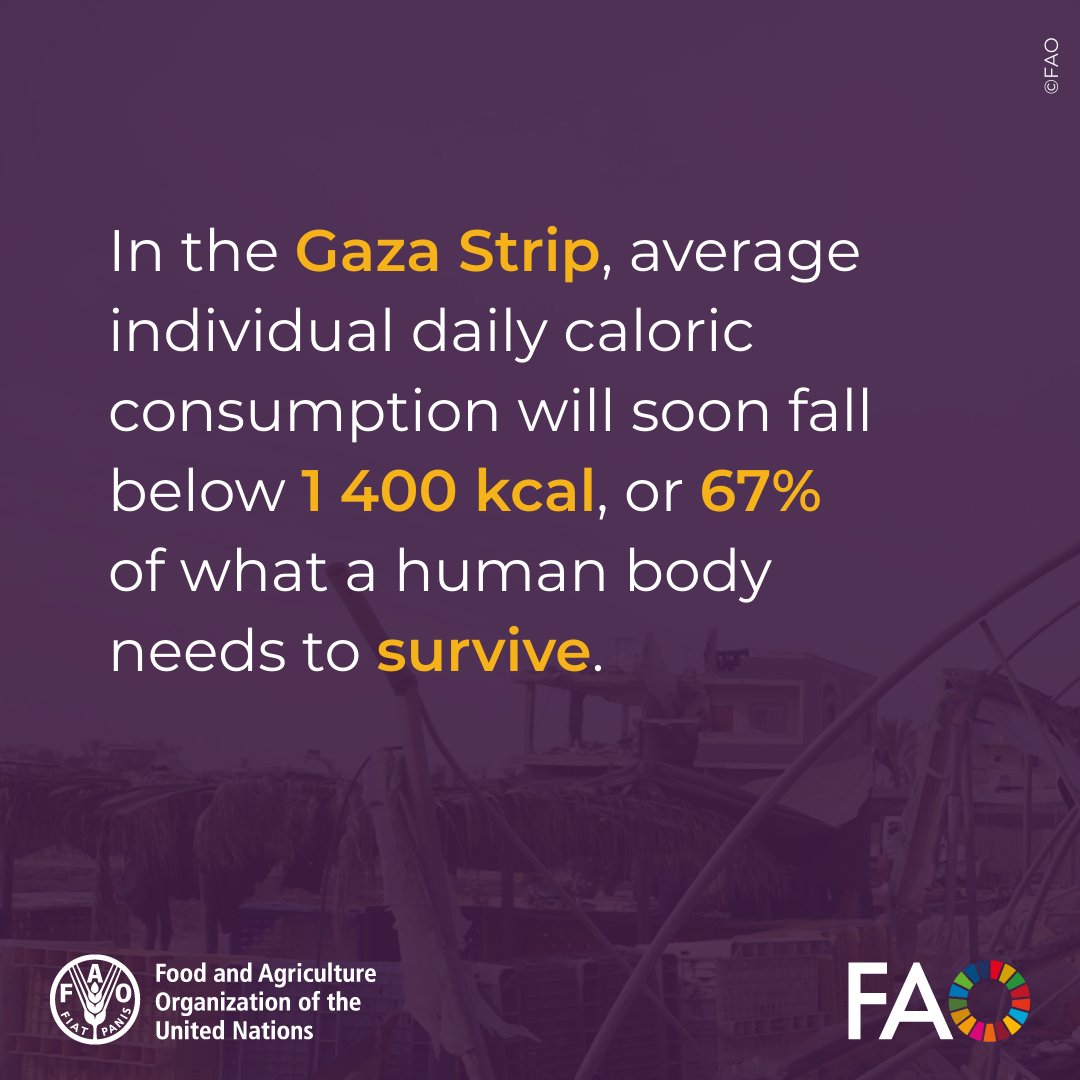
Famine imminent in the Gaza Strip: New @FAO study examines implications of food blockade in the context of International Human Rights Law and International Humanitarian Law.
Learn more👉 bit.ly/430rwUP
#RightToFood
1
13
9
546

22 Dec 2024
Ten key insights from development economics research in 2024 voxdev.org/topic/ten-key-ins…
3
61
7 Dec 2024
RT @rahmstorf: Get a cup of coffee and listen to Hannah Ritchie (Our World in Data; Uni Oxford) explain in 12 minutes how we can solve the…
529
Garima Bhalla retweeted

14 Nov 2024
Launching my new book at the FAO in Rome. A chance to reflect on what we can draw out of it for renegotiating patriarchy in the wider world. See link to register.
@LSEnews @LSE_ID @LSEInequalities @LSEGenderTweet @LSEPress @AFSEE_LSE @IDS_UK @FemEconSoas @IAFFE @FeministEcon
14 Nov 2024

Excited to have @N_Kabeer at @FAO on Friday, 22 November, to talk about her latest book! We will challenge conventional narratives about development highlighting the role of women's agency. Join at bit.ly/4hOHs1K or in person at the Sheikh Zayed Centre, FAO

2
18
67
4,150
Garima Bhalla retweeted

14 Nov 2024
CM's breakfast scheme in Chennai - food arrived piping hot at 7.57am. LKG, UKG and primary kids are fed first. Children say food is "super", better than home (indeed it was very good!). But...
98
674
5,330
970,338
Garima Bhalla retweeted

26 Oct 2024
@iccr_budapest @PMOIndia @DrSJaishankar @MEAIndia As an Indian citizen, I urge the government to ensure wheelchair accessibility at embassies and consulates under the RIGHTS OF PERSONS WITH DISABILITIES ACT, 2016. Our para-athletes winning medals also deserve this.
3
3
4
147
Garima Bhalla retweeted

3 Oct 2024
Thank you for reading! If you enjoyed this descent into the abyss, please follow me and retweet the first post so others can see it as well:
3 Oct 2024

The terrifying beauty of the ocean 🧵
1. Sitting on the edge of an underwater cliff

ALT Credit: Adam Stern
33
456
4,162
932,653
Garima Bhalla retweeted

16 Jul 2024
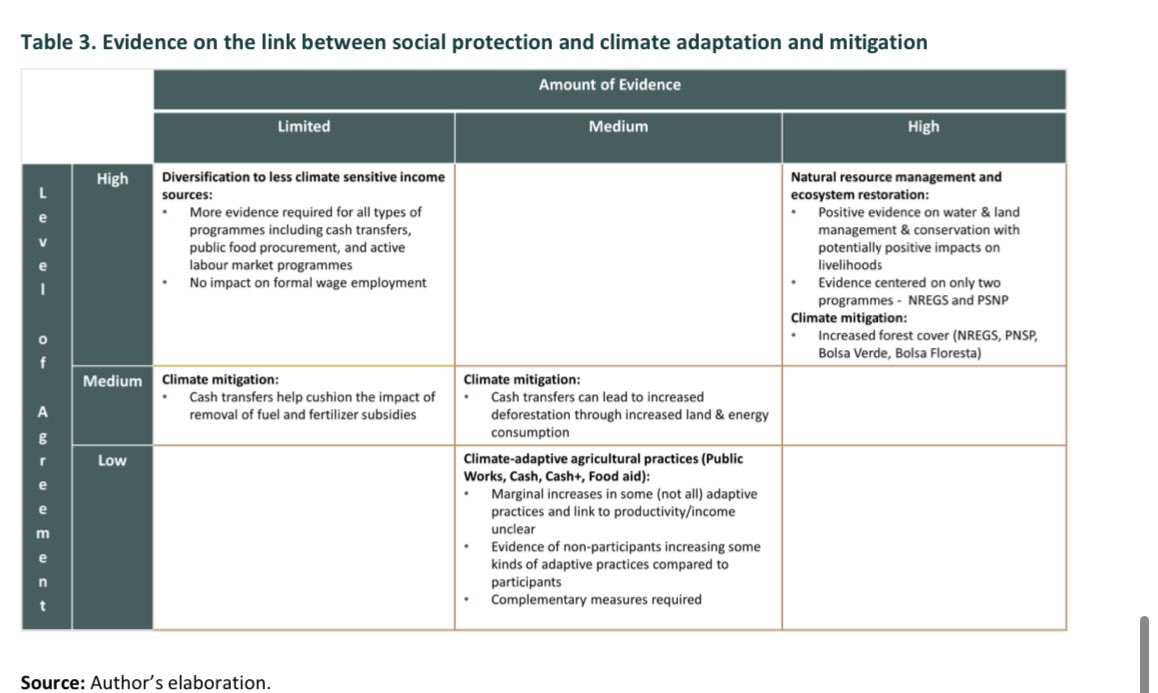
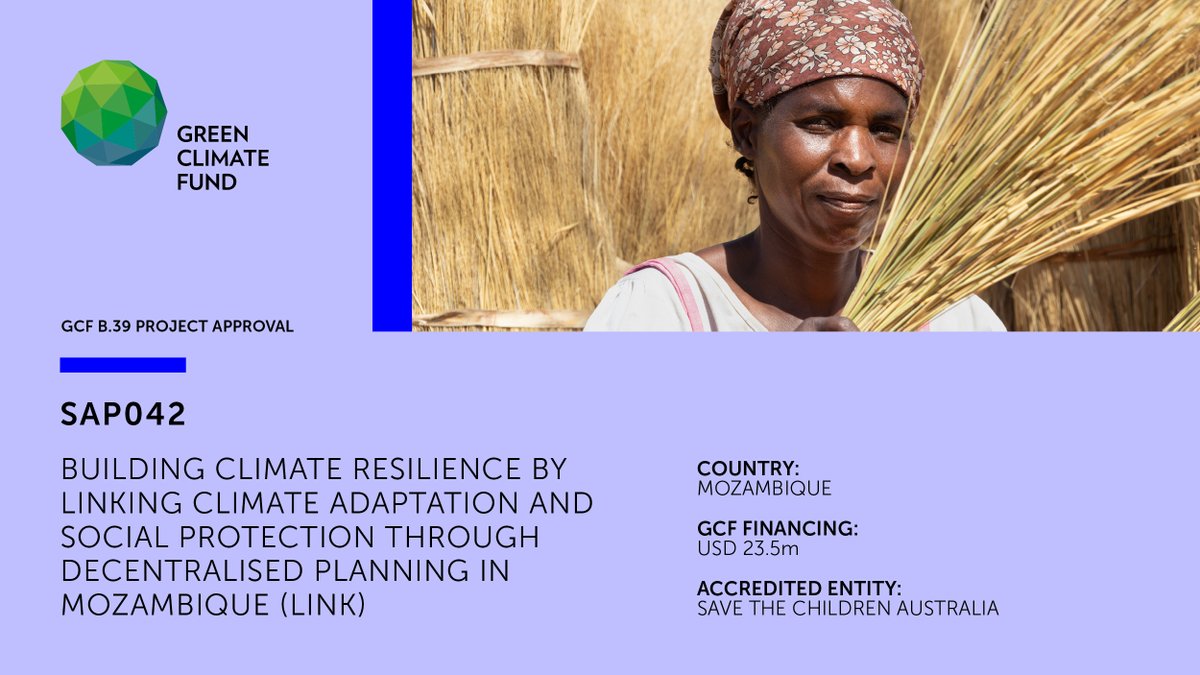
GCF Board #GCFB39 approved #adaptation project SAP042 with @savechildrenaus to strengthen vulnerable communities in Mozambique 🇲🇿 against climate impacts by integrating adaptation knowledge and practices into social protection activities. #ClimateAction g.cf/sap042
1
9
18
1,605
6 Aug 2024
Useful!
5 Aug 2024

14 different literature review types categorized by method used
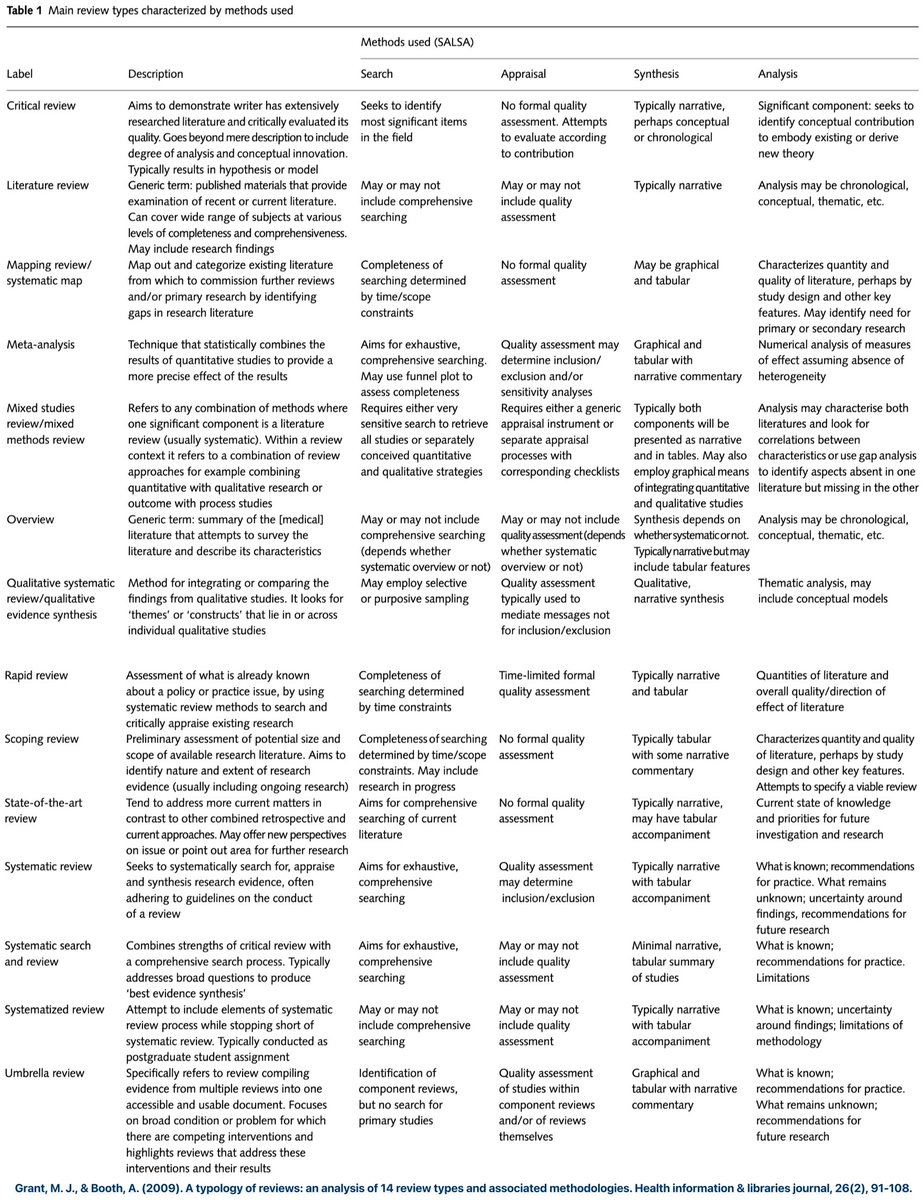
ALT Great overview of different review types. Table 1 from Grant, M. J., & Booth, A. (2009). A typology of reviews: an analysis of 14 review types and associated methodologies. Health information & libraries journal, 26(2), 91-108.
3
94
23 Jul 2024
RT @kumarmanish9: A car running on the wrong side of the road in Ghaziabad on the Delhi-Meerut Expressway hit a mother-son duo riding a sc…
1,191
Garima Bhalla retweeted

20 Jul 2024
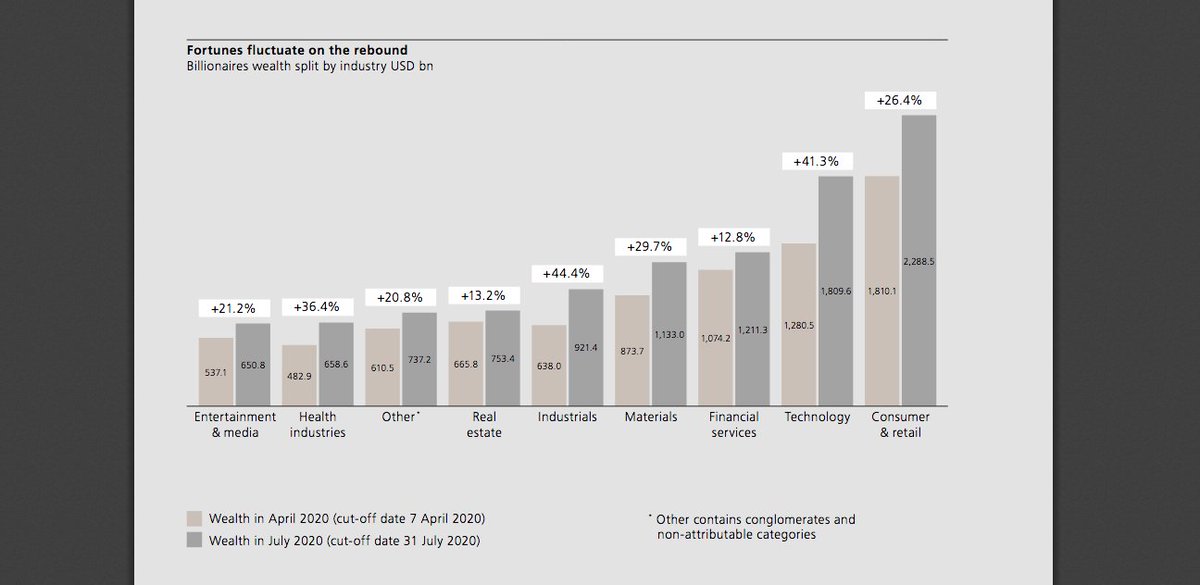
The richest 1% are responsible for the same quantity of planet-wrecking greenhouse gases as two-thirds of humanity.
These are not natural facts. They are the result of humanity’s choices.
We can, and must, decide to do things differently.
1,293
4,093
11,697
816,912
Garima Bhalla retweeted

16 Jul 2024
The #RightToFood is essential for human dignity & the realization of other rights
The crisis in Gaza has severely impacted this right, exacerbating hunger & starvation
Register to join our briefing on challenges faced & needed interventions
🗓️ 18 July
📌bit.ly/3LmgVK8

2
6
233
Garima Bhalla retweeted
15 Jul 2024
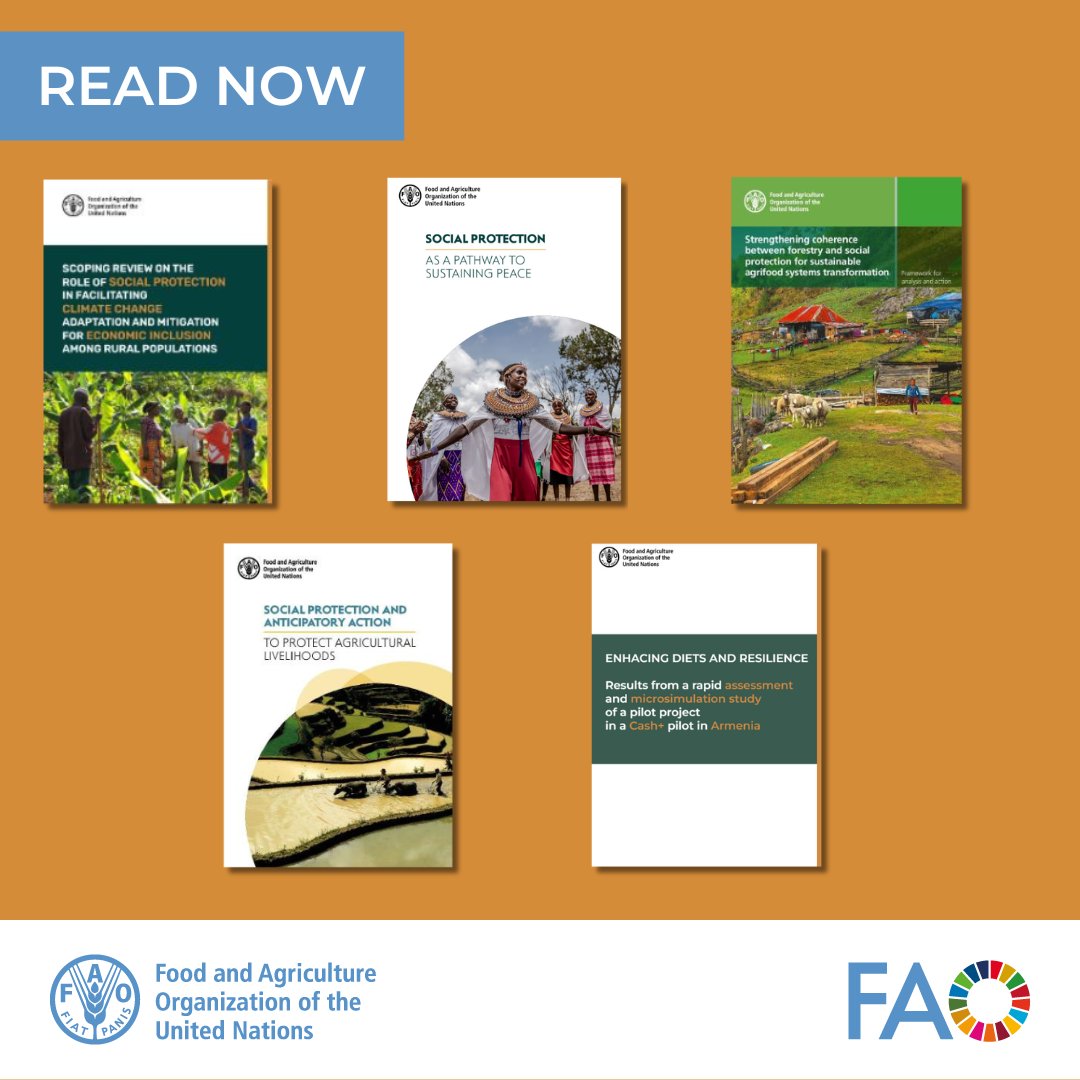
We've got the latest @FAO #SocialProtection publications for you to dive 🌊into these hot topics:
🕊️Peace and conflict
♻️Climate change
🛡️Resilience
🌳Forestry
Download YOUR 📚 today👇
bit.ly/4bxvxRw
9
14
442
Garima Bhalla retweeted
5 Jul 2024
MKSS inspired many, including many roadscholarz. At the book launch of "The Personal is Political" by Aruna Roy (and a PS by Nikhil and Shankar)

1
54
337
18,138