
Assistant Professor at CU Boulder working on power systems, optimization, and machine learning. PhD in Electrical Engineering from @OhioState.
- Tweets 154
- Following 1,241
- Followers 197
- Likes 3,419

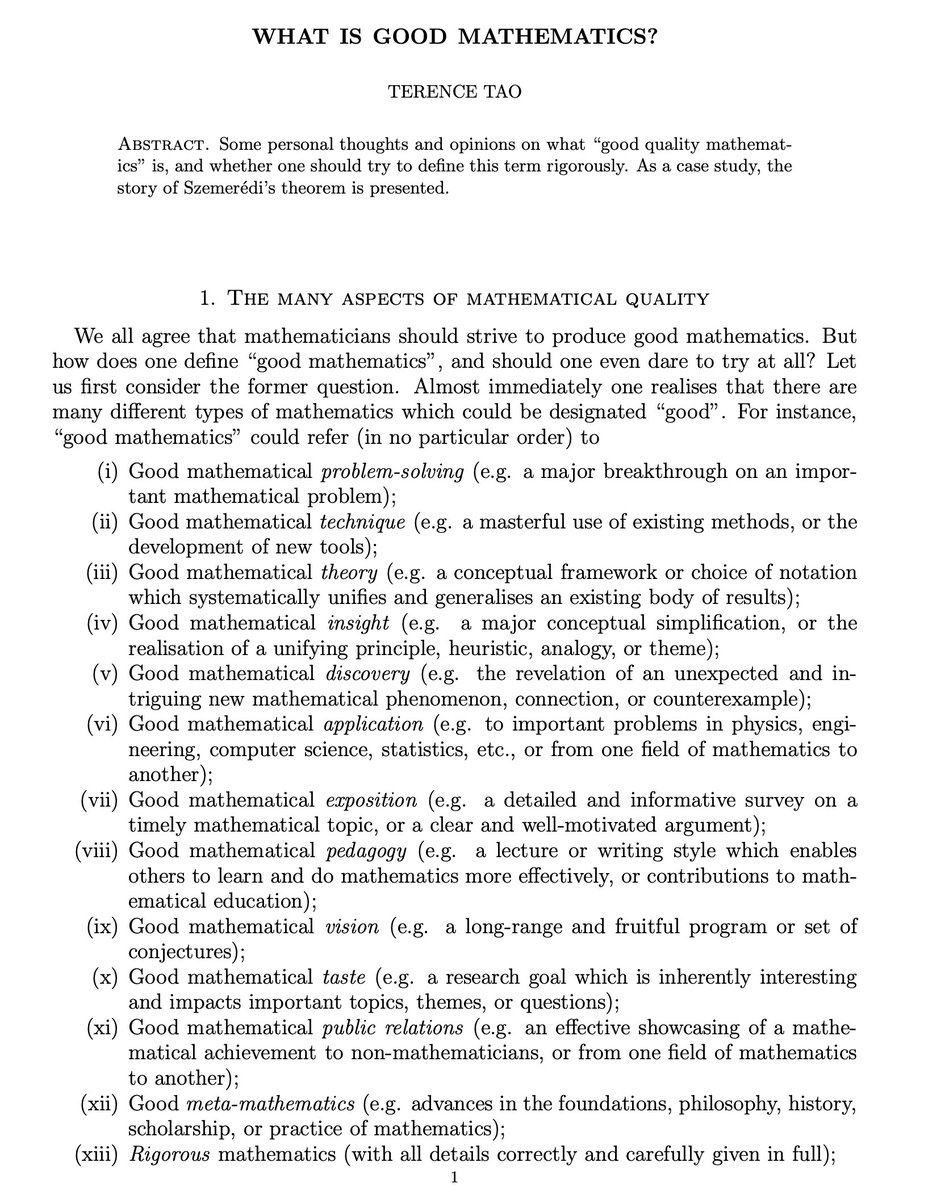




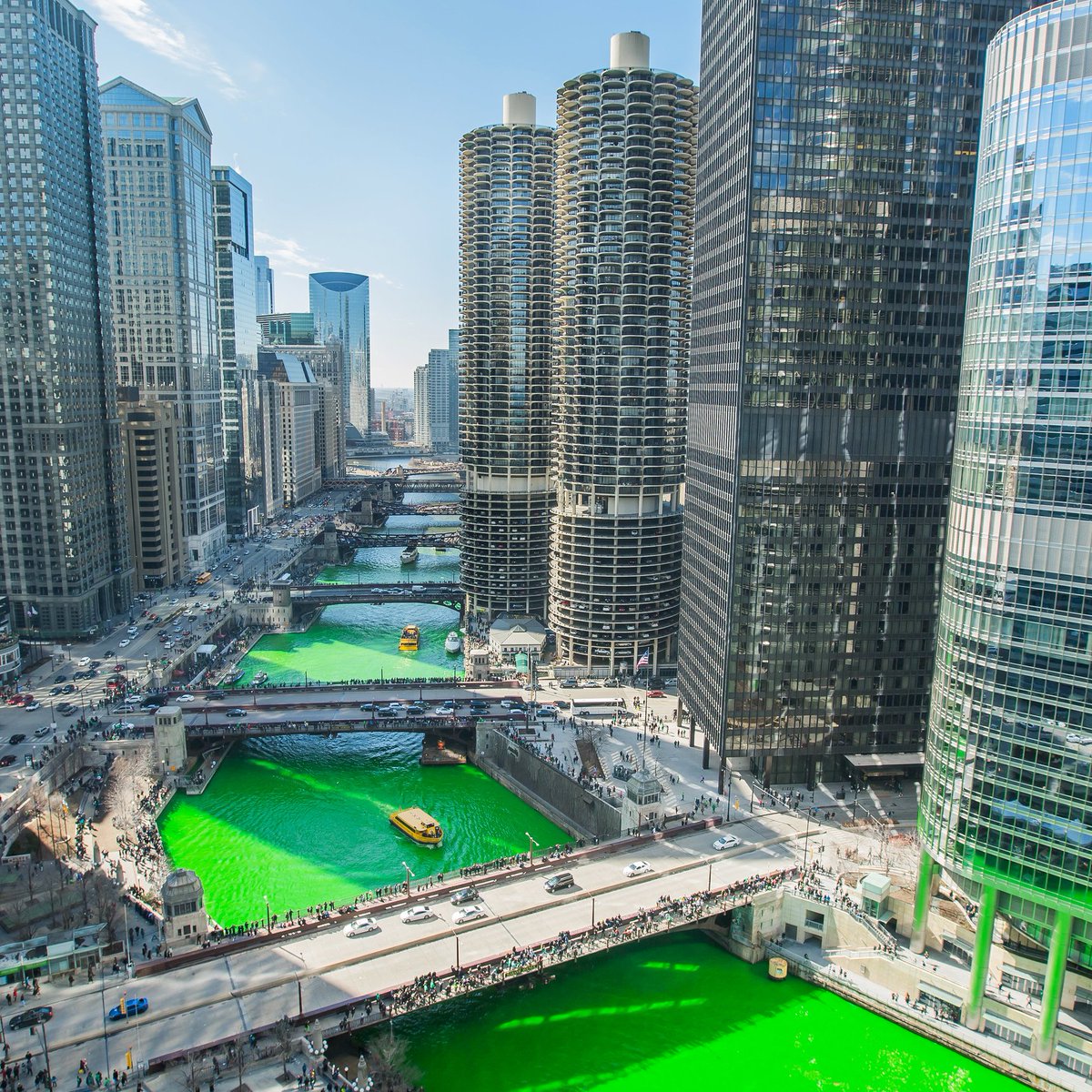
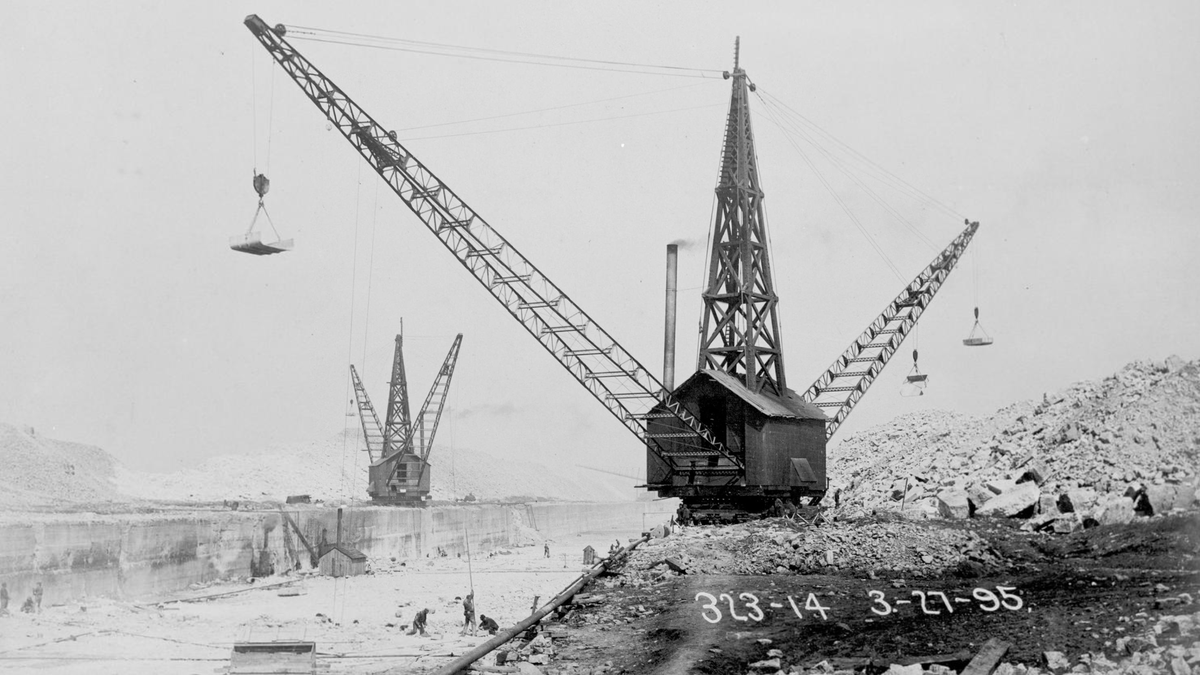
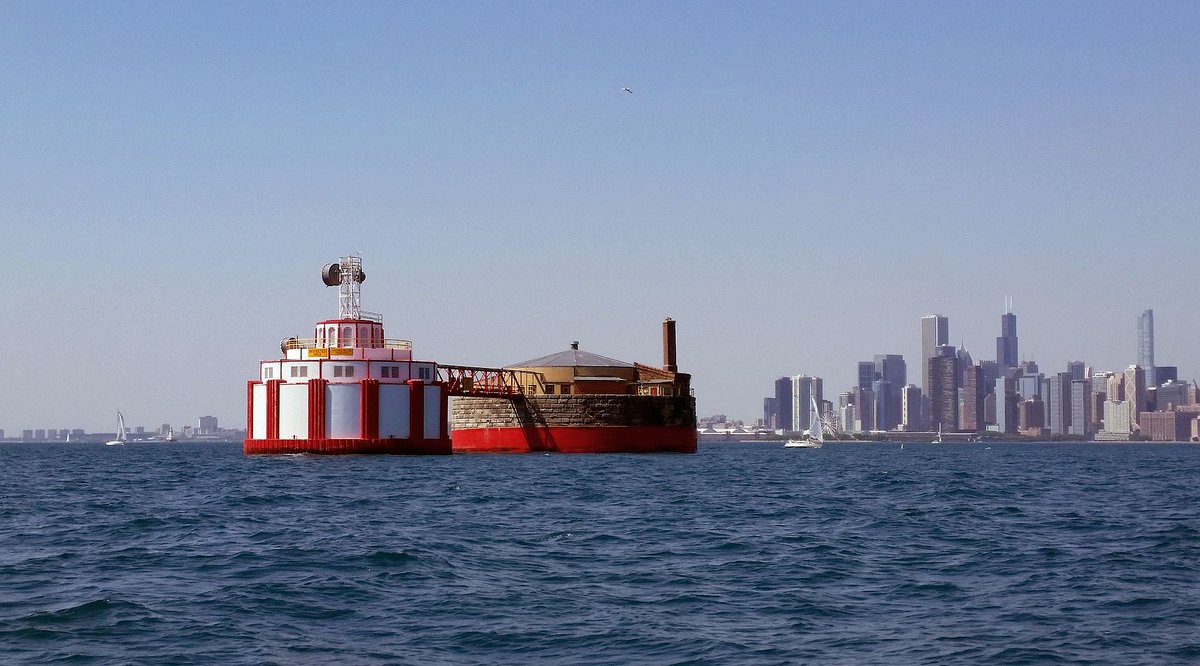
ALT 1. Foto del río Chicago tintado de verde para celebrar el día de San Patricio. Natasha Jelezkina CC BY-SA 2. Grúas excavando el Canal Sanitario de Chicago en 1896. DP 3. Un depósito de toma de agua en el Lago Míchigan, junto a Chicago. David B. Gleason CC BY-SA





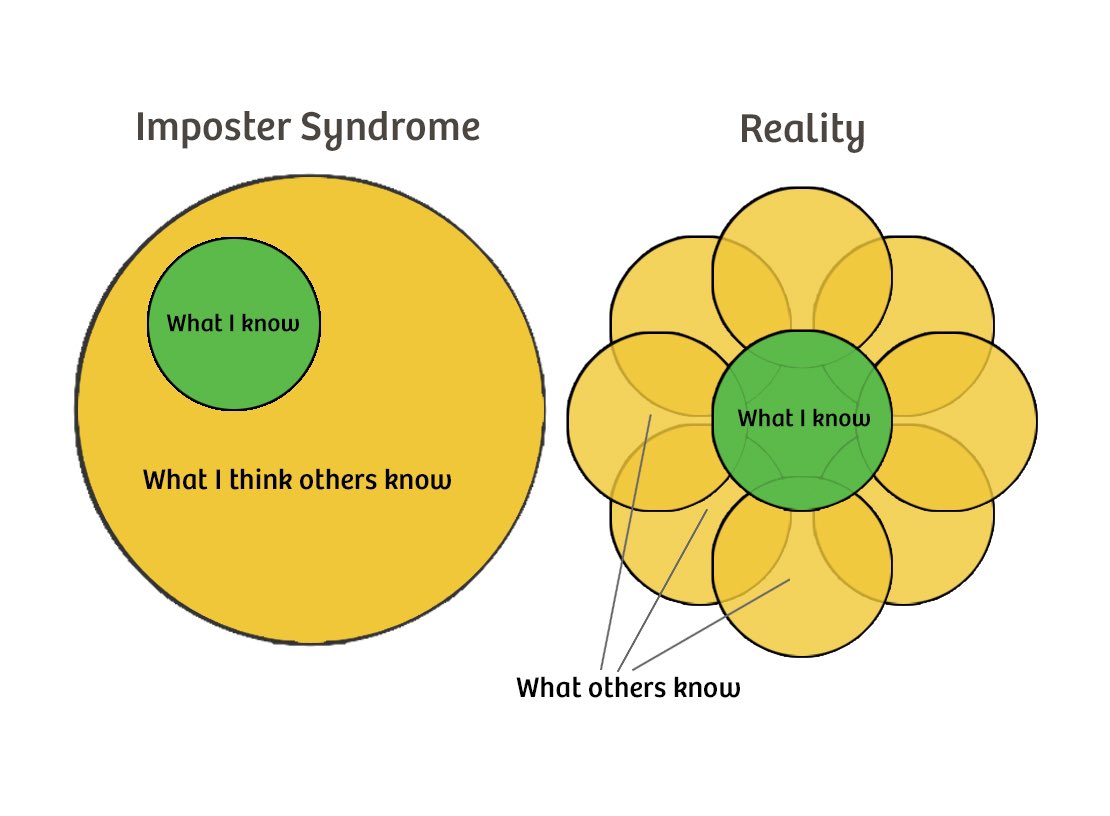
ALT Two similar graphics. The left side labeled imposter syndrome with a what I know circle nested inside a much larger what I think others know circle. Right side labeled reality and showing the same what I know circle but with many smaller what others know circles that are the same size as it







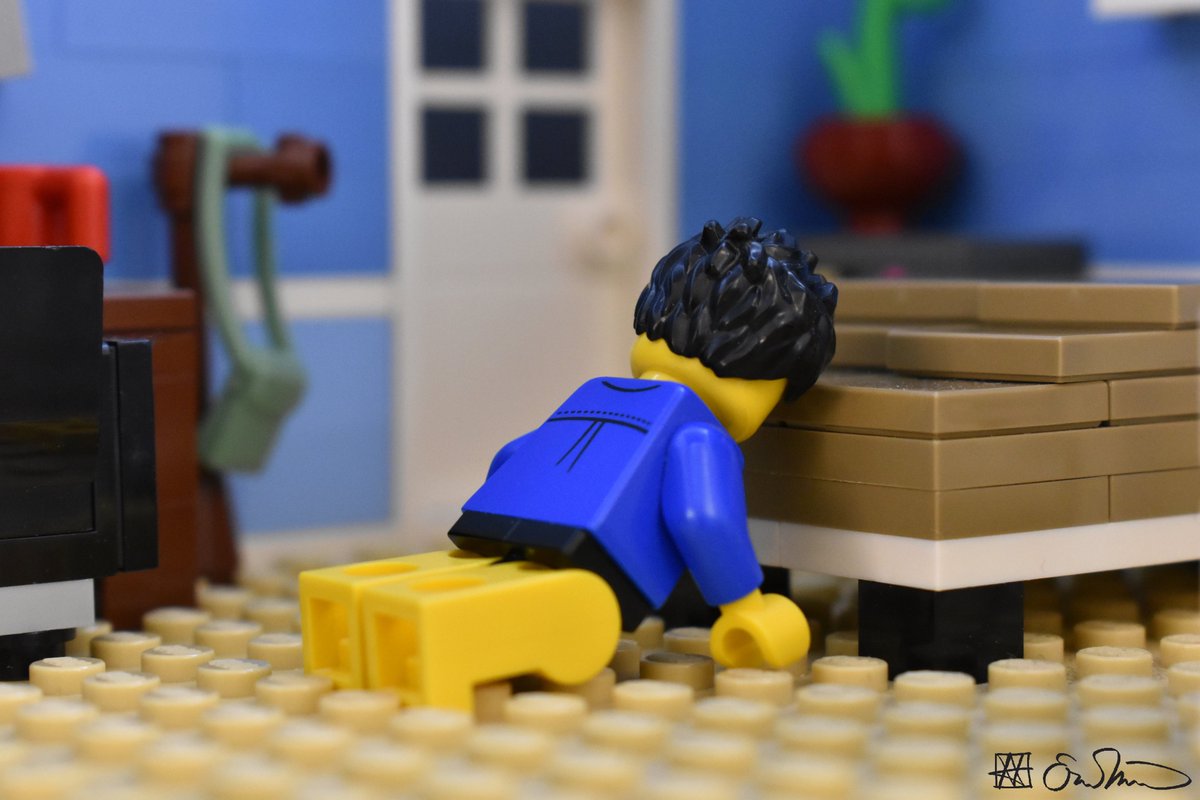
ALT LGS is slumped over in his apartment with his head resting on the foot of the bed. He is still not wearing any pants.
