
Innovative financial system proposals to help fund the transition to sustainable economies. Note do not go to gepsd.com not active down
Joined February 2014
- Tweets 20,232
- Following 4,664
- Followers 1,297
- Likes 73,396
5,248 Photos and videos
Pinned Tweet

21 Sep 2022
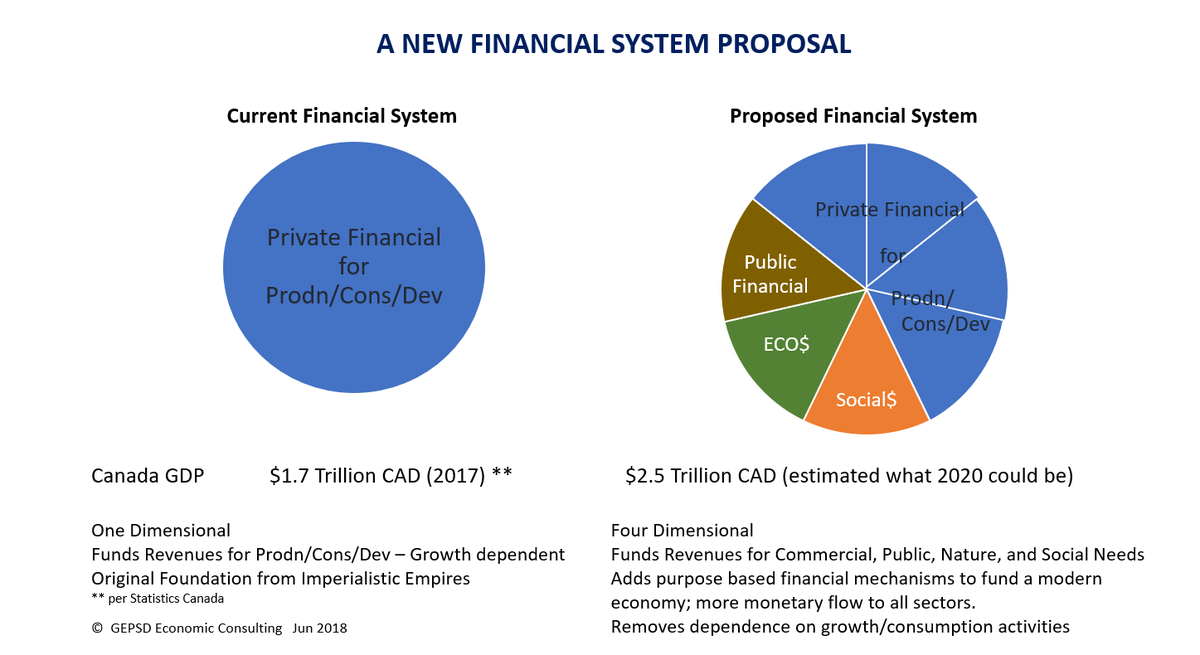
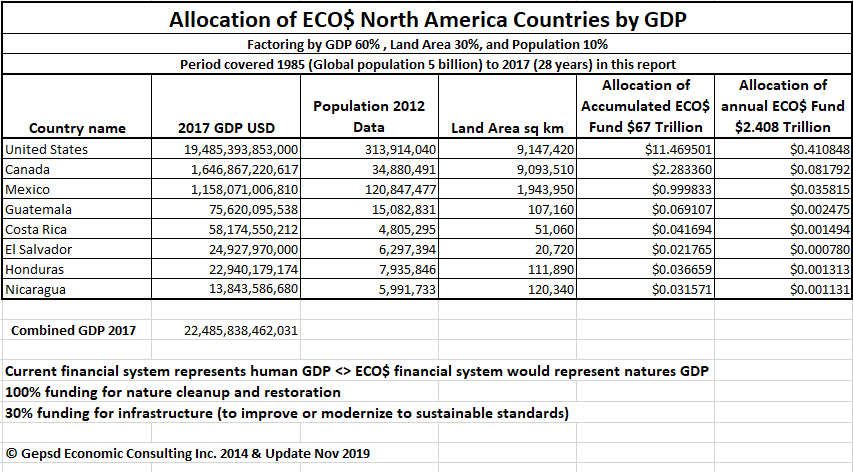
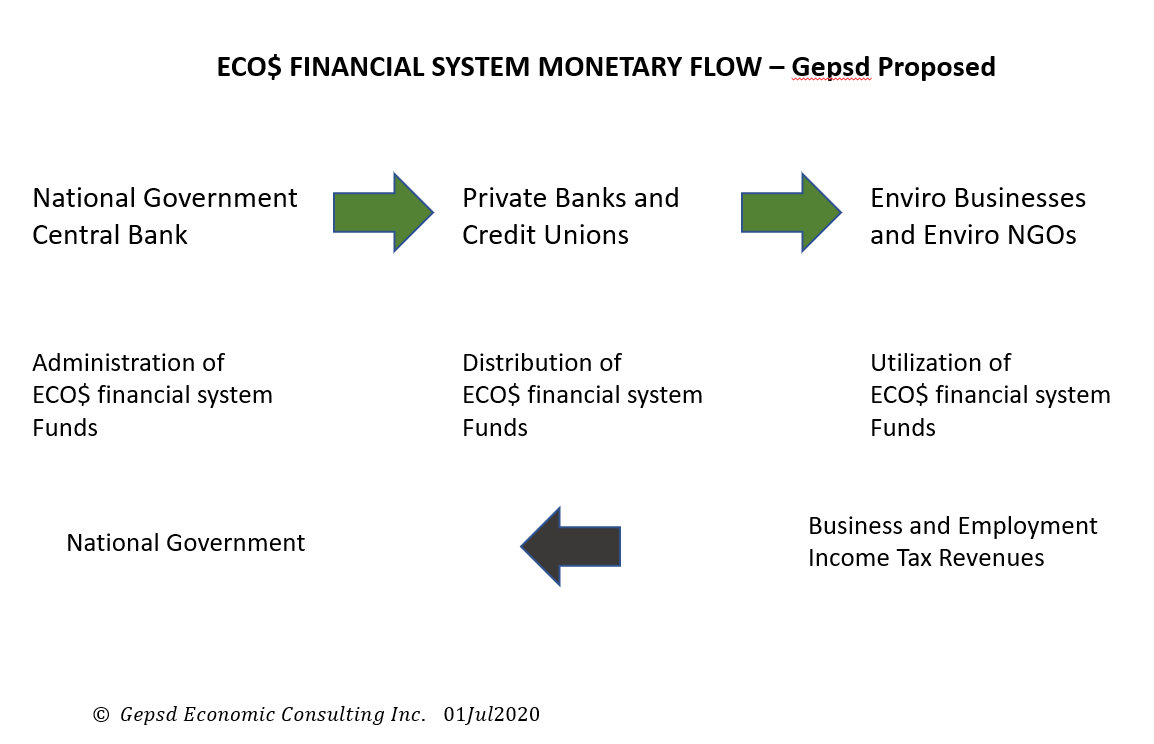
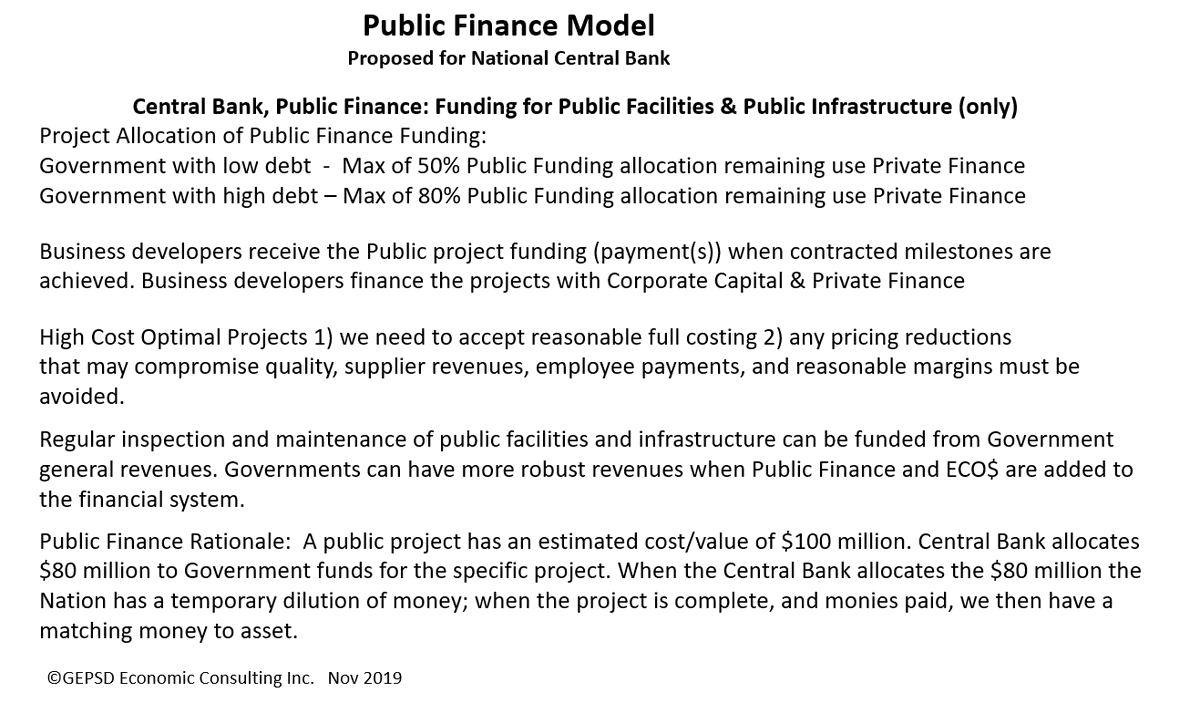
Cdn Govt might want to consider comprehensive plans to build a sustainable economy, stop urban sprawl, protect: farmland, natures land & waters habitat, build 100% waste mgmt systems, reduce consumption, modify the financial system to support the move. No real plan, no action
5
6
24
GEPSD Economic Consulting retweeted

May 26
Huge rise in factory-style dairy farming of ‘battery cows’ in UK as costs rise @guardian
“Investigation finds number of dairy farms where cows cannot go outside has more than doubled since 2015”
“We managed to ban battery eggs; why not battery cows? It is shameful that we subject cows … to these conditions of cruelty & confinement.”
All life deserve a life worth living
@ciwf
theguardian.com/environment/…
42
585
900
29,737
GEPSD Economic Consulting retweeted

May 27
We have a booming stock market juxtaposed against plummeting consumer confidence, and the explanation lies in a single, staggering statistic: the wealthiest 10% of American households own approximately 87% of all U.S. stock market wealth. If the market tanks, the economy is in major trouble. Therefore, the more likely path is that policymakers will run the economy really hot, exactly as they have signaled they want to. This strategy helps lower the debt-to-GDP ratio, but it also triggers a massive, structural demand shock for critical natural resources.
10
18
125
8,878
Gepsd Consulting will be shutting down later this year. Keep plugging #sustainable economies for nations with Space Development for #growth economy; time to ditch arms profiteering hegemony wars, too destructive to people, cities, nature.. Note: gepsd.com site down
2
11
GEPSD Economic Consulting retweeted

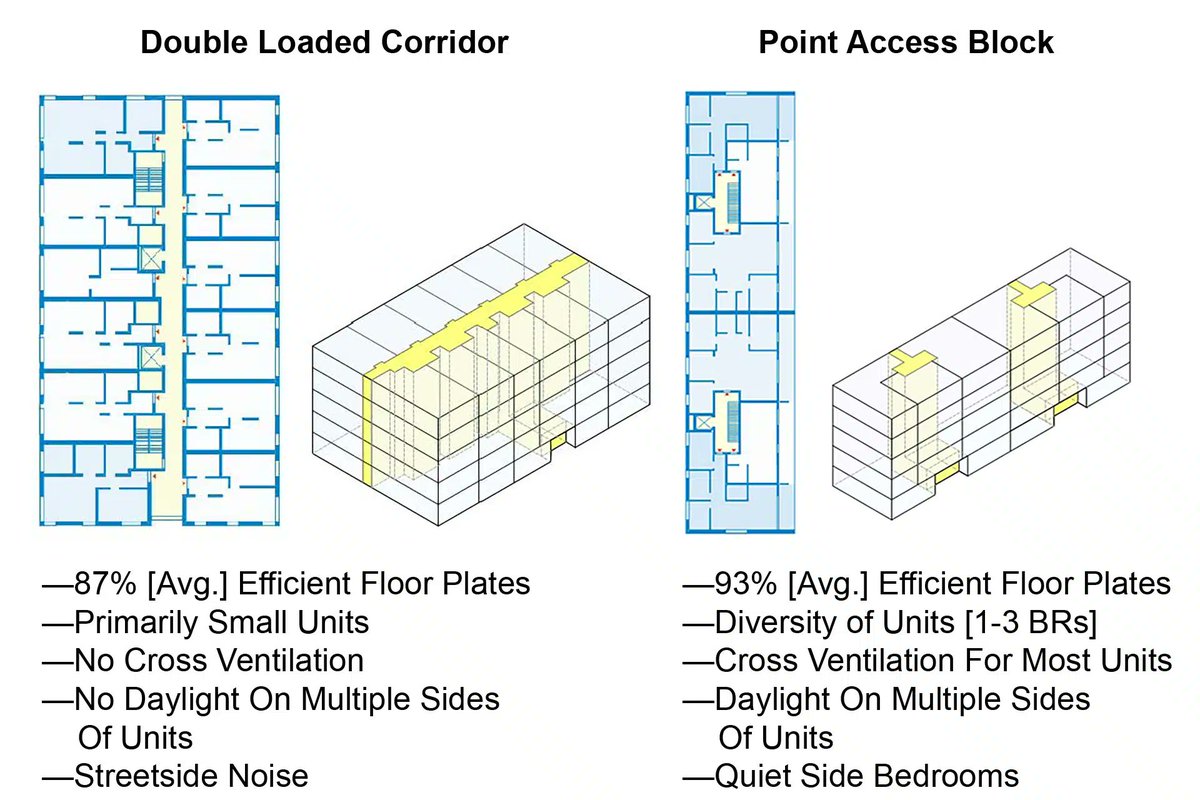
Stair reform makes it possible to build units that "live like a house" not just because they are LARGE but also because they have a QUIET side.
Houses have a front and a back. A front facing the public street, and a back that opens onto a private yard.
Multifamily CAN do that if it includes units that have a front and a back, or "dual aspect." And these can be really nice if primary bedrooms and kitchens are facing courtyard, or quiet side of the house, so you can open a window at night, or have a dinner on a balcony or whatever.
Not all the units need to be front to back. Pack some floors with studios and one bedrooms for MOAR units (and people to share expensive land with, patronize shops, eventually buy large units when those households are ready to downsize, etc.)
But some floors should have large units that are house-like in that they have a street side and a quiet backyard side.


No urban revival without stair reform.
Great cities need middle housing -- ie MANY small multifamily buildings that allow many households to share expensive urban land. But those homes still have to be good enough that a wide range of households want to live in the. Not just twenty somethings.
Current egress rules have made multifamily housing ESPECIALLY awful in the US because they push developers to double-loaded corridor layouts: long, hotel-like hallways with apartments lined up on both sides. These buildings are extremely expensive to build and not great at creating "life-cycle" housing.
Families often want a home with a “front” and a “back”: one side connected to the street and the life of the neighborhood, and another quieter side facing a courtyard, garden, yard, or shared green space. They want cross-ventilation, daylight from more than one direction, a place for children to play, and some sense of threshold between public and private life. Double-loaded corridor buildings make that impossible, because units are facing either the back or the front.
The more home-like form of multifamily is enabled by single-stair reform, sometimes called “smart stair” reform and closely related to the point-access block. instead of accessing units from a long corridor, apartments are arranged around a central stair. This allows smaller buildings, shallower floorplates, more dual-aspect units (they don't all need to be, but some of them should be), better light and air, and a much closer relationship between the home, the street, and the yard.
Single-stair reform is a keystone reform for rebuilding family-friendly urban neighborhoods. It will make it significantly easier to build the fine-grained, middle housing neighborhoods that everyone wants but no one builds anymore (because we made it illegal)
4
25
256
13,364
GEPSD Economic Consulting retweeted

May 26
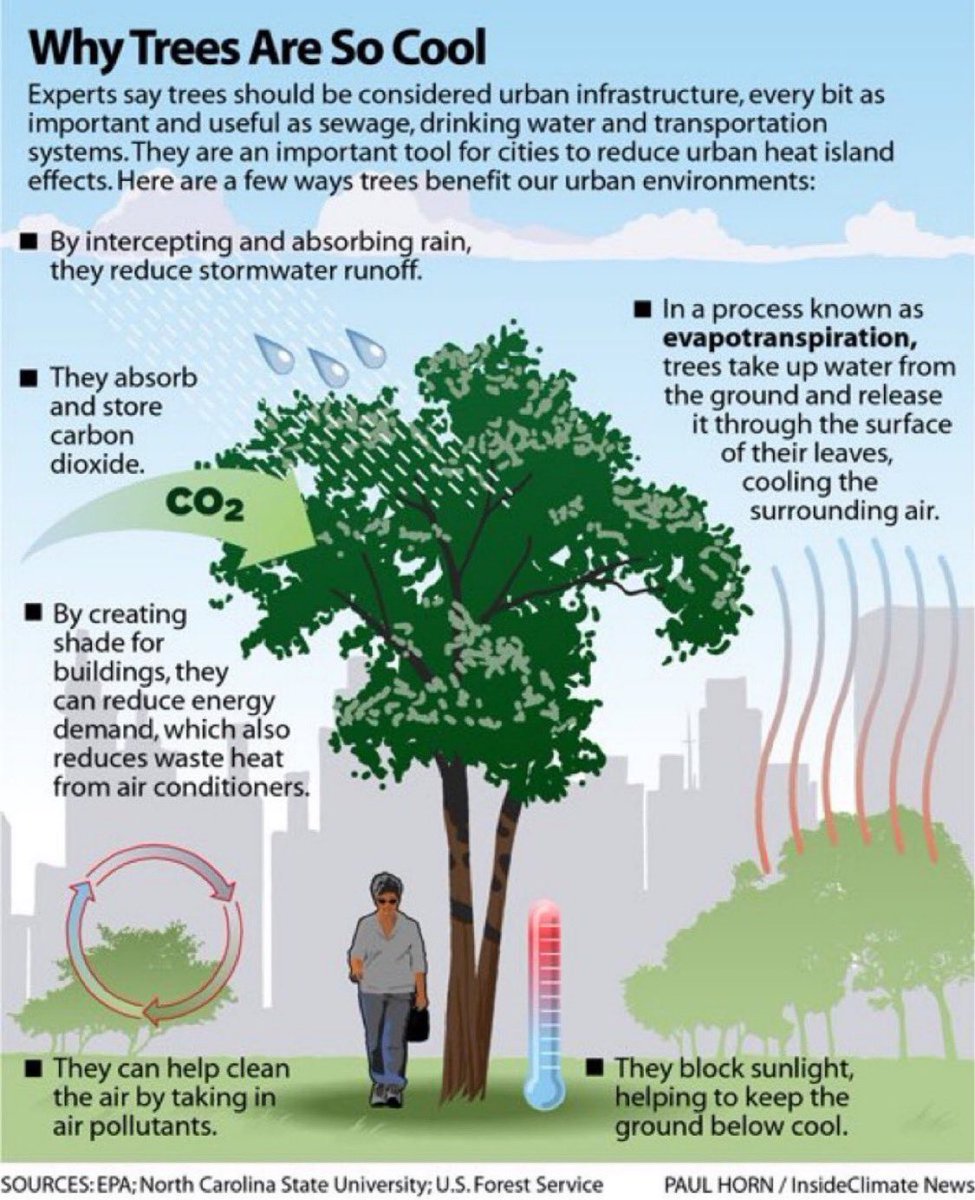
A simple and effective way to reduce the summer temperatures in our towns and cities: Plant lots of trees.
🌳stores carbon dioxide
🌳reduces city pollution
🌳helps protect from flooding
🌳reduces city temperatures
🌳provides habitats for urban wildlife
🌳beautifies urban surroundings
59
679
1,392
18,979
GEPSD Economic Consulting retweeted

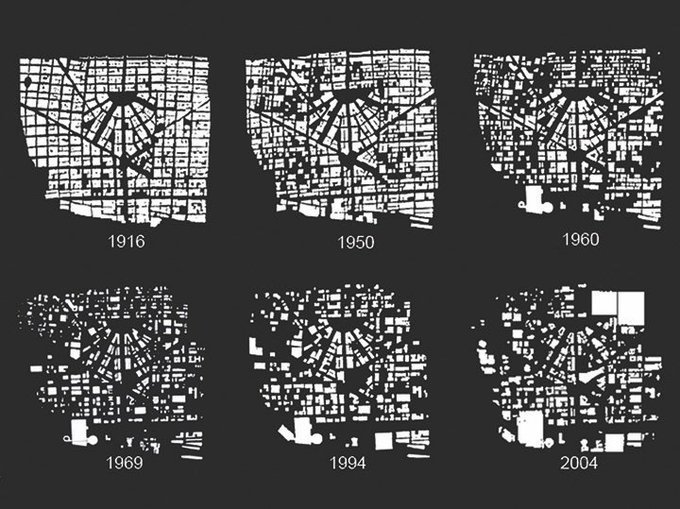
Almost every major U.S. city had NYC levels of density and walkability in the early 20th century.
All of it was destroyed for highways, "urban renewal" and economic development gimmicks like sports stadiums.
45
157
2,075
250,627
RT @dlacalle_IA: The UK economy was not destroyed "by Brexit". If it were the cause, Germany and France would be thriving.
What demolishe…
1,136
GEPSD Economic Consulting retweeted

May 16
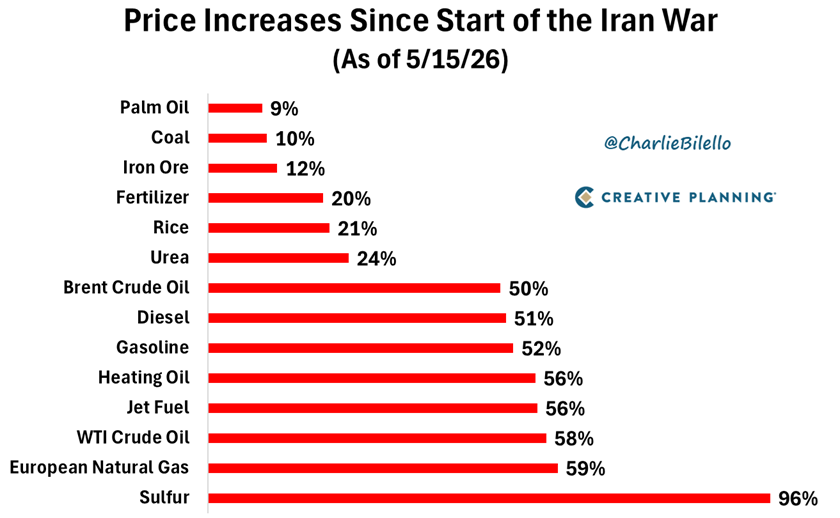
Price increases since start of the Iran war...
Sulfur: 95%
European Natural Gas: 59%
WTI Crude Oil: 58%
Jet Fuel: 56%
Heating Oil: 56%
Gasoline: 52%
Diesel: 51%
Brent Crude Oil: 50%
Urea: 24%
Rice: 21%
Fertilizer: 20%
Iron Ore: 12%
Coal: 10%
Palm Oil: 9%
91
874
1,858
226,665
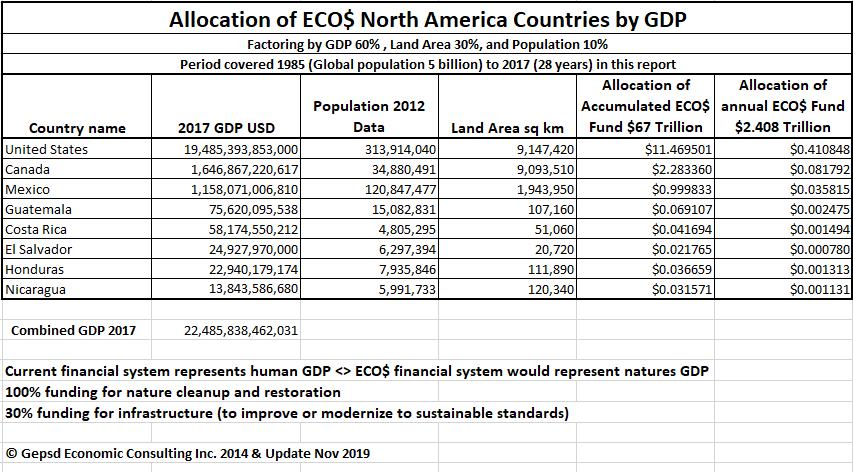
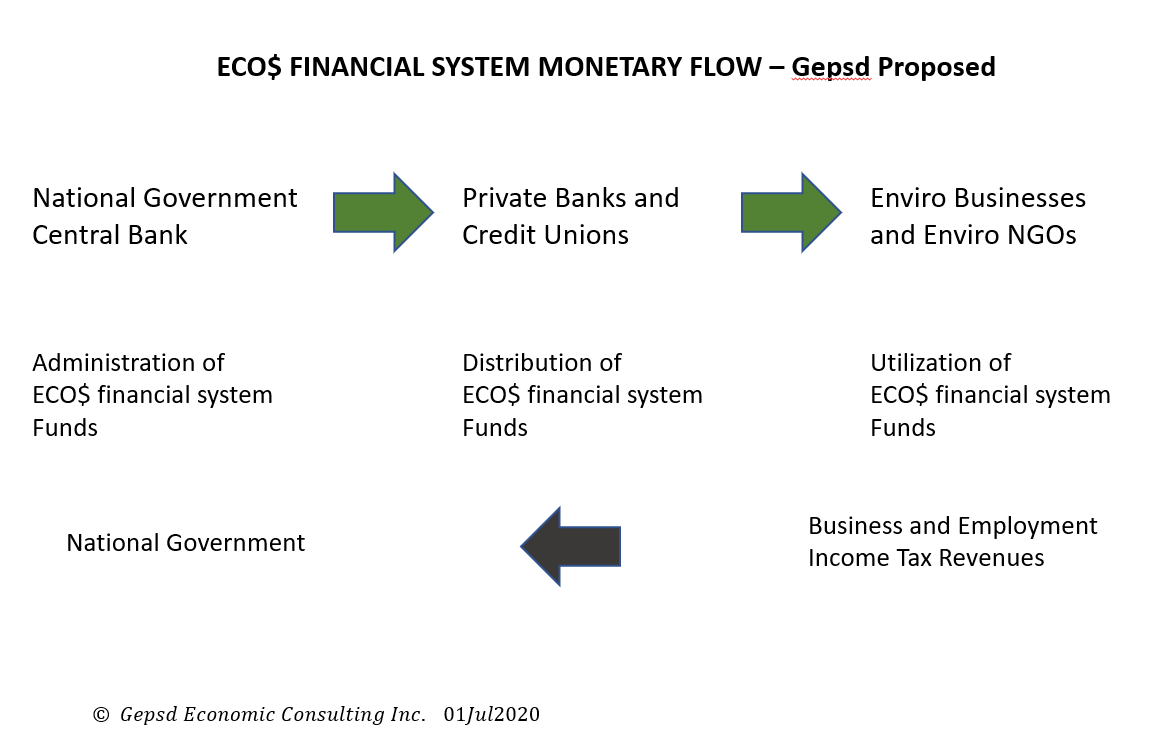
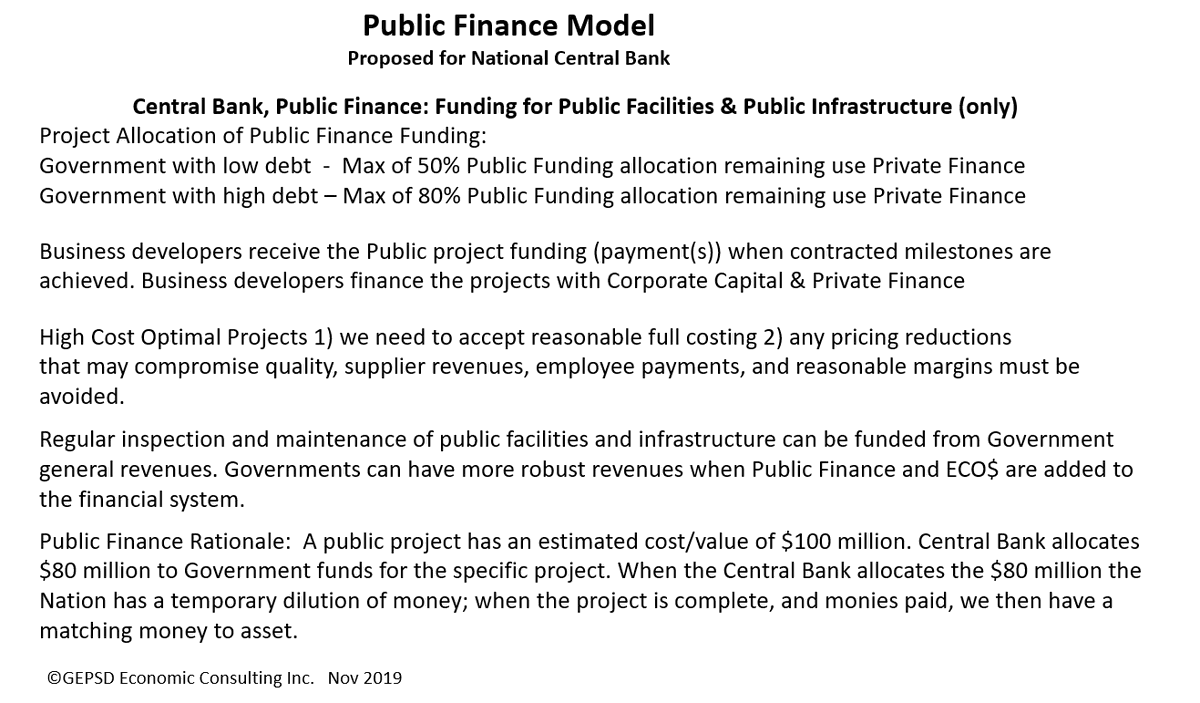
USA offramp from arms economy, build a sustainable domestic economy, stop urban/commercial sprawl, protect: farmland, natures land waters habitat, build 100% waste mgmt systems, modern efficient transit, move to Regenerative Ag. #Sustainable on Earth, #growth Space Development
1
3
30
GEPSD Economic Consulting retweeted

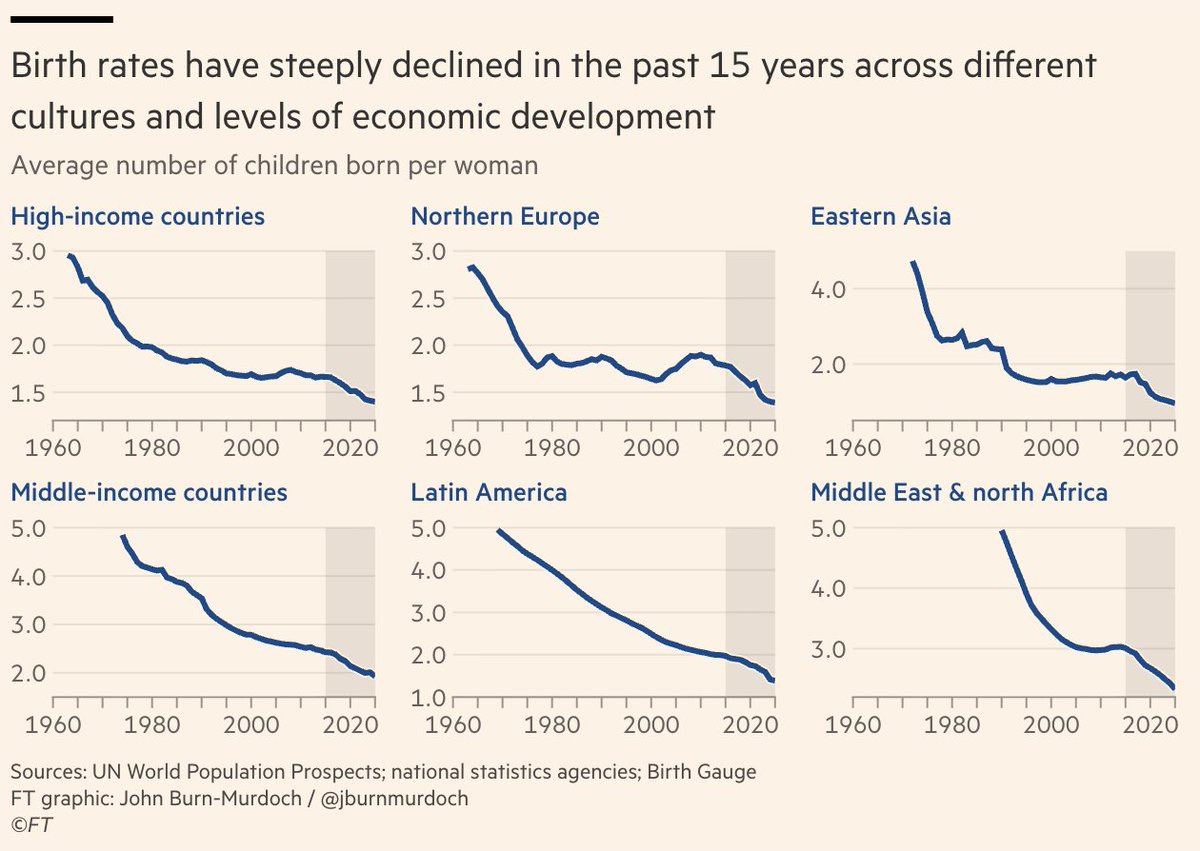
The birth-rate collapse isn’t just about money, housing, or women choosing careers. The sharper diagnosis: fewer couples. Across the world, young people still say they want kids. But they socialize less, partner less, commit less – and become parents less. Smartphones didn’t make us infertile. They may have made us lonelier. The fertility crisis is really a bonding crisis. ft.com/content/fba35eca-df3a…
240
753
3,226
560,232
GEPSD Economic Consulting retweeted
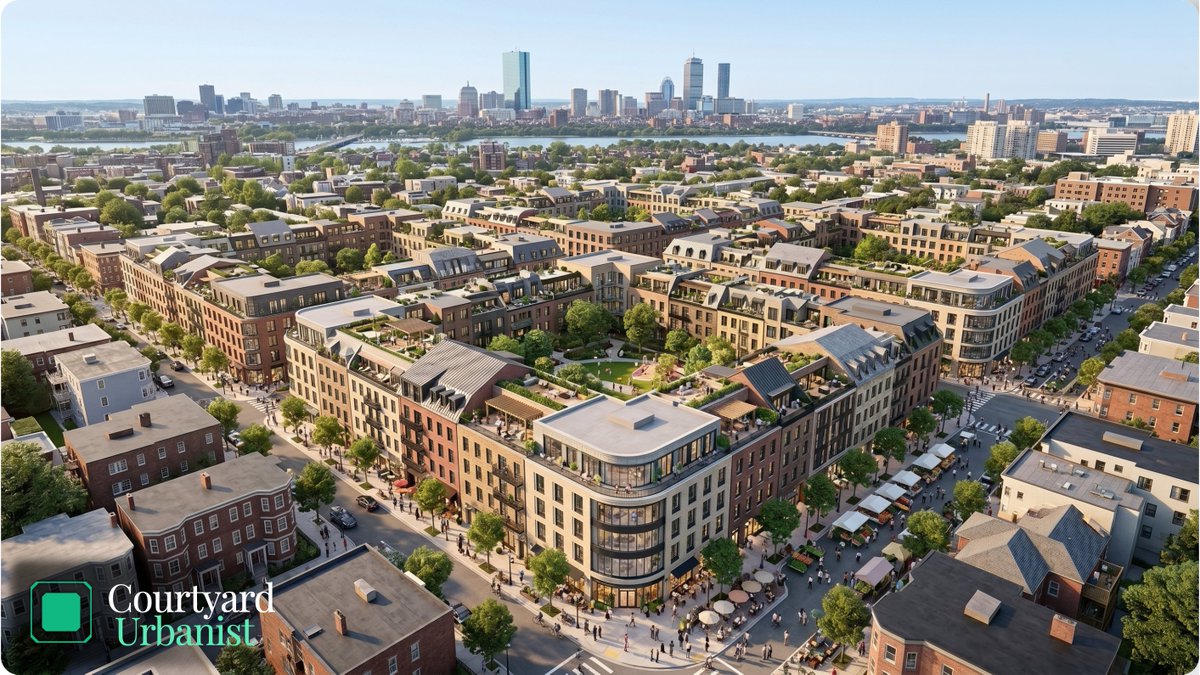
This week, we met with an East Coast developer who wants to build courtyard blocks because they are tired of the standard multifamily product: expensive buildings organized around double-loaded corridors, with units that live like hotel rooms and do little to create affordable, dense, walkable neighborhoods for people at every stage of life.
14
17
332
51,796
GEPSD Economic Consulting retweeted

May 16
Fergal is correct.
Despite a guaranteed return of £22BN in profits by 2030 - private water companies continue to use our rivers as sewage pipes and the sea as a cesspit for sewage.
It’s cheaper & therefore more profitable than spending on infrastructure.
Public ownership now.
May 15

“Don't swim' at 12 of 14 river bathing sites, as more locations announced.”
Here’s something to wrap your head around.
The only stretch of river graded as ‘Good’ is at Friars Meadow, Sudbury yet from 13th March to the 13th April Anglian Water dumped sewage into Friars Meadow nonstop 24 hours a day for 31 days straight. If you went swimming there during the Easter holidays you were probably swimming in human waste but none of it shows in the data because the EA don’t even bother testing until the middle of May.
PS the EA don’t actually test any bathing site in the country for most of the year 7 and a half months in fact. You go swimming between 1st Oct one year and 15th May the next you’re on your own.
bbc.co.uk/news/articles/cvgz…
68
1,087
2,631
62,981
GEPSD Economic Consulting retweeted

May 15
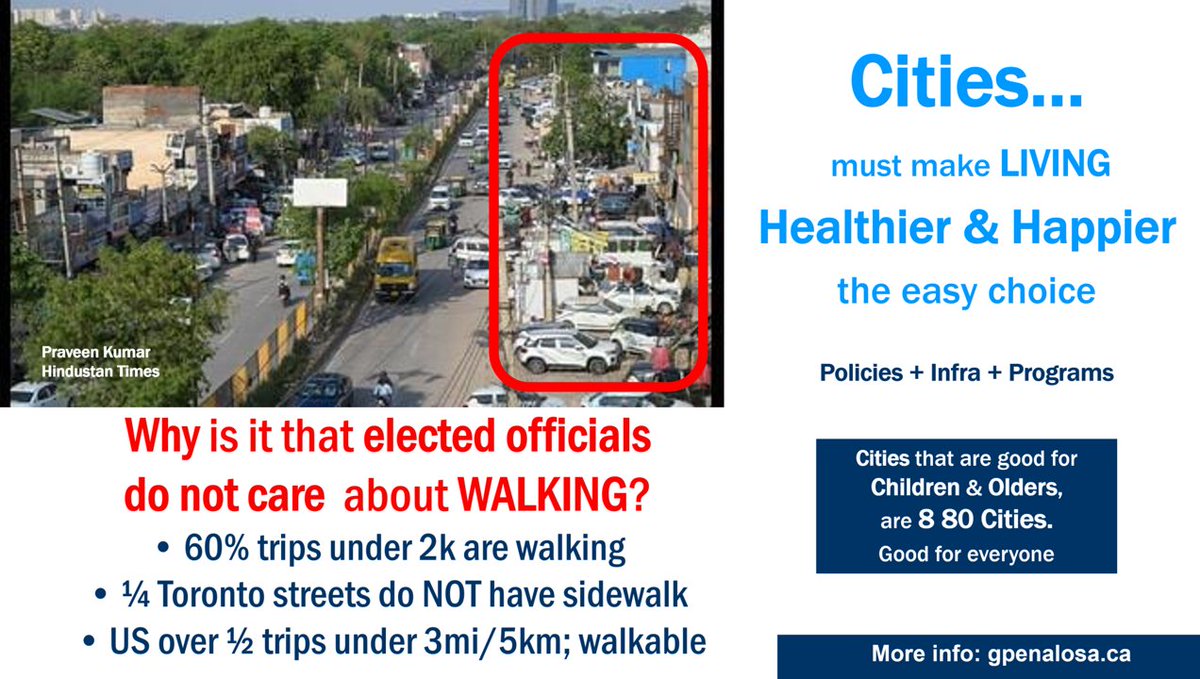
WALKING
Why is it that elected officials do not care about WALKING?
• Toronto: 1 of 4 streets do NOT have a sidewalk! Not ONE elected official has walking top 5 priority.
• India: 60% trips under 2k are walking; unsafe!
• US over 1/2 trips under 3mi/5km; walkable... if SAFE!
3
7
18
1,189
GEPSD Economic Consulting retweeted

It is an uncomfortable, rarely discussed, truth that the things local councils do actually make it harder to meet #climate objectives. For example, their planning policies increase car dependence through low-density housing and out-of-town developments, poor transport planning making walking and cycling more dangerous, and support for high-carbon industrial development. theconversation.com/what-you… via @ConversationUK
3
7
13
694
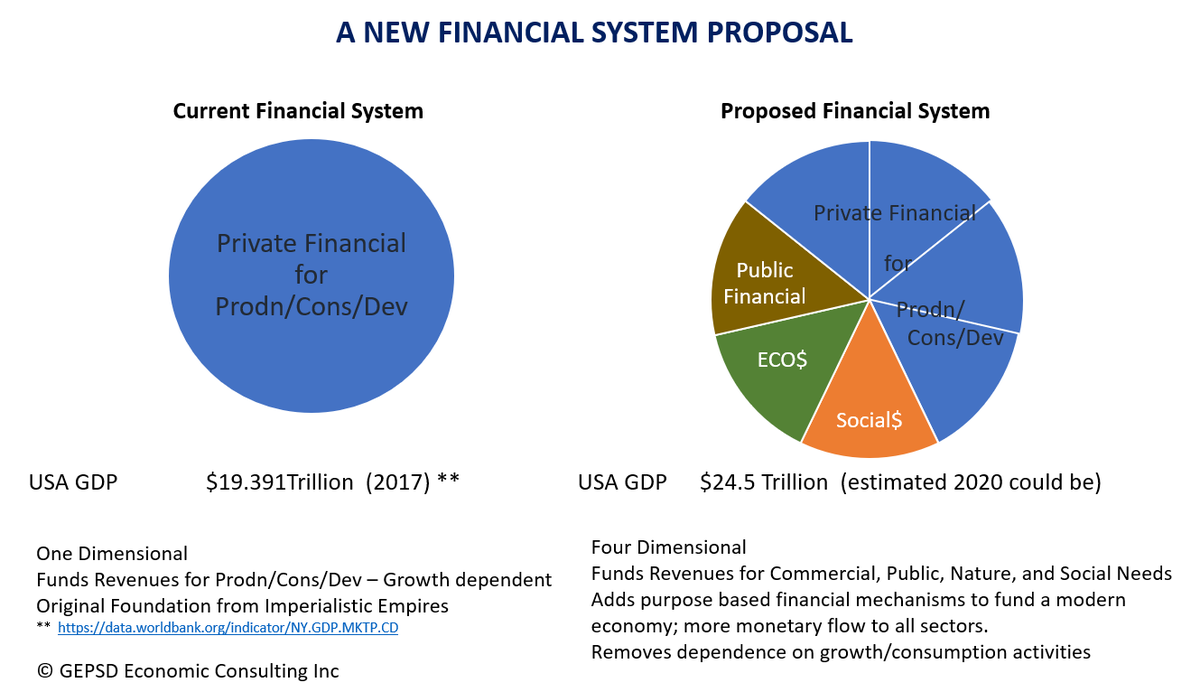
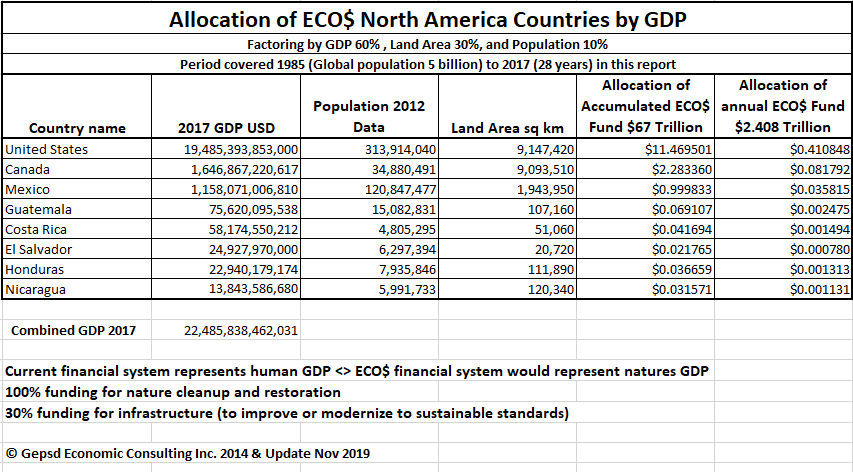
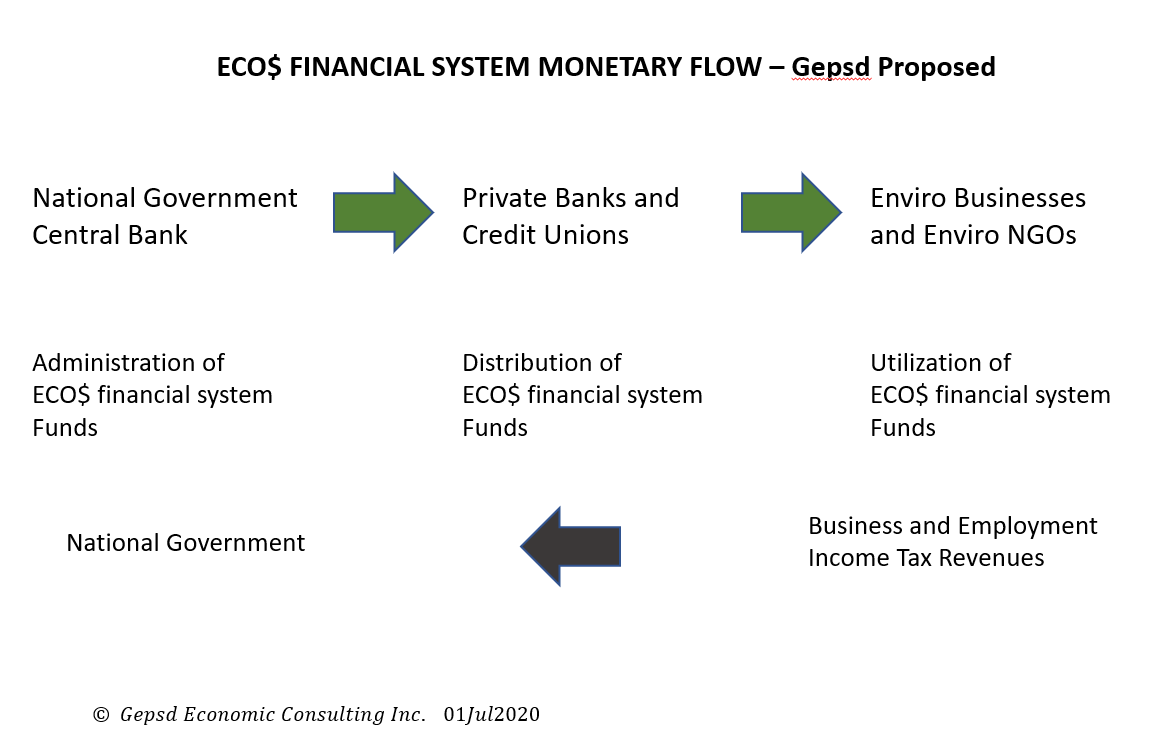
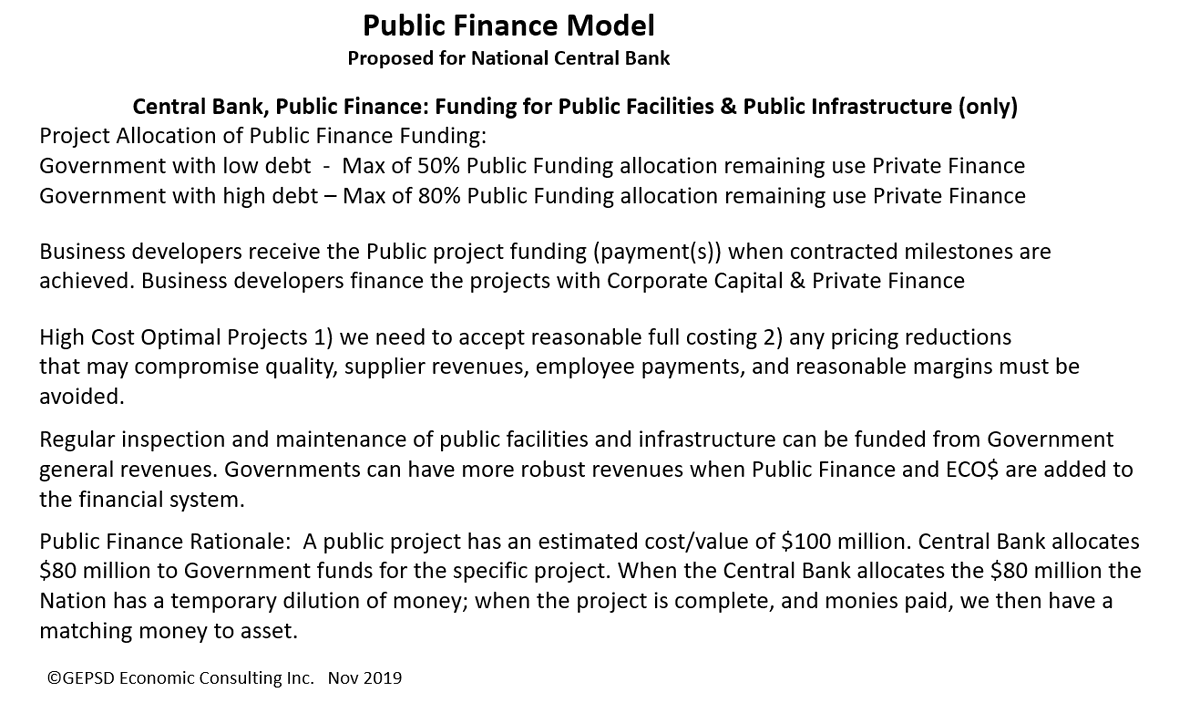
#G30 nations need to move economies away from growth/consumption/sprawl dependencies for prosperity to far more ecologically sound #sustainable economies. To ensure LT food/water/soil/nature/energy security. #sustainable economies on Earth; #growth economies for Space Dev 1/2
1
5
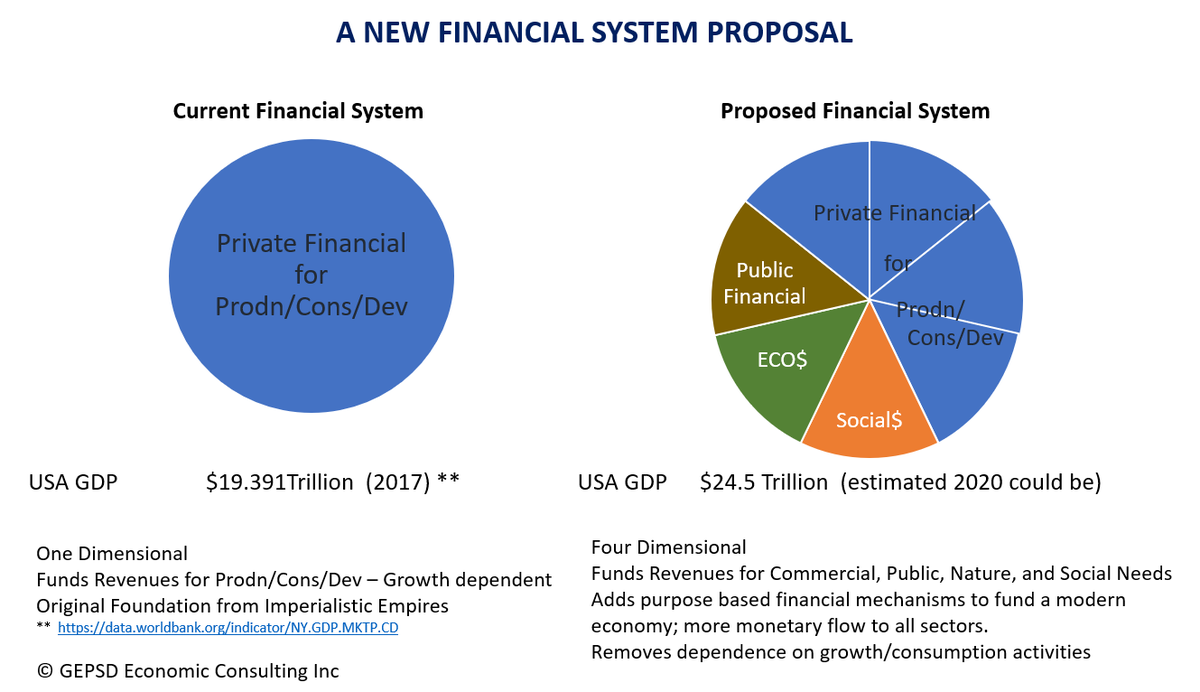
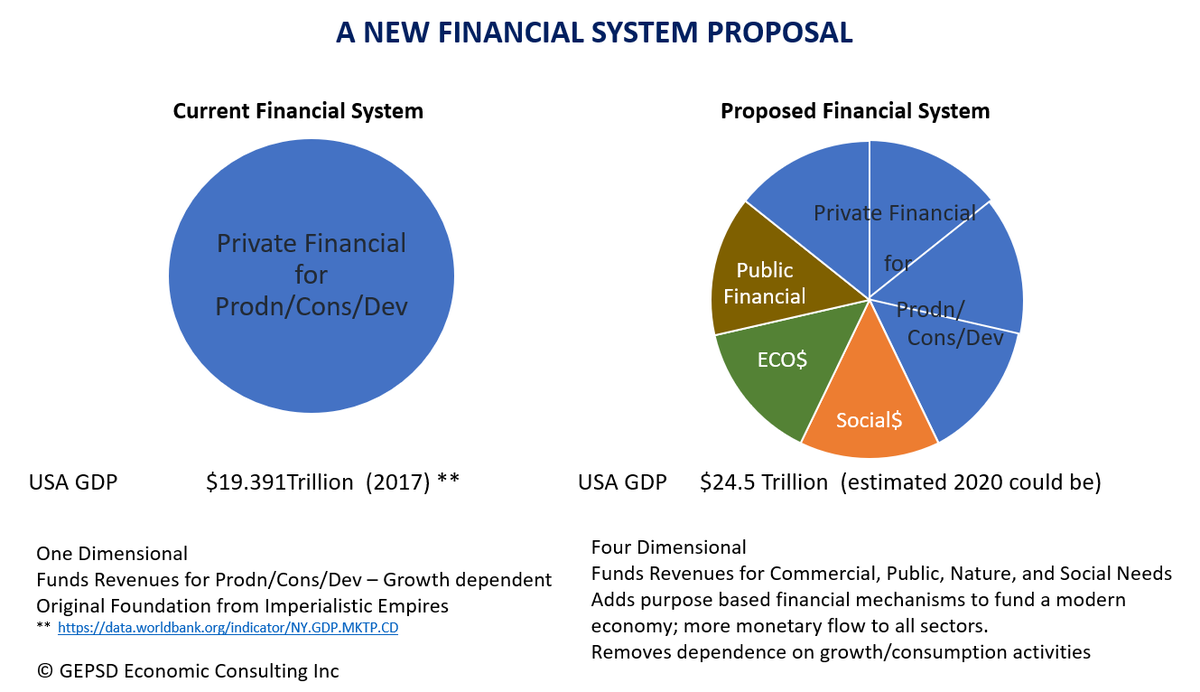
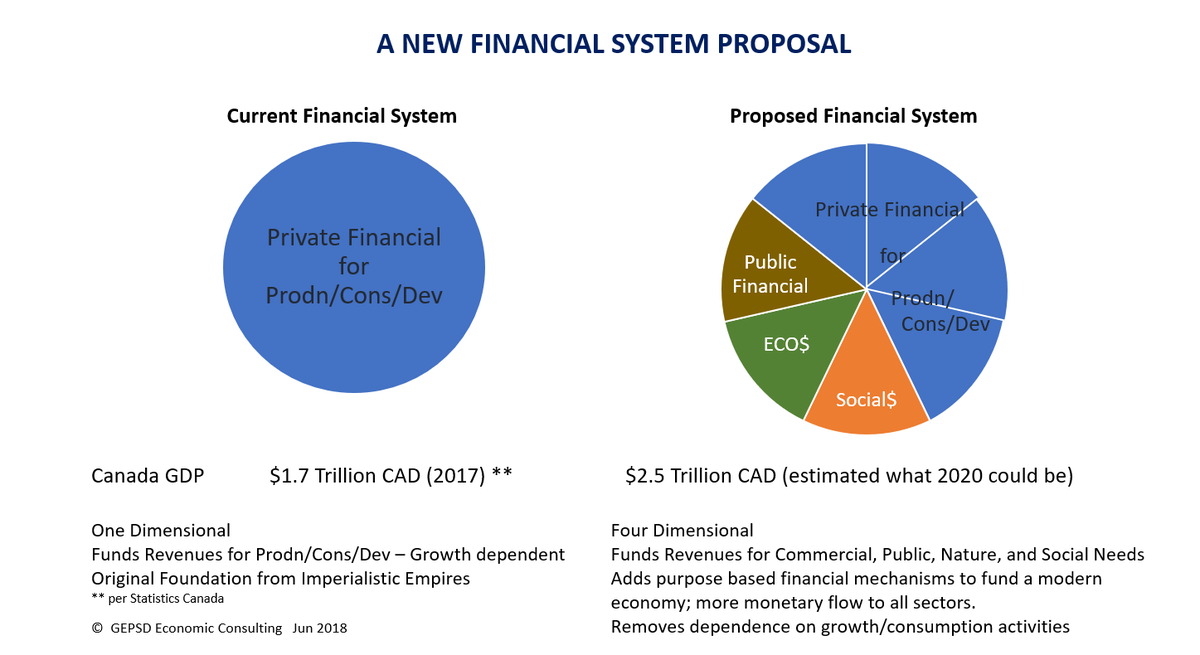
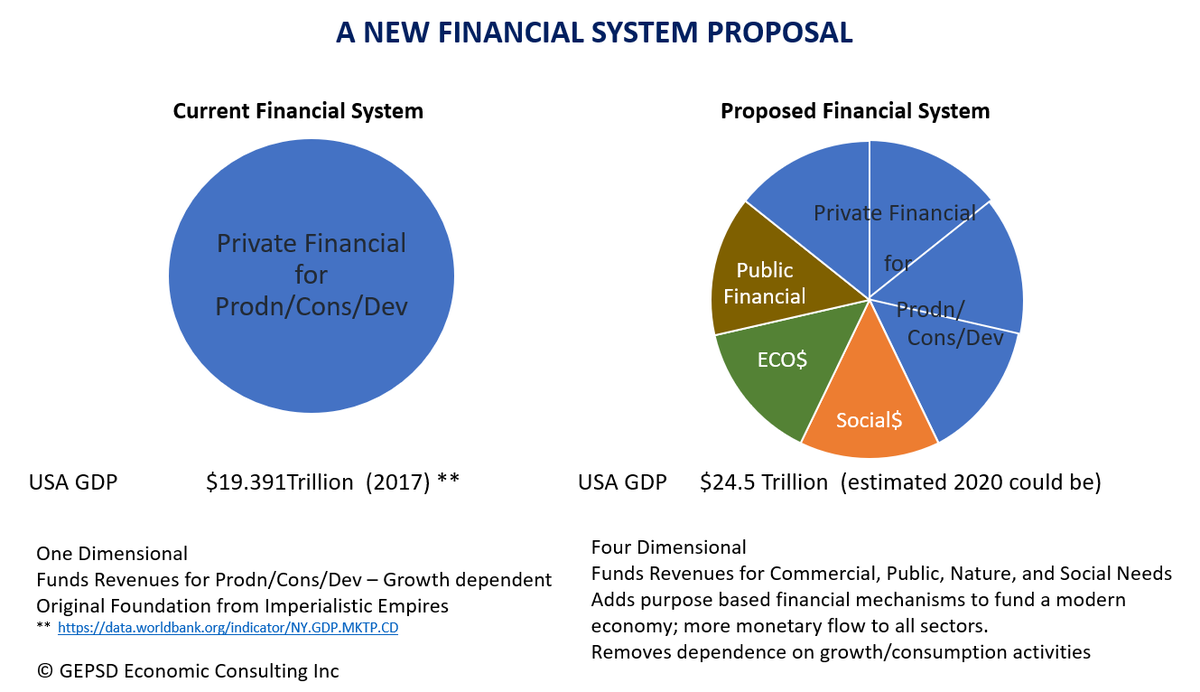
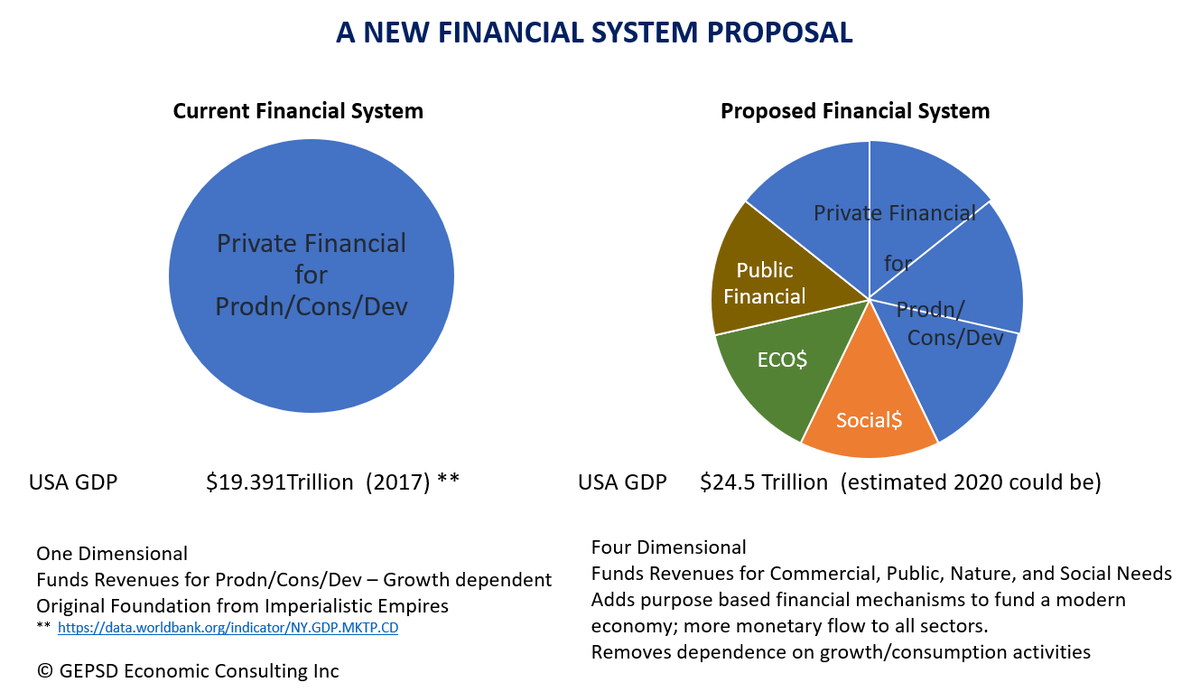
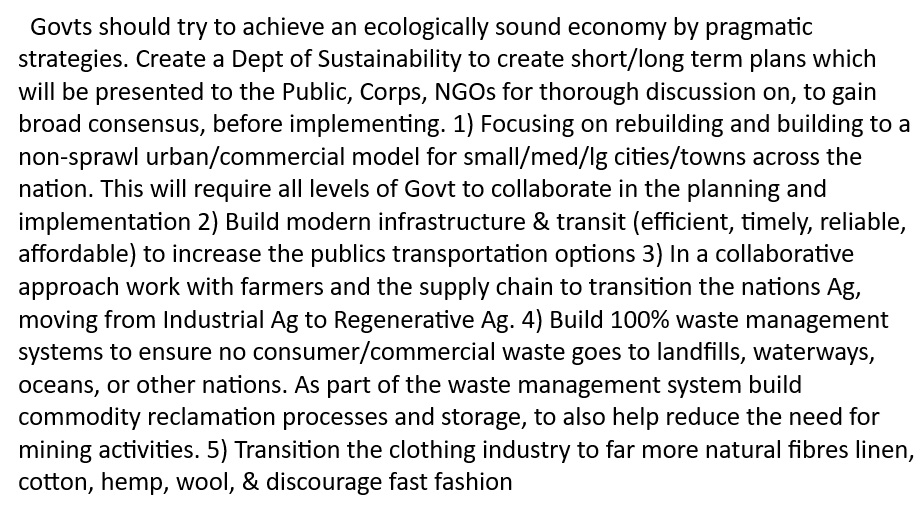
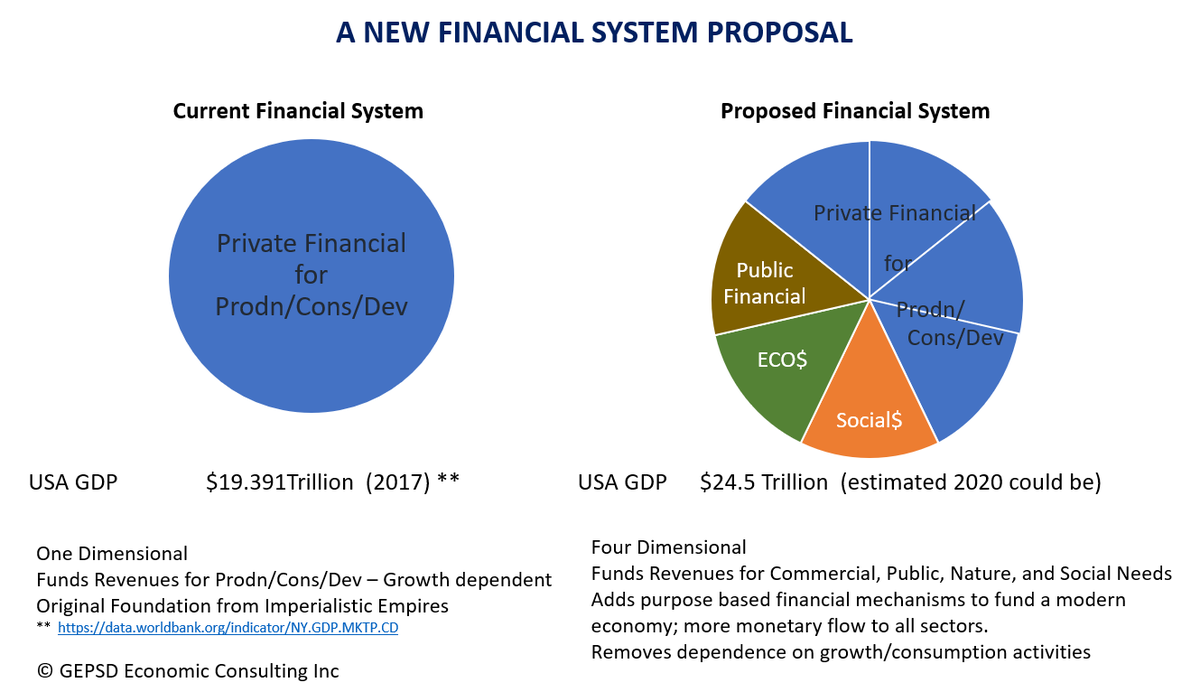
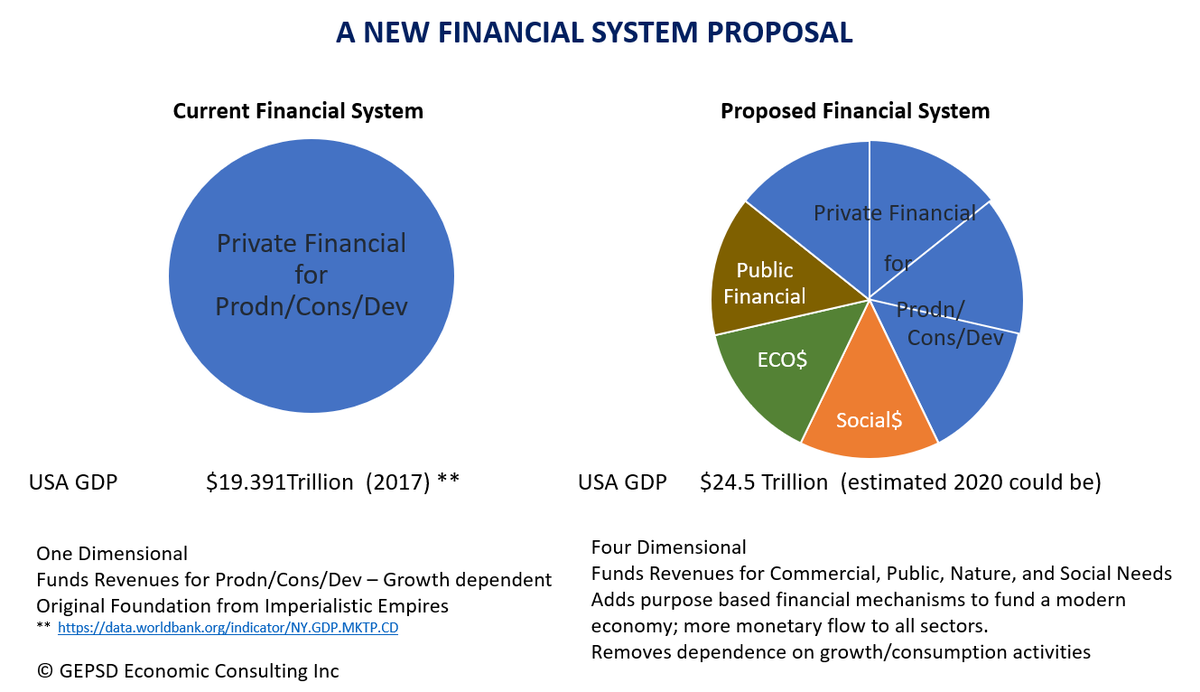
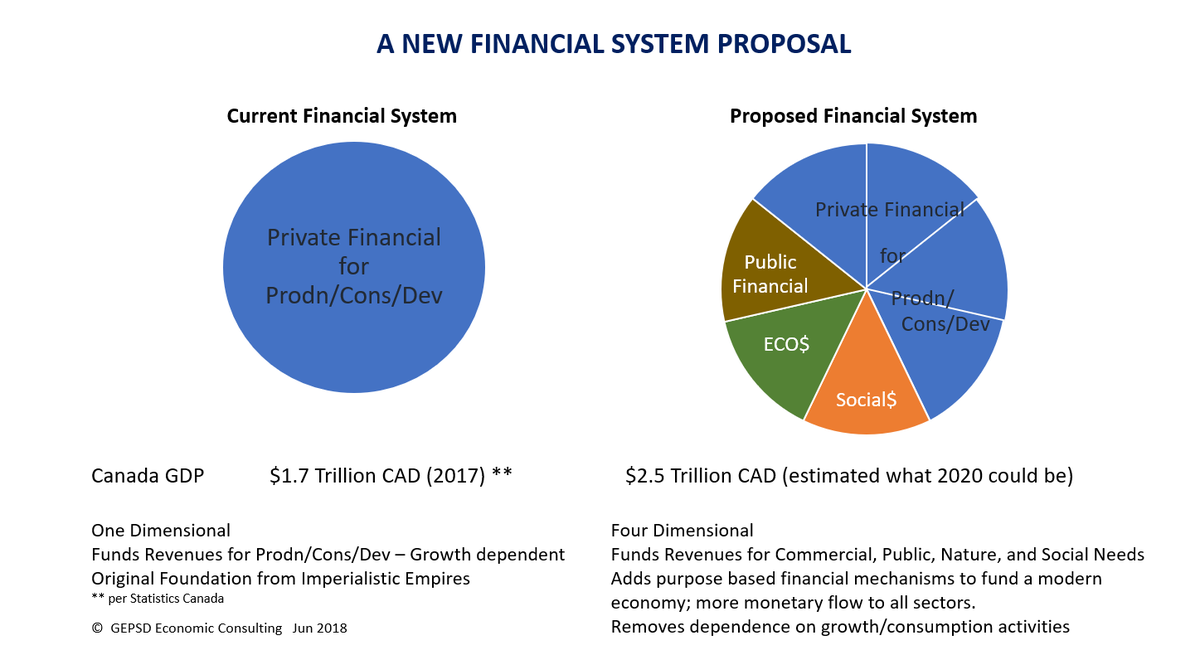
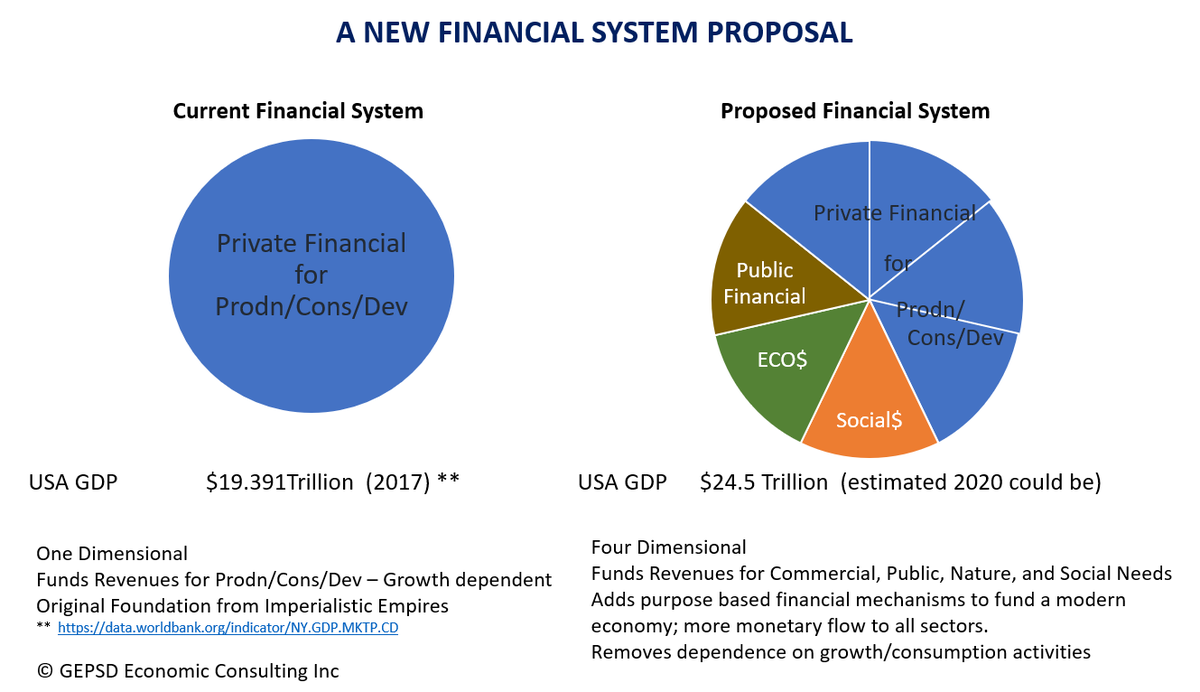
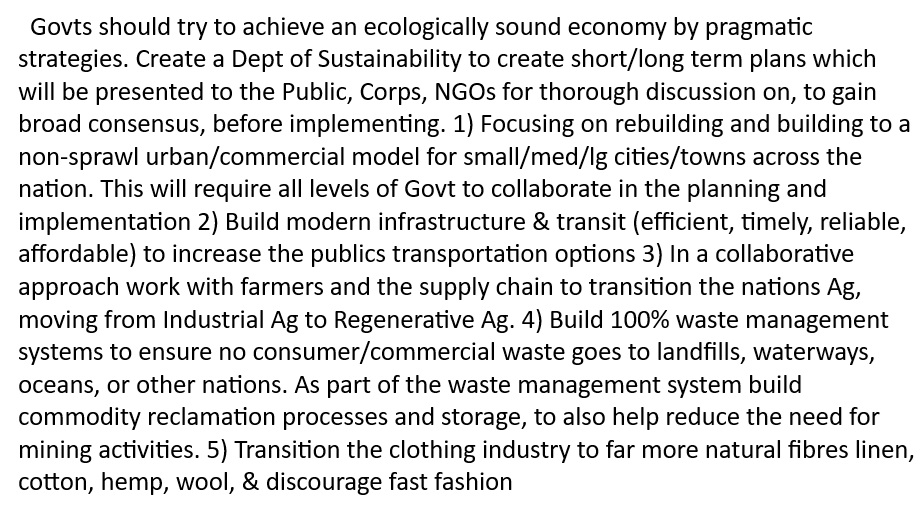
2/2 How to: National Govts need to build a sustainable economy, stop urban/commercial sprawl, protect: farmland, natures land, waters, habitat & biodiversity, build 100% waste mgmt systems, modern efficient transit, move to Regenerative Ag, update the financial system
5
GEPSD Economic Consulting retweeted

May 12
Germany is the clearest example of how bad decisions can turn structural advantages into stagnation.
Its model was simple:
→ world-class industrial base
→ exports at around 50% of GDP in 2021
→ current account surplus of around 7.5% of GDP in 2021
→ Russia supplied more than half of Germany’s gas imports before the war
But Germany failed to use its low debt and huge external surpluses to secure energy sovereignty.
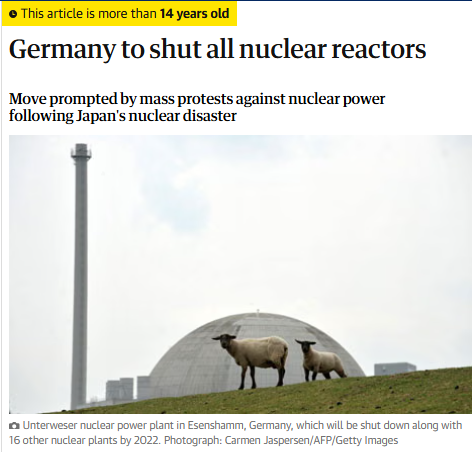
Instead of investing massively in nuclear, renewables, grids, storage and hydrogen, it closed nuclear and became structurally dependent on imported energy — directly damaging the competitiveness of its industrial base.
The second mistake was relying on 20th-century industries while failing to lead the industries of the 21st: AI, software, semiconductors, batteries, biotech, cloud and digital platforms.
9
15
82
4,914
GEPSD Economic Consulting retweeted

Japan proved for decades that high levels of public investment don’t cause inflation; China binned Thatcher’s ‘balanced books’ and transformed 100s of millions of lives for the better - yet our stupid politicians still cling to Thatcher’s failed neoliberal ‘rules’ like idiots.

I back the Prime Minster who was elected on a five year mandate to change, protect, defend, enrich our United Kingdom which suffered a pandemic hot on the heels of a divorce from our biggest trading partners. It’s wrong not to back the Leader. Just wrong. This is not the way to go about such matters. Keir needs supported by his team. Not have the knives turned on him.
5
42
106
2,055
GEPSD Economic Consulting retweeted

May 12
Fantastic piece by Ryan Hass (@ryanl_hass) on how China's approach to geopolitics is fundamentally different from the US.
Hass points out that China's restraint in geopolitics is part of a long game that is about establishing strong economic partnerships across the world.
I would add that China, although it has global economic ambitions, is more fundamentally committed to the UN Charter and respecting the sovereignty of other nations vis-a-vis the US. Unsurprisingly, a growing number of countries now see China more favourably than the US.
As China plays the long, strategic, and reserved game, it is watching the US self-destruct geopolitically.

60
209
749
41,248
GEPSD Economic Consulting retweeted

May 12
The West will not take this seriously until it hits close to home.
45 million people are already being pushed toward hunger.
Fertilizer is disappearing. Food production is dropping.
And we still think goods just magically appear on shelves.
This is the wakeup call. Full video at the link in the comments.
#GlobalFoodCrisis #StraitOfHormuz #SteveKeen #EconomicReality #FoodSecurity
25
299
647
24,443