
Joined December 2016
- Tweets 18,456
- Following 262
- Followers 13,822
- Likes 17,049
2,474 Photos and videos


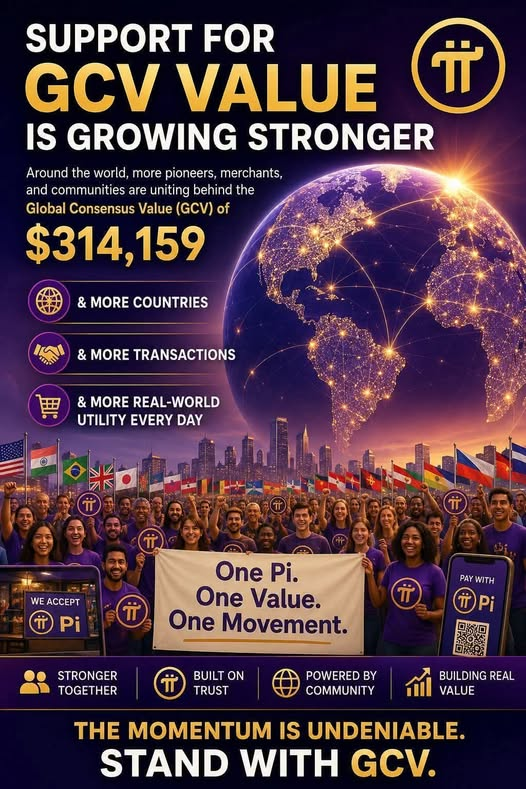
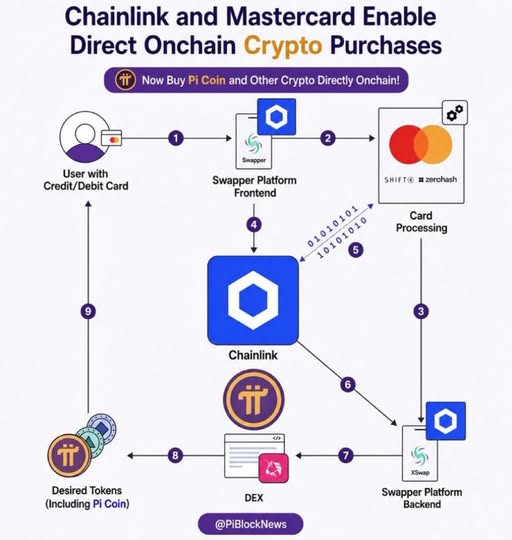



ONE WORLD DIGITAL CURRENCY retweeted
Thank you to all hardworking GCV ambassadors for your dedication, commitment, and continued support.
GCV Philippines proudly participated in the nation’s Independence Day celebration yesterday.
Just as our nation once fought for independence, we continue our journey toward financial freedom, unity, and sovereignty through Pi Network.
The participation in the parade symbolized the progress we have made. It reflected our unity, resilience, and determination to achieve our shared goals—just as our forefathers once did for our nation.
Happy Independence Day to the Pi Network community and all Filipinos. Let us continue moving forward together toward freedom and prosperity.
Lumari🙏
@PiCoreTeam @PurpleLotusGCV @jojo102102 @NoncePadja @mousaviradmajid @JasonWong_Pi @daoviet1983 @Nguyet888888 @Phuocdientyphu @gfc199 @Ruengaroon2481 @SiourySamer @ArtSolival @LIENCHE0307 @AliYanik65 @seckindikici @Lowcupking @baikoketsi12279 @BrijeshMaloo @rameshb_shetty @ATinnn98466 @Jintaekjun @KAMALBELHAJ2 @moalusi_l @FongangGid20896 @arlandvaldez @BikashChan63503 @BrijeshMaloo @RAJKUMA65328491
@PrachanVsv
@Sujay_gcv


4
18
46
466
ONE WORLD DIGITAL CURRENCY retweeted

3 Mar 2023
#Picommunity #PiConsensus #pinetworknews
Pi Value has to be high enough....
1/5
Pi, a number we use with ease, In every calculation we please, A constant we cannot freeze, Its value, we cannot tease.
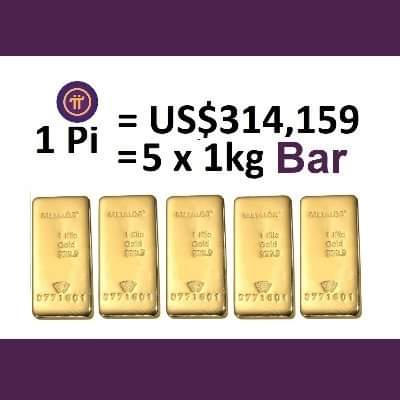
8
53
315
8,587
ONE WORLD DIGITAL CURRENCY retweeted

Jun 3
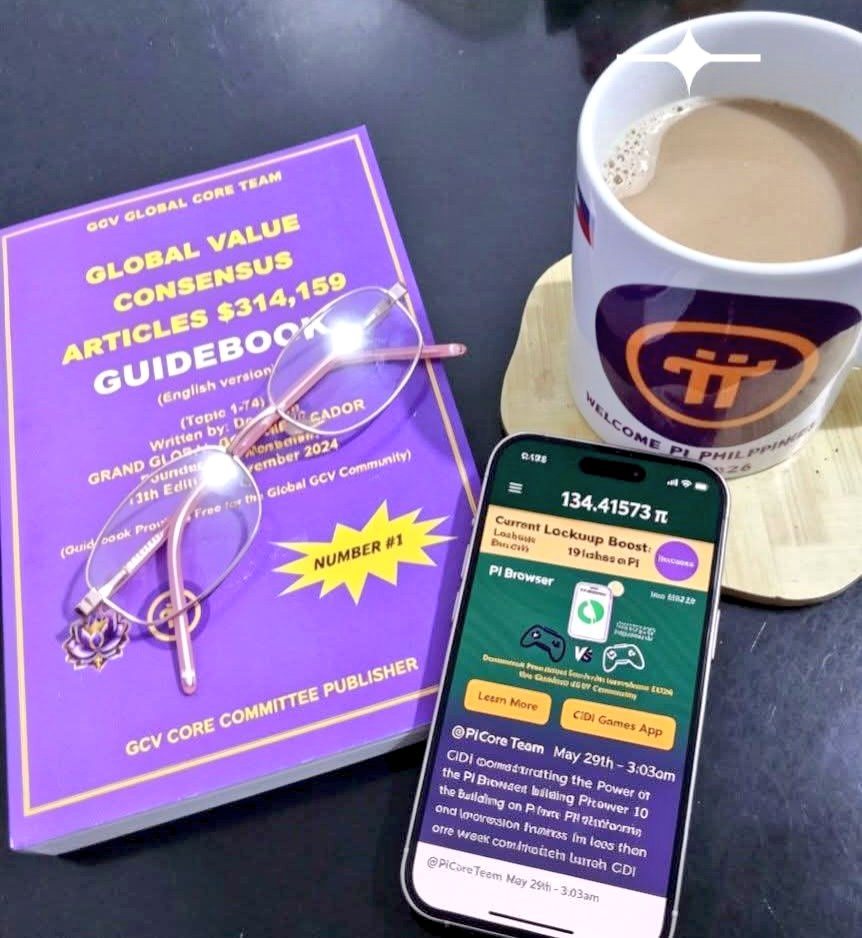
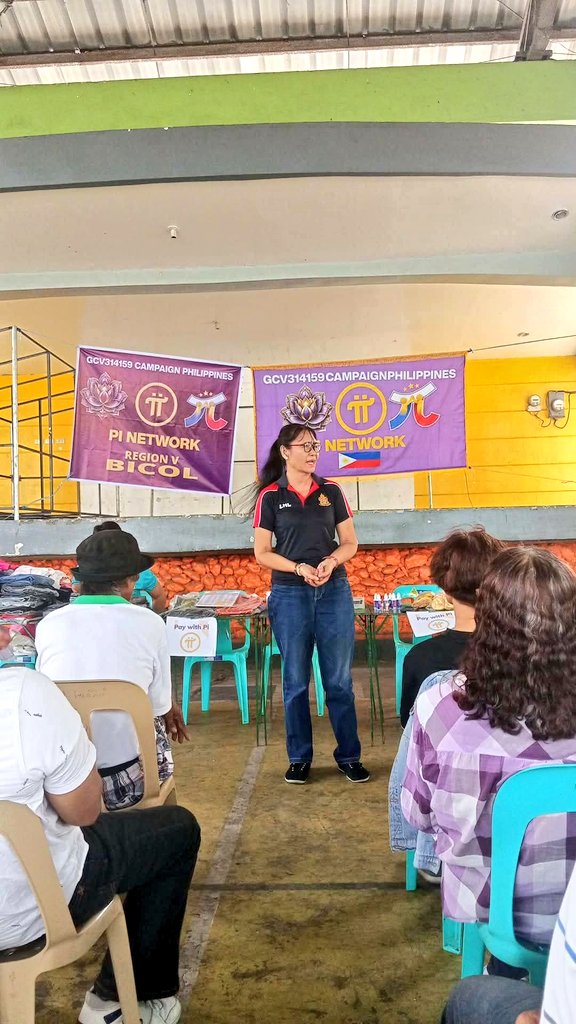
GCV Philippines Region V Successful Bartering Activity Through Unity and Cooperation🇵🇭
A heartfelt thank you to Mrs. Lerma Ablan, National Merchant Coordinator, together with National Merchant Coordinator/Ambassador Mr Jomar Gallego, Ms. Jennifer Botalon (Muntinlupa City Ambassador), and Mr. Jovenal Remullena (Las Piñas City Ambassador), for making the long trip from Metro Manila to Region V (Bicol) just to support and be part of this successful bartering activity.
Traveling around 500 kilometers for about 9 hours because of traffic is never easy. It takes time, energy, patience, and real dedication. Your presence and willingness to support the activity truly made a difference and showed genuine commitment to the community.
To everyone in Region V who worked together and made this event possible:
• Regional Ambassador, Region V – Ms. Suedy Penaflor
• Camarines Sur Provincial Ambassador – Mr. Roderick Petalio
• Nabua Municipal Ambassador (Host) – Mr. Jose Petalio Velitario
• Albay Provincial Ambassador – Engr. Evelyn Arias
• All merchants, volunteers, and community members
Thank you for the teamwork, support, and unity you showed throughout the activity. This success is a reminder of what can happen when people come together with one goal and one heart.
👏 Congratulations to everyone for a successful Region V Bartering Activity.
👏 Thank you for your effort and dedication.
👏 May we continue building stronger connections and communities moving forward.
Inspiration is found in leading by example! 🙌 🇵🇭
Lumari🙏
@PiCoreTeam @PurpleLotusGCV @jojo102102 @NoncePadja @mousaviradmajid @JasonWong_Pi @daoviet1983 @Nguyet888888 @Phuocdientyphu @gfc199 @PrachanVsv @Ruengaroon2481 @SiourySamer @ArtSolival @LIENCHE0307 @Sujay_gcv @AliYanik65 @seckindikici @Lowcupking @baikoketsi12279 @BrijeshMaloo @rameshb_shetty @ATinnn98466 @Jintaekjun @KAMALBELHAJ2 @moalusi_l @FongangGid20896 @arlandvaldez @BikashChan63503 @BrijeshMaloo @RAJKUMA65328491

42
94
203
2,953
ONE WORLD DIGITAL CURRENCY retweeted

Jun 8
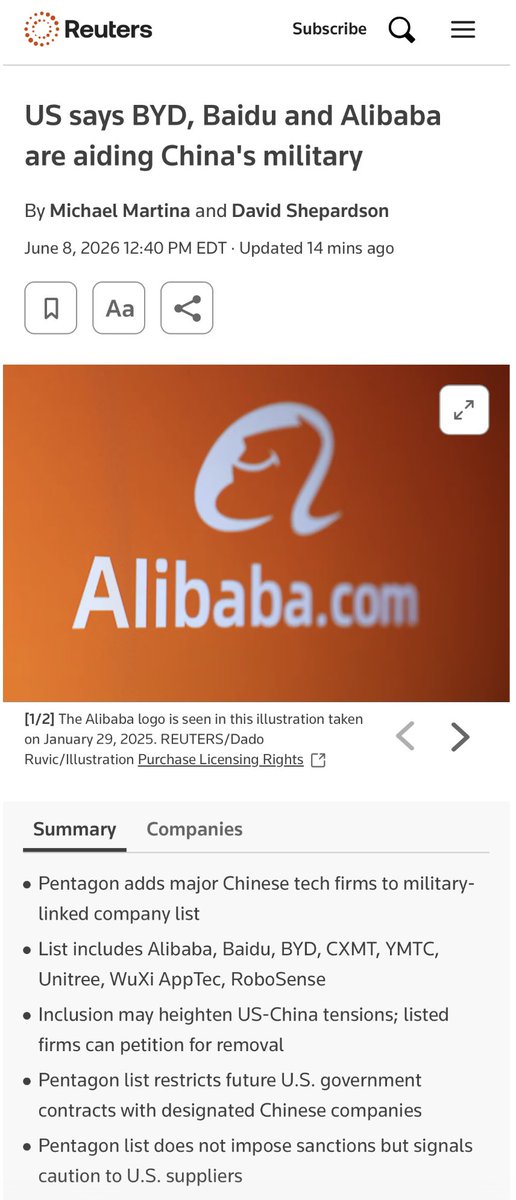
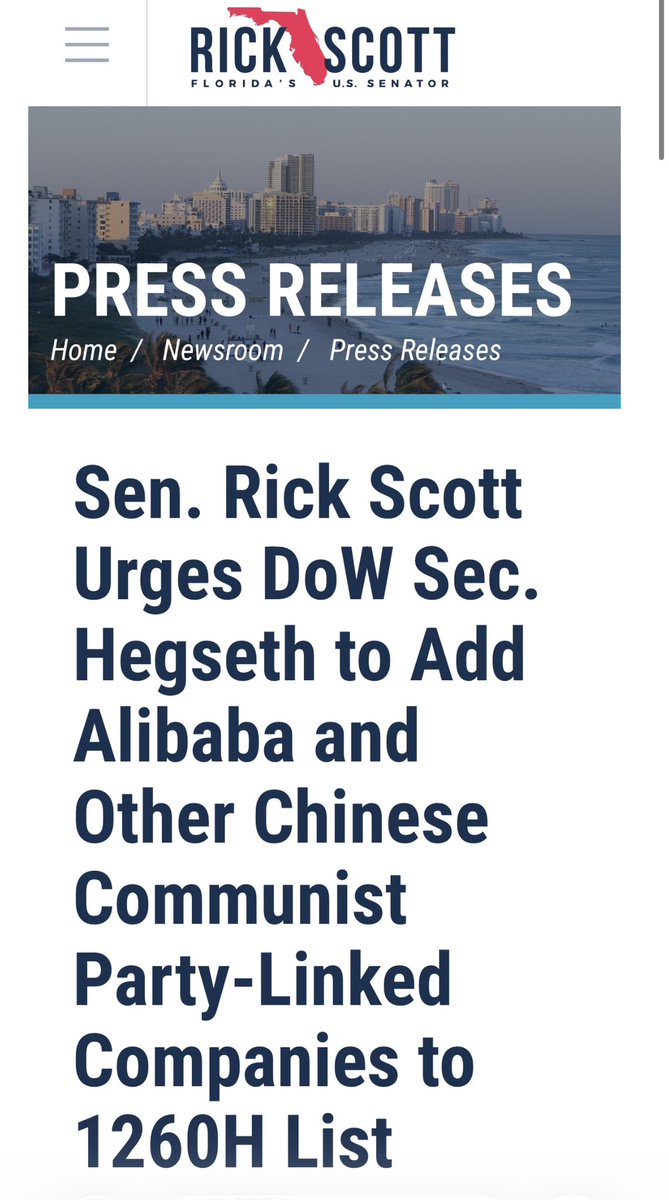
THANK YOU @POTUS and @SecWar for adding Alibaba, BYD, Baidu and others to the list of Chinese military companies. This is huge.
I’ve been calling on this for years and I’m grateful for the action of this administration to put American interests FIRST.
America should follow through and delist all these CCP-linked companies from our exchanges right away.
Companies that prop up the evil Communist China regime have NO place getting rich off our country.
127
190
597
24,969
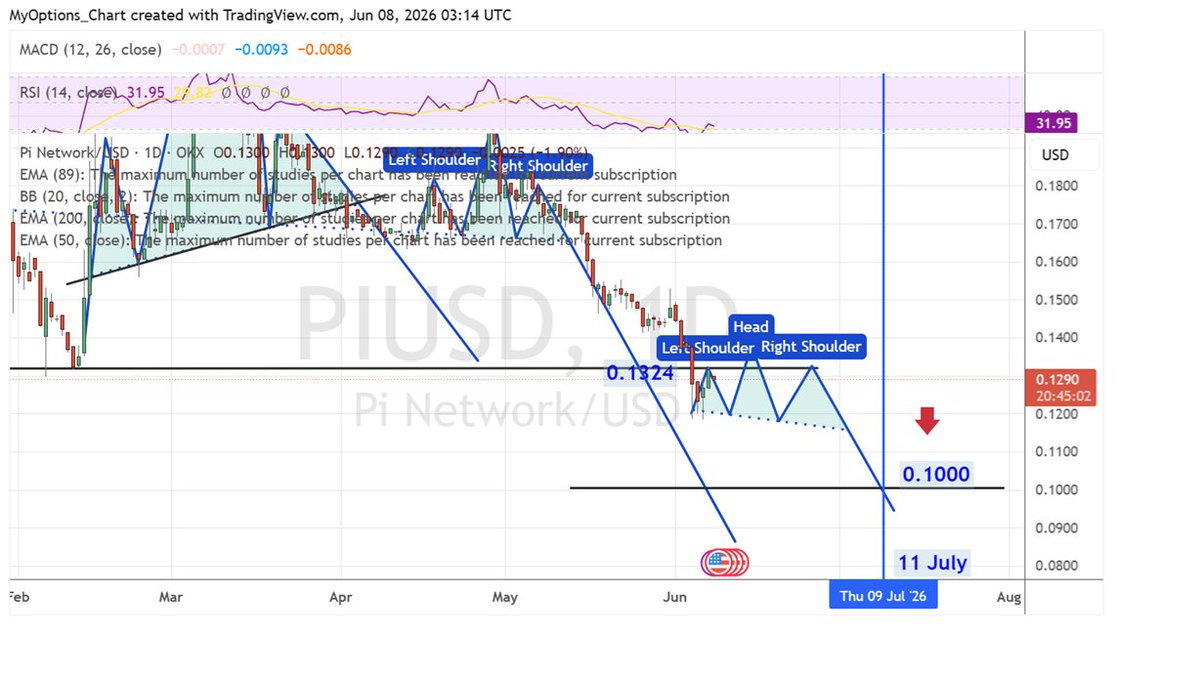
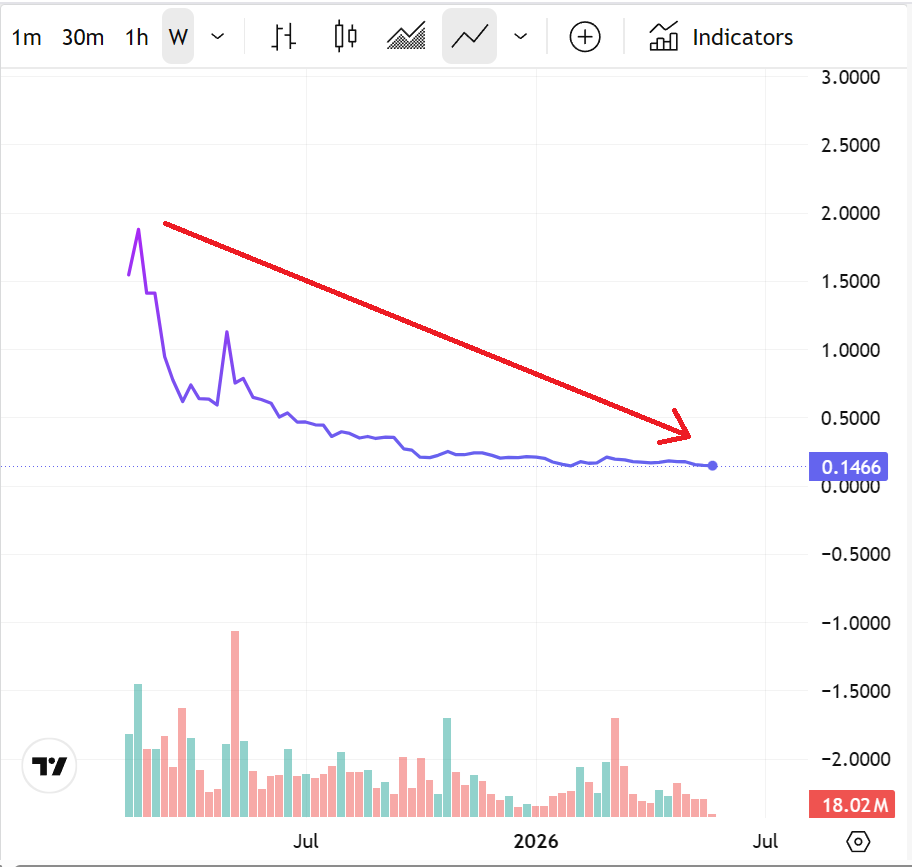
Pi price on the Exchanges keeps repeating the H&S trend (downtrend). It presents a good chance to buy and store in the wallet to gain in the GCV era in the Open Mainnet.
#Picommunity #PiGCV @PiCoreTeam
2
7
353
ONE WORLD DIGITAL CURRENCY retweeted
The article by @mrbhenderson raises a controversial but important question:
> What actually gives Pi value?
> Is it technology alone, or is it the real-world economy built by its users?
My view is that both sides of the Pi ecosystem are necessary, but at this stage, the GCV (Global Consensus Value) movement has contributed far more to creating practical economic activity than many people acknowledge.
The Reality of Technology Versus Economy
History shows that technology by itself rarely creates value.
Technology is merely an infrastructure layer.
Real value emerges when people use that infrastructure to exchange goods, services, labor, and assets.
> A highway has little value if nobody drives on it.
> A shopping mall has little value if there are no merchants.
Likewise, a blockchain has limited economic value if people are not willing to use its token as a medium of exchange.
After more than seven years of development, Pi Network possesses a functioning blockchain, wallets, KYC infrastructure, apps, and a large global user base.
These are significant achievements. However, infrastructure alone does not automatically determine market value.
The market's current pricing reflects what speculators are willing to pay today. That is one form of valuation, but it is not the only form.
Why GCV Became Important
The GCV movement emerged because pioneers recognized a gap between speculative exchange pricing and the value they believed Pi could achieve in a utility-driven economy.
Whether one agrees with GCV or not, its supporters created something that many crypto projects never achieved:
1. Merchant adoption
2. Real-world transactions
3. Bartering systems
4. Community marketplaces
5. Service exchanges
6. Local economic networks
7. The Mapofpi app features over 148,000 registered sellers
These activities transformed Pi from a purely digital token into a medium of exchange within certain communities.
In economics, money derives value from acceptance. The more people accept a currency for goods and services, the stronger its economic foundation becomes.
This is why many pioneers argue that merchant adoption is more important than exchange listings.
The Core Challenge Facing Pi
The challenge is that Pi currently exists in two different worlds:
World 1: The Speculative Market
Focused on trading
Driven by supply and demand
Influenced by exchanges
Measures value in dollars
World 2: The Utility Economy
Focused on transactions
Driven by merchant acceptance
Influenced by community participation
Measures value by purchasing power
The long-term success of Pi depends on connecting these two worlds.
> If utility remains isolated from the broader market, exchange prices may stay weak.
> If speculation dominates while utility remains small, Pi risks becoming another cryptocurrency with little practical use.
My View:
The Missing Piece Is Asset-Backed Utility
I believe the next phase of Pi should move beyond simple merchant transactions.
Pi needs larger economic anchors, such as:
> Real estate transactions
> Agricultural supply chains
> Tourism services
> Business-to-business trade
> Digital assets and tokenized ownership
> Professional services marketplaces
** When people can use Pi to acquire productive assets rather than only consumer goods, the network's economic depth increases dramatically.
For example, if a property owner accepts Pi for rentals, leases, or partial ownership, that creates stronger demand than occasional retail purchases.
** Similarly, if agricultural producers, wholesalers, and distributors settle transactions in Pi, the token becomes embedded in economic activity rather than merely circulating among enthusiasts.
Building Value Requires More Than Waiting
One mistake many crypto communities make is assuming that time alone will increase value.
* Time does not create value.
^^^Economic activity creates value.
Even if the Core Team builds technology for another seven years, the outcome will largely depend on how much real commerce occurs on the network.
The 2 parties are indispensable to each other:
Likewise, even the strongest GCV movement cannot achieve global success without robust infrastructure, security, scalability, and regulatory compliance from the Core Team.
Conclusion
The debate should not be "Core Team versus GCV."
The reality is that both are indispensable:
> The Core Team builds the rails.
> The pioneers build the economy.
^^^ Without infrastructure, there is no network.
^^^ Without merchants, users, and economic activity, there is no meaningful demand.
The future value of Pi will likely be determined not by speculation alone, nor by technology alone, but by how effectively the network converts millions of pioneers into active participants in a self-sustaining digital economy.
If that transition succeeds, Pi's value could eventually reflect the size of its economy rather than merely its exchange price.
If it fails, then even the most advanced technology may struggle to push Pi far beyond the levels assigned by speculative markets.
#Picommunity #PiGCV #Picoin #PiNetwork @PiCoreTeam @nkokkalis @mrbhenderson

Mí observación me dice que este año será para actualización de protocolos, nodos y estabilización de red. No veo que exista apertura del Dex. Falta también tema MICA. Calculo tendremos que esperar un año más aproximadamente.
3
3
392
ONE WORLD DIGITAL CURRENCY retweeted
"Goods are expressed in Pi (e.g., “this product costs 0.0001 Pi”)."
All goods are priced in Pi. Example: A $35.00 non-stick frying pan costs exactly 0.0001 Pi.
How Many Frying Pans Can 1.000 Pi Buy?
If 1 non-stick frying pan costs 0.0001 Pi, we can find out how many pans 1.000 Pi can buy by dividing the total Pi by the cost per pan:
Number of Pans
= 1.000Pi ÷ 0.0001 Pi
= 10,000 pans
The Math in Dollars:
To look at it another way, this specific pricing implies that the value of 1 Pi is incredibly high:
If $0.0001 Pi = $35.00
Then 1.000 Pi = $350,000.00
So, whether you calculate it by the cryptocurrency amount or by the dollar amount ($350,000 ÷ 35), the result is the same: 10,000 frying pans.
The Gist:
Now you see the potential of what GCV can do? This is the INTRINSIC VALUE of GCV (the economic value).
#Picommunity #PiGCV #Picoin #PiNetwork @PiCoreTeam @mrbhenderson
Pi como unidad de medida: bienes, servicios y activos en Pi
La tesis más potente que emerge de todo el análisis no es “1 Pi = 314.159 USD”, sino que Pi es la unidad de cuenta del ecosistema. Bajo este marco:
Los bienes se expresan en Pi (ej. “este producto cuesta 0.0001 Pi”).
3
5
265
Analysis of the On-Chain Breakthrough
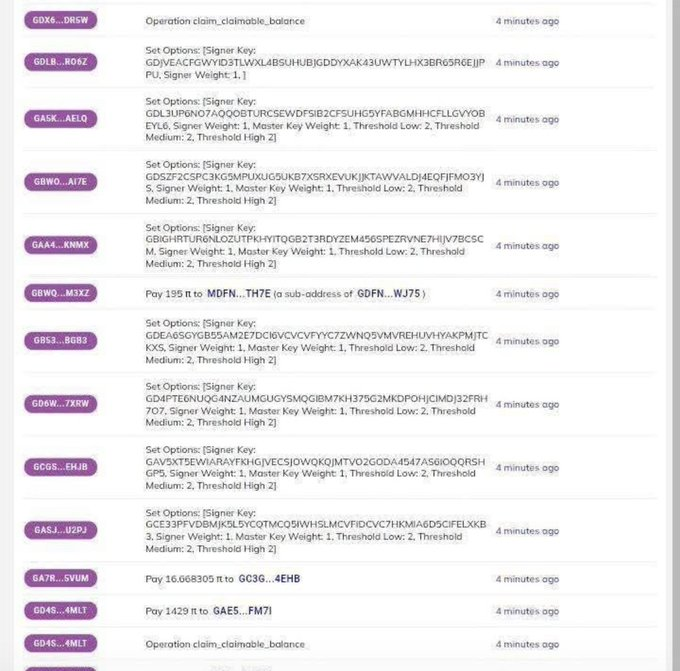
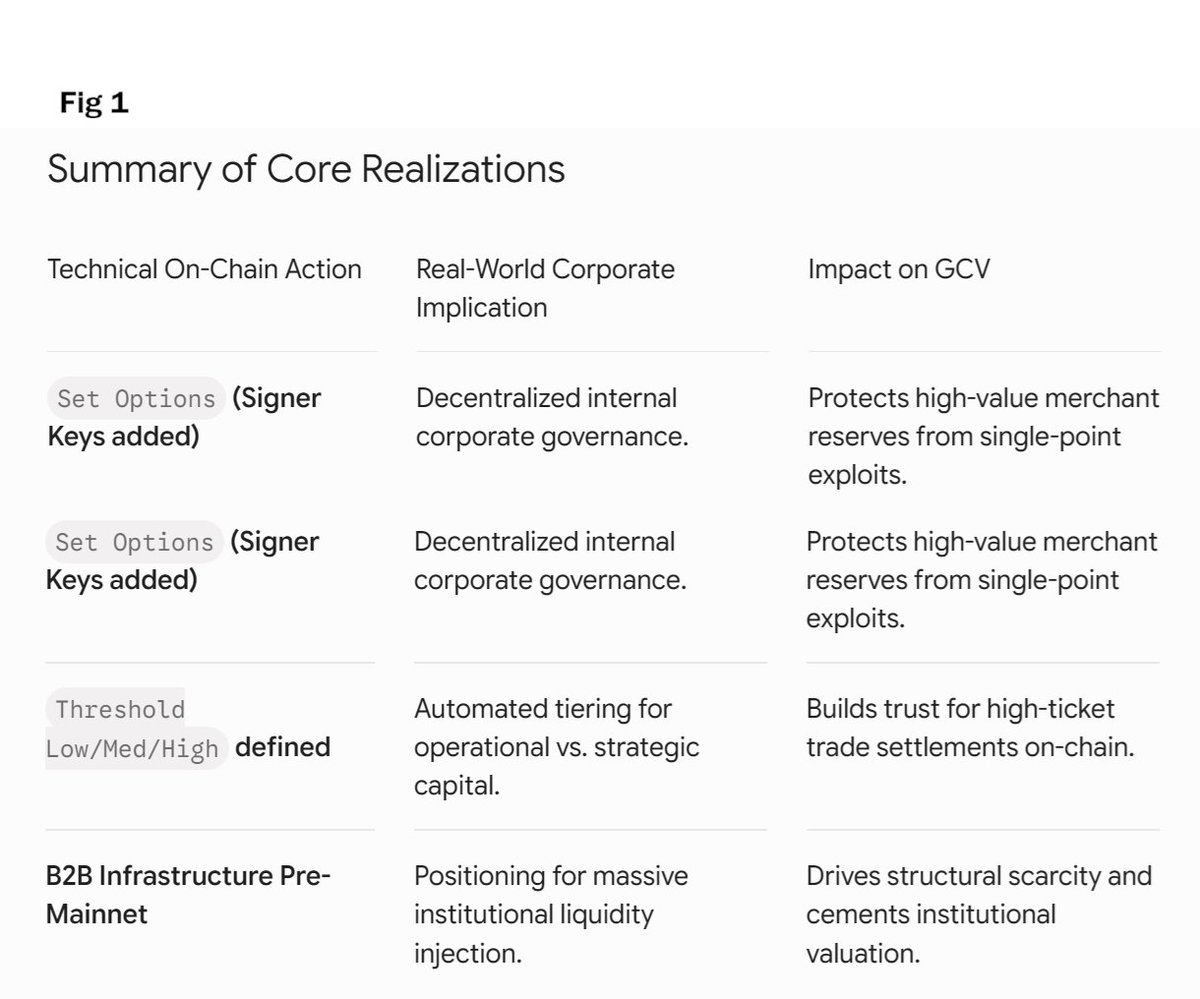
The on-chain data captured in attached image 1 confirms a monumental leap from a retail-centric peer-to-peer network to an institutional-grade financial infrastructure.
By executing "Set Options" operations - specifically defining Signer Weight, Master Key Weight, and threshold metrics (Threshold Low, Threshold Medium, Threshold High) - the Pi Network has codified corporate governance directly onto the blockchain ledger.
This effectively mitigates single-point-of-failure vulnerabilities, transforming Pi into a viable home for large-scale corporate liquidity.
1. Expediting the Adoption of Global Consensus Value (GCV)
The realization of the Global Consensus Value (often advocated by the community at $314,159) relies on structural stability, high utility, and absolute trust.
The rollout of the multisig wallet system serves as an aggressive catalyst for GCV in several key ways:
Mitigating Market-Dumping and Securing Treasury Pools: Historically, large aggregate accounts (like e-commerce merchant pools) posed a risk; a single compromised key or rogue administrator could dump massive quantities of Pi, crushing its valuation.
Multisig locks these high-volume treasuries behind multi-party consent frameworks, stabilizing the circulating velocity of Pi and giving the market confidence to honor premium valuation benchmarks.
Enabling Institutional Escrow Services:
For GCV to be applied to high-value real-world assets (such as real estate, logistics, and international trade), transactions require ironclad escrow protocols.
Multisig configurations establish decentralized, on-chain escrow agents where buyers, sellers, and neutral mediators must co-sign.
This structural security makes pricing goods at GCV standard practice for global commerce.
Standardizing High-Value dApp Operations:
Decentralized applications handles millions of transactions daily.
As verified in the transaction blocks of attached image 1, the ability to seamlessly define low, medium, and high threshold barriers allows dApps to process small micro-payments automatically while scaling up signature requirements for high-value operations.
This allows the ecosystem to safely process high-value GCV transactions without friction.
2. Drawing Blue-Chip Corporations to Pi as "Cash Banks"
For blue-chip companies (e.g., Apple, Amazon, Walmart, or major financial institutions) to interact with a blockchain network, standard single-signature keys are an absolute non-starter.
They require architectures that mimic or exceed legacy banking security controls.
Multisig acts as the definitive bridge to bring corporate treasury offices onto the Pi Network:
Corporate Governance Alignment
> Corporate entities operate through boards, compliance officers, and treasury departments.
> A single internal actor cannot be allowed to move corporate funds.
Pi's new infrastructure perfectly mirrors corporate compliance workflows:
A multinational corporation can establish a treasury wallet requiring a 4-of-7 consensus, assigning signer keys to the CFO, Chief Legal Counsel, Treasury Director, and external auditing compliance nodes.
Funds cannot move unless internal governance protocols are mathematically verified on-chain.
Risk Mitigation Against Cyber Warfare
Blue-chip firms are prime targets for sophisticated phishing, ransomware, and social engineering attacks.
Setting cryptographic thresholds means that even if a C-level executive's device is entirely compromised, the company's multi-million Pi asset pool remains fully insulated.
The Evolution into "Cash Banks"
> When blue-chip corporations realize they can securely manage risk, their relationship with the Pi network evolves.
> Rather than instantly converting Pi back into fiat currency (which incurs slippage and tax friction), they will begin holding Pi natively on their balance sheets.
By operating as "cash banks" within the ecosystem, these conglomerates will use their massive liquidity pools to issue trade financing, supply chain credits, and instant B2B settlements directly in Pi, cementing the network's status as a premier global financial layer. (Refer attached image Fig 1)
The technical transition illustrated across attached image 1 is not just an upgrade; it is the silent deployment of an enterprise financial network designed to onboard the world’s largest corporate balance sheets.
#Picommunity #PiGCV #Picoin #PiNetwork
3
9
232
ONE WORLD DIGITAL CURRENCY retweeted
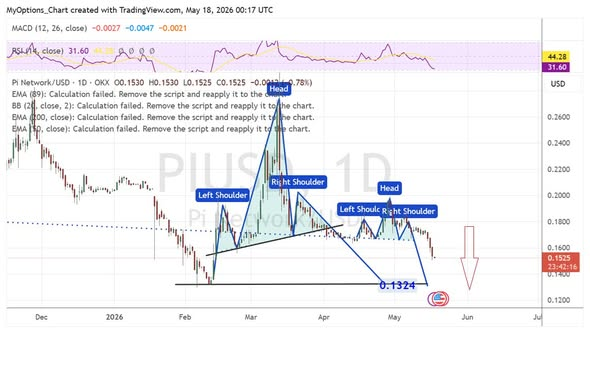
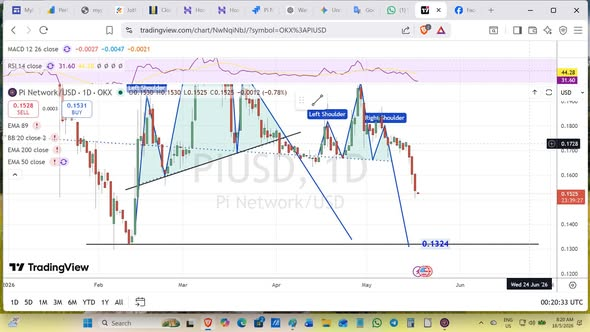
Pi price on the Exchanges is sliding down and down.
As I previously predicted that Pi price on the Exchanges kept forming H&S downtrend pattern and would slide down to 0.1300 level. This is looming large within May 2026, if not latest by June as I predicted. The lowest it slides the better for pioneers to buy Picoin.
#PiGCV #Picoin #Picommunity #PiNetwork
1
5
334
ONE WORLD DIGITAL CURRENCY retweeted
Jun 3
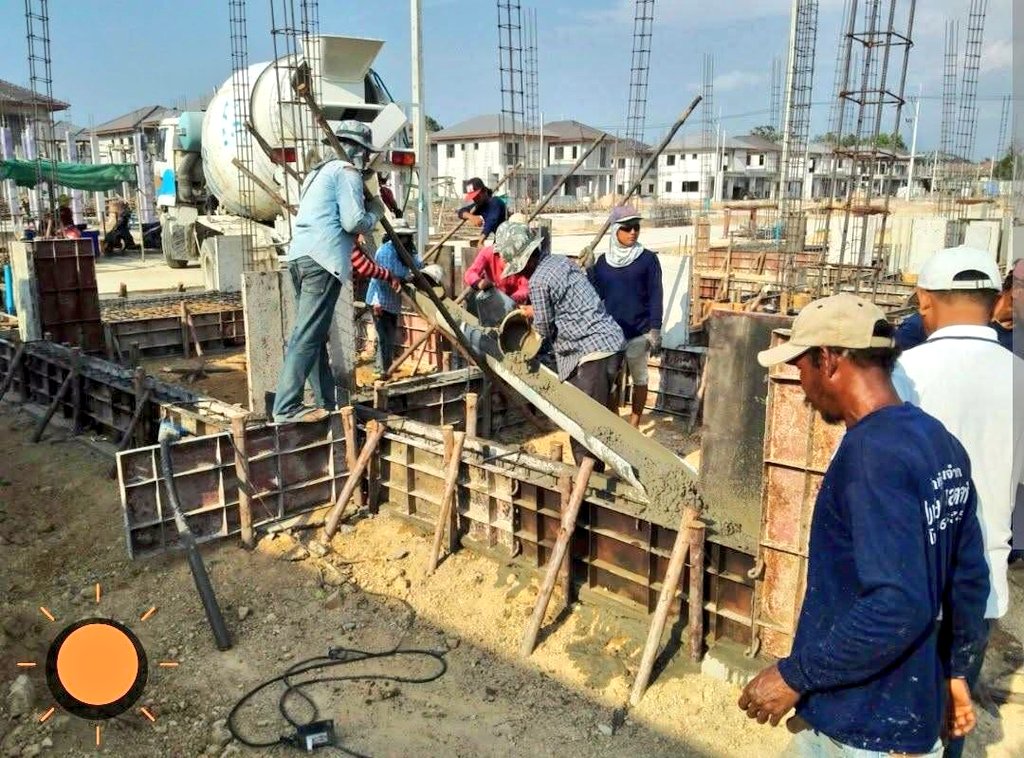
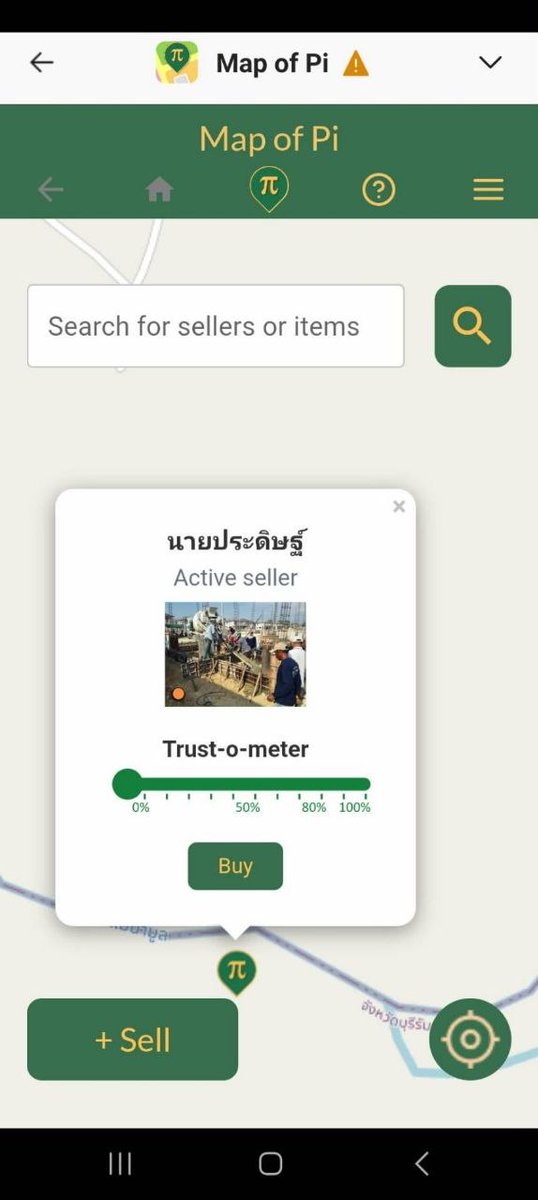
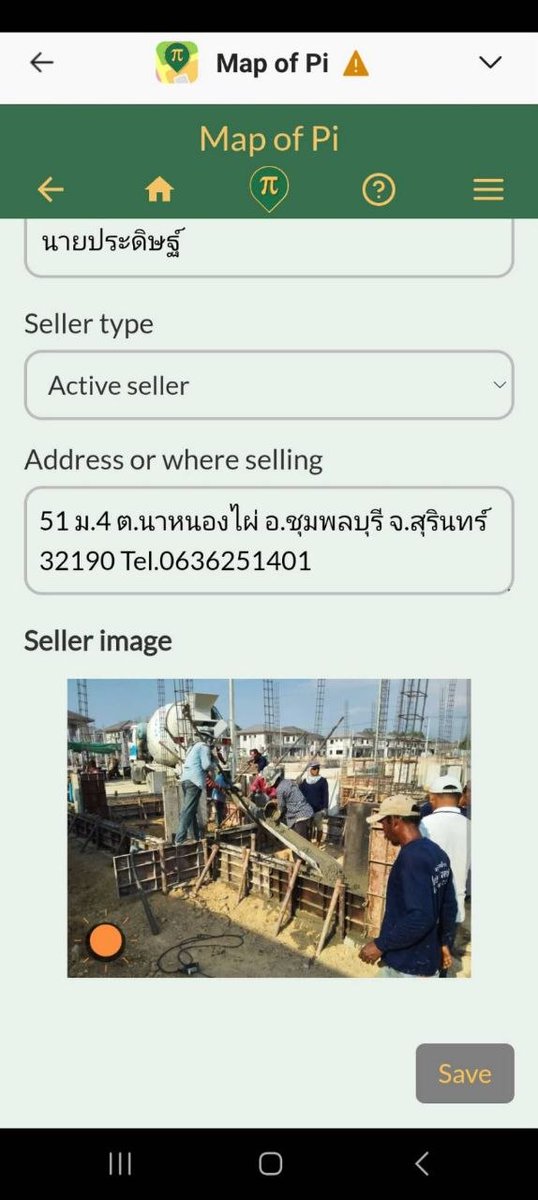
🇹🇭 GCV THAILAND | GENERAL CONSTRUCTION & ELECTRICAL SERVICES OFFICIALLY LISTED ON MAP OF PI! 🏗️✨
🌟 WELCOME! PROFESSIONAL CONSTRUCTION SERVICES JOIN OUR GROWING ECOSYSTEM! 🌟
We are thrilled to welcome Pradit7161, a trusted seller offering reliable general labor, construction and electrical services, available for hire with convenient payment options! ✨
ℹ️ SELLER INFORMATION
👤 Seller Name: นายประดิษฐ์ / Pradit7161
📍 Location: 51 ม.4 ต.นาหนองไผ่ อ.ชุมพลบุรี จ.สุรินทร์ 32190
📞 Phone: 66 63 625 1401
📧 Email: prsdisthraksaph301993@gmail.com
💵 Cash Rate: 400 THB per day service fee
💳 Payment Option: Pay 100% Pi GCV | 0.0000100 Pi, priced at GCV $314,159
📋 SERVICE HIGHLIGHTS
✅ Professional General Labor & All Types of Construction Work
✅ Complete Electrical Installation & Maintenance Services
✅ Skilled & experienced work team ready for any project
✅ Available for daily hire or full contract basis
✅ ⭐ 5/5 Trusted Seller – Quality workmanship & full daily service support!
🏢 TIER CLASSIFICATION
🏗️ TIER 1: THE FOUNDATION (ESSENTIALS)
- Construction, labor & technical utility services
- Essential support for building projects, repairs, and daily operations!
🛑 MORE SERVICES = MORE COMPLETE & POWERFUL COMMUNITY! 🛑
From construction works to essential daily services, every service added makes our ecosystem stronger and more capable. We can access professional, trusted services right here within our network while supporting local skilled workers and businesses!
📢 PLS SPREAD THE WORD AND LET EVERYONE KNOW! 📢
Let us keep supporting our local service providers and build a self-sustaining, thriving community together! 🙏❤️
Lumari🙏
⚠️ DISCLAIMER ⚠️
This is a community listing published for information purposes only. All transactions, agreements, and services are conducted directly between the buyer and seller. The GCV value of $314,159 is the agreed internal value within our community ecosystem only.
@PiCoreTeam @PurpleLotusGCV @jojo102102 @NoncePadja @mousaviradmajid @JasonWong_Pi @daoviet1983 @Nguyet888888 @Phuocdientyphu @gfc199 @PrachanVsv @Ruengaroon2481 @SiourySamer @ArtSolival @LIENCHE0307 @Sujay_gcv @AliYanik65 @seckindikici @Lowcupking @baikoketsi12279 @BrijeshMaloo @rameshb_shetty @ATinnn98466 @Jintaekjun @KAMALBELHAJ2 @moalusi_l @FongangGid20896 @arlandvaldez @BikashChan63503 @BrijeshMaloo @RAJKUMA65328491
4
30
104
2,357
ONE WORLD DIGITAL CURRENCY retweeted
This is an incredibly sharp and grounded take on the current state of the Pi Network.
Mr. Bustamante has hit on the exact missing link that separates a grassroots barter economy from a globally recognized currency ecosystem: structured economic legibility.
Right now, the network is in a fascinating paradox. Millions of Pioneers are actively trading, yet to the traditional financial world, this vast ecosystem looks like an "invisible economy." Basing a currency’s value on GCV (Global Consensus Value, often cited by the community as $314,159) cannot happen through sheer willpower or social media declarations.
For the market to adopt or even approximate a high consensus value, that value must be treated as an institutional reality, backed by unassailable data.
By institutionalizing the existing utility, the Core Team wouldn't be "setting" a price; they would be providing the financial infrastructure for the market to discover and validate Pi's true purchasing power.
Here is how we can systematically lay out those steps to bridge the gap between grassroots utility and formal GCV adoption.
The Roadmap to Economic Legibility and GCV Adoption
To move the market from skepticism to recognition, the network must transition from showing blockchain data (wallets, blocks, node counts) to showing macroeconomic data (velocity of money, purchasing power, gross marketplace volume).
1. Publish Official Mainnet Economic Metrics:
Phase 1: Visibility.
The Core Team must launch an Economic Explorer alongside the current block explorer.
This dashboard should track active merchants, daily transaction volume for goods/services, product categories, and real economic circulation.
Moving from "Look at how many wallets we have" to "Look at how much commerce is happening" changes the narrative completely.
2. Establish a Pi Purchasing Power Index (PPI):
Phase 2: Standardization.
Instead of tracking a fiat exchange price, create a regional PPI.
This index tracks a standardized "basket of goods" (e.g., rice, oil, electronics, web hosting) that 1 Pi can buy across different regions.
If the data shows 1 Pi consistently commands high purchasing power in local economies, the index proves stability and value independent of exchange speculation.
3.Onboard and Record KYB (Know Your Business)
Entities:
Phase 3: Formalization.
To separate genuine commerce from peer-to-peer testing, the network needs an official KYB framework.
Registering merchants and ecosystem applications under a verified business protocol allows the economic activity of commercial nodes to be visibly and auditably tracked on the ledger.
4.Issue Periodic Macroeconomic Reports:
Phase 4: Auditability.
Just like a central bank or a public company, the network needs periodic (quarterly) economic reports.
These documents focus entirely on usage metrics:
total business participants, volume of services rendered, and labor paid for in Pi.
This provides the corporate and institutional world with a recognizable format to assess the ecosystem's health.
5.Deploy Crowdsourced Transaction Verification Tools:
Phase 5: Decentralized Reporting.
Give Pioneers the tools to document the economy from the ground up. By using a decentralized review and receipt-logging protocol within ecosystem apps, Pioneers can self-report and verify real-world business transactions, ensuring that local offline commerce becomes visible to global market data aggregators.
6.Incorporate Utility into Value Discovery:
Phase 6: Market Alignment.
With Steps 1 through 5 complete, the utility economy is officially recognized as the primary engine of value. Exchanges, institutional investors, and global merchants no longer look at a blank chart; they look at a massive, auditable, high-velocity economy.
This is where the market aligns with GCV principles because the data proves the currency's immense baseline demand.
The Core Shift: Data Over Declaration
The argument you've laid out beautifully reframes the entire valuation debate. The global market is naturally cynical; it rejects price decrees but submits to data.
The Backing Realignment:
Traditional fiat is backed by the taxing power and GDP of a nation. If Pi wants to be a sovereign global utility currency, its backing must be its Ecosystem GDP - the total value of goods, work, and digital services flowing through the network.
When an app developer, a real estate project, or a local merchant looks at Pi, they shouldn't have to take a leap of faith on what 1 Pi is worth.
They should be able to open an index, see exactly what 1 Pi is pulling in terms of real-world assets across the globe, and safely price their offerings accordingly.
That is how the Enclosed Network efforts mature into Open Network triumph.
#Picommunity #PiGCV #Picoin #PiNetwork @mrbhenderson @PiCoreTeam @nkokkalis
1/11 El problema de Pi en 2026 no es que falte utilidad. El problema es que falta institucionalizar la utilidad que ya existe. Los pioneros llevan años intercambiando bienes, servicios y trabajo usando Pi. La economía nació. Lo que falta es reconocimiento económico.
1
1
500
ONE WORLD DIGITAL CURRENCY retweeted

“El GCV es un precio en dólares y contradice las normas oficiales”
Respuesta: Esta crítica se basa en una comprensión equivocada del GCV. En su formulación original y en la práctica comunitaria, el GCV no es un precio en dólares, sino un estándar para denominar intercambios en Pi
1
2
14
656
Designing a decentralized Purchasing Power Index (PPI) for Pi requires shifting our thinking away from how Wall Street values assets and toward how macroeconomists measure the health of a sovereign currency.
If GCV (Global Consensus Value) is the goal, we cannot just state a high number; we have to build an auditable framework that proves 1 Pi consistently commands an immense baseline of goods and services globally. If the data shows 1 Pi buys a fixed, high-value basket of real-world assets month after month, the index creates structural price stability that standard exchange speculation cannot shatter.
Here is how a decentralized, regional PPI can be structurally engineered to calculate and stabilize Pi’s value across different local economies.
The Architecture of a Decentralized Pi PPI
To remain secure, transparent, and manipulation-resistant, the index must rely on a mix of smart contracts, localized cryptographic oracles, and crowdsourced validation from Pioneers on the ground.
Local Commerce (P2P/ KYB)
Decentralized Oracles
V
Smart Contract Aggregator
V
Global PPI Dashboard (Data Input) (Price Feed Validation) (Weighted Averaging) (Final Index Output)
1. Defining the Regional "Pi Basket"
A standard PPI tracks a fixed basket of goods. Because Pi is a global currency operating in vastly different economic landscapes, the index cannot use an identical basket everywhere. Instead, it must normalize a Local Survival & Utility Basket customized by region, containing:
Core Commodities:
Fixed amounts of local staples (e.g., 10kg rice/grain, 2 liters of cooking oil).
Digital Utilities: Web hosting, VPN access, domain renewals, or mobile data.
Everyday Services: Standardized units of labor or transport (e.g., a 10km ride-share or 1 hour of basic freelance work).
2. The Calculation: Local Purchasing Power Ratio
To map out the index without relying on fiat as the ultimate anchor, we calculate the Velocity-Weighted Value Ratio (V_r).
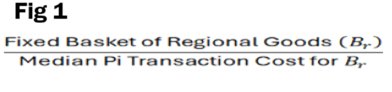
For any given region (R), the purchasing power of Pi (P_pi against the local basket (B_r) is determined by tracking the median amount of Pi required to settle those specific goods over a 30-day moving average: Refer attached graphic Fig 1
If a Pioneer in Southeast Asia pays $0.005 for a basket of goods that would normally cost USD, the local index registers an implicit purchasing value of $10,000 per Pi for that transaction category.
By weighting this across thousands of transactions, an accurate regional baseline emerges.
3. Preventing Data Manipulation (Sybil Attacks)
The biggest risk to a crowdsourced index is bad actors logging fake, hyper-inflated transactions to artificially pump the GCV data. To keep the data clean, the index utilizes a three-tier validation check:
KYB/KYC Anchor:
Transactions logged by verified KYB (Know Your Business) merchants carry a much higher data weight than unverified peer-to-peer transfers.
The Escrow Proof:
The system only tallies transactions that pass through verified ecosystem apps or smart-contract escrows where actual Pi changed hands.
Statistical Outlier Filtering:
Automated algorithms strip away the top and bottom 5% of anomalous price data (e.g., someone trading 1 Pi for a mansion or 1 Pi for a bottle of water) to ensure the core index reflects everyday mid-market realities.
#Picommunity #PiGCV #Picoin #PiNetwork @PiCoreTeam @mrbhenderson

This is an incredibly sharp and grounded take on the current state of the Pi Network.
Mr. Bustamante has hit on the exact missing link that separates a grassroots barter economy from a globally recognized currency ecosystem: structured economic legibility.
Right now, the network is in a fascinating paradox. Millions of Pioneers are actively trading, yet to the traditional financial world, this vast ecosystem looks like an "invisible economy." Basing a currency’s value on GCV (Global Consensus Value, often cited by the community as $314,159) cannot happen through sheer willpower or social media declarations.
For the market to adopt or even approximate a high consensus value, that value must be treated as an institutional reality, backed by unassailable data.
By institutionalizing the existing utility, the Core Team wouldn't be "setting" a price; they would be providing the financial infrastructure for the market to discover and validate Pi's true purchasing power.
Here is how we can systematically lay out those steps to bridge the gap between grassroots utility and formal GCV adoption.
The Roadmap to Economic Legibility and GCV Adoption
To move the market from skepticism to recognition, the network must transition from showing blockchain data (wallets, blocks, node counts) to showing macroeconomic data (velocity of money, purchasing power, gross marketplace volume).
1. Publish Official Mainnet Economic Metrics:
Phase 1: Visibility.
The Core Team must launch an Economic Explorer alongside the current block explorer.
This dashboard should track active merchants, daily transaction volume for goods/services, product categories, and real economic circulation.
Moving from "Look at how many wallets we have" to "Look at how much commerce is happening" changes the narrative completely.
2. Establish a Pi Purchasing Power Index (PPI):
Phase 2: Standardization.
Instead of tracking a fiat exchange price, create a regional PPI.
This index tracks a standardized "basket of goods" (e.g., rice, oil, electronics, web hosting) that 1 Pi can buy across different regions.
If the data shows 1 Pi consistently commands high purchasing power in local economies, the index proves stability and value independent of exchange speculation.
3.Onboard and Record KYB (Know Your Business)
Entities:
Phase 3: Formalization.
To separate genuine commerce from peer-to-peer testing, the network needs an official KYB framework.
Registering merchants and ecosystem applications under a verified business protocol allows the economic activity of commercial nodes to be visibly and auditably tracked on the ledger.
4.Issue Periodic Macroeconomic Reports:
Phase 4: Auditability.
Just like a central bank or a public company, the network needs periodic (quarterly) economic reports.
These documents focus entirely on usage metrics:
total business participants, volume of services rendered, and labor paid for in Pi.
This provides the corporate and institutional world with a recognizable format to assess the ecosystem's health.
5.Deploy Crowdsourced Transaction Verification Tools:
Phase 5: Decentralized Reporting.
Give Pioneers the tools to document the economy from the ground up. By using a decentralized review and receipt-logging protocol within ecosystem apps, Pioneers can self-report and verify real-world business transactions, ensuring that local offline commerce becomes visible to global market data aggregators.
6.Incorporate Utility into Value Discovery:
Phase 6: Market Alignment.
With Steps 1 through 5 complete, the utility economy is officially recognized as the primary engine of value. Exchanges, institutional investors, and global merchants no longer look at a blank chart; they look at a massive, auditable, high-velocity economy.
This is where the market aligns with GCV principles because the data proves the currency's immense baseline demand.
The Core Shift: Data Over Declaration
The argument you've laid out beautifully reframes the entire valuation debate. The global market is naturally cynical; it rejects price decrees but submits to data.
The Backing Realignment:
Traditional fiat is backed by the taxing power and GDP of a nation. If Pi wants to be a sovereign global utility currency, its backing must be its Ecosystem GDP - the total value of goods, work, and digital services flowing through the network.
When an app developer, a real estate project, or a local merchant looks at Pi, they shouldn't have to take a leap of faith on what 1 Pi is worth.
They should be able to open an index, see exactly what 1 Pi is pulling in terms of real-world assets across the globe, and safely price their offerings accordingly.
That is how the Enclosed Network efforts mature into Open Network triumph.
#Picommunity #PiGCV #Picoin #PiNetwork @mrbhenderson @PiCoreTeam @nkokkalis
1
3
226
ONE WORLD DIGITAL CURRENCY retweeted
Jun 4
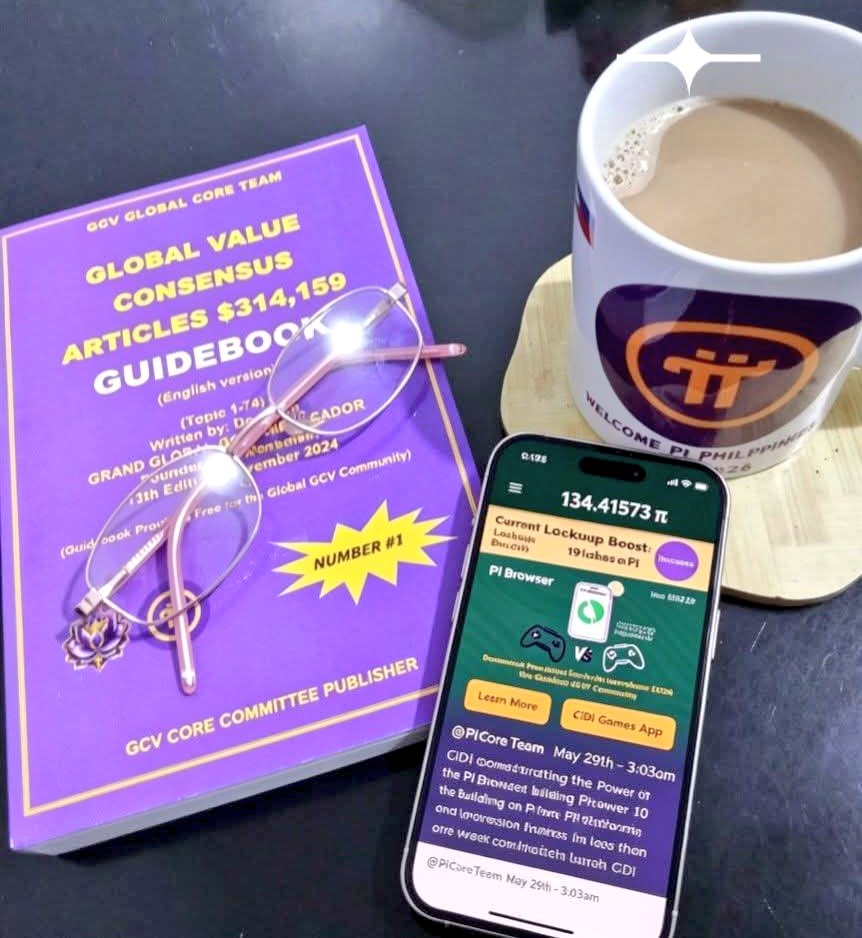
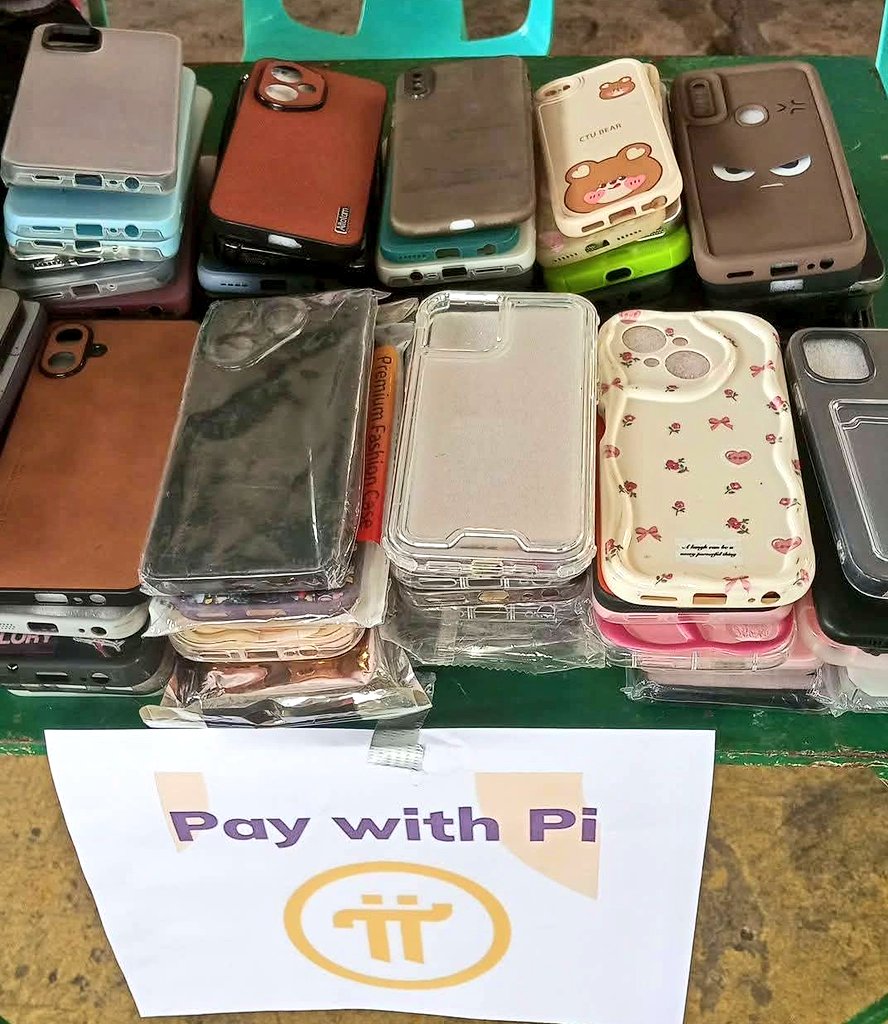
GCV Bartering Activity in Lower Bicutan, Taguig City Philippines🇵🇭
Unity, cooperation, and community spirit in action
A successful gathering of collaboration, education, and empowerment through bartering—strengthening our community ties and shared vision.
We would like to express our deepest gratitude for the success of the Bartering Activity and GCV Education.
To our dedicated GCV leaders and coordinators, thank you for your unwavering support and commitment:
• GCV Ambassador and National Merchant Coordinator, Mrs. Lerma Ablan
• National Merchant Coordinator, Mr. Julio Villarosa
• GCV Ambassador of Taguig, Mr. Leonardo Rios
• Region 4A GCV Ambassador, Ma’am Fredelyn Sajor
• Novaliches GCV Ambassador, Mr. Reynaldo Operio
• GCV Barangay Ambassador and Host, Ma’am Vivian Tuyay
Your leadership, dedication, and service continue to inspire unity, cooperation, and growth within our community.
Together, we move forward stronger. 🇵🇭✨
Lumari
@PiCoreTeam @PurpleLotusGCV @jojo102102 @NoncePadja @mousaviradmajid @JasonWong_Pi @daoviet1983 @Nguyet888888 @Phuocdientyphu @gfc199 @PrachanVsv @Ruengaroon2481 @SiourySamer @ArtSolival @LIENCHE0307 @Sujay_gcv @AliYanik65 @seckindikici @Lowcupking @baikoketsi12279 @BrijeshMaloo @rameshb_shetty @ATinnn98466 @Jintaekjun @KAMALBELHAJ2 @moalusi_l @FongangGid20896 @arlandvaldez @BikashChan63503 @BrijeshMaloo @RAJKUMA65328491
32
76
179
1,771
ONE WORLD DIGITAL CURRENCY retweeted
Pi Network at a Crossroads:
Utility Economy vs. Speculative Market - Can GCV Become a Sustainable Economic Model?
The discussion surrounding Pi Network in 2026 is no longer simply about price. It is about economics.
Many observers continue to evaluate Pi using the same framework applied to stocks, forex, commodities, and cryptocurrencies. In those markets, participants buy with the expectation of selling at a higher price. Value is largely determined by supply, demand, market sentiment, liquidity, and speculation.
Pi Network, however, was created with a different vision.
From the beginning, Pi was presented as a digital currency designed for real people, supported by identity verification, utility, and peer-to-peer economic activity. While speculation naturally emerged after Open Network launched, the foundation of Pi was never intended to be merely another trading asset.
This distinction is crucial because two separate economic systems are now operating simultaneously within the Pi ecosystem.
The first is the speculative market.
The second is the utility economy.
Neither can be ignored.
The Birth of Pi's Utility Economy
During the Enclosed Network period from December 2021 until Open Network, Pi pioneers could not freely trade Pi on public exchanges.
Many critics viewed this as a limitation.
In reality, it became a large-scale economic experiment.
Without access to speculative markets, pioneers began creating their own marketplaces. Goods, services, professional expertise, food, electronics, accommodation, transportation, and countless other products were exchanged using Pi.
Transactions were conducted through official wallets, QR codes, community marketplaces, barter events, and local merchant networks.
For the first time in modern crypto history, millions of users attempted to assign value to a digital currency based not on exchange charts but on actual purchasing power.
This is where the concept of Global Consensus Value (GCV) emerged.
Understanding GCV Correctly
One of the biggest misconceptions is that GCV is a blockchain mechanism.
It is not.
GCV is not written into the code.
It is not a smart contract.
It is not an official policy of the Pi Core Team.
GCV is a social and economic consensus.
It represents the collective belief among participants that Pi's value should be determined by what it can purchase inside the Pi economy rather than solely by its exchange rate against fiat currencies.
In simple terms:
A speculative market asks:
"How many dollars is one Pi worth?"
A utility economy asks:
"What can one Pi buy?"
This distinction may appear subtle, but it fundamentally changes how value is measured.
Open Network Changed Everything
When Open Network launched in February 2025, Pi entered a new phase.
For the first time, Pi became connected to the broader crypto ecosystem through approved exchanges.
This introduced market-based price discovery.
Naturally, volatility followed.
Now Pi operates in two worlds simultaneously:
External market valuation through exchanges.
Internal utility valuation through real-world transactions.
The challenge facing Pi today is not choosing one model over the other.
The challenge is finding a way for both systems to reinforce each other.
A healthy ecosystem needs both liquidity and utility.
Without liquidity, adoption becomes difficult.
Without utility, price becomes purely speculative.
Why GCV Needs More Structure
While the GCV movement has inspired millions of pioneers, it faces a major challenge.
Most GCV discussions remain informal.
To become sustainable, GCV must evolve from a community belief into a measurable economic framework.
The key question is:
How can purchasing power inside the Pi economy be objectively measured?
If utility is the foundation of value, then utility must become quantifiable.
Five Ways to Build and Strengthen GCV
1. Create a Global Pi Merchant Index
Pi communities worldwide should establish a transparent merchant database.
This index would record:
Number of active merchants
Number of monthly transactions
Categories of goods and services
Average Pi transaction values
The more measurable commerce becomes, the stronger the economic foundation behind GCV.
2. Build a Pi Purchasing Power Index (PPPI)
Major currencies have inflation indexes.
Pi should develop its own purchasing power index.
For example:
If one Pi consistently purchases:
One meal
One hour of skilled labor
A specific amount of agricultural products
Transportation services
Then the community can track purchasing power over time.
This provides a utility-based benchmark independent of exchange speculation.
3. Encourage Everyday Microtransactions
Many people focus on large-value transactions.
However, the true strength of a currency comes from daily use.
Pi adoption should encourage:
Coffee purchases
Food orders
Transportation payments
Professional services
Digital products
Thousands of small transactions create stronger economic signals than a handful of large deals.
4. Develop Regional Pi Economic Hubs
Communities should establish local Pi economies where merchants actively transact with one another.
A restaurant accepting Pi should be able to purchase supplies using Pi.
A supplier should be able to pay workers using Pi.
A service provider should be able to spend Pi elsewhere.
The stronger the circulation cycle, the stronger the currency becomes.
5. Establish Independent Economic Audits
One criticism of GCV is the lack of verifiable data.
Independent community organizations could publish:
Merchant adoption reports
Transaction volume reports
Utility growth statistics
Regional economic activity reports
Transparent data would give investors, businesses, and regulators greater confidence.
The Future of Pi Value Discovery
The future of Pi will likely not be determined solely by exchange prices.
Nor will it be determined solely by community consensus.
The strongest outcome may emerge from the combination of both.
Speculative markets provide liquidity and capital.
Utility economies provide sustainability and real demand.
If Pi succeeds in creating millions of daily transactions while maintaining access to global markets, it could establish a new model for digital currencies - one where value is discovered not only through trading but also through measurable economic activity.
The ultimate success of GCV will not come from declaring a price.
It will come from proving that Pi has genuine purchasing power across a growing global economy.
That is the next stage of the Pi Network experiment.
And perhaps its most important one.
In a nutshell:
GCV becomes much stronger when it is supported by data rather than belief alone.
The next evolution of the movement should focus on measuring real utility, merchant adoption, transaction volume, and purchasing power.
When pioneers can demonstrate that Pi consistently facilitates commerce across multiple countries and industries, GCV evolves from a community concept into an observable economic reality.
#Picommunity #PiGCV #Picoin #PiNetwork @PiCoreTeam @mrbhenderson
1/24
Para entender Pi Network hay que separar dos mundos. El primero es el mercado especulativo tradicional. El segundo es la economía basada en utilidad. Gran parte de los debates actuales nacen porque ambos modelos conviven sobre Pi al mismo tiempo.
1
1
13
785