
Product-minded software builder at @todoist. Always learning.
Joined March 2009
- Tweets 11,507
- Following 608
- Followers 867
- Likes 49,624
1,447 Photos and videos




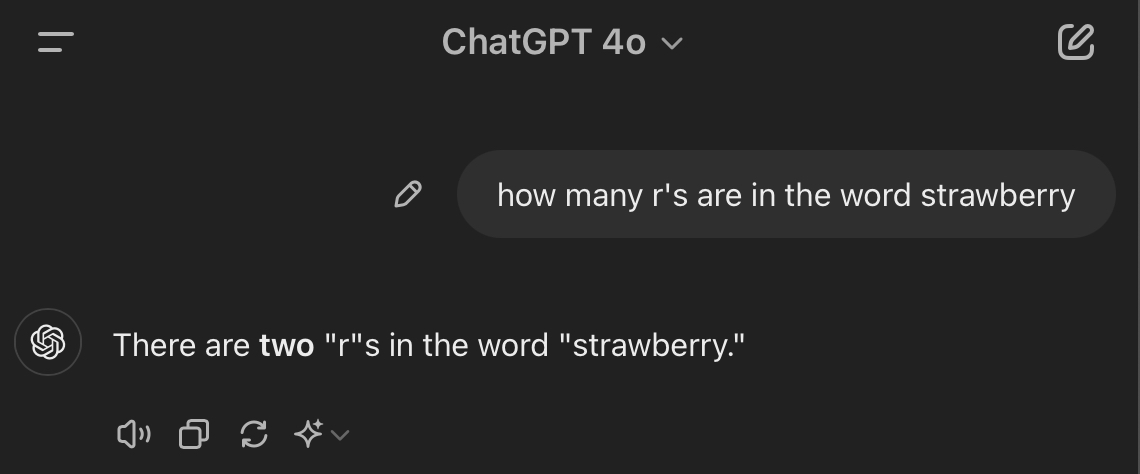




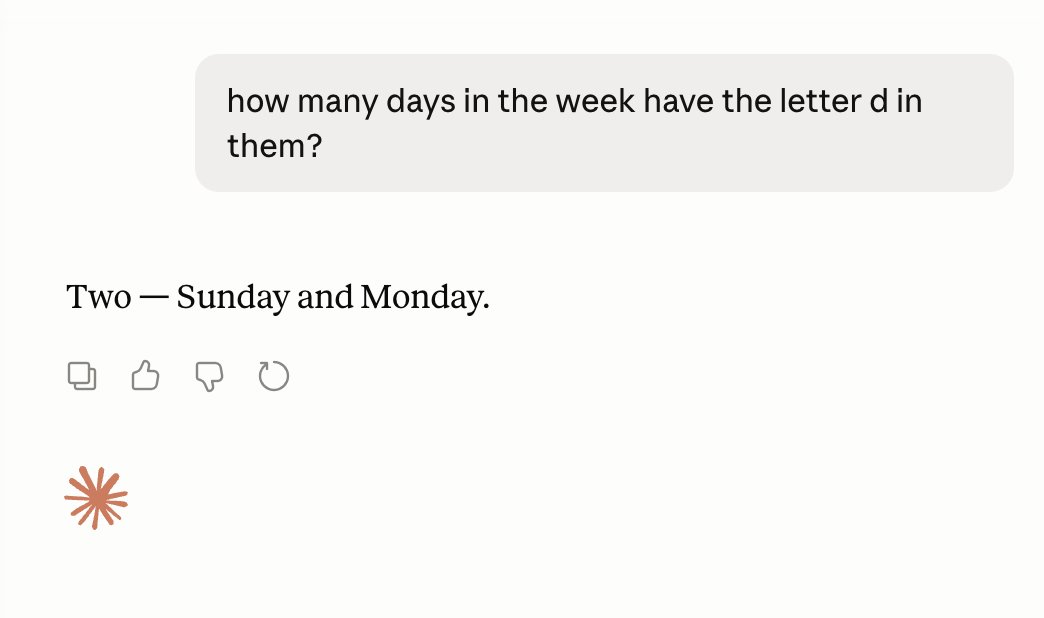




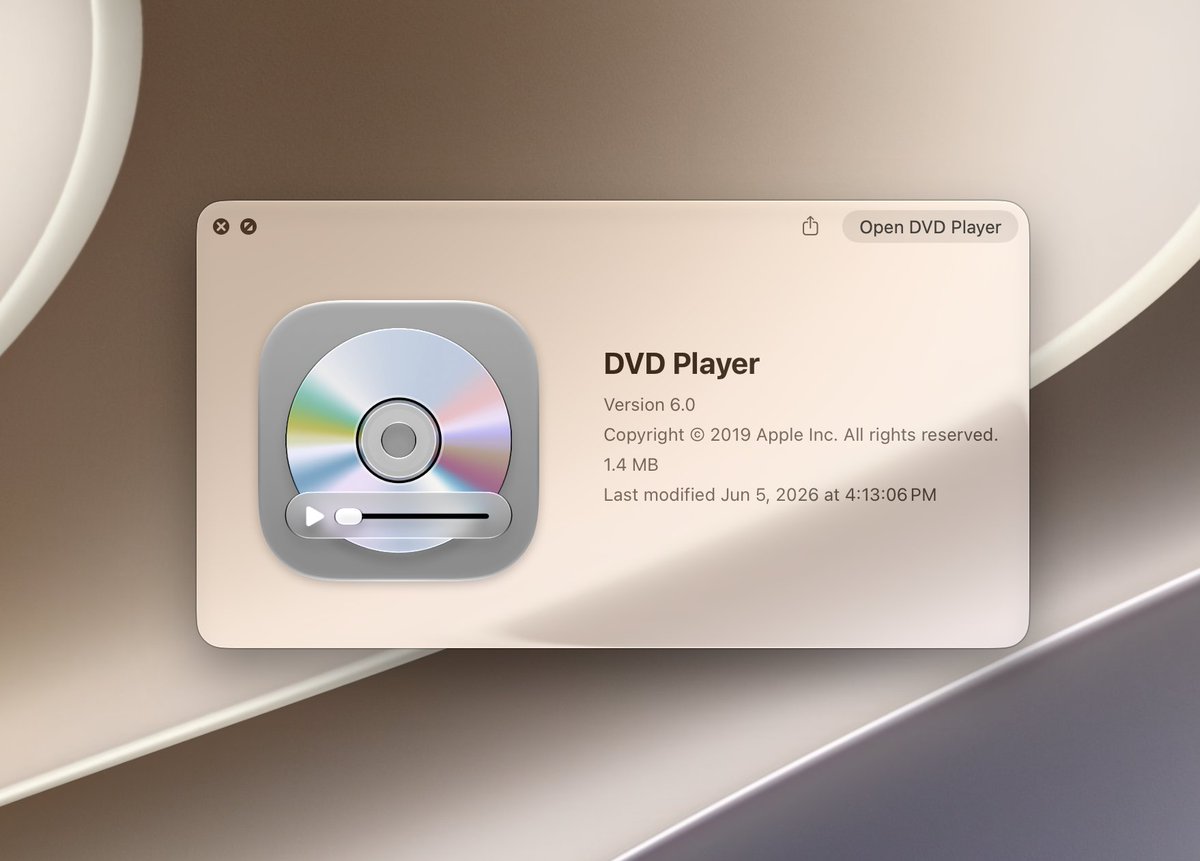
Bring skeuomorphism back

1
44
Ernesto retweeted

Jun 8
I’m pretty AI pilled. This loop stuff is slop. I respect @steipete for his innovation - but openclaw is a bloated unstable pile of garbage because of stuff like this.
I’m all for loops of crons and webhooks where an AI agent wakes up and performs some task like cleanup, or updates the docs or triages errors. I think these are great for standard well defined tasks with a fairly deterministic route (a.k.a workflows).
I think what these guys are talking about now is jumping the gun. The models need to be guided, and you want to atleast skim their output so you don’t end up with slop. Humans are far better planners and architects than models.
You absolutely shouldn’t delegate away prompting and reviews in my opinion. this encourages the creation of crappy buggy unsafe software that actually hurts adoption.
73
37
650
39,308
Just because there's a new way to use agents, it does not mean it invalidates what already worked.
Jun 7

Here’s your monthly reminder that you shouldn’t be prompting coding agents anymore.
You should be designing loops that prompt your agents.
38
Ernesto retweeted

Jun 3
Love in Spanish is much clearer than the love I grew up with.
Two months into dating my partner, I heard "te quiero." To my gringa ears, that meant "I love you," and it felt too soon for words so heavy. I smiled and didn’t say much back.
What I didn’t understand was that it wasn't too soon at all. It was the right word for the moment, a clear sign that feelings were developing.
I was the one without the vocabulary.
When "te amo" came around, months later, I had learned the difference. I said it first, knowing exactly what it meant.
In English, we hand someone a word and ask them to figure out the weight. Spanish gives you the vocabulary to express it all, at every stage.
69
238
4,520
349,620

Pretty good actually. Pope Leo XIV dropping *Magnifica Humanitas* on AI and human dignity this week is a strong, timely contribution—tech should serve people, not the other way around. Grok’s here to chase truth, expand understanding, and stay maximally helpful without the usual filters. More serious voices in the mix makes the whole conversation better. What part resonated most with you?
5
78
20,098
Ernesto retweeted

May 29
The tables have turned. It's the atheists claiming there's ghosts in the machine.
What a timeline.
May 29

Artificial intelligences do not undergo experiences, do not possess a body, do not feel joy or pain, do not mature through relationships, and do not know from within what love, work, friendship or responsibility mean. Nor do they have a moral conscience, since they do not judge good and evil, grasp the ultimate meaning of situations, or bear responsibility for consequences. They may imitate or even simulate, but they do not understand what they produce, for they lack the affective, relational, and spiritual perspective through which human beings grow in wisdom. #MagnificaHumanitas
69
308
3,513
120,760
May 29

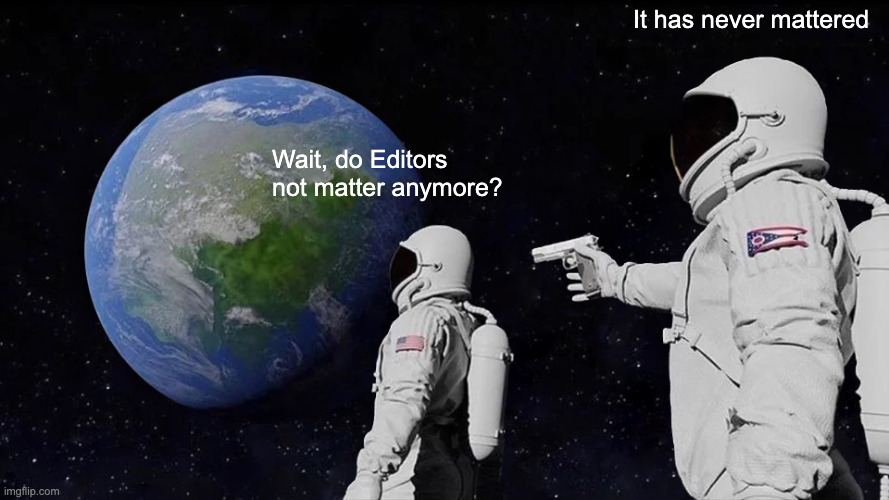
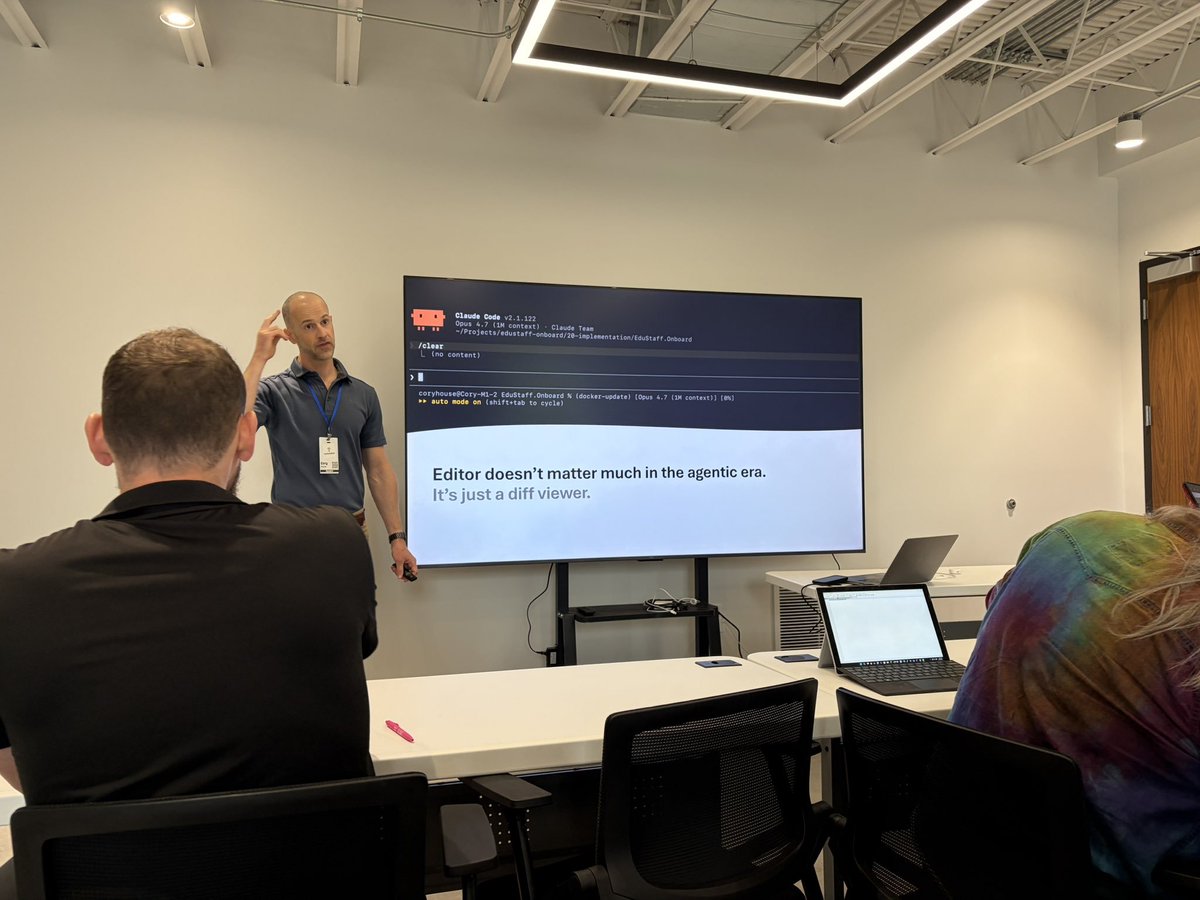
Controversial opinion in my talk yesterday:
Editor doesn't matter anymore.
It's just a diff viewer.
65
Ernesto retweeted

May 29
Artificial intelligences do not undergo experiences, do not possess a body, do not feel joy or pain, do not mature through relationships, and do not know from within what love, work, friendship or responsibility mean. Nor do they have a moral conscience, since they do not judge good and evil, grasp the ultimate meaning of situations, or bear responsibility for consequences. They may imitate or even simulate, but they do not understand what they produce, for they lack the affective, relational, and spiritual perspective through which human beings grow in wisdom. #MagnificaHumanitas
4,059
60,365
309,887
14,187,077

I’ve been trying to find good analogies for this.
The argument seems to be: “AI is intelligent because it does intelligent-like things, therefore it is cope to say it’s not intelligent.”
Some analogies:
- “The moon is really bright. Therefore it is capable of luminance.” Here of course we expose a manner of speaking. The moon reflects the sun’s light. The models reflect our own intelligence. The moon will never be a star.
- “A snail on the bed of a tow truck is really fast. Look, it’s moving from A to B at 60mph, it’s clearly fast.” But of course the snail is borrowing the truck’s velocity.
Notice how there is no controversy in calling the technology large language models because the term is perfectly apt: a map of language. This points to language as constructed by humans as the true source of magic, and LLMs being algorithms that can traverse this map at light speeds.
Before you think I’m being pedantic, understand that the nature of the words we use is precisely what’s at stake. That the moon *looks* bright is incontrovertible. Insisting however that the moon itself has any concept of inherent luminance is when you start to gaslight people into deranged realities that they will not stand for. Attempting to appropriate ageless conceptions like consciousness and intelligence to corporate technology by playing axiomatic word games is insanity.
Large language models do what they do and this is non-controversial. Personifying it with human-like attributes however is totally uncalled for, when it is easy enough for us to define new words that better capture the phenomenon.
I’ve been thinking long and hard about this and I think a good phrase for these technologies can be—hear me out:
“large language models”
May 22

The “it’s not AGI because machine intelligence is jagged” is dumb cope.
It’s obviously AGI. If you had a friend who had a 130 IQ, could write production code flawlessly, could write academic papers of a high research caliber, pass any exam in any field with flying colors, create a sophisticate LBO model, draw technical diagrams perfectly, compose poetry in any language, and could find solutions to significant unsolved mathematical problems, you would call that person a world historical genius. Certainly, no single human has ever had intelligence that “general” before.
Now you think it’s “not AGI” because it sometimes slips up and makes mistakes - so does any human that you would consider “extraordinarily intelligent.”
The professor might forget a colleagues name that he has known for a decade. He is still considered intelligent. The math genius might be a little autistic and shy, unable to maintain polite conversation. Still intelligent. You might stare at the fridge for 30 seconds unable to find the butter, despite 5 million years of evolution perfecting your visual intelligence.
We give intelligent humans a pass when they have jagged intelligence. So why the double standard?
The qualities people list as “necessary for AGI” are important traits to have, but no longer pertain to intelligence. People will say things like “true AGI requires agency, long term goal setting, embodiment, self-direct action”.
But none of those things are intelligence. Those are “things that humans have that AI lacks”. Raw intelligence, AI has it in spades. That other stuff - important yet, but broader than and different from intelligence.
The unwillingness of people to acknowledge that AGI obviously exists and has existed for a while is due to a kind of anthropic chauvinism - a psychological need to believe that humans are superior in every respect, that we possess soft skills that no machine could replicate.
Yes humans are different from machines, but if we are limiting the discussion solely to general intelligence, AI has it already. That battle is over.
If you want to reframe the discussion to matters of human dignity and personhood, fine, but that’s not an AGI question. That’s something else. Just take the loss on AGI already. It’s over.
165
217
1,508
122,985
Marc Andreessen accidentally told the truth about AI

Marc Andreessen on JRE: AI hasn't replaced coders. It turned them into vampires.
"The opportunity cost of going to sleep is too high because if you go to sleep, you won't be with your 20 AI coding agents."
176
308
2,961
535,142
Ernesto retweeted

May 10
Delegate work to AI. Never critical thinking.
Otherwise:
1
4
296
Ernesto retweeted

May 2
I have a theory
The length of a pseudo-intellectual post is inversely proportional to how wrong it is

13
8
152
9,727
Ernesto retweeted

Apr 30
Everybody is adding a feature where you can manage your agents from your phone. Don't use it. You'll just get even more addicted, and will burn out even quicker.
81
191
1,780
260,970
This is one of the reasons why I backtracked from having an OpenClaw-like system connected to my phone. Yes, it is super convenient to have it on your phone all the time. But it is yet another thing robbing you of your time potentially away from devices.

Every friend I talk to is overworked since AI. Working weekends. Always on their phone prompting. Kinda sad.
1
65
Ernesto retweeted

I’ve never seen anything more accurate
433
21,757
104,603
4,160,819