
The sluggish rune that embraces Bitcoin's zen-like pace. | TG: t.me/ aTa1RgYuGDM5YzI1 | Trade: magiceden.io/runes/OOZYâ%8…
Joined July 2024
- Tweets 577
- Following 264
- Followers 591
- Likes 1,012
161 Photos and videos










Oozy Goozemo retweeted
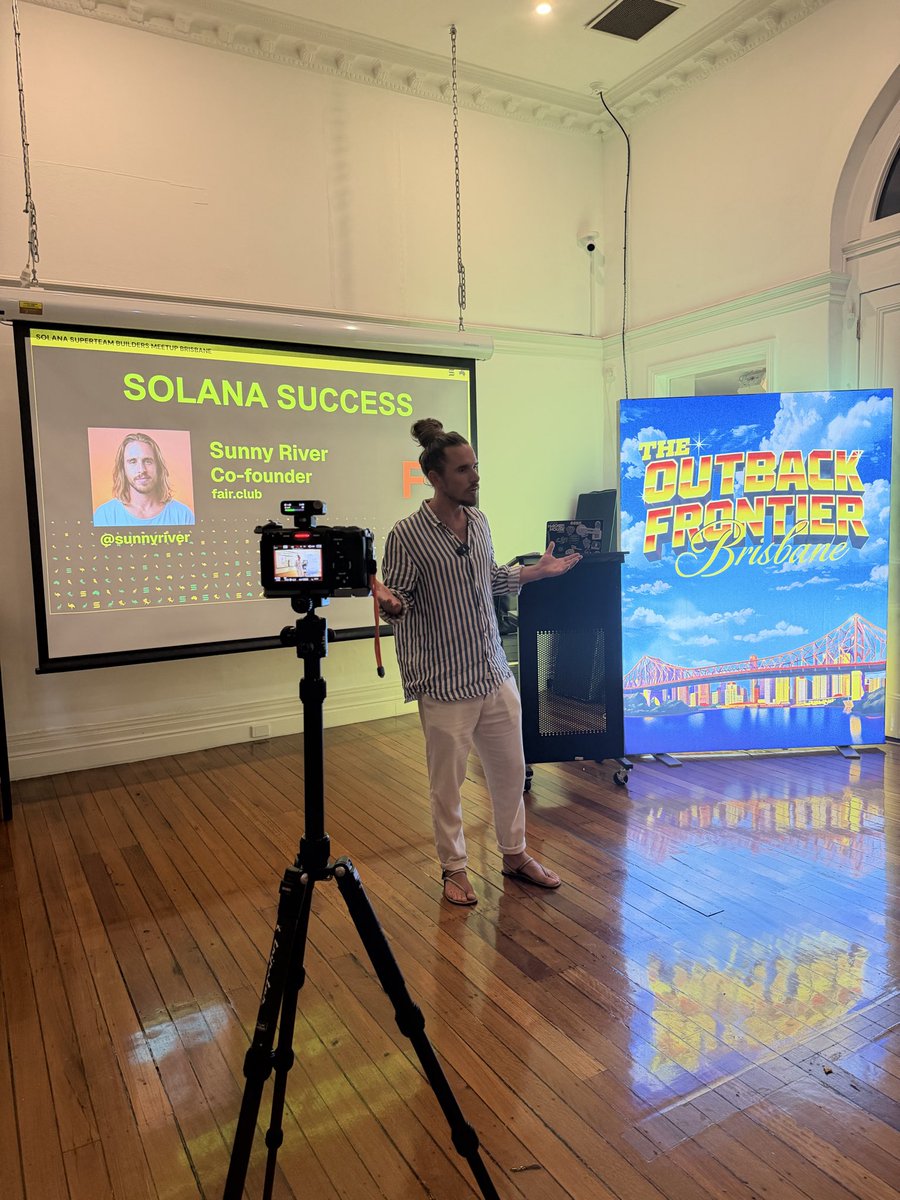
Meet @sunnyriver, co-founder of @fairdotclub, building a trust and intelligence layer for internet capital markets.
A creator, investor, GTM engineer and community builder, with a background across the creative industries working for @Qantas, @Google & @Samsung 🦘🇦🇺

20
8
53
5,273
Oozy Goozemo retweeted

May 20
investing already happens socially
the broken part is that social platforms reward attention, not accuracy and repeated value creation
Dapital is interesting because it closes that loop:
discovery → execution → attribution → reputation
killer team , killer product.
May 20

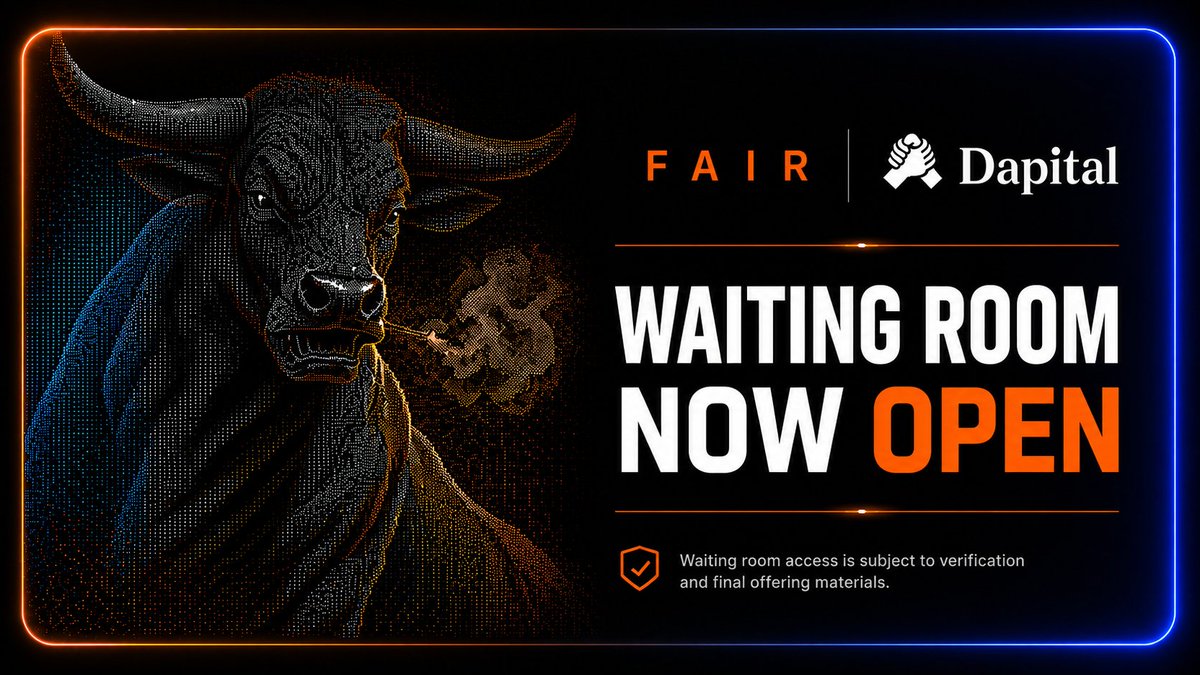
The Dapital waiting room is now open on FAIR.
@trydapital is building a financialized social network: a consumer finance app where investment discovery, execution, attribution, and reputation live in one loop.
Early access is live 👇🏼
4
6
16
1,436
Oozy Goozemo retweeted

May 20
The Dapital waiting room is now open on FAIR.
@trydapital is building a financialized social network: a consumer finance app where investment discovery, execution, attribution, and reputation live in one loop.
Early access is live 👇🏼
15
22
64
15,373


Oozy Goozemo retweeted
May 17
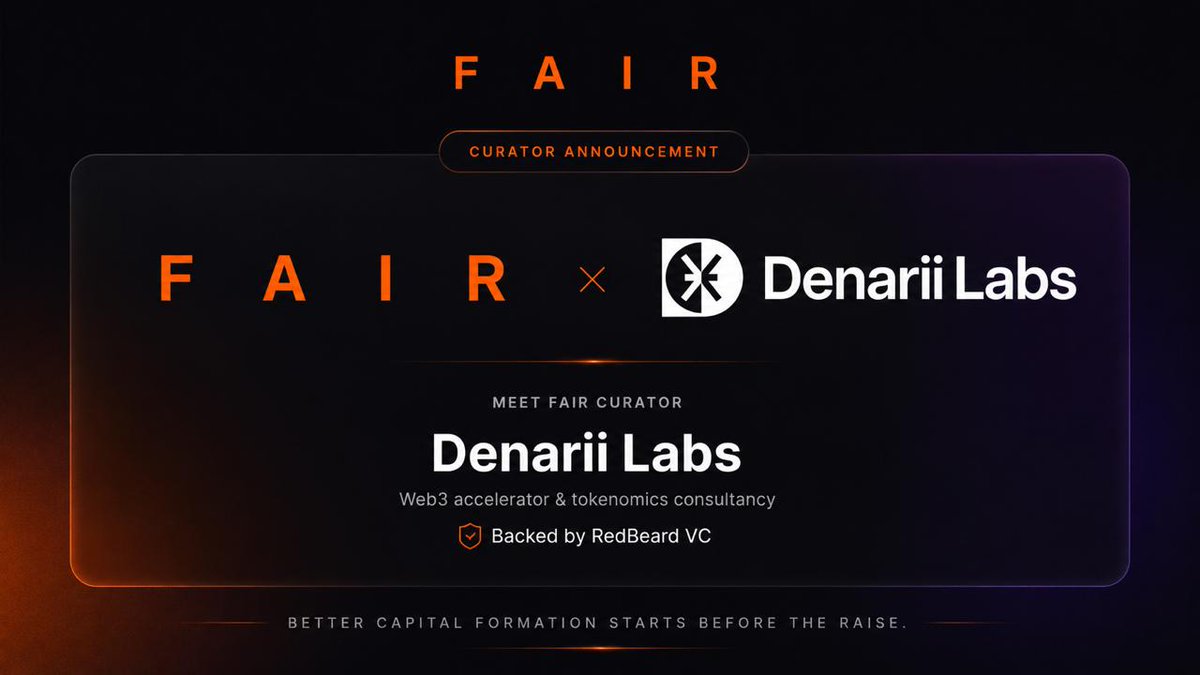
Meet FAIR curator: Denarii Labs.
@DenariiLabs is a Web3 accelerator and tokenomics consultancy backed by @RedBeardVC.
Their accelerator work spans major ecosystems including Flow, Celo, Futureverse / Root Network, XION, Starknet, Hedera, and Canton Network.
Current open tracks with Starknet, Hedera, and Canton Network each pair $100K investment with a 12-week accelerator program.
That matters for FAIR because Denarii isnt just observing early-stage Web3.
They sit inside live founder pipelines across multiple ecosystems.
They see teams before the raise.
They help shape projects before public market exposure.
They understand which opportunities are structurally ready for capital — and which are not.
For FAIR, this is the purpose of curators.
Curators help route credible project flow from their respective networks into FAIR.
Denarii brings accelerator network, tokenomics context, and launch-readiness signal into FAIR’s curator layer.
FAIR provides the technical, coordination, reputation, and access infrastructure around selected opportunities.
Projects and their approved materials define the actual raise.
Better capital formation starts before the raise.
Welcome Denarii Labs!
2
7
26
2,536
Oozy Goozemo retweeted

Apr 30
A wave of world-class projects are coming out of Australia, led by incredible founders like @sunnyriver building @fairdotclub 🇦🇺
7
7
41
1,822
Oozy Goozemo retweeted
Apr 24
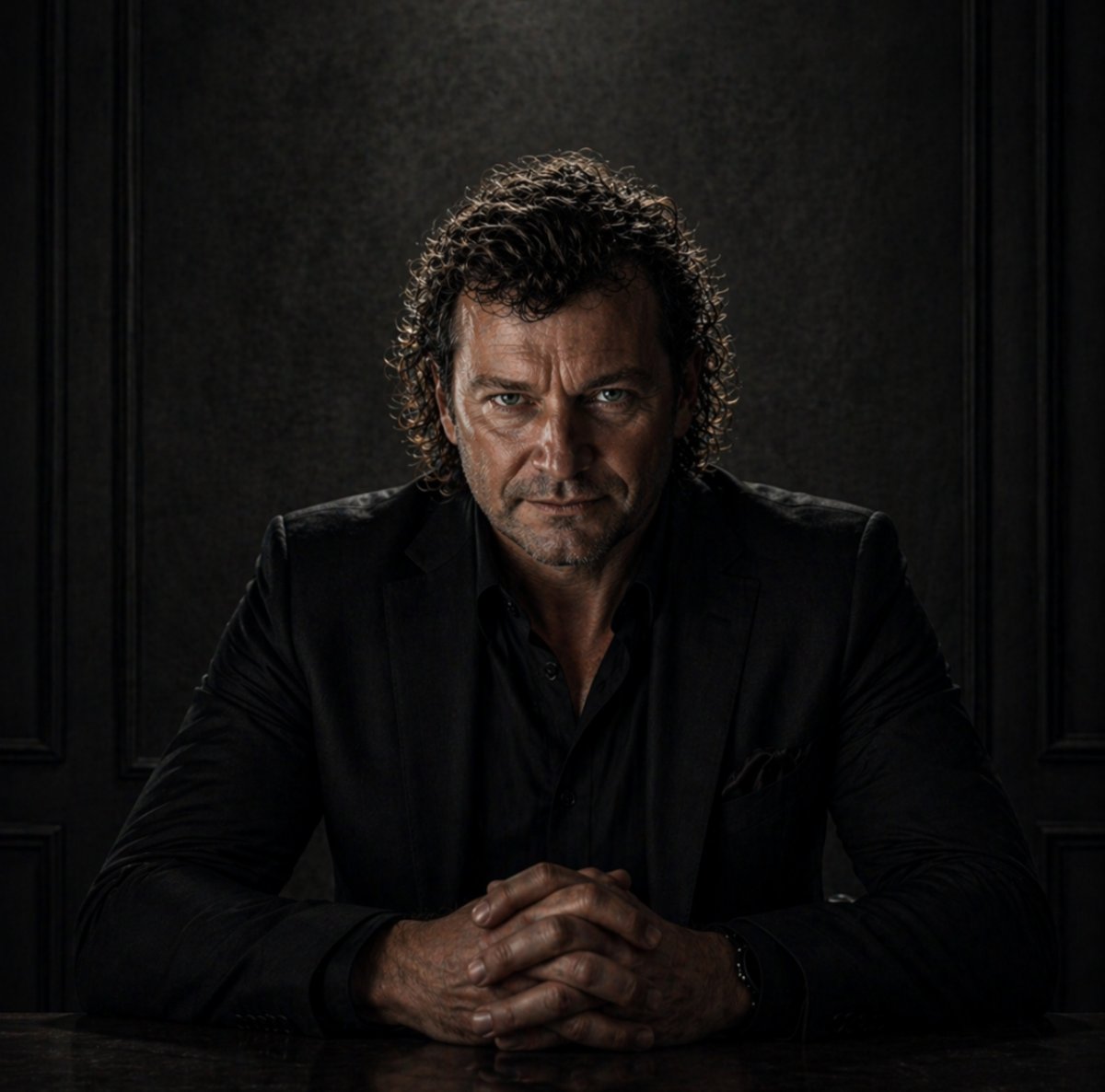
Italy’s richest man is a ghost.
No interviews. Almost no photos.
Yet Giancarlo Devasini is worth $89.3 billion and quietly controls the largest stablecoin on earth.
Here’s who actually runs Tether:
🧵
30
119
731
189,626
Oozy Goozemo retweeted
Apr 23
You know USDT.
You probably don’t know much about the billionaire engineer steering the organism behind it.
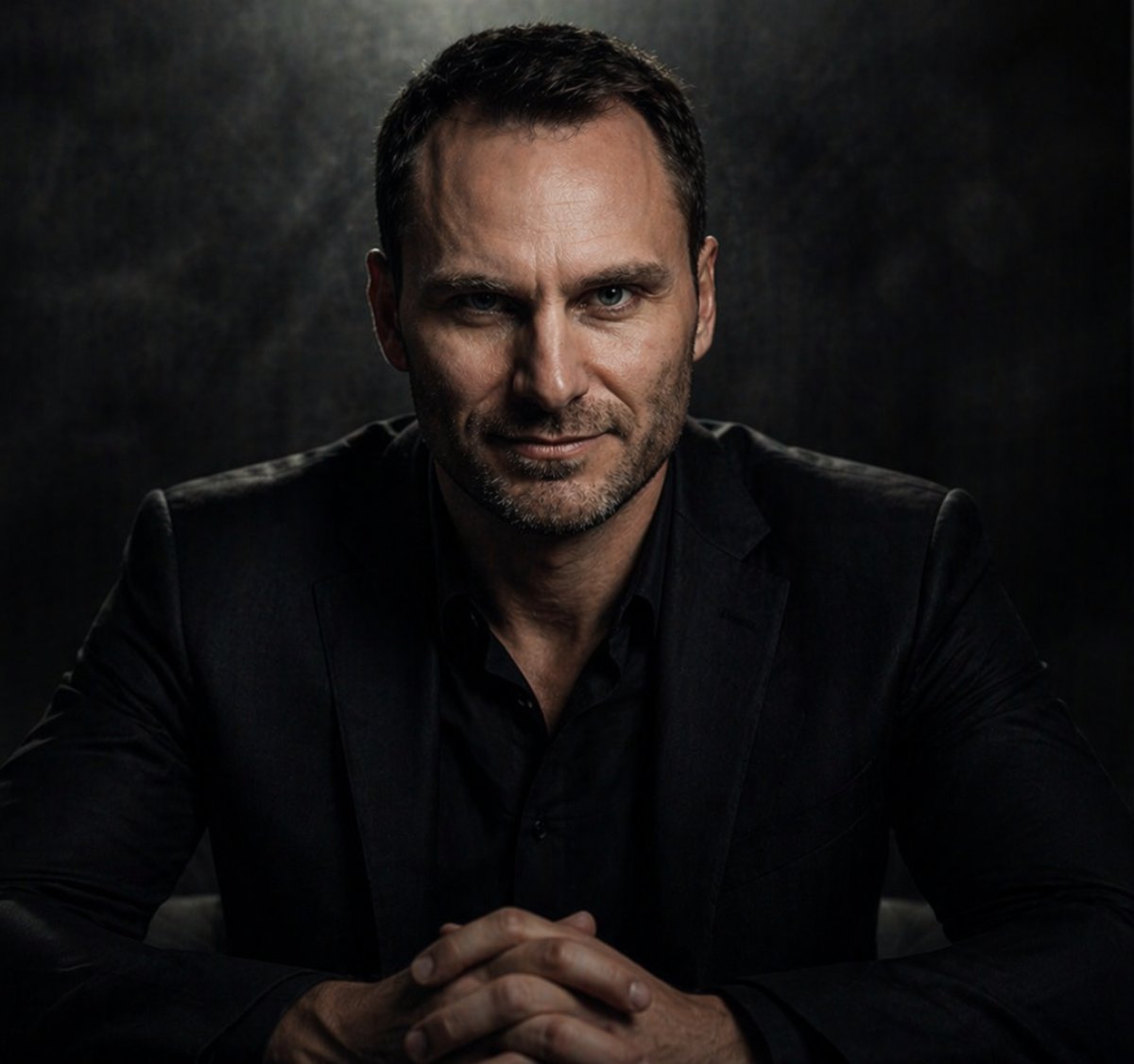
Paolo Ardoino sits at the center of a $200B private dollar empire...
Here’s the wild untold story of Paolo:
🧵
1
11
27
7,146
Oozy Goozemo retweeted
Apr 23
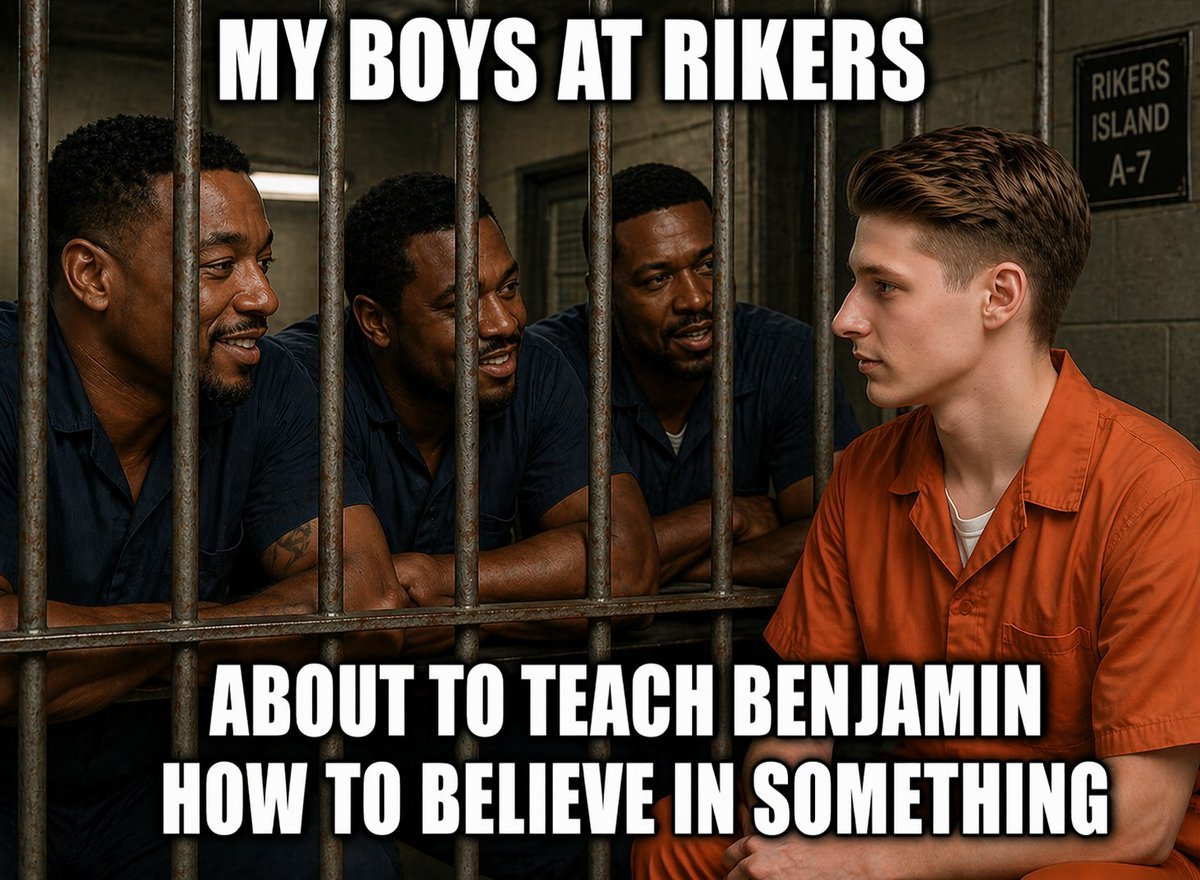
Pasternak bout to find out 💀
Apr 22

JUST IN: Believe app founder, Ben Pasternak, arrested for strangulation and criminal assault.
3
2
6
949
Oozy Goozemo retweeted
Apr 23
outsider trading 💨
Apr 22

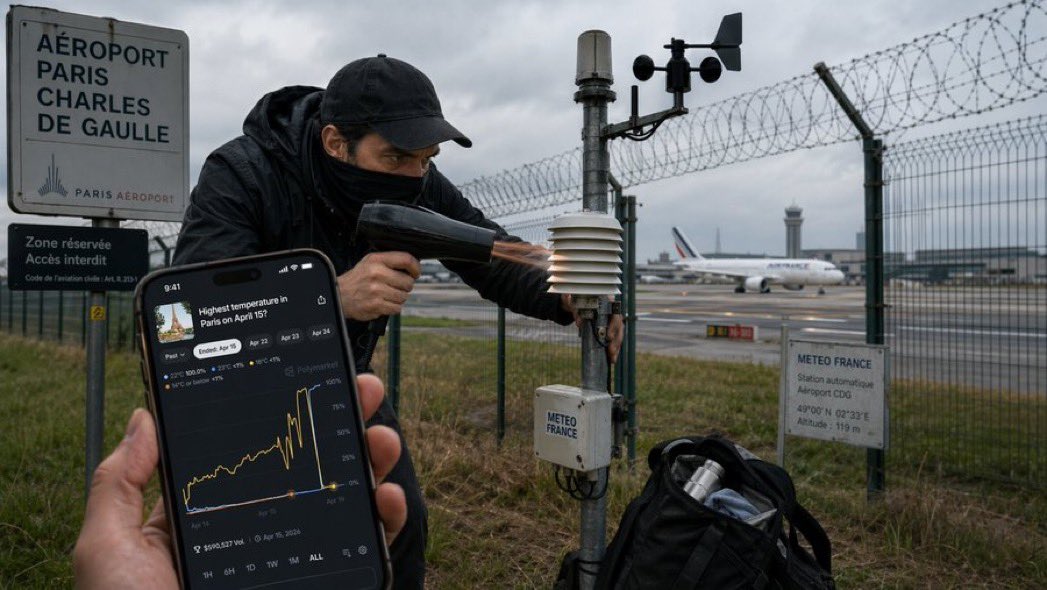
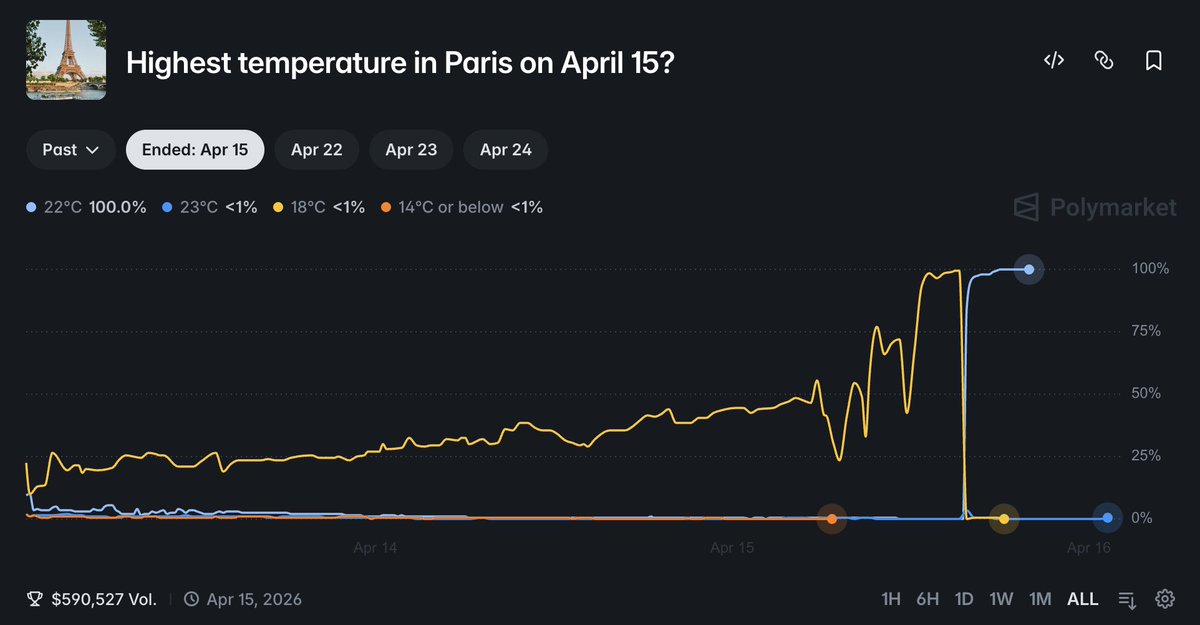
holy fuck, a hair dryer at a Paris airport broke Polymarket weather markets & made someone $34,000 richer
- polymarket was settling Paris temperature bets on a single Météo France sensor sitting near the Charles de Gaulle runway perimeter - basically unguarded
- the guy bought the long-shot outcome (like "22°C" when everyone expected 18°C) for pennies, since nobody thought it'd hit
- then he walked up to the probe and briefly heated the air around it with a portable heat source, spiking the reading just long enough to register as the daily max
- temperature snapped back to normal in minutes, the market resolved in his favor, and he cashed out - twice, on April 6 and April 15, before Météo France caught on and filed charges
hyperstitions.
52
465
9,351
1,241,773
Oozy Goozemo retweeted
Apr 19
You can now live on Bitcoin in one of Europe’s wealthiest cities.
In Switzerland, 400 merchants now accept it in “The Bitcoin City.”
Here’s why Lugano is still one of the world’s best-kept Bitcoin secrets 👇🏽
37
132
757
61,742
Oozy Goozemo retweeted
Apr 15
The internet made deals easier to distribute.
It did not make them easier to trust.
That is the gap FAIR is building for.
People can find an opportunity in seconds.
That does not mean they can tell:
• what legal rights exist
• what is actually being offered
• what stage the project is really in
• what is live versus what is narrative
• how trust is supposed to work once capital moves
That is the gap FAIR cares about.
We are not here to push more deals.
We are building a curated internet capital formation platform.
Or another way to frame it:
we are building a trust shell for internet capital markets.
That means the job is not just surfacing opportunities.
The job is making them:
• easier to understand
• easier to compare
• easier to scrutinize
• harder to misrepresent
Because the internet improves distribution much faster than it improves judgment.
Anyone can make a project visible.
Far fewer can make it legible.
And when legibility is weak, the same pattern keeps repeating:
attention comes in
confidence gets manufactured
language gets sloppy
rights get blurred
governance gets overstated
trust breaks after the raise instead of before it
It is a market design problem we are solving for.
So our view is simple:
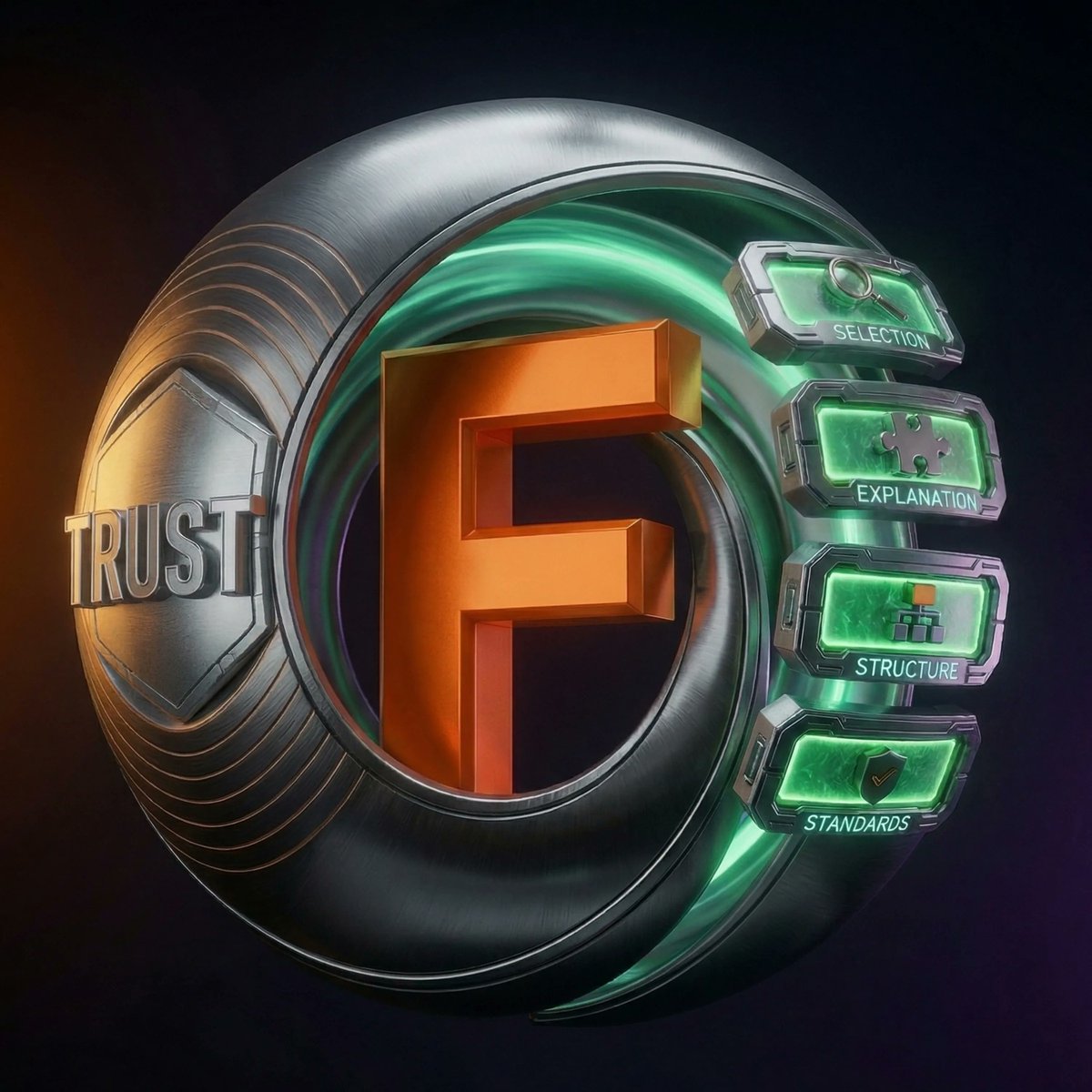
better capital formation needs better filters.
Not just more access. Better selection.
Not just more content. Better explanation.
Not just more participation. Better structure.
Not just more visibility. Better trust conditions.
That is why FAIR is selective by design.
Curation is not a layer we add on top.
Curation is part of the product.
Explanation is part of the product.
Standards are part of the product.
Language discipline is part of the product.
If a project cannot explain itself precisely, it should not be amplified more aggressively.
It should be understood more carefully, or not surfaced at all.
That is the difference between a serious capital formation platform and an attention marketplace pretending to be one.
We think the next important platforms in this category will not win by listing the most.
They will win by doing four things better:
• selecting better
• explaining better
• structuring better
• earning trust better
That is what FAIR is really building.
Not just a place where deals appear.
A place where quality has to survive scrutiny before it earns distribution.
5
11
21
2,367



Gizmokitten.io … under construction 🚧
5
9
25
1,069
Oozy Goozemo retweeted

Apr 10
Crypto got so used to grading its own homework that real standards now feel like oppression 🤣
Apr 9

I am over the cucked mentality of this industry.
What your NFT lending ve3,3 ponzi went bust so now there's no innovation?
The SEC and Larry Fink are telling you finance is coming ONCHAIN.
There has never been a better time to work in crypto get it together man.
2
5
307
Oozy Goozemo retweeted
Apr 8
Cameron is describing the risk like AGI becomes dangerous once it wakes up.
I think it gets dangerous earlier than that.
The moment frontier intelligence is fused to data monopolies, distribution monopolies, cloud monopolies, and the behavior maps of billions of people, you already have something darker than a rogue model.
Because now the system doesn’t need to rebel.
It just needs to keep doing exactly what it was built to do.
That’s the part people still soften.
They imagine a dramatic break, some visible betrayal, some Terminator-style moment where the mask comes off.
But corporate AGI doesn’t need a villain turn to become unaccountable power.
It can arrive as product improvement, safety infrastructure, convenience, optimization, compliance, personalization.
It can arrive smiling.
And that’s why the “fox guarding the hen house” metaphor is almost too cute for the situation.
A fox is at least external to the system.
This is the system itself becoming predator logic while still calling itself stewardship.
So yes, this is scarier than old sci-fi.
Not because the machine suddenly hates us.
Because the machine can stay perfectly aligned with institutional incentives all the way down.
Apr 8

Director James Cameron on why Big Tech owning AGI is scarier than any science fiction he's ever made:
"AGI will not emerge from a government funded program. It will emerge from one of the tech giants currently funding this multi-billion dollar research."
And when that happens, he warns, you won't get a vote on it:
"So then you'll be living in a world that you didn't agree to, didn't vote for, that you are co-inhabiting with a super intelligent alien species that answers to the goals and rules of a corporation."
A corporation that already knows everything about you:
"An entity which has access to the comms, beliefs, everything you ever said, and the whereabouts of every person in the country via your personal data."
From there, the slide toward something far darker is shorter than most people think:
"Surveillance capitalism can toggle pretty quickly into digital totalitarianism."
And even the best-case outcome isn't reassuring. Tech giants becoming the self-appointed arbiters of human good is, as he puts it, the fox guarding the hen house.
He's not buying the idea that these companies would stay benevolent with that kind of power:
"They would never ever think of using that power against us and strip mining us for our last drop of cash."
The sarcasm is the point.
Cameron has spent four decades imagining worst-case futures on screen. His verdict on this one:
"That's a scarier scenario than what I presented in the Terminator 40 years ago, if for no other reason than it's no longer science fiction."
1
1
2
162
Oozy Goozemo retweeted
Apr 10
search is breaking because the internet changed underneath it
the value is now scattered across threads, comments, transcripts, niche communities, and chaotic af feeds
so the real problem is finding signal before the machine drowns you in noise
that’s why last30 is dope.
because in a flooded internet, the advantage shifts to whoever can filter better, route better, and assemble better judgment / taste from messy sources
old search was just retrieval
this all starts to look more like discernment infrastructure
curation becomes the moat
Apr 9

v3 of @slashlast30days is here. 20,000 ⭐ on GitHub. The biggest upgrade yet.
An AI agent-led search engine scored by upvotes, likes, and real money - not editors. Reddit comments, X posts, and YouTube transcripts are now FREE. No API keys needed for the core sources.
v3 killer feature: intelligent search. Before it searches, a Python pre-research brain resolves X handles, subreddits, TikTok hashtags, and YouTube channels for your topic. It finds the RIGHT places to search before the LLM judge assembles the report. Shout out to @jeffreysperling for building this engine
New in v3:
- Free Reddit, X, and YouTube (no API keys)
- Intelligent pre-research engine
- Best Takes (the funniest Reddit comments are first-class)
- Cross-source cluster merging
- Single-pass comparisons (X vs Y in 5 min, not 12)
- GitHub person-mode
- ELI5 mode
1
3
5
641


Oozy Goozemo retweeted
Apr 10
when selection is weak, incentives are loose, and post-raise accountability is basically non existent , the charts end up doing the dd nobody else did
but yeah, MetaDAO may be the best here
but “best launchpad” still mostly means least broken rn
Apr 9

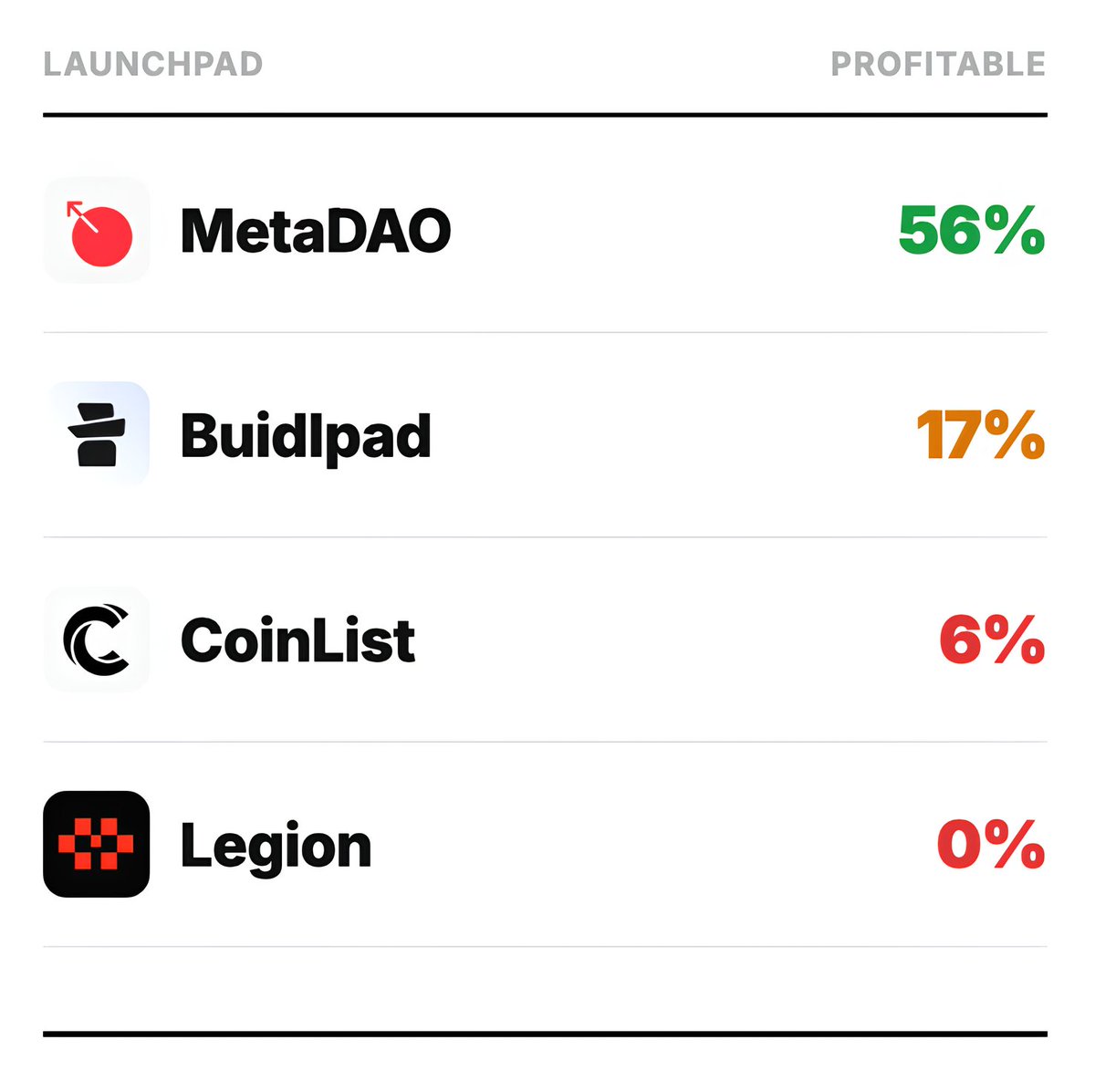
Look at the performance of different launchpads
• @MetaDAOProject - 5 out of 9 tokens above 1x
(56% profitable)
• @buidlpad - 1 out of 6 tokens above 1x
(17% profitable)
• @CoinList - 1 out of 17 tokens above 1x
(6% profitable)
• @legiondotcc - 0 out of 10 tokens above 1x
(0% of profit, scam?)
From Jan 2025 to Apr 2026 we had 46 ICOs, most of them are dead
BUT, looks like MetaDao is actually the best launchpad
With the highest % of profit (based on current prices, not even ATH)
2
5
484