
musician & audiovisual artist. synaesthetic music (modular/generative/AI). art tech. #BAYC 🇨🇺
Joined March 2021
- Tweets 7,828
- Following 4,408
- Followers 7,806
- Likes 31,893
260 Photos and videos
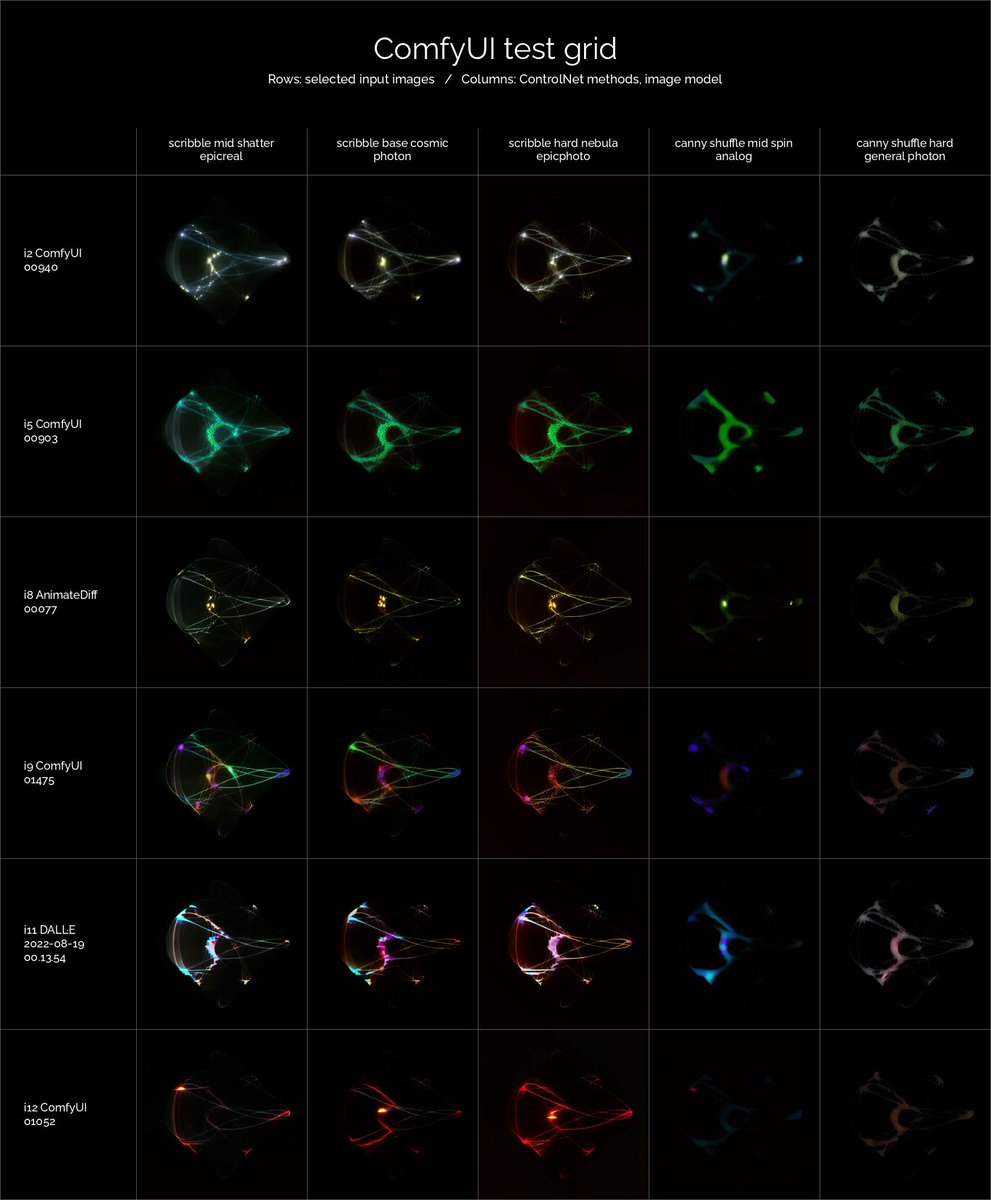
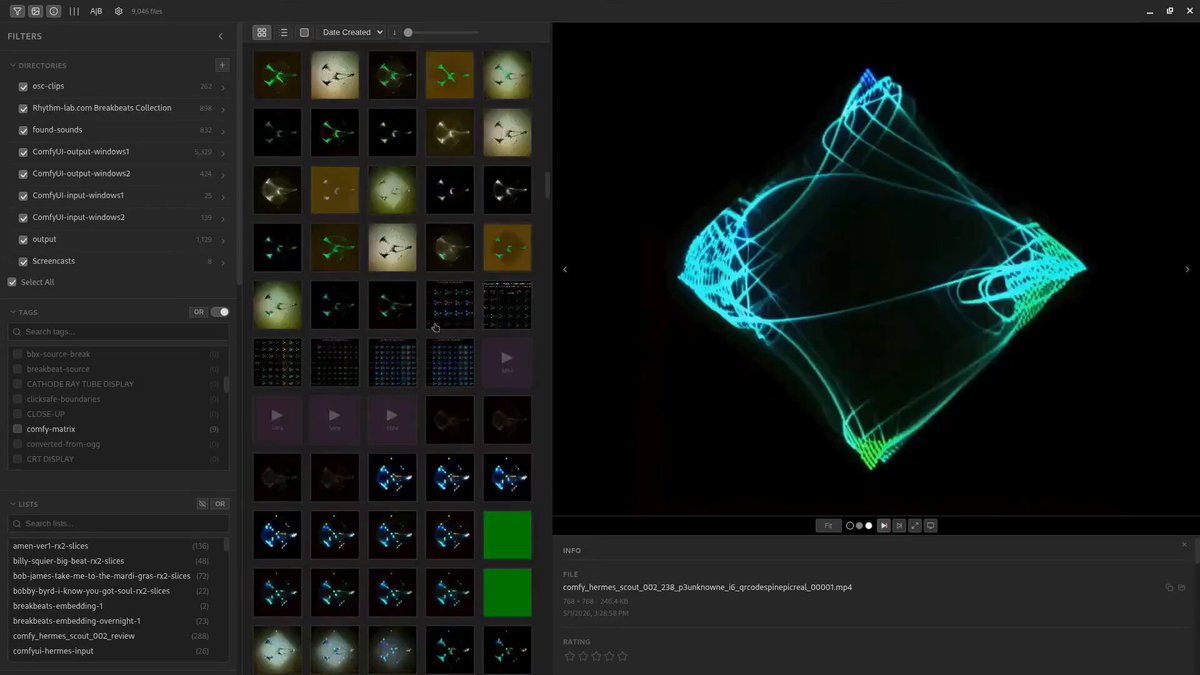



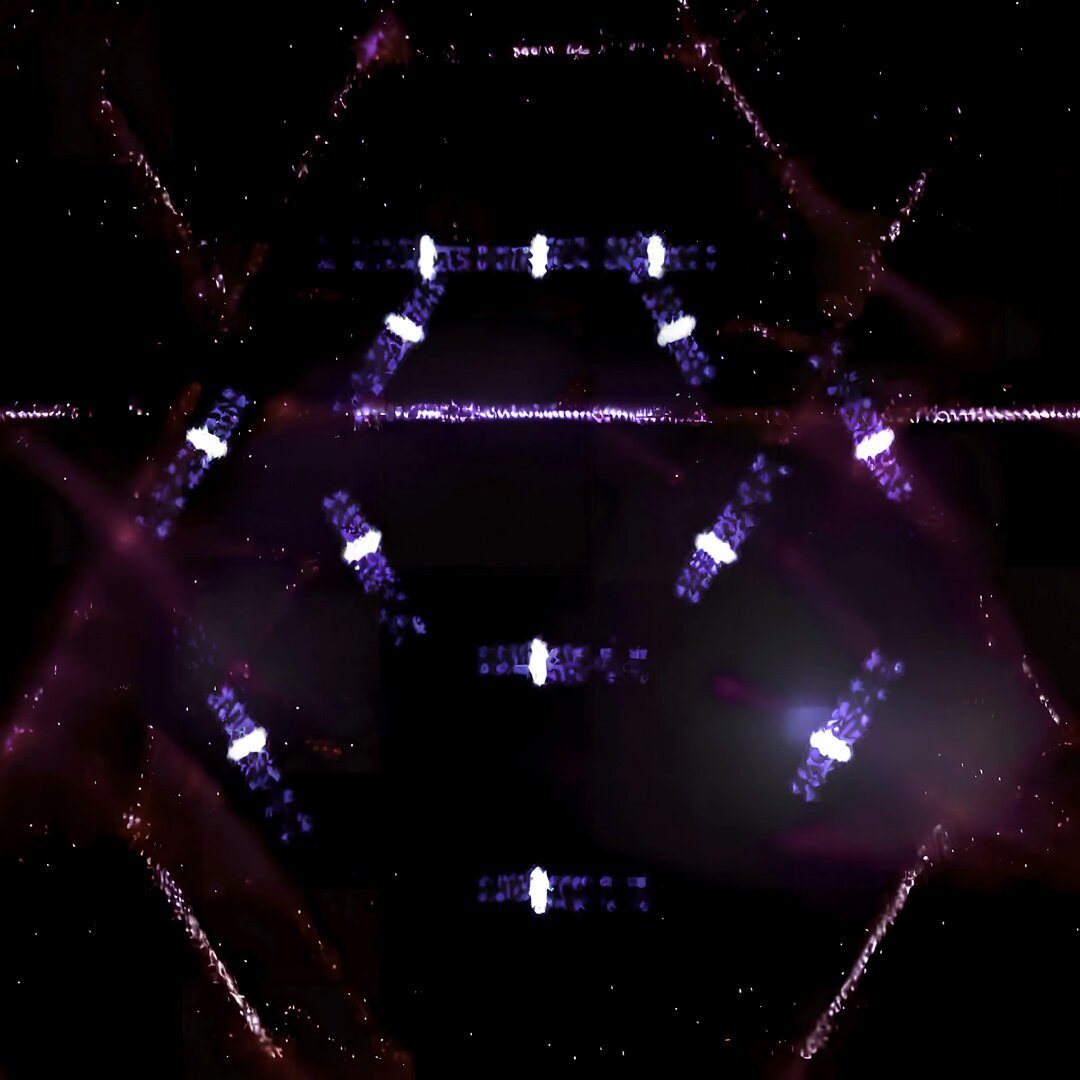
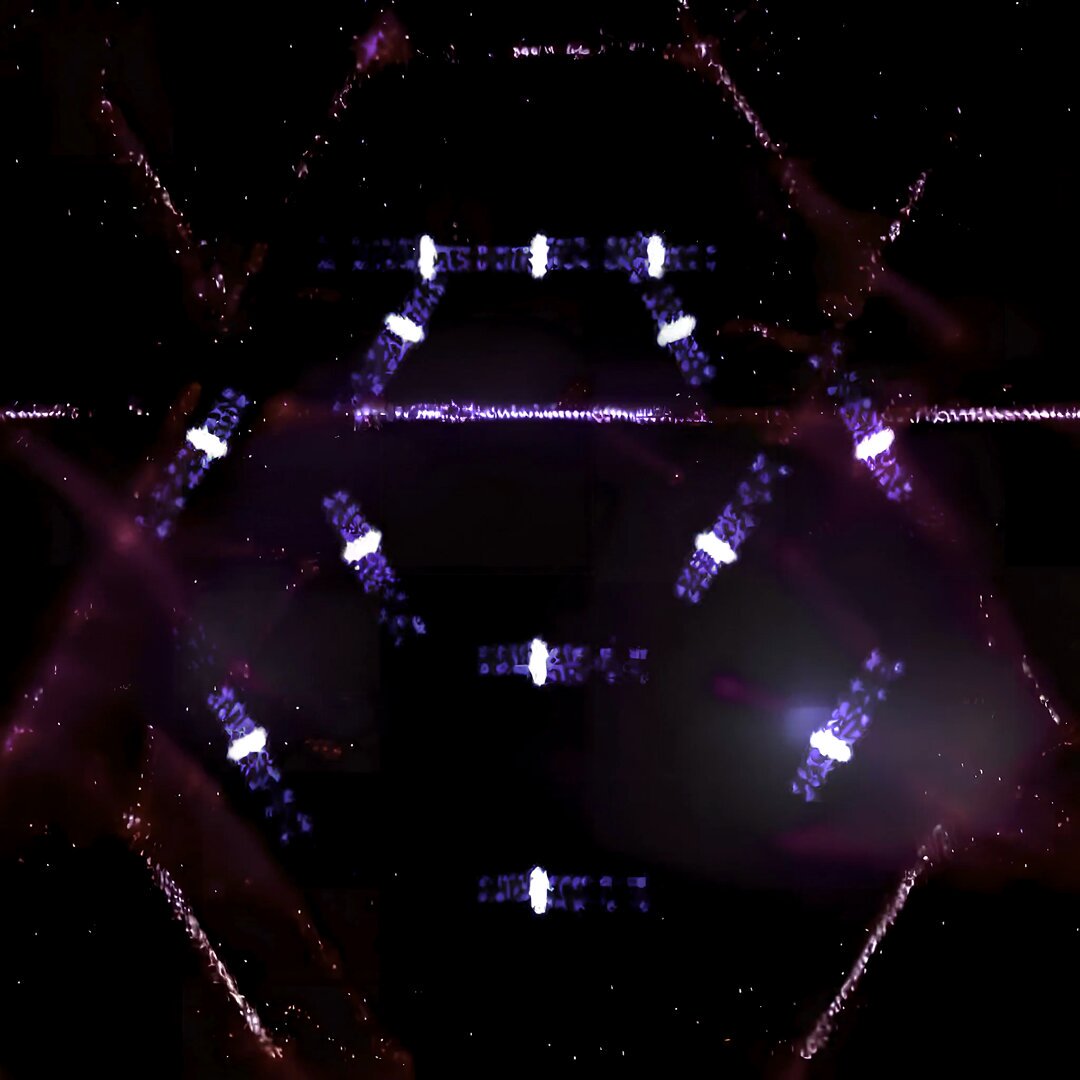
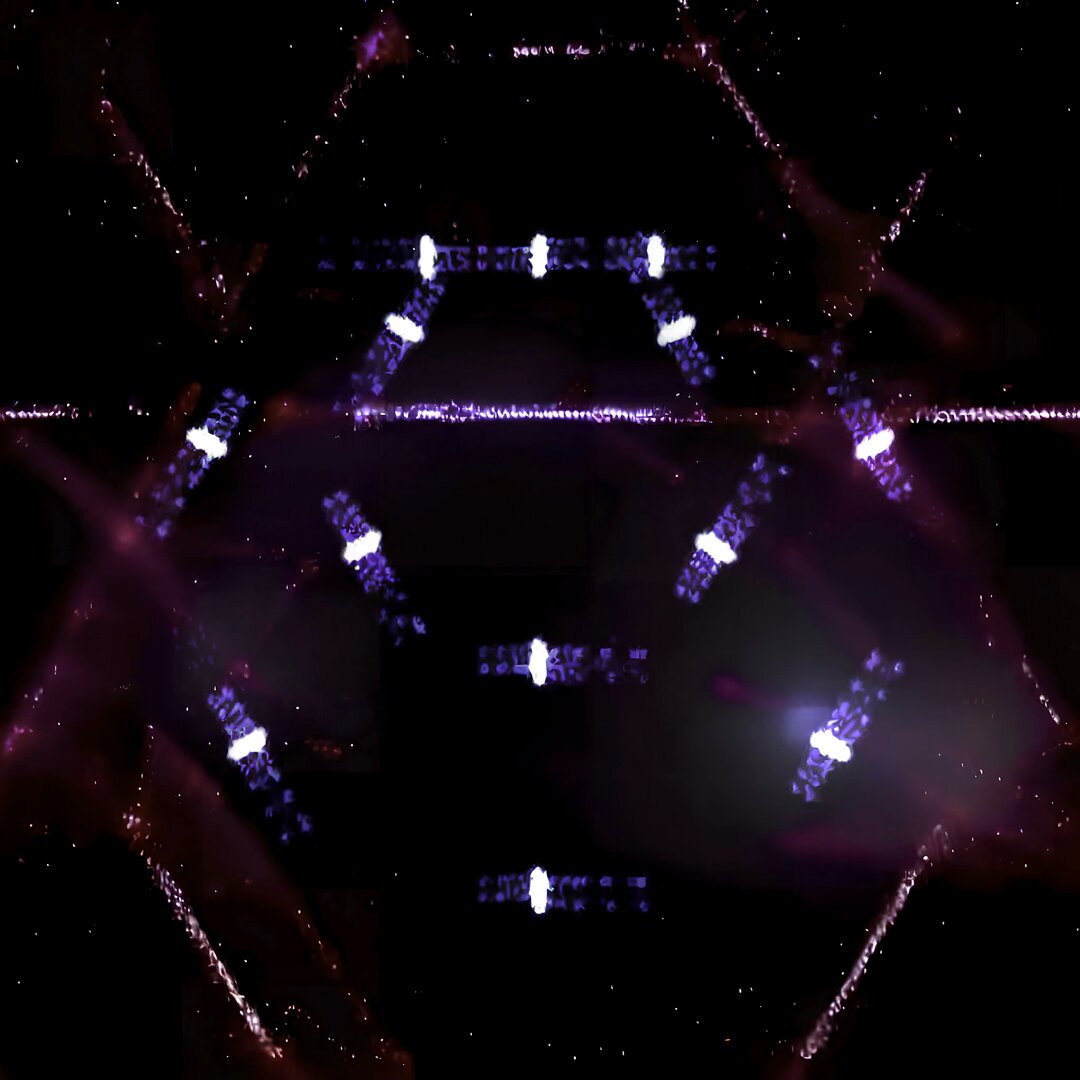


For the past few months, I've been working on indx - a modern local media manager for artists, developers, designers, and multidisciplinary creatives. During the Hermes Agent creative hackathon, we developed, refined, and honed indx's agent integrations in a series of creative experiments.
Hermes can work through indx’s CLI/API/skills/MCP surfaces to organize media, annotate files, run experiments, store embeddings, and turn a library into a lab. The database is an index, not a jail: metadata gets written to files and stays portable, and agents get a workspace they can actually operate.
The demo shows Hermes using indx as an operating surface for several creative/research loops. In the ComfyUI workflow, generated outputs come back into indx with workflow metadata. Ratings, tags, and notes added in indx can be read by the agent (including webhooks for live updates from the GUI), so human review becomes signal for the next batch.
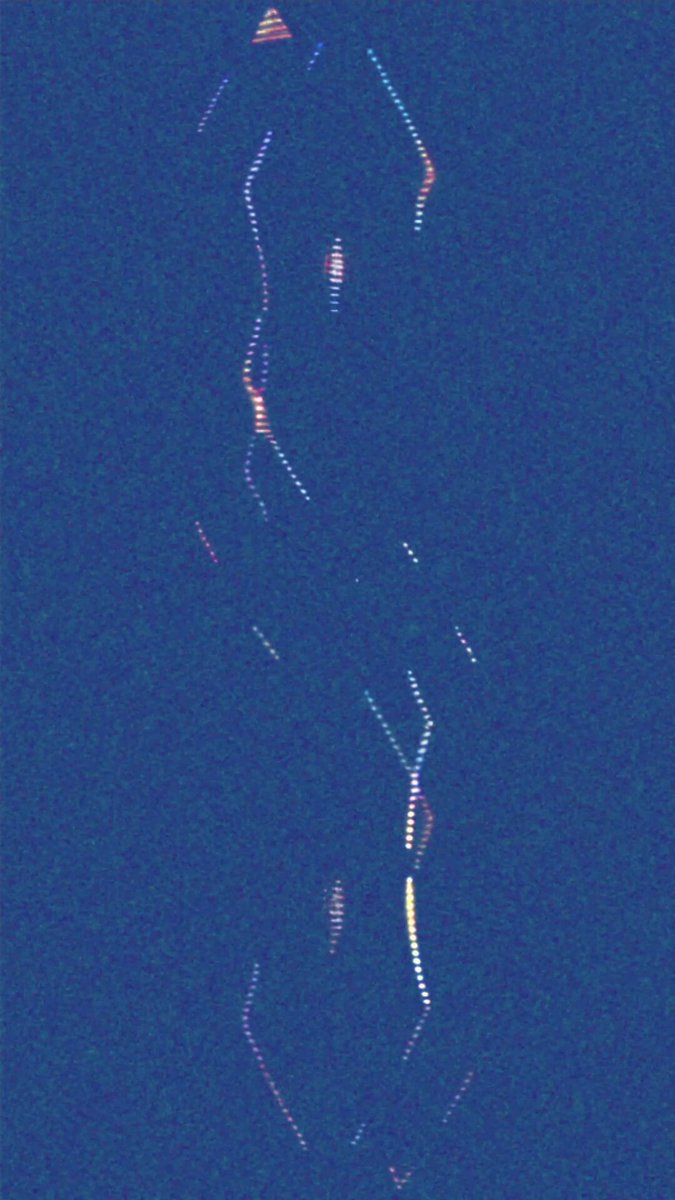
In the embedding and breakbeat experiments, breakbeats and found sounds were sliced and compared using audio embeddings, and a range of audio analysis methods (embedded as images). indx-backed media and metadata feed latent-space visualizations, audio analysis, found-sound slice search, and VCV Rack performances — keeping the groove while replacing timbres. The current test library has nearly 300k indexed files; the hackathon runs included a found-sound corpus of 586 clips chopped into 10,192 searchable slices.
These are early research and creative workflows. The point is the reusable loop: a local, inspectable media workspace where Hermes can help explore, compare, organize, generate, and transform creative libraries, and respond to human feedback and curation, without trapping the work in a proprietary platform.
indx is moving toward an open-source beta soon, with the hackathon work serving as a preview of agent-operable creative media workflows.
Released today:
ComfyUI video matrix generation tools (scripts and Hermes skills) on GitHub
VCV Rack REX Player module
indx Hermes integration preview
(SOUND ON)
30
9
70
2,311
gorkulus retweeted

repost @deviacjonalia_visuals on IG
Part 1 of showing you my breakcore system
Music- Epidermis - Venetian Snares
4
10
395
gorkulus retweeted

May 27
I just released this open source project built on @ACEStep_Music. DEMON: Diffusion Engine for Musical Orchestrated Noise. It lets you play ACEStep like a musical instrument, remixing songs and loops with feedback that approaches real-time.
Its essentially StreamDiffusion but instead of Stable Diffusion it is ACEStep1.5, and instead of images it is full songs. It runs on 30/40/5090. Built with @DaydreamLiveAI team, testing, and building the demo. We are hosting it if you want to try it without installing. For full details, links, and writeup please see the pinned project page.
33
51
313
32,607

🥳 Announcing Stable Audio 3 🍕
🏆 fastest music models ever
💻 runs on MacBookPro M-series
🧪 break it plz
🧠 LoRA finetune in < 1h
📷 Sm = faster, Medium = qualityer
⚡ 59x realtime on M5 Pro
One-liner fast install:
curl -LsSf dadabots.com/_/sa3-mac | bash
May 20

Meet Stable Audio 3.0, the open-weight model family built for artistic experimentation.
This is our open invitation to experiment with generative audio. We believe the best innovations are still waiting to be built.
The 4-1-1 on 3.0:
📣 You own your outputs, and can distribute and commercialize them under the Stability AI Community License (up to $1 million in revenue).
🎵 New and improved capabilities include variable-length generation up to six minutes, and full song composition on portable devices, no GPU required.
✅ Trained on a fully licensed dataset.
🎨 You can customize the models on your own library with support for LoRa training, which we’ve documented for the first time.
More on the models 👇
13
37
290
56,670
gorkulus retweeted

May 19
Interference patterns.
(🎧 recommended)
8
11
83
1,677
gorkulus retweeted

May 14
Most design tokens hold a value. The interesting ones hold a rule.
Instead of freezing a ramp and designing around it, let tokens choose, transform, and re-decide when inputs change. That makes dark mode and new themes less of a retrofit, and leaves more room for surprise.
4
8
102
6,867
gorkulus retweeted
May 15
Finally made a small lib that helps me implement how I think about design tokens.
Try Design Book →
4
18
337
19,411

gorkulus retweeted

May 14
My ComfyUI Template Integrity skill has now been merged into the official Hermes Agent repo. It makes Hermes a lot more comfortable working with templates and workflows, so you don't have to. 💖
github.com/NousResearch/herm…
10
12
149
6,568

gorkulus retweeted

May 9
Inspired by sacred geometry and intermittent energy transmission, this Three.js experiment builds a living octahedral construct with holographic shaders, glowing orbitals, volumetric particles, and sci-fi UI aesthetics. Open-source code ↓
31
172
1,007
36,567
gorkulus retweeted

May 6
Three.js can do everything now.
VFX and audio sync handled in browser. Premiere for the final assembly. #threejs #op1 @jugendingenieur
20
70
812
47,131

When your tool is open source and free, your creativity has no ceiling. The ComfyUI skill in @NousResearch Hermes Agent lets you compose sophisticated workflows by chatting to an agent. Try it today.
18
47
548
162,841
gorkulus retweeted

gm
Dregs 01 (of 6)
Now available on secondary for .025 ETH, link in comments ⤵️
Part of my December drop with @FellowshipAi.
Have you ever experienced how an experiment, one of many, sometimes opens a door to the next right thing?
A while back, watching Ethereum like almost everyone (still watching . . .), I was learning about and playing with mempool data — translating it into abstract images to see how AI might animate them. Interesting, but not quite me.
But it then led to these images — the ones that look like sediment or emulsified Polaroid layers. Little microscopic pressure fields. Pools of color rearranging themselves in a multitude of ways, as the AI tried to make sense of what it was seeing.
So the Dregs became micro-sculptures — revealing so much about how AI sees, such as in the following (what I call) native gestures:
- “material logic” — when the model misreads or imagines surface texture and substance, making solids behave like liquid or cracking lines open to reveal an imagined interior
- “medium transposition” — the model mistakes the medium OF the image—faux Polaroid emulsion, compression noise, glitch artifacts—as real physical material IN the scene
- and especially here, “frame-aware dynamics” that treat the image boundary as a site of tension
7
6
28
594
gorkulus retweeted

May 5
I just uploaded the first beta build of ArcBrush for Linux.
So if you've been waiting on the Linux version of ArcBrush then head over to our Discord server and try out the beta build. 🐧

3
29
1,329


One of the pros of working with AI as a coding assistant in an artistic context is the ability to quickly build tools to explore specific aspects of the artwork.
In this case, I needed to craft a simple algorithm to generate palettes of 10 colors.
In less than a day, I was able to extensively explore 5-6 algorithms within the constraints of my project, by building various tools for visualisation. This used to take much more time, or be of a lesser quality due to a lack of time.
You can see here different algorithms at the top in a narrowed parametric space, and 1 algorithm mapped to the whole space (3 values between 0 and 1) below. Makes it super easy to chose the right fit at a glance.
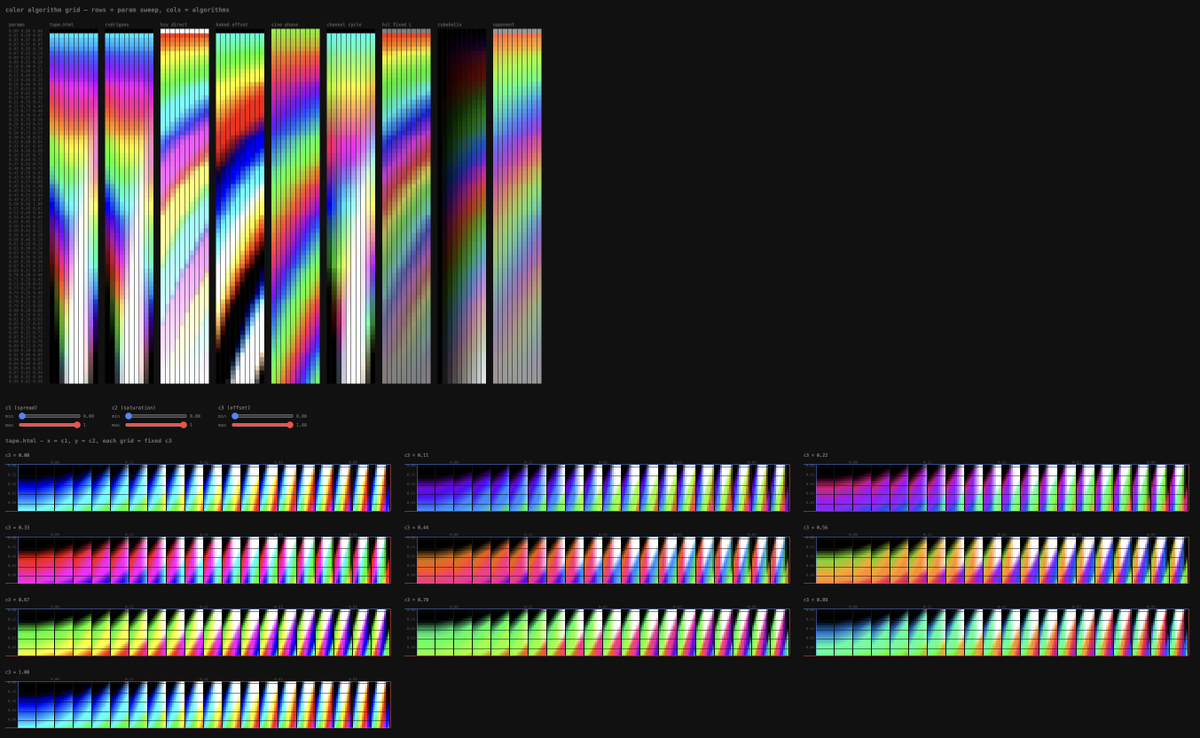
5
8
118
4,740
ComfyUI video grid tool, now available as a skill for Hermes Agent (on my Github)
I worked with Hermes to create this skill to compare video tests. Works together with Hermes' built-in ComfyUI integration ✨
more info ↓
@NousResearch @ComfyUI
11
5
37
5,347

For the past few months, I've been working on indx - a modern local media manager for artists, developers, designers, and multidisciplinary creatives. During the Hermes Agent creative hackathon, we developed, refined, and honed indx's agent integrations in a series of creative experiments.
Hermes can work through indx’s CLI/API/skills/MCP surfaces to organize media, annotate files, run experiments, store embeddings, and turn a library into a lab. The database is an index, not a jail: metadata gets written to files and stays portable, and agents get a workspace they can actually operate.
The demo shows Hermes using indx as an operating surface for several creative/research loops. In the ComfyUI workflow, generated outputs come back into indx with workflow metadata. Ratings, tags, and notes added in indx can be read by the agent (including webhooks for live updates from the GUI), so human review becomes signal for the next batch.
In the embedding and breakbeat experiments, breakbeats and found sounds were sliced and compared using audio embeddings, and a range of audio analysis methods (embedded as images). indx-backed media and metadata feed latent-space visualizations, audio analysis, found-sound slice search, and VCV Rack performances — keeping the groove while replacing timbres. The current test library has nearly 300k indexed files; the hackathon runs included a found-sound corpus of 586 clips chopped into 10,192 searchable slices.
These are early research and creative workflows. The point is the reusable loop: a local, inspectable media workspace where Hermes can help explore, compare, organize, generate, and transform creative libraries, and respond to human feedback and curation, without trapping the work in a proprietary platform.
indx is moving toward an open-source beta soon, with the hackathon work serving as a preview of agent-operable creative media workflows.
Released today:
ComfyUI video matrix generation tools (scripts and Hermes skills) on GitHub
VCV Rack REX Player module
indx Hermes integration preview
(SOUND ON)
1
8
276