Documentary film-maker; digital producer; media mentor; foodie; plantlover & gardener; spiritual journeyer; vintage bicycle rider.
Joined March 2009
- Tweets 16,674
- Following 2,341
- Followers 1,352
- Likes 5,480
887 Photos and videos

Pinned Tweet

25 Jan 2024
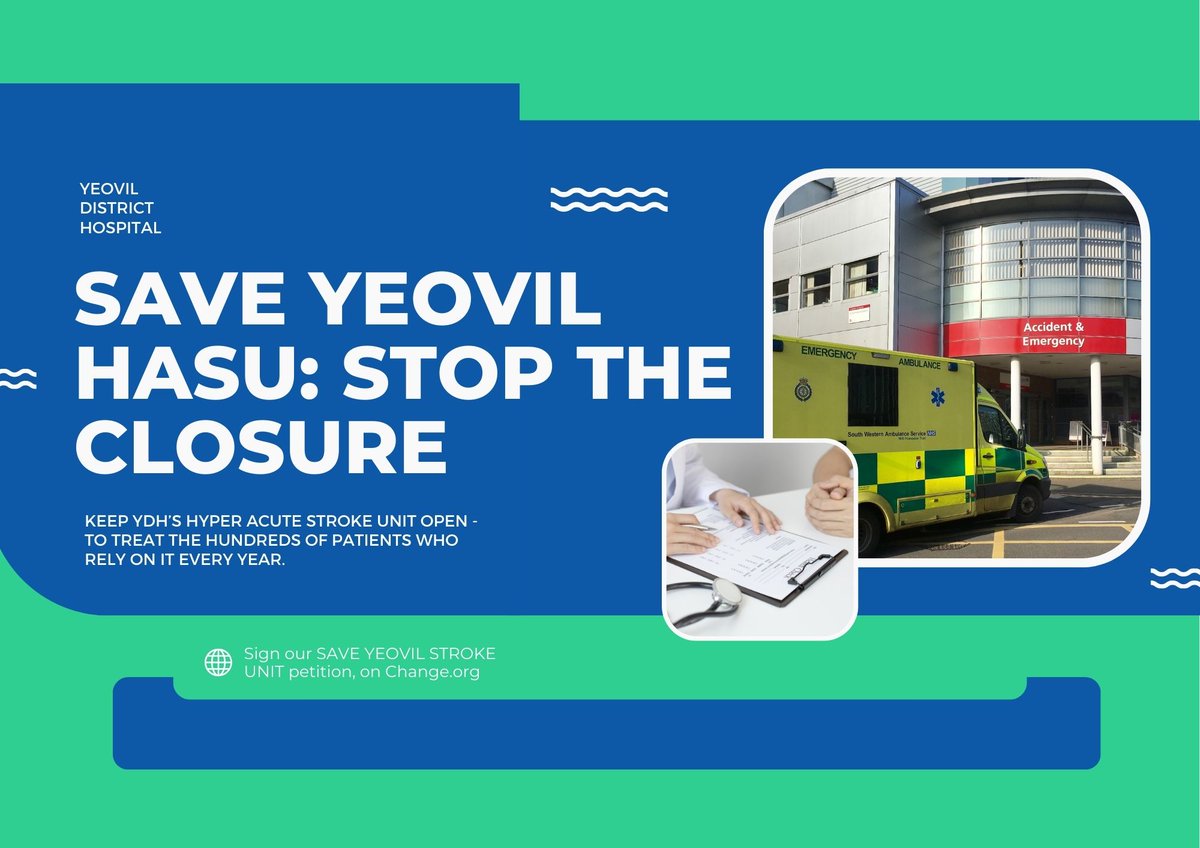
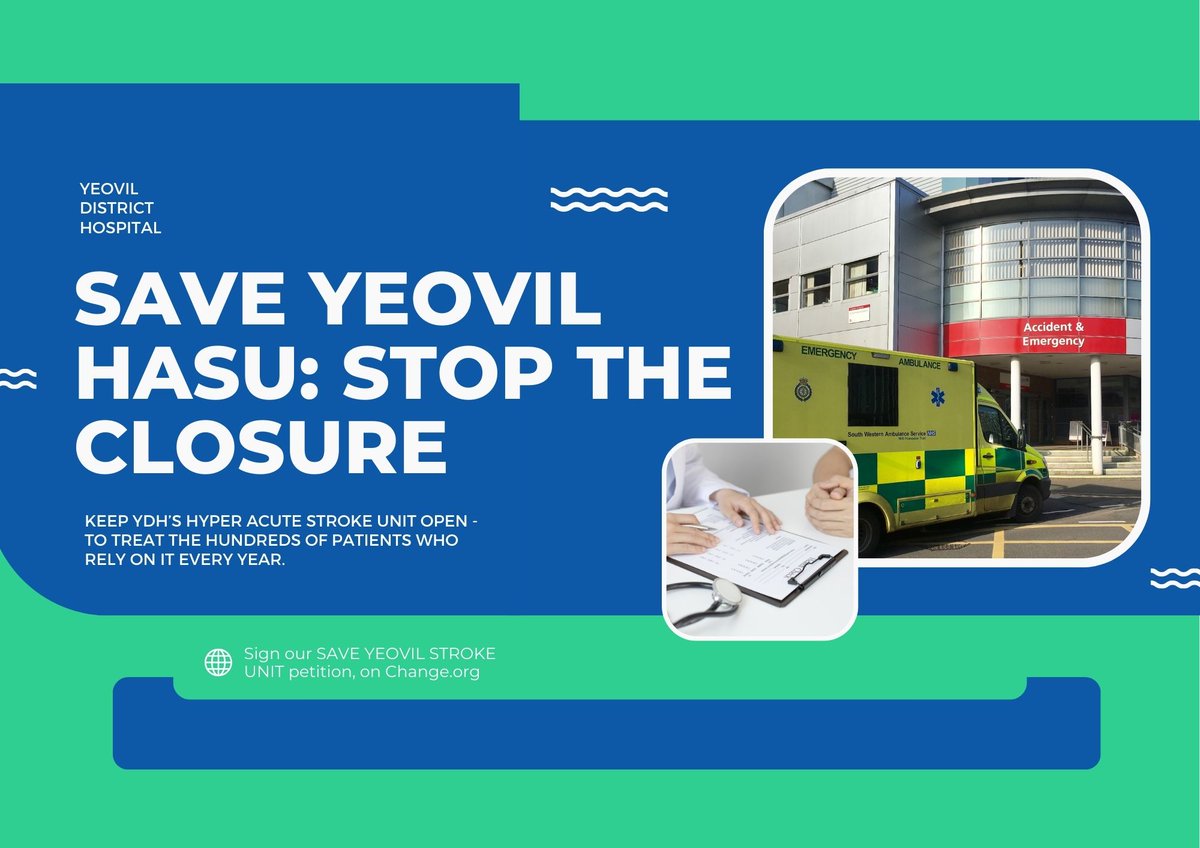
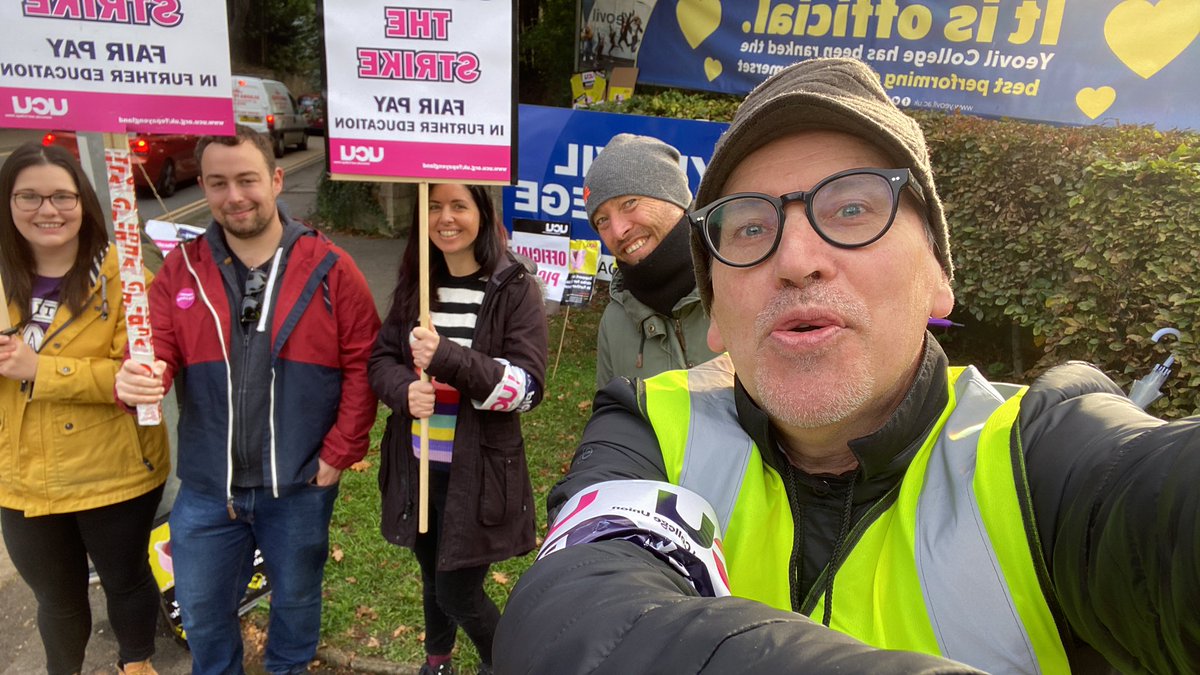
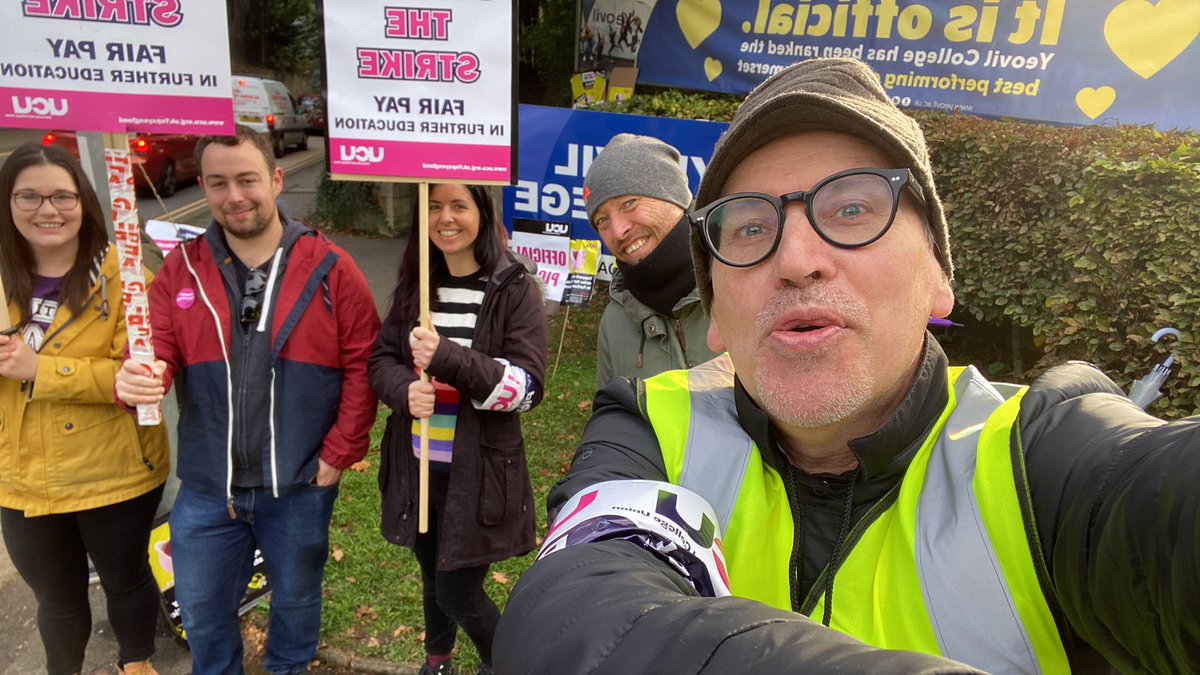
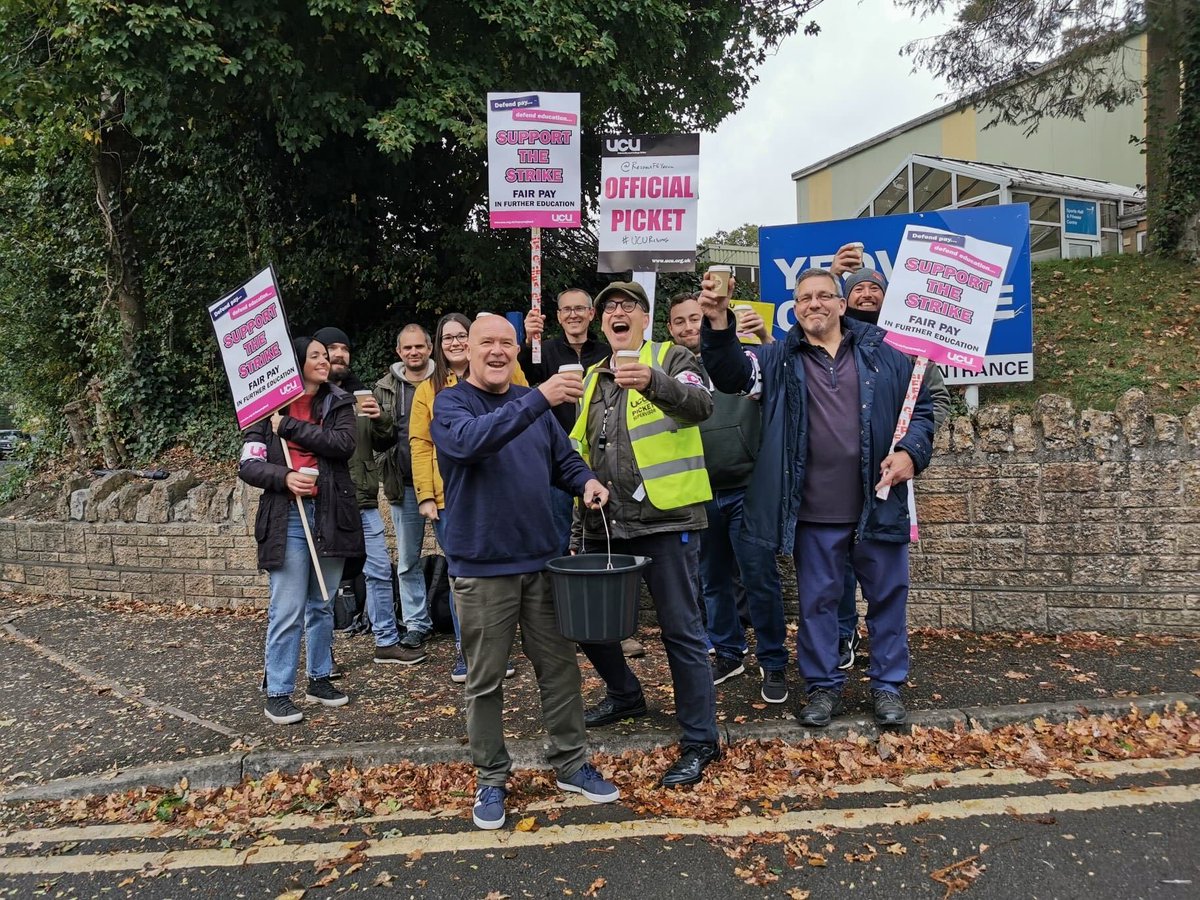
TODAY - Join the COMMUNITY LOBBY AGAINST CLOSING Yeovil Hospital's Hyper Acute Stroke Unit. Outside NHS Somerset ICB, THURSDAY 25 JANUARY, from 10am onwards, Lufton Way, Yeovil, BA22 8HR📷📷 Sign and SHARE the Petition:
change.org/p/save-yeovil-s-a…
1
290
Ray Tostevin retweeted

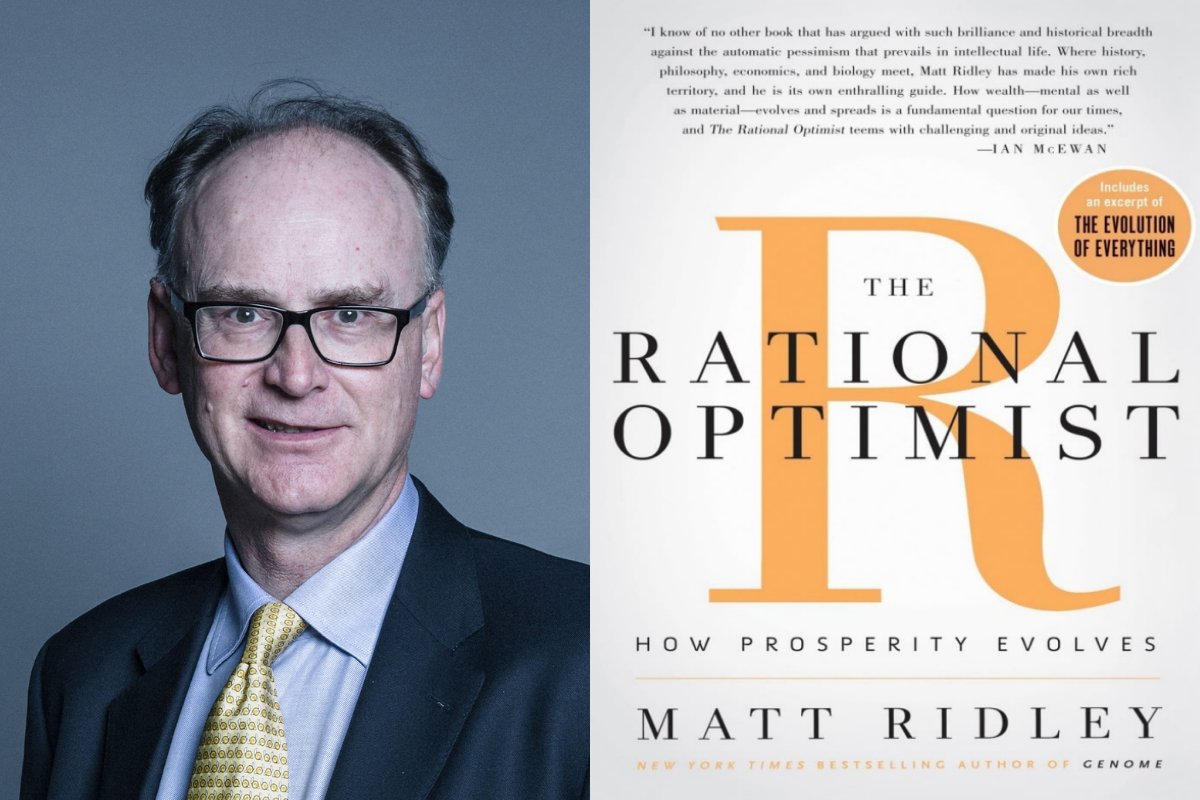
A British biologist looked at 200,000 years of human history and found that the entire reason humans broke out of poverty was not intelligence, not language, not even agriculture, but one mechanism so simple a 6-year-old could explain it.
His name is Matt Ridley.
He is a zoologist by training, an evolutionary biologist by career, and in 2010 he wrote a book called The Rational Optimist that quietly argued the most important fact about human progress had been hiding in plain sight for the entire history of economics.
Naval Ravikant has been telling people to read everything Ridley has ever written for the last 15 years. The reason is the argument inside this one book.
For 200,000 years, anatomically modern humans walked around with the same brain you have right now. Same skull size. Same neural architecture. Same raw capacity for language, planning, and abstract thought.
For roughly 190,000 of those years, almost nothing happened. Generation after generation lived and died inside the same Stone Age toolkit their great-great-grandparents had used. Then somewhere around 50,000 years ago, the line on the chart of human progress started to tick upward. Then it bent. Then it exploded.
The question Ridley spent years on was the only question that mattered. What changed.
It was not the brain. The brain had been the same for 190,000 years. It was not language, which had existed long before the takeoff. It was not even agriculture, which arrived only 10,000 years ago and was actually preceded by the upward bend, not the cause of it.
What changed was that humans started trading with strangers.
This sounds too small to be the answer. Ridley argues that it is the answer to almost everything. The moment one human exchanged a useful object with another human from a different group, something happened that no other species on earth had ever done.
Two ideas that had developed in isolation came into contact. The flint knapper learned what the spear maker had figured out. The fisherman from the coast learned what the hunter from the forest had figured out. The two pieces of knowledge fused into something neither side could have produced alone.
Ridley calls this ideas having sex. The phrase sounds frivolous and it is meant to. The point is that ideas, like genes, get better when they combine with other ideas from different lineages.
An idea sitting inside one head, no matter how brilliant the head, eventually hits a ceiling. The same idea exposed to ten thousand other ideas does something genes do under sexual reproduction. It mixes. It recombines. It produces offspring nobody planned.
The cleanest proof of this argument is the most uncomfortable case study in the book. Tasmania.
Around 10,000 years ago, rising sea levels cut Tasmania off from mainland Australia. A population of roughly 4,000 humans was now isolated on an island, with no possibility of contact with the rest of humanity. They had the same brains. The same language. The same starting toolkit as their cousins 150 kilometers north. The natural experiment was now running.
What happened next is something no economist or geneticist had ever predicted.
The mainland Australians kept inventing. Boomerangs. Spear-throwers. Fishing nets. Bone needles for sewing fitted clothes. Watercraft with paddles. Their technology compounded slowly across the centuries.
The Tasmanians went the other way. They did not just fail to invent the new tools their cousins were developing. They started losing the tools they already had. Fishing was abandoned within a few thousand years. Bone tools disappeared. Fitted clothing disappeared. They forgot how to make fire from scratch and started carrying lit firebrands from camp to camp instead, relighting their fires from a neighbor's whenever their own went out.
By the time European explorers arrived in the 17th century, the Tasmanians had the simplest toolkit of any human society ever recorded. Their material culture had gone backward for 8,000 years.
The archaeologist Rhys Jones called it a slow strangulation of the mind.
Joseph Henrich at Harvard later proved with formal mathematical models that there was nothing wrong with Tasmanian brains. There was something wrong with their network. A toolkit requires a critical mass of people exchanging skills to maintain itself.
The act of teaching a skill is imperfect. Every generation loses a small percentage of what the last generation knew. If your population is large enough and trading widely enough, those losses get caught and corrected by someone else who still remembers.
If your population shrinks below a certain threshold and stops mixing with outsiders, the small losses compound until entire technologies disappear.
This is the part that should haunt anyone reading this in 2026.
Intelligence is not a property of the individual brain. Intelligence is a property of the network the brain is connected to. A genius in isolation will produce less than a mediocre thinker inside a dense exchange of other mediocre thinkers.
The thing your ancestors needed in order to break out of 190,000 years of stagnation was not better brains. It was better connections between brains they already had.
The implication for any individual is direct and uncomfortable. If you are smart and isolated, you will be outproduced by people half as smart who are connected.
The most successful people in any field are almost never the smartest people in it. They are the ones positioned at the intersection of the most idea flows. They are reading more authors than their competitors. They are talking to more people from more disciplines. They are in the rooms where ideas from different lineages bump into each other.
Ridley ends the book on the line that sounds optimistic but is actually a warning its this "The future will be invented by people who connect ideas, not by people who guard them."
268
2,038
7,502
850,896
Ray Tostevin retweeted

May 18
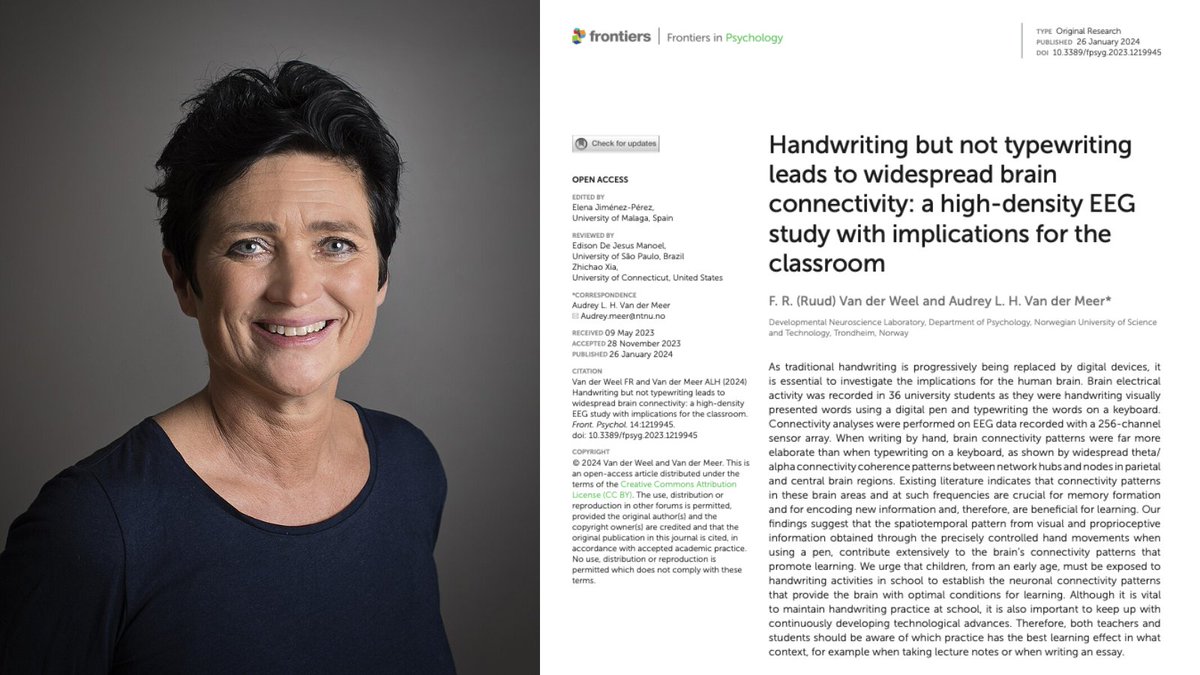
A Norwegian neuroscientist spent 20 years proving that the act of writing by hand changes the human brain in ways typing physically cannot, and almost nobody outside her field has read the paper.
Her name is Audrey van der Meer.
She runs a brain research lab in Trondheim, and the paper that closed the argument was published in 2024 in a journal called Frontiers in Psychology. The finding is brutal enough that it should have changed every classroom on Earth.
The experiment was simple. She recruited 36 university students and put each one in a cap with 256 sensors pressed against their scalp to record brain activity. Words flashed on a screen one at a time.
Sometimes the students wrote the word by hand on a touchscreen using a digital pen, and sometimes they typed the same word on a keyboard. Every neural response was recorded for the full five seconds the word stayed on screen.
Then her team looked at the part of the data most researchers had ignored for years, which is how different parts of the brain were communicating with each other during the task.
When the students wrote by hand, the brain lit up everywhere at once.
The regions responsible for memory, sensory integration, and the encoding of new information were all firing together in a coordinated pattern that spread across the entire cortex. The whole network was awake and connected.
When the same students typed the same word, that pattern collapsed almost completely.
Most of the brain went quiet, and the connections between regions that had been alive seconds earlier were nowhere to be found on the EEG.
Same word, same brain, same person, and two completely different neurological events.
The reason turned out to be something nobody had really paid attention to before her work. Writing by hand is not one motion but a sequence of thousands of tiny micro-movements coordinated with your eyes in real time, where each letter is a different shape that requires the brain to solve a slightly different spatial problem.
Your fingers, wrist, vision, and the parts of your brain that track position in space are all working together to produce one letter, then the next, then the next.
Typing throws all of that away. Every key on a keyboard requires the exact same finger motion regardless of which letter you are pressing, which means the brain has almost nothing to integrate and almost no problem to solve.
Van der Meer said it plainly in her interviews.
Pressing the same key with the same finger over and over does not stimulate the brain in any meaningful way, and she pointed out something that should scare every parent who handed their kid an iPad.
Children who learn to read and write on tablets often cannot tell letters like b and d apart, because they have never physically felt with their bodies what it takes to actually produce those letters on a page.
A decade before her, two researchers at Princeton ran the same fight using a completely different method and ended up at the same answer. Pam Mueller and Daniel Oppenheimer tested 327 students across three experiments, where half took notes on laptops with the internet disabled and half took notes by hand, before testing everyone on what they actually understood from the lectures they had watched.
The handwriting group won by a wide margin on every question that required real understanding rather than surface recall.
The reason was hiding in the transcripts of what the two groups had actually written down.
The laptop students typed almost word for word, capturing more total content but processing almost none of it as they went, while the handwriting students physically could not write fast enough to transcribe a lecture in real time, which forced them to listen carefully, decide what actually mattered, and put it in their own words on the page.
That single act of choosing what to keep was the learning itself, and the keyboard had quietly skipped the choosing and skipped the learning along with it.
Two studies. Two countries. Same answer.
Handwriting makes the brain work. Typing lets it coast.
Every note you have ever typed instead of written went into your brain through a thinner pipe. Every meeting, every book highlight, every idea you captured on your phone instead of on paper was processed at half depth.
You did not forget those things because your memory is bad. You forgot them because typing never woke the part of the brain that would have made them stick.
The fix is the thing your grandmother already knew.
Pick up a pen. Write the thing down. The slower road is the faster one.
2,473
44,652
120,845
10,368,349

"Every record has been destroyed or falsified, every book rewritten, every picture has been repainted, every statue and street building has been renamed, every date has been altered. And the process is continuing day by day and minute by minute. History has stopped. Nothing exists except an endless present in which the Party is always right"
– George Orwell, 1984
Feb 9

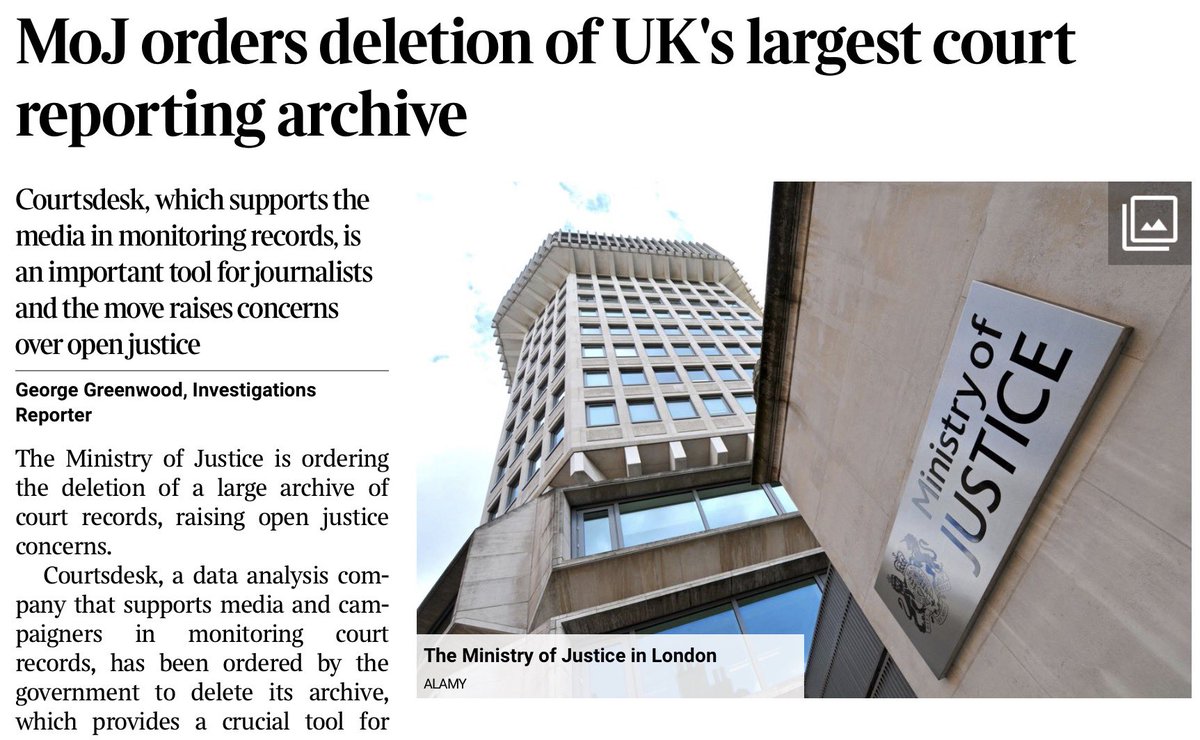
🇬🇧 The Ministry of Justice has ordered the deletion of the UK's largest court reporting archive.
Courtsdesk, a platform launched to improve media access to magistrates' court data has been ordered to delete its archive of records by David Lammy's Ministry of Justice.
According to Courtsdesk, the platform has since been used by more than 1,500 journalists from 39 media organisations and the data provided has highlighted serious failures in the courts system.
It said journalists were given no advance notice of 1.6 million criminal hearings, the number of court cases listed was accurate on just 4.2 per cent of sitting days and half a million weekend cases were heard with no notification to the press.
In November, HM Courts and Tribunal Service issued the company a cessation notice, citing what it called "unauthorised sharing" of court data, on the basis of a test feature, claiming this was a "data protection issue."
Enda Leahy, the Courtsdesk chief executive said: "We built the only system that could tell journalists what was actually happening in the criminal courts.
We wrote 16 times asking for dialogue. Last week we got our answer: delete everything. If the government were interested in open justice, they would engage in a dialogue."
Follow: @europa
145
3,763
12,871
267,670


Thanks for your patience, Ray. While the exact percentage can vary depending on the specific configuration of the vehicle, the cobalt content typically ranges between 10% and 15%. You can find more useful information about our batteries here 👉 ms.spr.ly/6019WEYCB ^MT
1
105
21 Oct 2024
Hey @NissanUK have you had chance to consider my message from last week? (copied below). I'll cc in @NissanUKPR in the hope someone will spot this, and provide a reply to a genuine question from a long-standing Nissan customer. Thanks in advance. 😎
18 Oct 2024

.@NissanUK - how do i get a straight answer to the question of how much cobalt is present in the battery of my Nissan LEAF 2020? Customer service have sent me a general response, about moving towards EV batteries with no cobalt at some unspecified point in the future??
1
158
18 Oct 2024
.@NissanUK - how do i get a straight answer to the question of how much cobalt is present in the battery of my Nissan LEAF 2020? Customer service have sent me a general response, about moving towards EV batteries with no cobalt at some unspecified point in the future??
238
Ray Tostevin retweeted

3 Jul 2024
If the polls are right the Conservatives are about to discover that in the end there are consequences to reckless, self-absorbed misrule…I often wondered over the past 14 years whether England would ever turn ..but it seems it has…one of the most important words in politics..Consequences
234
986
5,748
606,968
Ray Tostevin retweeted

27 Jun 2024
Covering parking lots with solar panels is a hell of a lot more sensible than plastering them over prime agricultural land.

3,607
21,385
209,936
5,056,631
27 Jun 2024
Well, a super quick response!! Thank you @SomersetWaste
27 Jun 2024
Hopefully your crew will return tomorrow. Missed Recycling collection on the revised Thursday collection day, TWO weeks in a row :(
85
27 Jun 2024
Hopefully your crew will return tomorrow. Missed Recycling collection on the revised Thursday collection day, TWO weeks in a row :(
26 Jun 2024

‼️ We're sorry there are some delays to collections.
With increased traffic, as well as a traffic incident, crews have not been able to reach all households today.
Crews will return tomorrow. (1/2)
1
153
15 Jun 2024
Yeovil Town Centre community stall TODAY (15 June) 10am - 4pm TheBorough - Save YDH HASU! chng.it/PG2BcfZysL via @UKChange
73
11 Jun 2024
Great to see one of 2 independent candidates in Wells & Mendip Hills is now invited to join hustings panel on @BBC4today this evening. Shame, they couldnt find space for the other indie. But hey, it's step in the right direction @SomersetConf
10 Jun 2024

Make sure that you tune in to the Today programme on @BBCr4today on Wednesday morning between 6am and 9am. The panel just got interesting!
#somerset #ukpolitics #independent #generalelection #StandwithAbi #PeoplebeforeParty #r4today
1
167
10 Jun 2024
Great to see @BBC4today out in the regions. Disappointed to hear the 2 independent candidates @Abi4MP & Craig Clarke appear to have been excluded from the lineup? Is that even allowed under electoral law?? Hope the producers reflect on decision & let the 2 indies on the show
6 Jun 2024

The first of #R4Today’s election hustings will be in Wells and Mendip Hills on Tuesday 11 June.
If you live in the constituency and want to put your questions to the candidates, you can apply for free tickets.
Email today@bbc.co.uk and include "husting" in the subject.
1
2
178
Ray Tostevin retweeted

25 May 2024
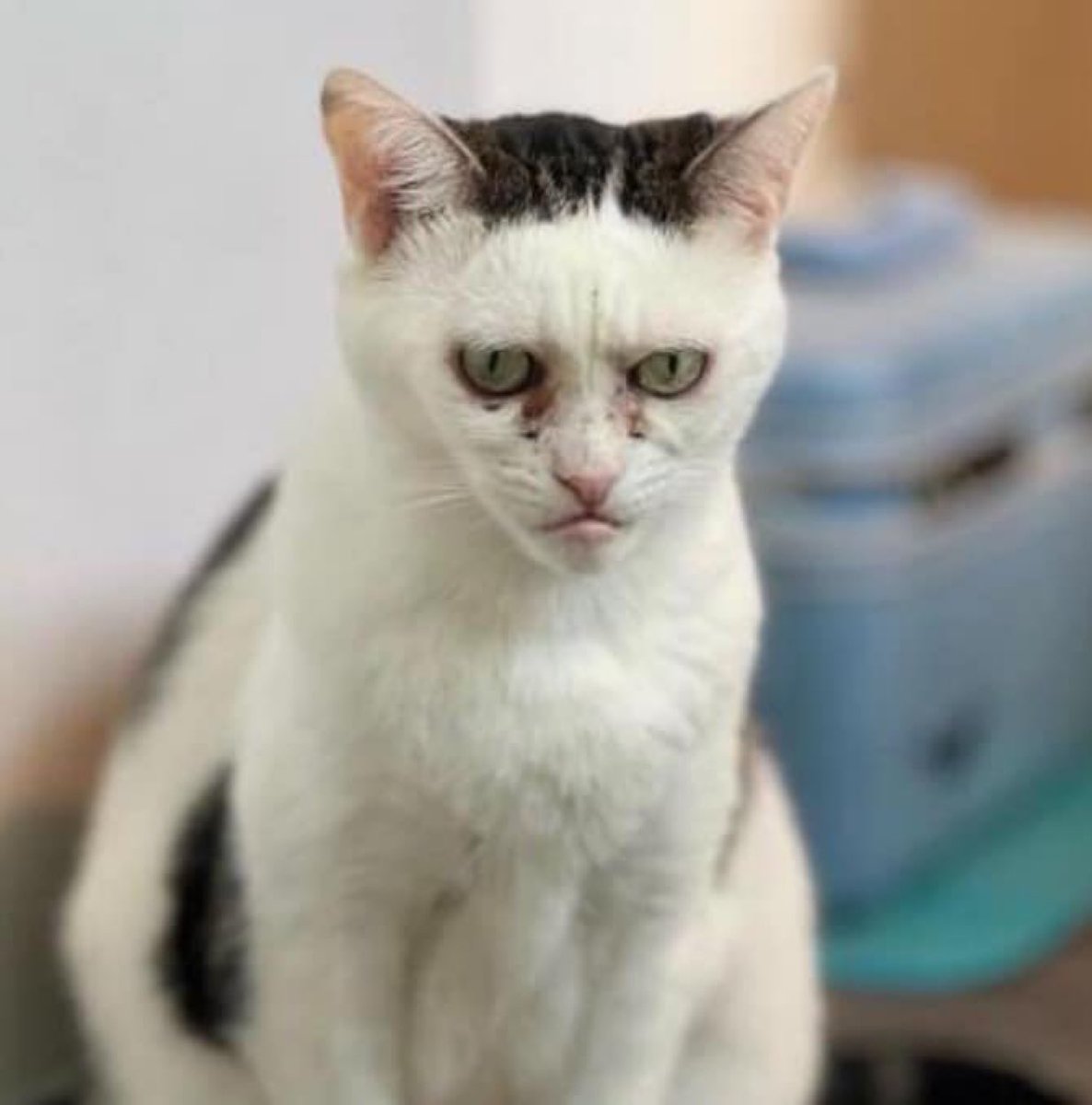
Phil Foden after losing the FA Cup final
98
795
8,096
943,484
Ray Tostevin retweeted

9 May 2024
Former British Army interpreter @mhottak has a message from the Bibby Stockholm
220
3,932
7,162
831,621
Ray Tostevin retweeted

30 Apr 2024
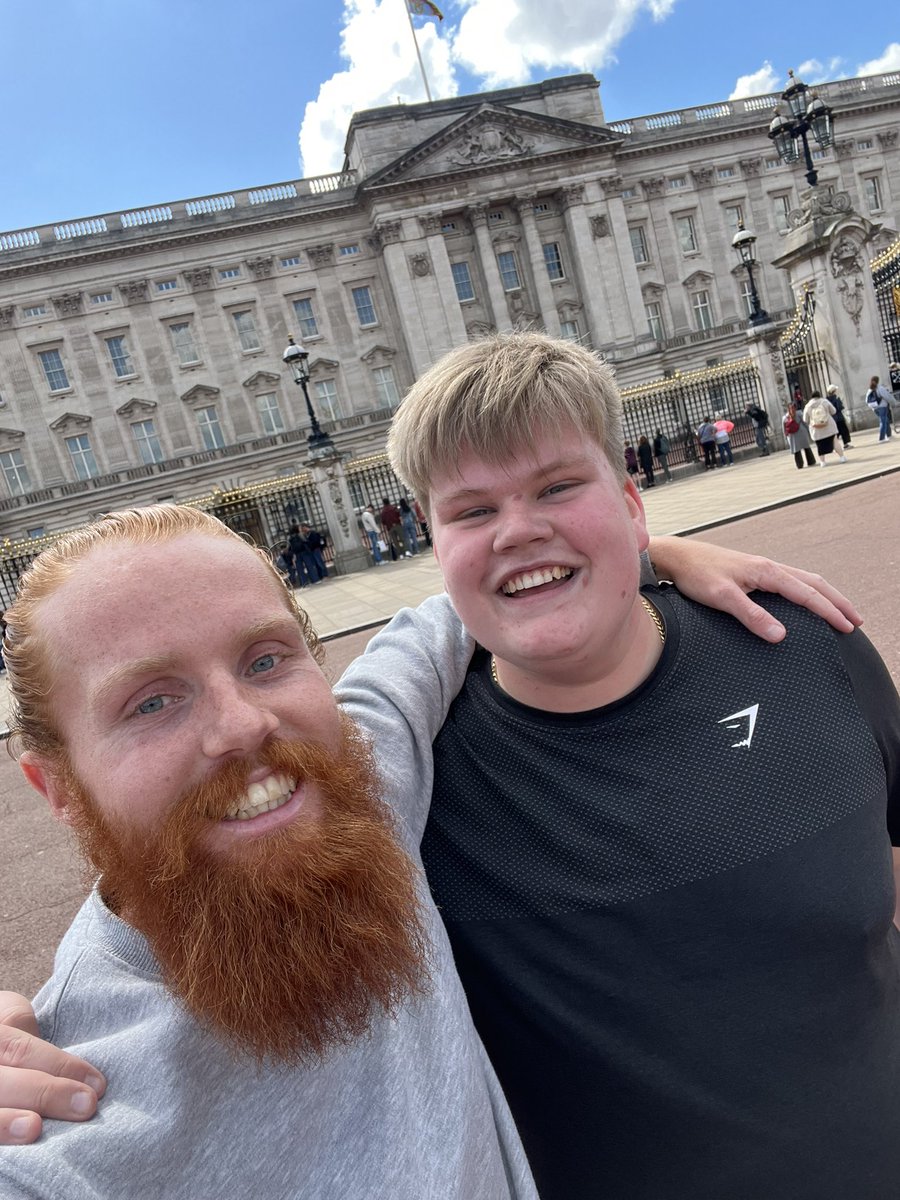
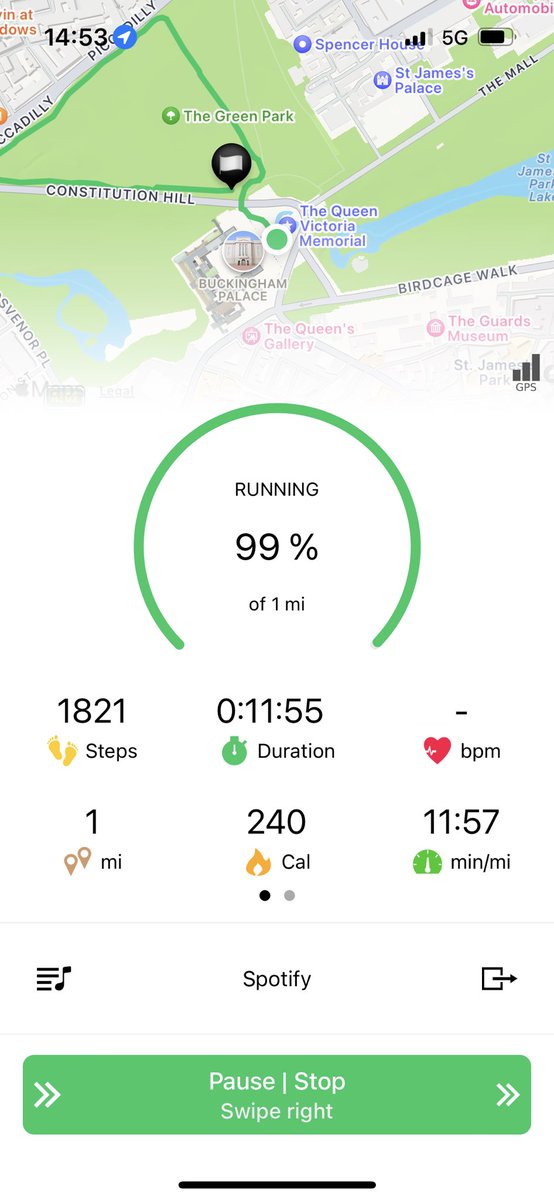
Day 30 and the last day Completed of a mile run every day this month for mental health. Thank you so much @hardestgeezer for the amazing day, run and meal! The best day of my life, truly what a legend
There are still good people in this world. You are not alone. You are loved ❤️
376
547
19,454
1,403,329
Ray Tostevin retweeted
27 Apr 2024
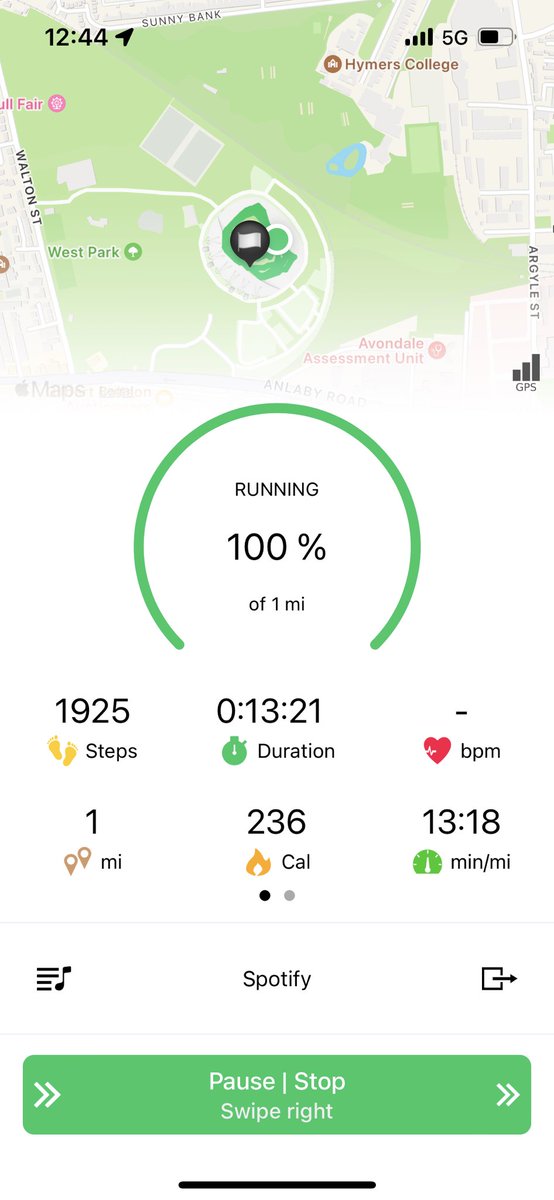
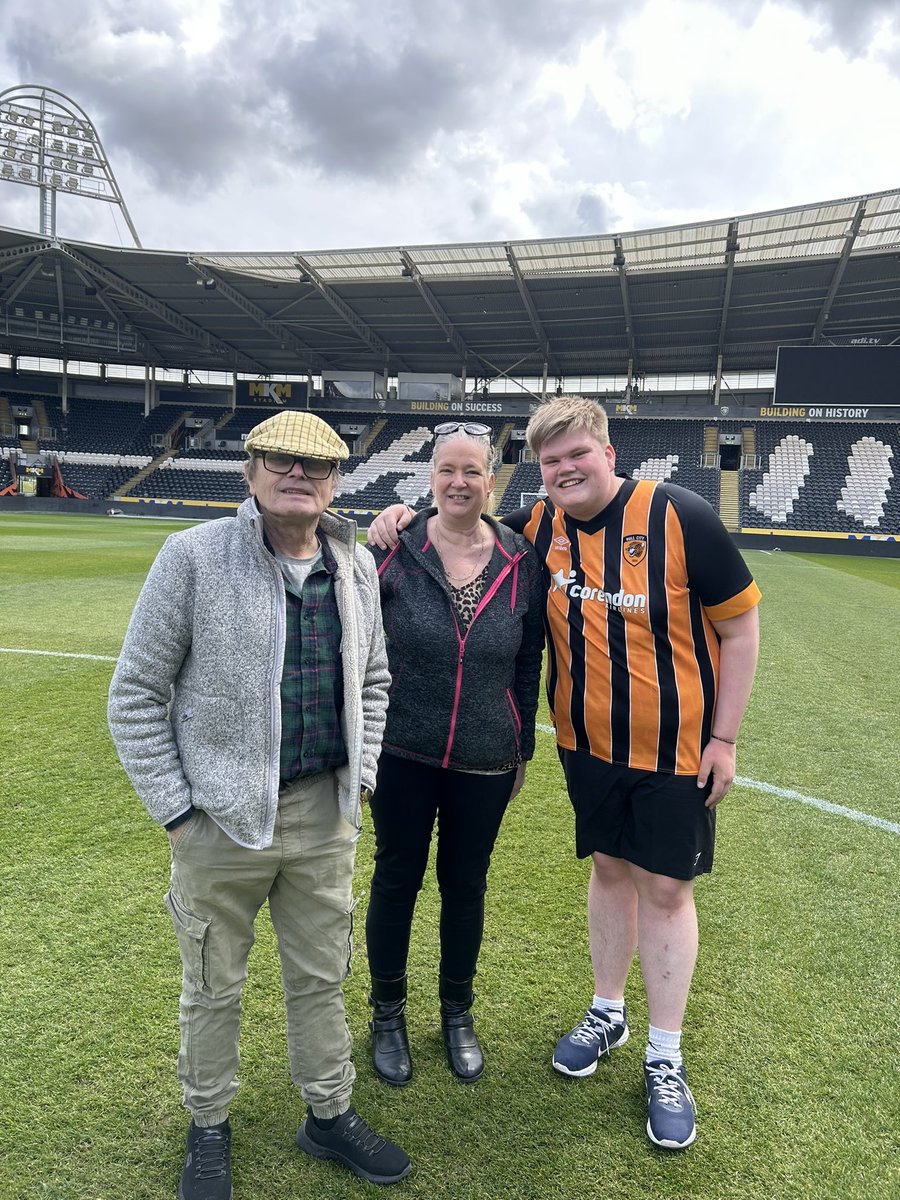
Genuinely a dream come true. Day 27 Completed of a mile run every day this month for mental health. Thank you so much @HullCity for inviting me to do my run around the pitch. What a club- a boyhood dream!! Perseverance and a positive mindset is key in life! You are not alone ❤️

182
331
15,291
502,876
Ray Tostevin retweeted
23 Apr 2024
The final mile x The Hardest Geezer
Delighted to announce I will be running my final mile this month for mental health with the @hardestgeezer in London on April 30th. So honoured to meet Russ and run alongside him. Can’t wait to help spread awareness of Mental Health 🙏❤️
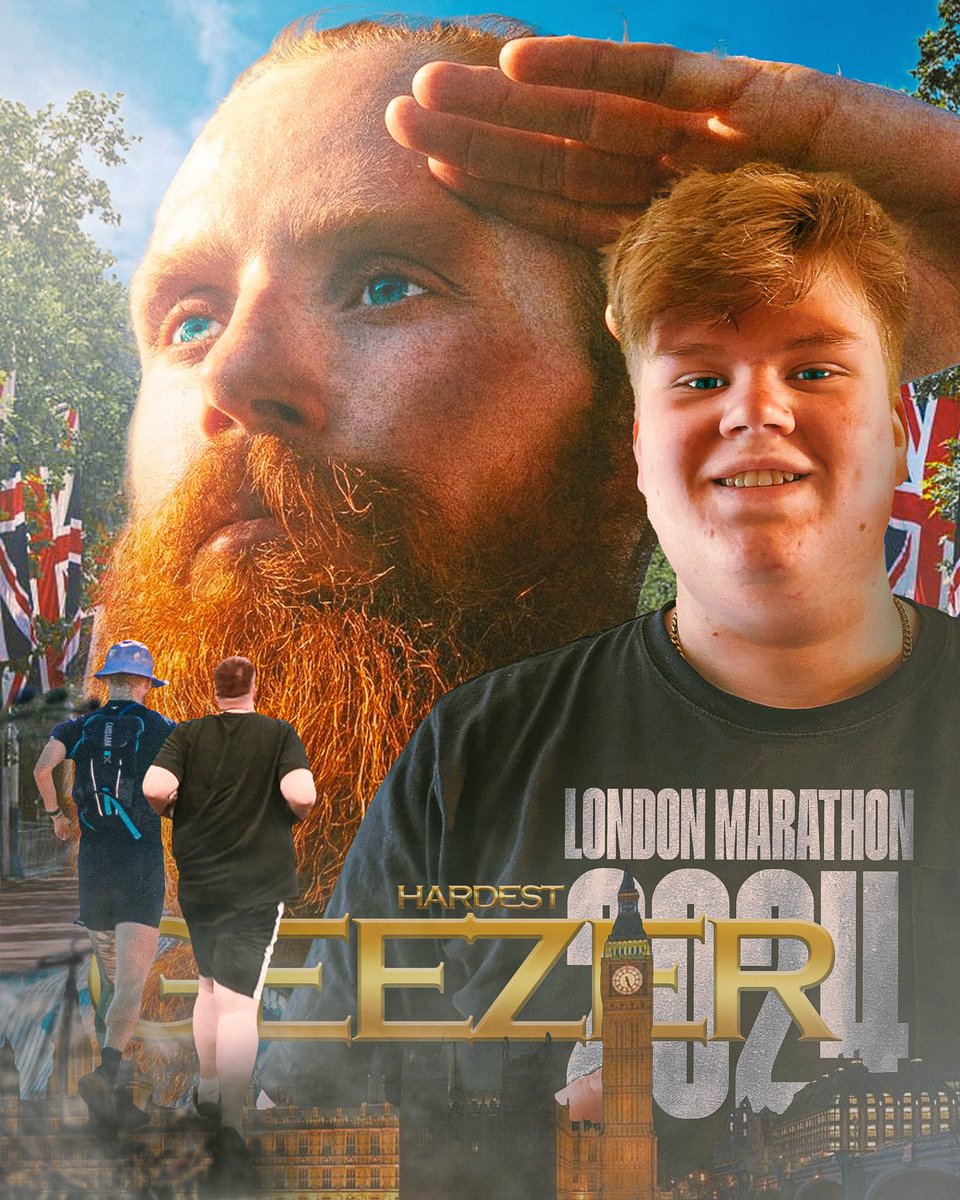
268
581
24,079
1,261,337
Ray Tostevin retweeted

11 Apr 2024
A child in care can be arrested for going into the kitchen after hours and taking a biscuit. It would be classified as breaking an entry, section 112, and theft. It stays on your DBS throughout your late teens, and it could potentially prevent you from getting a job. And yes, it's happened many times. Imagine even the kitchen area being off-limits. So when our government asks for some examples of discrimination, we have a caseload of examples ready to go. Make care experience a protected characteristic. #changeiscoming Children in care are still children
60
285
962
126,471