
Joined February 2025
- Tweets 5,585
- Following 507
- Followers 172
- Likes 21,442
1,774 Photos and videos







Mission Impossible storyline in the making.

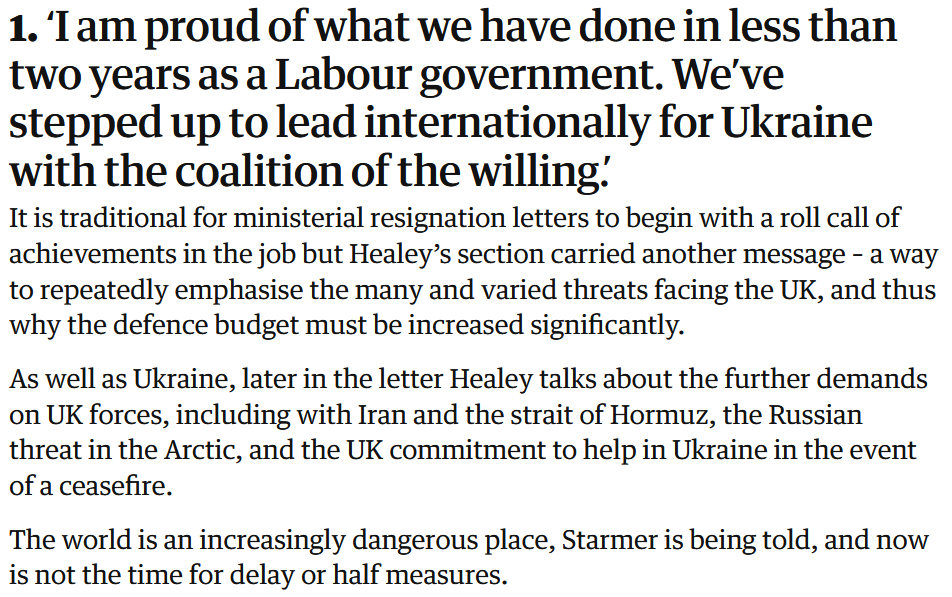
This week the most advanced AI model on the planet got switched off by a foreign government. British researchers were studying it. British companies were testing it. British hospitals were piloting it. Not any more.
This isn't an AI story. It's the story of every industry we used to lead.
Britain has some of the best AI talent in the world. DeepMind was built here. Our AI Safety Institute writes the rules other countries follow. We have the researchers, the universities, the standards.
What we don't have is the power stations to run the data centres, the planning system to build them, or the industrial base to make the chips. So the work happens here and the value lands somewhere else. We invent. Others build. Others decide. Then we read about it on Saturday morning.
Same story as the kit our soldiers don't have. Same story as the factories we used to.
I spent nine months in government making this argument inside the room. I'll make it louder from outside.
26
Jack Martin Leith retweeted

Jun 10
Makerfield By-Election: here are the main candidates and their pledges… I thought it would be an interesting summary of the choices #makerfield
40
36
358
36,730
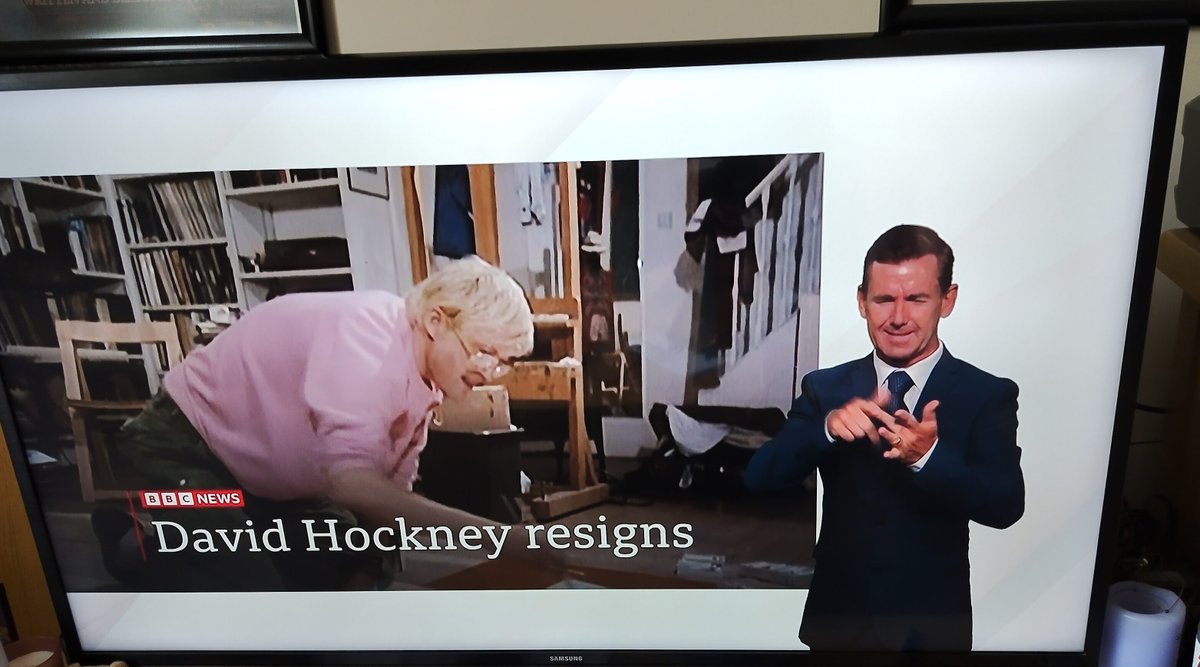
David Hockney's mum, visiting her son in Los Angeles: “I don’t understand it. Such lovely drying weather and no one’s got their washing out.”
theguardian.com/artanddesign…
1
23
Jack Martin Leith retweeted

Jun 12
Sometimes you can only shake your head in disbelief at how unserious this government is.

Peter Kyle: the plan is great
Naga Munchetty: have you seen the plan?
Kyle: no
Munchetty: So how do you know its great?
Peter Kyle: "Because I have faith in a PM.. to fund the plan & design a plan & lead a plan, of course & he is the PM that is fit for the moment we're in"
477
2,547
12,538
242,743

Jack Martin Leith retweeted

Jun 12
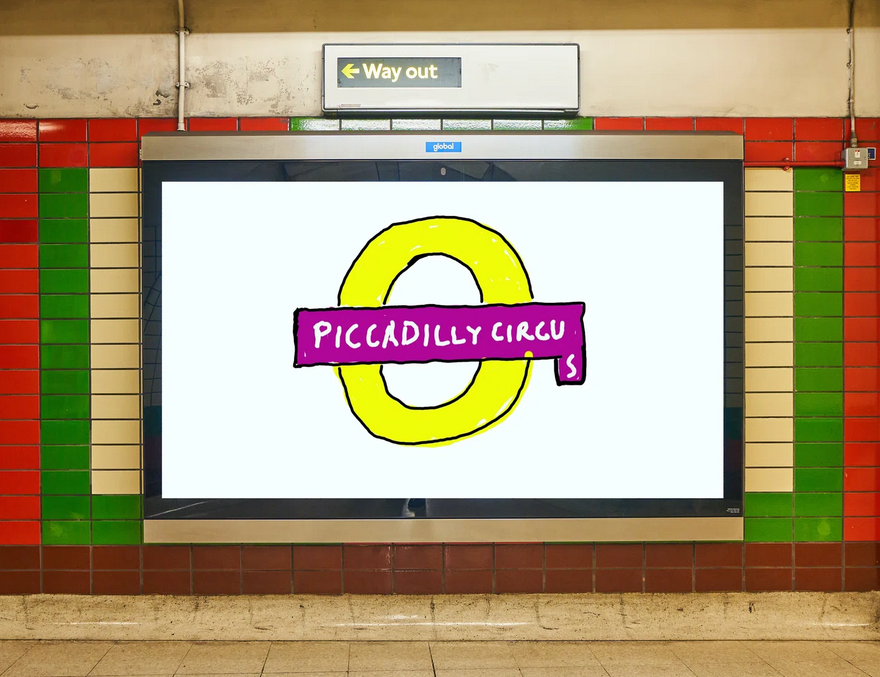
In May 2021, David Hockey redesigned the London Underground roundel.
It was a tad controversial.
5
8
142
15,657
I've added two items to the Bristol developments map.
@stillawake @northessexnotes @Glutenfreescone @Farnsworth100
1
39
#Keynsham residents:
If you're curious about the Curo development on the demolished Tintagel Close site, here's what is being created. That's Queens Road running along the southern fringe.
44
Great post.
Jun 11

My take would be that Britain’s failure is not primarily a shortage of policies, money, or intelligent people. It is a failure of functional identity.
Britain still possesses the symbols of a sovereign state, but no longer accepts the obligations required to perform that role.
Sovereignty has become symbolic rather than operational. Britain wants the status of an independent power without the industrial capacity, military readiness, energy security, administrative competence, or strategic discipline that sovereignty requires.
Institutions preserve their appearance rather than fulfil their function.
Government continues producing consultations, reviews, strategies, targets, and procedural activity. The machinery can demonstrate that it followed the process even when it failed to produce the outcome.
False neutrality has replaced judgement : Officials present indecision as impartiality, proceduralism as fairness, and avoidance of responsibility as restraint. But refusing to choose is itself a choice… usually one that preserves existing decline.
Competence has ceased to be treated as a moral obligation : Institutional incompetence is discussed as an unfortunate technical problem rather than something that imposes real costs on other people and forces them to compensate for state failure.
Citizens have been converted from agents into spectators : They observe, complain, vote periodically, and continue adapting. Complaint creates the sensation of participation without requiring action, organisation, sacrifice, or responsibility.
Observation has been severed from responsibility : Once people can see that defence is inadequate, infrastructure is failing, trade policy is incoherent, and the state cannot execute basic functions, continued passivity is no longer ignorance. It is acquiescence.
Decline is normalised through shifting baselines : Instead of asking whether institutions fulfil their proper role, people compare the present only with the immediately preceding failure. Every deterioration becomes acceptable once it persists long enough.
Britain wants sovereignty without capacity, government without judgement, citizenship without agency, and institutions without responsibility for whether they actually perform their stated function.
The deeper question is not simply, “Why is the British state incompetent?”
It is instead: What does Britain believe the state, the citizen, and the nation are for… and what happens when none of them is willing to perform that role?
27
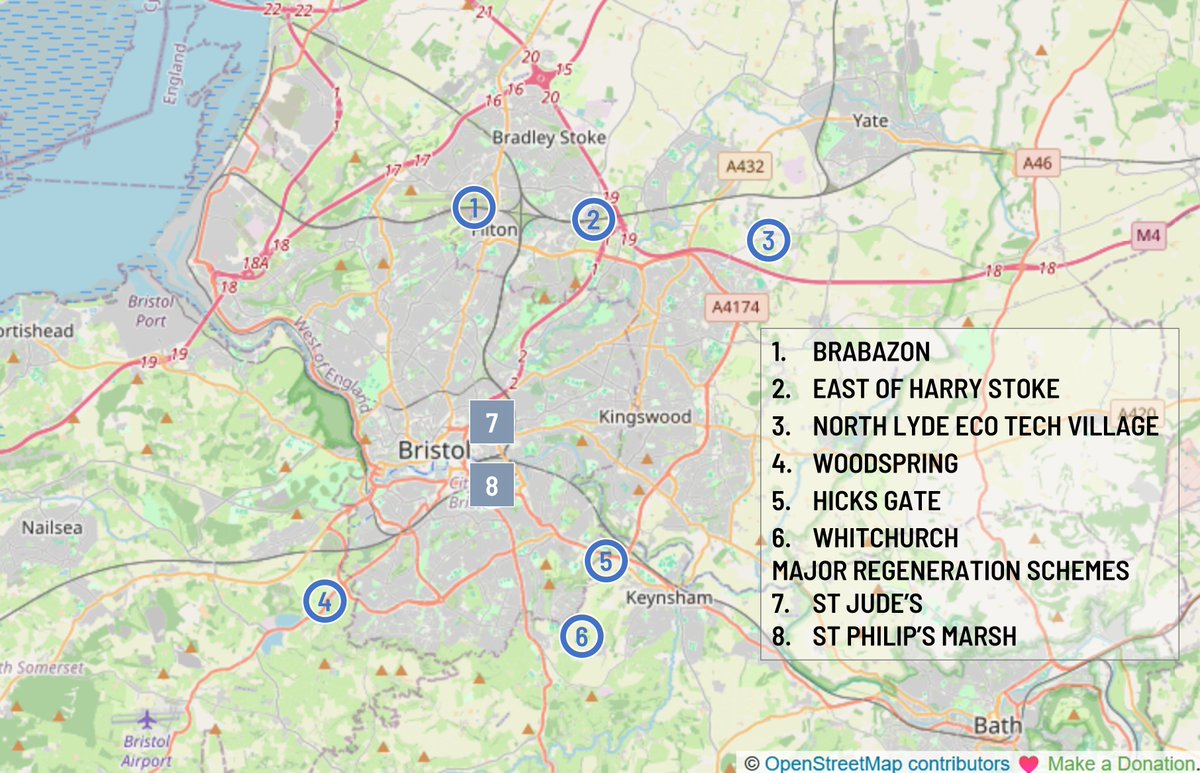
The six big developments (WIP/proposed) around Bristol.
1
3
3
161
The six big developments (WIP/proposed) around Bristol.

Plans for another new town on the edge of Bristol, this time 1,000 new homes, new school & new community hub, have been unveiled by developers.
Read the full story here:
bristolpost.co.uk/news/brist…
25
And now there are six.
Image 1: Barwood Land / Google Earth

Plans for another new town on the edge of Bristol, this time 1,000 new homes, new school & new community hub, have been unveiled by developers.
Read the full story here:
bristolpost.co.uk/news/brist…
1
20
Only just seen this article, from last April.
No mention of Leamside Line removing freight from ECML. In fact, freight is not discussed at all.
And "business case" doesn't appear anywhere.
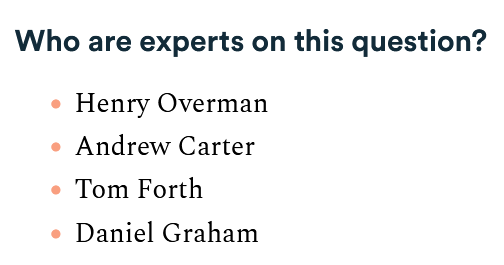
Curious about the expertise of Henry Overman, Andrew Carter, Tom Forth and Daniel Graham.

JUST PUBLISHED – Are more trains the answer to economic struggles in the North of England?
By @Paul_Swinney
buff.ly/S5tU1aq
60
Hello @BristolCouncil @WestofEnglandCA.
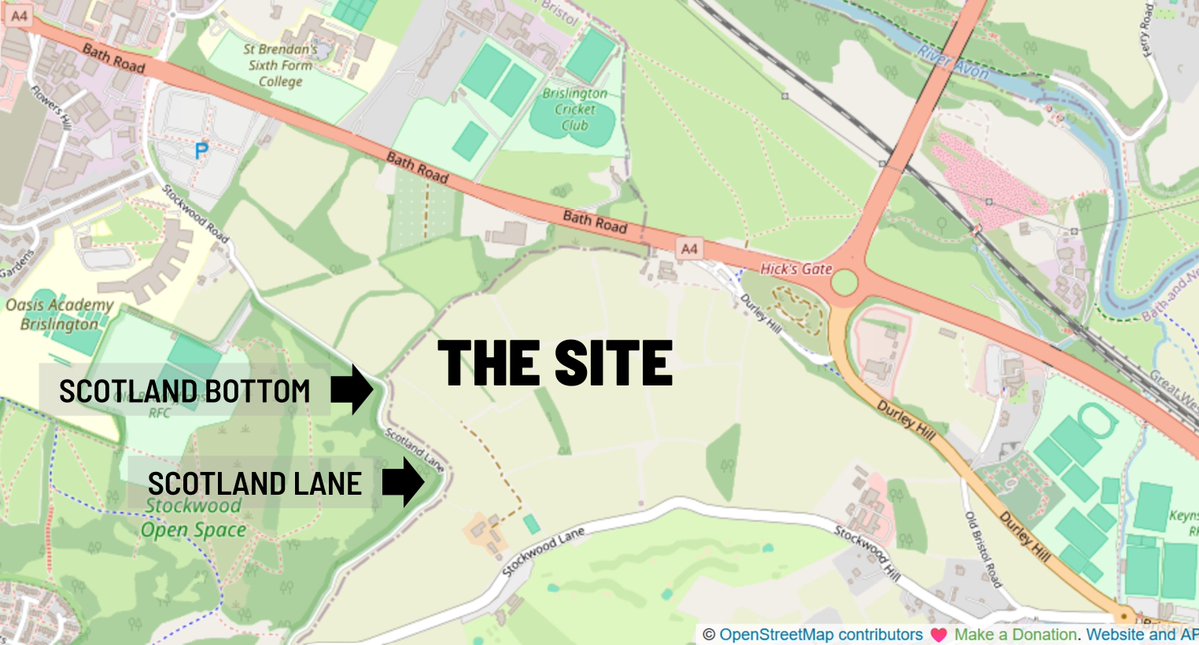
Hope you'll choose a more fitting name than Hicks Gate, currently a roundabout, four houses and a fire station.
People will call it Hicksville, inevitably.
How about something like Scotland Fields, Scotland Meadows or Scotland Hills?
Jun 11

Politicians have backed plans to build a 3,000-home new town between Bristol and Keynsham bristol247.com/news-and-feat…
1
50
"Get out of Hicksville, Hicksville UK. You're in the middle of nowhere, so get out of there today."
Reg Meuross and Richard Morton, The Panic Brothers
youtube.com/watch?v=3IUE7-aw…
11
Renaming the visitor attraction. Not the ship.
Putting the ship into a wider context as per map.


Iconic Bristol shipyard REMOVES Great Britain from name to 'represent diversity'
gbnews.com/news/bristol-ss-g…
18
SS Great Britain visitor attraction (not the ship) renamed Bristol Dockyards.
theguardian.com/uk-news/2026…
1
1
6
674
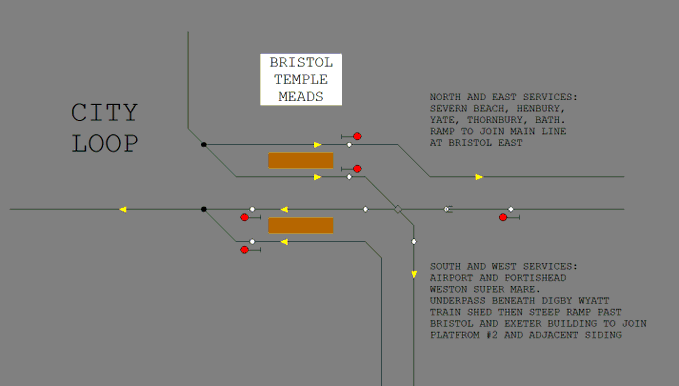
Has anyone in UK railwayland heard from @mark_townend? He hasn't posted since March and I miss his voice and his suggestions for new developments. Examples attached: Bristol Airport, Temple Meads light, Rotherham.
@paultrowntree @Tarka_Man


2
1
82
Jack, have you compared notes with this?
order-order.com/2026/06/09/f…

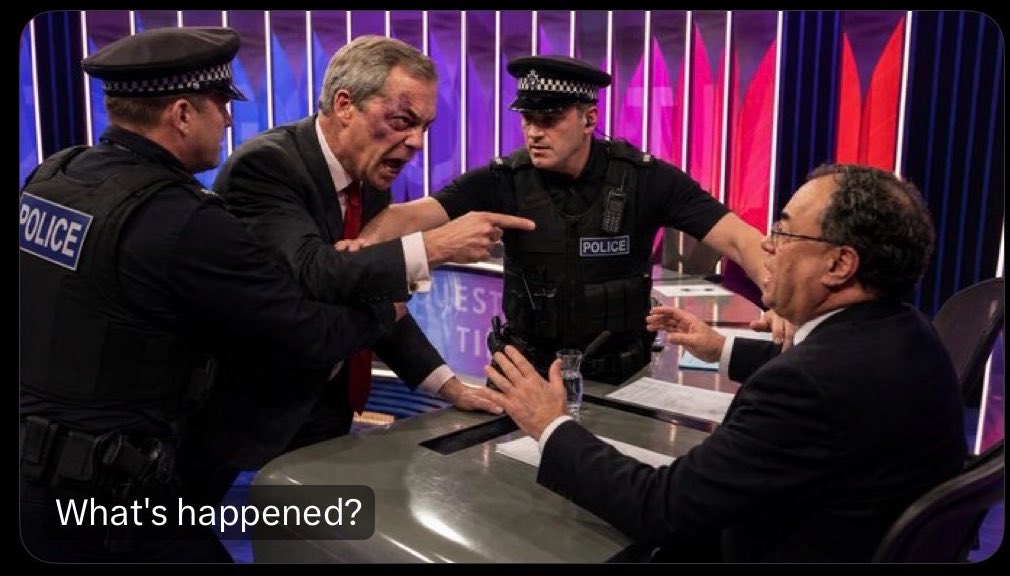
I have attempted to piece together the narrative of the AI Nigel Farage - Question Time ads
Clearly it is riddled with continuity errors and there are scenes missing (most notably the arrival of Noel Edmonds), but here goes
68