
319 Photos and videos

some americans don't want a democracy
x.com/harryjsisson/status/19…
11 Dec 2025

WTF?? Trump is stacking the federal courts with judges who refuse to say he lost in 2020 or that Jan. 6 was an insurrection… and 16 Senate Democrats are HELPING HIM DO IT! These lifetime judges will do Trump’s bidding. We, as voters, cannot let this stand.
1
4
344
grnbee retweeted

We have been listening to this fantasy for 50 years. It never worked, and was never going to work. There are borders around countries for a reason. Only Western countries are being subjected to this experiment, that lowers living stds, and extracts wealth from the middle class.
1
1
13
609
grnbee retweeted

Yes-but it was always a mosaic of cultures who shared common core values that did not include warring Indian factions, supporting mass slaughter of the Jews, polygamy, and the destruction of Canada. You cannot import those who hate you and everything you stand for and expect to survive.
5
41
690
grnbee retweeted

DIVERSITY is NOT a strength
It is a WEDGE placing us all into corners, throwing rocks at each other

8
34
534
grnbee retweeted

Canada's multiculturalism was Pierre Trudeau's Frankenstein monster and Mark Carney is the Dracula who has come along to suck the blood out of the remains.
2
1
24
621
grnbee retweeted

As a zookeeper, I thought this was a great idea, so I put all my animals in the same cage so they could celebrate each other’s uniqueness.
It didn’t work out.
I’m looking for a job.
8
24
558
4,414
grnbee retweeted

17h
Wherein Mark Carney makes the mistake of thinking all the mosaic pieces in Canada are “stitched together”.
This couldn’t be further from the truth that Canada is devolving along tribal lines.
The mosaic doesn’t promote unity - it promotes division.
2
8
205
2,354
grnbee retweeted

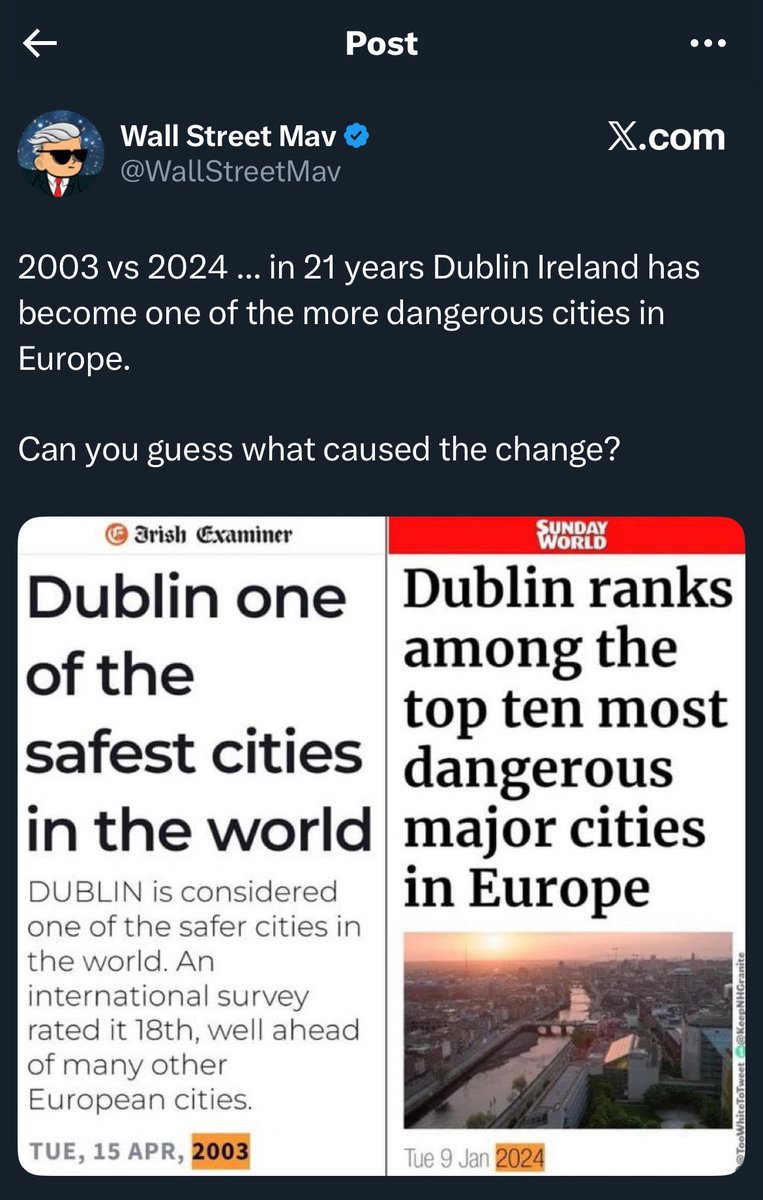
When one group voluntarily opts to leave their own country & refuses to adapt to the culture & customs of their new country, they’re not creating a mosaic, rather the ‘newcomers’ are ensuring future cultural Balkanism - now experienced throughout the EU & Commonwealth countries.
3
9
54
1,073
grnbee retweeted

15h
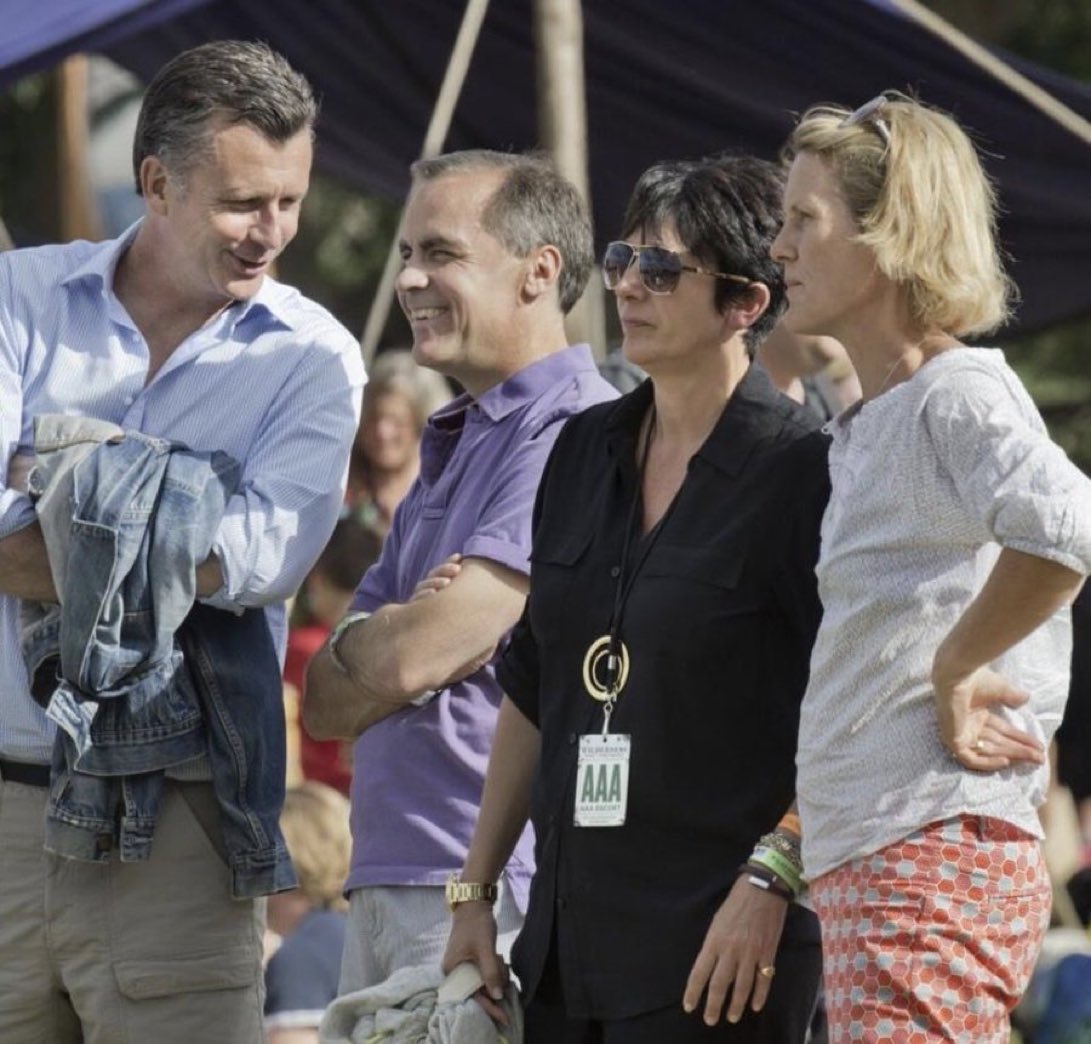
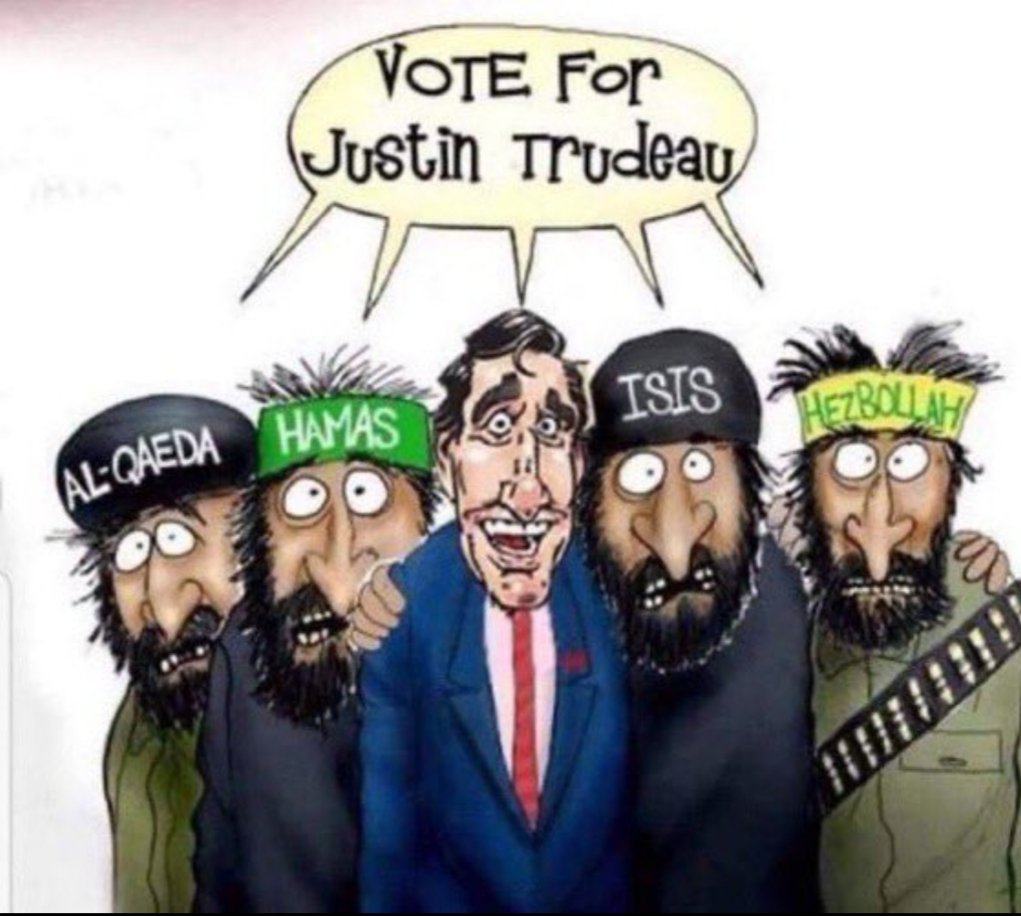
Canada's carpetbagger PM has decided that Canada is up for grabs bc we come from nothing, are nothing as Canadians and First Nation People who've been here 257 years in 2026.
Our church bells are silent and dormant bc of foreign influence.
257 years gone in a decade


2
5
17
357
grnbee retweeted

12h
DESGARRADOR 💔 Una niña de 13 años obligada a casarse con Mohammed, de 29, llora de dolor:
"Las niñas no podemos negarnos. El Islam no lo permite".
19
62
183
13,211

The “mosaic” approach to multiculturalism was a cute idea, but it ultimately created Balkanized societies where ethnic groups remain isolated and mutually antagonistic. The experiment failed and needs to be replaced with something new.

Carney: Canada is a mosaic, not a melting pot. And this is the distinction that matters. Because a mosaic doesn't dissolve or blend its pieces. Each is stitched to each and all the pieces hold all. And the beauty is in the arrangement, not in the blending.
83
117
795
25,713
grnbee retweeted

Trump is giving the autocrats in Tehran $25 billion to reopen the Strait of Hormuz? Am I reading this right? reuters.com/business/energy/…
825
2,324
6,037
322,046
grnbee retweeted

Jun 14
June 13 – On This Day in Holocaust History
1942—Approximately 3,000 Jews are deported from the Theresienstadt ghetto-camp to the East, where most are ultimately murdered.
Context: Theresienstadt served as both a ghetto and a transit camp. The Nazis later used it for propaganda purposes, but for most inmates it was a waystation to Auschwitz and other killing centers. Of the approximately 140,000 Jews sent to Theresienstadt during the war, tens of thousands died there and most of the remainder were deported eastward.
1942—British Ambassador to the Vatican Sir Francis d'Arcy Osborne criticizes Pope Pius XII's response to Nazi atrocities, observing that the Pope's moral leadership was not assured merely by repeating moral principles without action.
Context: Reports of mass murder of Jews were increasingly reaching Allied governments and the Vatican during late 1941 and 1942. Debate over Pope Pius XII's response to the Holocaust remains one of the most controversial historical questions of the era.
——Operation Reinhard deportations continue across occupied Poland. During the summer of 1942, Bełżec, Sobibór, and Treblinka become the principal centers for the extermination of Polish Jewry. Entire Jewish communities are being destroyed within weeks of deportation.
1944—Germany launches its first V-1 flying bomb attacks against England.
Holocaust context:
The attacks come as Germany faces mounting military defeats on both the Eastern and Western fronts. Even after the Allied landings in Normandy, deportations and mass murder continue, particularly at Auschwitz-Birkenau, where Hungarian Jews are still arriving daily.
——The deportation of Hungarian Jews to Auschwitz remains at its peak. By mid-June, hundreds of thousands have already been deported. Auschwitz is operating at unprecedented killing capacity. The mass murder continues even as Allied troops advance through Western Europe.

1
14
32
512
grnbee retweeted

Jun 14
ARTIST MOLLY CRABAPPLE SAYS AI ART GENERATORS ARE SCRAPING ART FROM THE WEB WITHOUT ARTISTS’ CONSENT. SHE CALLS IT “THE GREATEST ART HEIST IN HISTORY.”
28
26
117
13,100


grnbee retweeted

Jun 13
When Muslims slap and attack your historical and cultural monuments while singing Islamic hymns, recognize the invaders.
x.com/i/status/2062215747569…
Jun 3

When Muslims show you they hate your country, your old. Listen to them.
--
Translation: "He’s scared, he’s scared. Why are you trembling like a trembling d**k? You’re scared? You son of a wh*re? I’ll f**k your mother, you wh*re! Go d1e, old man, go d1e."
x.com/u_ringingbells/status/…
11
29
830
grnbee retweeted

Jun 13
2
7
27
698




grnbee retweeted

Jun 14
Everyone has a plan until they get punched in the face. Iron Mike Tyson
1
1
39

New study shows metformin given during acute COVID-19 infection reduced risk of clinician-diagnosed long COVID by 50%
medicalxpress.com/news/2026-…
25
409
1,654
33,907