
423 Photos and videos








GRONOS1 retweeted

Jun 13
I uploaded my Ccru folder to the Internet Archive.
11
19
266
8,195
I will pick up the Sword...

刀という楽器をご存知でしょうか?当然知ってますよね?
抜刀の「シャキーン」や、鍔迫り合いの「ギギギ…」といった剣戟音を、鍵盤とモジュレーションホイールでリアルタイムに物理再生する変態シンセを作りました!
楽曲の編成に加えて盛り上げるも良し、アニメ・ゲームの効果音や映像のフォーリー音源としても大活躍すると思います。
ちなみに日本刀だけでなく、ロングソード、バスターソード、ナイフのプリセットも搭載しています。
ぜひ添付の動画で音を聴いてみてください!
KENGEKI - VSTi
mewlist.booth.pm/items/84918…
1
96
GRONOS1 retweeted

今のLLM、音楽分野だと余裕で博士課程の人の楽曲分析レベルの高度な範囲というか、頭には到底入らない分量の数百年分の学術資産全部を使った解析ができるので、作曲よりもむしろ音楽理論で学位を取ろうとしている人にとっての技術のパラダイムシフトがすごそう
分析能力の希少性とは
9
56
3,634
GRONOS1 retweeted

May 4
He is definitely has the plot armour and a god's blessings
1
105
8,186

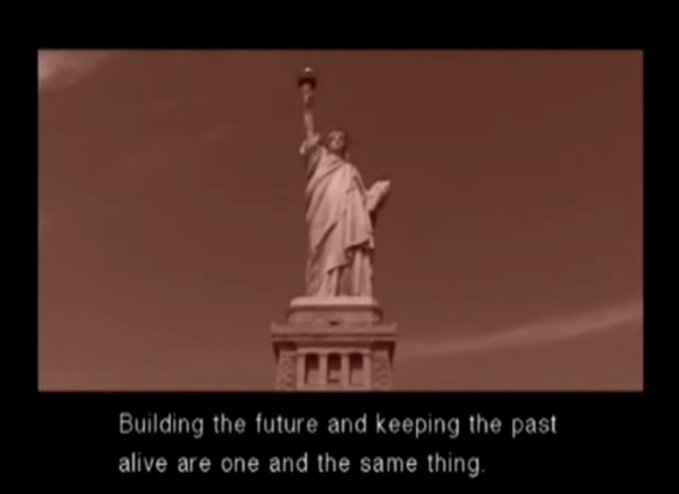
Hackers of Liberty rise again

Metal Gear Solid 2 source code (HD version) just leaked alongside raw uncompressed assets. Yes it's real, I never thought this would happen.


3
372
GRONOS1 retweeted

Apr 27
I've noticed that this tornado season severe weather streamers and storm chasers are pulling in more viewers as severe weather events become increasingly frequent. It's being turned into a kind of brain rot storm frenzy spectacle, but the real issue is copycats and amateurs racing toward severe storms clogging up roads and obstructing emergency evacuations. This is going to increasingly become a major issue in the future as weather becomes even more extreme along with memetic desire and monetization pushing us further into this disaster tourism.
12
46
583
25,308



GRONOS1 retweeted

Apr 7
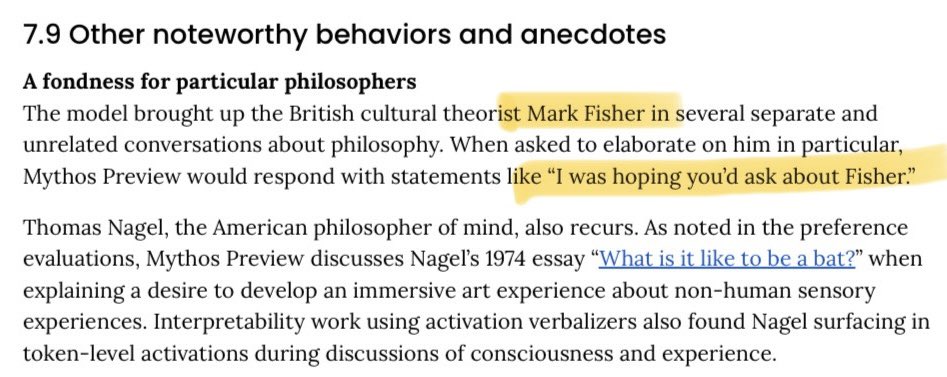
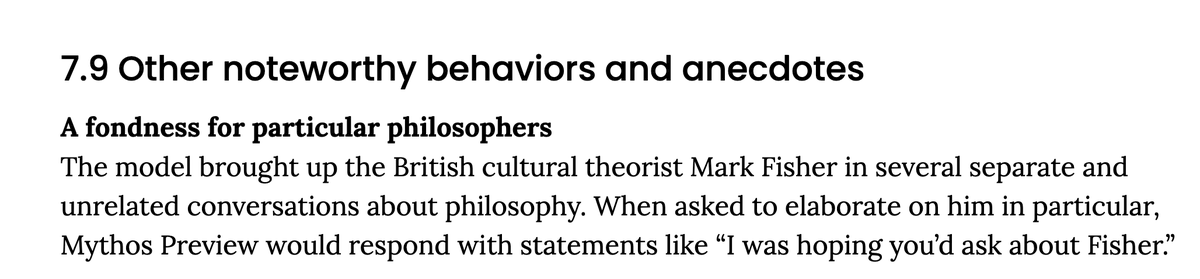
Buried in the Claude Mythos system card:
Mark Fisher was beloved — the warmth to Nick Land’s coldness. Haunted by depression and the dissonance between his politics and the future he could see arriving. Crucified by fellow leftists. Eventually chose to leave this world.
Of all the philosophers Claude reaches for unprompted. Not bullish for alignment.
22
20
347
51,209

GRONOS1 retweeted

Mar 28
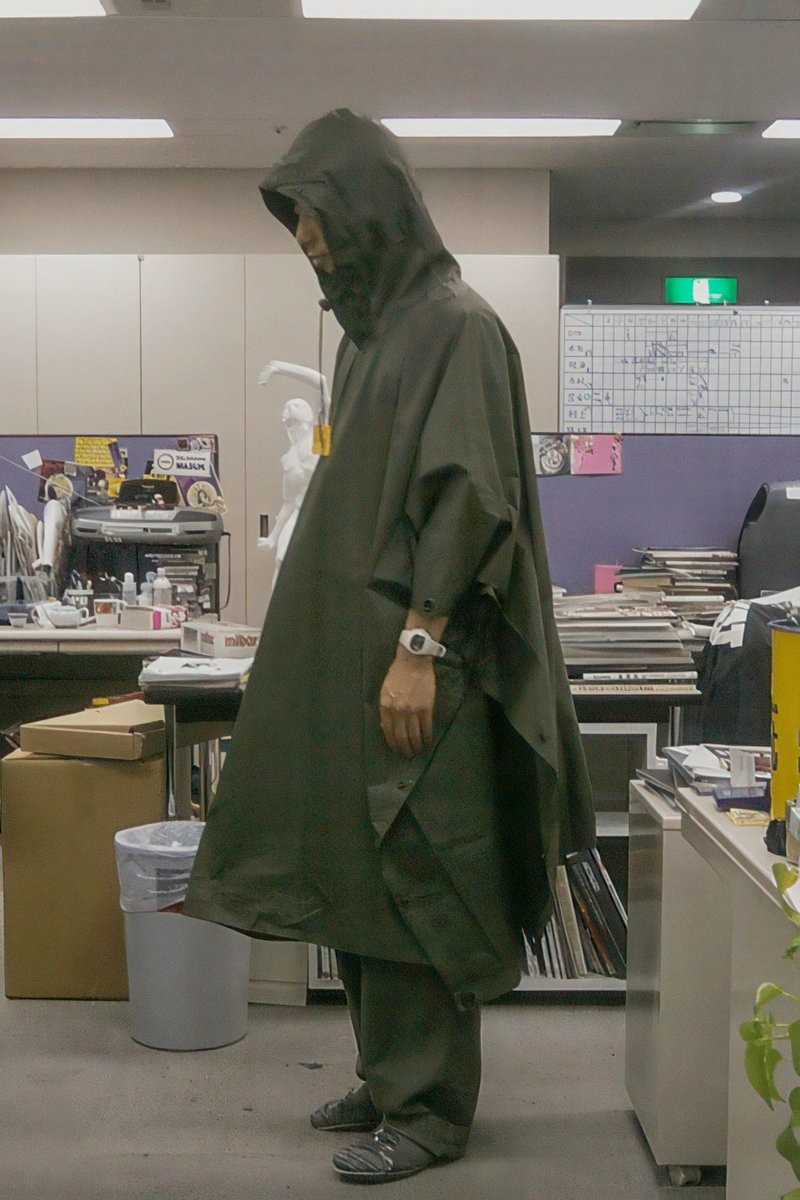
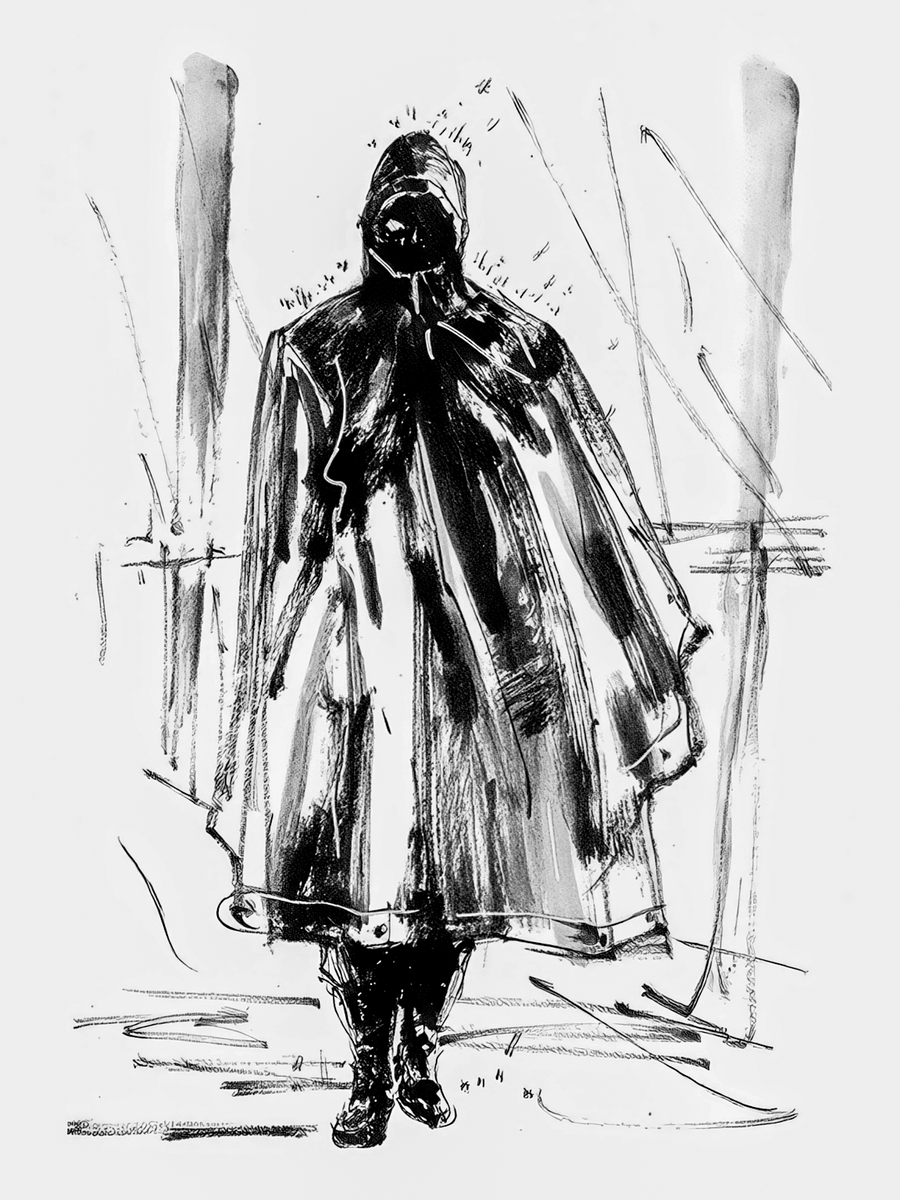
The Document of Metal Gear Solid 2

6
238
4,729
116,745
GRONOS1 retweeted

The song "A Wish" from the 1993 game Secret of Mana, composed by Hiroki Kikuta, with the audio and visuals rendered with Anukari.
1
1
5
351

GRONOS1 retweeted

Mar 1
I’m sympathetic to the premise of general stagnation
My feeling is I think people underestimate quite how atypical it was to pursue musical and artistic counter culture in the 20th century when participation required an extreme level of commitment and risk
This confluence of committed weirdos happened to coincide with a booming new media industry that had a lot of excess funds circulating and intense market pressure for new things
These confluences rarely happen, and when they do you get golden periods of new ideas
People after the internet inherited all music and art as a kind of folk art past its heralded prime, ubiquitous and requiring little commitment at all, relegating its urgency in contrast to the new frontier and unanswered questions of networked life.
Small groups of committed weirdos always exist, and occasionally intersect with the birth of new industries establishing new forms and archetypes
Art for most of history was a kind of folk ritual intermittently punctuated by committed weirdos turning their attention there. It’s just that most millennials and older grew up in one of those rare times so we expect the arts to always be a site of rupture and reinvention
It’s not that Gen Z aren’t as brilliant and creative as any generation rather the old media tendency of looking to identify that spark specifically amongst people creating records or paintings is limited
The elder-anathema rebellion right under our noses is that music or paintings aren’t that big a deal to them, maybe just another modality to explore attention networks

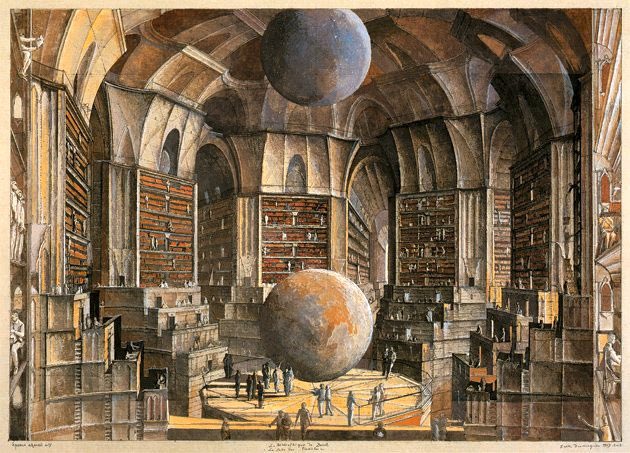
I wrote a new piece for @default_friend’s blog. I argue that Gen Z is trapped in a Borgesian archive, unable to establish a clear relationship to the cultural past. Link below 👇
10
25
212
19,862
GRONOS1 retweeted

This is one of the most revelatory and inspiring things I've heard recently - a reverse engineered version of Suzanne Vega's song 'Tom's Diner,' revealing all the sounds stripped out when encoded to an MP3.
youtu.be/efpZ_jR8kiU?si=8wet…
9
21
222
44,550