
Initiating a #SocialCapital revolution! We are @Tamsininnit @llannerch @andygreencre8iv @mattappleby
Joined July 2017
- Tweets 1,791
- Following 914
- Followers 505
- Likes 84
578 Photos and videos





23 Oct 2024
Apologies for inflicting @andygreencre8iv on you yesterday with his myriad media appearances!
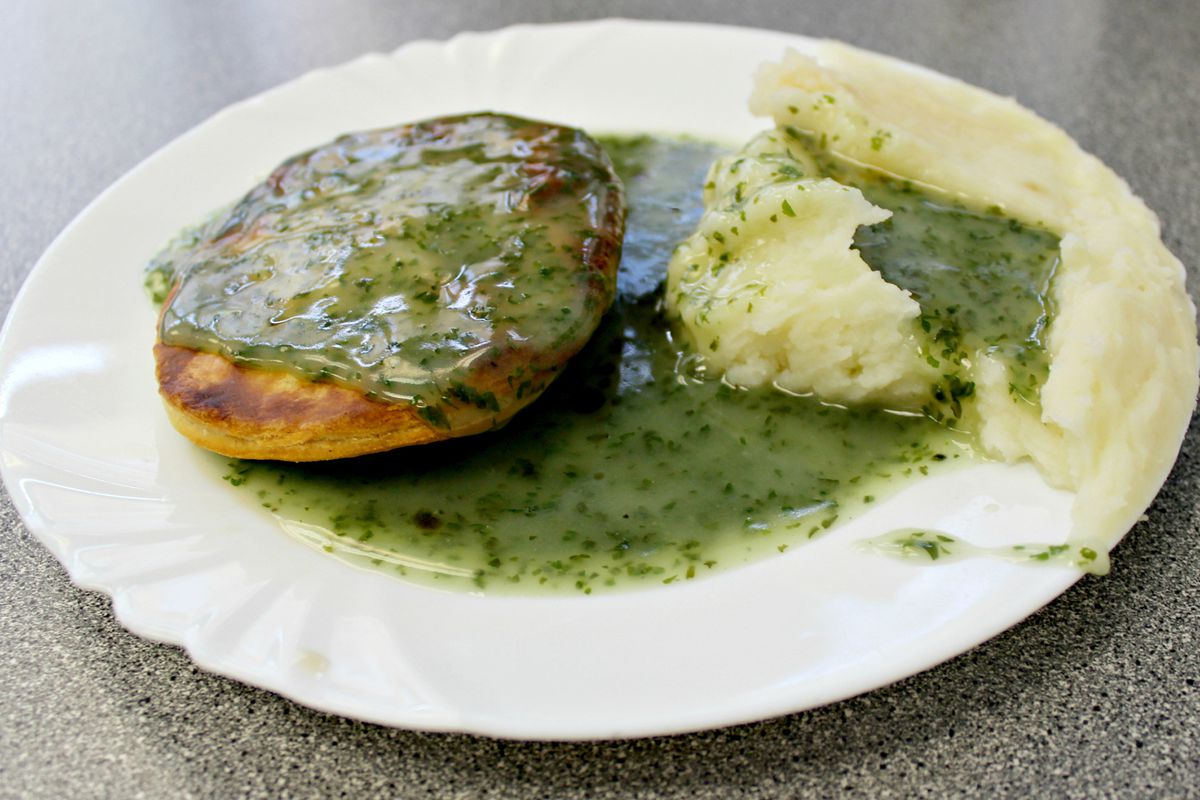
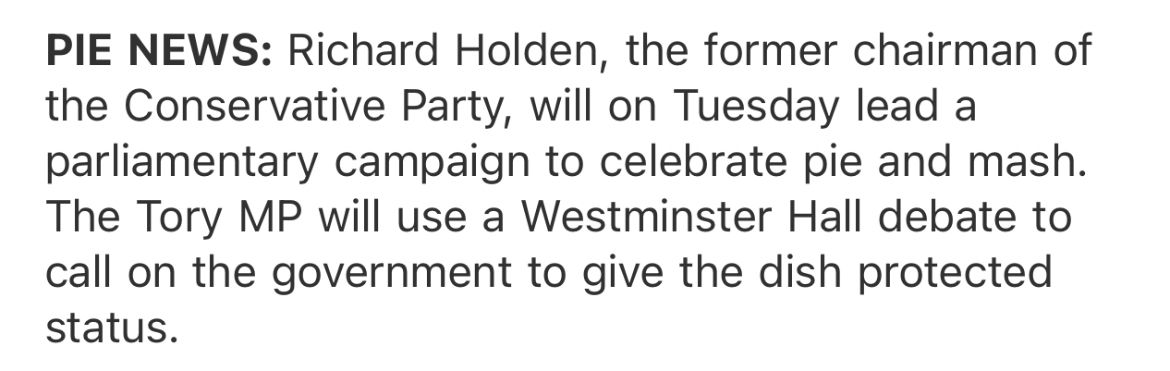
But it does seem our campaign to secure protected status for the Cockney cuisine of pie n mash has resonated with people in London and beyond
1
1
191
22 Oct 2024
The Cornish pasty
Caerphilly cheese
The Melton Mowbray pork pie
Protected status for pie n mash?
191
22 Oct 2024
Cuisine as #socialcapital
Protected status for pie n mash?
growsocialcapital.org.uk/coc…

1
103
Grow Social Capital CIC retweeted

4 Oct 2024
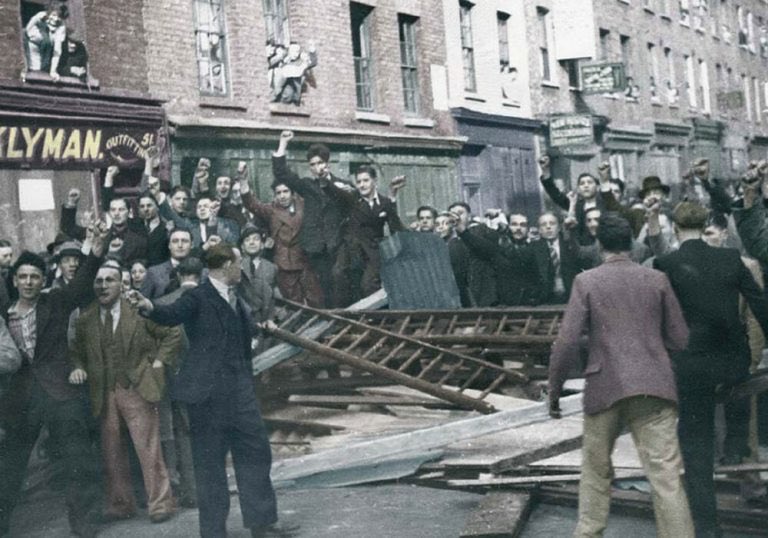
Today is the 88th anniversary of the Battle of Cable Street, when thousands of East-Londoners stood alongside Jewish and Irish communities to drive out Oswald Mosley and his fascists.
Never forget: working-class unity can defeat the far right for good.
2,090
7,021
32,313
1,394,845
Grow Social Capital CIC retweeted

1 Oct 2024
Our friends @growsocialcapit are putting on a great FREE event next week How to transform your PR, communications & change-making using ‘Social Capital Comms’
Book here➡️tinyurl.com/54cxh3n3
🗓️Fri 11 Oct 2024 11am-12:30
🏠Working Word, 2 Sovereign Quay, Cardiff Bay, CF10 5SF

1
97
21 Sep 2024
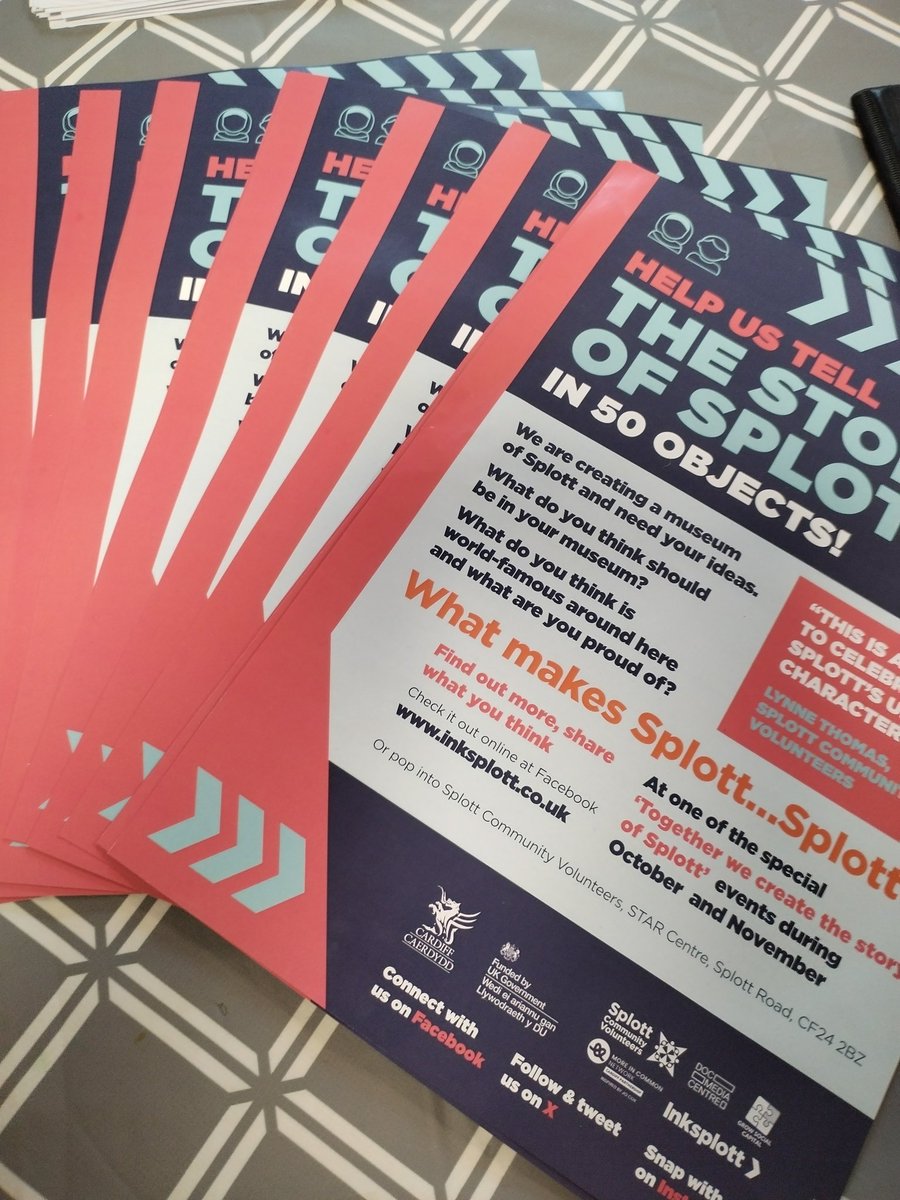
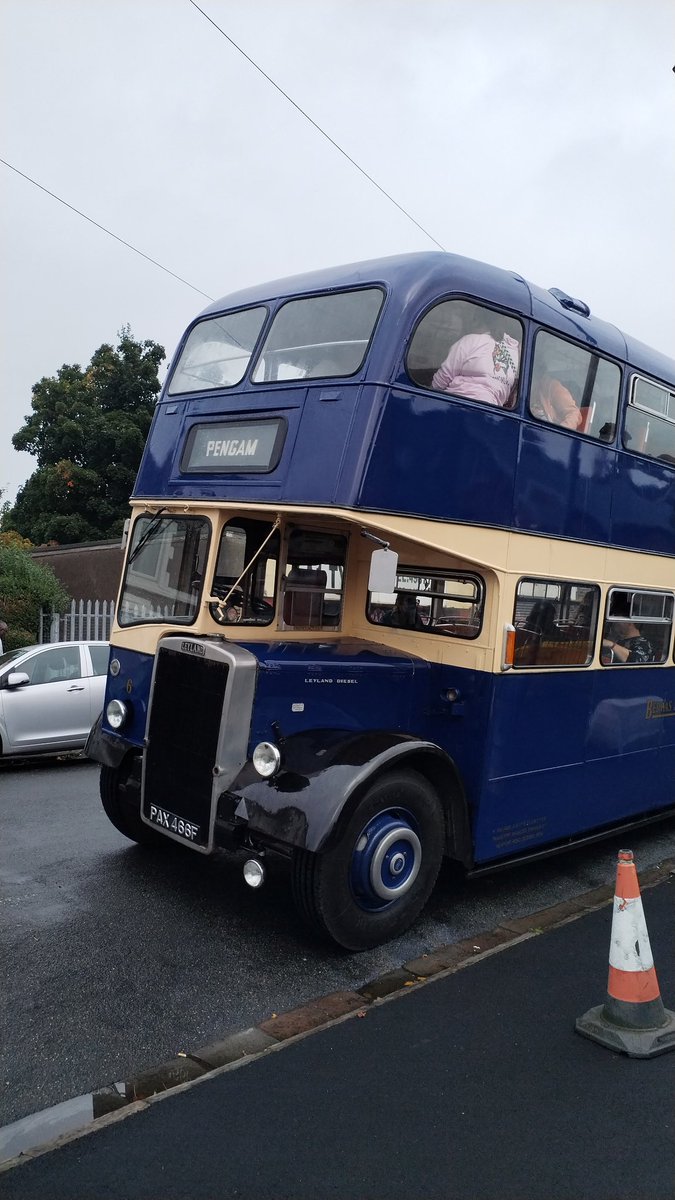
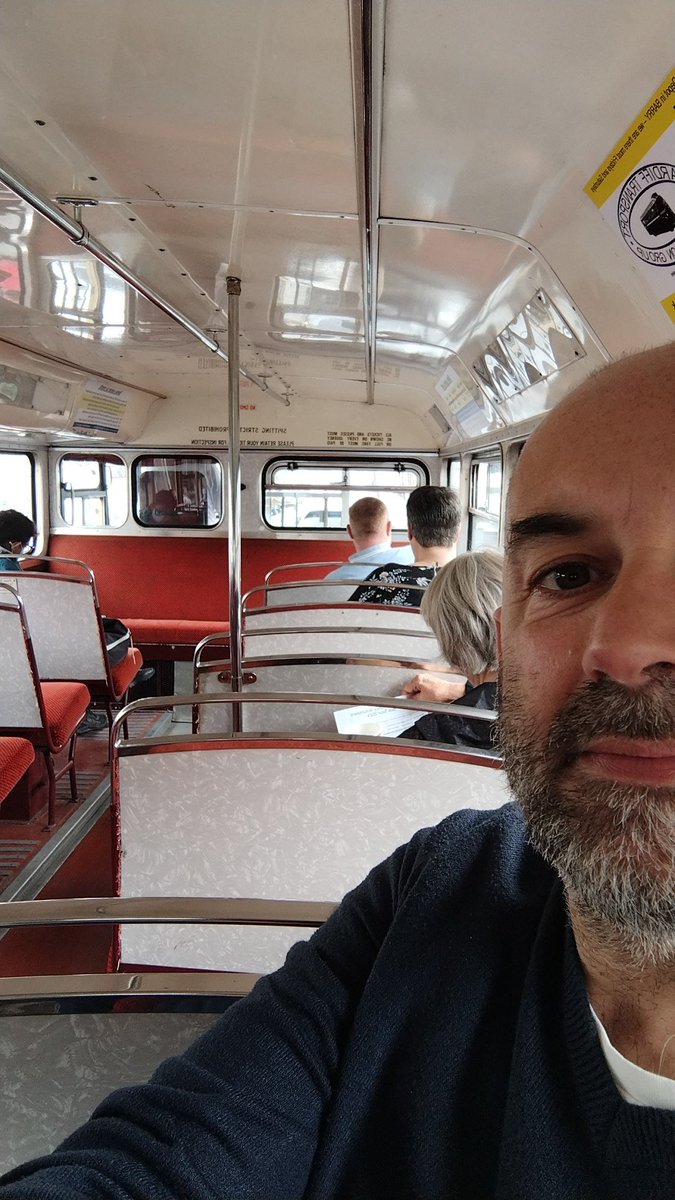
Spending the day with @splottcommvols co-curating items to go on The Story of #Splott in 50 Objects
1
62
11 Sep 2024
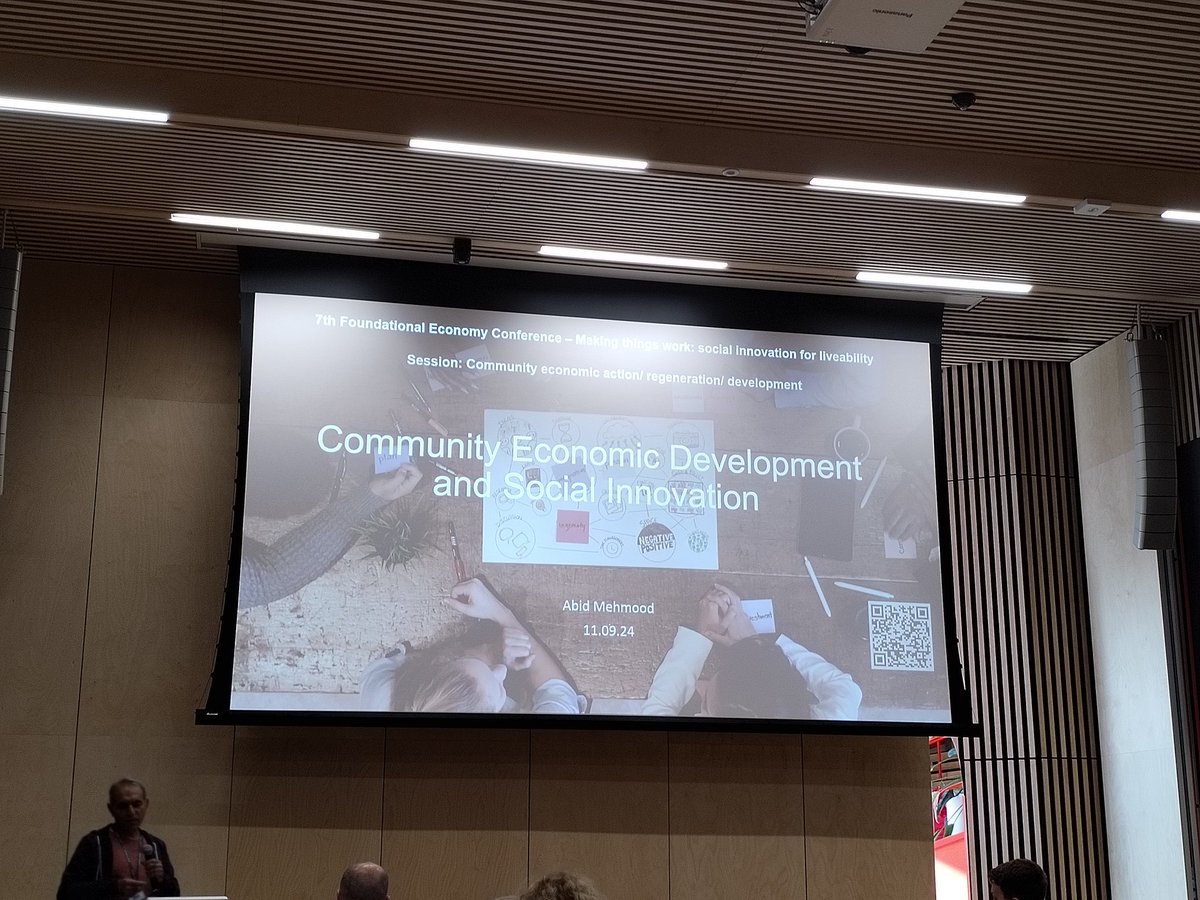
Looking forward to this at the @wiserdnews Foundational Economy conference this morning
1
3
145
Grow Social Capital CIC retweeted

4 Sep 2024
There is a deficit in our media, where control of the platforms we depend on to inform us about the world and each other, are increasingly distant and far removed from the places that we live. In this episode I share some thoughts about how and why this matters, and where we can begin to rebalance our media decentred.co.uk/decentered-m… #democraticdeficit #mediareform

3
2
305
4 Sep 2024
Hard agree
4 Sep 2024

Libraries important for human contact, Children's Laureate says. bbc.co.uk/news/articles/cm2n…
2
3
137
18 Jun 2024
Join us for:
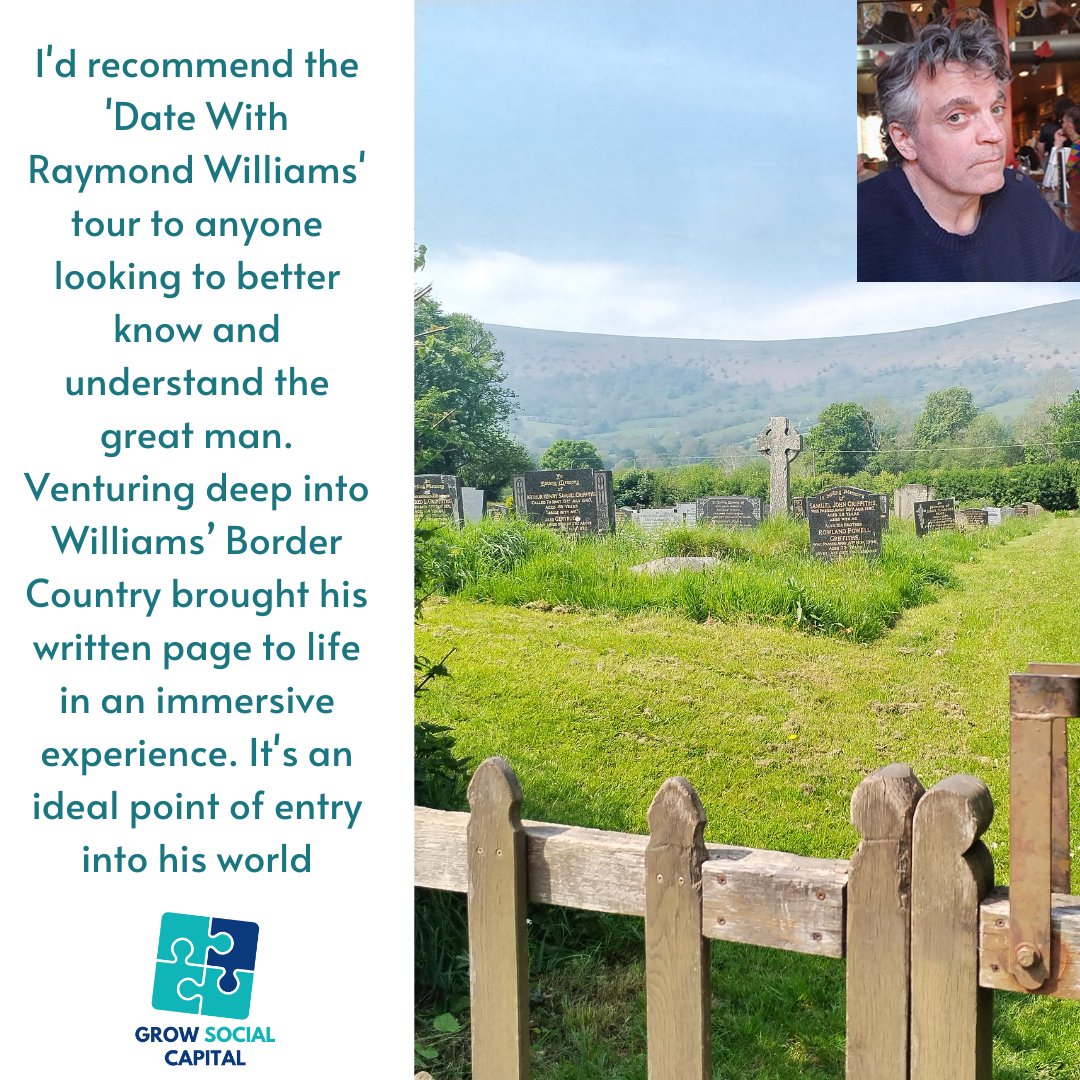
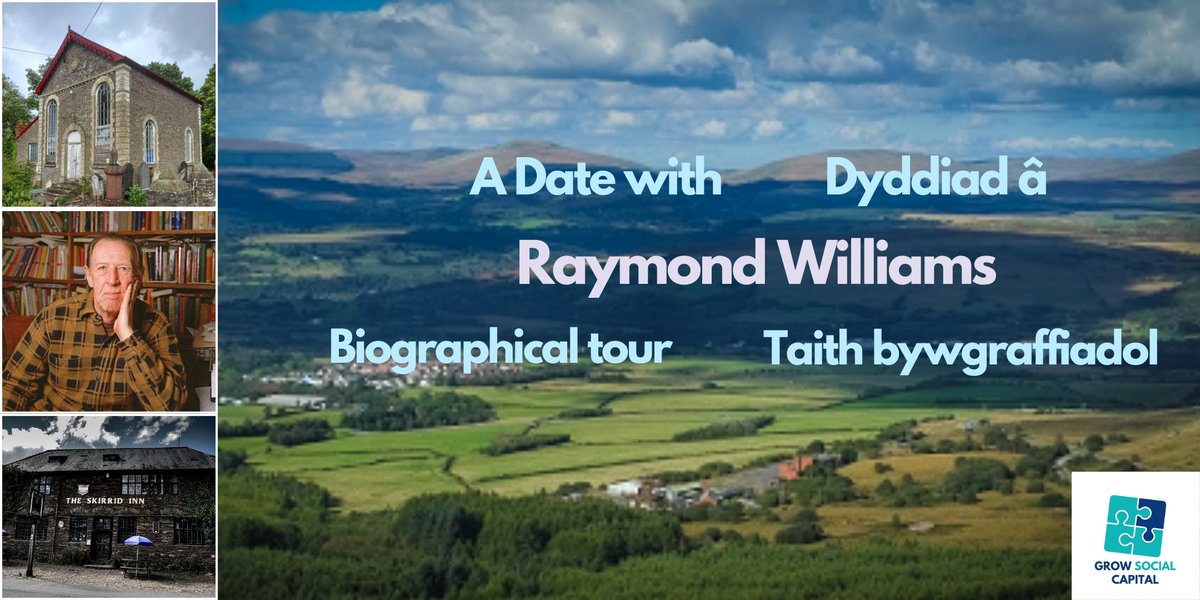
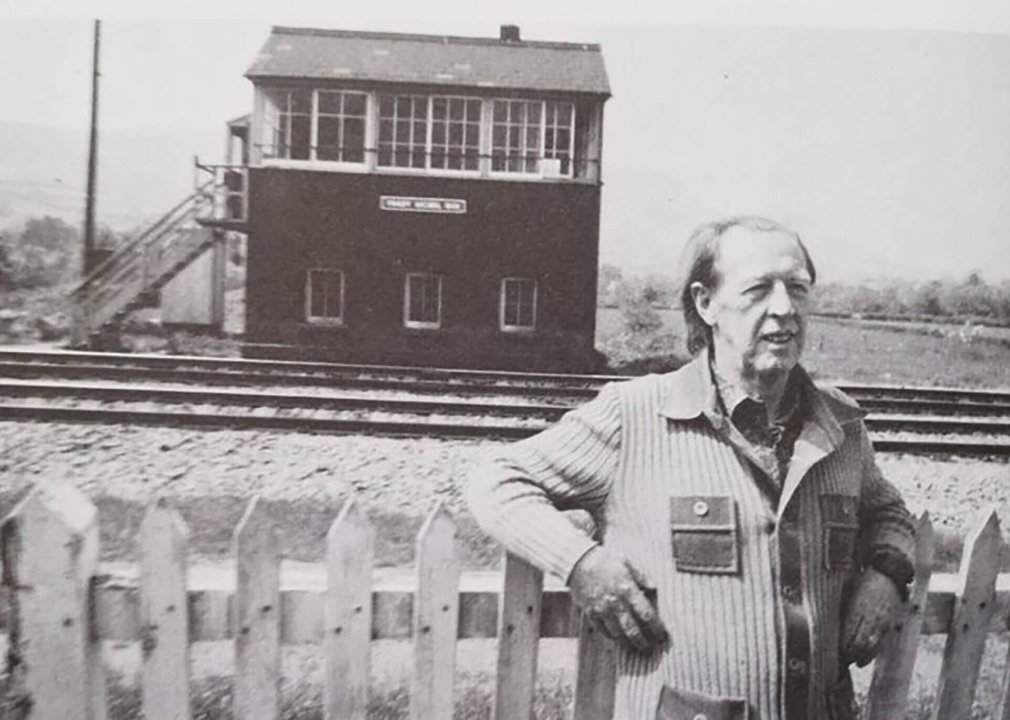
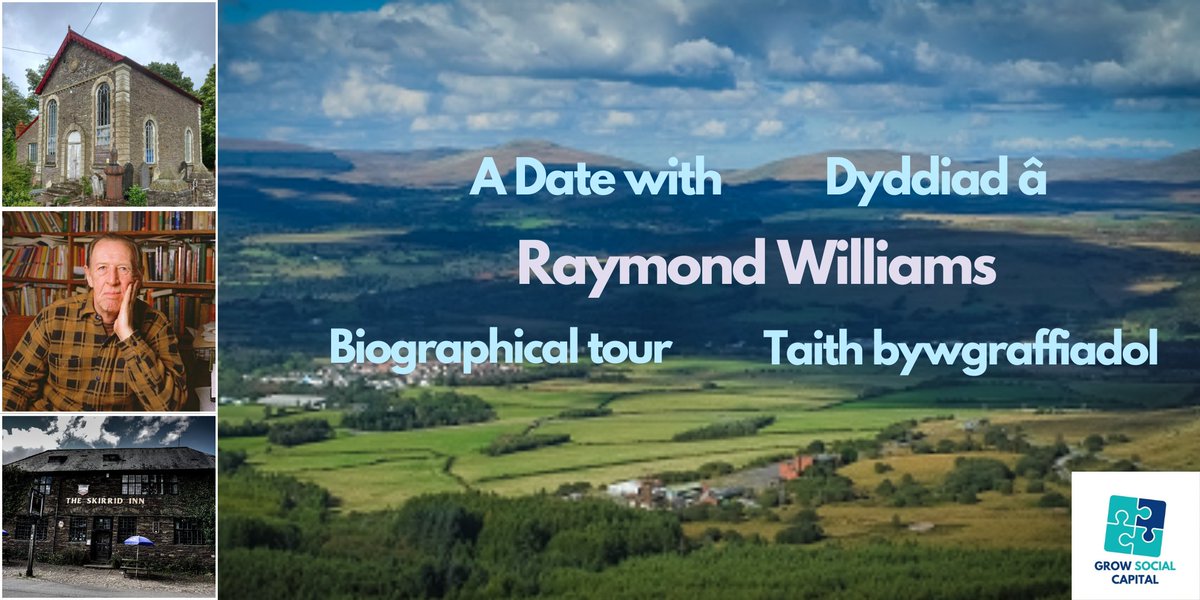
A Date with Raymond Williams
A leisurely biographical tour of Williams's 'Border Country', taking in the key locations that shaped his life, work and writing
*Only one date on 2024*
27 September
eventbrite.com/e/a-date-with…
3
5
4
1,924
30 Aug 2024
@CwmniBro @Y_Pengwern
Roedd hwn o ddiddordeb i bobl a oedd ar Faes yr @eisteddfod. Allech chi rannu gyda phawb?
1
73
22 Aug 2024
Here's a testimonial from Black Hawk Hancock, Associate Professor of #Sociology at @DePaulU in #Chicago about our #RaymondWilliams biographical tour
eventbrite.com/e/a-date-with…
35
21 Aug 2024
Hear hear esp. the paragraph:
"invest in integration with shared activities that bring people together, both to remember our pasts & our heritages, but partic. to look forward to the future"
We're doing this, albeit on a tiny scale & in but one district of Cardiff later this yr
7 Aug 2024

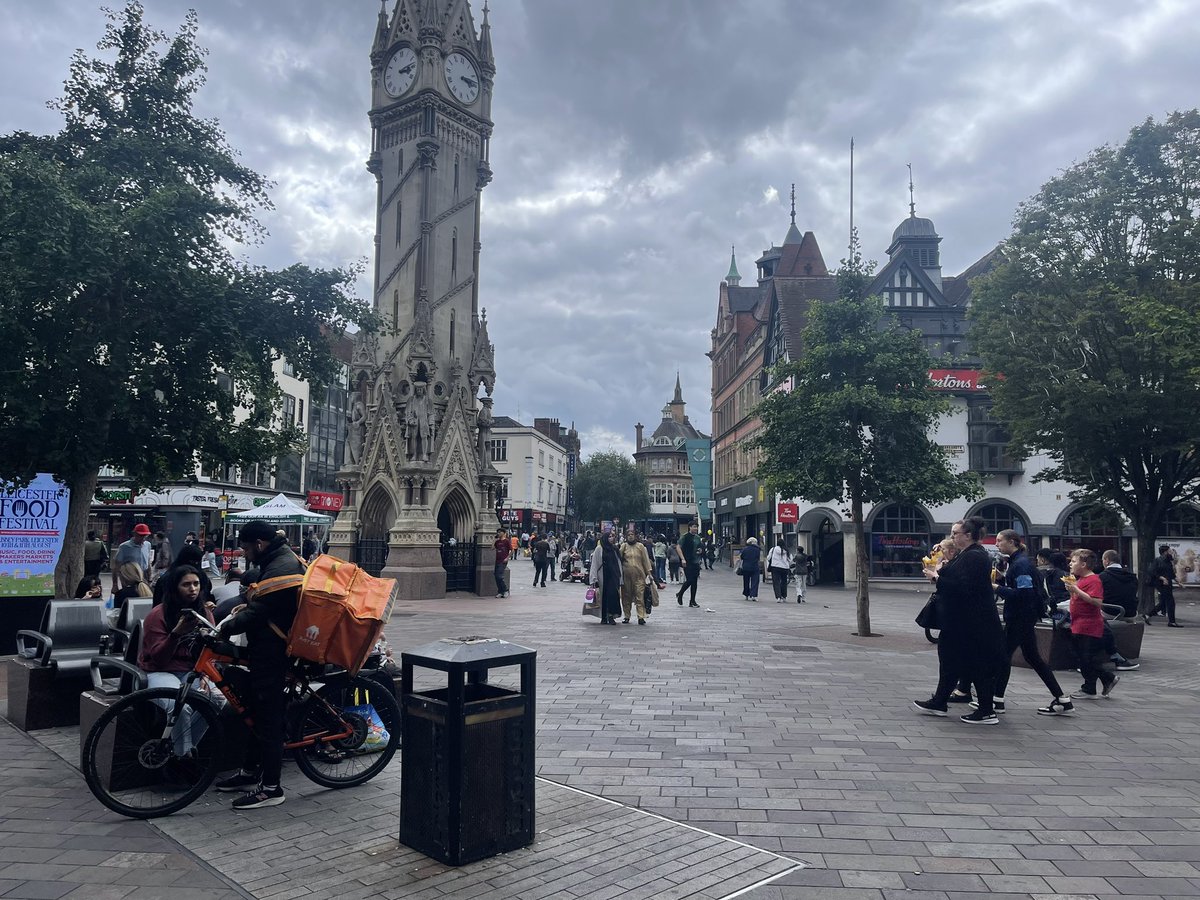
I’ve lived in and around Leicester for over thirty years. A lot has changed, with a significant change in the population over the last three years. The city centre is increasingly diverse, notably with more people from West Africa, South East Asia, Eastern Europe and the Eastern Mediterranean.
The city is much more welcoming to families, both old and young, and it was great to see so many people enjoying their time together and relaxing.
Imagine how dynamic and creative places like Leicester will be in five and ten years time if we invest in integration with shared activities that bring people together, both to remember our pasts and our heritages, but particularly to look forward to the future.
A lot of support will be needed so we can embrace the challenges and responsibilities of the future as citizens, developing positive and shared solutions that leave no one feeling isolated or abandoned.
2
96
20 Aug 2024
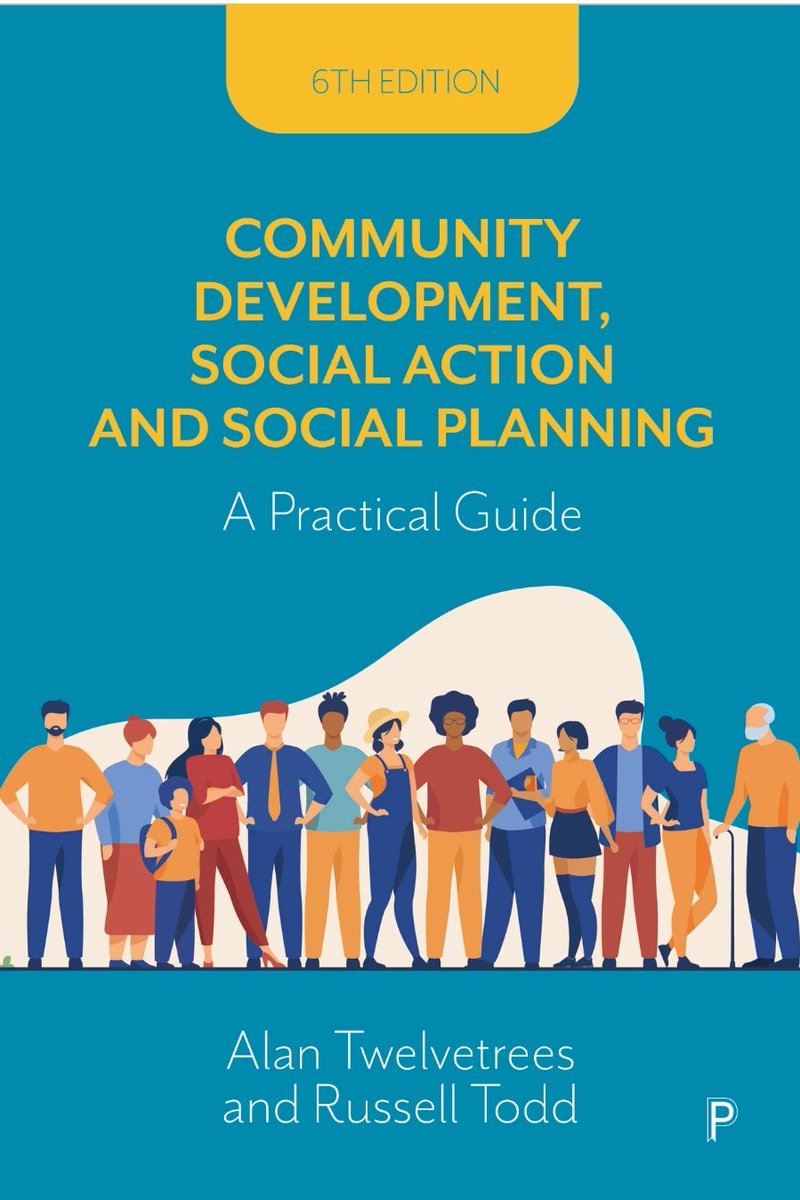
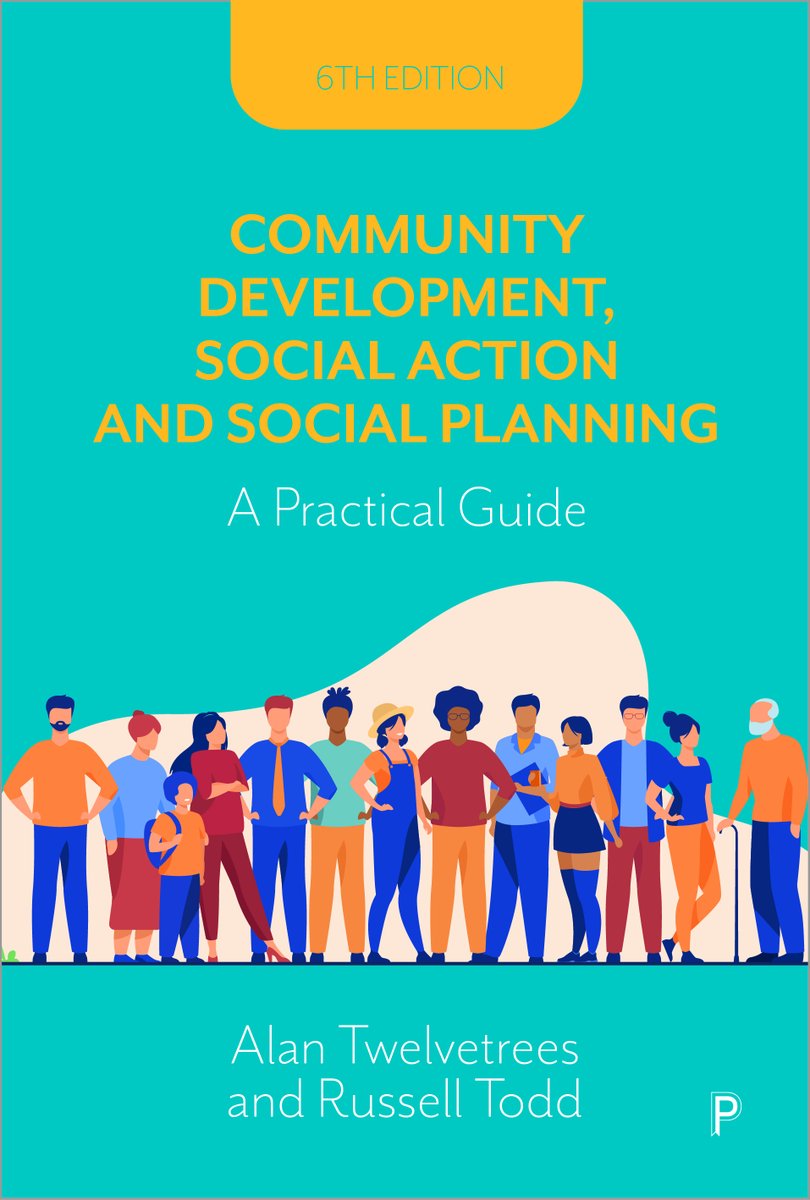
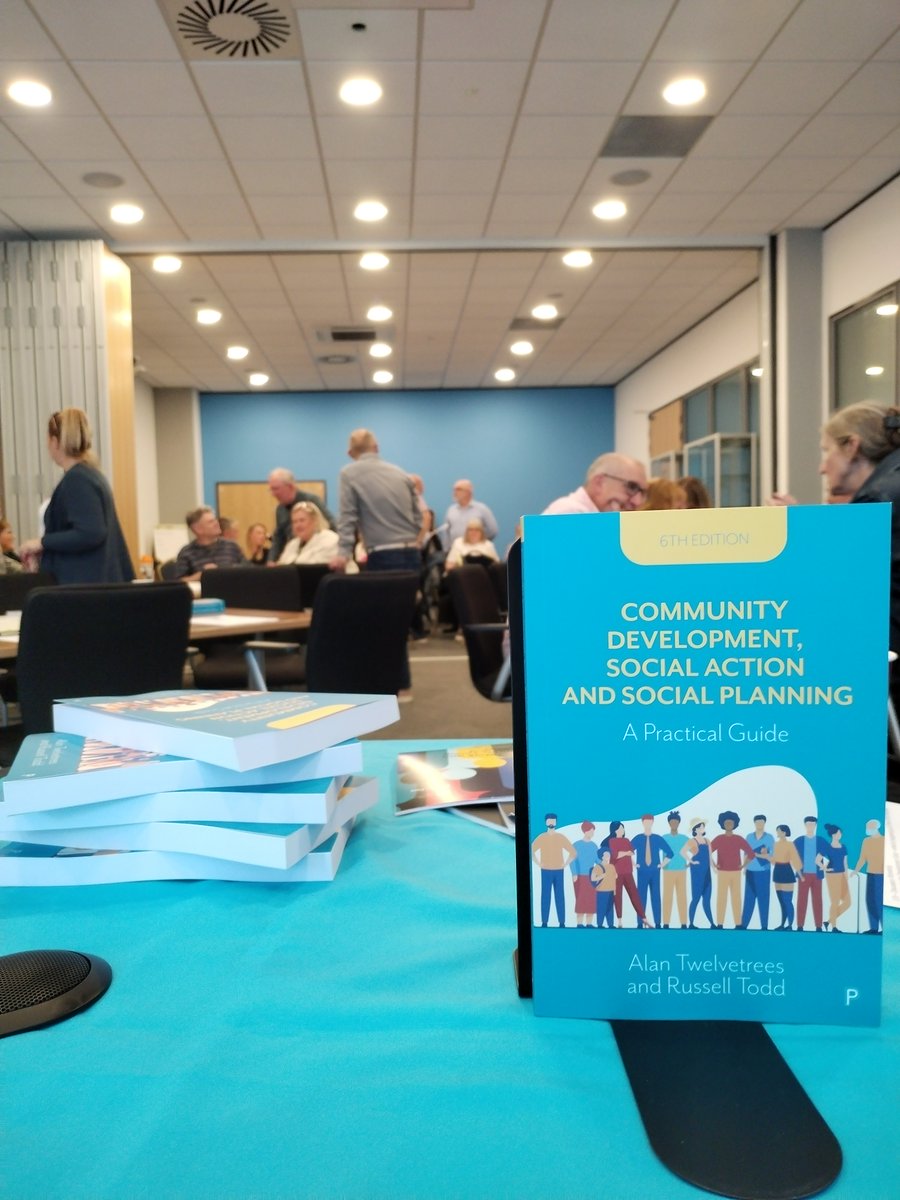
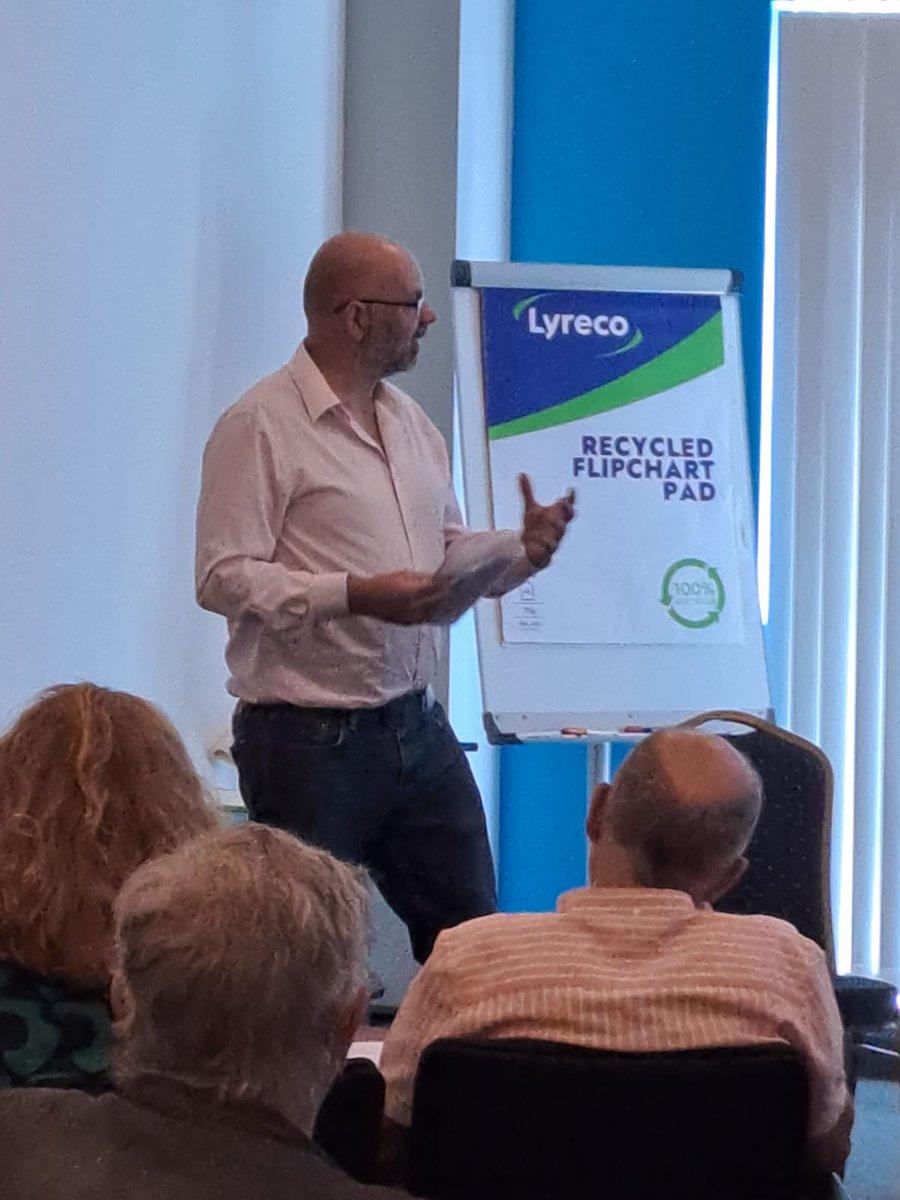
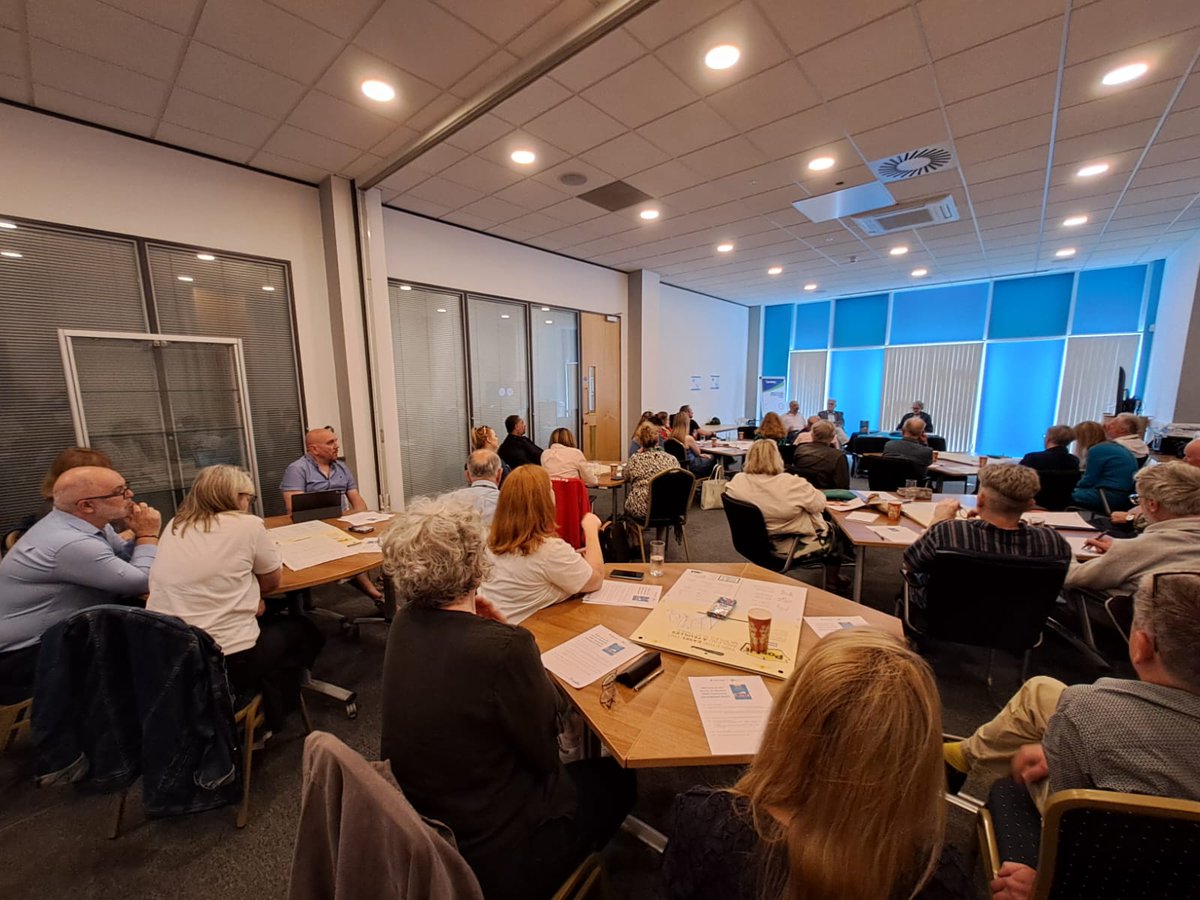
We're hugely proud of our @llannerch for the publication of his & Alan Twelvetrees' brand new book on @policypress
#CommunityDevelopment, Social Action & Social Planning: A Practical Guide
It includes many references to #socialcapital
Get it here
policy.bristoluniversitypres…
1
1
122
Grow Social Capital CIC retweeted
10 Aug 2024
This is the interesting challenge, because that is the assumption that is often made. My experience of living in Leicester, however, is that the high-levels of immigration are not well integrated.
Leicester does well not to descend into antagonism (though it does happen), can be a foreboding and isolating experience for anyone, and the risk of sectarianism is pretty high these days.
From my experience wandering around the city centre is that the spaces and places where people interact the most are places like TK Maxx, Primark and the supermarkets.
I don't go to pubs, I tend to go to cafés, but there is not a lot of interaction in these places between people who have different cultural and social expectations.
Leicester has not had an active social cohesion policy since the start of the 2010s. So its hard to know what is working and what isn't. As @rakibehsan has said, the multicultural model certainly isn't fit for purpose.
There has been a strong focus on 'bonding' social capital in Leicester, where people come together around their heritage identity and build tight-knit social activities.
There is less focus, however, on 'bridging' social capital, that otherwise enables people to interact across different groups.
I suppose it is easier to let water flow downhill and see where it pools!
This is definitely a generational thing, and a class thing.
Spend any time in the City Centre, and its esy to spot the dividing lines. Greggs has a good spread of customers from different communities, but it is mostly working class. John Lewis, is much more defined by shoppers who visit from outside the city, i.e. the white British population.
Cultural institutions like Curve Theatre and Phoenix Arts Cinema, for example, tend to follow the money and draw together a predominantly older white British audience, who travel in to the city, then travel out again.
Unfortunately, while our local universities talk-the-talk about being engaged with Leicester as a place, it feels like they do it from on-high and at a distance. They do drive-by analysis, as most people employed at these institutions don't live in the city. A few do, but not many.
Where are the large-scale ethnographic, sociological and cultural studies taking place by UK academic institutions that can track and account for the many changes we are seeing and living through.
UK universities are too busy chasing international research projects. They know more about what is happening in South America, or Southern Africa, with their efforts to decolonise in the name of the 'global majority', but they don't have a clue what is happening on their doorstep.
I need to understand this, because the work I do to support #communitymedia is dependent on having a functional, practical and pragmatic model and evidence base.
The best I've found is @BelongNetwork and the work of @TedCantle, @growsocialcapit @thepl_network
I support @soarsounduk and @radiolearUK with the aim of promoting intercultural engagement for social cohesion, among other factors.
I'm not really interested in how things were in the 1980s (though that is important to acknowledge and understand), I'm more focussed on what things can be like in the 2030s and 40s, as emerging generations come to the fore, and different media platforms enable them to interact in different ways.
We need to be investing in new forms of meaningful and symbolic spaces, as cultural and social institutions, so we can meet the needs of the future.
As @HFreinacht puts it - and I endlessly repeat - "after the deconstruction must come the reconstruction."
I would add, post-modernism doesn't really do community development...
1
4
416
19 Aug 2024
Just a couple of weeks until Prof. Black Hawk Hancock from DePaul University in Chicago arrives in Wales as a guest
We'll be collaborating on a @fulbrightprgrm research project 'Knowable Communities Need Knowable Neighbours' in and with communities in #Cardiff
52
9 Aug 2024
Lots of interest at the @eisteddfod in our Raymond Williams biographical tour
Visit the locations of his formative years that influenced his novels, non-fiction writing & his thinking
Friday 27 Sept
eventbrite.com/e/a-date-with…
@CwmniBro @CymunedoliCyf @CommEnergyWales @BCTWales
4
4
193
Grow Social Capital CIC retweeted

31 Jul 2024
Check out my latest article: The real story of Yorkshire Day linkedin.com/pulse/real-stor… via @LinkedIn #YorkshireDay #YorkshireDay24
1
1
257
Grow Social Capital CIC retweeted

11 Jul 2024
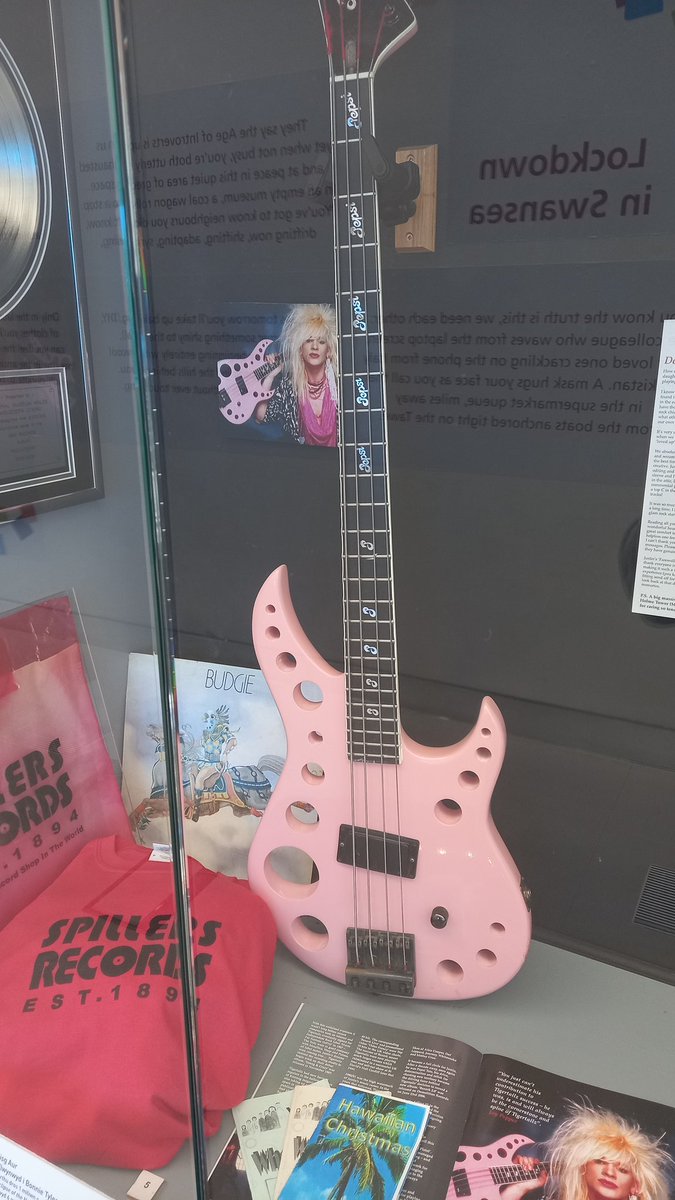
For the story of my hometown of Dinas Powys in 50 Objects, I'd include:
Pepsi Tate's @TailzOfficial bass guitar
Iron age hillfort
Castle
John Bwlch-llan's History of Wales
The Star Inn where @CardiffCityFC's 1927 @FACupFinal winning team were honoured w/ a sausage & mash supper
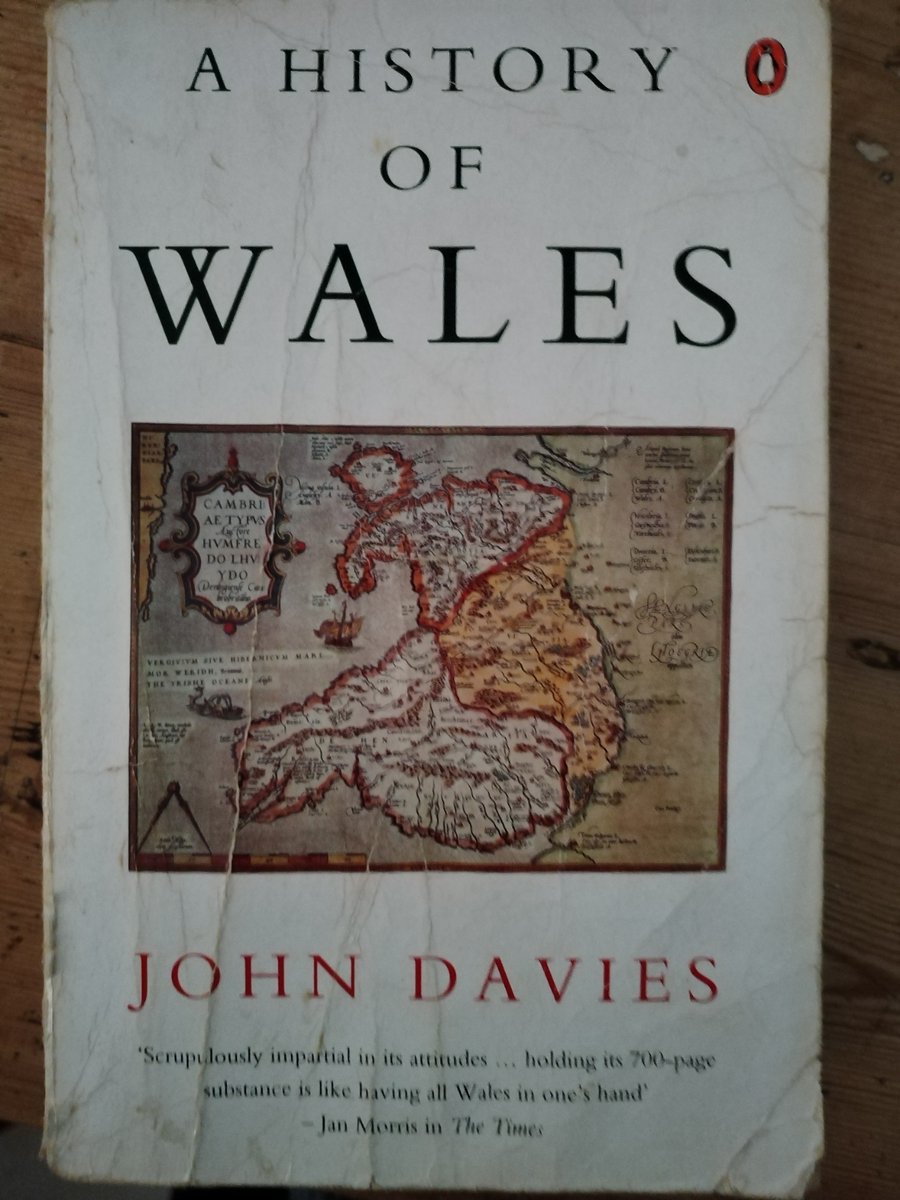
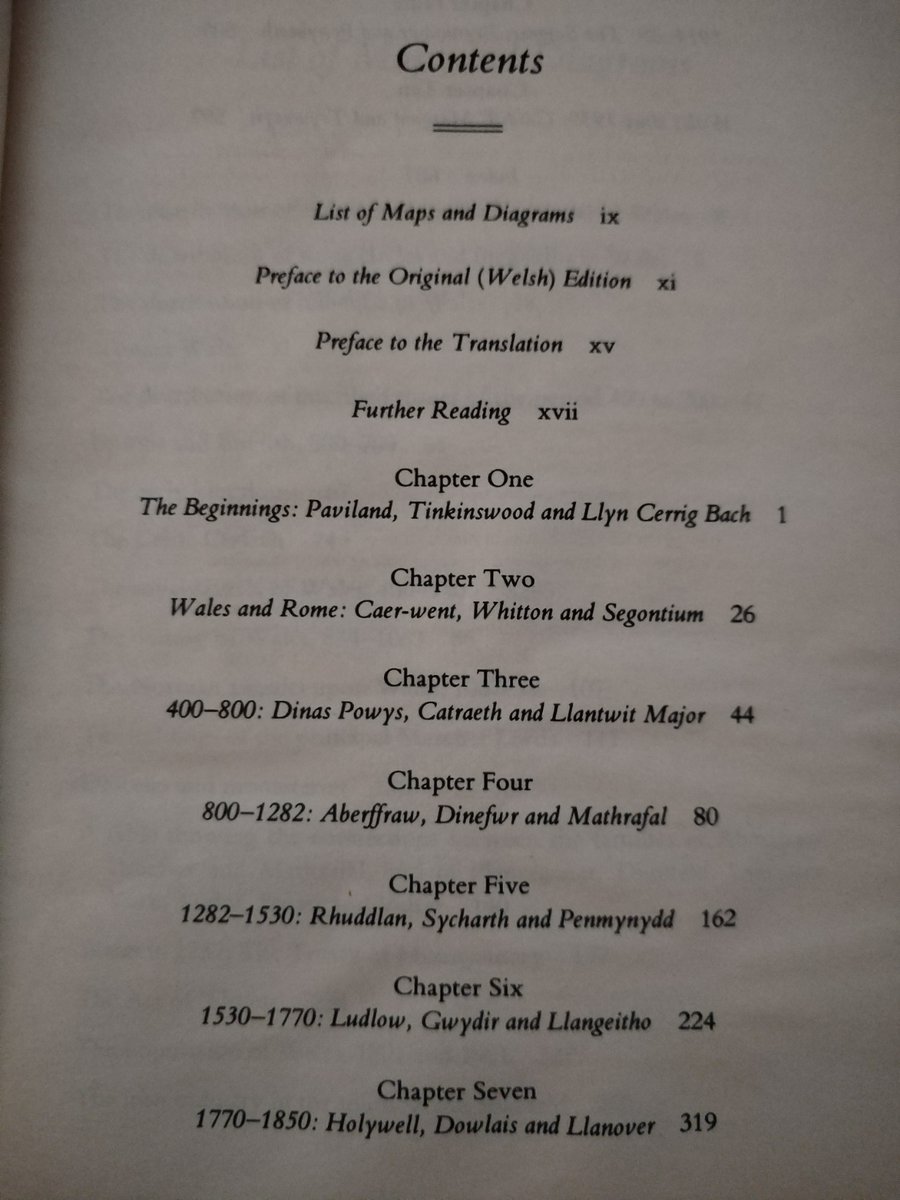
10 Jul 2024

If you were to tell the story of your community, which 50 objects - buildings, people, events, wildlife, cultural motifs...scandals! - would you choose?
1
2
4
522
Grow Social Capital CIC retweeted
10 Jul 2024
If you were to tell the story of your community, which 50 objects - buildings, people, events, wildlife, cultural motifs...scandals! - would you choose?
9 Jul 2024
Lovely day spent in #Splott with the wonderful @splottcommvols, @BeMoreSquirrel & @inksplott discussing
The Story of Splott in 50 Objects
Email us to know more and to get involved hello@growsocialcapital.org.uk
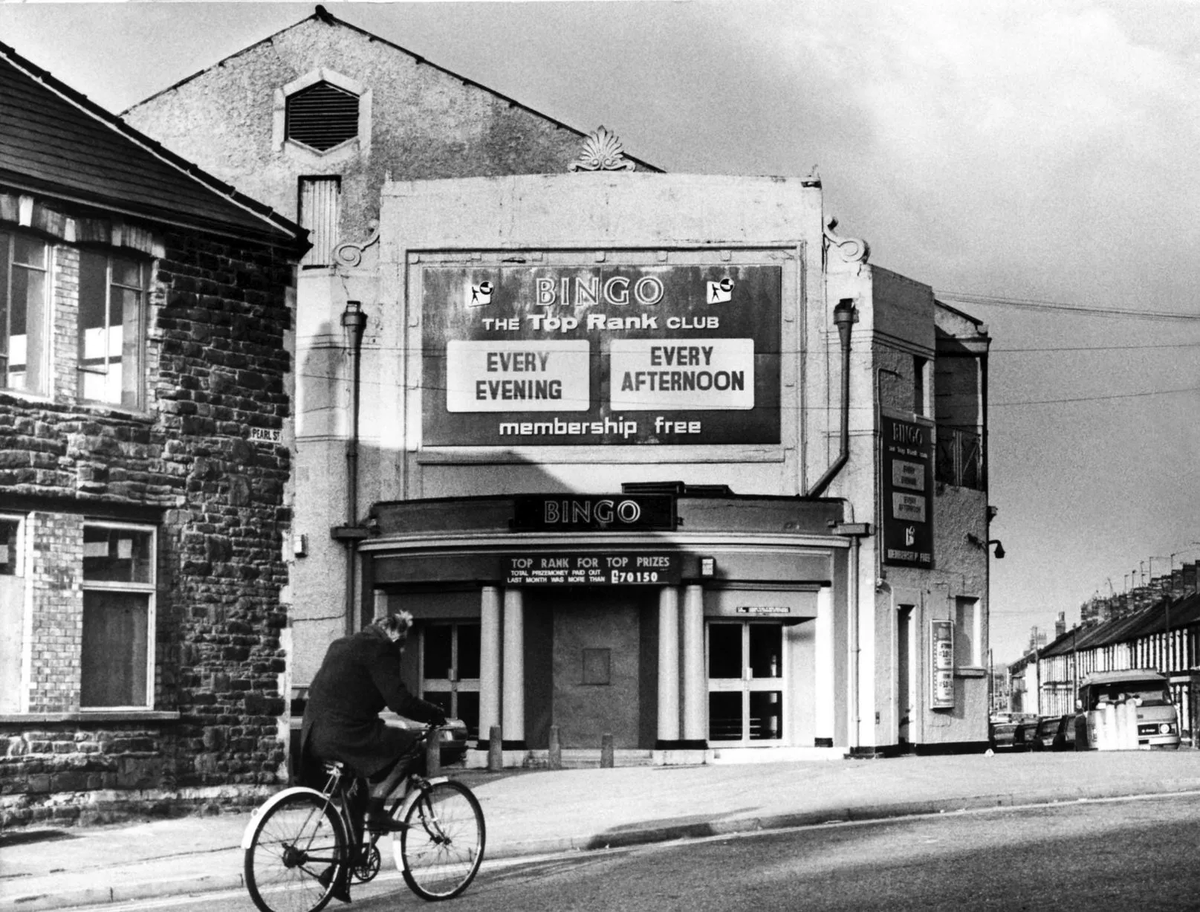

3
4
788