
Indie game developer, graphics programmer, occasional artist. Working on @fadedthegame and a GPU lightmapper (aka Bakery) to use with it. #NoWar ☮️
Joined November 2013
- Tweets 8,771
- Following 508
- Followers 11,168
- Likes 35,350
894 Photos and videos

Pinned Tweet

8 May 2022
I guess it's time to update my pinned post.
Hi, I'm Mr F.
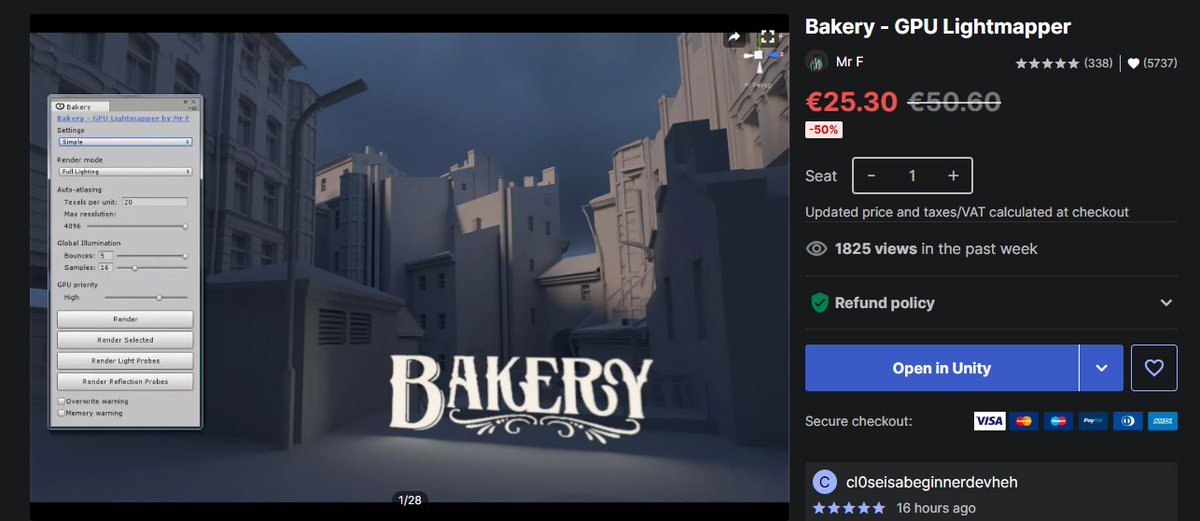
I work on Bakery, the GPU lightmapper: assetstore.unity.com/package…
I also work on Faded, my game: x.com/fadedthegame
Also other stuff: ndotl.wordpress.com/cv/
I'm against the war: ndotl.wordpress.com/2022/03/…
5
10
176
Jun 10
I will be in Berlin and around, starting next week (and until the end of June)!
Anyone wanna hang out? :D
2
6
1,130
Mr F retweeted

Not sure how useful, but you can't argue with the satisfaction
74
84
1,775
134,752
Mr F retweeted

まるで本物の森に迷い込んだよう。
白駒池の苔の森3DGS [20M Splats]
5,500枚の写真から生まれた超高精細3D Gaussian Splattingデータです。 倒木の苔のフワフワ感、登山道の空気感まで再現。
SuperSplatを使って、PCやスマホからこの美しい登山道を歩いてみてください!
URLはこちら👇
4
43
306
24,621

Mr F retweeted

May 26
New Post: Adaptive Compute Tessellation. Taking the tess pattern from the previous post and turning it into a WebGPU demo.
filmicworlds.com/blog/adapti…
3
45
227
14,027
Mr F retweeted

May 25
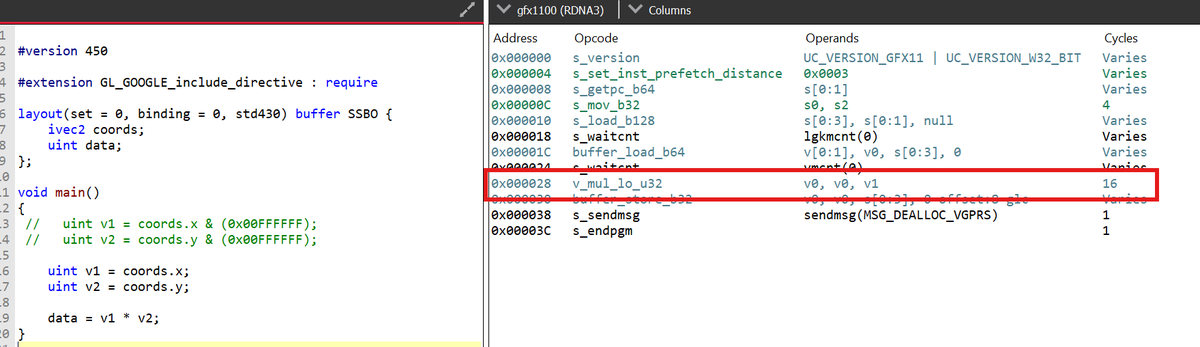
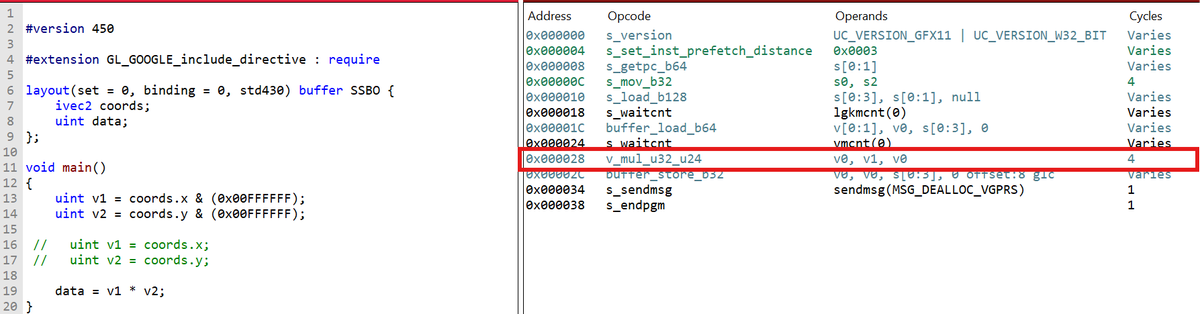
On some GPUs (eg GCN/RDNA) 24bit integer muls/mads are 4x faster than 32bit ones. 24bit instructions are not exposed in HLSL/GLSL but you can encourage the compiler to use the 24bit intrinsics by zeroing the 8 most significant bits, if the range allows it, for faster integer ops.
9
26
227
15,516
May 25
Do YOU need a Linux version of Bakery? Let's see how many people want it :D
Ronlaws86 on Unity forum created a poll:
discussions.unity.com/t/linu…
10
10
62
15,973
May 23
...what is going on with the lighting there, it looks close to a tinted albedo pass in the remake
May 23

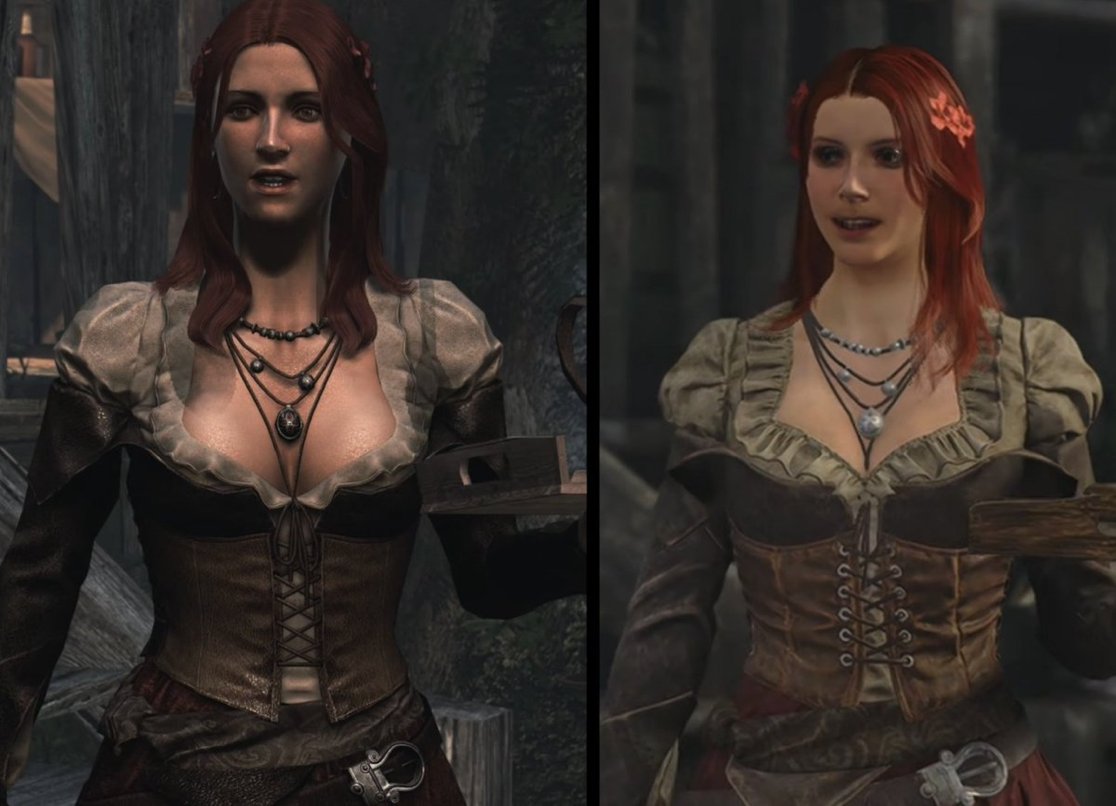
Ubisoft is getting backlash over Anne Bonny in Assassin’s Creed Black Flag Remake.
In the original 2013 game, Anne Bonny had a bold outfit with cleavage that matched her tough pirate style, but in the remake her top is much more covered.
They probably hired a consultant to adjust for modern audiences.
Fans are angry because they say Ubisoft censored her look and only changed her clothes while leaving everyone else the same.
If it’s not a big deal, why change it
6
63
6,200
Mr F retweeted
May 22
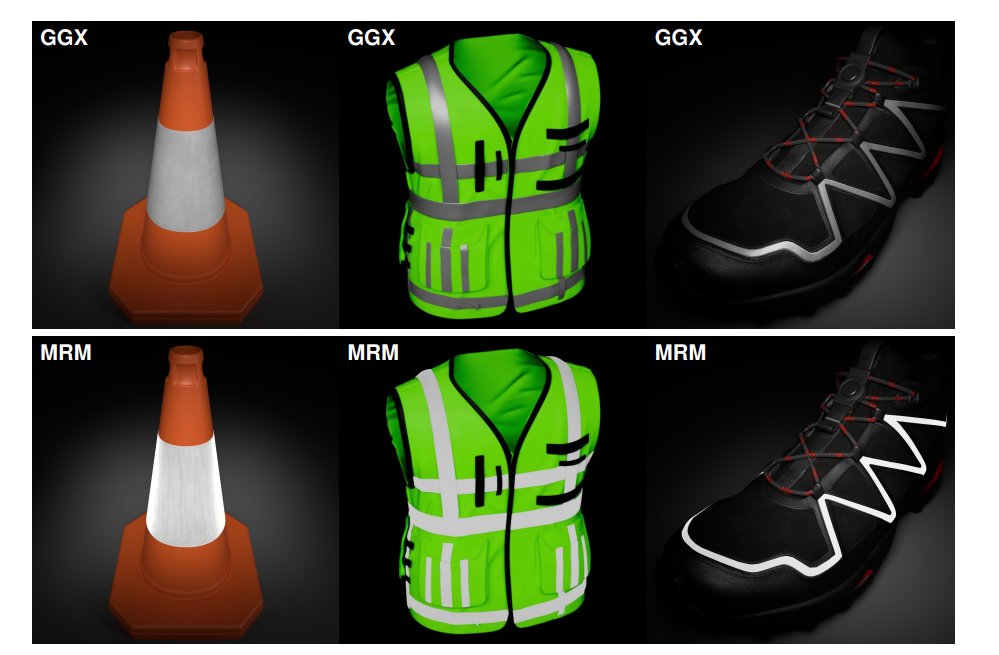
The Minimal Retroreflective Microfacet Model jcgt.org/published/0015/01/0…
5
52
478
20,396
Mr F retweeted
May 17
New Post: Triangle Tessellation with Clamped Parallelograms. The key idea is to use float tess factors like Dx11 tessellation but replace the pattern to be straighter and more stable. Also includes an MIT licensed web viewer for reference.
filmicworlds.com/blog/comput…
1
32
123
12,483
May 19
On all-realtime vs all-baked debate (imho):
- Depends on the game. Teardown is one thing, CoD is another. Different tradeoffs for different gameplay.
- Depends on the place. Many games mixed different approaches for interior/exterior. (thread)
May 18

Lumen looks slightly worse, since it calculates the lighting at runtime. Offline cooker can afford to spend much more CPU/GPU time for baking a single static lightmap/volume. Lumen is also slower at runtime for the same reason, but avoids multiple hour cook and 100GB game size.
4
5
91
8,400
May 19
- The argument of "offline baking is slower 'cause you pay for very high-quality tracing unlike RT" is a bit weird to me. You can bake with Lumen-like quality too if you wanna (less samples, more reliance on denoising). You can also iterate with lower samples & finalize with high
2
13
801
May 19
- any baking system also must have an RT preview so you don't tweak your lights blindly and then wait. For Bakery it's the RTPreview plugin. I can't imagine working without it myself really.
2
12
765
May 18
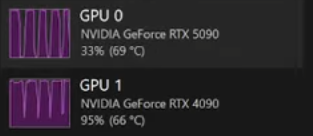
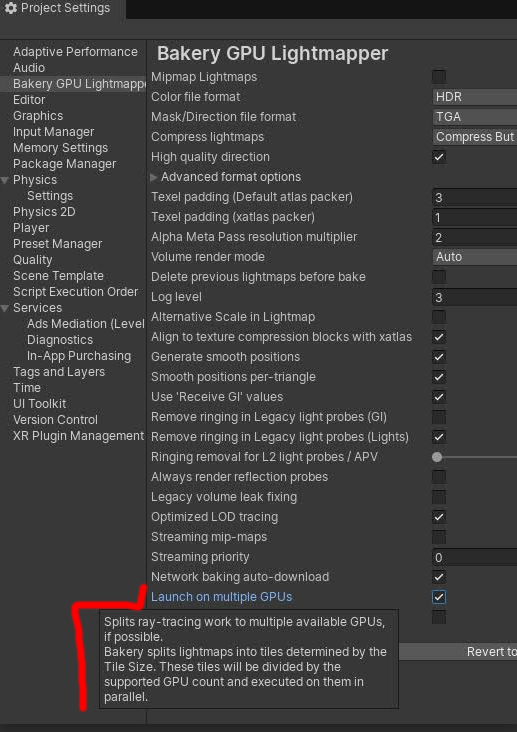
Updated Bakery's new OptiX9 version to support baking on multiple GPUs in parallel (on github). Currently only affects raytracing passes (not blend/denoise, but its easy to add later). If you have multiple GPUs, you can try it! (I don't but 1 person tested it successfully so far)
1
1
20
1,968
May 18
This meant that the last year OptiX9 Bakery update didn't have neither driver-provided nor manually implemented multi-GPU support, I just used a simple heuristic to select the most capable GPU in the system. (2/x)
1
2
735
May 18
The new patch actually just spawns a separate process for every GPU and bakes its own part of the lightmap there, which is not the most sophisticated approach, but since baking doesn't have real-time presentation constraints, it actually works pretty well...
1
427