
🔥 Is Power Devolution under JVP-NPP just a Political Daydream?
JVP General Secretary Tilvin Silva has ruled out holding Provincial Council elections this year.
Dr. K. Vigneswaran, former Secretary to the North-East Provincial Council, has bluntly stated that power devolution under the JVP-NPP government is becoming “a political daydream.”
The gap between election promises and ground reality continues to widen.
Will Tamils ever get meaningful devolution, or is it yet another broken promise?
🔗 Full Article: 👇
island.lk/is-power-devolutio…
#13thAmendment #PowerDevolution #JVP_NPP #TamilRights
46
🔥 JVP-NPP-யின் அதிகாரப் பகிர்வு - ஒரு அரசியல் கனவா?
மாகாண சபைத் தேர்தல்களை இந்த ஆண்டு நடத்த முடியாது என்று Tilvin Silva அறிவித்துள்ளார்.
13வது திருத்தத்தின் கீழ் பணியாற்றிய முன்னாள் மாகாண செயலர் Dr. K. Vigneswaran “JVP-NPP ஆட்சியில் அதிகாரப் பகிர்வு என்பது ஒரு அரசியல் கனவு (political daydream)” என்று தெளிவாகக் கூறியுள்ளார்.
வாக்குறுதிகளும் நடைமுறையும் இன்னும் வெகு தூரத்தில் உள்ளன.
தமிழ் மக்களுக்கு உண்மையான அதிகாரப் பகிர்வு கிடைக்குமா? அல்லது மீண்டும் ஒரு கனவாக முடியுமா?
🔗 முழுக் கட்டுரை: 👇
island.lk/is-power-devolutio…
#13thAmendment #PowerDevolution #JVP_NPP #TamilRights
1
63
Nene Nobles retweeted

Jun 9

Orleans Parish Sheriff Michelle Woodfork explains how an OJC inmate was improperly released on May 30>>>wdsu.com/article/orleans-par…
2
6
72

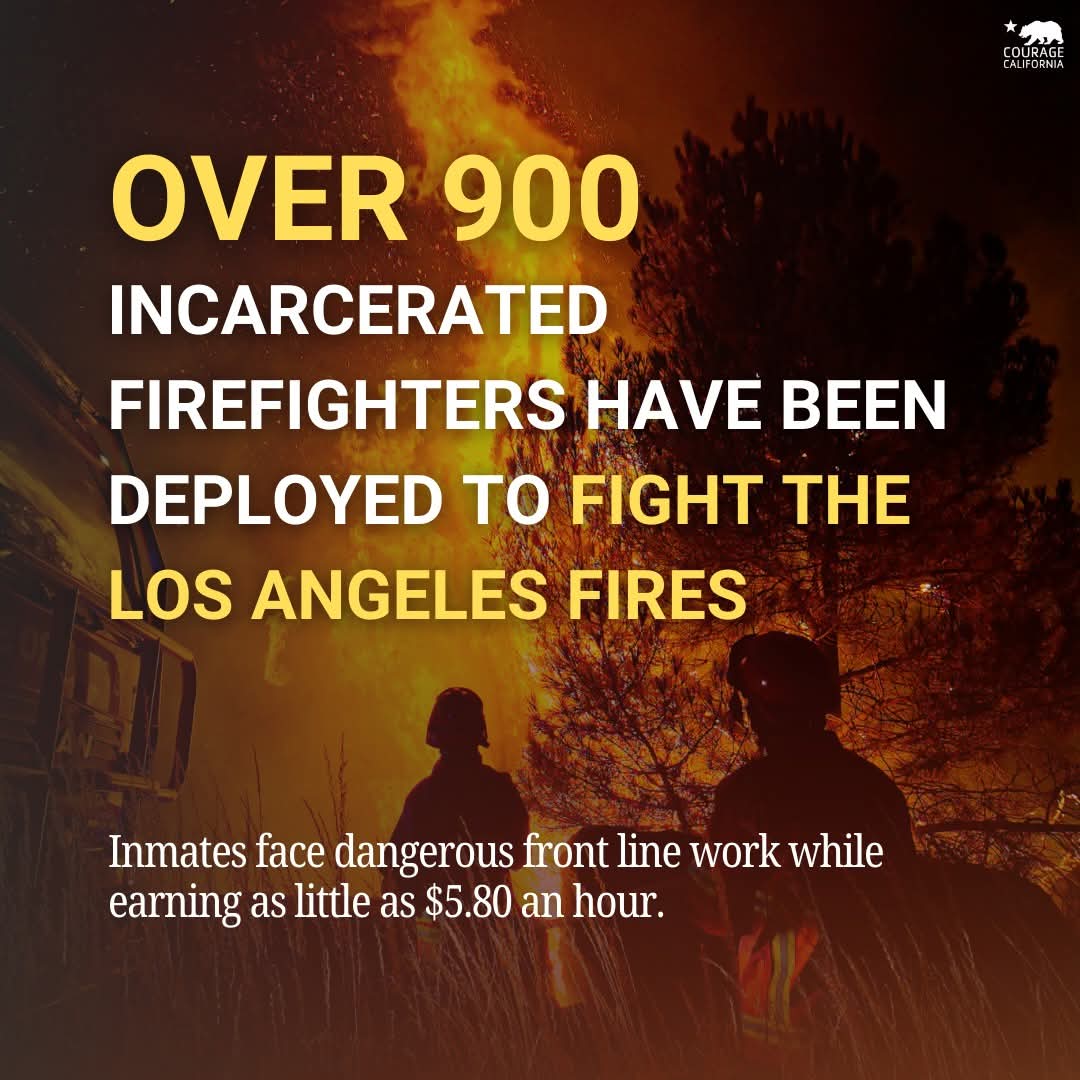
Incarcerated Firefighters Battle LA Fires Amidst Pay and Employment Issues #heroes #beloved #warriors #brave #13thAmendment #slaves #slavery #FreePeople #CriminalizedForProfit #ibipoc
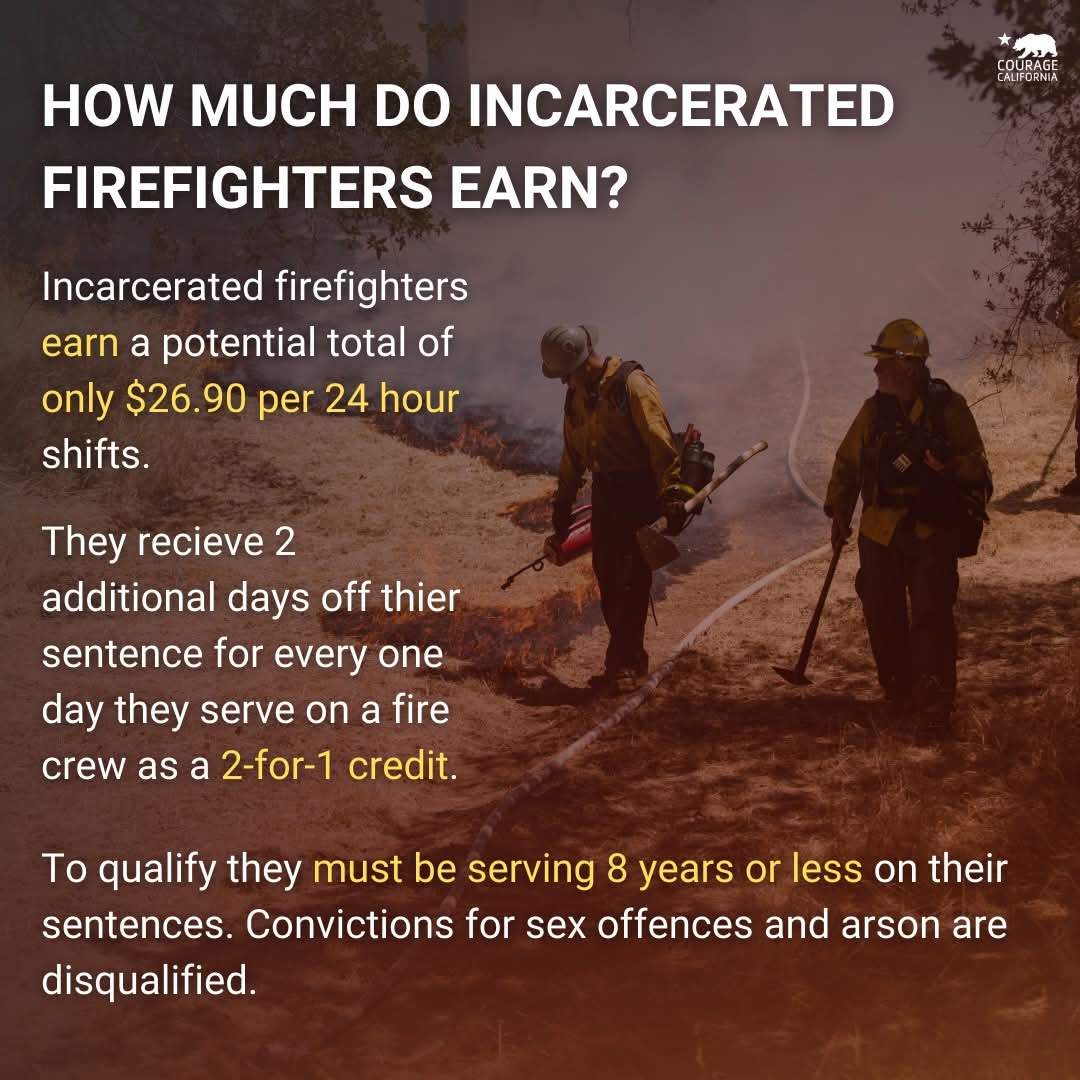
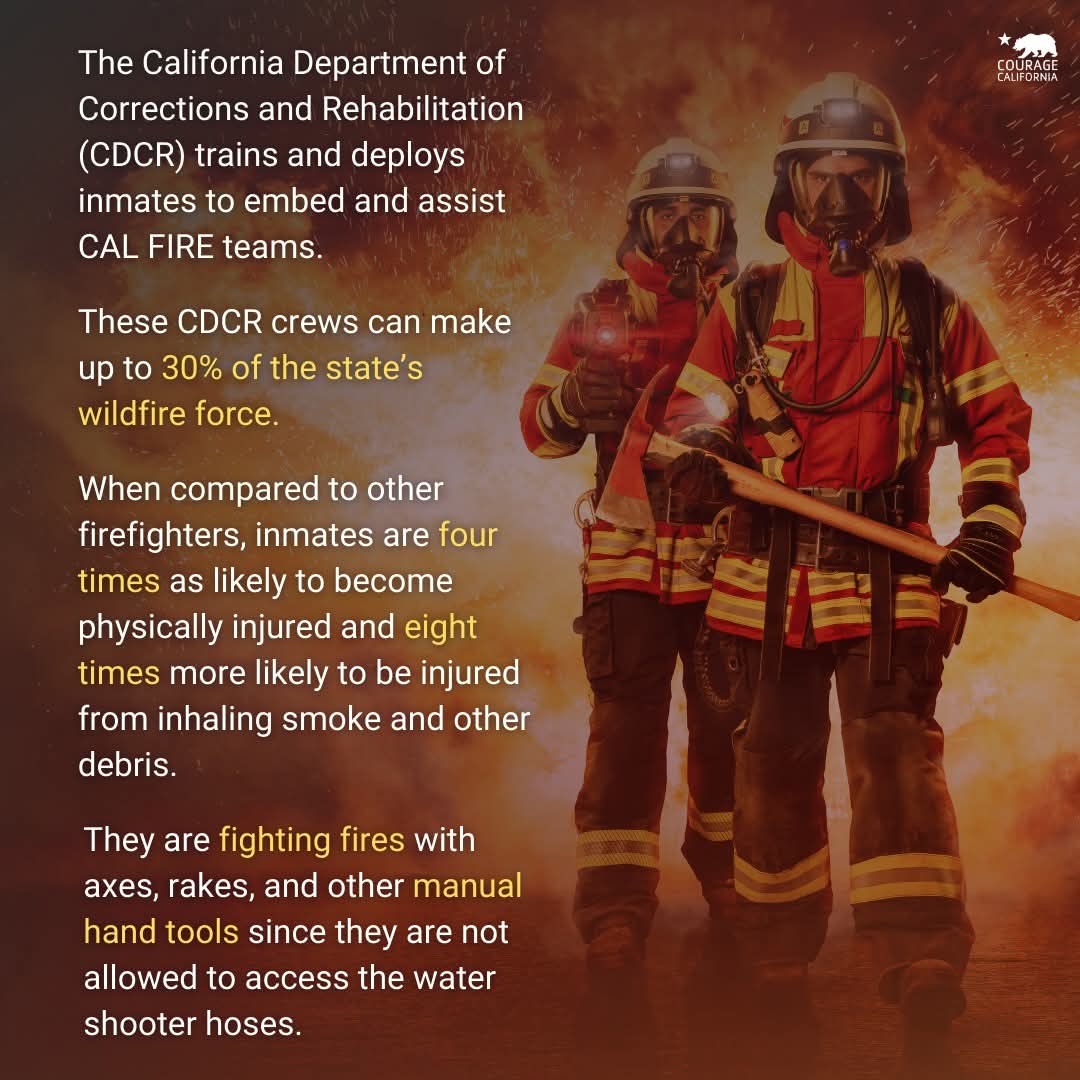
Hundreds of #incarcerated individuals in California are actively fighting wildfires in Los Angeles, making up to 30% of the firefighting force. These inmate firefighters work under harsh conditions for minimal wages, often less than a dollar an hour, and face significant barriers to becoming professional firefighters post-release due to their criminal records. Legal reforms have been introduced to potentially ease these restrictions, highlighting both the contribution and the challenges faced by these unsung heroes.
x.com/i/trending/18787252295…
33
2
718

Ballot inaccessibility is the status quo for Illinoisans, yet we still call it "ballot access." Just like the 13th Amendment supposedly abolished slavery, when all it did was rebrand it. (1/2)
#ballotaccess #13thamendment


1
13
18
216

May 13
The 13th Amendment abolished slavery, except for criminals. This loophole became a tool to criminalize Black people, forcing labor on plantations-turned-prisons. The system persists, criminalizing individuals for profit.
#13thAmendment #CriminalJustice #History
1
1
4
83
May 13
The 13th Amendment abolished slavery, except for criminals. This loophole became a tool to criminalize Black people, forcing labor on plantations-turned-prisons. The system persists, criminalizing individuals for profit.
#13thAmendment #CriminalJustice #History
1
2
62

May 3
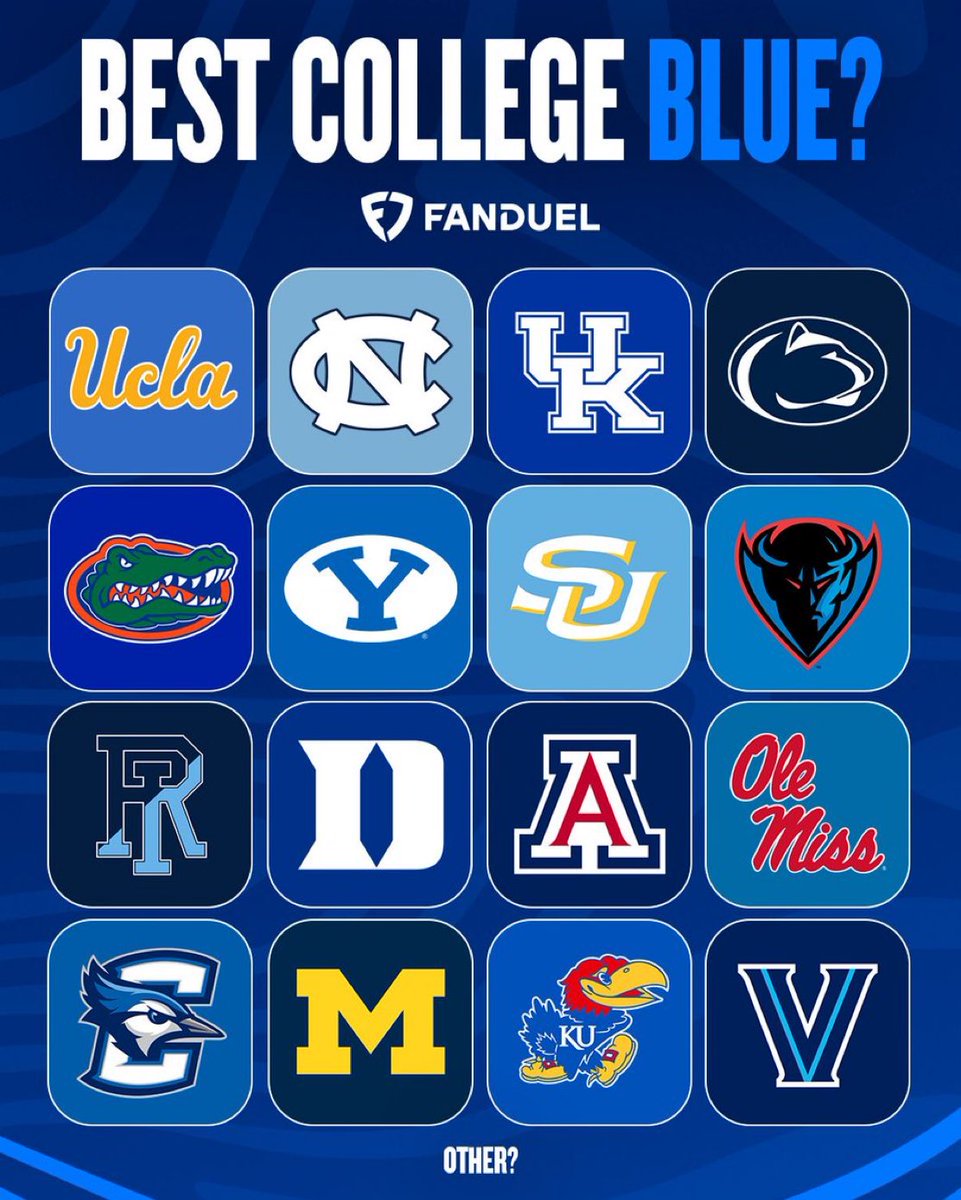
I like to think the Friars will be in an iteration of this
Although I know it won’t happen, not enough black program
#StopTheHate #Equality #13thAmendment

3
877

Apr 8
Absolutely 💯 %!
The Term 'Birthright Citizenship' does not exist in any law, statute, or Constitution in America, and no one in Congess nor the citizenry ever voted for it, for one simple reason, IT'S ABSURD!!!
The #14thAmendment 's Citizenship Clause does not have anything to do with immigration, its 'sole' purpose was to emhance the 13thAmendment in abolishing slavery by Constitutionally making Slaves and their families citizens!
That's it, nothing more!
1
8
66

The current DHS funding lapse isn't just political theater—it's a constitutional outrage that should have every American asking hard questions about involuntary servitude. Section 1 of the 13th Amendment is crystal clear: "Neither slavery nor involuntary servitude, except as a punishment for crime whereof the party shall have been duly convicted, shall exist within the United States, or any place subject to their jurisdiction." During this partial shutdown (now over a month long as of March 22, 2026), Democrats in the Senate have blocked full DHS appropriations, demanding immigration policy concessions while the department limps along. The result: roughly 50,000 TSA officers and other "essential" DHS workers are required to report for duty—screening passengers, manning borders, protecting critical infrastructure—without paychecks. They've missed multiple pay periods already, with no back-pay guarantee until funding resumes. Resignations are surging (366 TSA officers gone so far), airports are seeing hours-long lines during spring break, and frontline workers face financial hardship while performing national security functions. This isn't voluntary. Federal law and agency policy designate these roles "excepted" or "essential"—they must show up or face discipline, including potential AWOL status, loss of benefits, or termination. They can't strike (federal employees are barred from that), can't walk off without consequences, and can't seek other employment without risking their jobs. They're compelled to labor for the government with delayed (or uncertain) compensation. Federal workers raised exactly this 13th Amendment claim during the 2018–2019 shutdown: lawsuits argued that forcing "essential" employees to work without timely pay constituted involuntary servitude. Judges largely rejected the argument, citing precedents that government employment is "voluntary" (you can quit) and that back-pay laws eventually make employees whole. But those rulings strained logic—especially when the shutdown drags on for weeks or months, bills pile up, mortgages loom, and workers have no realistic alternative without destroying their careers. The principle remains: if a private employer told workers "show up or you're fired, but we won't pay you until Congress feels like it," that would trigger labor law violations, wage claims, and likely criminal scrutiny for peonage or forced labor. Yet Congress exempts itself from the same rules it imposes. The Anti-Deficiency Act prevents spending without appropriations, but it doesn't authorize compelling unpaid labor indefinitely. This isn't about "essential" vs. "non-essential"—it's about whether the government can force citizens to serve it without compensation as a condition of their jobs. In any other context, we'd call that indentured servitude. The exception in the 13th Amendment is narrow (criminal punishment); it doesn't include "political impasse" or "budget negotiations." Democrats' refusal to fund DHS fully—while demanding policy wins—has turned essential national security workers into pawns. Republicans have passed bipartisan DHS bills multiple times; Senate Democrats have blocked them repeatedly. The result: unpaid TSA screeners holding the line at airports, Coast Guard members potentially affected, and a department hobbled amid heightened threats (Iran conflict, FIFA World Cup prep, etc.). Enough. End the shutdown. Pass clean DHS funding. Pay the workers. And stop pretending compelled unpaid labor is constitutional just because it's the government doing it. If the 13th Amendment means anything, it means no one—especially not the U.S. government—gets to force people to work without pay under threat of ruin. #13thAmendment
1
2
18

Mar 17
The most precious gift #Russia gave us is the #OrthodoxFaith 🇺🇸🙏☦️ Here the Archbishop of Alaska meets with Putin and they exchange icons of #SaintHermanOfRussiaAndAlaska
I am descended from #ConstantineYpsilanti. His sons appealed for help from the Tzar to obtain independence from the #OttomanEmpire after 400 years of slavery.
Together with other ancestors, #Nikitaras and #Kolokotronis they formed the #ΦιλικήΕταιρεία and thus began the #GreekRevolution
We drew help from #LordByron in Great Britain and a black American slave #JamesJakobWilliams who stowed away on a ship as he was so embittered by the fact Greeks who wrote the Bible were slaves for so long.
Not long after we won freedom and William’s became a national hero word got back to America and on #SaintNicholasDay the #13thAmendment was ratified.
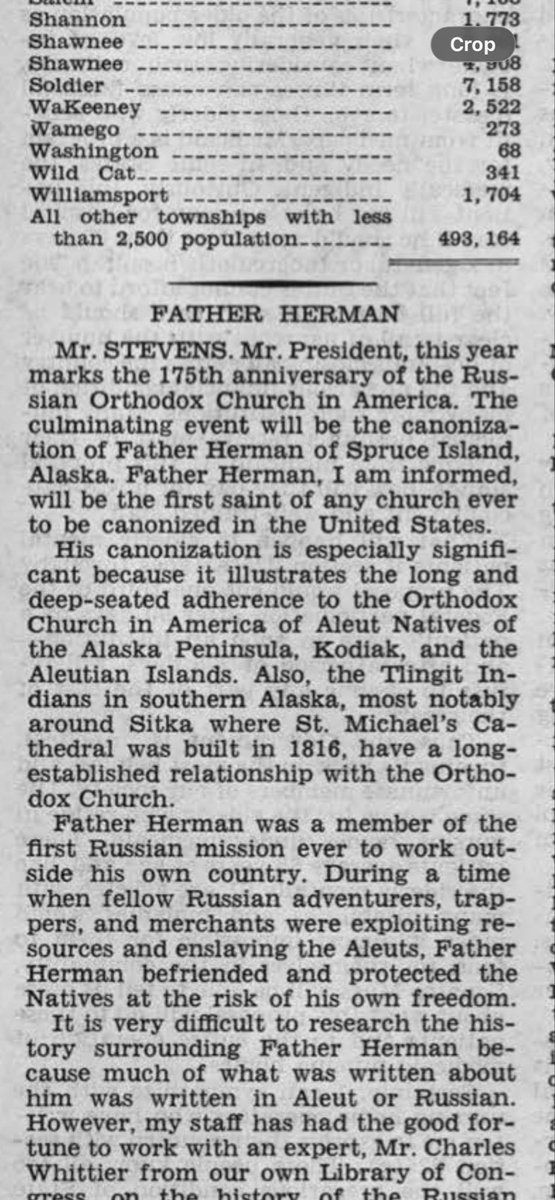
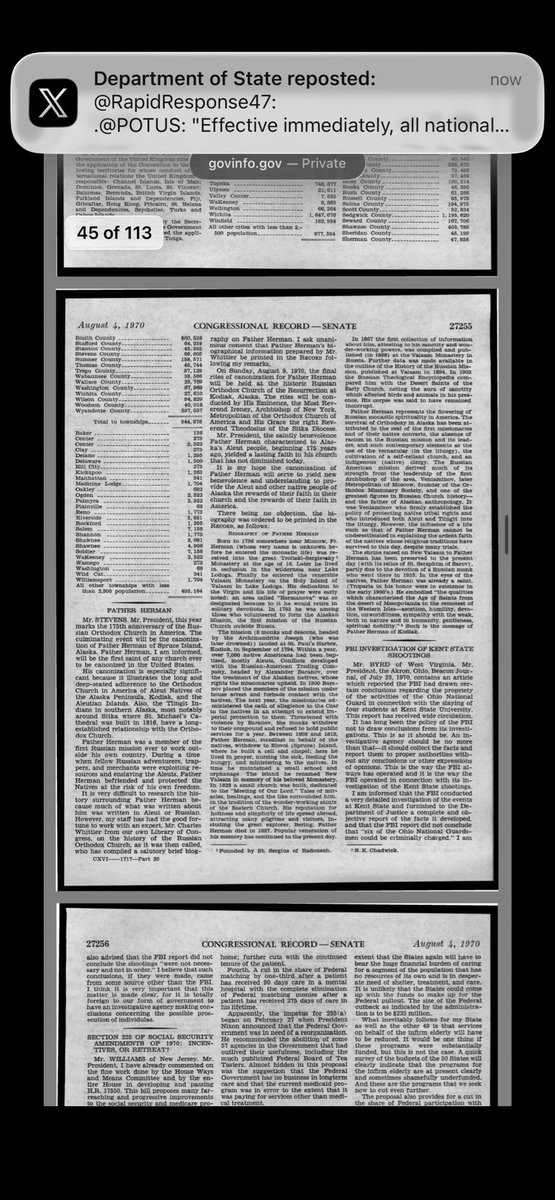
On August 9, 1970, Saint Herman was canonized by both the American and Russian Orthodox churches.
On the same day 4 years later was the day chosen by Nixon to resign and #VicePresidentGeraldRFord became president. Shortly before that Ford visited, at his first business in America, in Ypsilanti Michigan, my dad, Nicholaos Georgios Panagoulias, son of Georgios Nicholaos Panagoulias and Aimilia Smyrnis, of Ilia
married to Vassiliki Panagouli, daughter of two remarried widows, Panayiotis Panagoulis and Olympia Velisaropoulos Rigas Panagoulis of Varibope and Artiki Messenia.
Ypsilanti Michigan is named after my great uncle (4 times on my dad side and 5 times on my mom’s side) Demetrios Ypsilantis. I descend from #EleniYpsilanti the eldest sister.
🙏☦️🙏
15 Aug 2025

🇷🇺☦️🇺🇸 Putin met with Archbishop Alexy of Sitka and Alaska and presented him with an icon of St. Herman of Alaska.
“As I understand it, from the perspective of the Orthodox Church, he is considered the patron saint of America.”
1
84

Mar 16
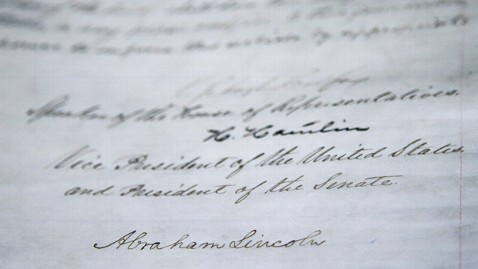
#OTD 1995: A bit late to the party, Mississippi ratified the #13thAmendment 130 years after it was added to the Constitution. Mississippi's ratification was not made official until 2013, when the state notified the US Archivist. abcnews.go.com/blogs/headlin… #USHistory
4
51

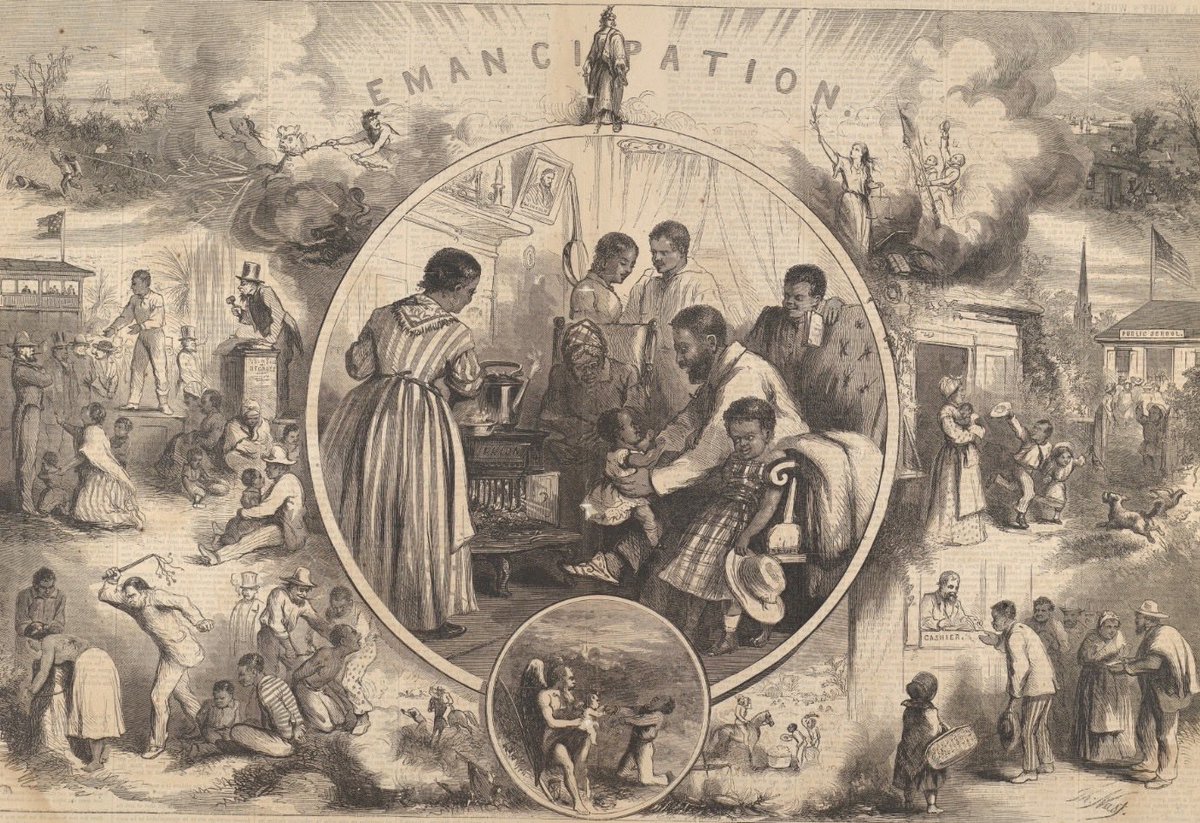
#OnThisDay in #history, 1865, #Congress passed the #13thAmendment. The milestone came in the aftermath of the Civil War, which cost at least 620,000 souls their lives, so there could be a new birth of freedom: for the #UnitedStates and the millions who toiled in bondage.
9
24
544

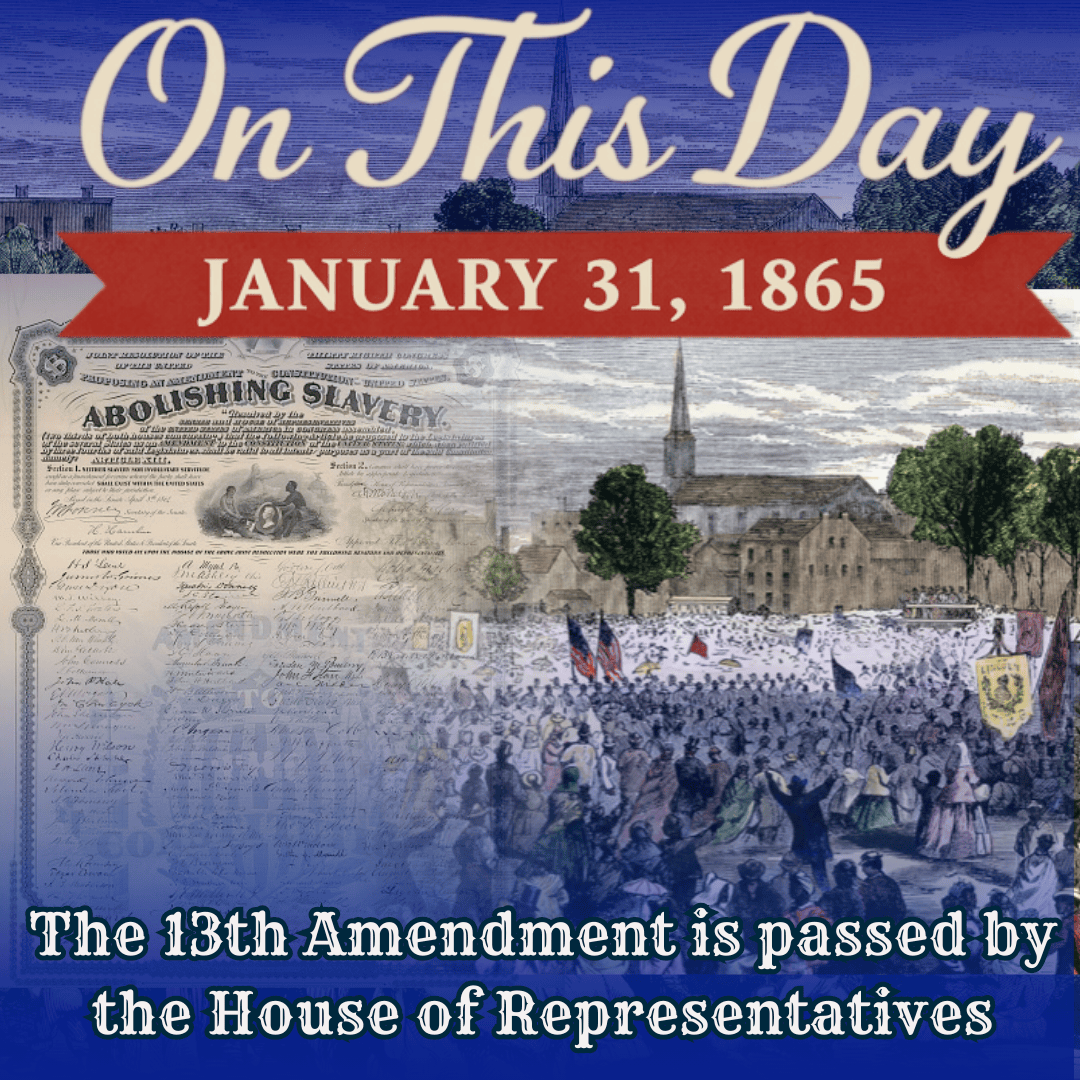
📅 On This Day, January 31, 1865,
The 13th Amendment to the U.S. Constitution 🇺🇸 is passed by the House of Representatives. With the Senate’s previous approval on April 8,1864, the proposed amendment was then sent to the states for ratification:
"Neither slavery nor involuntary servitude, except as a punishment for crime whereof the party shall have been duly convicted, shall exist within the United States, or any place subject to their jurisdiction.”
#OnThisDay #13thAmendment #AmericanHistory #Constitution
1
2
83

Jan 31
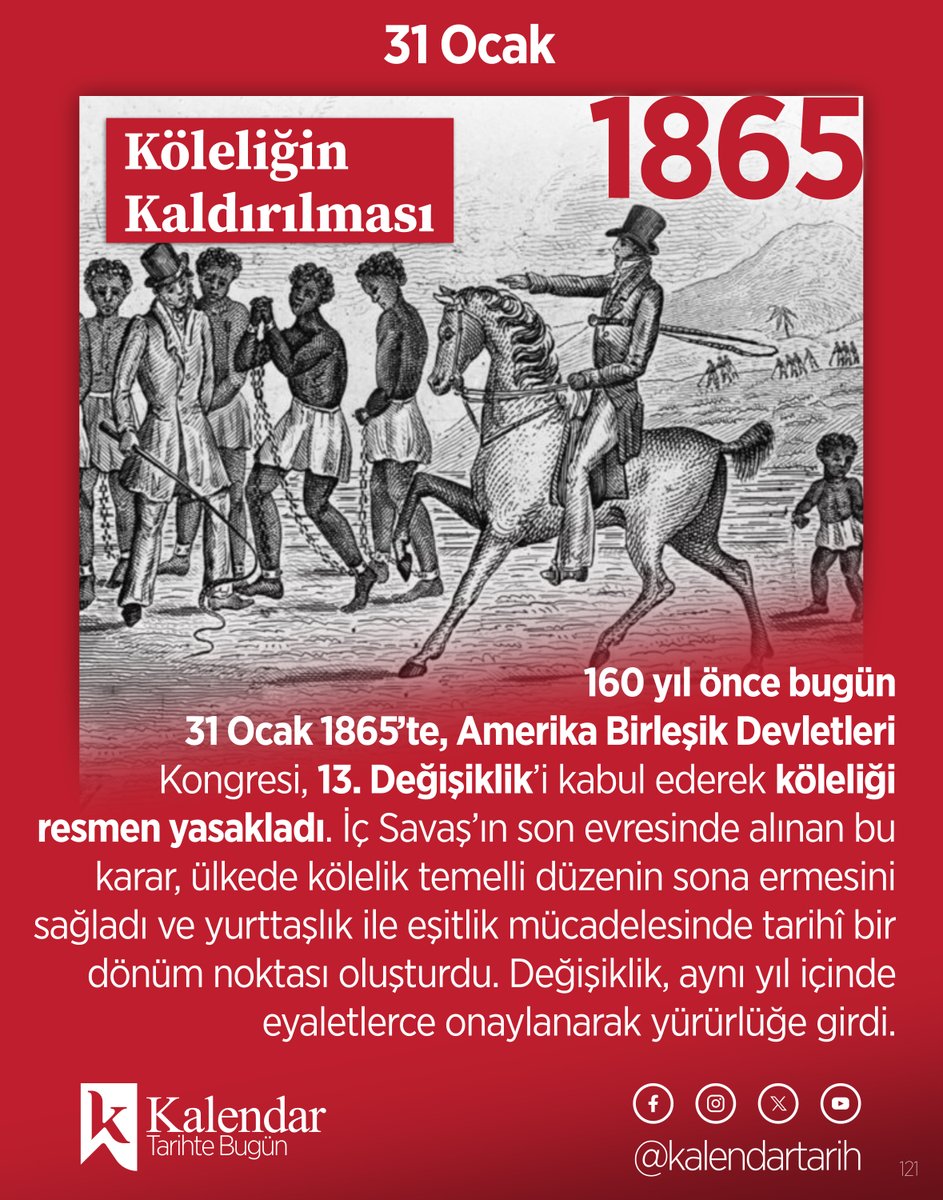
31 Ocak 1865
Köleliğin Kaldırılması
#Kalendar
#TarihteBugün #1865 #Abolition #Slavery #13thAmendment #CivilWar #USA #HumanRights
2
26

Jan 10
The 13th Amendment: Lincoln's role in abolishing slavery and its profound, lasting impact on the U.S. Constitution. A pivotal moment in history. For More, visit bit.ly/4oZNaB0 #13thAmendment #USHistory @rizzreed @shomaristone
6
4
248
Jan 9
The 13th Amendment's ratification journey through Congress, crucial state approvals, Lincoln's assassination before finalization, and its impact on federal power and human rights. For More, visit bit.ly/4oZNaB0 #13thAmendment #USHistory @DaytonDavis @EmilKiehne
2
3
132