Vicente Pardo retweeted

🗓 #EfeméridesCAP 14/6
🤝🏻 Amistoso 1900
Peñarol 3-0 Uruguay Athletic
⚽️ Se desconocen.
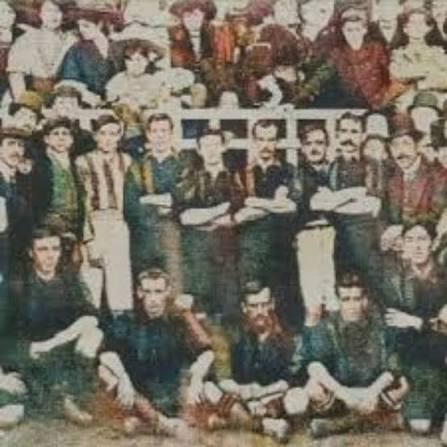
🏆 Uruguayo 1908
French 1-5 Peñarol
⚽️ A. Manito, G. Manito, D. Pereira, F. Canavessi, J. Piendibene.
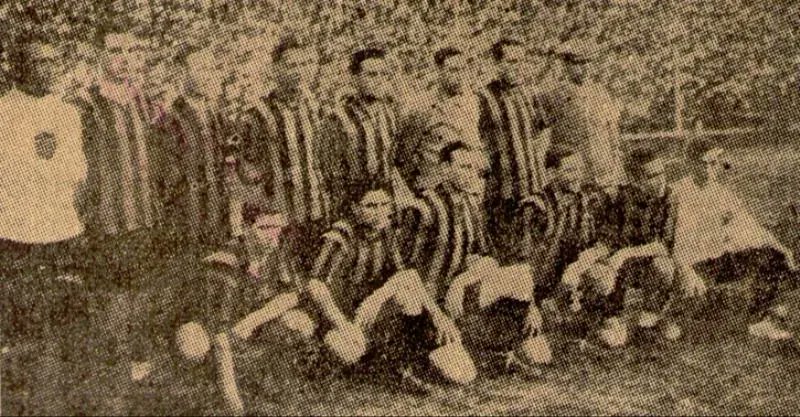
🤝🏻 Amistoso 1925
Peñarol 2-0 Combinado de la FUF
⚽️ L. Pérez, A. Artigas.

1
2
4
251

Go Knights Go! Win or Go Home! Every VGK, Win every individual battle,
Win every shift, 1 shift @ a time for 20 minutes for 1 period! Keep it simple shoot the puck & hit the net! Dont be Cute! Henry Ford 1908, "If you thinki you can=you can"! "If you think you cant= you cant"!
13

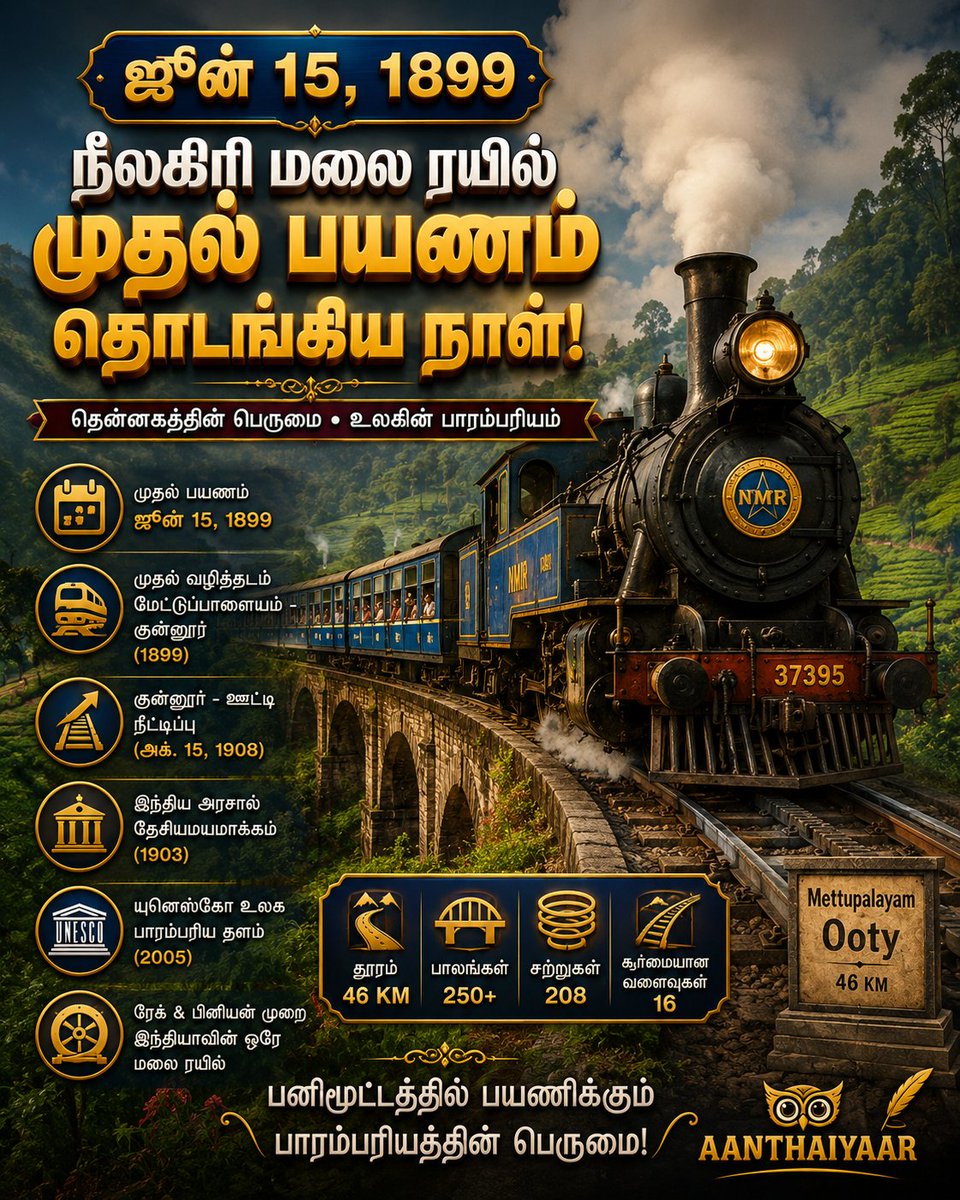
🦉தென்னகத்தின் புகழ்பெற்ற சுற்றுலா அடையாளமும் உலகப் பாரம்பரிய சின்னமுமான நீலகிரி மலை ரயில் (NMR) தனது வரலாற்றுச் சிறப்புமிக்க முதல் பயணத்தை 1899 ஆம் ஆண்டு ஜூன் 15 ஆம் தேதியன்று தொடங்கியதன் நினைவாக, அதன் உன்னதப் பயணம் இன்று போற்றப்படுகிறது.
இந்தியாவின் மிகப்பழமையான மலை ரயில்களில் ஒன்றான இது, சுவிட்சர்லாந்தின் அதிநவீனத் தொழில்நுட்பத்தைக் கொண்டு, செங்குத்தான மலைப்பாதைகளில் ரயில்கள் வழுக்காமல் ஏறுவதற்காக இந்தியாவின் ஒரே "ரேக் & பினியன்" (Rack and Pinion) தண்டவாள அமைப்போடு, நிலக்கரி நீராவி என்ஜின்களால் இயக்கப்படும் தனித்துவமான சிறப்பைக் கொண்டது.
ஆரம்பத்தில் 1899 ஜூன் 15 இல் மேட்டுப்பாளையம் - குன்னூர் இடையே தொடங்கப்பட்ட இந்த ரயில் சேவை, பின்னர் 1908 அக்டோபர் 15 அன்று குன்னூர் முதல் ஊட்டி வரை நீட்டிக்கப்பட்டதோடு, 1903 ஆம் ஆண்டிலேயே இந்திய அரசால் தேசியமயமாக்கப்பட்டு, அதன் அரிய பழமையைப் போற்றும் வகையில் கடந்த 2005 இல் யுனெஸ்கோ (UNESCO) அமைப்பால் உலகப் பாரம்பரிய தளமாக அறிவித்து அங்கீகரிக்கப்பட்டது.
மேட்டுப்பாளையம் முதல் ஊட்டி வரையிலான 46 கிலோமீட்டர் தூரப் பயணத்தில், அடர்ந்த காடுகள், எழில் கொஞ்சும் தேயிலைத் தோட்டங்கள், 208 சுற்றுகள், 16 கூர்மையான வளைவுகள் மற்றும் ஆழமான பள்ளத்தாக்குகளுக்கு மேல் அமைந்துள்ள 250 க்கும் மேற்பட்ட பாலங்களைக் கடந்து, பனிமூட்டத்திற்கு நடுவே இன்றும் பாரம்பரிய நீராவி என்ஜினின் உதவியோடு பயணிக்கும் இந்த ஊட்டி மலை ரயில், வெறும் பயணச் சாதனமாக மட்டுமில்லாமல், காலத்தைக் கடந்த ஒரு வரலாற்றுப் பொக்கிஷமாக நீலகிரியின் இதயத்தைத் தொட்டுத் திகழ்கிறது.
#AanthaiReporter #NilgiriMountainRailway #OotyToyTrain #NMRFirstRun #WorldHeritageSite #UNESCO #OotyTourism #Nilgiris #OnThisDay
3
Questionnaire retweeted

(Part 2 of 2) On May 7, 1908 Journal of Education published fanciful play called The Making of the Flag: A Dialogue for Flag Day
Characters: Betsey Ross, George Ross, George Washington
The quotation is spoken by the Washington character in scene 2.
archive.org/details/sim_jour…
1
3
52
ЧАРЛИ 👻🦇 retweeted

Jun 13
Long Island Motor Parkway, New York
1908
An automobile travels one of America’s earliest highways, built by William Kissam Vanderbilt with Manhattan visible in the distance.

2
32
105
2,398
커미션 메지로 Mejiro retweeted

메지로가미쳤어요!! 1원부터 받는 신뢰커미션오픈합니다! 장르 무관이고 금액이 높을수록 퀄리티도 올라가요! 디엠으로 신청주시고 토스뱅크 1908-1428-4146 으로 입금해주시면 됩니다! 마감기간은 최대 일주일이고 기간 넘기면 환불해드려요


1
1
46
Eriwin retweeted

Jun 13
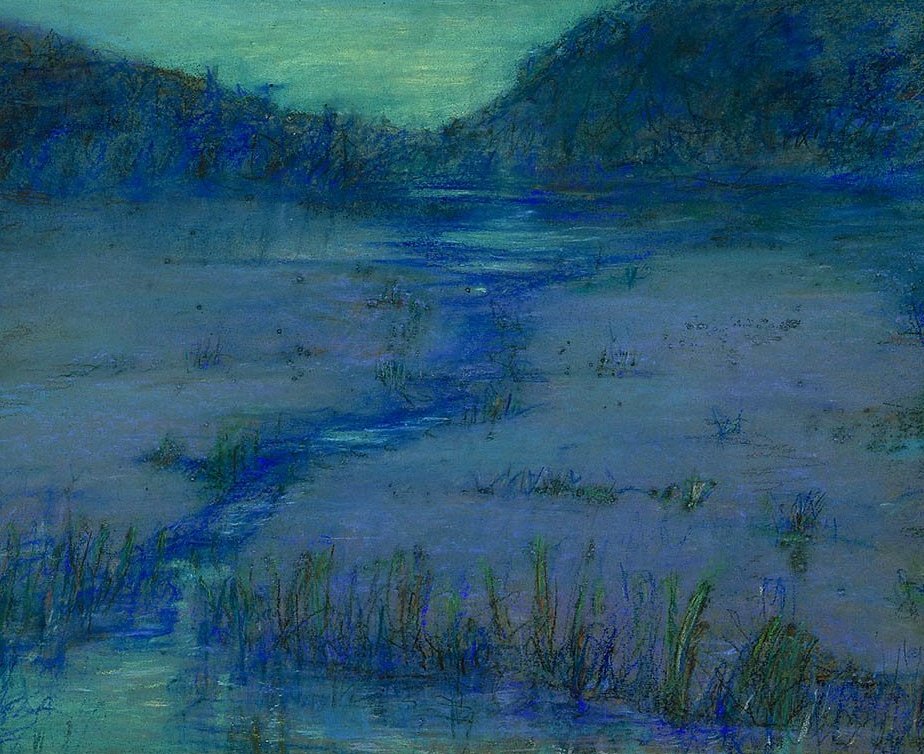
Marshlands at Sundown (1908) by US painter Alice Pike Barney #WomensArt
3
72
374
6,774

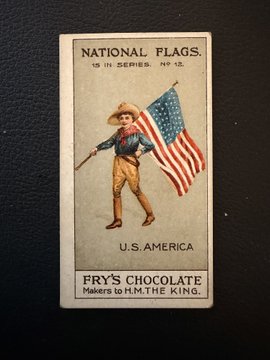
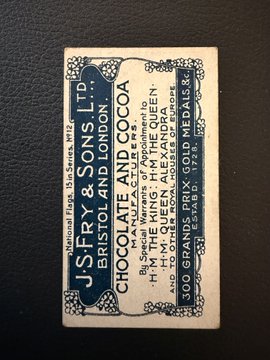
Gorgeous 1908 Fry's Chocolate/Cocoa card from the National Flags set. This is the key card featuring a boy representing the U.S. Nicer shape and a tougher overseas card. $35 shipped.
2
155
mark a kiser retweeted

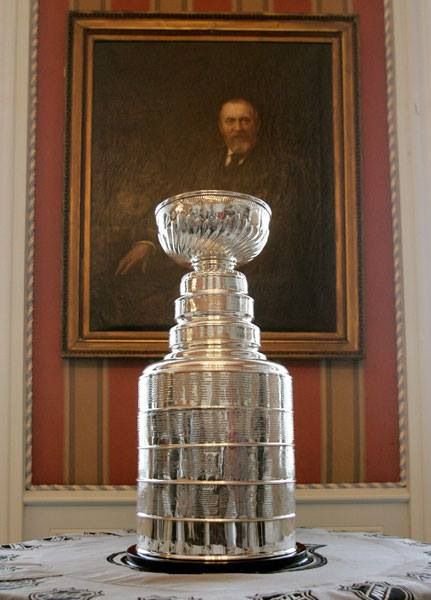
On this day in 1908, Lord Frederick Arthur Stanley passed away. He gave the world the greatest trophy in all of sports @StanleyCup #Hockey365
4
79
346
14,504
Lauri_Keye retweeted

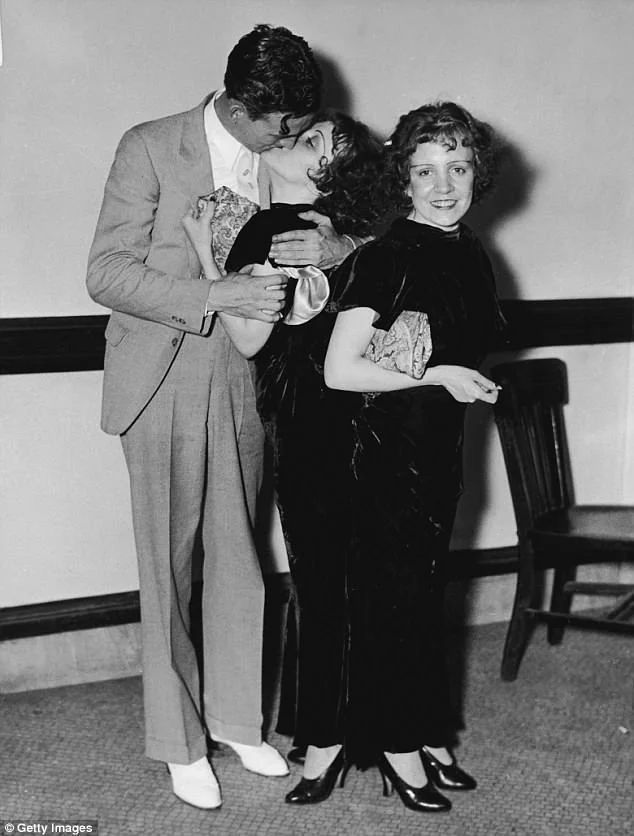
A few images of Violet and Daisy Hilton, conjoined twins born in Brighton, 1908. Sold at birth, they endured decades of exploitation by managers. They died in 1968, discovered days later after missing work. Daisy died first, with Violet passing hours after her sister.
More rare photos: bit.ly/3vlLOd6
3
8
56
14,898
Beverly Ruszel Cena retweeted

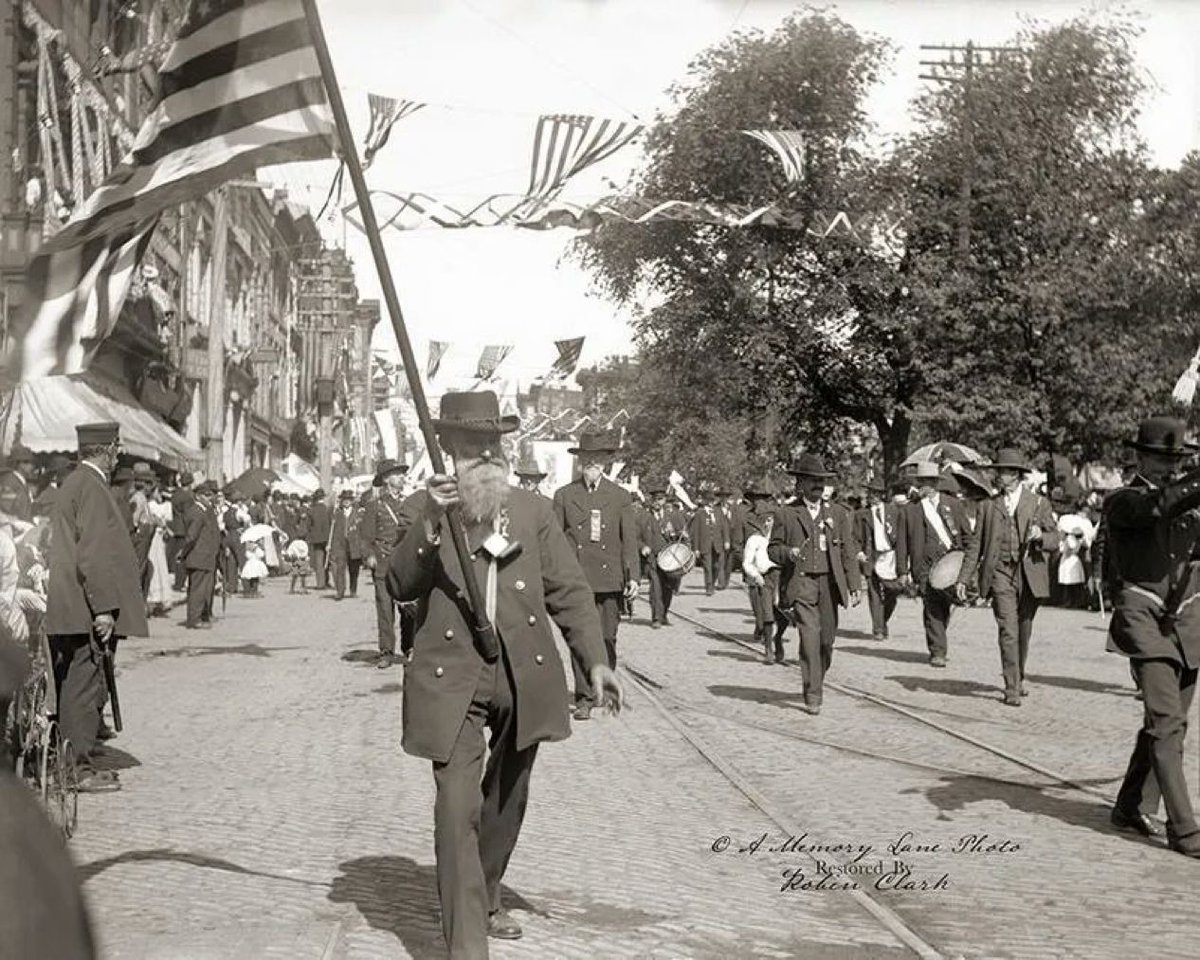
A Grand Army of the Republic parade in Kokomo, Indiana, May 20, 1908. GAR was a Union veterans' organization formed after the Civil War.
10
73
1,403

アハマディア(アフマディーヤ)派は、19世紀末にインドで誕生したイスラム系の宗教運動です。
彼らは自らを「真のイスラムの復興」と位置づけていますが、**主流派(スンニ派・シーア派)からは「イスラム教の枠組みを超えた異端(非ムスリム)」とみなされている**という、非常に複雑でデリケートな立場にあります。
この宗派がどのようなもので、なぜ異端視されるのか、ポイントを絞って分かりやすく解説します。
### 1. 最大の論点:なぜ「異端」とされるのか?
イスラム教の最も根本的な教義(大前提)に、**「ムハンマドは最後の預言者であり、彼の後に預言者は絶対に現れない」**というものがあります。
しかし、アハマディア派の創始者である**ミールザー・グラーム・アフマド**(1835〜1908年)は、神からの啓示を受けたとして、次のように主張しました。
* 自分は、イスラム教徒が待望していた**「マフディー(救世主)」**である。
* キリスト教徒が待つ**「再臨のイエス」**でもある。
* 自分は(新しい律法をもたらさない形の)**「預言者」**である。
主流派のムスリムからすると、この「ムハンマドの後に預言者を名乗る者が現れた」という一点だけで、**イスラム教の根本ルールを破った一線を越えた存在**となり、どれだけ彼らが「私たちはムハンマドを尊敬している」と言っても、正統なイスラムとは認められないのです。
### 2. アハマディア派の教えと特徴
主流派と激しく対立する一方で、彼らの実態はきわめて穏健で、社会奉仕に熱心なグループとして知られています。
* **平和主義とジハード(聖戦)の再解釈**
創始者のアフマドは、「現代において、武器を使った暴力的なジハードは禁止されている。これからのジハードは、ペン(言論)と知性、そして自己の悪と戦う精神的なものである」と説きました。そのため、過激派組織などとは対極にある、極めて平和主義的な集団です。
* **「すべての人に愛を、誰にも憎しみを」**
これが彼らの世界共通のスローガン(Love for All, Hatred for None)です。災害支援、医療奉仕、学校の設立など、人道支援活動を世界中で積極的に行っています。
* **近代的な組織体系**
現在は「ハリーファ(後継者)」と呼ばれる指導者を中心とした、非常に統制された国際組織を持っています。メディア戦略やネット発信、各国の言語へのクルアーン(コーラン)翻訳などにも非常に力を入れています。
### 3. 世界での深刻な迫害
アハマディア派の本部は現在、ロンドンにあります。なぜインド(現パキスタン地域)発祥なのにロンドンにあるかというと、**本国で壮絶な国家迫害を受けているから**です。
特にパキスタンでは、1974年に憲法が改正され、**「アハマディア派は法律上、非ムスリム(異端)である」**と明記されました。さらに1984年には刑事法が改正され、彼らが「自分たちはムスリムだ」と名乗ることや、自分たちの礼拝所を「モスク」と呼ぶこと、イスラム式の挨拶(アッサラーム・アライクム)をすること自体が**犯罪(違法行為)**とされ、逮捕・投獄の対象になっています。
このため、信徒への暴行やモスクの破壊などが相次ぎ、多くの信徒が難民としてヨーロッパや世界各地へ逃れました。
### 4. 日本におけるアハマディア派
日本国内にも彼らのコミュニティがあります。
* **日本最大のモスク**
2015年、愛知県津島市に「ザ・ジャパン・モスク」という、当時としては日本最大級のモスクを建設したのが彼ら(日本アハマディア・ムスリム協会)です。
* **地域に根ざした活動**
日本では、地域のゴミ拾いボランティアに参加したり、東日本大震災の際に被災地で炊き出しや片付けの支援活動を熱心に行ったりしたことで、地域住民との良好な関係を築いています。
### まとめ
一言で言えば、アハマディア派は**「教義の面では(主流派から見て)絶対に容認できない異端だが、行動の面ではきわめて平和的で社会貢献を重んじる人々」**です。
宗教的な正統性をめぐる対立と、現実の平和的な人道活動。この2つのギャップが、アハマディア派を理解する上での重要なポイントになります。
なるほどねぇ🤔
異端の方が本質に近いかも😅
1
56
soy un maní retweeted

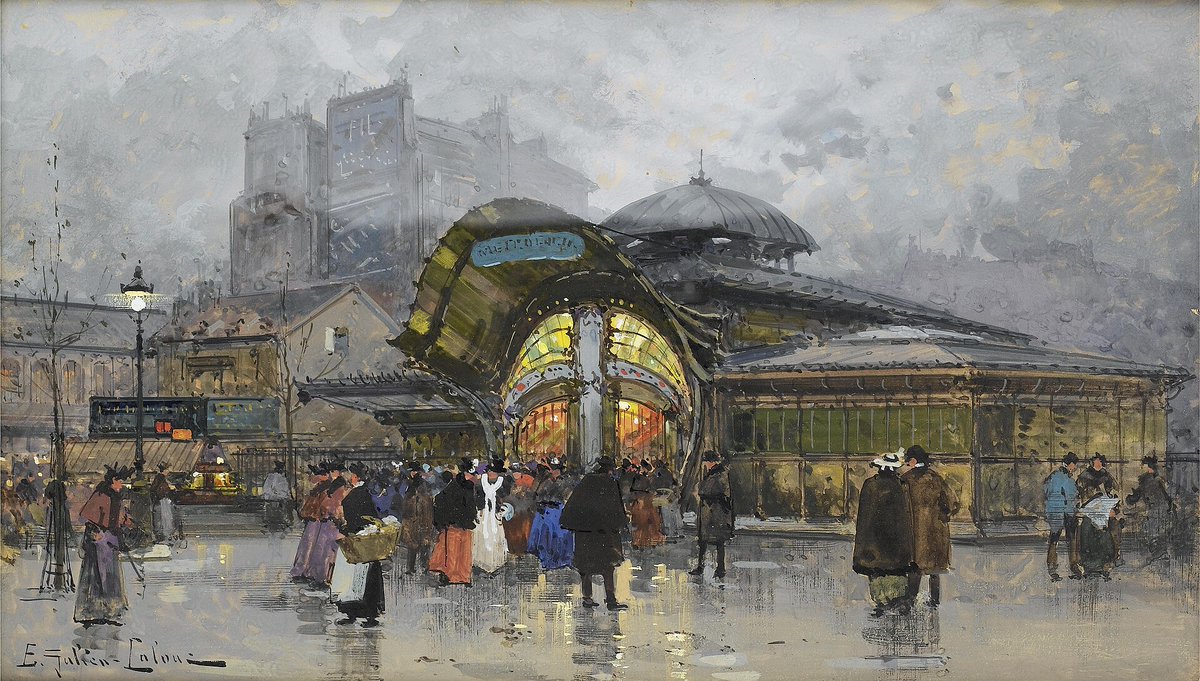
Eugène Galien-Laloue (1854-1941) Paris-Les Halles, c. 1908
French Impressionist painter.
At the time, the Halles in Paris was located in the 1st arrondissement, around the church of Saint-Eustache, where it still stands today.
1
5
36
284

Entre 1904 et 1908, environ 80 % du peuple herero et 50 % du peuple nama vivant sur le territoire de l'actuelle Namibie ont été exterminés par les forces du Deuxième Reich, soit environ 65 000 Herero et 10 000 Nama. Bien avant les nazis… Ça n'excuse rien…
16
lakshman retweeted

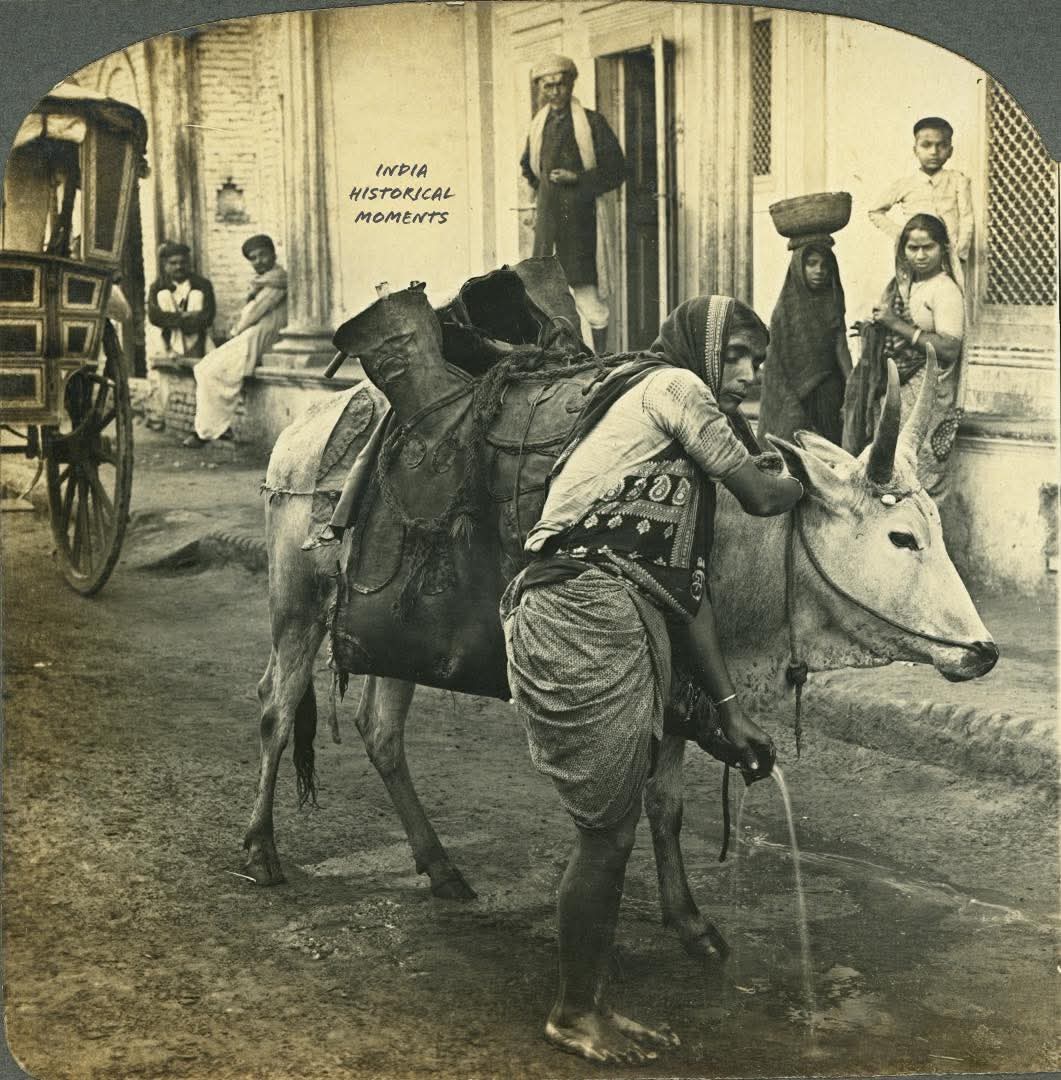
A woman watering a street to keep down the dust, India, 1908. Captured during the height of the British Raj, the photograph serves as a rare and layered window into the everyday social, environmental, and infrastructural realities of early 20th-century colonial India.
At the turn of the 20th century, the vast majority of urban and cantonment streets in India were unpaved dirt, mud, or crushed stone tracks. High winds, heavy animal-drawn carts, and foot traffic constantly generated massive clouds of dust.
Before motorized municipal trucks, keeping public roads usable required manual suppression. Workers systematically sprinkled water onto the dirt to bond the soil particles together and prevent them from becoming airborne.
While municipal water-carrying was traditionally dominated by the Bhisti community (Muslim water-bearers who carried water in large leather bags called mashaqs), this photograph captures a woman performing a similar role. In certain regions, women from marginalized communities (such as the Bhois or agricultural labor groups) were contracted by municipalities or private estates to manually transport and splash water using large clay pots (chatties) or leather slings.
The image exposes a stark divide in colonial municipal planning. Piped water and paved roads were tightly concentrated in European quarters and cantonments. The "Native Quarters" and public thoroughfares relied heavily on intense manual human labor to manage basic sanitation and dust.
Fetching and managing water in India has historically been a deeply gendered, exhausting responsibility. While rural women performed unpaid labor trekking miles for household water, urban women often engaged in strenuous, low-wage municipal tasks—such as manual street suppression or sweeping.
In that period, controlling dust was not just an aesthetic preference; it was a matter of survival. Indian cities were plagued by airborne and respiratory illnesses, as well as regular outbreaks of the plague, cholera, and tuberculosis. Suppressing dust was one of the early, basic measures used by colonial sanitary reformers to mitigate the spread of airborne pathogens. #roadwatering #women #history
1
6
157

5月31日,西班牙馬德里卡拉班切爾上帝的教會於馬德里第三上帝的教會舉辦了以愛鄰舍為宗旨的生命分享捐血活動-全球逾越節之愛生命分享捐血接力第1908次活動。
此次活動共有73人參與,包括聖徒、家屬及當地居民,共捐贈了 32,850毫升健康血液。
#上帝的教會世界福音宣教協會
pamplonaactual.com/espacio-e…
1
4
16

【本日入荷】
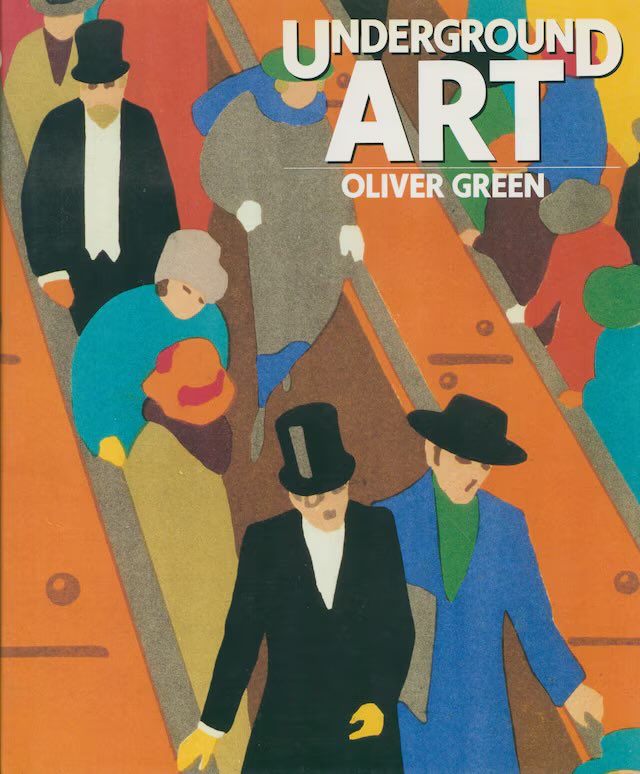
「OLIVER GREEN UNDERGROUND ART」が入荷。1908年交通局の政策で、英国や米国の無名のアーティストらによってロンドンの地下鉄をポスターで飾る計画が始まり、長年に渡って新作ポスターが飾られました。本書はそれらをまとめたアートブックとなってます。
order.mandarake.co.jp/order/…
80