
𝗧𝗵𝗲 𝟮𝟮𝟬𝟵 𝗥𝘂𝗹𝗲 𝗿𝗲𝘀𝘁𝗿𝗶𝗰𝘁𝘀 𝗮𝗶𝗿𝘀𝗽𝗮𝗰𝗲. 𝗜𝘁 𝗱𝗼𝗲𝘀𝗻'𝘁 𝘀𝗵𝘂𝘁 𝗶𝘁 𝗱𝗼𝘄𝗻.
This is an important distinction for commercial UAS operators, and one that can get lost in the coverage of this rule.
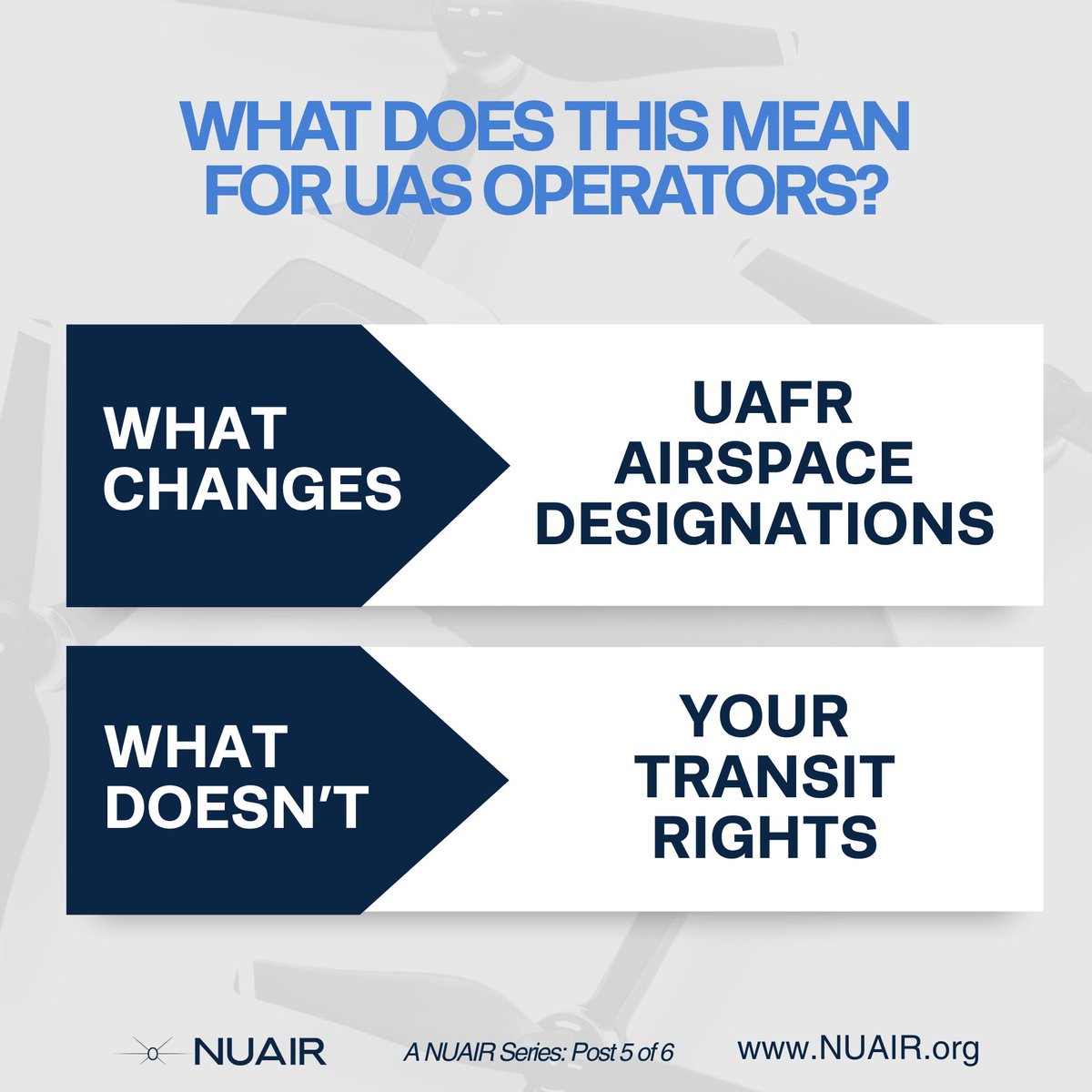
The proposed framework includes an explicit transit allowance under §74.250. Operators certificated under Parts 91, 107, 108, 135, and 137 retain legal transit rights through UAFR airspace. That's a meaningful industry protection that was not guaranteed going into this rulemaking.
But the transit allowance only protects operators who know it exists.
Here's what commercial operators should be doing now:
𝗔𝘂𝗱𝗶𝘁 𝘆𝗼𝘂𝗿 𝗼𝗽𝗲𝗿𝗮𝘁𝗶𝗼𝗻𝗮𝗹 𝗳𝗼𝗼𝘁𝗽𝗿𝗶𝗻𝘁. If you regularly fly at or near energy facilities, chemical plants, rail infrastructure, or other eligible sectors, identify which of your clients or sites could potentially pursue a UAFR designation.
𝗨𝗽𝗱𝗮𝘁𝗲 𝘆𝗼𝘂𝗿 𝗽𝗿𝗲-𝗳𝗹𝗶𝗴𝗵𝘁 𝘄𝗼𝗿𝗸𝗳𝗹𝗼𝘄. UAFRs will have defined, published geometry, unlike the informal restriction landscape operators have navigated for years. That's actually a clarity improvement, but only if you're checking for them.
𝗨𝗻𝗱𝗲𝗿𝘀𝘁𝗮𝗻𝗱 𝘄𝗵𝗮𝘁 𝗰𝗵𝗮𝗻𝗴𝗲𝘀 𝗮𝗻𝗱 𝘄𝗵𝗮𝘁 𝗱𝗼𝗲𝘀𝗻'𝘁. A UAFR doesn't grant the facility operator authority over your aircraft. Interdiction, jamming, and capture authority are entirely separate policy questions, explicitly outside the scope of this rule.
𝗧𝗵𝗲 𝗰𝗼𝗺𝗺𝗲𝗻𝘁 𝗽𝗲𝗿𝗶𝗼𝗱 𝗰𝗹𝗼𝘀𝗲𝘀 𝗝𝘂𝗹𝘆 𝟲, 𝟮𝟬𝟮𝟲.
The FAA is specifically asking for input on the economic impact to commercial operators if the transit allowance is not preserved in the final rule. That question has a direct answer from the people flying today.
#2209Explained #UAS #FAA #Part107 #commercialdrones #airspace
1
12
𝗜𝗳 𝘆𝗼𝘂 𝗼𝗽𝗲𝗿𝗮𝘁𝗲 𝗮 𝗳𝗮𝗰𝗶𝗹𝗶𝘁𝘆 𝘁𝗵𝗮𝘁 𝗾𝘂𝗮𝗹𝗶𝗳𝗶𝗲𝘀 𝘂𝗻𝗱𝗲𝗿 𝘁𝗵𝗲 𝟮𝟮𝟬𝟵 𝗥𝘂𝗹𝗲, 𝗮 𝗨𝗔𝗙𝗥 𝗱𝗲𝘀𝗶𝗴𝗻𝗮𝘁𝗶𝗼𝗻 𝗶𝘀𝗻'𝘁 𝗮𝘂𝘁𝗼𝗺𝗮𝘁𝗶𝗰. 𝗬𝗼𝘂 𝗵𝗮𝘃𝗲 𝘁𝗼 𝗮𝗽𝗽𝗹𝘆, 𝗮𝗻𝗱 𝘆𝗼𝘂 𝗵𝗮𝘃𝗲 𝘁𝗼 𝗯𝗲 𝗿𝗲𝗮𝗱𝘆 𝗯𝗲𝗳𝗼𝗿𝗲 𝘆𝗼𝘂 𝗱𝗼.
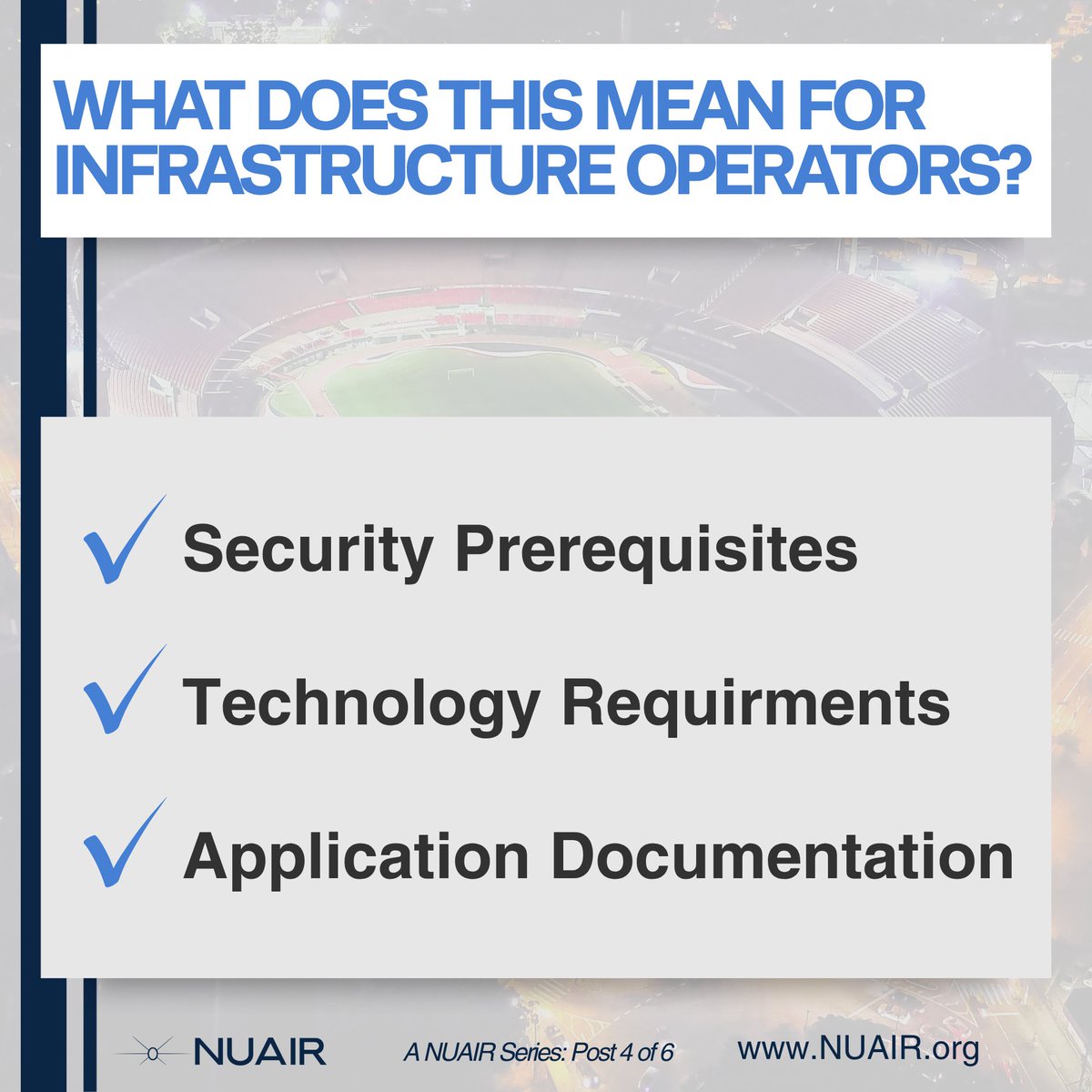
The proposed rule sets meaningful prerequisites. Applicants must already have layered security measures in place: restricted access controls, active security personnel, and on-site monitoring. The FAA isn't creating security infrastructure through this rule. It's recognizing facilities that already have it.
Beyond physical security, there's a technology requirement that deserves attention.
Remote ID receiving capability is a prerequisite for UAFR applicants.
Facilities must demonstrate the ability to receive and log broadcast Remote ID messages from drones operating nearby. This isn't just a checkbox. It reflects the FAA's expectation that restriction and situational awareness go hand in hand: you can't enforce a boundary you can't observe.
Additional application requirements include:
• Documentation of existing drone traffic patterns near the facility
• Identification of specific facility vulnerabilities
• A description of potential consequences if those vulnerabilities are exploited
Part-time designations, relevant for seasonal facilities like amusement parks, are capped at 290 consecutive days per year.
For facility operators who've been waiting on this rule for years, the path forward is now defined. The question is whether your security posture and technology stack are ready to support an application.
𝙉𝙚𝙭𝙩 𝙐𝙥: 𝙒𝙝𝙖𝙩 𝙩𝙝𝙚 𝙧𝙪𝙡𝙚 𝙢𝙚𝙖𝙣𝙨 𝙛𝙤𝙧 𝙐𝘼𝙎 𝙤𝙥𝙚𝙧𝙖𝙩𝙤𝙧𝙨.
#2209Explained #UAS #FAA #RemoteID #criticalinfrastructure #airspace
34