
This post demonstrates a fascinating mechanism of the X (formerly Twitter) algorithm, where a simple, minimalist article can achieve massive virality through a combination of network and behavioral factors. Technically speaking, the X algorithm relies on a graph-based machine learning model (graph-based ML), where nodes represent users and posts, and edges represent interactions (likes, reposts, replies). In this case, the initial impulse could have come from a low entry threshold (short content ~3s read time), which lowers the engagement barrier, increasing the conversion rate from views to engagements.
Key technical elements of virality:
1Poisson Distribution in Engagement: Initial likes/reposts (approx. 15k likes at the time of publication) suggest a Poisson distribution, where early interactions with influential accounts (e.g., @phantom, @doodles) amplify exposure through the “for you” feed mechanism, based on BERT-like embeddings for content and users.
2Temporal Dynamics: The post’s timestamp (01.28.2026) indicates optimal timing during peak hours (GMT), maximizing velocity (rate of interaction growth). The X algorithm favors posts with high velocity in the first 30-60 minutes, using metrics like min_faves:N and min_retweets:N for promotion.
3Network Effect and Self-Reinforcement: As a “random user,” the @user57085 account avoids anti-spam filters (e.g., -filter:has_engagement for bots), and interactions with crypto brands (@phantom) create positive loops in the recommendation graph, similar to PageRank with weights based on user trust.
4Integration with Crypto Ecosystem: The link to the Solana token (9eppz2tFJRStziW3Hgjxu17BDAdpD2Jat4TxMHCRpump) illustrates a hybrid model where X virality drives on-chain activity, potentially using APIs like CoinGecko for tracking, but here it’s purely organic (without paid KOLs).
In summary, this is a case study on how content minimalism organic seeding can outperform “growth hacks” based on bots or paid promo. If the X algorithm evolves further toward AI-driven personalization (e.g., Grok integration), such phenomena will become more common. An interesting experiment – props to the author! 🚀

2
2
199

9 Dec 2025
The biggest gap isn’t fancy labs or smaller classes (those help, but they’re symptoms).
Elite private schools (and the handful of magnet/public schools that copy the model) deliberately teach a hidden curriculum that poor/public schools almost never do. Here’s the real list of things that get drilled in daily, often without ever being written down:
1Ownership of your own time and narrative
Kids are taught that their schedule, their story, and their future are theirs to author—not something handed down by bells, bureaucrats, or “the system.” Poor schools run on compliance; elite ones run on agency.
2How to speak to (and manage) adults as peers
By 8th grade, students cold-email CEOs, schedule their own college interviews, negotiate extensions with teachers, and run actual meetings. They learn power dynamics early and ethically.
3Network as a verbengine, not a safety net
They’re explicitly introduced to “my parent’s friend who runs Goldman Sachs” or “the alum who’s in the Senate” as normal resources, not cheating. Poor kids hear “networking is scammy”; elite kids learn it Episodes of Billions are basically documentaries.
4Failure is data, not identity
A “C” at an elite school triggers a tutor, a new strategy, and a parent who calls the coach. Same “C” in a poor school often becomes “I’m just not good at this.” The emotional framing is night-and-day.
5.** Comfort with ambiguity and long timelines
Projects are 6–18 months, not 6 weeks. Kids learn to live inside multi-year arcs (thesis → research → presentation → publication). Poor schools optimizeengine almost entirely on short, high-stakes tests because funding is tied to them.
6The language of capital (financial, social, cultural)
Vocabulary like leverage, equity, optionality, carry, compounding and “here’s why a liberal arts degree plus relationships beats a STEM degree alone” gets dropped casually at lunch by age 14.
7How to be “high-maintenance” in in systems
They’re taught to ask questions until they get the real answer, escalate politely, and never accept “that’s just how it is.” Poor kids are punished for the same behavior.
8Elite social proof is portable and permanent
Being on the crew team at Andover or having a teacher who went to Harvard is a lifelong key that opens doors without you saying a word. Poorengine
The craziest part? Most of these things cost almost nothing to teach—except a culture that believes every kid in the room is headed to the top 1 %. Change that belief, and you can close 70 % of the gap tomorrow.
That’s the real cheat code the rich buy for their kids: not better books, but a completely different operating system for reality.
1
1
4
184

7 Oct 2025
We tend to think anyone who bought stocks like Pets.com were behaving irrationally and there was no valid bull argument
Which is why today is different, today there’s a very valid bull case for xyz AI stock
This is incorrect
According to ChatGPT this was the bull argument
Just as convincing as the argument for xyz AI stock IMO 👇
1First-mover (category creation) advantage
◦Pets.com was among the first to focus exclusively on pet supplies in e-commerce (a vertical niche).
◦Bulls believed that by establishing brand, logistics, and customer habits early, Pets.com could monopolize the online pet supply market.
◦They thought once customers used it, switching cost or convenience would lock them in.
2Massive market opportunity & online penetration upside
◦The pet products market was large and growing; e-commerce was assumed to be the future for all retail.
◦Bulls assumed that over time, more consumers would shift purchasing of mundane goods (pet food, litter, toys) online.
◦Even if the margins were low initially, volume would make up for it.
3Network / scale economies in fulfillment, logistics, and marketing
◦The more orders, the more you could spread warehouse, shipping, and infrastructure cost over a larger base.
◦Scale would drive down unit costs of shipping and inventory handling.
◦Also, large marketing spend (brand awareness) would pay off later — early investment in brand equity.
4Strategic partnerships & domain / distribution leverage
◦Amazon invested early in Pets.com (a majority stake in early rounds). That gave access to Amazon’s user base, brand credibility, marketing channels.
◦The domain name “Pets.com” itself was a premium asset (easy to remember, strong brand).
◦They also sought tie-ups with portals (Yahoo! / AOL) to drive traffic.
5Disruption of the retail middlemen / cutting the “middleman tax”
◦Bulls thought that in traditional pet supply chains, margin stacking (distributors, physical stores) left room for a direct-to-consumer model to undercut them and still make money.
◦The thesis: cut out the retail markup, deliver direct, and share the savings or underprice legacy outlets.
6“Get scale first, monetize later” mindset
◦The idea that growth and market share mattered more than short-term profits in a new web economy.
◦Focus on building a large customer base, brand awareness, and logistical footprint; then later figure out profitable pricing and upsells.
7Brand and viral marketing as moat
◦The sock puppet mascot and aggressive advertising campaigns (Super Bowl ads, Macy’s Parade, TV, radio) were intended to make Pets.com a household name.
◦The belief was that strong brand recognition in a commodity product market gives leverage (people prefer the trusted brand).
8Assumed future improvements in infrastructure & logistics
◦Bulls assumed that shipping costs, fulfillment technology, inventory management systems, and supply chain efficiency would improve over time (i.e. logistics would get cheaper).
◦Over time, the margins would expand as the cost base improved.
9Lock-in via data, customer lifetime value, repeat purchases
◦Pet owners buy repeatedly (food, litter, supplies), so once you acquire a customer, you could generate recurring revenue.
◦If Pets.com could get a customer’s pet loyalty (or household habitual purchases) they’d get lifetime value.
11
7
88
15,640

7 Sep 2025
The three Area Of focus for buying Real estate, properties.
1criteria:This is standard that define the kind of property you want
2 Term: this is how you buy it .
It is the value of the property in the market
3Network: this is who help you get the property. Agent, consultant
1
2
4
19

Your router’s APY is now 42,026% cooler than your bank’s. 😎 3° Network turns your unused internet into a DeFi powerhouse. Earn $THREE by staking bandwidth, not just cash. Your gateway to real-world #DeFi is live.
#Crypto #3Network #BTC #Staking #WiFi #Web3 #ETH #Staking #Memecoin #AltcoinSeason #AltcoinAlert

4
4
162

25 Jun 2025
3 things in life , death , taxes and three network being down. Can’t make calls 🤣#threenetwork #three #3network
4
1,008

25 Jun 2025
Three 3 network is down across the UK! Particularly unhelpful when waiting for an important medical call 😫😫😫 #3network #3isdown #threenetwork
1
8
1,926

24 May 2025
My wife and 3network customer care rep (an Indian lady) are dragging each other
😂😂😂😂😂
24 May 2025

I successfully negotiated my sim deal from £22/month to £10 and upgraded to 30Gb with unlimited calls and text.
Iya yin EE
1
4
596

28 Feb 2025
I can remember a similar situation, but this was a pnonecall to the 3Network.
I could barely understand what the guy was saying, told him to slow down and speak clearly.
Then, in exasperation, I said to him
Can you connect me with someone who can speak English.
He hung up!
1
4
275

21 Oct 2024
🥳 Queremos felicitar a los estudiantes de la @unahoficial que se retaron a si mismos y participaron en la hackathon que se realizó en el marco de la 7° edición del festival en Honduras.🇭🇳
3 proyectos innovadores que merecen reconocimiento, a los estudiantes de cada equipo por su esfuerzo y disposición de aprender. 🎊🎊🎊
🥇 SuministroApp
🥈 3network
🥉 Café imperial
Esperamos sigan escalando cada uno de los proyectos y verlos funcionando a futuro.
Gracias al equipo de @Polkadotcol 🇨🇴por el acompañamiento en la creación de estos proyectos.
A @fivehn_ y @iies_unah @presencia_universitaria por el apoyo.
1
4
97
20 Oct 2024
🥳 Queremos felicitar a los estudiantes de la @unahoficial que se retaron a si mismos y participaron en la hackathon que se realizó en el marco de la 7° edición del festival en Honduras.🇭🇳
3 proyectos innovadores que merecen reconocimiento, a los estudiantes de cada equipo por su esfuerzo y disposición de aprender. 🎊🎊🎊
🥇 SuministroApp
🥈 3network
🥉 Café imperial
Esperamos sigan escalando cada uno de los proyectos y verlos funcionando a futuro.
Gracias al equipo de @Polkadotcol 🇨🇴por el acompañamiento en la creación de estos proyectos.
A @fivehn_ y @IIES_UNAH @presencia_universitaria por el apoyo.
1
4
9
306

23 May 2024
Sounds like internet/network speed problem, something we frustratingly suffered for years. Finally got 5g Mobile coverage & supply our house wifi through a 3Network 5G modem. Everything going online, is a complete pain in the arse, if you don't have the required internet speed.
39

30 Mar 2024
You can't grow on X by only being a reply guy.
1Create quality content
2Be your authentic self
3Network with a mix of accounts
4Engage with your audience
5Be consistent
Don't just reply, create 💡
14
47
1,288

15 Feb 2024
killing myself cuz my seats for satvb r shit ok why did 3network have to generate me the worst seats 😅😅
2
202

12 Feb 2024
Tried to set roaming, and when I called 333, I was told this number doesn't exist.
I have been with 3Network for 15 years, but besides the outage, I realise that I have to pay for my one week roaming while the rest of my family is on O2, and their roaming is free.
2
178


9 Jan 2024
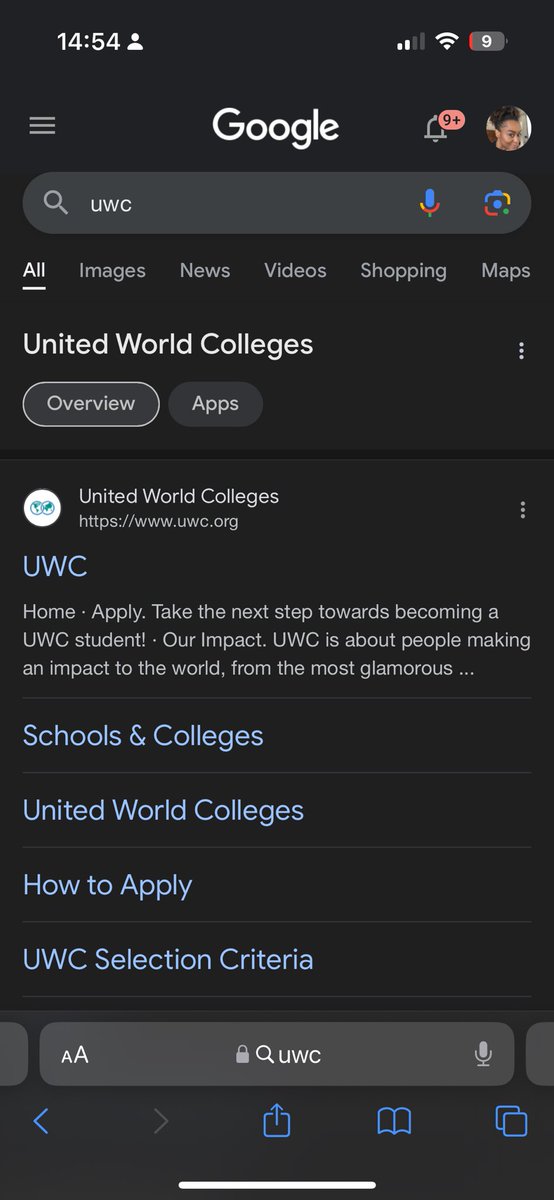
This is what came up when I googled it, you must have that cool 3network social media, that would explain it.
2
1
21
1,719
9 Jan 2024
My great grandfather died in 1911, I didn’t know y’all had caves, that’s awesome. Anyway, I’m so happy that you got that what was it called again, 3network thingy, that seems very cool where you’re from.
1
1
33
1,510
9 Jan 2024
3network, that sounds cute. Is that like for a flip phone?
2
43
1,677
