
Jan 30
He appears so helples, screaming 4help, nt bcas he is inocent, bcas his influence & conections failed him. A clear reminder: relying on power/hierarchy 4protection is risky & KARMA ultimately holds every1 accountable, Ministers/Politicians/Police/Lawyers/Judges, Bureaucrats, all
1
2
78

Proud of my baby❤️, @Nas & talented @REALDJPREMIER & was worried&couldn’t believe Zaddy ❤️, @Nas remembered all the words 2his 2new songs from #Light-Years 😘 💋 👏🏽❤️🇺🇸🌎🇬🇧 Pls 🙏🏾4Protection of my baby, @Nas as well. Ur👸🏽Has D2C things I will never disclose 2any1. Thank u kindly.
2
208

"I can only hope joel is reading these" *scrolls up* *scrolls up* *scrolls up* *scrolls up* *scro-* yeah he'll find this just fine
HAHAHA and now the legs play volleyball with him😭😭
Maybe...maybe its not 4protection and she just wants her sickly wife germs to remain unchanged
1
3
66

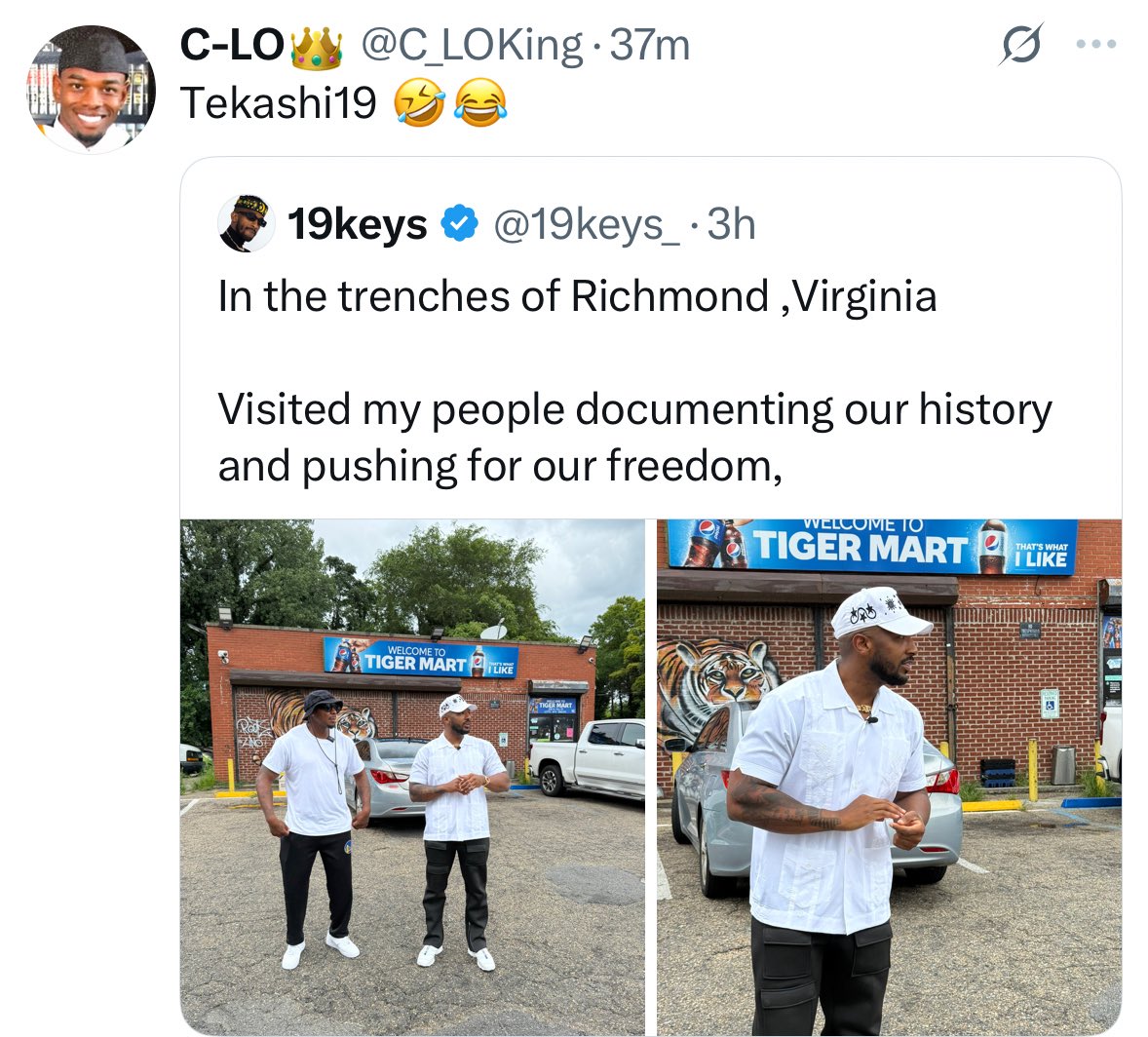
Some1 asked me a while back “Clark will u take the Tekashi19 Fraud Muhammad stuff down”
no. b/c
sneaking n2 1 of my hometown’s w/20 ppl 4protection& safety
about/over some p—-y that’ll never be exclusive 2this kid, while having a fiancé
hollywood can’t make that script up 😂
20 Jul 2025

Thank you Tekashi 19 for taking the bait & finally proving my point; while exposing your sucker boy insecurity, & jealousy towards me over that woman😎
Chess not Checkers😅
We’ll be sending you a thank you package to your address
836 North Detroit St. Los Angeles!
1
2
1,002

3 Aug 2025
Always with half the story:
In 2021, the United States and Israel were the only two countries to vote against a United Nations General Assembly resolution (A/RES/76/166) that reaffirmed the right to food as a human right, specifically emphasizing the fundamental right of everyone to be free from hunger. The resolution, adopted by the Third Committee on November 9, 2021, with 180 votes in favor, expressed alarm at the global rise in hunger, with 2.4 billion people lacking access to adequate food in 2020, and condemned the use of starvation as a method of warfare.
Reasons for the U.S. Vote Against the Resolution
The United States provided several reasons for opposing the resolution, as outlined in official statements from the U.S. Mission to the United Nations:
1Concerns Over “Food Sovereignty”:
◦The U.S. expressed concern that the concept of “food sovereignty” could be used to justify protectionist or restrictive import/export policies, which they argued could undermine food security, sustainability, and income growth. They emphasized that improved access to local, regional, and global markets is essential for ensuring food availability and stabilizing prices.
2Non-Recognition of Food as a Legally Enforceable Right:
◦The U.S. does not recognize the “right to food” as a legally enforceable obligation under international law, viewing it instead as an aspirational goal. The U.S. supports the right to an adequate standard of living, including access to food, as stated in the Universal Declaration of Human Rights, but maintains that it does not create binding international obligations. This stance is partly because the U.S. is not a party to the International Covenant on Economic, Social and Cultural Rights (ICESCR), which includes provisions related to the right to food.
3Unbalanced and Inaccurate Provisions:
◦The U.S. argued that the resolution contained “unbalanced, inaccurate, and unwise provisions” that did not offer meaningful solutions to prevent hunger and malnutrition. They criticized the resolution for focusing on rhetoric rather than actionable frameworks, potentially distracting from practical challenges like conflict and weak governance that contribute to food insecurity.
4Protection of Intellectual Property Rights:
◦The U.S. raised concerns that the resolution’s language, particularly around technology transfer and agricultural practices, could undermine intellectual property rights. They argued that strong intellectual property protections are critical for incentivizing innovation in agriculture, which is necessary to address global development challenges.
5Extraterritorial Obligations:
◦The U.S. explicitly rejected any interpretation of the resolution that would impose extraterritorial obligations, meaning they do not accept responsibility for ensuring the right to food beyond their borders. They emphasized that food security depends on domestic actions by governments, including regulatory and market reforms consistent with international commitments.
-Grok- with 25 sources.
2
24

4 Jul 2025
Ladies and gentlemen, fellow Americans, on this Fourth of July, as we gather to celebrate the birth of our nation, let’s anchor ourselves in the powerful words: “If you don’t know what you stand for, you’ll fall for anything.” Today, we’ll explore the bedrock of our identity—the Declaration of Independence, the Constitution, the Bill of Rights, and the amendments that define our rights as American citizens. We’ll also clarify with precision what kind of government we have: are we a democracy or a republic? These documents and principles are not just history—they’re the living heartbeat of our freedom, our responsibility, and our shared purpose. Let’s dive in and reaffirm what we stand for!
The Declaration of Independence: Our Rallying Cry for Freedom
On July 4, 1776, in Philadelphia, 56 delegates from the 13 colonies adopted the Declaration of Independence, penned primarily by Thomas Jefferson. This was no mere document—it was a defiant stand against tyranny, proclaiming to the world that we, the American people, would govern ourselves. Rooted in Enlightenment ideals, it declares that every person has inalienable rights: life, liberty, and the pursuit of happiness.
The Declaration’s core argument is revolutionary: governments exist only by the consent of the governed. If a government becomes destructive, the people have the right to overthrow it. It lists grievances against King George III—taxation without representation, denying trial by jury, imposing martial law—to justify breaking free from Britain. This document is our moral foundation, a promise that power serves the people, not a king. As we light fireworks today, we honor that bold vision, which continues to inspire freedom movements worldwide.
The Constitution: Our Blueprint for a Balanced Government
By 1787, the young United States faced chaos under the weak Articles of Confederation. So, brilliant minds like James Madison, Alexander Hamilton, and others convened in Philadelphia to draft the Constitution, ratified in 1788. This is our blueprint for governance, creating a strong yet balanced federal government that protects liberty and prevents tyranny.
The Constitution’s seven articles establish:
1Legislative Branch: Congress (House and Senate) makes laws, controls taxation, and declares war.
2Executive Branch: The President enforces laws and leads the nation.
3Judicial Branch: The Supreme Court and federal courts ensure laws align with the Constitution.
4States’ Relations: Ensures cooperation between states, like honoring each other’s laws.
5Amendment Process: Allows the Constitution to evolve with a high bar for change.
6Supremacy Clause: Makes the Constitution the supreme law of the land.
7Ratification: Set the process for adopting the Constitution.
Inspired by Enlightenment thinkers like Montesquieu, the Constitution divides power to prevent any one branch from dominating. Checks and balances—like the President’s veto, Congress’s power to override, or the Court’s ability to review laws—keep power in check. It balances federal authority with state rights, ensuring a government that serves the people while remaining stable. The amendment process makes it a living document, one of the oldest written constitutions still in use.
The Bill of Rights: Our Shield of Individual Liberty
Some Founders feared the Constitution didn’t explicitly protect individual freedoms. So, in 1791, the first ten amendments, known as the Bill of Rights, were added to safeguard your personal liberties. These are your guarantees as Americans:
1Freedom of Religion, Speech, Press, Assembly, Petition: Worship, speak, publish, gather, and demand change freely.
2Right to Bear Arms: Protect yourself and your community.
3No Quartering of Soldiers: Your home is yours, not the government’s barracks.
4Protection Against Unreasonable Searches: Your property is safe without a warrant.
1
2
3
80

30 Jun 2025
Quercefit is a phospholipid and a flavanoid. Allows 4protection of cell membranes & better absorption. Also helps with apoptosis
1
1
67


4 Apr 2025
But but but Sharia law doesn’t fit with our society…
4Protection of the Vulnerable: The Quran emphasizes justice and protection for the weak, including children (e.g., 4:127 on orphans). Harming or exploiting anyone, especially a child, contradicts these principles. Hadiths also stress kindness to children, such as “He is not one of us who does not have mercy on our young” (Sunan al-Tirmidhi). Sexual abuse, as understood today, would fall under causing harm (dharar), which is prohibited.
.
8
259

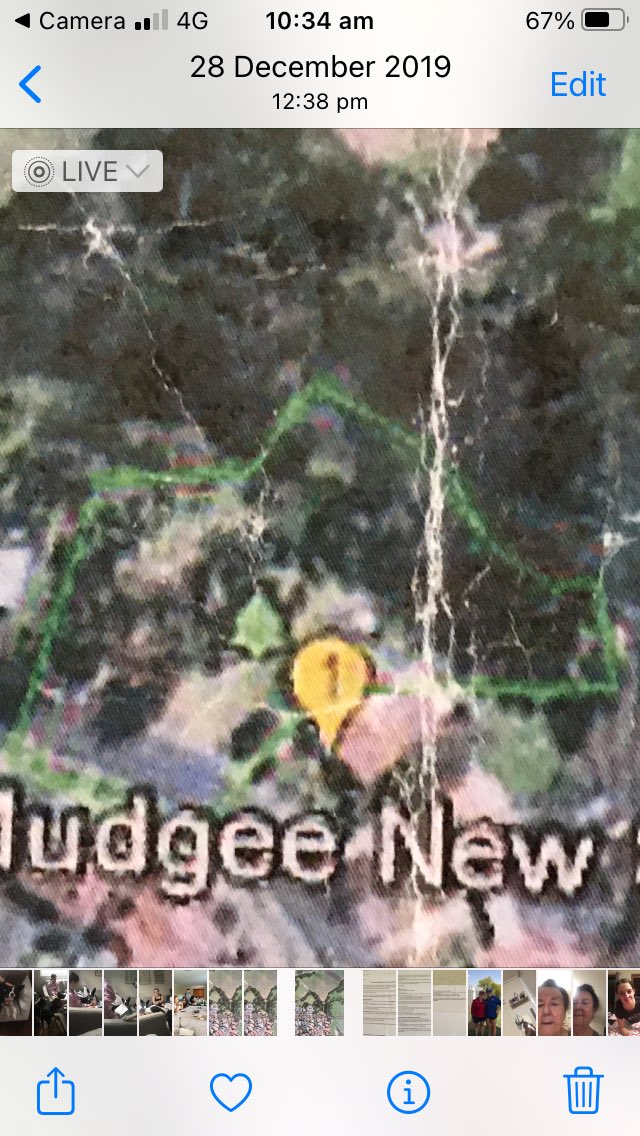
Meeting of Waters at Mudgee never on any maps my land assets where it’s located been removed fr paper maps. Caught out by satellite mapping then 5 direct attempts to kill me by Cath mafia Zionist surveyors Wicked local council. Placed safe house 4protection @RoseBJackson @tilly64
2
193

19 Jan 2025
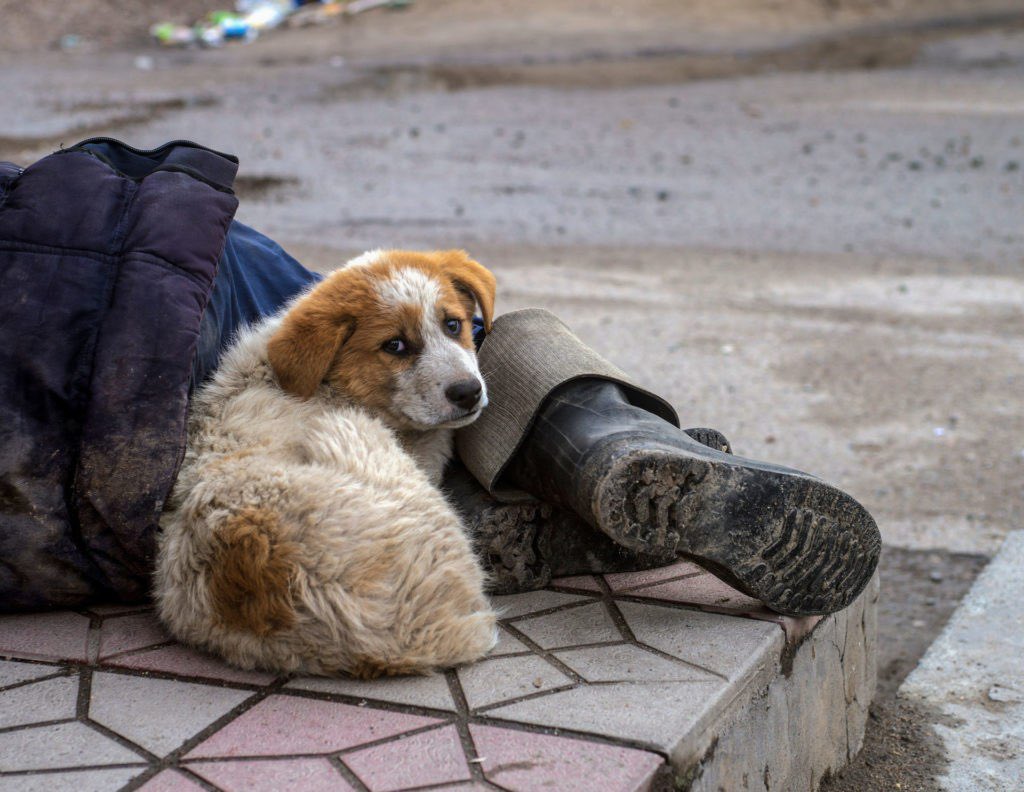
🫂🙌🏼F& Patriot friends,🇺🇸! Continue🙏🏻✝️ for 1-another, as we All need 🙏🏻interceding to Jesus our
Advocate b4Heavenly Father who knows each individual's needs &hopes. Keep in🙏🏻✝️ 4all in🥶esp homeless 4protection &shelter -🕊️warming presence. 💔veterans &families on hard times➡️p2
3
4
6
659

26 Nov 2024
Thankful 4Life...🧎🏽♀️
Thankful 4Strength...🙌🏽
Thankful 4Protection...🙏🏽
💯
2
1
9
262

19 Nov 2024
Haaretz reported 🇮🇱 was intentionally allowing armed gangs in Gaza to loot aid trucks & extort drivers 4protection money & in some cases, the last remnants of Gaza’s police force tried to take action against looters, but they were attacked by 🇮🇱 troops.
news.antiwar.com/2024/11/18/…
2
2
5
336

19 Oct 2024
Your the girl who never had many friends. U fell in love 2quickly.U were always told u were so "mature 4your age". I get it. The girl who drifted n2 her own little fantasy world 4protection. Your the girl who comes into ppls lives 2teach them love but never got it back. I feel u.
1
70

22 Sep 2024
Arrogant Sitara said the same 2 his dad yesterday😠Didn't want 2 come,what was his dad going to assume🙄
She asked 4protection in his home as if Salaar was torturing her😠
No good guy deserves a partner like Sitara🤦Salaar is a gem,deserved a mature,sweet,loving partner
#Kaffara
22 Sep 2024

#Kaffara Sitara calls Salar and his dad as hypocrites! Seriously? Yesterday’s episode she said she understands everything & everyone! No she just misunderstands & thinks she knows it all! His Dad thought that Sitara is forced to be with Salar, knowing how emotional Salar is, he thought he could ensure that his son doesn’t go thru more heartbreak & Sitara as well isn’t forced to be with him, he offered to send her back! Sitara is the biggest hypocrite! After watching today’s episode I can only say, Salar deserved a better girl as his life partner! Missing Junaid with Salar! Junaid Salar needs you! Pls spend some time with your BFF
1
2
74

20 Sep 2024
Each Haitian to be judged as an individual.. corruption abounds that they were brought into America illegally & 20,000 in a single town.
Stay away from my yard, my children, my pets: perimeter of my home & auto wherever it may be.
Is it legal to shoot a gun in Ohio 4protection?
4
201

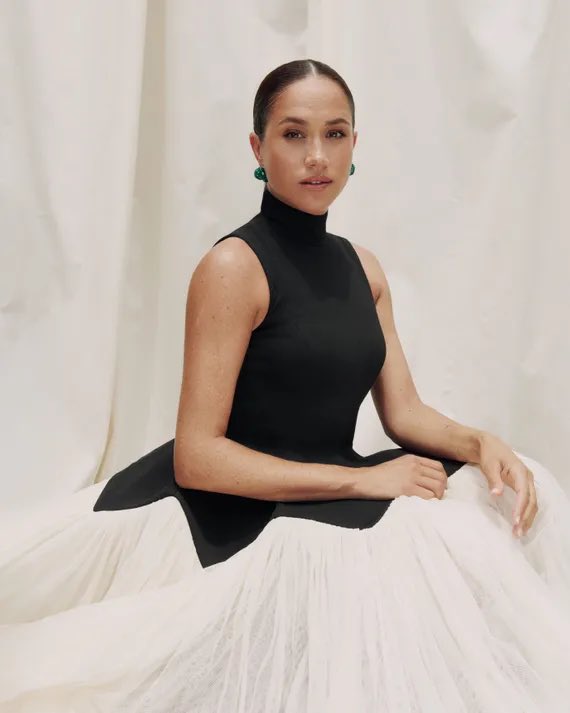
Happy birthday 2our queen that is #MeghanMarkle. May the power U poses continue 2have the whole island in a chokehold 4the rest of your years, we pray 4protection & blessings over ur life, miracle shall follow miracle 4the rest of your days!
Happy birthday Princess Meghan❤️
3
7
54
1,439

1 Jun 2024
need nila ng bagong pics kasi bago na hairstyle ni M,,dapat updated,,yung kay T(oyo) kaya thankful yun kasi nailibre sila par sa magkaroon ng photo op,,si tsekwa lahat ang may budget dun,si M nman di yan gagalaw na walang kasamang iba bka yun rin 4protection
#BOYCOTTEatBulaga1180
1
27
13
404

26 Apr 2024
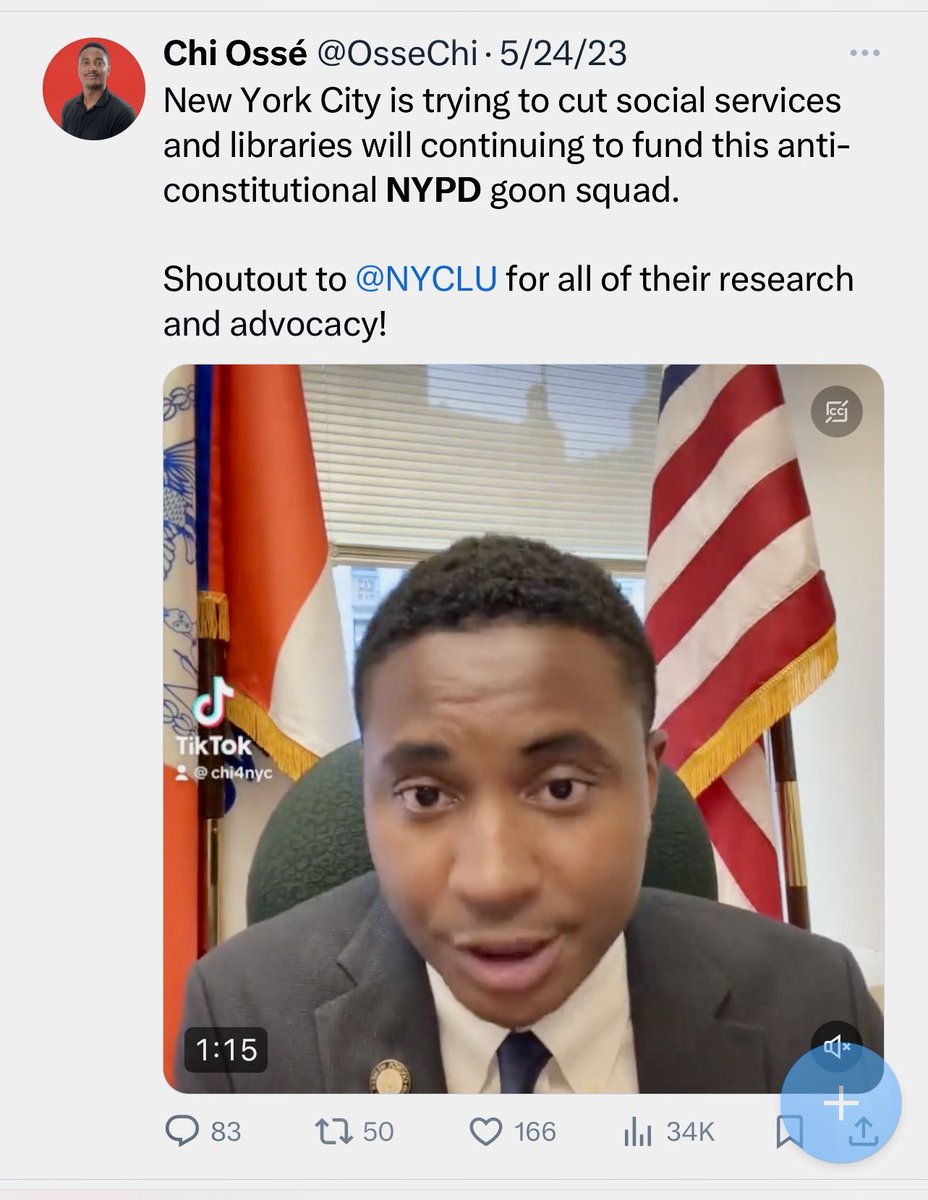
Well, well….@NYCCouncil pro police hater @OsseChi claims he received “scary” calls. Not 1 2suffer in silence he immediately calls @NYPD & asks 4protection. 🤨🤨 The “goon squad” should say they R busy helping actual crime victims, not men afraid of crank calls
2
2
9
511

21 Apr 2024
Ukraine is d grain basket of Europe. If that falls in2 Russia hands that’s bad, hence y America has an interest in defending Ukraine America promised 2defend Ukraine becoz they stopped their nuclear program 4protection.
Now back to the grain basket, American companies profit
1
146