
@MHRAgovuk delay of DCVax is not only inexcusable but deadly.
Like AIDS, change comes once desperate #gbm families #ACTUP and fight for their dying.
#ACTUP UK!
🇬🇧 $nwbo
2
8
169

Jun 14
I'd say right when the Frankfurt school set up shop at Columbia University late 1930's or when the ACTUP movement started. Could have been when the ARA emerged in the 90's..take your pic. Obama doesn't crack the top 100 issues to worry about.

When was the exact moment when everything started going downhill in America?
I say when Barack “Barry” Obama was elected.
9

Jun 14
글리치를 리믹스로 선언하기 위해 영화에서 글리치(잡음)를 발생시키는 것은 과거 actup 운동과 현재 팔레스타인 운동을 적극적으로 결합시키는 퀴어 운동 맥락을 보여주는 것.
-부서져버린 우리의 얼굴과 몸은 우리가 사라진 뒤에도 너희의 기억 속에 오래도록 머물 것이다-
1
99

This!What was discipline like b4 you moved abroad?Even in Nigeria when children are teenagers they may actup or want to rebel.Who is she hanging out with?Do you know her friends?Do you spend quality bonding time w your children or do you let them be? Praying together also helps.
2
509


Jun 13
@MHRAgovuk bureaucratic nightmare is now directly responsible for needless, horrible deaths from #gbm.
None at @MHRAgovuk are outraged? None of you cares about the desperate & dying?
Beyond heartless. Just cruel.
No excuse anymore.
Victims MUST sue.
#ActUp
$nwbo

To put the @MHRAgovuk 2.5-year $NWBO delay into perspective:
Around 2K people in the UK are diagnosed with Glioblastoma every single year. As the average survival time is only 12 to 18 months, a conservative estimate means well over 5,000 UK residents have died from this disease while regulators just sit on the DCVax-L Phase 3 data.
Instead of approving a proven therapy, they are fast-tracking failed drugs based on an n=1 "study."
Insane.
4
291

The racism is the POINT, y'all. It's fucked. White supremacy is in charge of the USA.
#DemocracyIsDying #ACTUp #FuckTrump
Jun 12

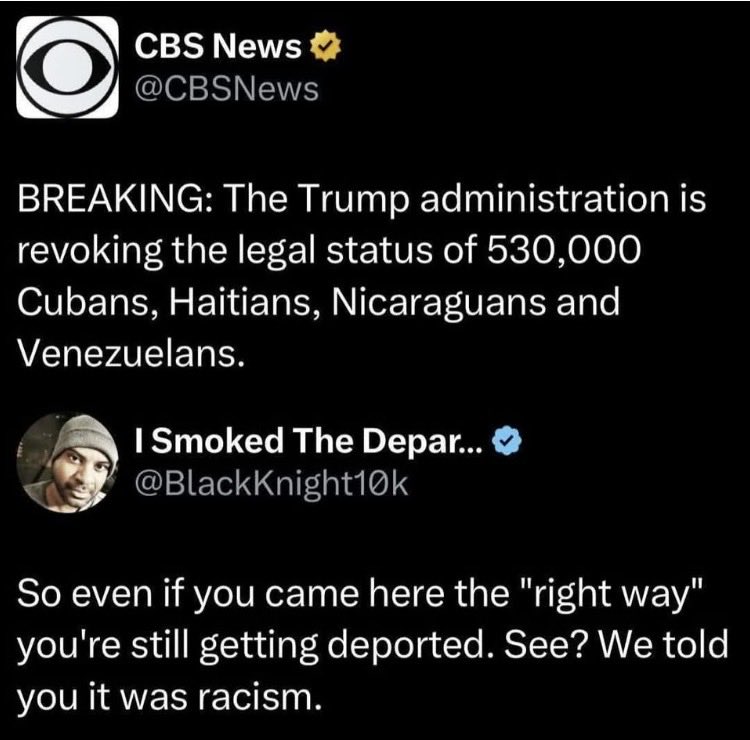
It’s obvious that the revoking of the legal status of 530,000 Immigrants is all about racism and not whether they came here the right way.
12

Jun 13
We pioneered harm reduction during ACTUP with needle exchange. Do not tell me that what we're seeing now is in any way harm reduction. It is addiction management for non homeless, non residents.
1
1
18

Jun 13
I came of age in the 1990s
A young queer man
Terrified of the epidemic
Terrified that sex could equal death
SURVIVING AN EPIDEMIC byporevolution.com/2025/08/s…
inspired by @KeithHaringArt
painting by Philip Gladstone
#AIDS #ACTUP #anarchy #liberation #poetry #poem #prophecy #tantra
4
4
31
tsuru(光は闇に負けない) retweeted

Jun 11
バスを11時間止めた青い芝の会も、ローザ•パークスが過激だと黒人コミュニティから追い出された公民権運動も、CBSに乱入して生放送のニュースをストップさせたActupも、一緒に歩いてる仲間が撃たれてるのに行進を続けたガンジーも全否定と言うことですね。全部成功した運動ですけど。
Jun 11

政治的な主張をする場においての暴力的な表現をすることでの社会的影響を言っています。お祭りの射的とは違うということです。表現の自由はあれど、他者への恐怖を想像しない表現では受け入れてもらえないのでは? もし山添拓さんを撃つ市民運動を見たらどう感じますか?
1
4
8
907
ThirdHeavens314👑 retweeted

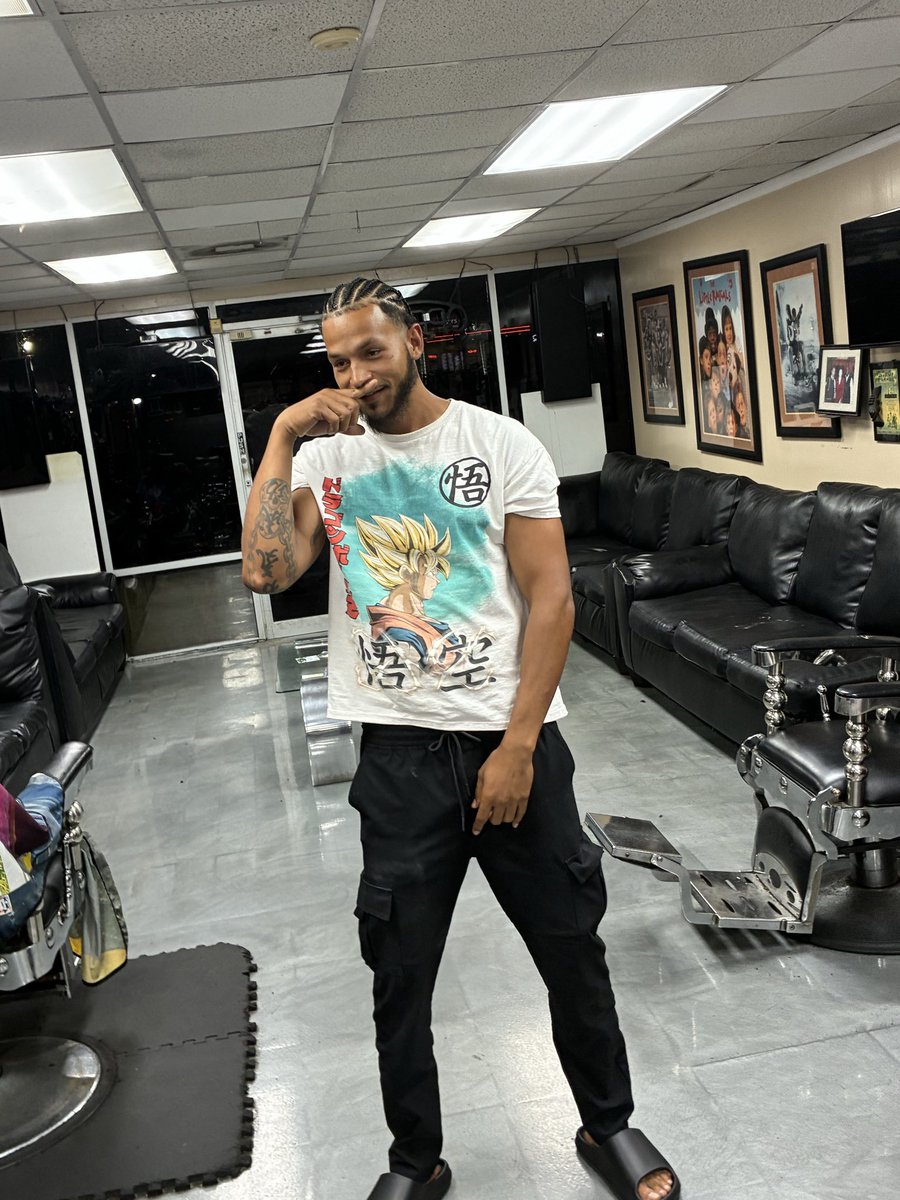
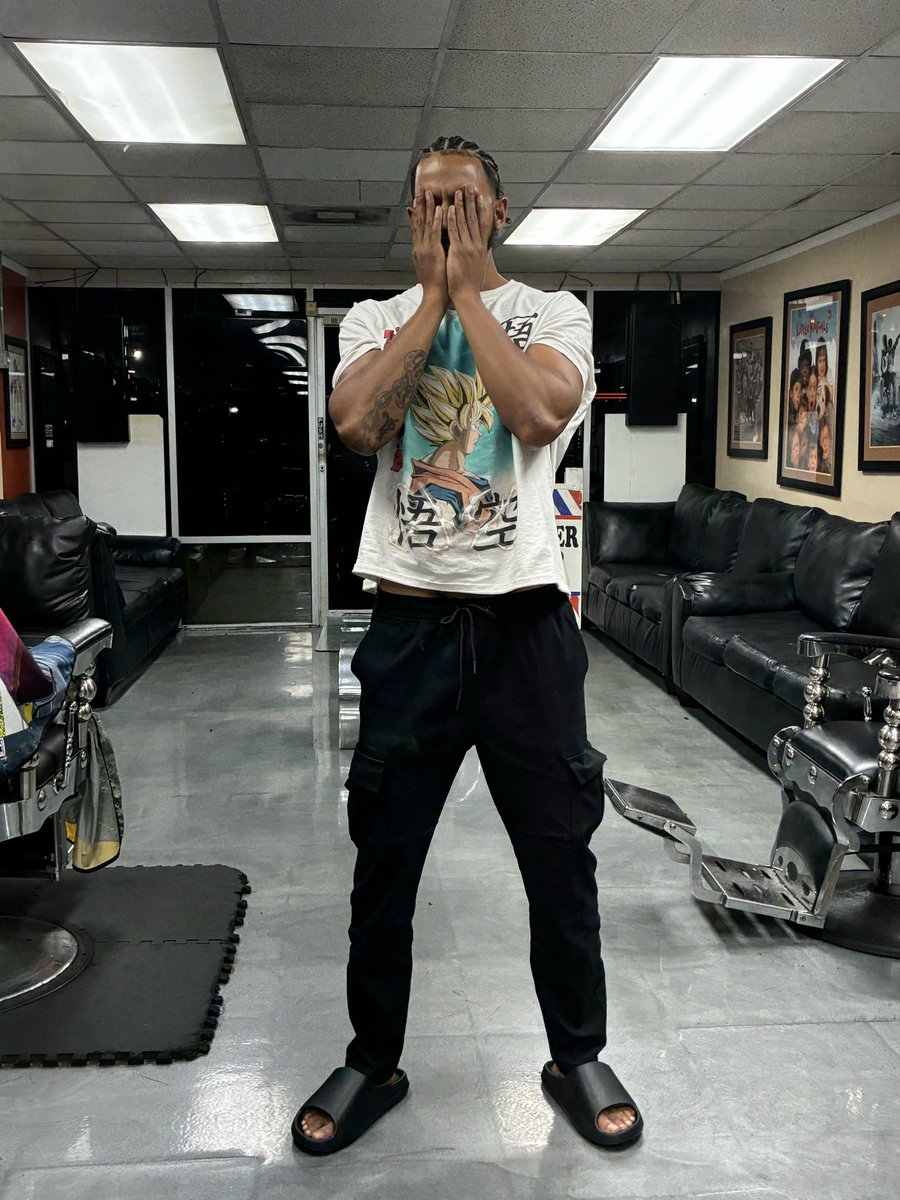
Ion know how to act fr now
She went Brazy on the Braids 🥺🔥🫶🏽
#ActUP
8
2
3
664

Willfully ignorant "queer historians" give an inaccurate retelling of our history. Know your heroes.
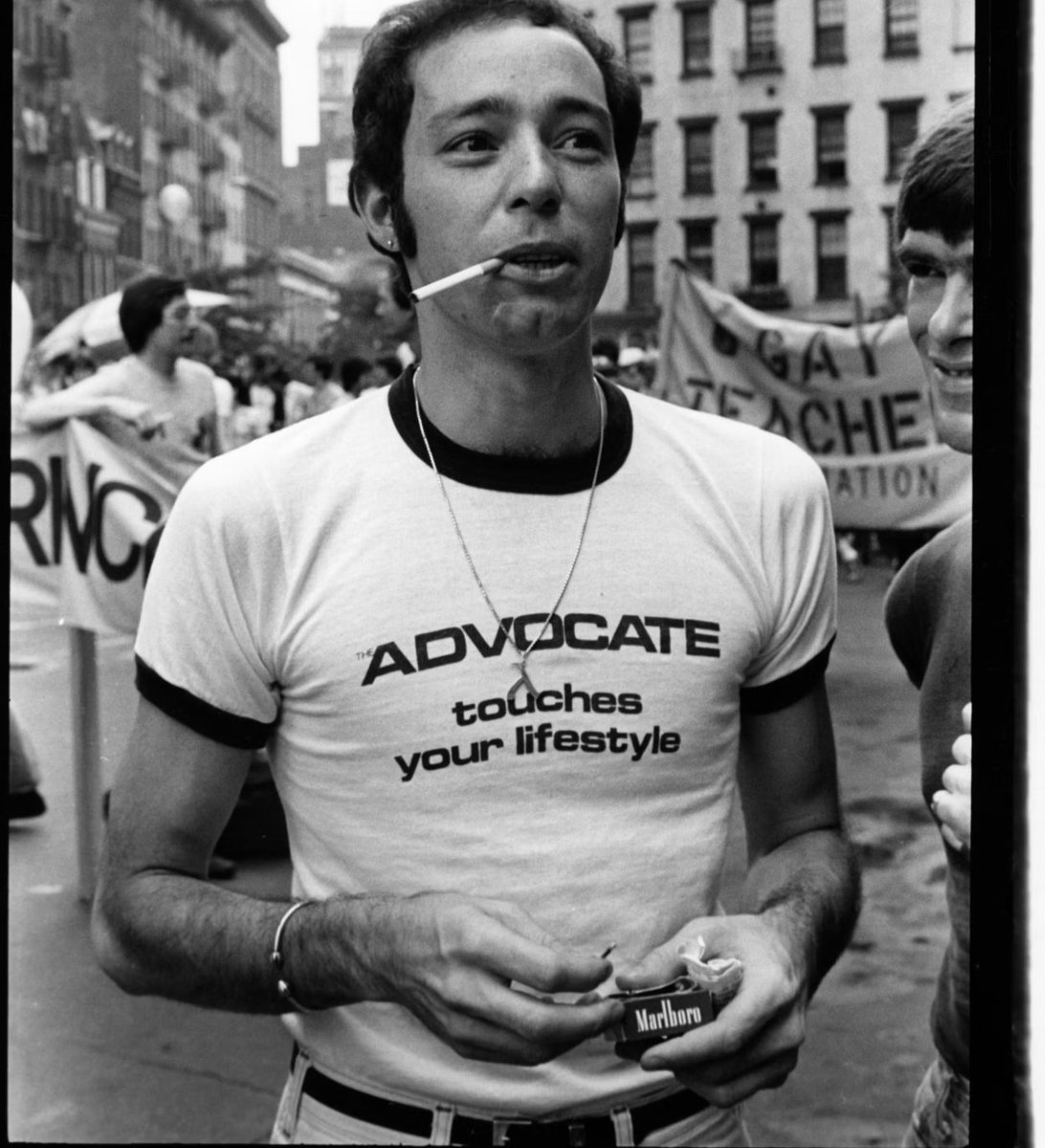
This man was a hero to me and one of the co-founders of ACTUP NY.
I had no gay heroes when I was a kid, other than fantasizing about the well-oiled Hercules played by Steve Reeves. When "The Boys in the Band" was released, I was 14 and Time magazine had a spread on it. It sent me into an elongated depression that only food could relieve. I still hate bitchy queens like Harold.
Vito Russo (1946–1990), photographed in Sheridan Square, was a film scholar, a journalist, and a passionate advocate for gay rights. Born into a close-knit Italian American family and raised in East Harlem, Russo was in many ways a quintessential New Yorker—but above all, as his brother Charles Russo remembered, “Vito was a teacher.” In the mid-1970s, Russo developed a series of informative lectures on Hollywood homophobia, which he refined and expanded over many years, presenting them at over 200 venues—universities, film festivals, community centers, and museums—throughout the United States, Canada, Europe, and Australia. These lectures evolved into his landmark exposé, The Celluloid Closet: Homosexuality in the Movies, which was published in 1981, revised in 1987, and became the basis of an award-winning 1995 documentary film. Russo, wrote biographer Michael Schiavi, “taught gay readers that the bigotry they suffered offscreen correlated directly to the lies perpetuated about them onscreen.”
Russo began sharing his knowledge and love of film with others in the mid-1960s through the Film Arts Club he hosted as an undergraduate at Fairleigh Dickinson University in New Jersey. But by June 1969, he was back in New York City, where he witnessed the first night of the Stonewall uprising, watching as patrons of the Mafia-owned bar fought back during a routine police raid. Galvanized, Russo returned as a participant during the subsequent nights of unrest. In 1970, he joined the Gay Activists Alliance (GAA) as the organization protested another violent police raid, this time on the Snake Pit bar. By June 1970—the first anniversary of Stonewall—Russo was helping carry the GAA banner during the Christopher Street Liberation Day March, forerunner of Pride. (Columnist Arthur Bell, one of GAA’s founders, became a friend of Russo’s, and the two participated in several of GAA's high-profile “zaps.”) Russo also served as chair of the GAA Arts Committee, arguing that “you don't change people by changing laws… the way you reach people was through media.” One of his most popular initiatives was the “Firehouse Flicks,” a series of film screenings at the GAA Firehouse, which sparked discussions about “machismo, sexism, gender role-playing, romance, violence, and the denigration of gays and lesbians in Hollywood.”
Read and share about our gay heroes who came before us.
nyhistory.org/blogs/gay-prid…
7
10
46
1,305

Jun 11
I sang in a punk band, late 80s
Always wore dresses & skirts when playing, comfort
Time of Reagan & AIDS
We performed at an ActUp fundraiser in 👗
At that time, nation was repressed/repressive & hate-filled
didnt give a shit what ppl wore
Bigger issues to fight then fame
1
3
53