30 Jul 2025
(7/7) Identifying NOTCH1 mutations or intragenic deletions is important for diagnostic and prognostic purposes. As the key driver of leukemogenesis in T-ALL, NOTCH1 mutations can clinch the diagnosis. While NOTCH1 mutations may not define prognosis, they can serve as a molecular marker for minimal residual disease (MRD) in selected patients. Emerging therapies like γ-Secretase inhibitors (GSIs) and combination therapies with glucocorticoids, mTOR inhibitors, or BCL2 inhibitors, BET inhibitors and CDK7 inhibitors are currently being tested; there are no FDA-approved targeted therapies for NOTCH1 in T-ALL.
On a personal note, we had a patient with suspected T-ALL who had a negative NOTCH1 variant in our hybrid capture-based targeted Next Generation Sequencing (NGS) assay, but we were able to detect an intragenic NOTCH1 deletion between intron 2 and exon 28 in an amplicon-based NGS assay dedicated to identifying fusion partners, highlighting the utility of various NGS panel based assays in molecular and precision diagnostics as well.
#AMPtutorials #AMPath24 #molpath
#pathtwitter #pathX #path2path #PathX
2
1
8
331

4 Feb 2025
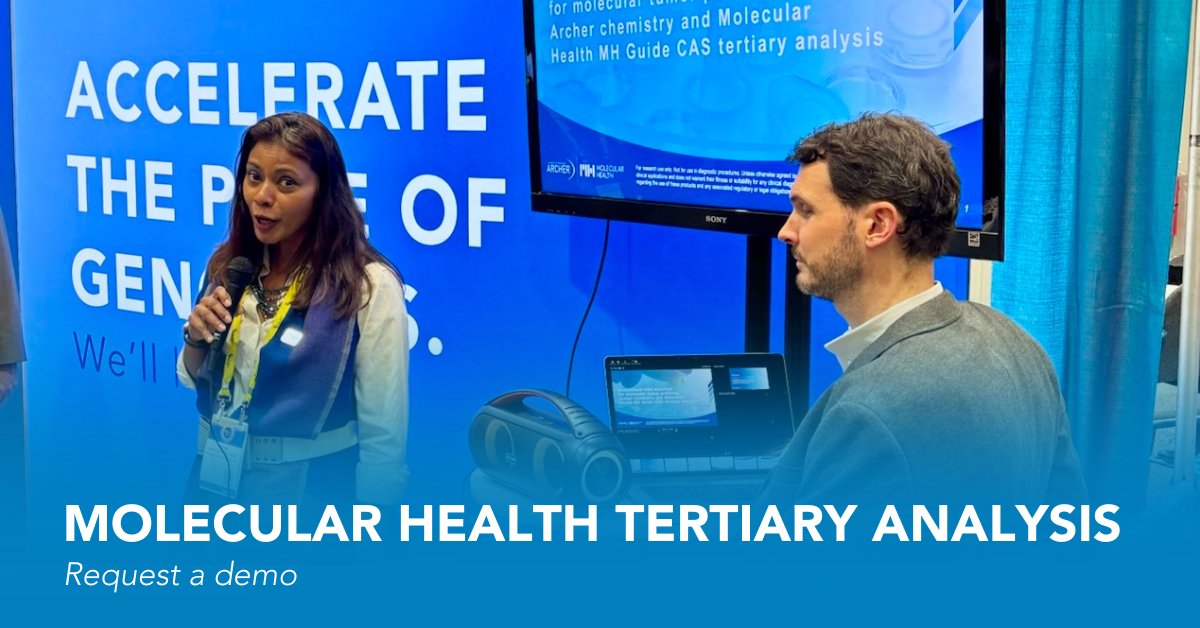
Did you miss our @MolecularHealth Tertiary Analysis demo at #AMP2024? Request a demo online! Learn how MH Guide CAS can increase your productivity and simplify your molecular tumor profiling workflow. Request here: idtb.io/ygrbod
#AMP24 #AMPath #AMPath24 @AMPath
3
197

27 Nov 2024
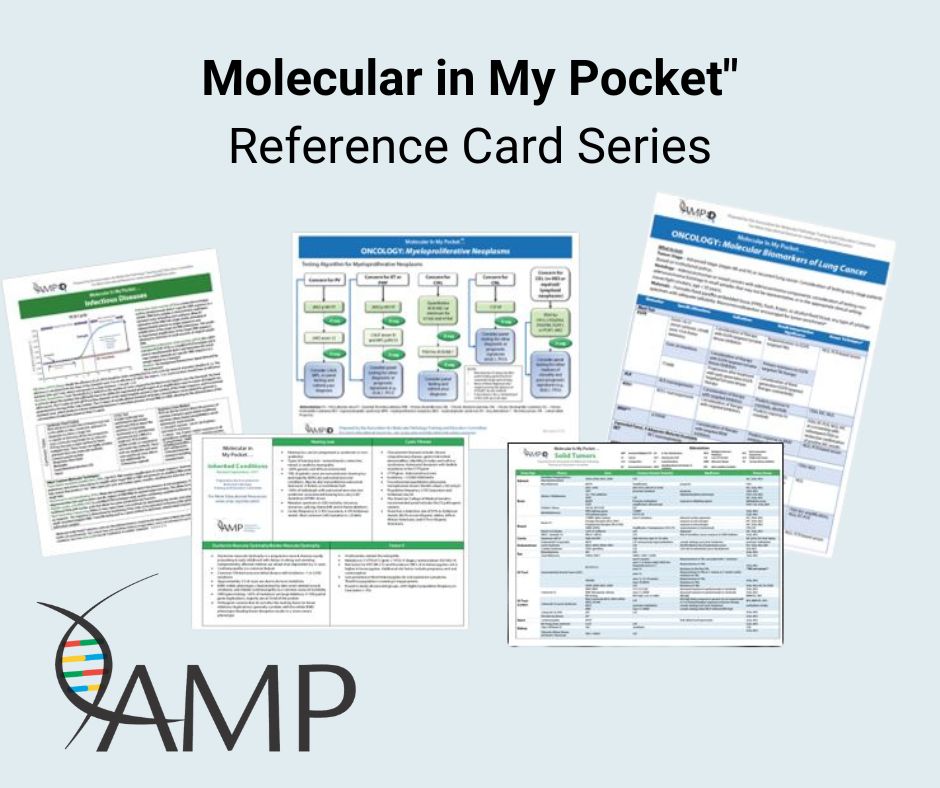
Did you attend #AMPath24 and forget to pickup our "Molecular in My Pocket" reference cards? Not to worry! You can download them here: amp.org/education/amp-review…. Please share them!
2
7
329

When a somatic CGP test flags potential germline variants, how many patients follow through for further testing and how does it impact them and their families? We partnered with @AHNtoday to examine referral patterns in a large community setting.
If you missed the poster presentation at #AMPath24, read about the study here: bit.ly/4eNHZOM
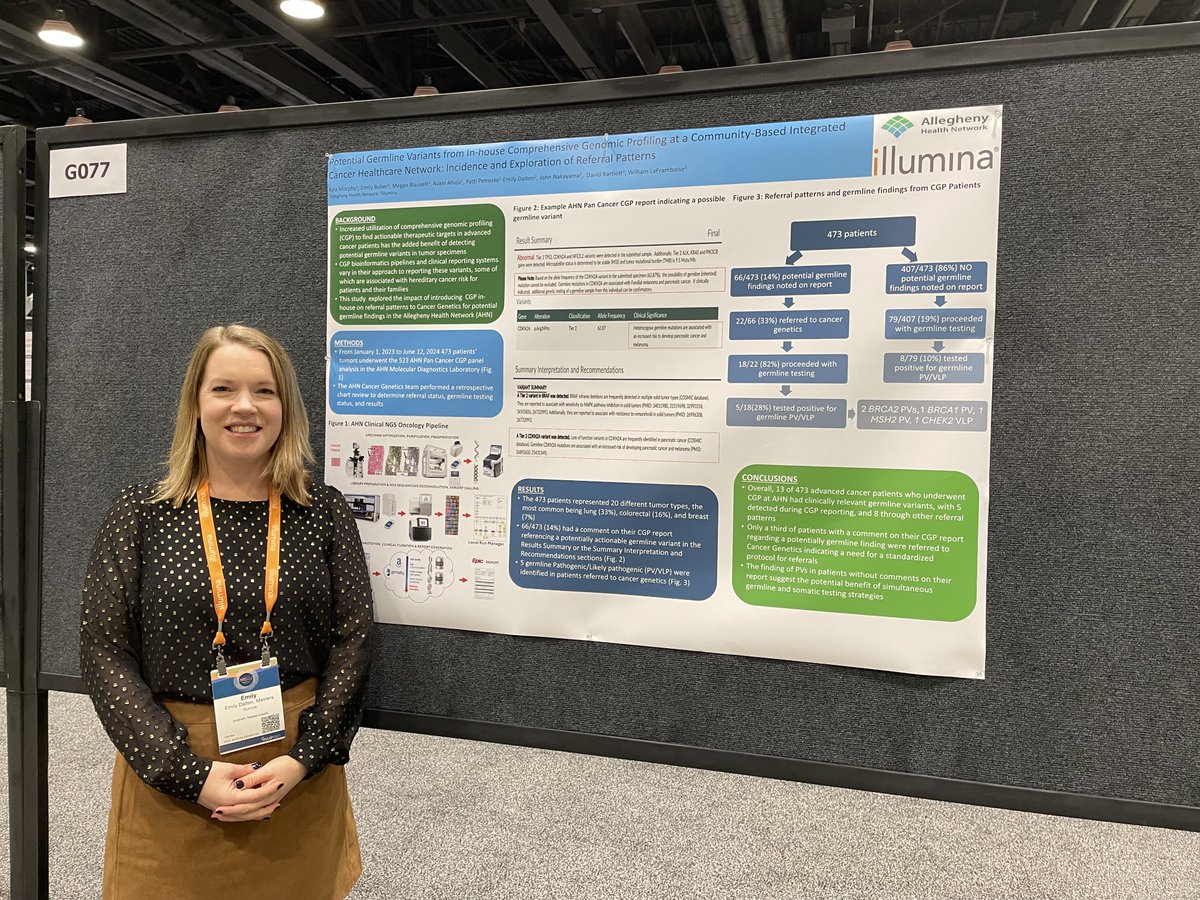
ALT Emily Dalton, Associate Director of Oncology Medical Affairs at Illumina, with her poster at AMP 2024.
1
2
6
1,863

26 Nov 2024
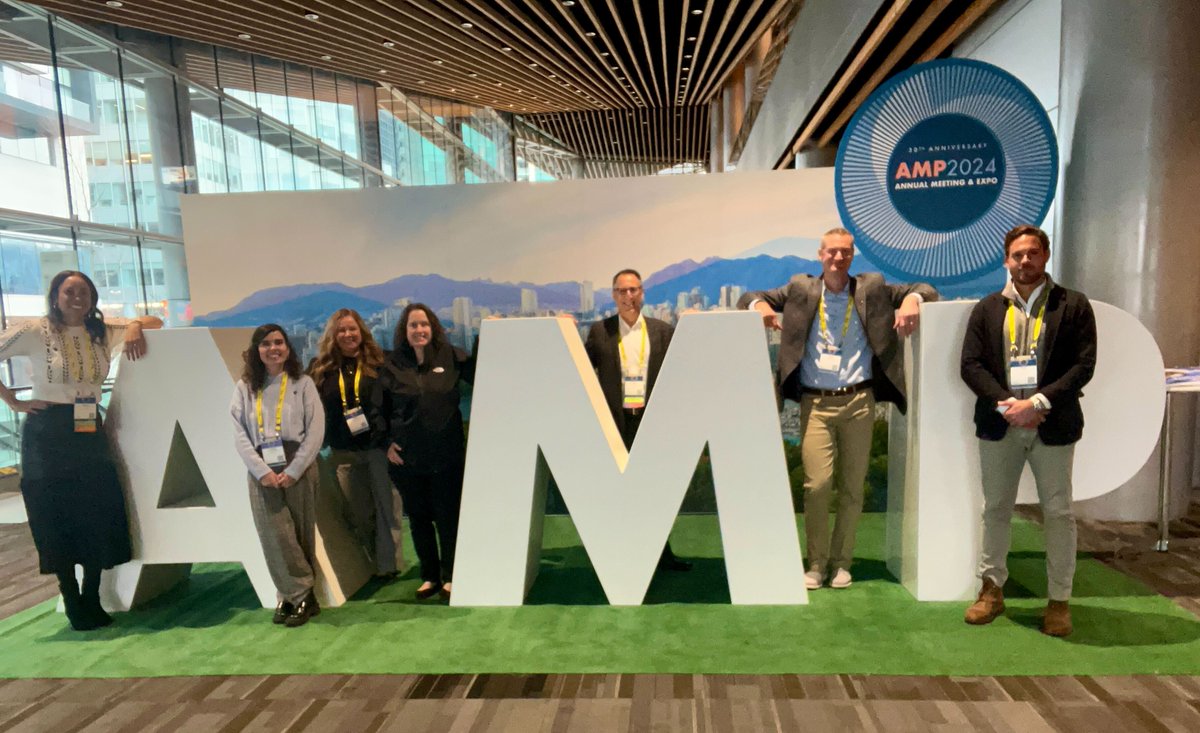
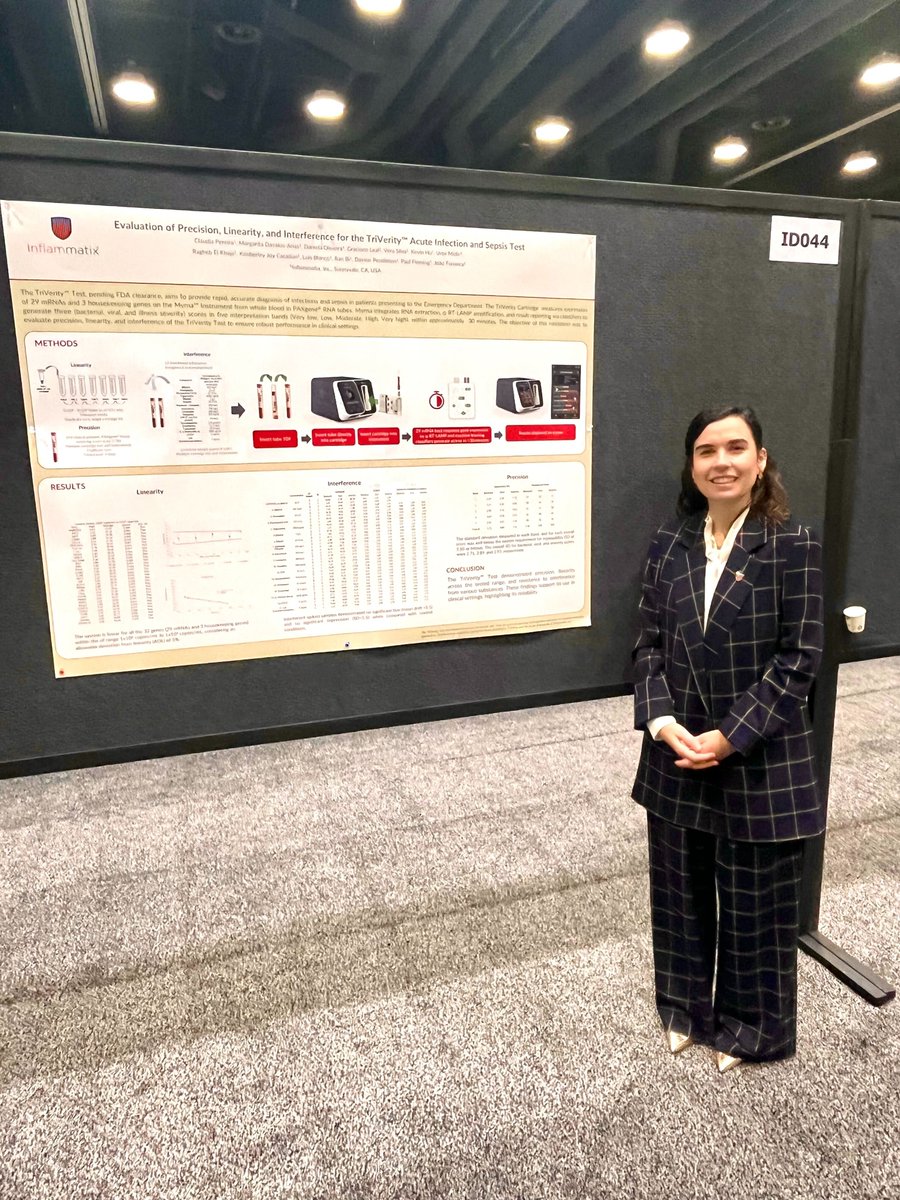
Our team is grateful to have met with molecular diagnostics experts and peers who are helping to shape the future of diagnostic testing innovation at the @AMPath 2024 Annual Meeting #AMP2024 #AMPath24 #diagnostics #HostResponse
1
3
280

25 Nov 2024
2
62
24 Nov 2024
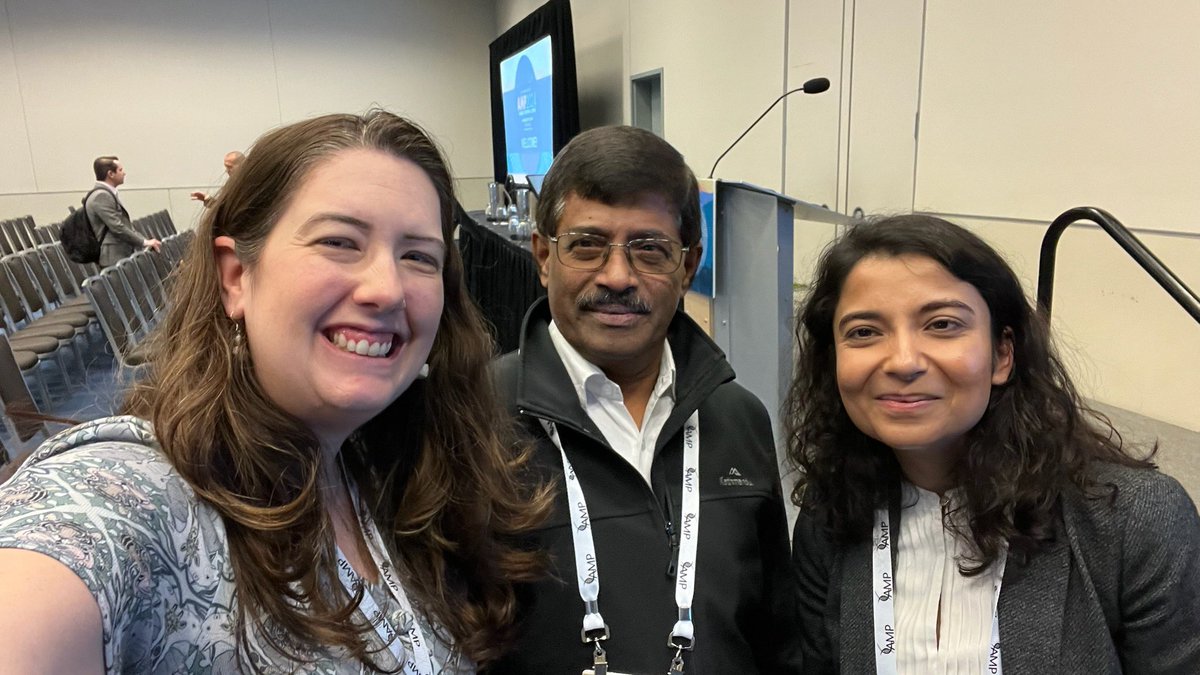
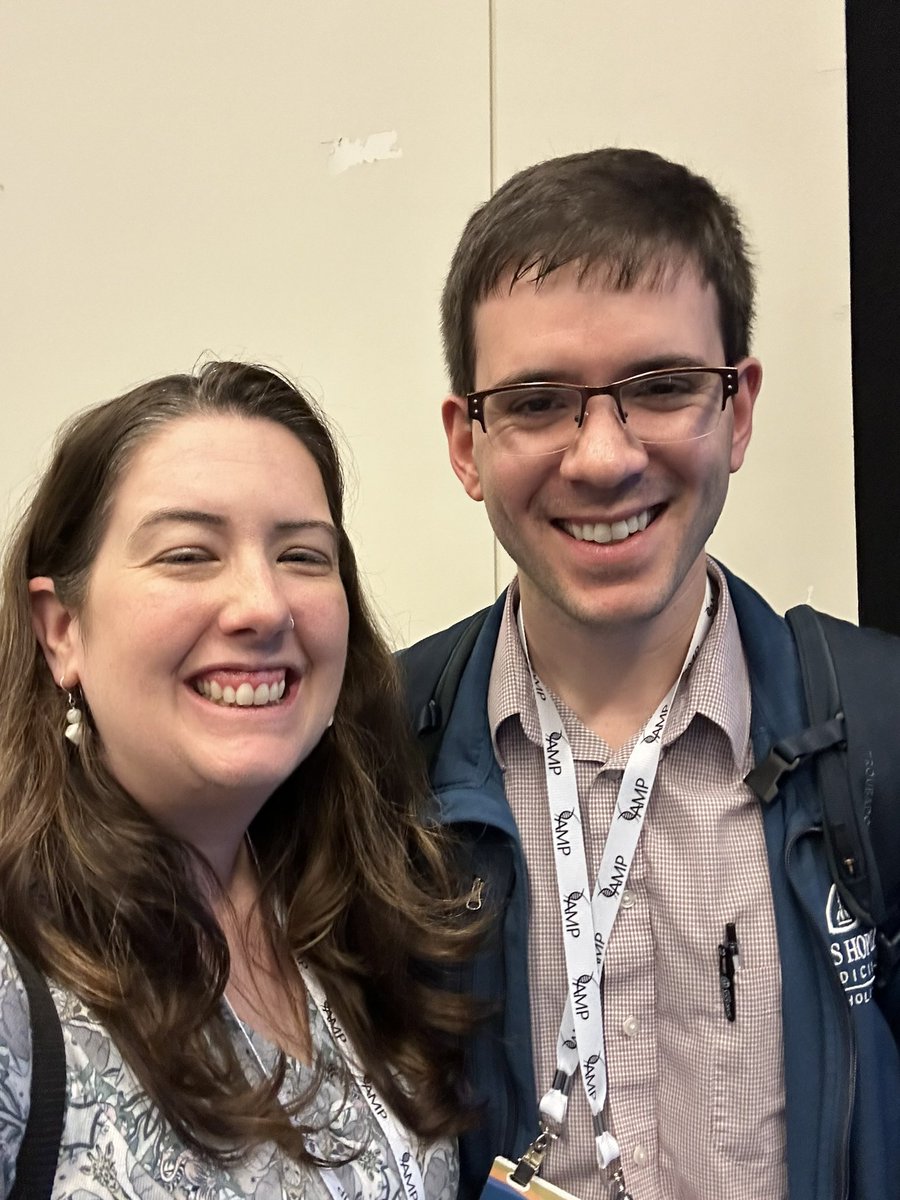
Thank you #AMPath24 Program Cmte, all our exhibitors & sponsors, speakers, attendees, volunteers, and the @AMPath team for another truly amazing meeting. Thank you #Vancouver for being such a wonderful host city. Save the dates now for #AMPath25 Boston! #beantown
4
8
958

24 Nov 2024
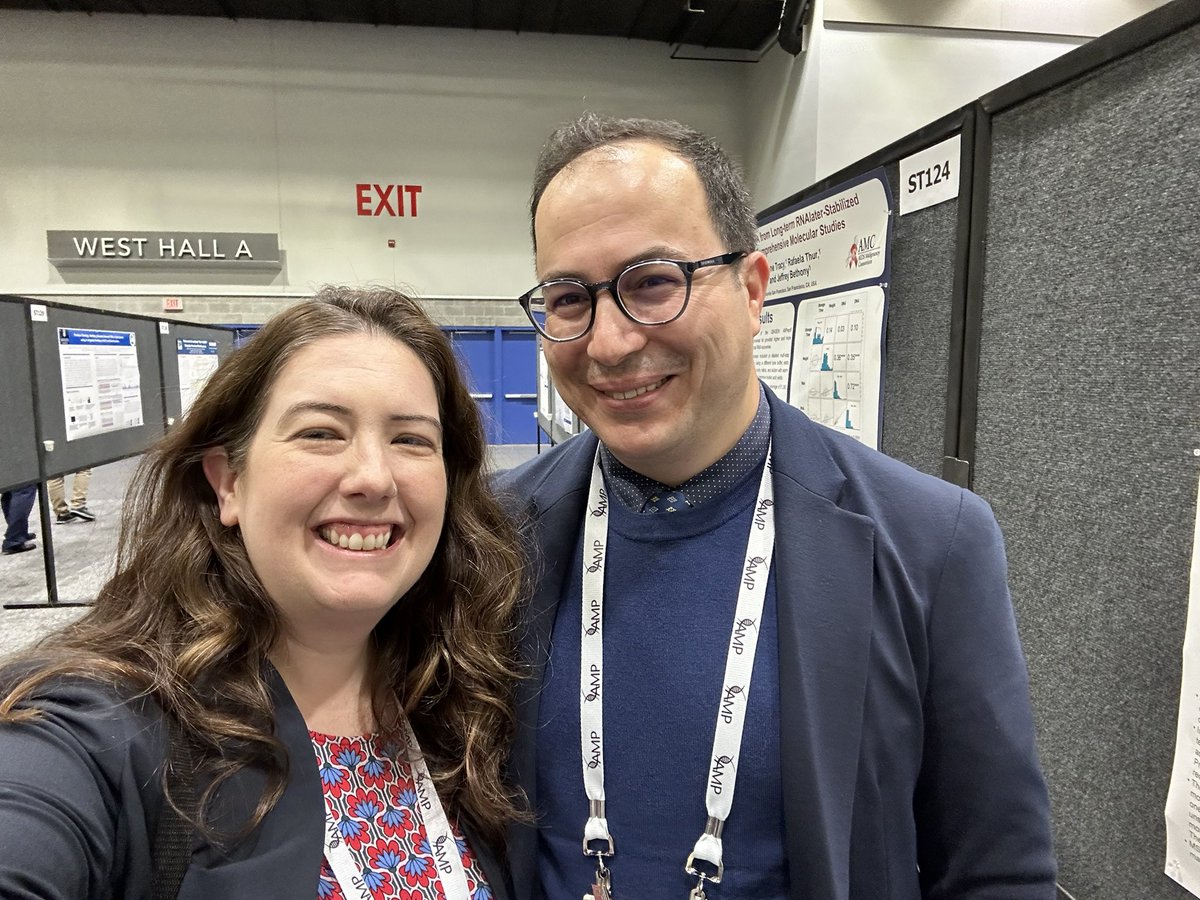
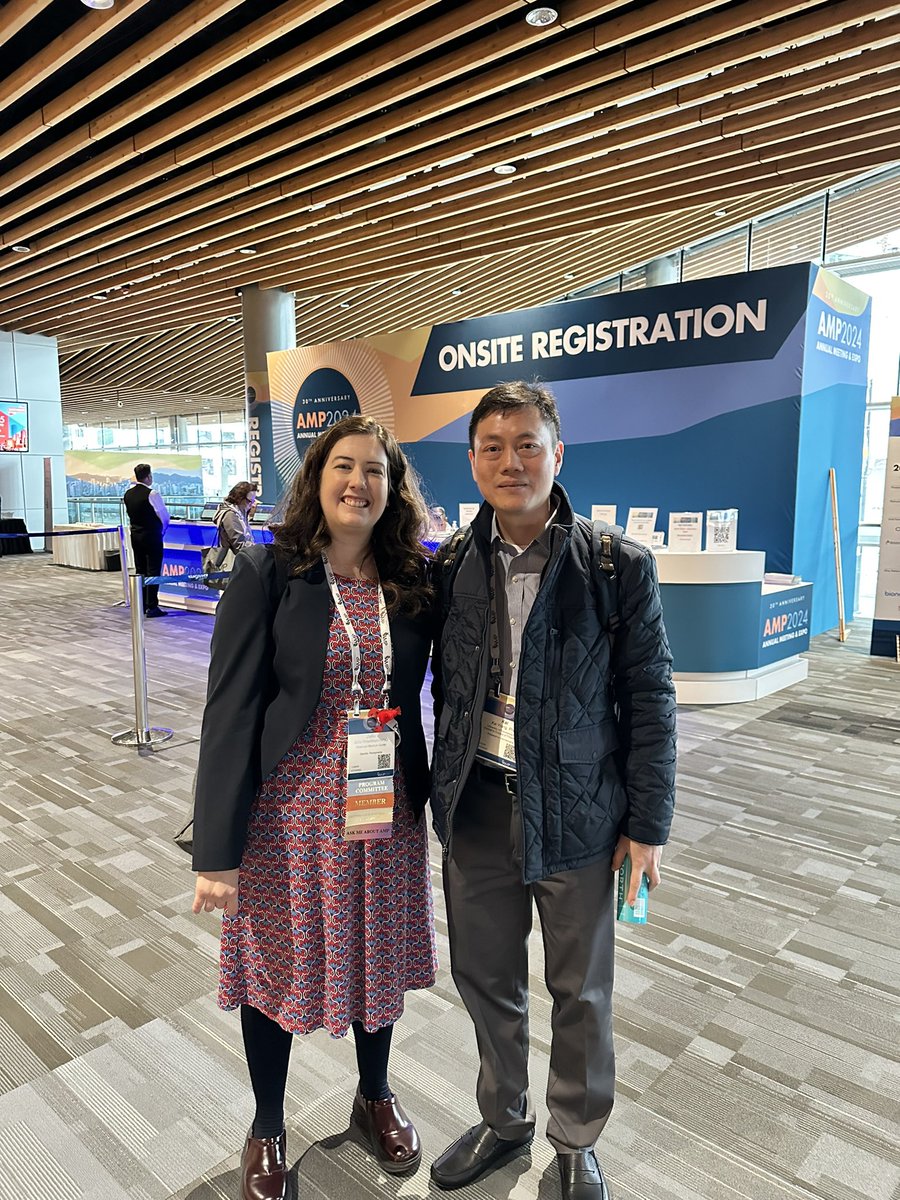
It was a great AMP 2024 annual meeting! Looking forward to Boston in 2025. Good bye Vancouver! #AMPath24

1
15
492


23 Nov 2024
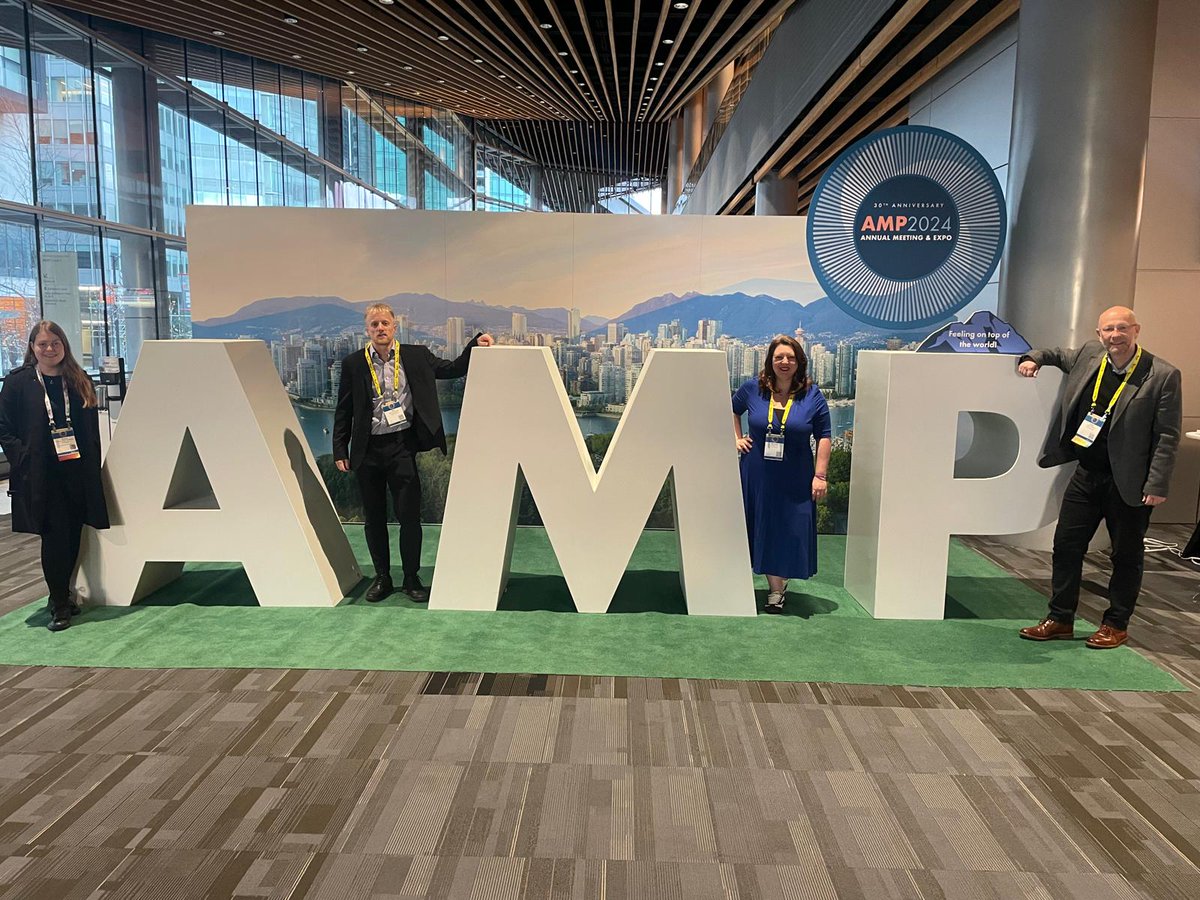
That's a wrap on #AMPath24 🌟🎉 thanks to everyone who connected with us over the past few days. The Pathologist team is heading back to the office very humbled and excited for the future 💛
2
17
829

23 Nov 2024
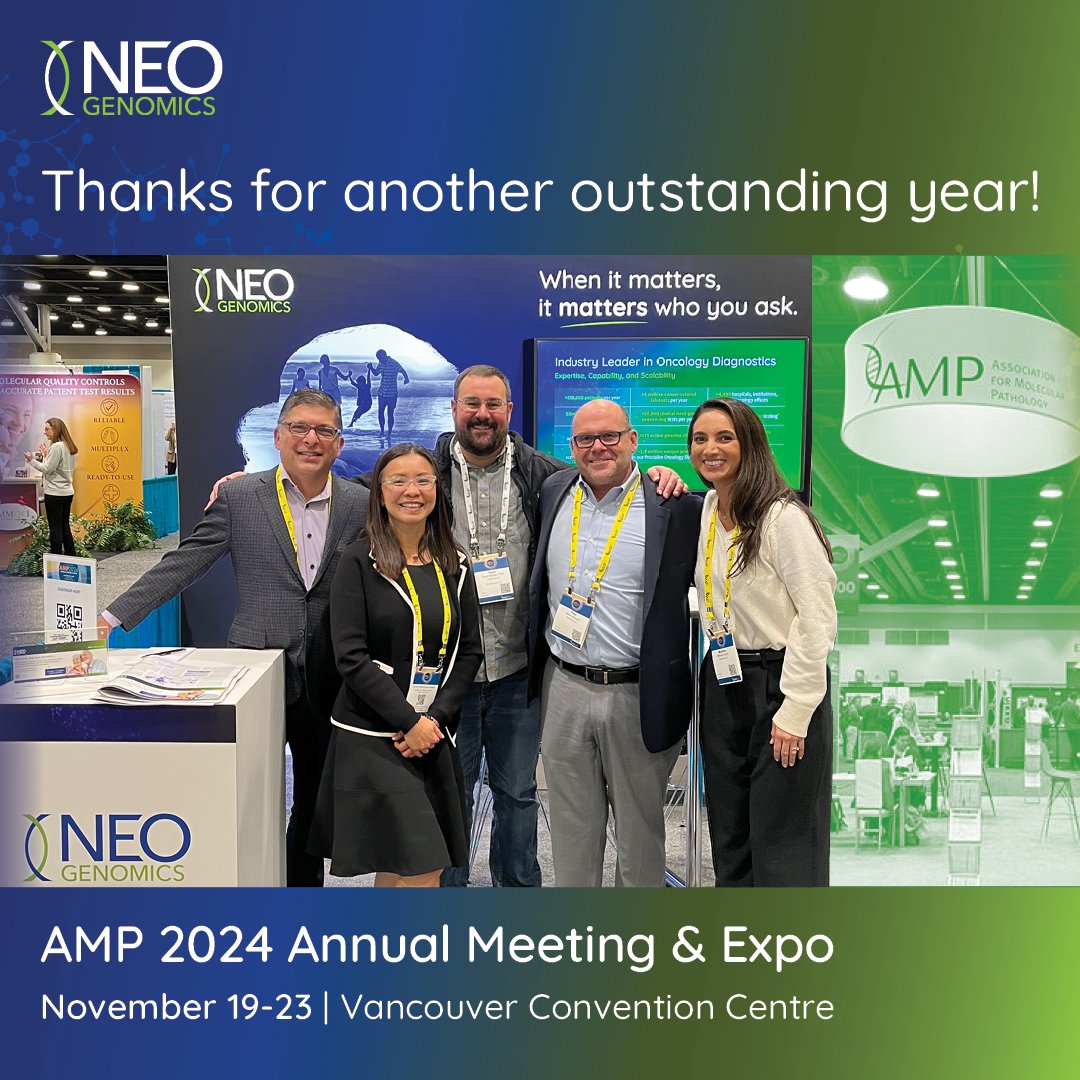
It has been a great week at #AMPath24 in Vancouver, British Columbia, Canada. We enjoyed the chance to meet with attendees to discuss solutions that can answer the challenges of cancer care.
#Pathology #CancerCare
6
160

23 Nov 2024
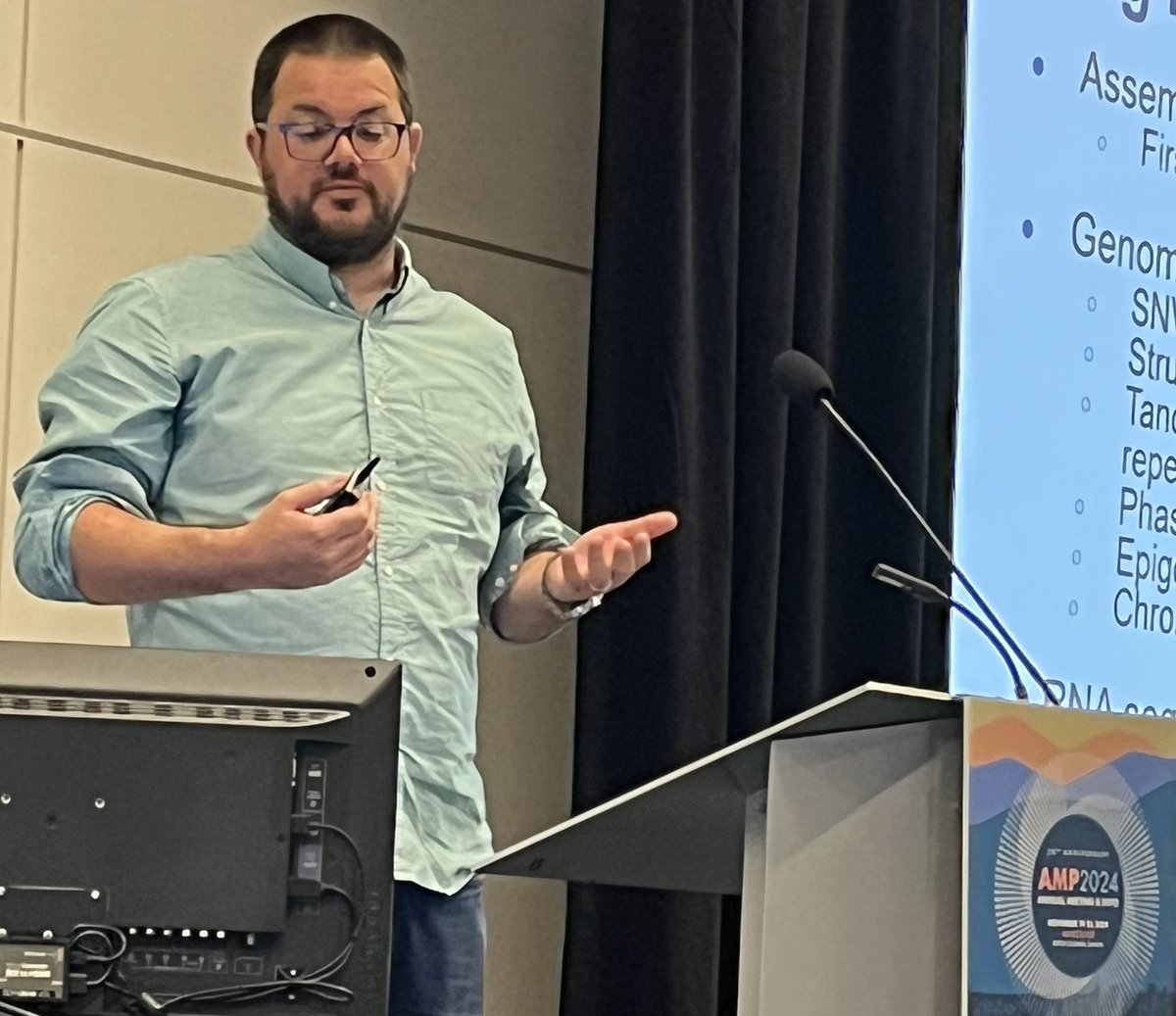
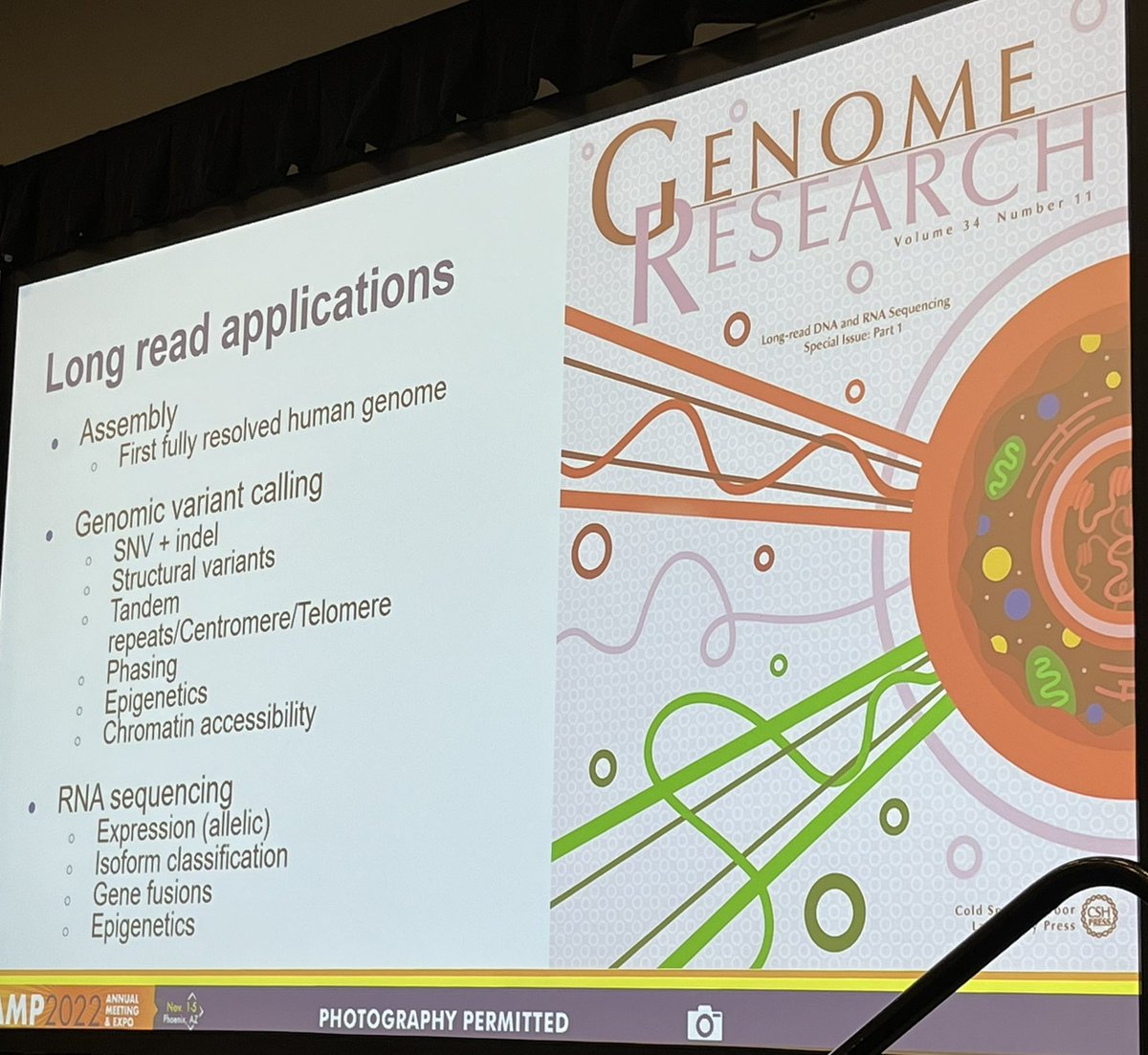
So many opportunities to learn from long range sequencing approaches. Great perspective on the current landscape and personal experience presented by @sedlazeck @BCM_HGSC at #AMPath24. @AMPath
2
15
636
23 Nov 2024
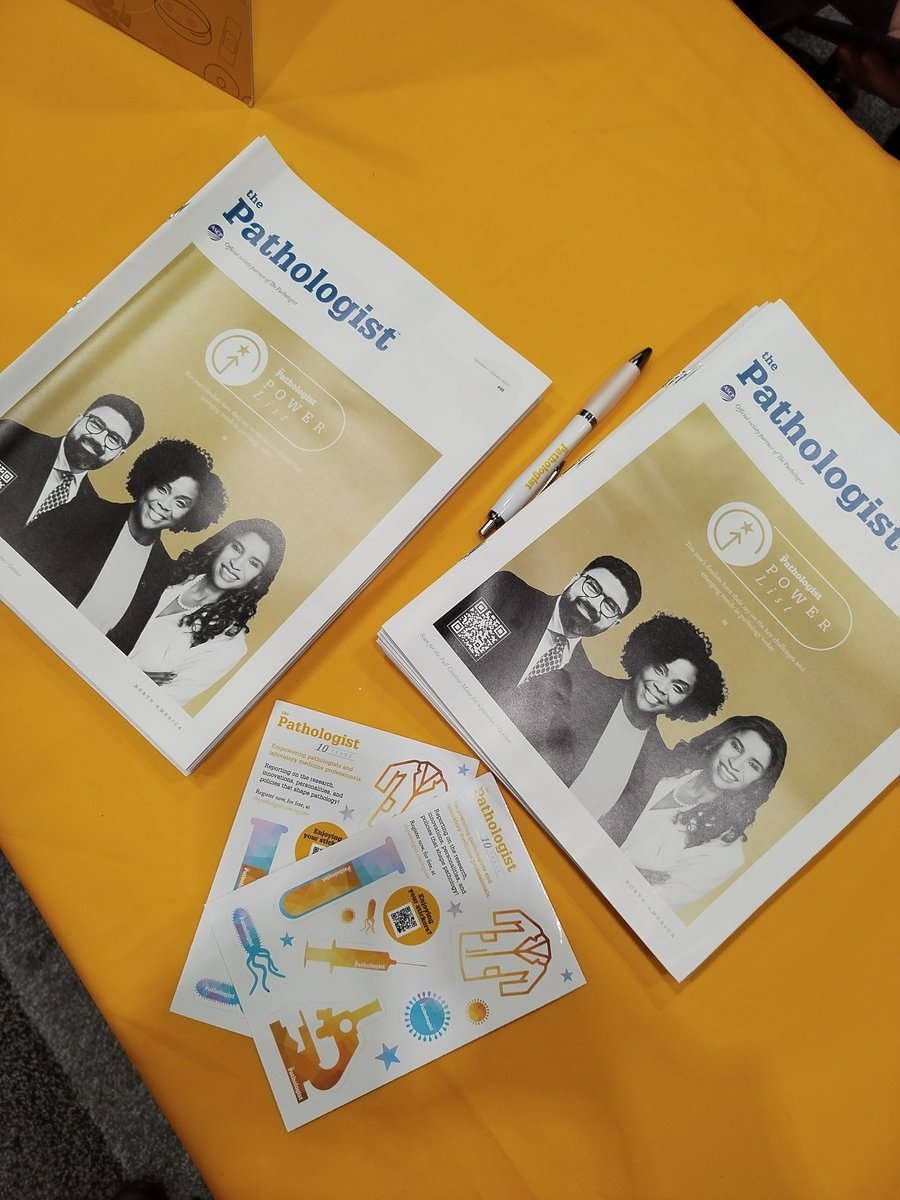
Make sure to grab a copy of the latest issue of The Pathologist at #AMPath24 from booth #624 🗞️
4
12
1,079

23 Nov 2024
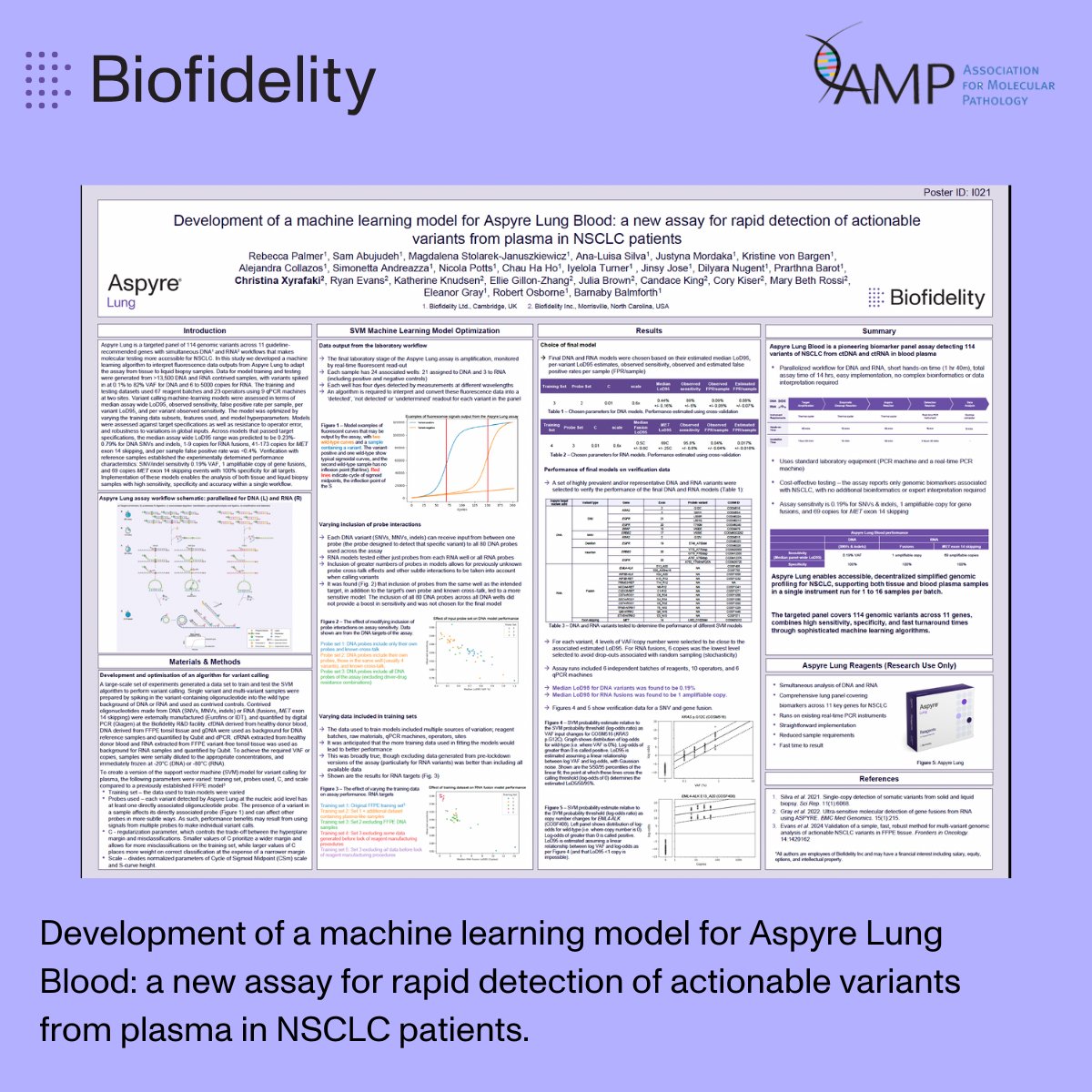
Download the poster "Development of a machine learning model for Aspyre Lung Blood: a new assay for rapid detection of actionable variants from plasma in NSCLC patients" presented today at #AMPath24
hubs.ly/Q02ZbNPF0
#liquidbiopsy #NSCLC #biomarkers #pathology #genomics4all
2
72

23 Nov 2024
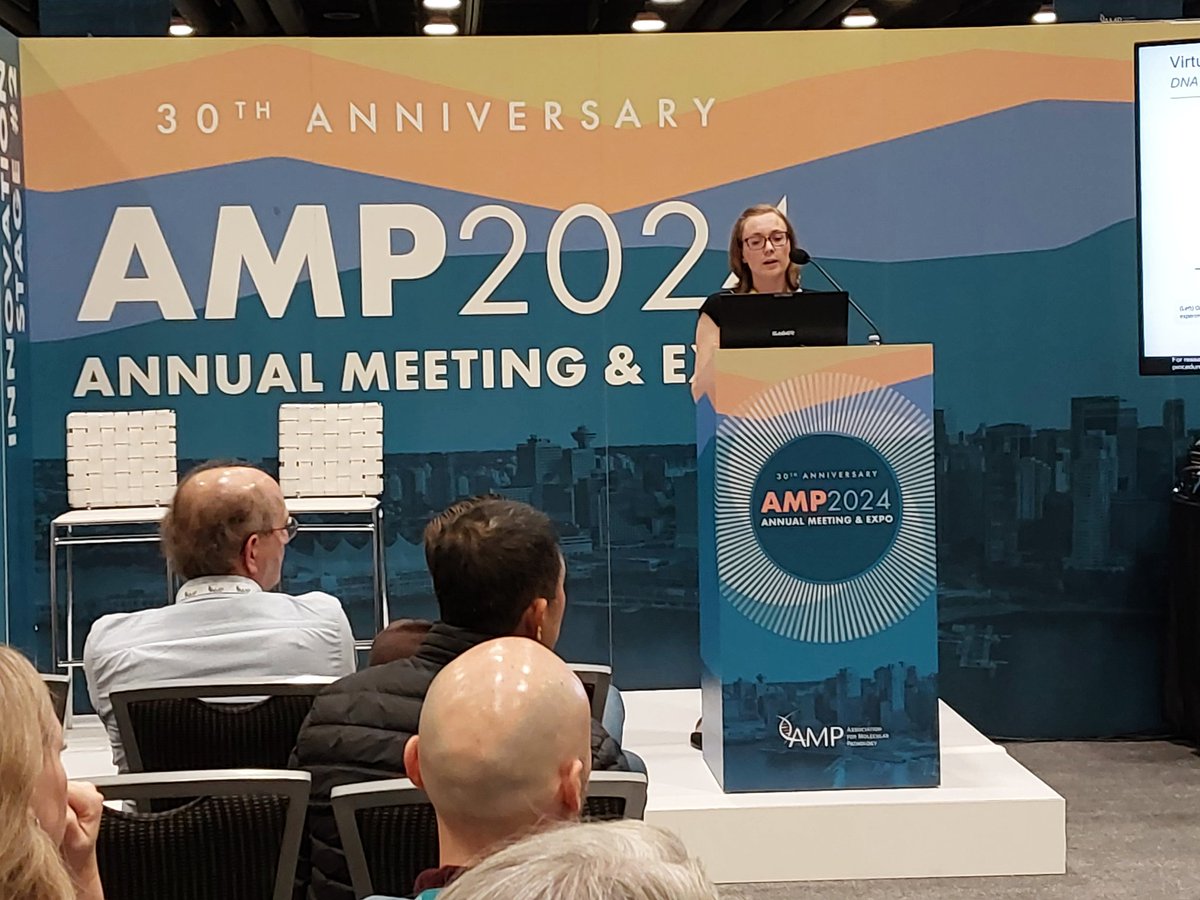
Kristina Giorda of @WatchmakerGeno1 gives a talk titled "Maximizing data outputs and leveraging new data modalities to fuel clinical sequencing applications" on an #AMPath24 Innovation Spotlight Stage.
1
6
272