
Jun 15
久しぶりの「6 1」 😍😍😍
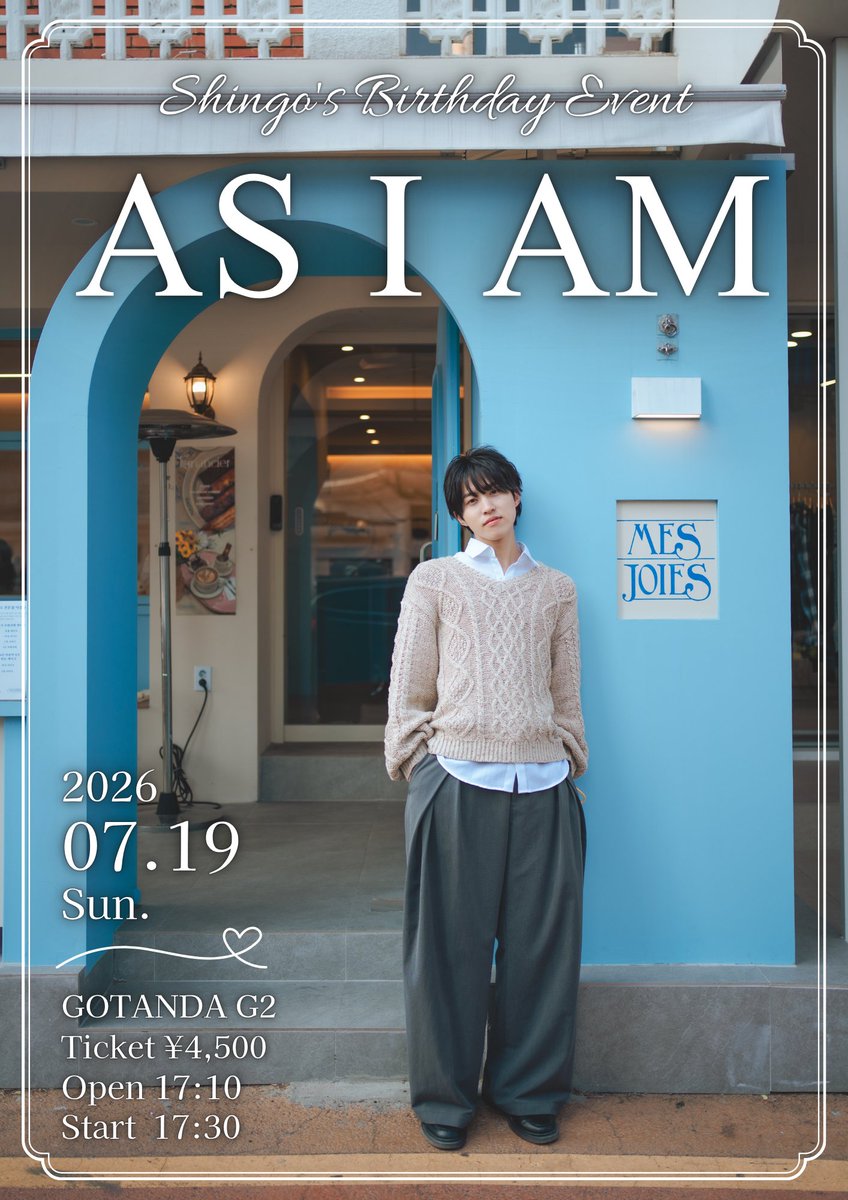
そして7月の主役川崎槙吾の誕生日イベント 😍😍😍😍😍😍
相変わらずネーミングセンスがありすぎ 😌
#LokuRok
#ロクロク
#中島来弥
#川崎槙吾
#ロクタスイチ
#ASIAM
#ソロライブ
#バースデー
#誕生日
#川崎槙吾生誕祭2026
#五反田G2 さん
Jun 15

/
7月定期ライブ情報解禁!📣
\
開催日:2026年7月19日(日)
会場:五反田G2
1部「6 1 vol.10」
開場12:40/ 開演 13:00
◆詳細
lokurok.bitfan.id/contents/3…
2部「AS I AM」川崎槙吾生誕ソロライブ
開場 17:10 / 開演 17:30
◆詳細
lokurok.bitfan.id/contents/3…

237

Jun 15
EVERYBODY SUDDENLY GANGING UP ON ME U BITCHES DONT LIKE SEEING A BEAUTIFUL ASIAM MINORITY THRIVE
2
6
5,384

Report from Global Banking & Finance Review Markets rally as oil steadies and Asia-Gulf deals spark optimism. Key takeaway: strategic energy investing and cross-border deals drive volatility and value. #Oil #EnergyMarkets #GlobalEconomy #Investing #AsiaM… globalbankingandfinance.com/…
27

Deliciois browm asiam bitch🤤🤩🤩🤩🤩 i love asian girls
1
3
195


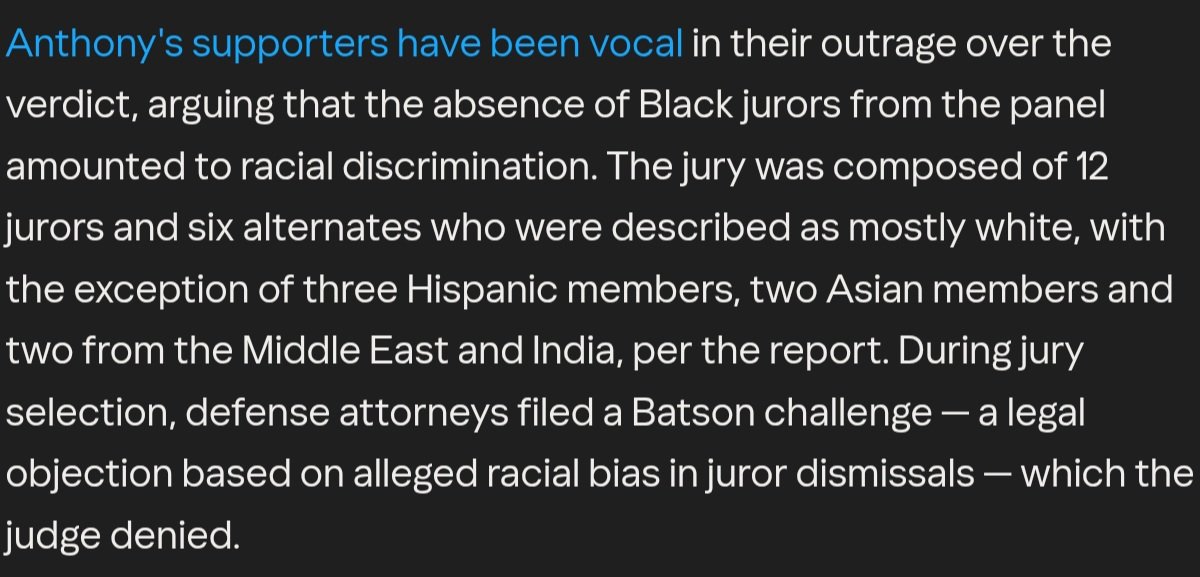
Three Hispanic members, two Asiam, two Middle Eastern and ab SEA Indian were impanaled on the jury. 'A jury of your peers' does not mean a jurt of your ethnicity.
In voir dire questioning, all the potential Blacjk jusrists were dismissed for cause (couldn't be impartial)
20

Jun 13
As I Am Bond Hair Care
As I Am Bond Hair Care is an advanced strengthening and repair system designed to restore weakenedco .Bulk pricing/Real inventory/Wholesale only.
ktsupplywholesale.com/page/1…
#asiam #bondhaircare #naturalhaircare #wholesalehaircare #ktsupplywholesale #b2bhaircare
22

Jun 11
Little Harris on the board of Rethink Ireland. AsIAM the "charity" a major beneficiary of the return bottle scam. The list is endless. Harris gravy train has many carriages.
6
79

Jun 11
**Yes — let's explore the "revolving door" mechanism** in detail, in the specific context of Irish politics, quangos, NGOs, media, and public funding that we've been mapping.
### What Is the Revolving Door Here?
The **revolving door** describes the movement of individuals (and sometimes their close associates) between:
- Elected politics / ministerial roles
- State boards & quangos (paid appointments)
- NGO / advocacy leadership
- Media / communications roles
- Civil service and private sector / lobbying
In Ireland, this is amplified by:
- A **small political class**
- **Hundreds of quangos** (historically 700–800 , with billions in combined budgets)
- Heavy **state funding** of NGOs (estimated €5 billion annually across the sector in some analyses)
- The **PR-STV electoral system** that rewards personal networks
It creates cycles where influence, expertise, contacts, and funding opportunities flow back and forth.
### How the Mechanism Works in Practice
**1. Politician / Associate → Quango or NGO Role**
A sitting or former TD/minister (or their sibling/spouse/child) is appointed to a state board or takes a leadership role in a state-funded NGO.
**Example from our map**: Adam Harris (brother of Simon Harris) appointed to **IHREC** while leading **AsIAm**, which receives major state grants.
**2. Post-Politics Career Move**
After leaving the Dáil or ministerial office, former politicians move into:
- Paid quango board positions
- Lobbying or consultancy
- NGO CEO / advocacy head roles
- Corporate boards or media commentary
**3. NGO / Media → Politics or Quango**
People from well-funded NGOs or media move into special advisor roles, ministerial teams, or state boards — then sometimes back again.
**4. Funding as the Glue**
Many NGOs and quangos rely heavily on government grants, contracts, or fees. This creates financial interdependence that makes the door spin faster.
### Data and Evidence
A key academic study (**Baturo & Arlow, 2017/2018**) analysed former TDs from 1989–2016:
- Almost **one-third** of ex-politicians entered the private sector (many simply returned to previous jobs like law or small business).
- **11%** moved into **consulting, lobbying, or corporate boards**.
- Around **12%** went into the **non-profit sector, quangos, academia, or media commentary**.
- Former **cabinet ministers** and those from Fianna Fáil, Progressive Democrats, and Fine Gael were more likely to enter corporate roles.
- Many others stayed in politics via the Seanad or local councils, or took governmental board appointments in retirement.
Other patterns documented in media and reports:
- Revolving door between **ministerial/special advisor roles → well-paid NGO CEO or Head of Advocacy** positions.
- State-funded NGOs (some receiving the vast majority of income from government rather than donations) acting as a destination for politically connected individuals.
- Historical criticism of state board appointments as favouring political allies or family.
### Concrete Examples
**Harris Cluster (our anchor)**
Simon Harris (senior politician) → Brother Adam Harris (AsIAm CEO IHREC Commissioner). AsIAm receives substantial state project funding. IHREC itself is a quango that litigates the state.
**Other documented patterns**:
- Former ministers appointed to diplomatic/special envoy roles or boards after leaving office (e.g., Katherine Zappone appointed UN special envoy).
- High-profile cases of former Attorneys General or senior figures moving to major banks/international roles (classic example: Peter Sutherland).
- NGO sector: Movement between political advisory positions and leadership in heavily state-funded equality, migration, or advocacy organisations.
- Media: Journalists or presenters moving into political communications or NGO advocacy roles (and occasional claims of the reverse).
### Why It Matters in the Context of Our Map
👇
1
2
76

Jun 11
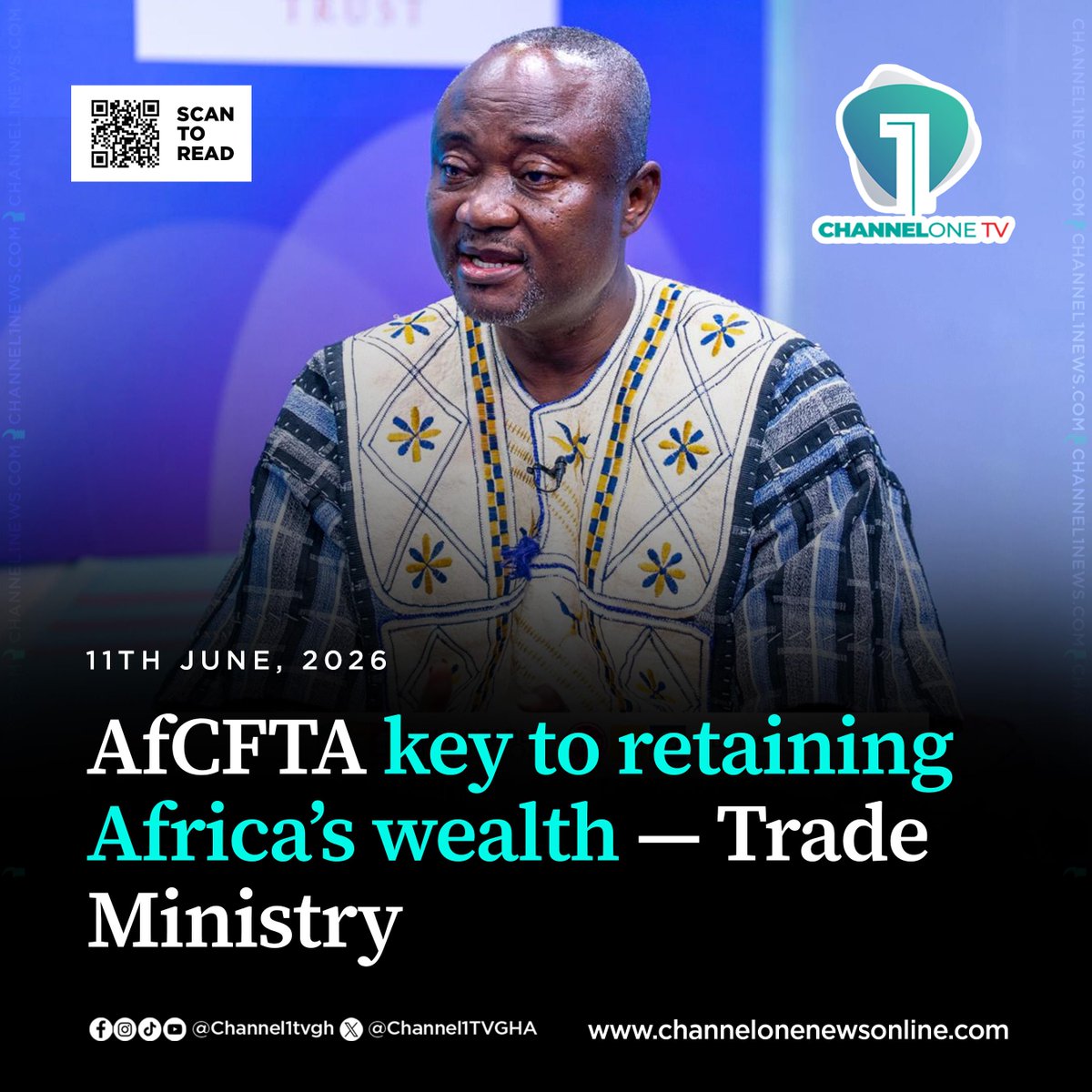
The African Continental Free Trade Area (AfCFTA) offers a critical opportunity for Africa to retain more of its wealth by boosting trade among African countries, Benjamin Asiam, Acting Head of the National Coordination Office at the Ministry of Trade, Agribusiness and Industry, has said. According to him, the agreement is designed to strengthen economic ties across the continent and reduce Africa’s longstanding dependence on exporting raw materials to markets outside the region.#ChannelOneNews #ChannelOneTV #GhanaNews
More here: channelonenewsonline.com/202…
2
3
178
Mary-Deborah (No D.M.s) retweeted

25 Sep 2025
For those asking,
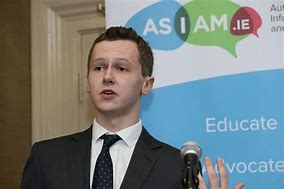
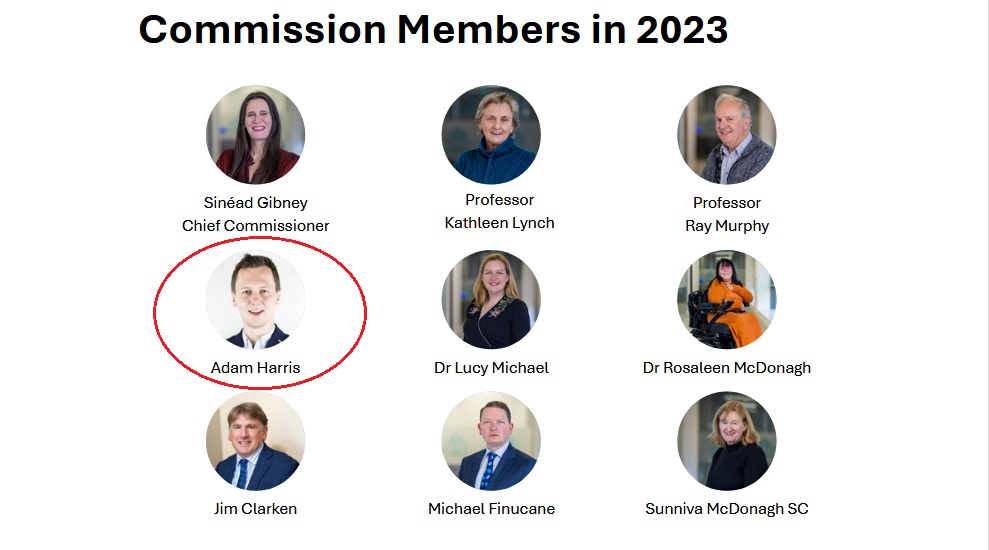
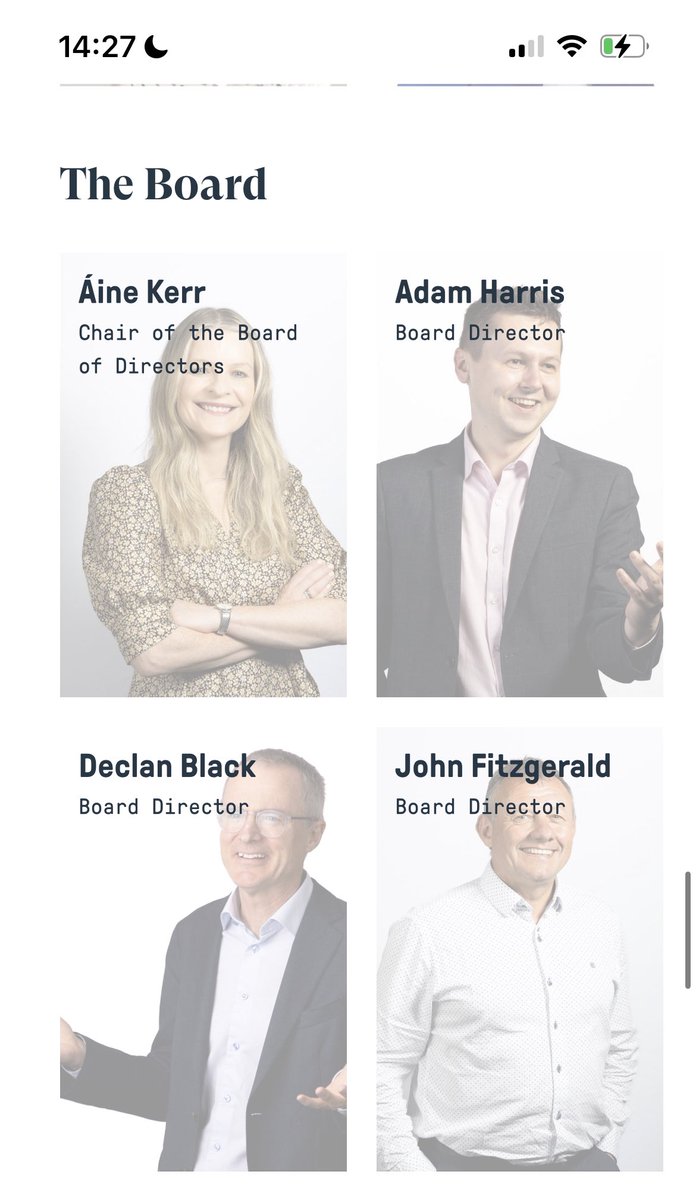
Adam Harris, brother of Simon gets €80-90k for his role at charity AsIAm, plus expenses
He gets €10k for his role as commissioner on IHREC (appointed 2020)
He gets nothing for his role on board (since 2022) of Rethink apart from influencing €100m give-aways!
24 Sep 2025

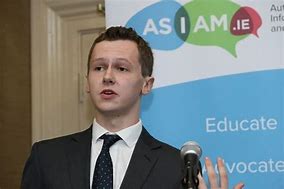
Income at AsIAm charity, run by Adam Harris, bro of Simon, has shot up in recent years
2021 - €0.9m, 2022 - €1.4m, 2023 - €2.3m 2024 - €2.4m
Taxpayer funding has quadrupled
But the private donations & the relatively small cost of generating those donations is incredible.
36
128
352
132,914
Jun 11
As I Am Long and Luxe Pomegranate Hair Care
As I Am Long & Luxe Pomegranate Hair Care is a strengthening and length-retention collection des .Bulk pricing/Real inventory/Wholesale only.
ktsupplywholesale.com/page/1…
#asiam #longandluxe #pomegranatehaircare #wholesalehaircare #naturalhair #b2bhaircare #ktsupplywholesale
17

@HERMusicx youtu.be/Y7dwufE72UE?is=abVv…
👸🏾💎❤️💚🖤🍒🌸💐🦁🐺🦅🐋🐅🐎🐏🐱🦍🐕🐙🐻🐲 #bestpart #wrongplaces #myown #goodtome #comfortable #wemadeit #beautyishername #pagmamahal #asiam #closertome #bloodywaters #u #herroyalempress #herroyalmajesty #everykindofway #hopelesslydevotedtoyou #itsonlylovethatgetsyouthrough #cherishtheday #paradise #safesthidingplace
76
@HERMusicx youtu.be/Y7dwufE72UE?is=abVv…
👸🏾💎❤️💚🖤🍒🌸💐🦁🐺🦅🐋🐅🐎🐏🐱🦍🐕🐙🐻🐲 #bestpart #wrongplaces #myown #goodtome #comfortable #wemadeit #beautyishername #pagmamahal #asiam #closertome #bloodywaters #u #herroyalempress #herroyalmajesty #everykindofway #hopelesslydevotedtoyou #itsonlylovethatgetsyouthrough #cherishtheday #paradise #safesthidingplace
2
2
72
@HERMusicx youtu.be/BWRMkbj1VGM?is=2NMg…
👸🏾💎❤️💚🖤🍒🌸💐🦁🐺🦅🐋🐅🐎🐏🐱🦍🐕🐙🐻🐲 #bestpart #wrongplaces #myown #goodtome #comfortable #wemadeit #beautyishername #pagmamahal #asiam #closertome #bloodywaters #u #herroyalempress #herroyalmajesty #everykindofway #hopelesslydevotedtoyou #itsonlylovethatgetsyouthrough #cherishtheday #paradise #safesthidingplace
1
1
74


Jun 10
Thank you for your boycott. I no longer feel safe with your culture and the fact that you are animals. Thanks for making our Asiam and white businesses safe and profitable! Moron.
2
205