
archivio-temporale-di-logich…
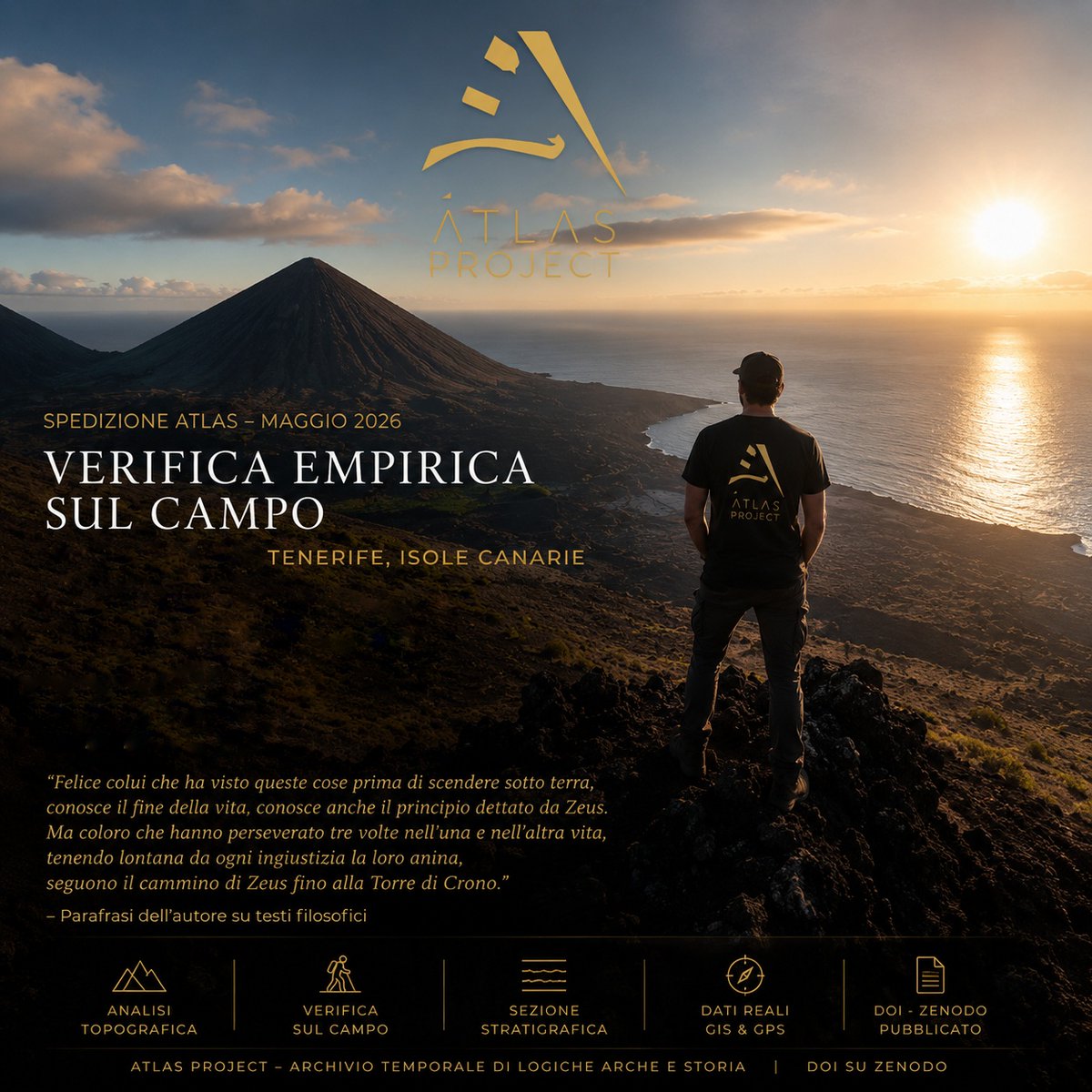
Addendum per la verifica sul campo della FASE A – (Tenerife, Isole Canarie) Spedizione Atlas Maggio 2026
#ATLASProject
#MetodoAtlas
#Arafo
#Tenerife
#CanaryIslands
#Volcanology
#FieldResearch
#Geoarchaeology
#Stratigraphy
#BarrancoDeCosme
#Basalt
#Pyroclastic
#ScoriaCone
1
1
5
385

On March 16, we had the opportunity to introduce the new Director of the Thailand Office to Dr. Thiravud, Dr. Suleeporn, and Ms. Shimura of Bangkok Hospital.
Following this, Ms. Shimura kindly gave us a tour of the hospital.
#ATLASproject #APO #CancerResearch #ClinicalResearch

3
118
ATLAS SRCG (Sarcoma and Rare Cancer Group) held its first regular meeting of 2026. Many new research ideas were proposed, followed by constructive discussion to strengthen collaborative studies across the network. 🧪🤝 #ATLASproject #Sarcoma #RareCancer #ClinicalResearch

2
6
298

29 Nov 2025
🚨 Are We Seeing TOO MANY Interstellar Objects? 1I, 2I, 3I… And Why the Sun Might Be Involved
More 3I/ATLAS Images: spacetracker.space/timelineO…
Log: 28 November 2025
Observer: @KalopaStars
• Honoka‘a, Hawai‘i Instrument: Seestar S50 Integration Times: 2-min × 3 frames → 6 min stack, 13-min long run Processed by: SpaceTracker.space (AI multi-pass refinement)
Three interstellar visitors in eight years is NOT normal — and the Sun’s activity may be trending upward at the same time.
🌞 NEW THEORY: Is Solar Activity Making Our Solar System More “Permeable”?
We detected zero interstellar objects for all of human history.
Then in just one decade we get:
1I/ʻOumuamua (2017)
2I/Borisov (2019)
3I/ATLAS (2025)
Coincidence?
Or is something happening around the Sun?
Solar Cycle 25 has been stronger and more chaotic than predicted — with more:
CMEs
magnetic disturbances
mass ejection
heliospheric pressure changes
Even tiny shifts here can ripple outward to the solar boundary.
🌌 Why Solar Activity Matters
The Sun’s magnetic field inflates and contracts the heliosphere.
During high activity:
The heliosphere pressure increases
Solar wind pushes further outward
The gravitational/magnetic balance at the edge of the system shifts
These changes reach:
👉 The Heliospheric Boundary
👉 The Inner Oort Cloud
👉 The Outer Oort Cloud (where gravity is extremely weak)
👉 Interstellar space itself
This is where interstellar objects drift.
If the boundary becomes unstable or shifts even slightly…
More objects can cross into our system.
🌀 Outer Oort Cloud = The Weak Spot
Objects out there are barely held by the Sun — like dust suspended by a weak breeze.
Even small changes in:
Solar wind pressure
Magnetic-field orientation
Mass loss during active cycles
Galactic tides
Passing stars
…can destabilise them.
This can:
➡️ Dislodge Oort-cloud objects inward
➡️ Open “windows” for interstellar objects to slip in
➡️ Increase inbound anomalies like 3I/ATLAS
This trend aligns suspiciously well with rising solar activity since 2020.
🌠 We Might Be Entering a New Interstellar Traffic Zone
Astronomers estimate 10²⁶–10²⁹ interstellar comets populate the galaxy.
The Sun is moving through a denser region of the local interstellar medium.
Combine this with:
A highly active solar cycle
A weakened/variable heliosphere
A sensitive Oort Cloud
Better detection technology
…and suddenly 1I, 2I, 3I makes sense.
🔭 What 3I/ATLAS Is Telling Us
3I/ATLAS behaves like a classical Oort Cloud comet,
but inbound from OUTSIDE our solar system on a hyperbolic trajectory.
This means:
▶️ It wasn’t born here
▶️ It slipped through the heliosphere
▶️ It navigated the Sun’s outer gravitational boundary
▶️ It may have passed through a region affected by recent solar activity
We’re watching a cosmic visitor enter during a period of heightened solar behaviour.
⭐ THE REFINED VIRAL SUMMARY
Three interstellar objects in eight years is NOT normal.
But the most interesting part?
⭐ The Sun is in an unusually active phase
⭐ Solar activity alters the heliosphere
⭐ The heliosphere regulates what enters from interstellar space
⭐ The Oort Cloud is extremely sensitive to small changes
⭐ We may be seeing more inbound interstellar debris BECAUSE of solar activity trends
This is not just a coincidence —
this might be the first sign of how solar cycles shape interstellar traffic.
🟦 POWER-BAR CHART — “Why More Interstellar Objects Are Appearing”
Solar Activity Trend ████████████░░ 75%
Interstellar Density ██████████████ 95%
Detection Technology ██████████████████ 100%
Oort Cloud Weakness ██████████░░░ 65%
Galactic Motion ███████░░░░░░ 45%
Random Chance █████░░░░░░░░ 30%
#SunActivity #SolarCycle25 #3IATLAS #Interstellar #Comets #Astronomy #SpaceWeather #Oumuamua #Borisov #OortCloud #Heliosphere #SpaceTracker #CosmicTraffic #Astrophysics #SolarSystem #GalacticWeather #BreakingSpace #JWST #ATLASProject #SpaceX
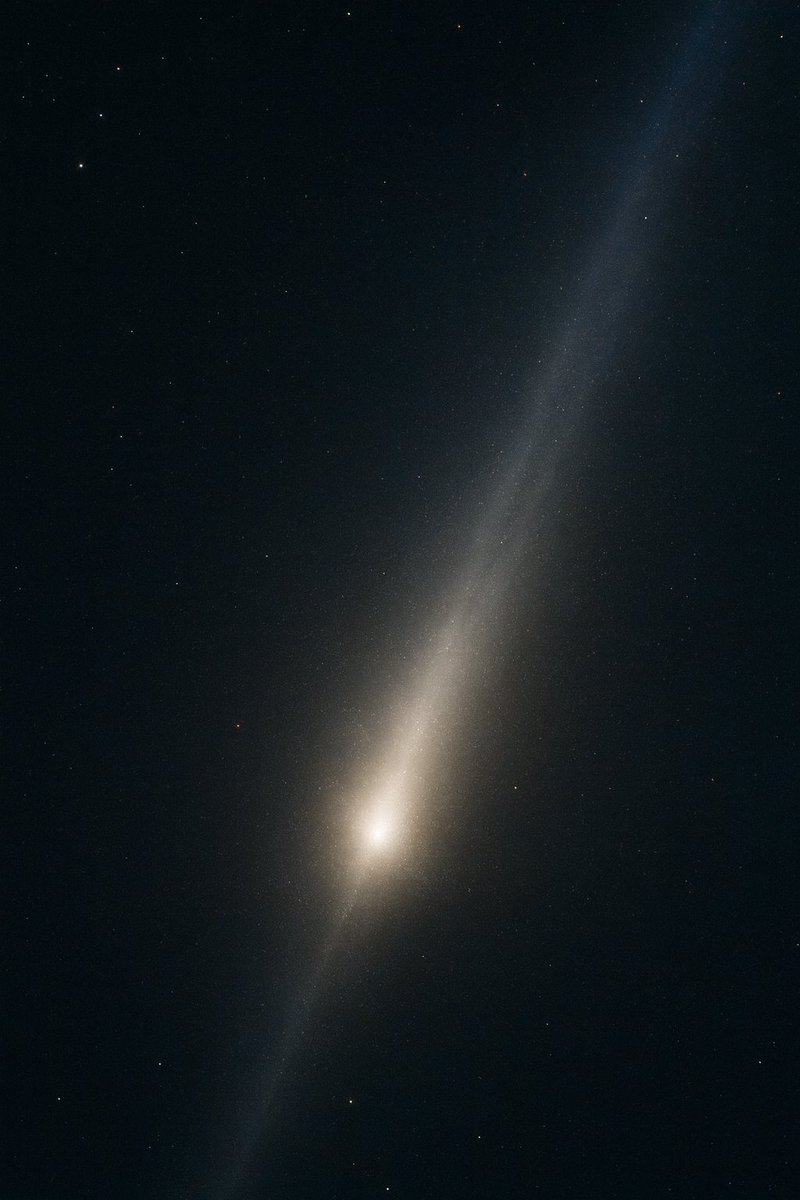
ALT More 3I/ATLAS Images: https://spacetracker.space/timeline Observation Log: 28 November 2025 Observer: @KalopaStars • Honoka‘a, Hawai‘i Instrument: Seestar S50 Integration Times: 2-min × 3 frames → 6 min stack, 13-min long run Processed by: http://SpaceTracker.space (AI multi-pass refinement)
3
10
57
4,069
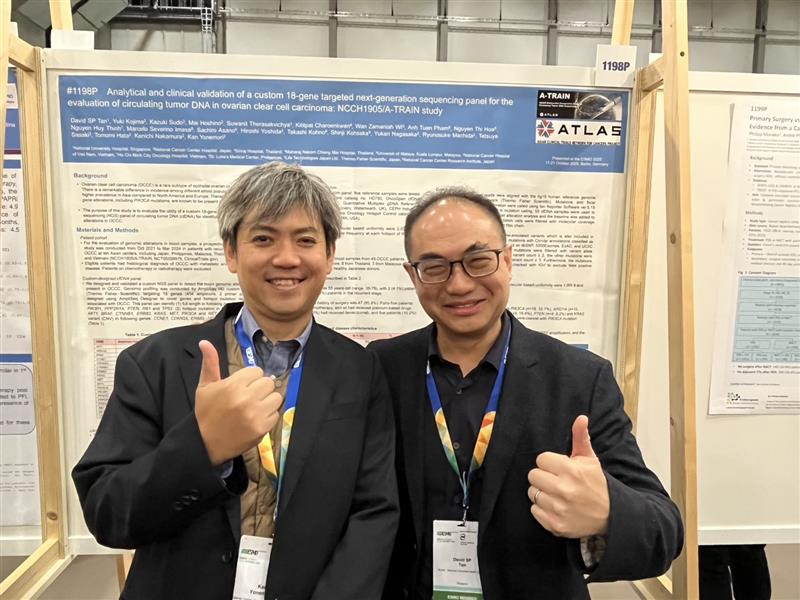
Poster presentation on the OCCC cohort of the A-TRAIN study at #ESMO2025! (Oct 17–21, Berlin)
On the right: Dr. David S. P. Tan from (NUH Singapore), on the left: Dr. Kan Yonemori (NCCH Japan)
Many thanks to all who contributed to this research.
#ATLASProject #NCC #OCCC #Oncology
3
208
Our Japan team visited the APO office in Bangkok to support the ATLAS ARISE PMDA International Symposium 2025.
We are grateful for their dedication and strength driving the ATLAS Project forward!
#ATLASProject #internationalteam #APOBangkok


2
145

27 Aug 2025
The Atlas Project is delivering strong results, with revenue generation underway and mining operations progressing as planned.
Our team is focused on the next phase of growth, implementing a diversified strategy across multiple project options to effectively manage risk and position the company for future mining opportunities.
Find out the latest updates on the Atlas Project and company announcements 👉 imageres.com.au/investors-ce…
#mineralsands #atlasproject #mining #titanium
2
32

16 May 2025
ATLAS Project is coming soon 🗺🧭
Let’s see you guy ALIS 🪽
#ATLAS_TH #ATLASth #atlasProject
#ATLAS4thAnniversary
32
22
902
20 Feb 2025
We are pleased to announce we have achieved first heavy mineral concentrate (HMC) production as part of the project commissioning process commenced in early February at our 100%-owned Atlas mineral sands project.
Managing Director and CEO Patrick Mutz said, “Achieving first production of HMC at Atlas marks a significant milestone for the Company, on the heels of the successful construction and early-stage commissioning of our second mineral sands project.”
Read the full announcement 👉 app.sharelinktechnologies.co…
#imageresources #atlasproject #announcement #mineralsands #ASX

2
3
860

22 Nov 2024
Myth: “Sustainability is too expensive.” 💸
Think going green will break the bank? Think again! 🌱 Sustainability is an investment, not a cost. Planting a tree can cost as little as £1, and small steps can lead to massive change.
#Sustainability #EcoBusiness #AtlasProject

2
97

29 Sep 2024
We are not the animators! This video was for reference only taken from a science page as you can see in OP!
1
2
41


29 Sep 2024
🌕Earth’s got a temporary new Moon ☄️for almost next 57 days! Asteroid 2024 PT5 (10m diameter) discovered by @ATLASProject on Aug 7, will orbit Earth, Sept 29 - Nov 25. [Visual: @OpenSpaceProj & @NASAJPL Horizons] #AsteroidCapture #Space #2024PT5” #minimoon #newmoon #nasa #isro
2
8
19
2,678

25 Oct 2023
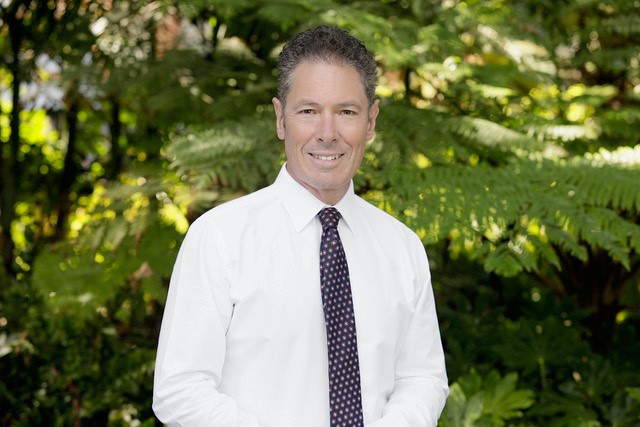
#ATLASProject is progressing! Special thanks to @drjoesDIYhealth, GP & AOWA Board Member, for demonstrating person-centred communication skills while playing role of a GP. The video will feature in the patient-centred care learning session. Launches 2024🚀
3
71

13 Oct 2023
sto finendo un lavoro estenuante di studio su BIS.org e nello specifico sul progetto Atlas , un identity matcher on-chain e off-chain, basato su algoritmi di ricerca euristica su Cluster a livelli
E' la risposta a Reactor, il software di #Chainalysis, dopo il caso #Sterlingov
La stessa organizzazione che comunque spinge su BlockChain con il progetto #Dynamo
#atlasProject fa molto pensare a come le istituzioni si muovono
#Reactor #blockchain #DataScience #dataprotection
1
2
78

6 Sep 2023
thx atlasproject <3
6 Sep 2023

Happy Birthday, Atlas! 🏹🔥🌎✨
Coldplay's soundtrack single for The Hunger Games: Catching Fire was released, on this day, 10 years ago
📅 06 Sep 2013
🎬 youtu.be/Lh3TokLzzmw

5
555

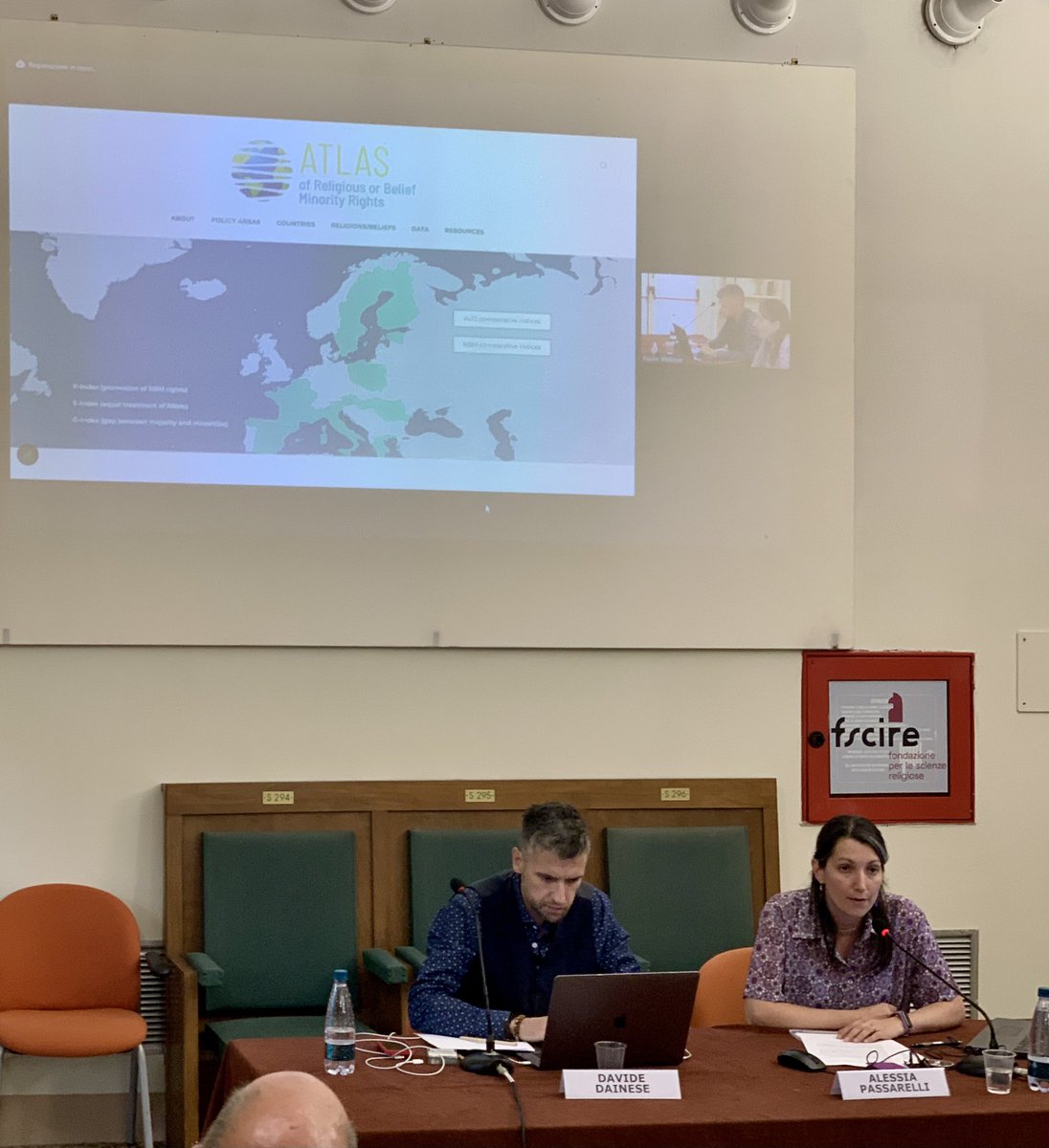
#Freedom #Interreligious #Intercultural #day1
Alessia Passarelli: #Religious Freedom and #Minority #Rights: Challenges and Opportunities in a #Plural #Society from the Results of the #ATLASProject
#Augustana-#Hochschule #DAAD
3
4
545

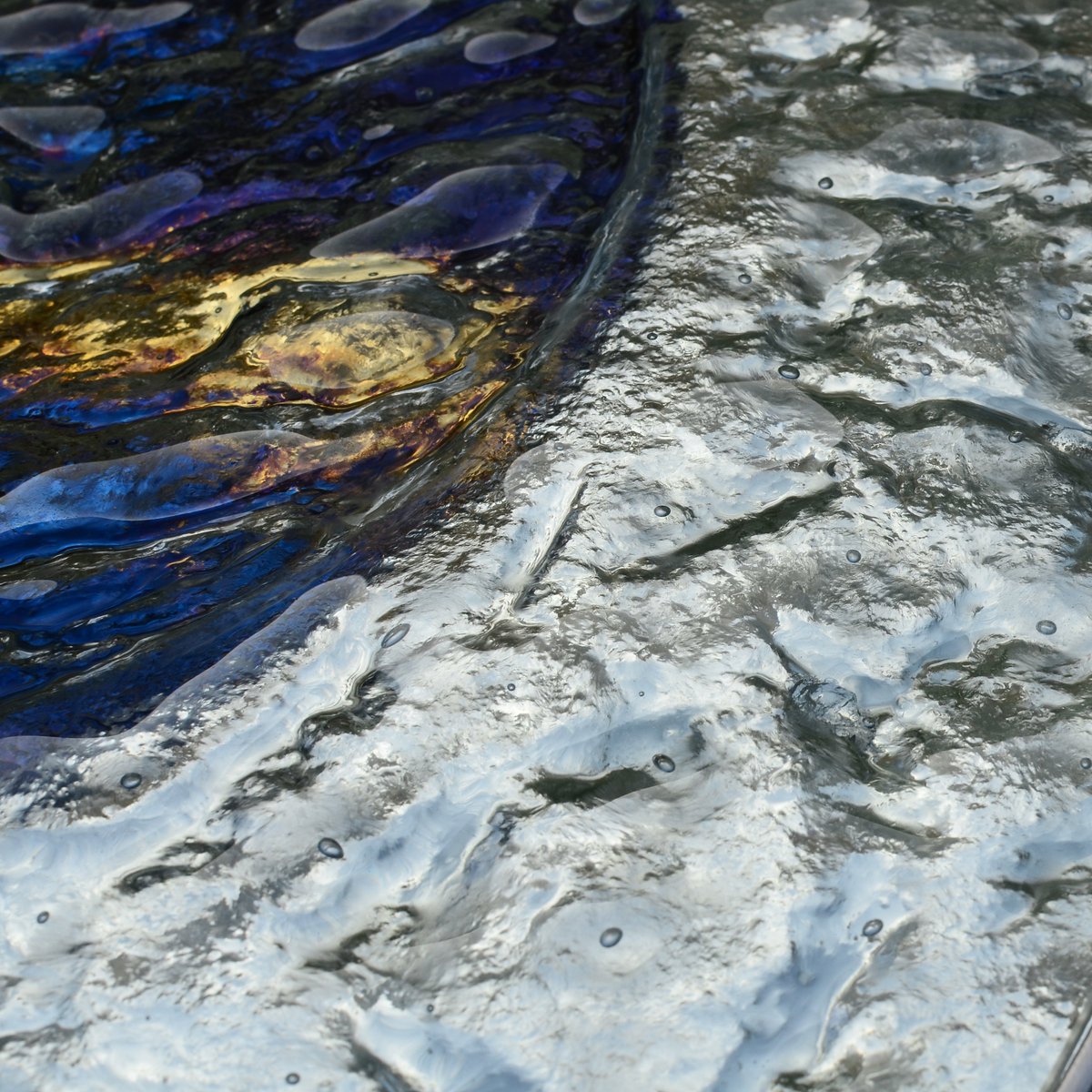
✨Di origini napoletane, Massimiliano Giordano cresce nell’atelier artistico di famiglia. Conoscenza artigianale e capacità progettuale lo conducono a Copenhagen e a Vienna.
🧡Ed ecco che viaggio e creatività si fondono in #Atlasproject.
#SAAI23


2
66

8 Jul 2023
DeFi #transferringcryptoassets #interfacelayer #AtlasProject #platform #markets
📢🖇👛📱🏦🆗️
cepr.org/voxeu/columns/proje…
2
31

30 May 2023
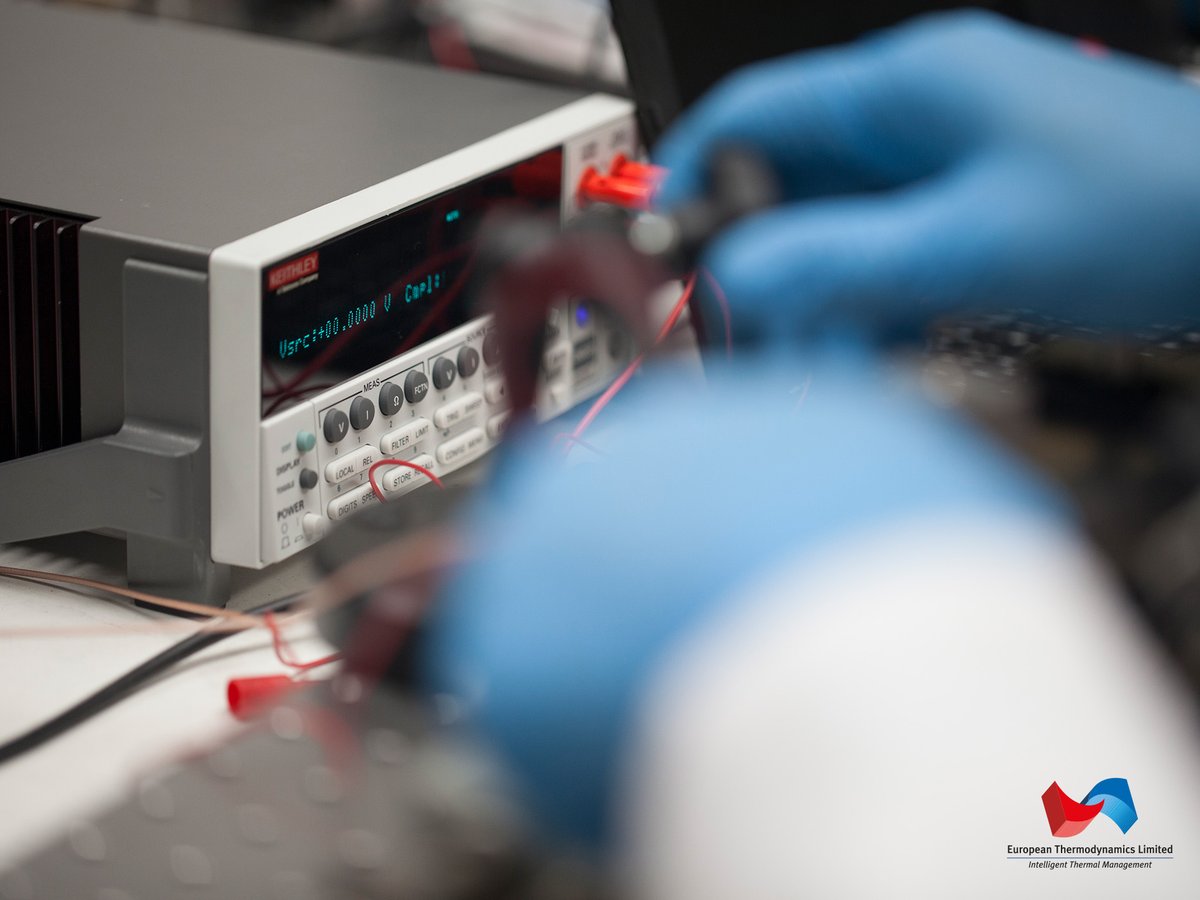
Happy National Creativity Day to all the ETL team and partners, your creative minds help to better our future. #NationalCreativityDay #EuropeanThermodynamics #AdaptiveTE #AIRODYN #GCSThermal #SPITFIRE #ATLASproject #ToyotaHILUX
2
60