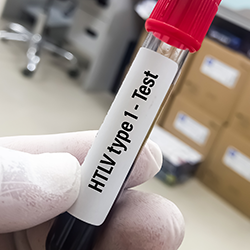
ATLL remains rare—but not evenly distributed. New data reveal a substantial burden among Caribbean-born populations in the U.S., highlighting opportunities for prevention through HTLV-1 screening: clinicaloncology.com/a/BTsBA… #Leukemia #Lymphoma
15

You ought to do better if atll you still believe in your political future. Why do Ugandan politicians act like thy are un some sort of jungle.
21

Carnevali's track record is smart under the radar signing, not big names at atll, and very strong focus on youth development. This does not seem to fit what Spalletti wishes...
61

Jun 13
And when dj started doing gigs for mr ruggs new restaurant and club in atll whos 21 ssavage buddy and meekss and also jz buddy 2 years ago i told yall then as well he doing another one soon again sooo !!!!!
1
9
509

Jun 12
Riddle me this: how does it work in ALL and Burkitt’s but not in DLBCL? What about aggressive PTCL such as ATLL? I agree that the current strategy is not efficient but saying it doesn’t work altogether is a little shortsighted.
1
187

Jun 12
Blast a baby crying all night and day through ypur sound system...atll fix it
2
4
165

ATLL PLAY LAD
Jun 11

Flights out of Edinburgh to
Boston are allegedly running out of beer.
“I want to find ‘Cheers’
1
32
J_bjjpov retweeted

May 20
Excited to share our practical paper on the use of HBZ-ISH as a diagnostic tool for adult T-cell leukemia/lymphoma (ATLL). Feedback and discussion welcome! @ASCP_Chicago @UMiamiPathology
pubmed.ncbi.nlm.nih.gov/4210…
1
8
11
1,076

Jun 11
@queenie4rmnola what I don't understand is why of why didn't Karmello's lawyer didn't allow him to testify especially after seeing the trial wasn't going in his favor at atll
1
67


Jun 9
Established Oncogenic Viruses & Associated Cancers
1. Epstein-Barr Virus (EBV / HHV-4)
• Burkitt lymphoma
• Hodgkin lymphoma
• Nasopharyngeal carcinoma
• Some gastric (stomach) carcinomas
• Other lymphomas and rare leiomyosarcomas (especially in immunocompromised people)
2. High-risk Human Papillomaviruses (HPV, especially types 16 & 18)
• Cervical cancer (nearly all cases)
• Anal cancer
• Oropharyngeal (throat) cancer
• Vulvar, vaginal, and penile cancers
3. Hepatitis B Virus (HBV)
• Hepatocellular carcinoma (liver cancer)
• (Often through chronic inflammation and cirrhosis)
4. Hepatitis C Virus (HCV)
• Hepatocellular carcinoma (liver cancer)
• Some non-Hodgkin lymphomas
5. Human T-cell Lymphotropic Virus Type 1 (HTLV-1)
• Adult T-cell leukemia/lymphoma (ATLL)
6. Kaposi Sarcoma-Associated Herpesvirus (KSHV / HHV-8)
• Kaposi sarcoma
• Primary effusion lymphoma
• Multicentric Castleman disease
7. Merkel Cell Polyomavirus (MCPyV)
• Merkel cell carcinoma (rare but aggressive skin cancer)
8. Hepatitis D Virus (HDV) — (added/confirmed in 2025 IARC evaluation)
• Hepatocellular carcinoma (liver cancer, usually in co-infection with HBV)
Human Immunodeficiency Virus (HIV-1) — (Group 1, indirect)
• Dramatically increases risk of cancers caused by the viruses above (especially HPV-related, KSHV-related Kaposi sarcoma, and EBV-related lymphomas) due to immune suppression. Not directly transforming cells like the others.
4
269


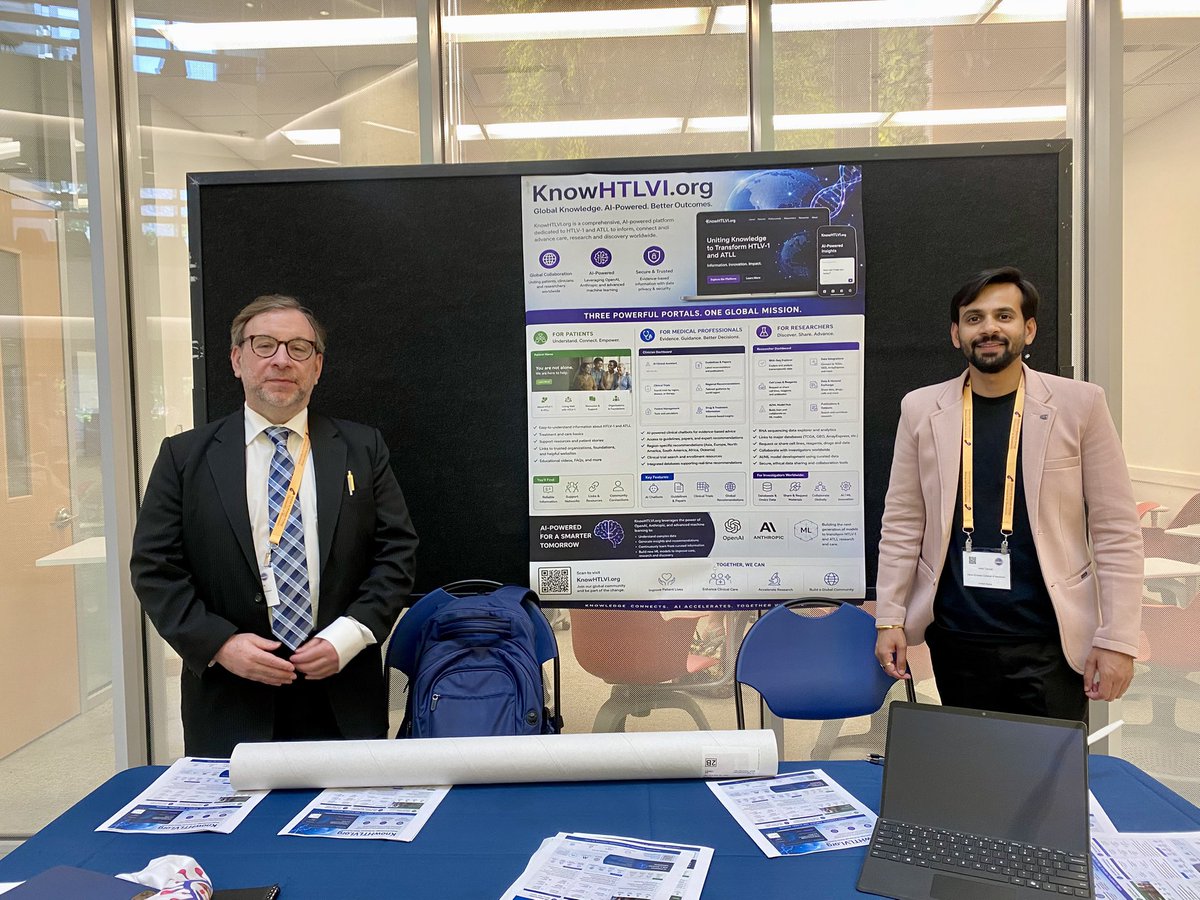
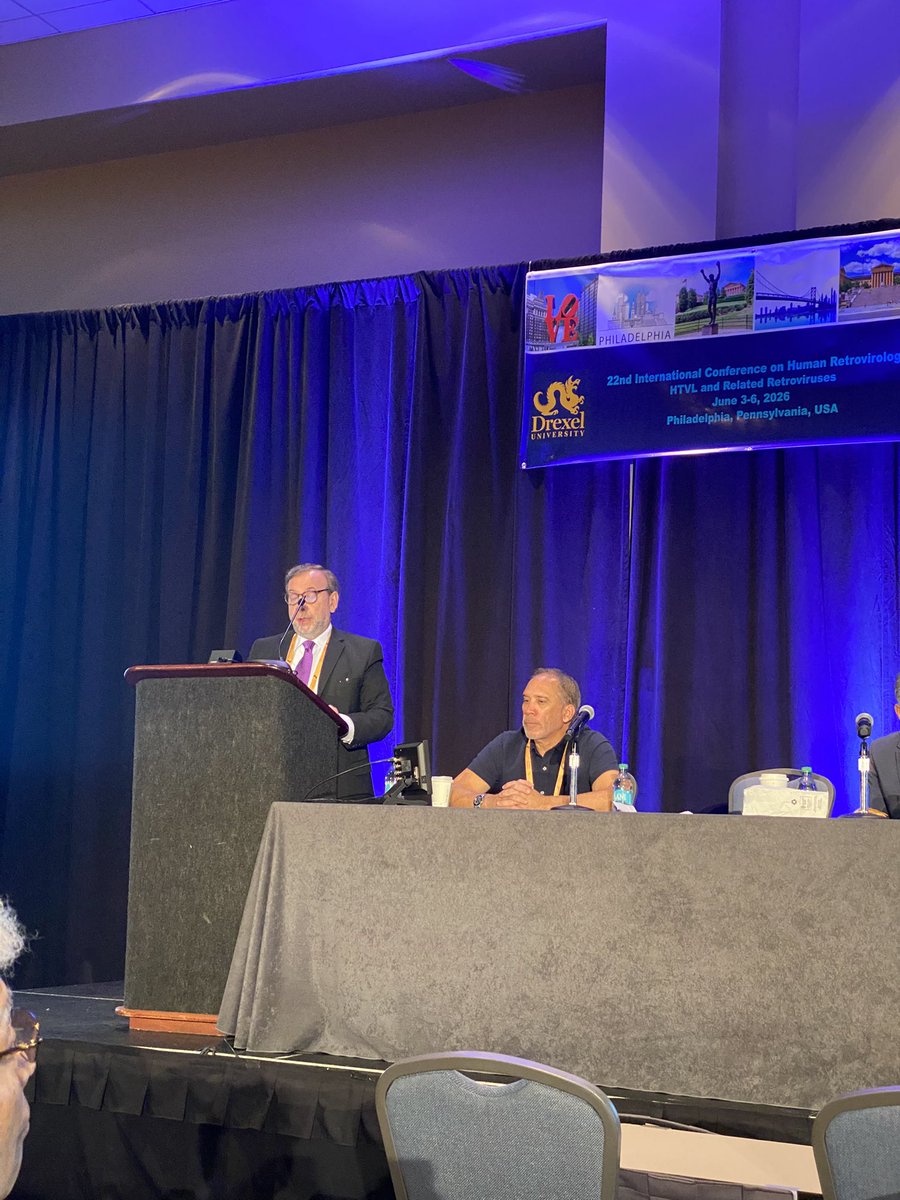
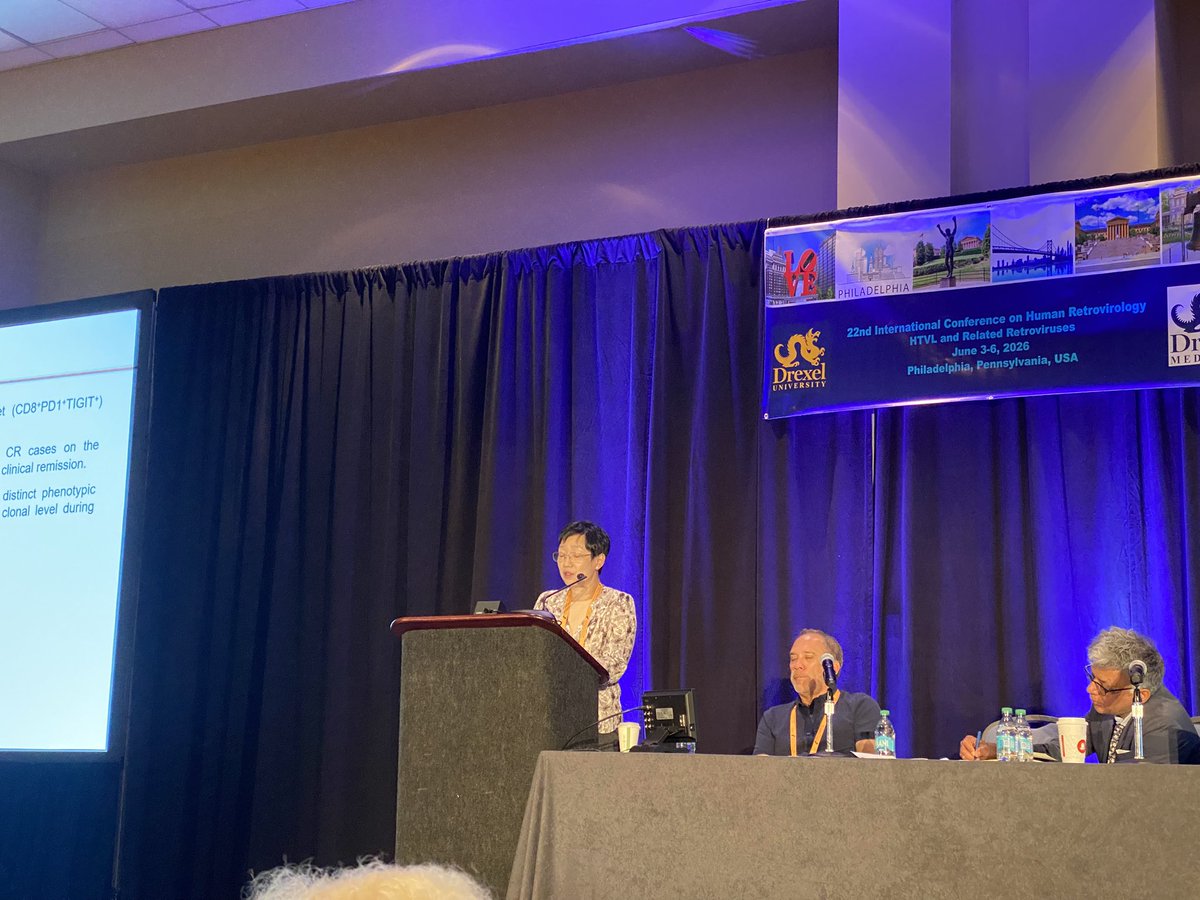
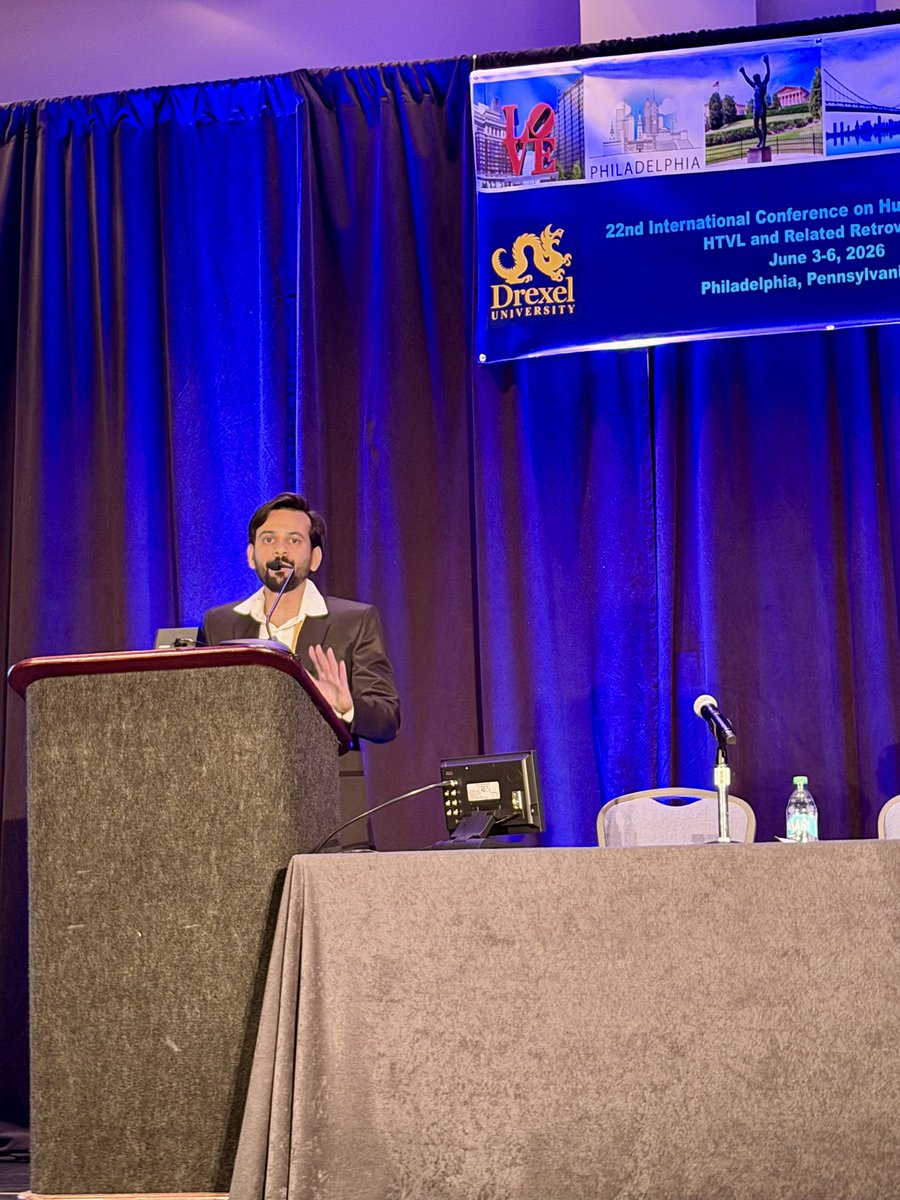
Honored to speak at #HTLV2026 with @MontefioreNYC @EinsteinMed as a proud sponsor! Presented our preclinical/clinical North American #ATLL research with Dr. R. Alejandro Sica, @hilda_ye!
Excited to launch KnowHTLV.org
@HTLVaware
@Amitvermamds @SteidlUli
@xingxing_zang
3
60

A rare case of adult T-cell leukemia/lymphoma (ATLL) in a 61-year-old man illustrates the challenges in diagnosis when classic symptoms are absent. HTLV-1 serology and HBZ ISH were crucial for confirming the condition.
bit.ly/4uTfcBk
2
8
396


We've signed and activated OF EJ Cumbo to the roster after his acquisition in a trade with Long Island for a PTBN.
Cumbo is a multi-time All-American in college, the Division II hits king and a national champ in 2024 with @UTampaBaseball. Had a great year with Lexington (ATLL) in 2025.
📖: tinyurl.com/j77myrvp
#GoWild

4
450