Jun 14
Some nuance to this exact reply though. You know, as well as me, that tail risk is real, no matter how good stock selection you do..
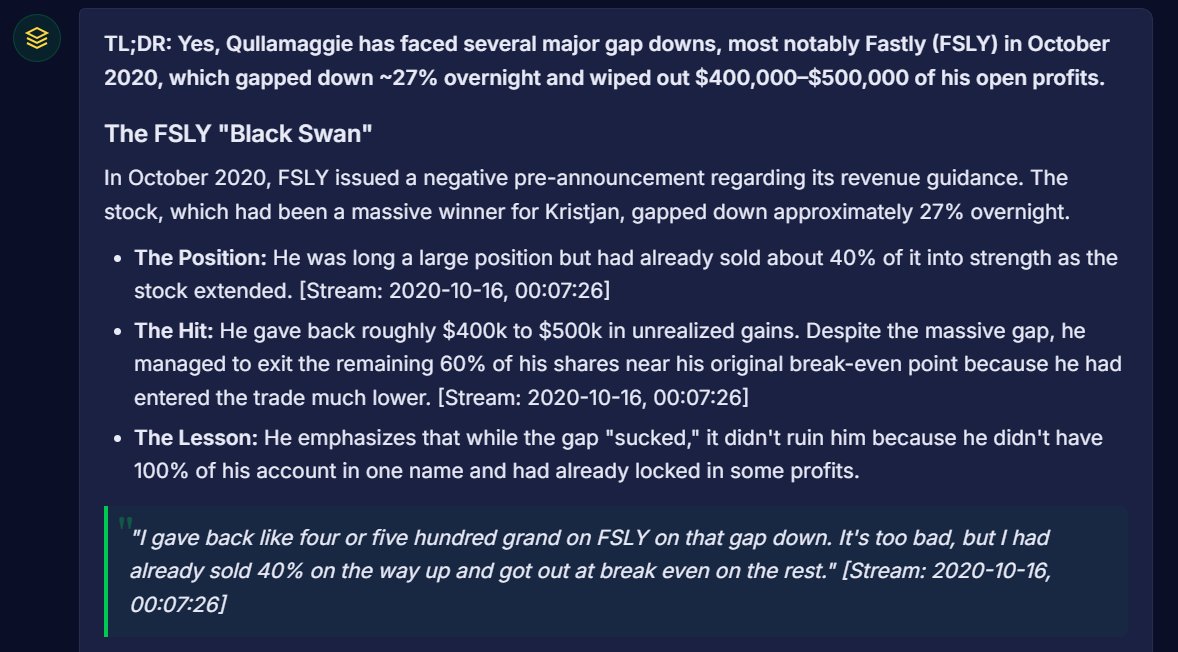
Qullamaggie himself has experienced significant gap dows. FSLY October 2020 or AVLR August 2020


2
1
13
53,038
Jun 14
That's inaccurate. He has experience several major overnight gap downs.. FSLY in October 2020 and AVLR August 2020 for example..


1
676

May 19
11:]08am mi ma o mano se hizo mi zona erogena avlra avlr ahlra ahora no se pero me eToy estoy mlrdiendl mordiendl mlrdken mordiendo bien fuerte y nk me duele pero me da risa y me picó con unas tiberastijeras omg chicas las aml aml amo 🩷🩷🩷🩷🩷🩷🩷🩷🩷🩷🩷🩷🩷🩷🩷🥓🥓🥓rajatabla
1
2
49


5 Aug 2025
This guy doesn't look as dumb as he is dishonest and he looks really really fucking dumb. $AVLR

5
3
2,824
5 Aug 2025
Go fuck yourself $AVLR and Vista.
Do not buy this IPO or you are an idiot.
5 Aug 2025

The CEO was selling us unlimited potential just days before accepting Vista's offer.
And now the public is supposed to provide liquidity to the PE guys.
1
14
5,815
5 Aug 2025
5 Aug 2025

Same CEO, so the dude who sold out his shareholders after he was close to running out of stock to sell has a fresh batch ready to unload.
4
5
4,569
5 Aug 2025
Reminder $AVLR is absolute garbage and you shouldn't trust them to run the company for shareholders.
5 Aug 2025
Avalara filed confidentially with the SEC to go public again. I guess @JerryCap, I and many other shareholders will find out if we got screwed or not when the S-1 becomes public.
12
43
14,582

13 Jul 2025
"Every stock is different. Every sector is different. You have to adapt."
How Does @Qullamaggie Adapt Sell Rules?
General Approach
Base Breakouts: For stocks emerging from long, solid bases (e.g., $DXCM, $AVL, $VEEV), prefer weekly moving averages (10-week or 20-week) as stops to give them more room.
Extended Stocks: For stretched rallies (e.g., $AYX), use daily moving averages (10-day or 20-day) instead of weekly. Adjust as the averages catch up.
Small-Cap vs. Large-Cap:
Small caps (e.g., $PLUG, $BLDP): Often non-institutional, volatile. Use daily stops—either they surge 50–100% fast or fail.
Large caps (e.g., $BABA): More stable; rely on weekly charts (e.g., 20-week MA) for stops.
Stock-Specific Examples
$DXCM:
Broke out of a long base with strong earnings.
Partial trim when it closed below the 20-day MA, but kept most shares.
Stop: 10-week and 20-week MAs.
$AYX:
Extended rally; weekly MAs too far below.
Stop: Daily levels (10-day/20-day MAs). May switch to weekly if averages catch up.
$AVLR:
Long base breakout → weekly MAs for stops (not daily).
$VEEV:
Slow-moving; tightened stop slightly to avoid retesting lows.
Prefer quick stopouts to reallocate capital.
$BABA:
Stop: 20-week MA (large-cap, institutional holding).
$BLDP / $PLUG:
Small-cap, speculative → daily stops only.
Sector Considerations
Gold Stocks: Avoided despite breakouts. Hard to trade—often commodity-driven, not fundamentals.
Key Principles
Adaptability: Rules vary by stock (base length, extension, sector, cap size).
Risk Management: Favor tighter stops on slow/speculative names, wider stops on strong base breakouts.
Efficiency: Cut laggards early (e.g., $VEEV) to focus on better opportunities.
2
11
114
8,392

30 Jun 2025
Quando anunciaram a criação da Niterói, a promessa era a Sossego voltar a desfilar em Niterói mas não aconteceu e a Escola morreu msm
Essa Acad Niterói com todo respeito e sinceridade é um cata cata da holding, tem mais gnt de Madureira lá do que de Niterói msm
GRES Holding Avlr
2
59

14 Apr 2025
$AVLR was STOLEN from us. STOLEN.
14 Apr 2025

Are VERX and Avalara gonna win business from this absolute tax complexity mess?
32
1
21
8,532

11 Mar 2025
GRRRRRR BAKR AVLR ABRL ABRK WOOF WOOF WOOF WOFO AWOOOOOOOOOOO ABRK ABRK GROWL

1
130

5 Mar 2025
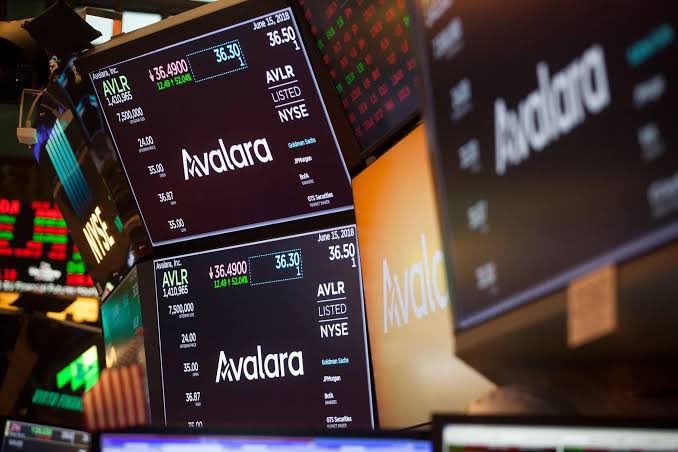
$AVLR investor isn’t backing down! They’re pushing the 9th Circuit to revive a fight over the Vista's $8.4B buyout, claiming investors were misled.
Avalara was acquired by Vista Equity Partners in 2022 for $93.50/share - 27% premium. Fair deal or billion-dollar bait-and-switch?
1
1
199

6 Feb 2025
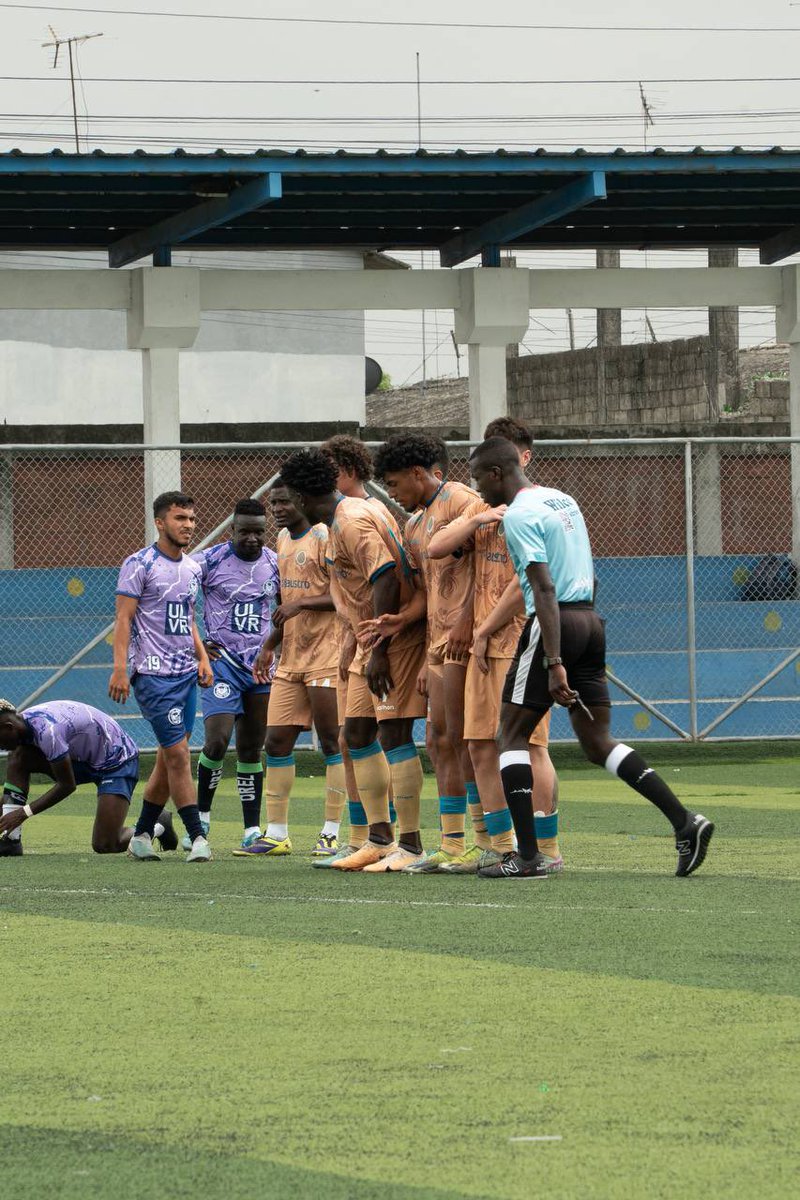
¡@CuencaJrs ganó su primer partido amistoso del año!
Lo hizo en la ciudad de Guayaquil, ante el Búhos AVLR fútbol Club
El marcador fue 3 a 1
Goles de:
Edwin Zambrano
Jhonatan Lucas
Xavier Armijos
PD: La Tuka, jugó el segundo tiempo

5
22
1,808



4 Dec 2024
any updated opinions on this? is the avlr solution now worth pursuing or better off rolling with something like a quest 3 or psvr 2?
3
31