Butterflies need two things to thrive: good weather and a healthy environment ☀️🌱
Join us in asking UK retailers to remove synthetic pesticides from sale for a wilder, butterfly-filled future for generations to come 👉 butterflyemergency.good.do/r…
ALT A hand wearing a white glove, spraying pesticides over a yellow flower and white butterfly, set against a black background. Large text overlay has the word 'weed' crossed out and 'Butterfly Killer' underneath. Smaller text below reads: 'Call on UK retailers to halt the sale of butterfly-harming chemicals. Sign our open letter.' Butterfly Conservation logo features at the top of the graphic.
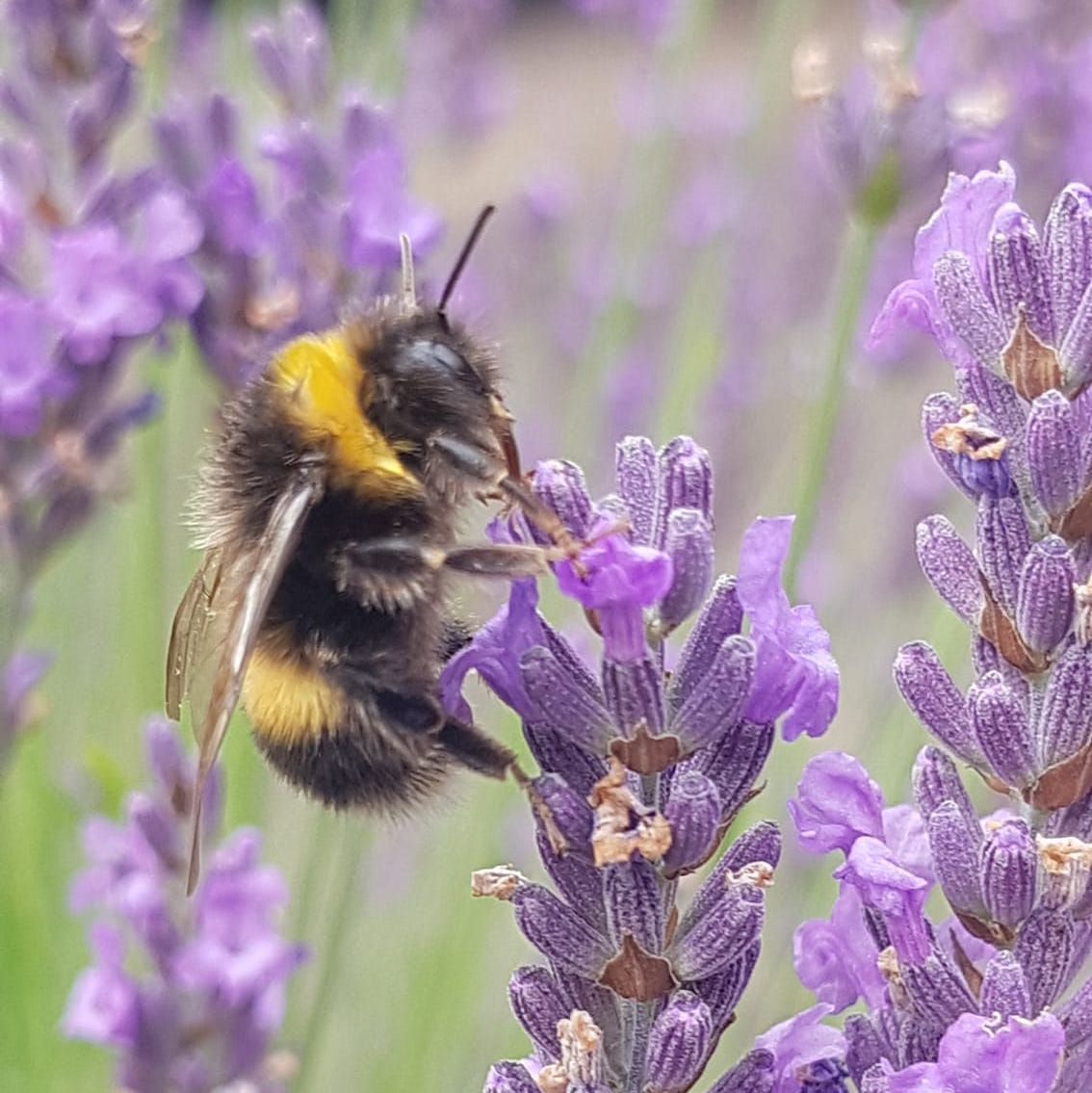
Have you seen any busy bees recently? 🐝
Download our free guides on how to support bees and other insects in your garden, school, and community 👇
buff.ly/OeQ8V5h#ActionForInsects
📷: Katie at DWT
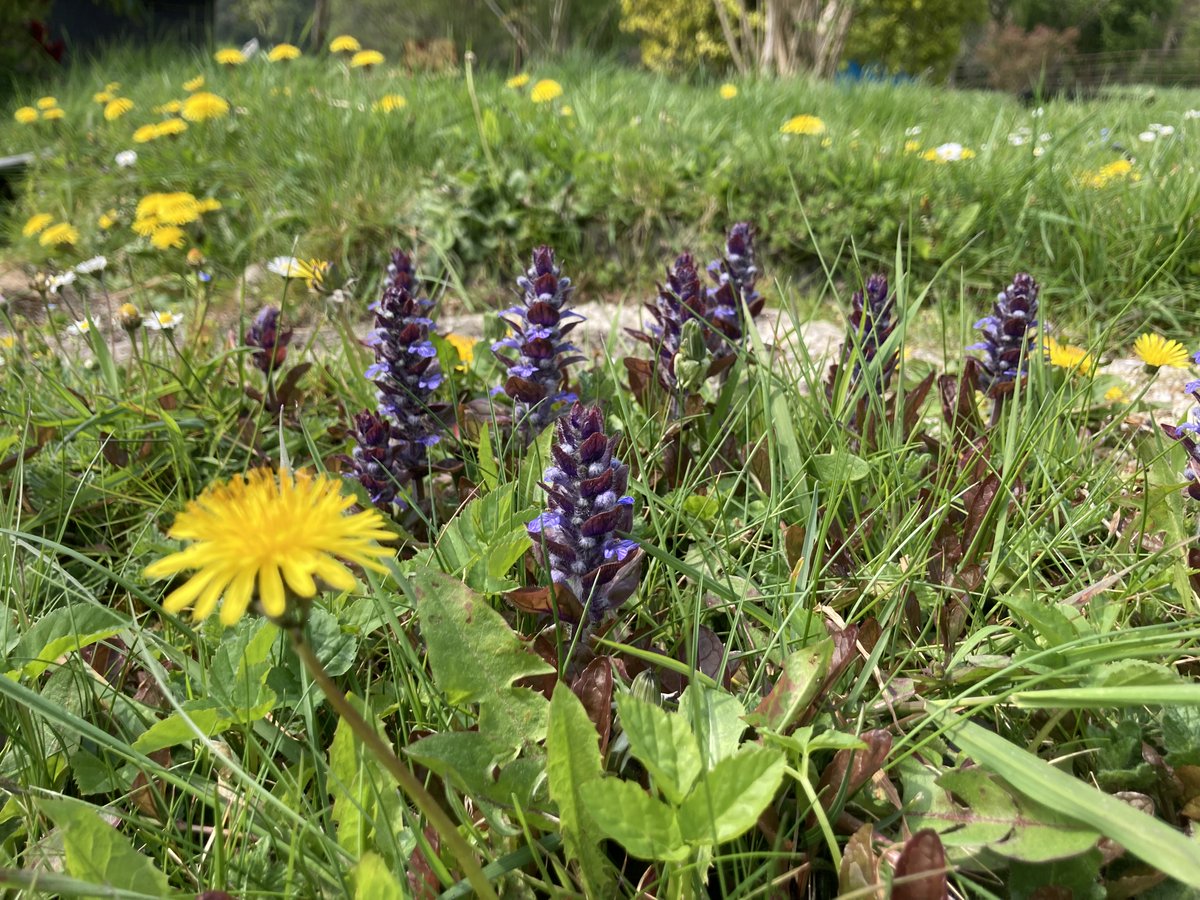
4 simple actions for nature & climate:
🤪Be less tidy!
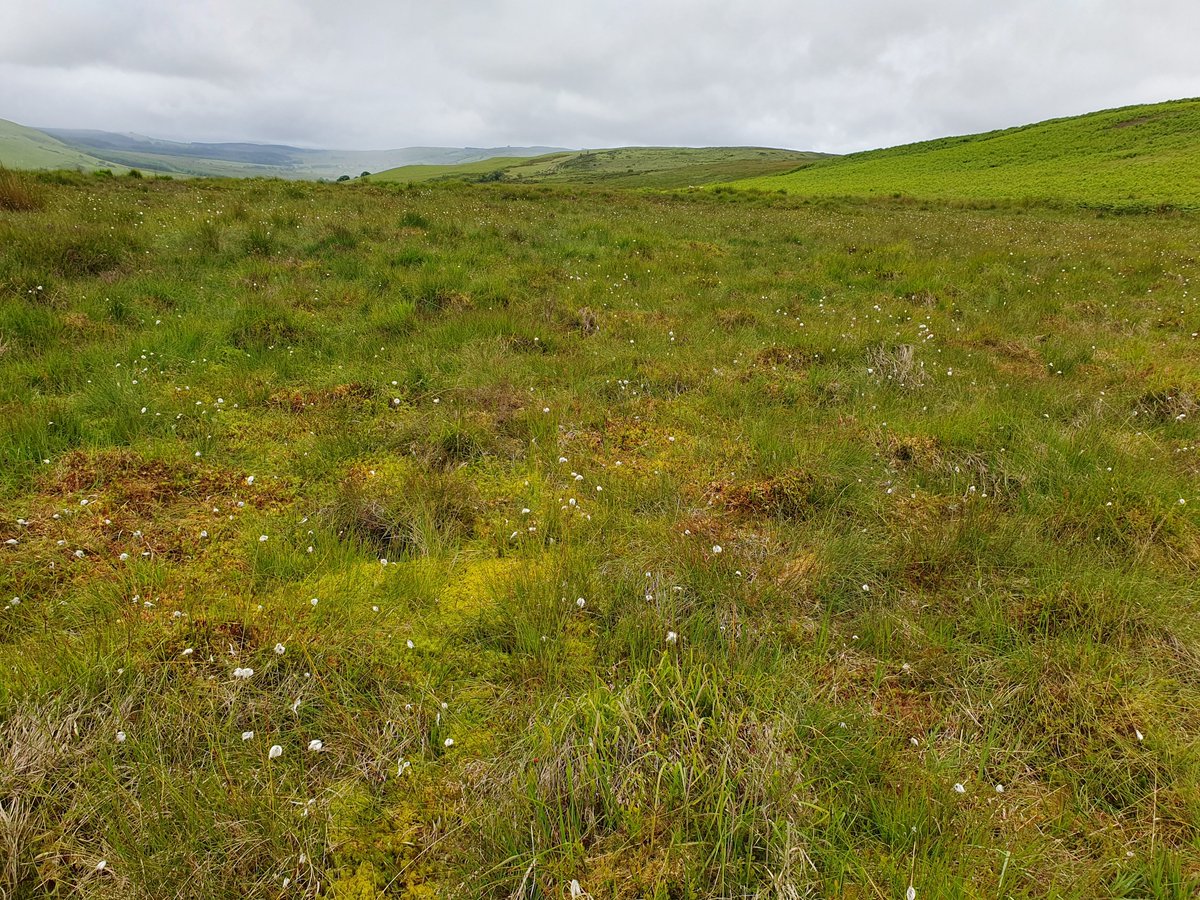
🌱Keep peat in peatbogs & join #HiddenPeat
🚫Ditch the chemicals & take #ActionforInsects
🫶 Support MWT
If you already do all these, challenge yourself to do something new! 👉montwt.co.uk
ALT A peat bog speckled with the white flowers of cottongrass, green areas of Sphagnum moss and grasses
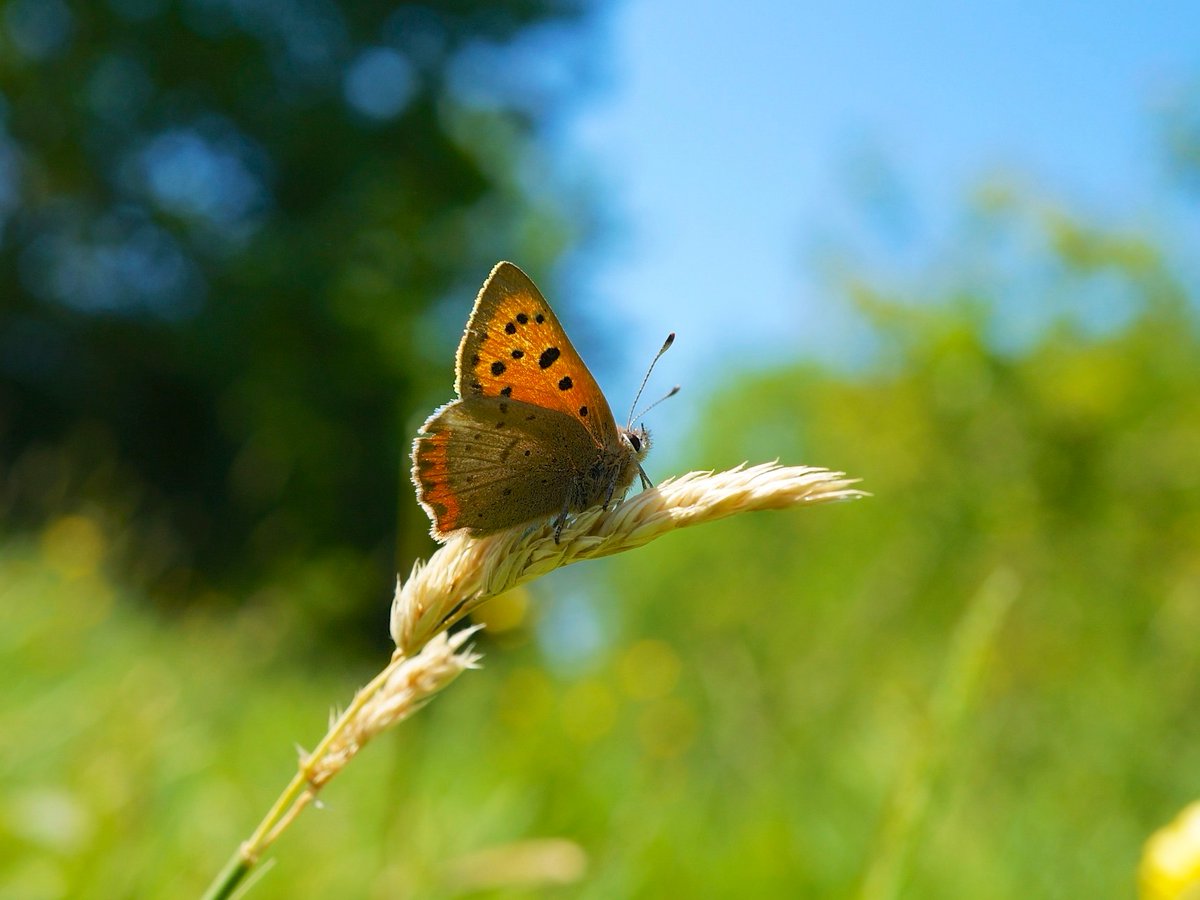
There is no place for pesticides in our communities as we face the #ButterflyEmergency 🦋
On 25 April, MPs will debate phasing them out. Urge yours to back Sian Berry’s #GoPesticideFree bill and protect our precious pollinators! 👉 pan-uk.eaction.org.uk/edm-ur…
📷: Ian A Kirk @PAN_UK
ALT Small Copper butterfly perched on grass with blue sky and greenery in the background
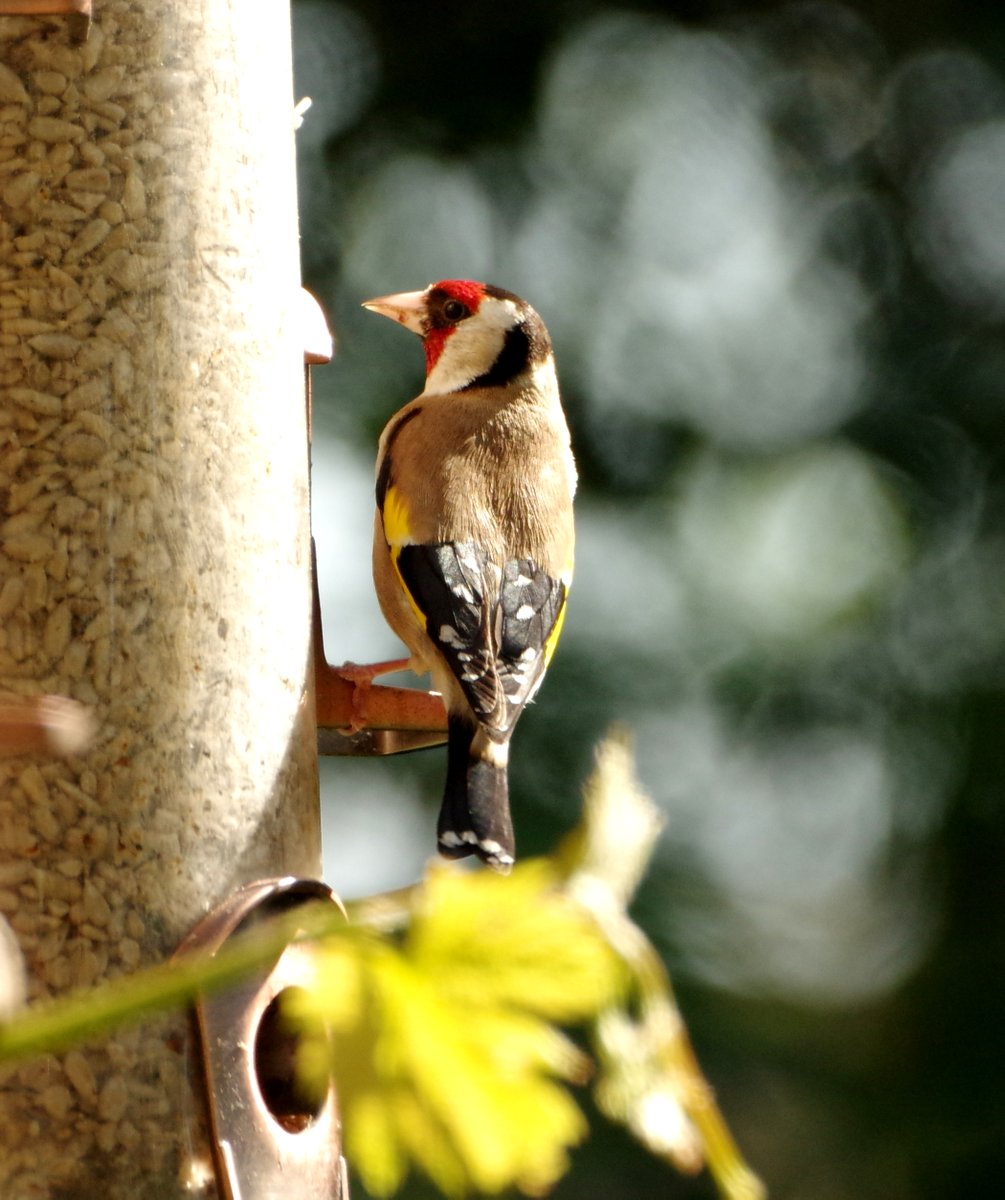
What actions do you take for #wildlife at home? Do you..
🐦Feed the birds
🦔Maintain a hedgehog highway
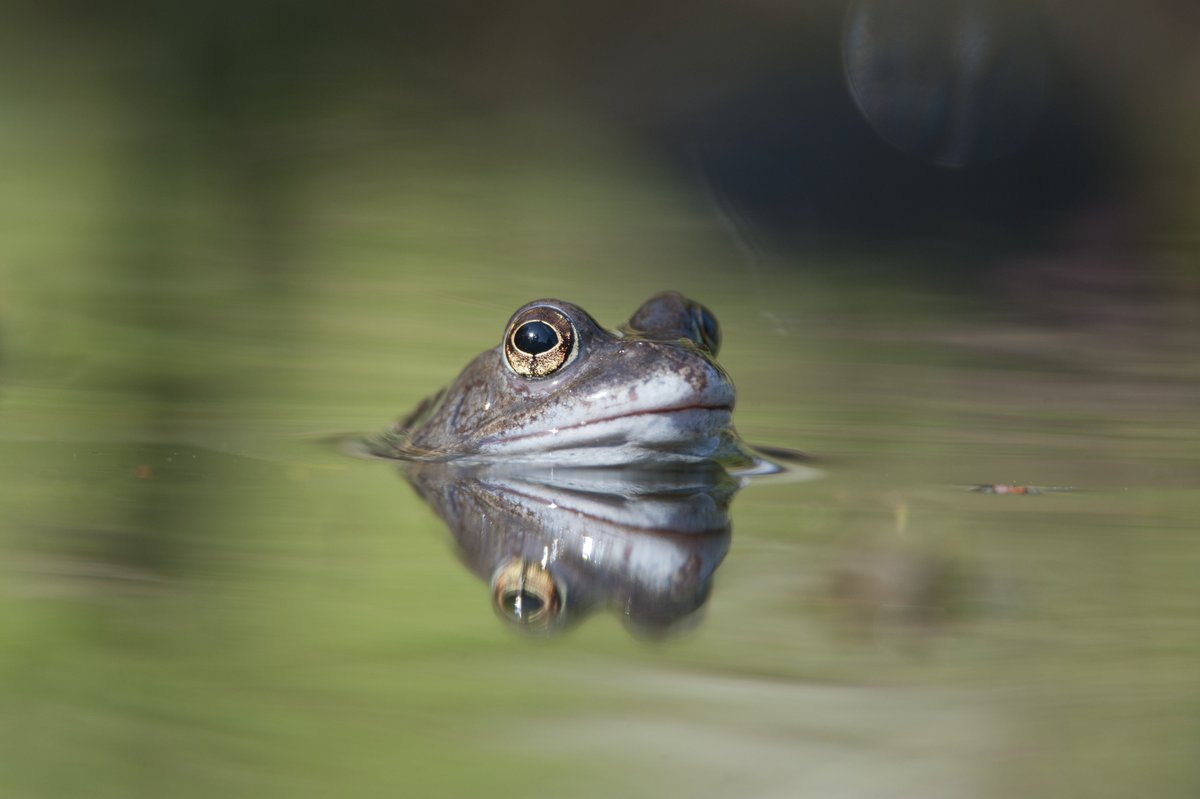
🐸🪵🌻Have a pond, deadwood habitat or pollinator-friendly flowers
💪Support your local Wildlife Trust
📸Gillian Day, Mark Hamblin/2020VISION
#ActionforInsects#LoveWildlife
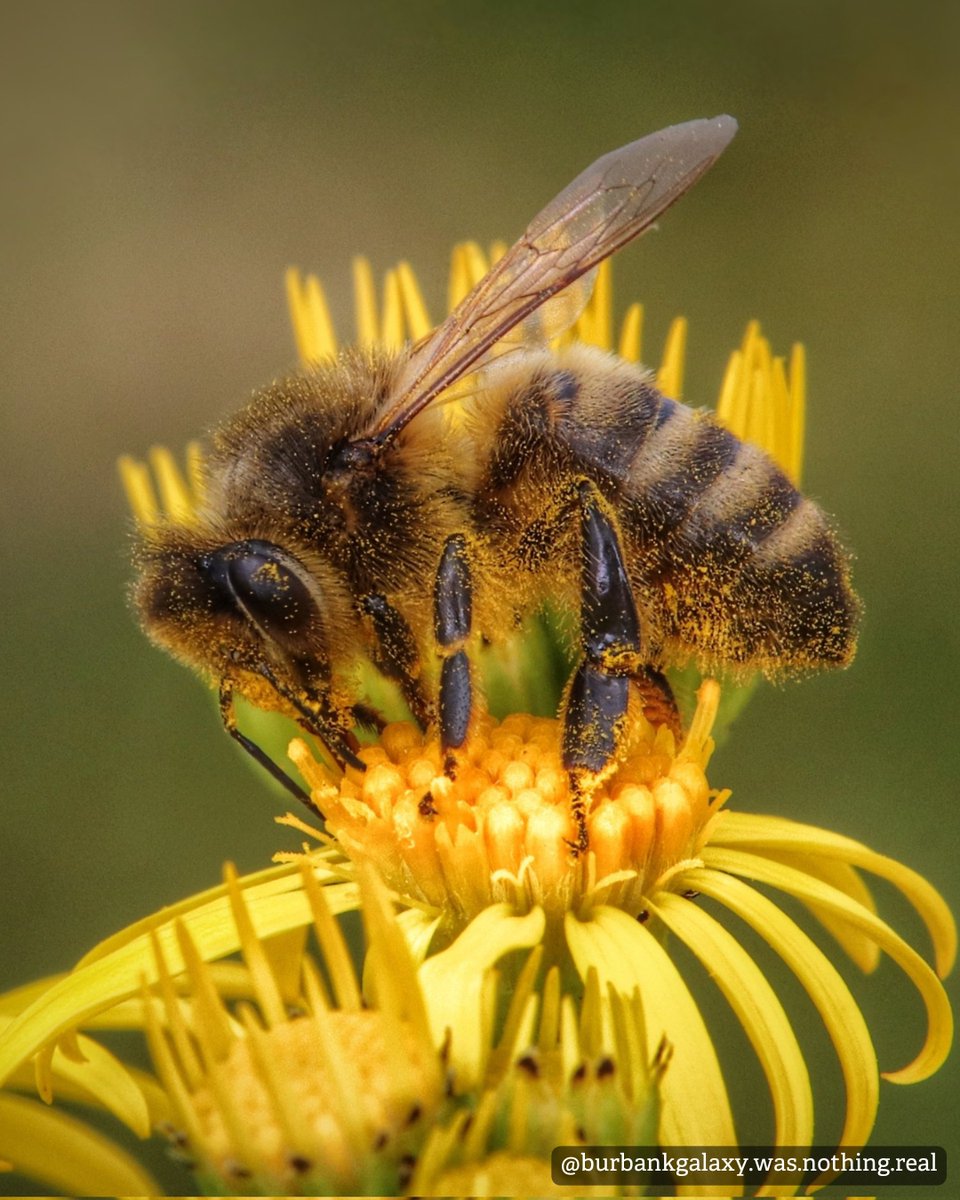
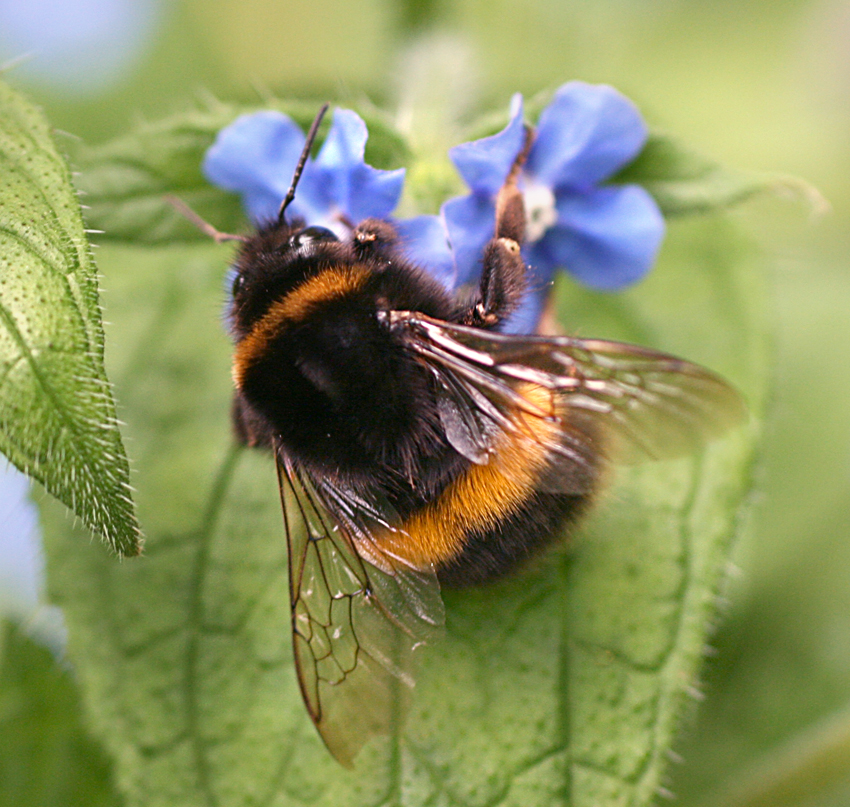
An incredible photo of a pollen-covered honeybee enjoying a ragwort flower 🐝
Did you know that one in every three mouthfuls of food depends on pollinators such as bees?
📷 @burbankgalaxy.was.nothing.real on Instagram
#Pollinators#Bees#ActionForInsects
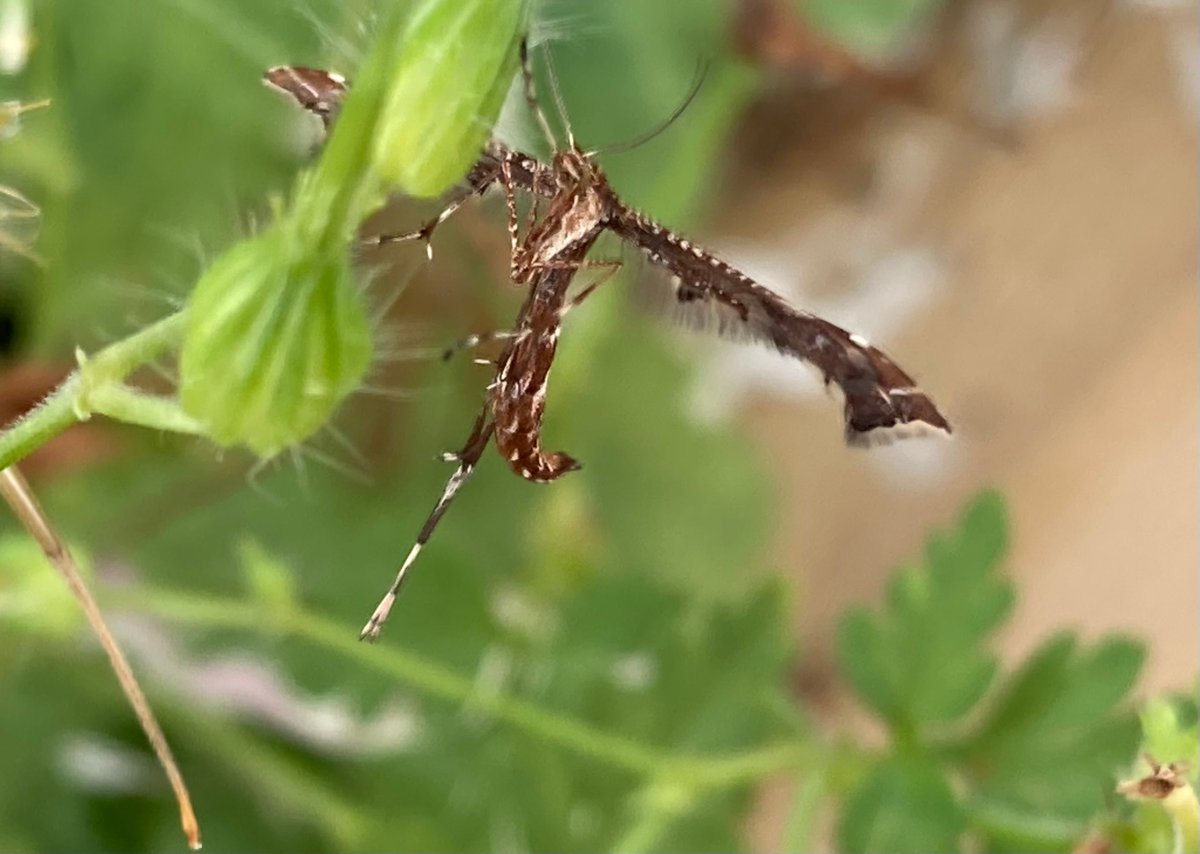
This unusual looking moth is aptly named 'beautiful plume' and was spotted by DWT supporter Susan. It is widely distributed over the UK and frequently spotted in gardens.
📷 Susan Mitchell
#AmazingNature#ActionForInsects
ALT Like its relative, A. punctidactyla, the hindwing has two patches of black scales on its dorsum, which protrude when the rest of the hindwing is covered by the forewing. Amblyptilia acanthadactyla may be distinguished by its warm reddish brown colour from the greyish brown of A. punctidactyla.
Whether you're a seasoned moth-spotter or you're trying it for the first time, here's some distinctive moths to look out for during the day.
Find out how to attract moths to your garden here 👉 buff.ly/46YAL8A#ConnectToNature#ActionForInsects
ALT Day flying moths: cinnabar, forester, clouded buff, speckled yellow, silver Y, orange underwing, burnet companion, common heath, six-spot burnet,
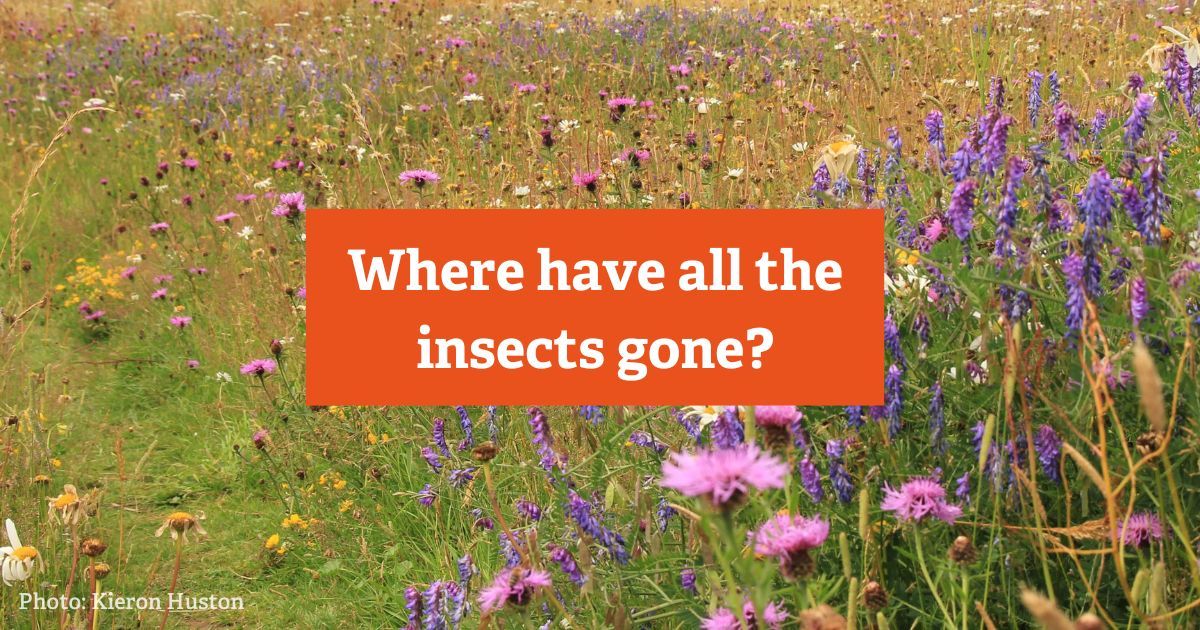
Where are all the insects?
It’s a question we’ve been hearing a lot this summer. The wet & cold spring could be contributing to this absence, but we also know that there is a bigger issue.
41% of insect species face extinction. Take #ActionForInsects 👉 buff.ly/3YD4QbB
ALT Meadow of wildflowers with words 'where have all the insects gone?'
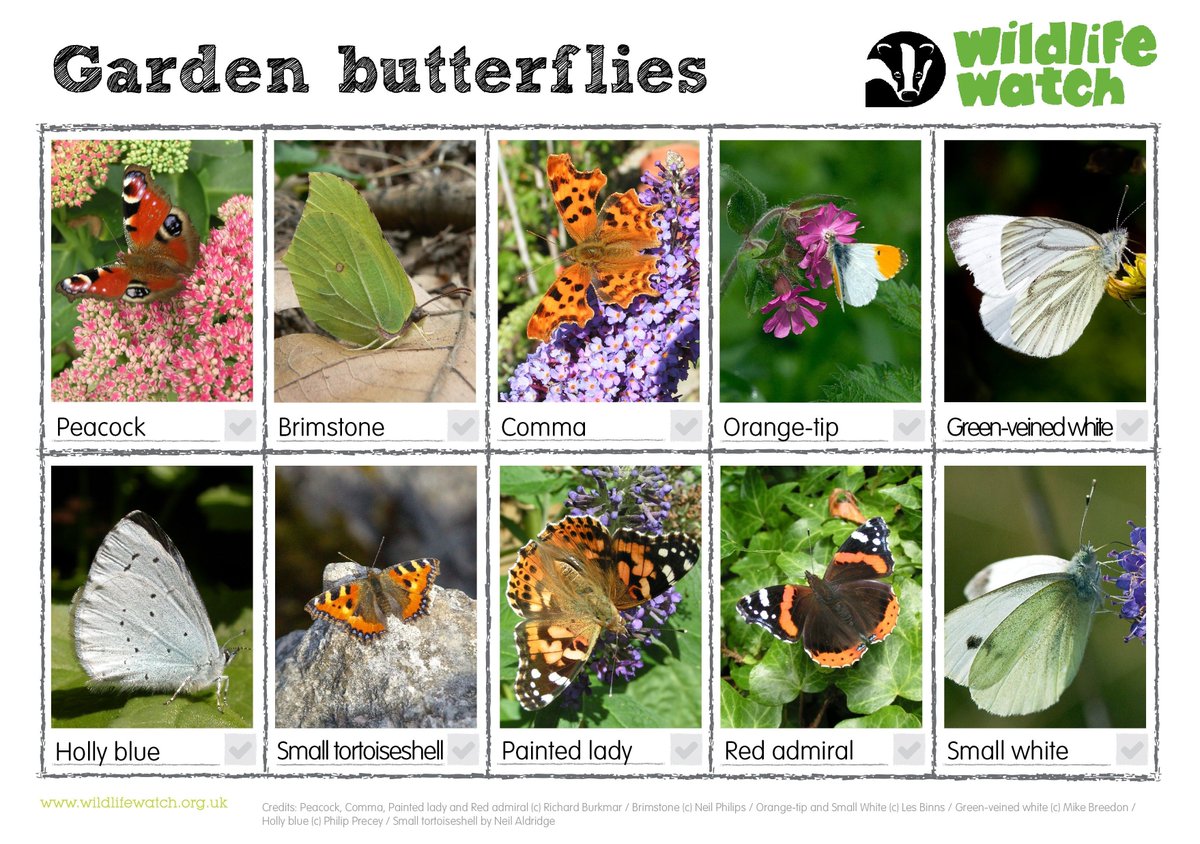
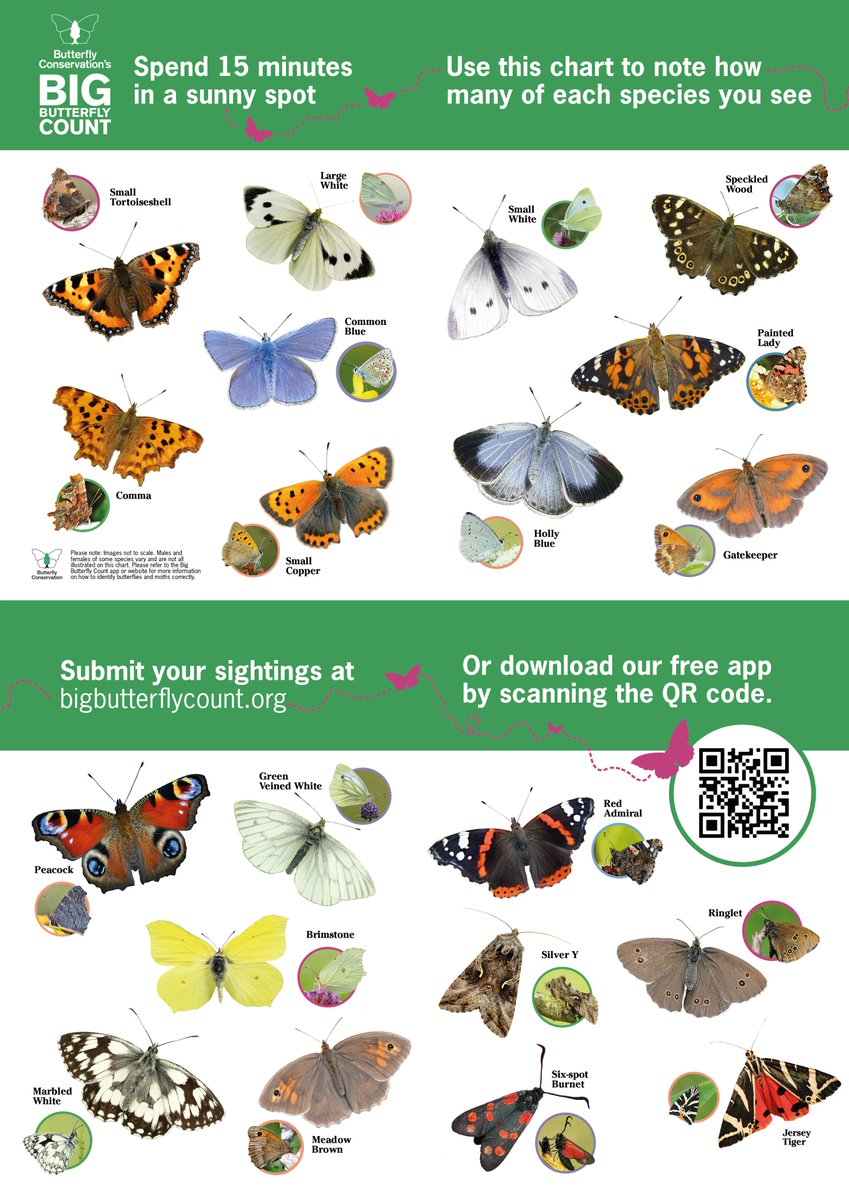
Planning to get involved with our #BigButterflyCount but need a helping hand in identifying which butterflies and moths you're spotting? 🦋 🔎
Use our handy ID guides for England, Wales, Scotland and Northern Ireland!
Download them and take part here 👉 bigbutterflycount.org
ALT Butterfly Conservation's Big Butterfly Count identification guide with photos of each species
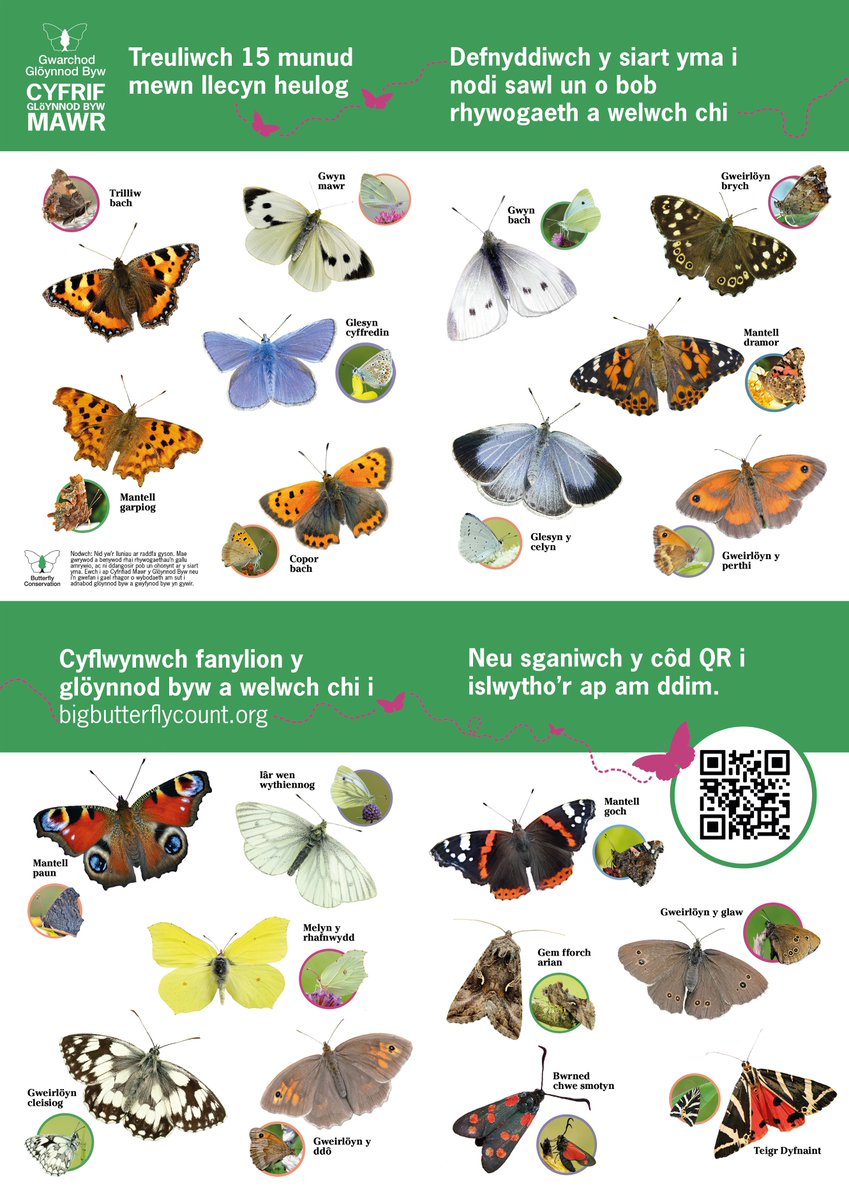
ALT Butterfly Conservation's Big Butterfly Count identification guide in Welsh with photos of each species
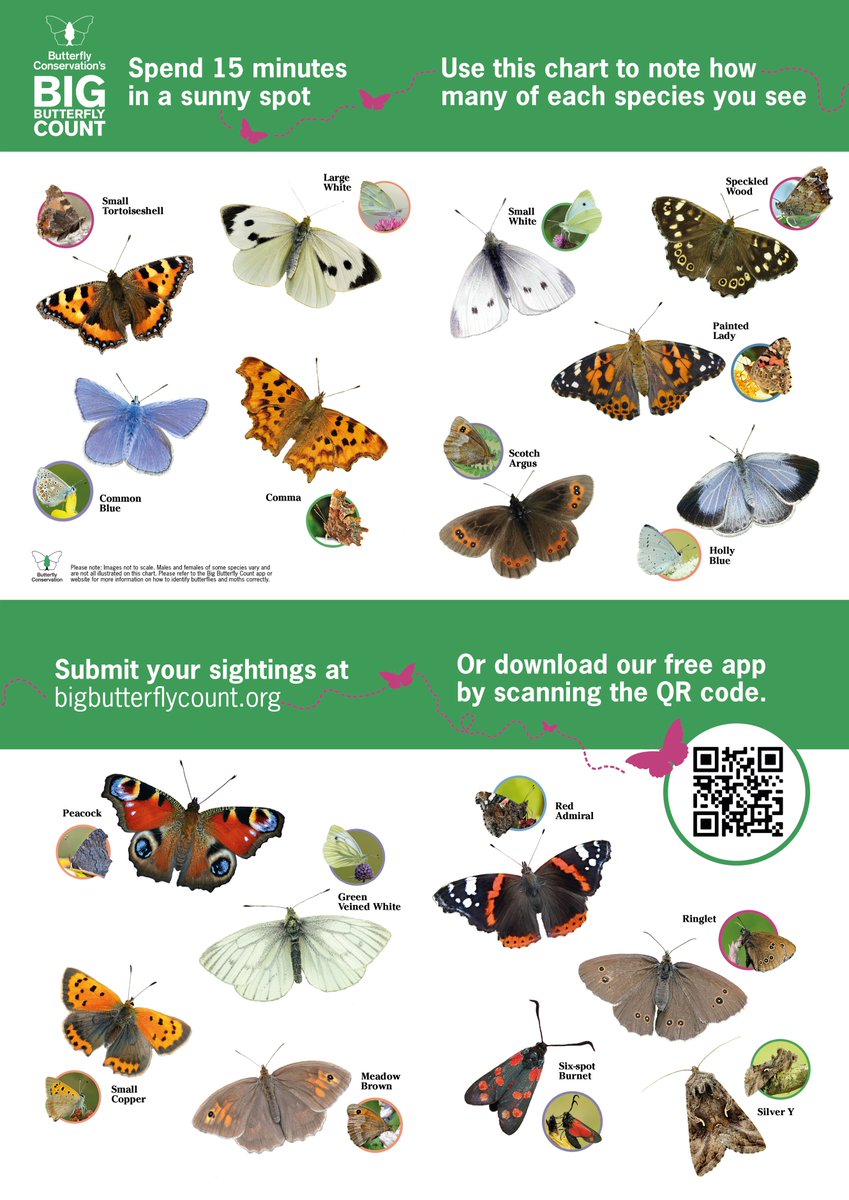
ALT Butterfly Conservation's Big Butterfly Count identification guide for Scotland with photos of each species
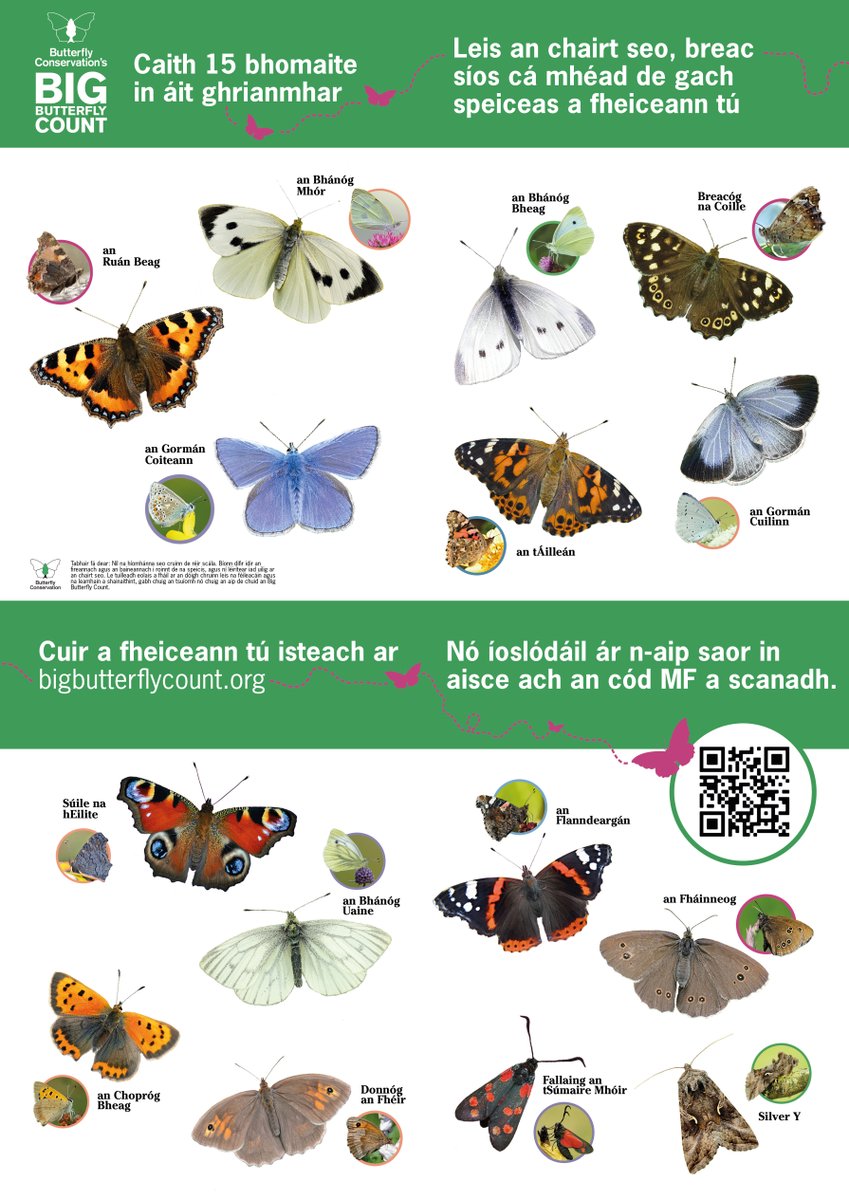
ALT Butterfly Conservation's Big Butterfly Count identification guide in Irish with photos of each species
Our insects are in trouble! 🐝🐜🐞
Today, 41% of insects face extinction, BUT it's not too late — you can take action today, and we're here to help!
📖 Download our #ActionForInsects guide to start helping insects where you live: wildlifetrusts.org/take-acti…
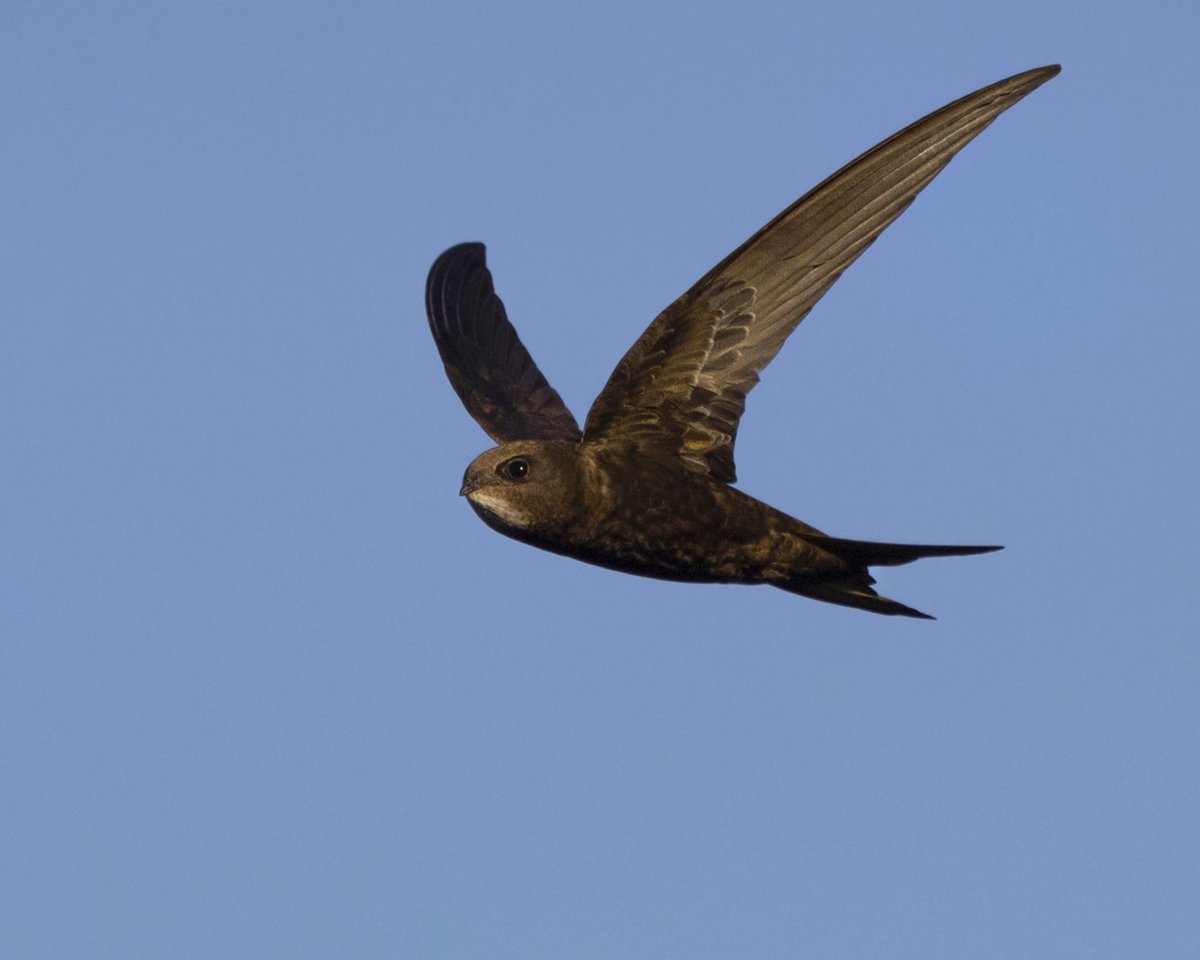
ALT The swift is black all over, with a small, pale patch on its throat. Looking a bit like a boomerang when in the air, it is very sociable and can often be spotted in groups wheeling over roofs and calling to each other with high-pitched screams. It is larger than swallows and martins (which have white undersides) and, unlike them, does not perch on wires, buildings or trees.
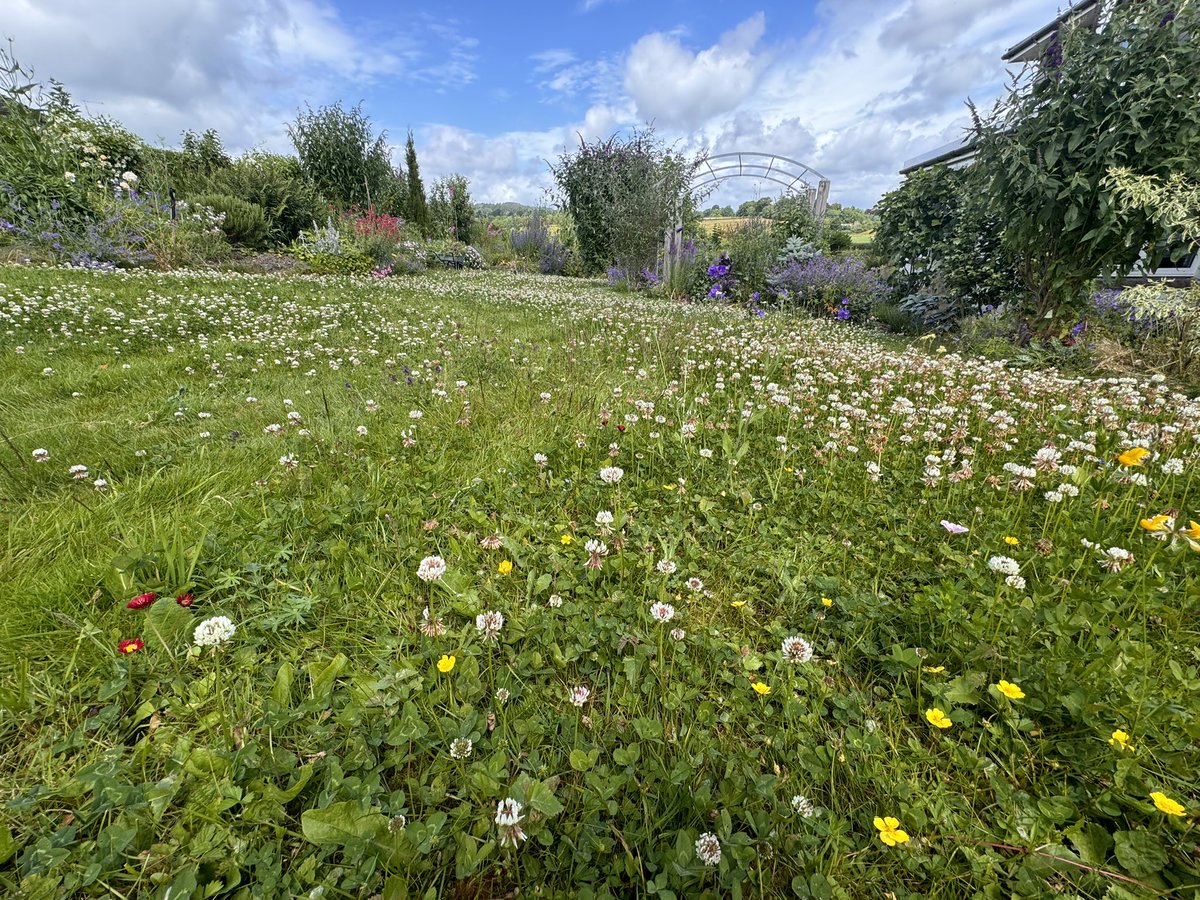
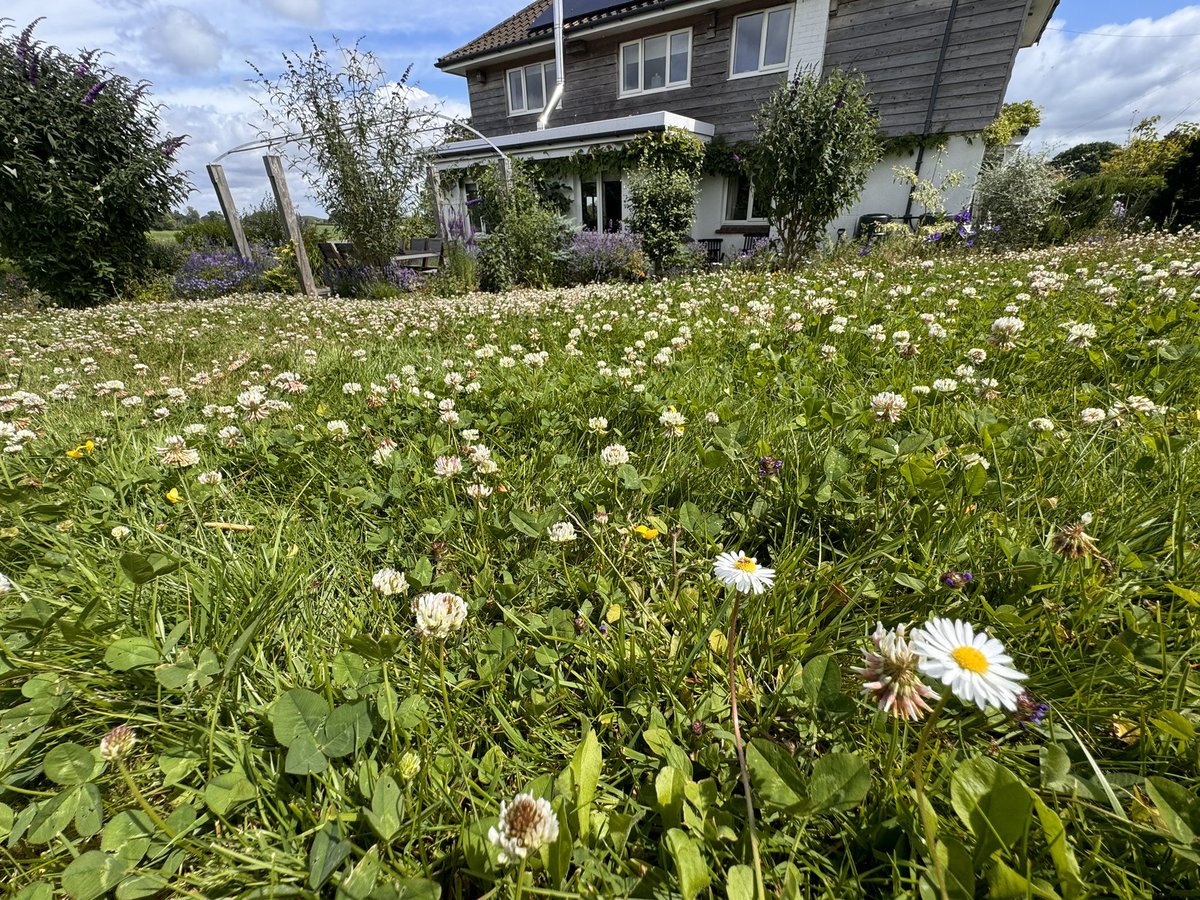
On shorter cut lawns, just leaving wildflowers like clover, lesser trefoil, trefoil, daisies & self heal enough room to flower, the help to our pollinators is immense.
No honeybees. No honey. 🍯
No pollinators. No food.
#WildflowerLawn#NoMowSummer#Mowsaic#WildflowerHour
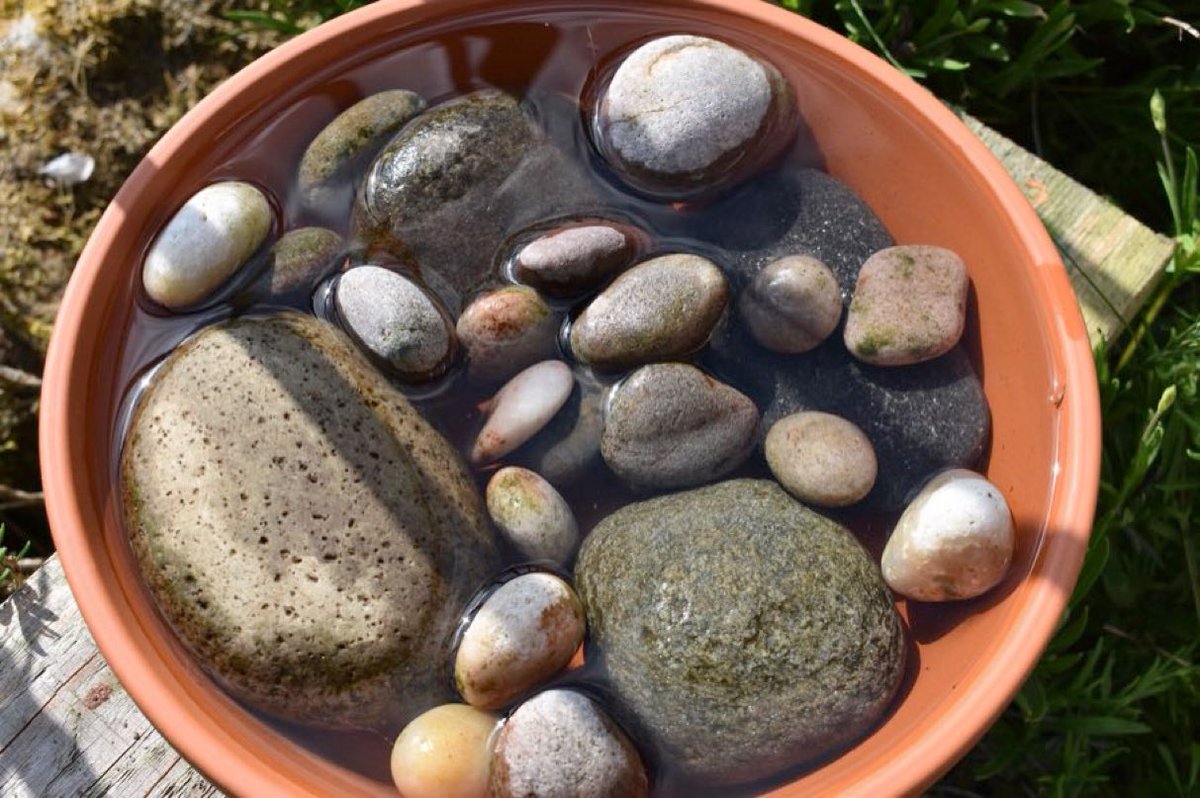
In warmer weather, you can help wildlife by providing water. Bees need to drink, but many natural water sources are too deep or fast-flowing for insects, so a bee bowl could be a real lifeline 🐝 Here’s how: bit.ly/2KQesqp
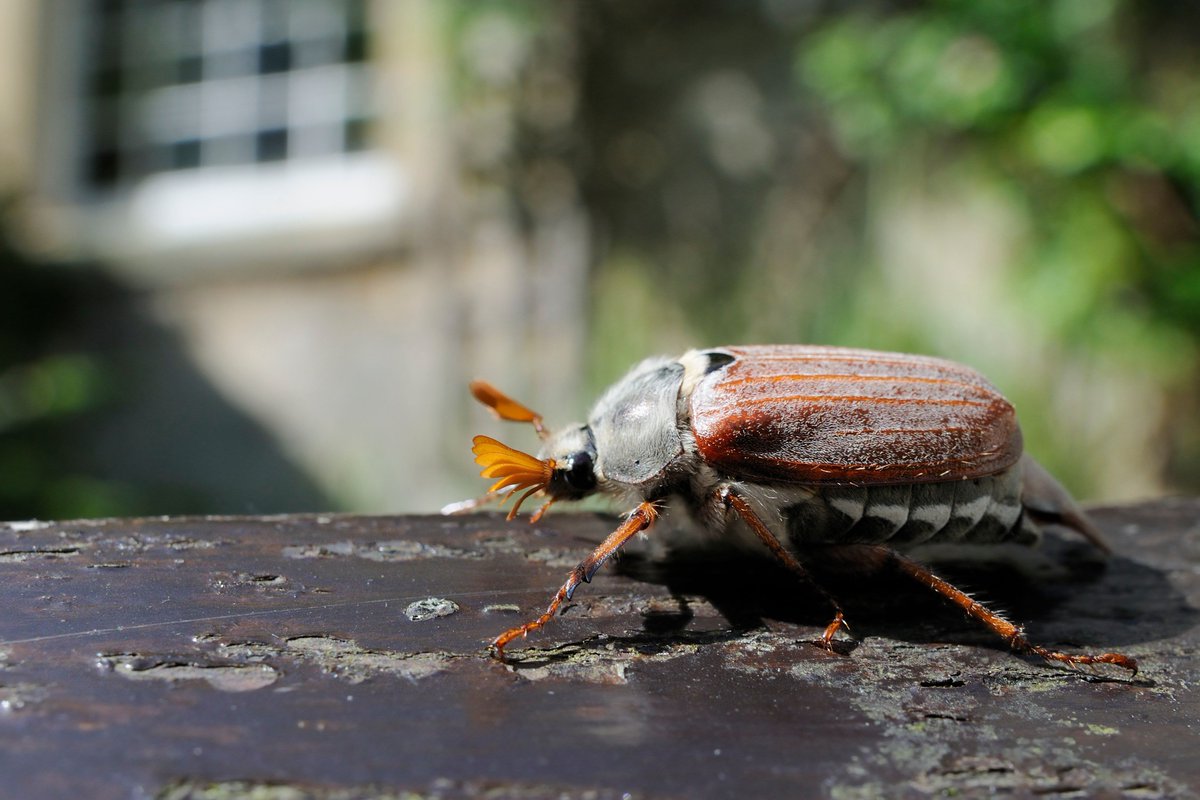
Common cockchafers AKA May bugs are the UK's largest scarab beetle. With its rusty-brown wing cases, pointed 'tail' and fan-like antennae it is unmistakeable. It is a clumsy flier and makes a loud buzzing sound.
📷 Nick Upton/2020VISION
#AmazingNature#ActionForInsects
ALT Common cockchafer / Maybug (Melolontha melolontha), crawling on garden bench with house in background
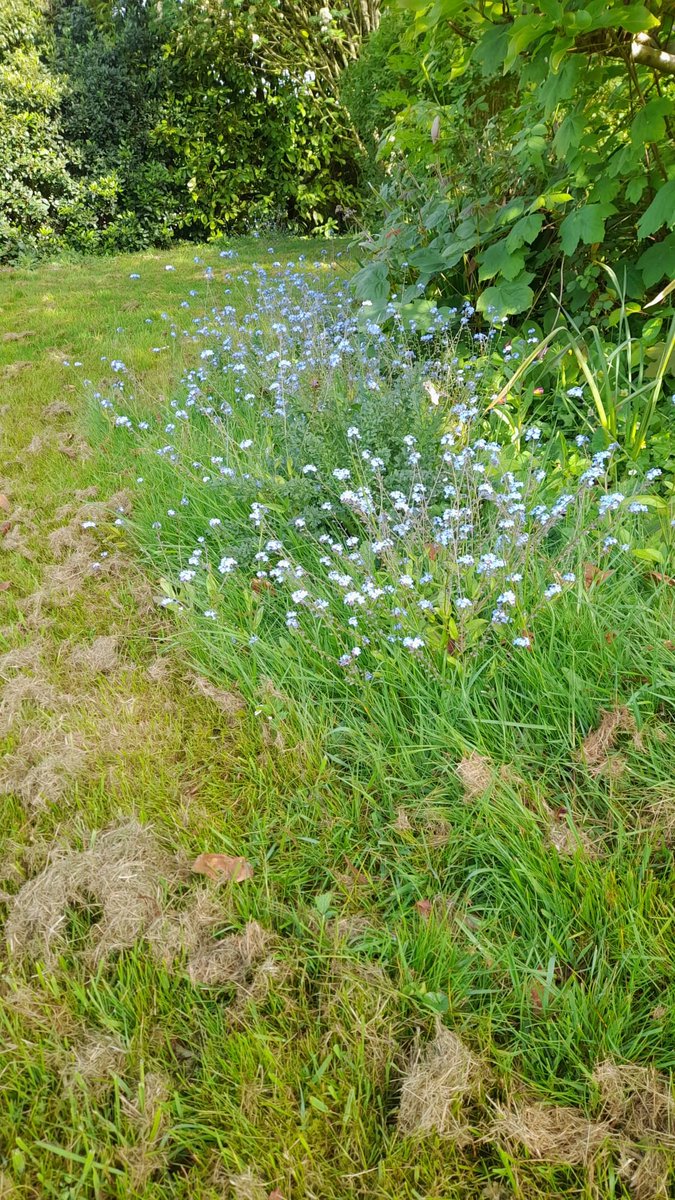
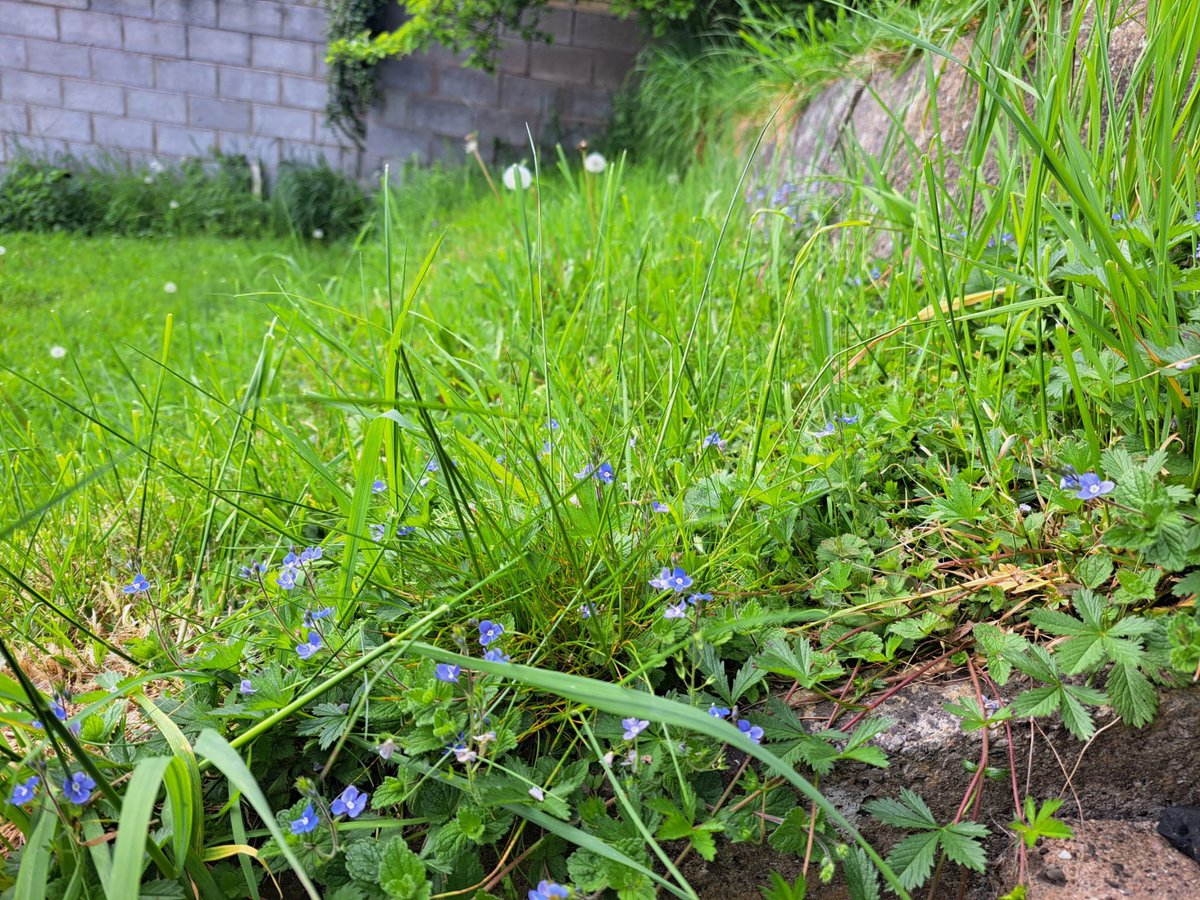
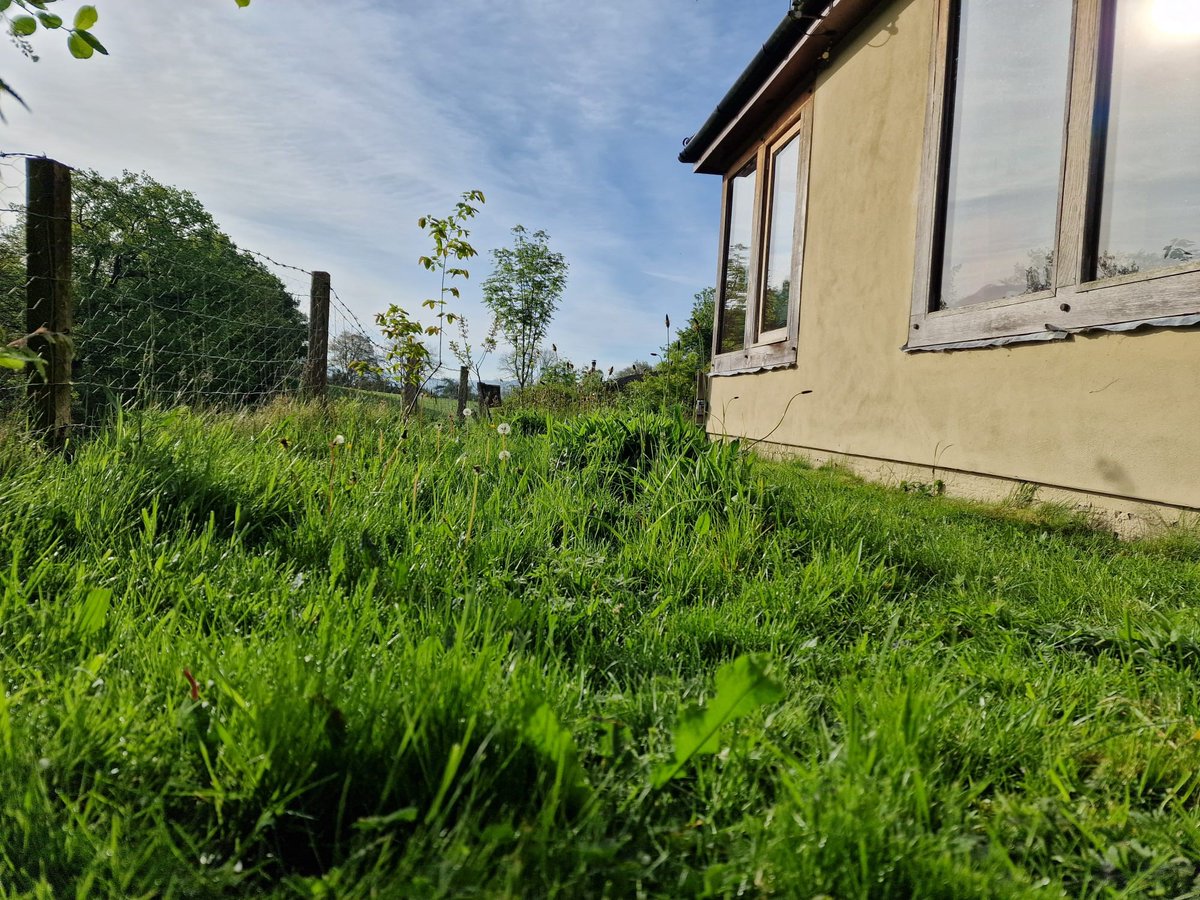
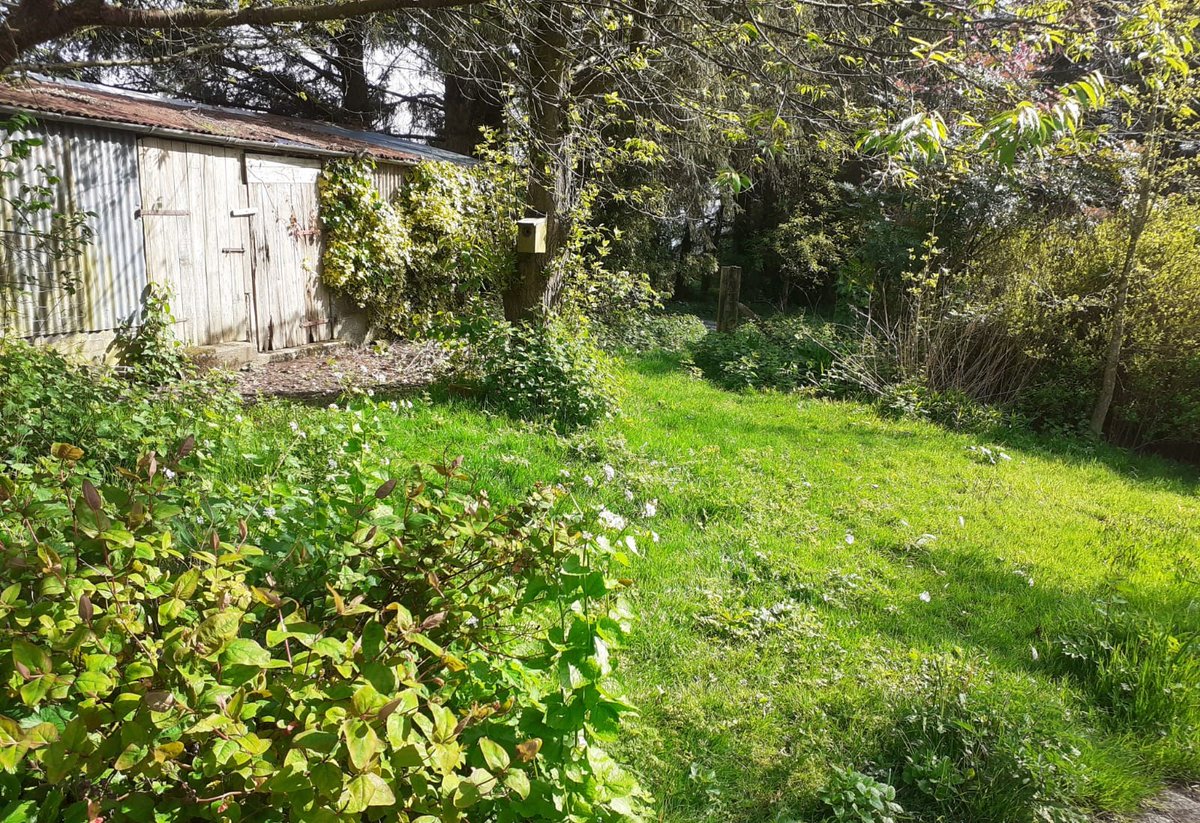
We’re just over a week into #NoMowMay. Look at how of some of our team are getting on 👀
Leaving areas of your garden to grow wild, not just in May but year-round, is beneficial to a whole host of wildlife 🐝🐦🦔
Are you taking part?
#ActionforInsects
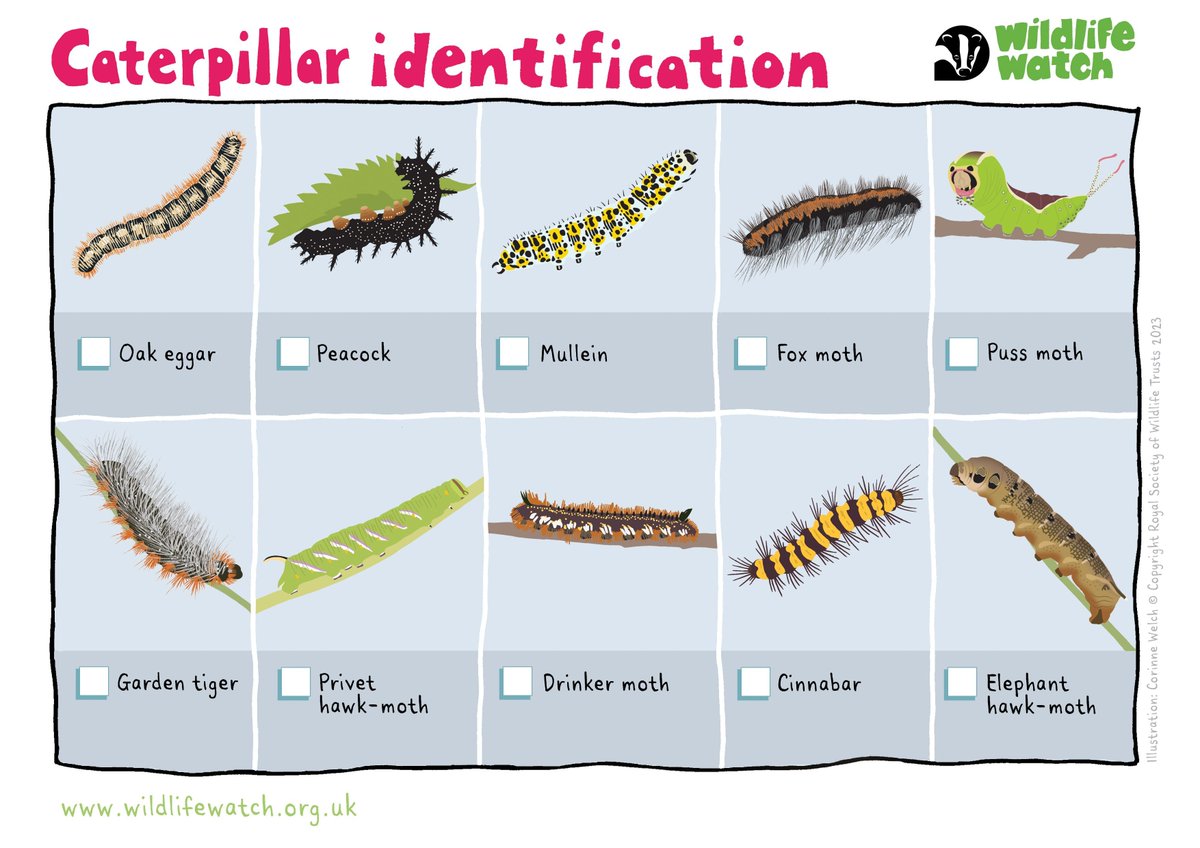
Let's go looking for caterpillars 🐛🔍
Good places to look include flower beds, nettles, areas of long grass, hedgerows, shrubs, low down branches of trees such as fruit trees, willow and hazel.
#ConnectToNature#ActionForInsects
#NoMowMay: With an estimated 23 million gardens in the UK, the potential for better managed grassland habitat – even if it’s just a small patch of lawn – is immense!🌼 🌱 🐝
Read our full press release here
👉 bit.ly/3MVAv1I
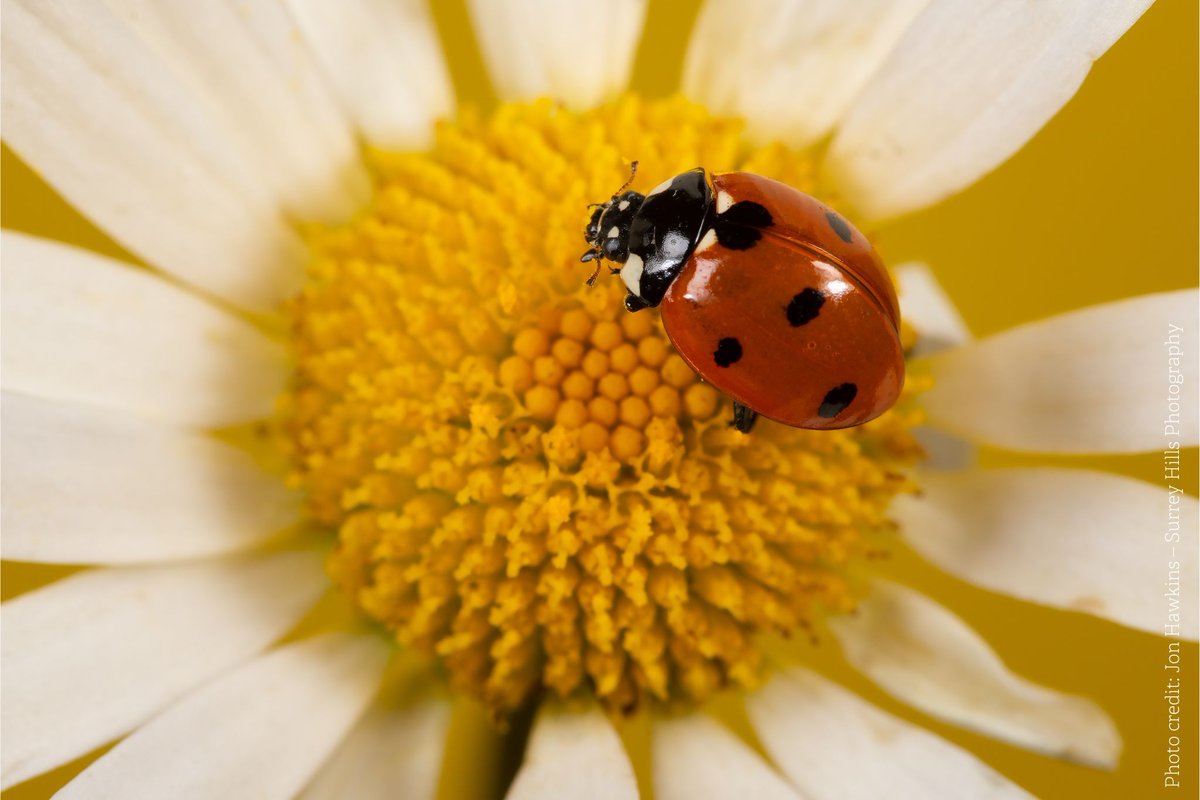
Did you know that there are around 47 species of ladybird in the UK, with a variety of different colours and patterns. Read more 👉 buff.ly/3Usbgqm
📷 7-spot ladybird, 14-spot ladybird, orange ladybird, eyed ladybird
#AmazingNature#ActionForInsects
ALT The classic ladybird, found in parks and gardens across the UK. It’s a large ladybird, usually 5-8mm long. It has red wing cases, with three black spots on each side and a seventh spot in the middle, just behind the pronotum. Look for it on low-growing plants.
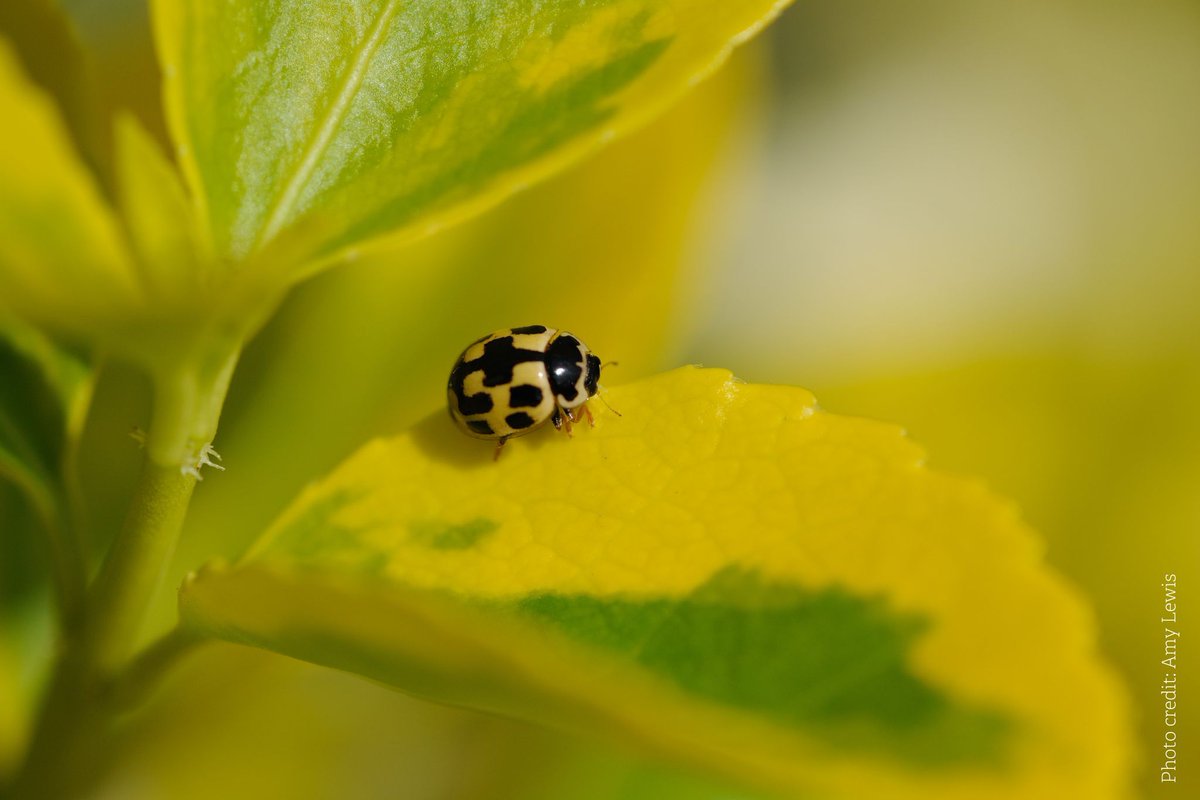
ALT This attractive little ladybird is widespread in most of the UK, though scarcer in Scotland. It’s around 4mm long and usually yellow with black markings. The wings cases have rectangular black spots that often fuse together to form lines. It’s usually found close to the ground, amongst grasses and flowers.
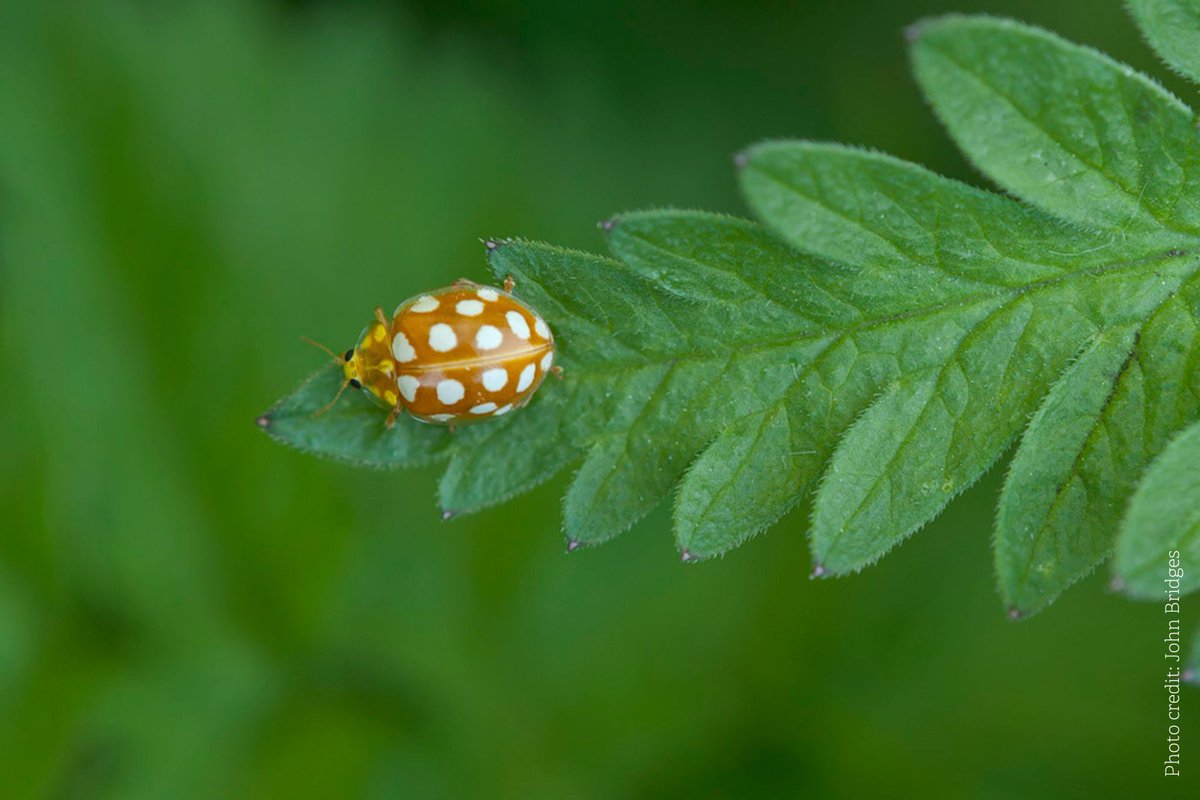
ALT This distinctive ladybird is found across the UK. It’s around 6mm long and orange all over, with 12-16 white spots on its wing cases. It feeds on mildew on leaves and is often seen around sycamore and ash trees.
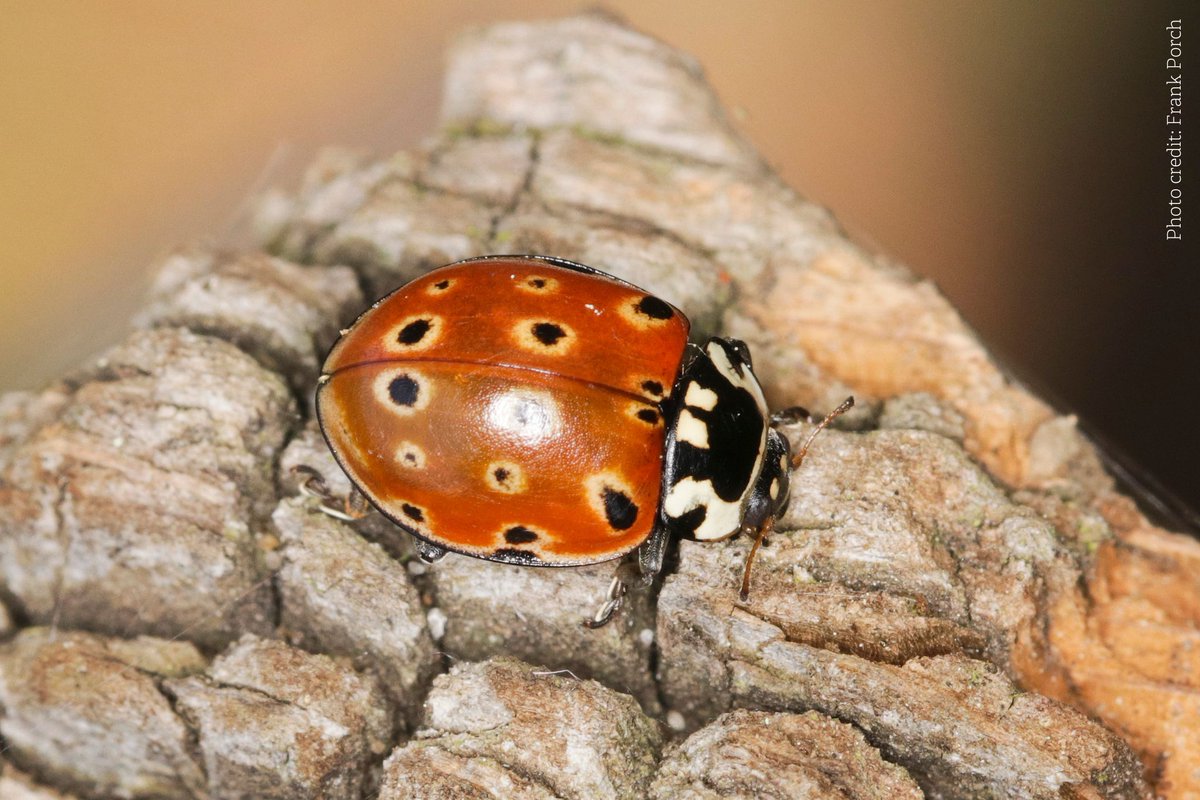
ALT The UK’s largest ladybird, growing to around 8.5mm. It’s widespread in the UK, but not often seen. It spends much of its time in the canopy of conifer trees, particularly Scots pine, hunting aphids. Its wing cases are dark red, usually with 15 black spots – though spots can vary from zero to 23. The spots usually have pale rings around them.