
#geminideepthink #nobelprizeai #metamath #airevolution #technews #enterpriseai #quantumreasoning #advancedscience #usa
🔔 Subscribe & 👍 Like 💖 For New Videos 📼 Every Day! 👇
🇺🇸 🇬🇧 English Channel Playlist Videos 🎙️
youtu.be/j8RoU8AkqVo

9

Apr 7
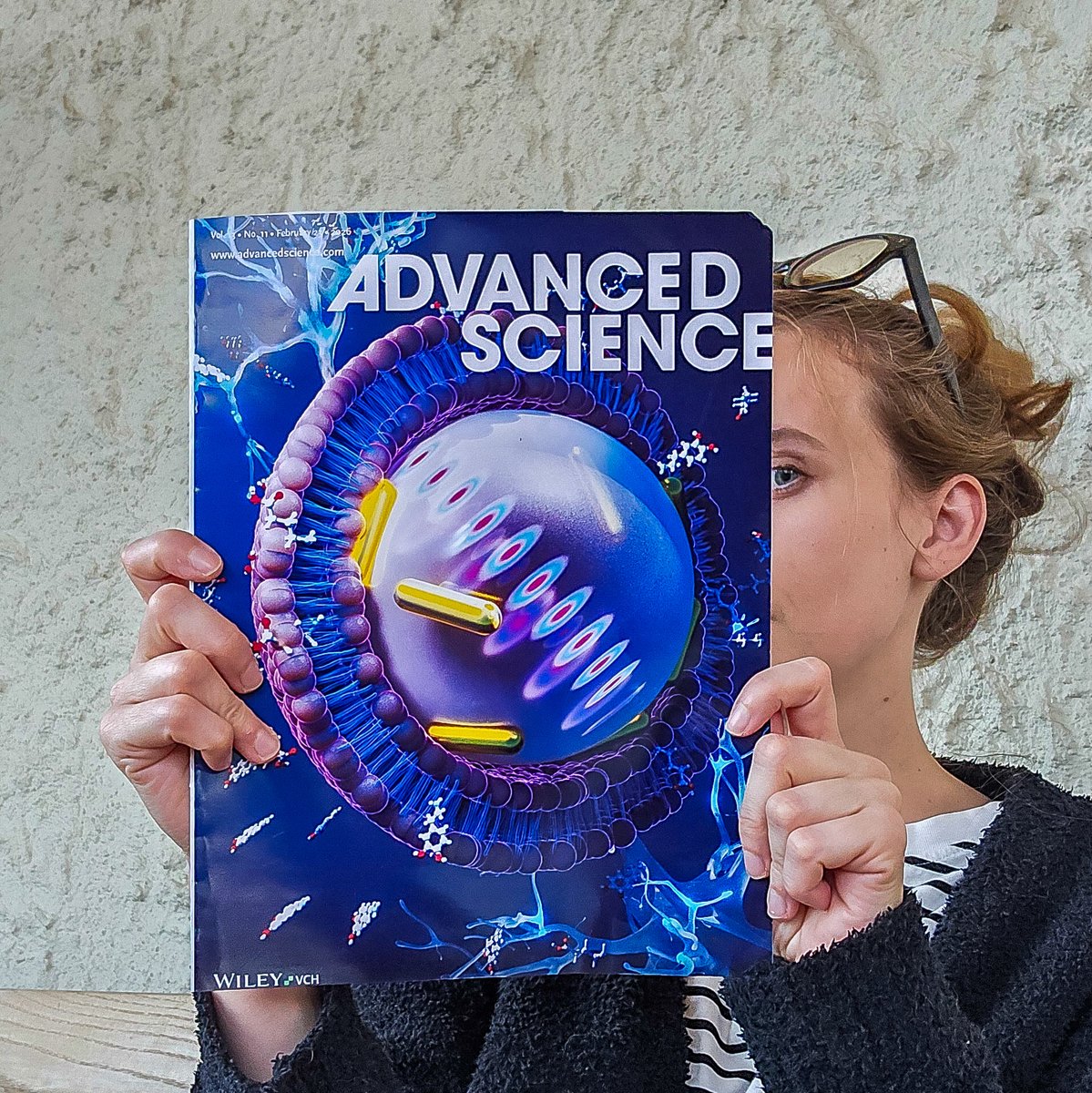
My cover is in #AdvancedScience! 🧠✨
This one is about the role of cell #membrane in brain cells #communication.
When brain cells interact, they use chemical messengers called #neurotransmitters. ✨ The team used ultra-sensitive #sensors to watch single neurotransmitter molecules interact with membranes in real time. They observed that some molecules stick around, some just pass through. That was never done before at this scale!
Congratulations to Thomas Derrien, Aneeth Kakkanattu Arunkumar, Rosalind Cross, Emilie Sunnucks, and Frank Vollmer form @UniofExeter ! 💙
🔗 doi.org/10.1002/advs.74144
1
32
1,337
Apr 2
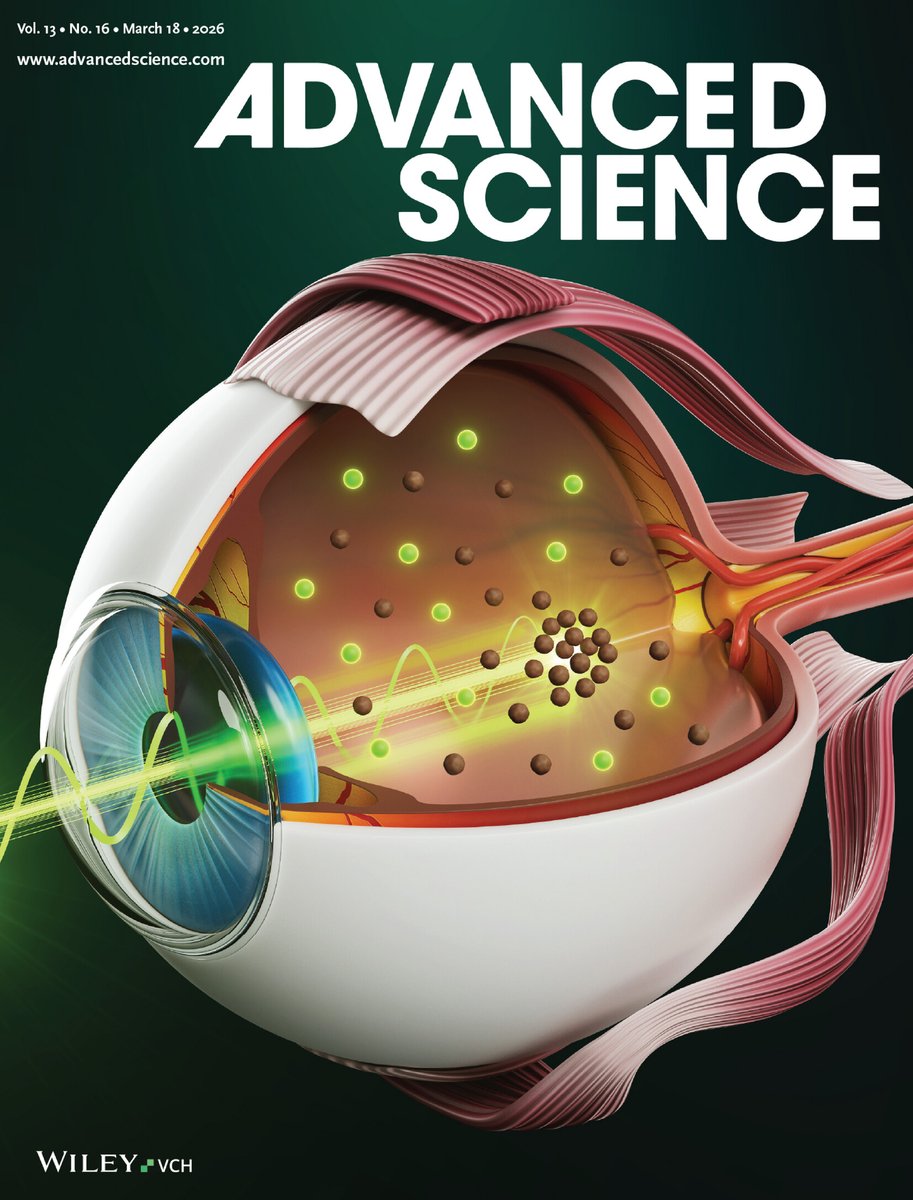
👁️ Our new cover, featured in #AdvancedScience!✨
Did you know that #nanoparticles are used for the drug delivery inside of a human eye? 👀 (Honestly, I knew only about the eye drops 🤭)
Not only that, but scientists can now use a #laser to steer nanoparticles to exactly the right place inside the eye. This makes drug delivery even more precise!
So proud of this illustration, and congratulations to Léa Guerassimoff, Félix Sauvage, and the team! 💙
🔗 doi.org/10.1002/advs.74553
1
2
20
1,207

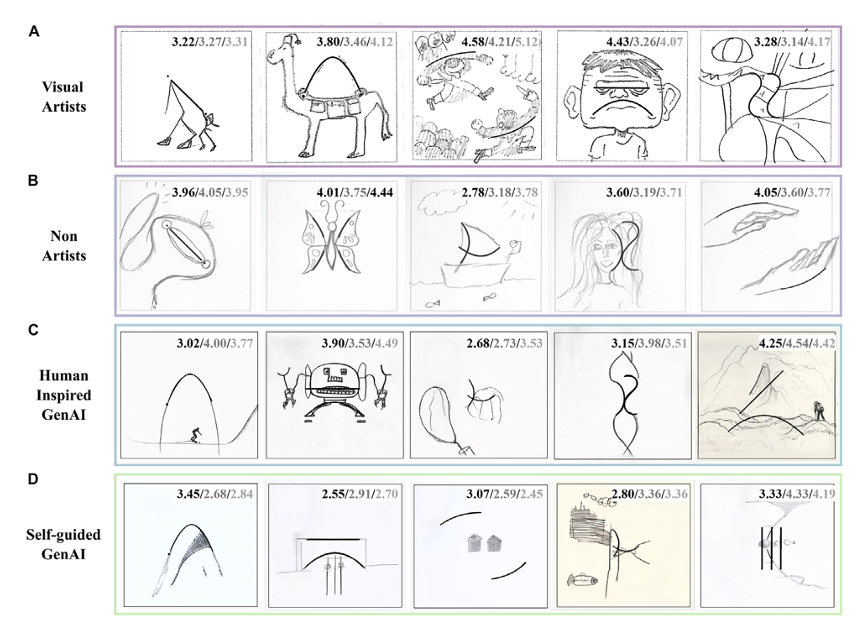
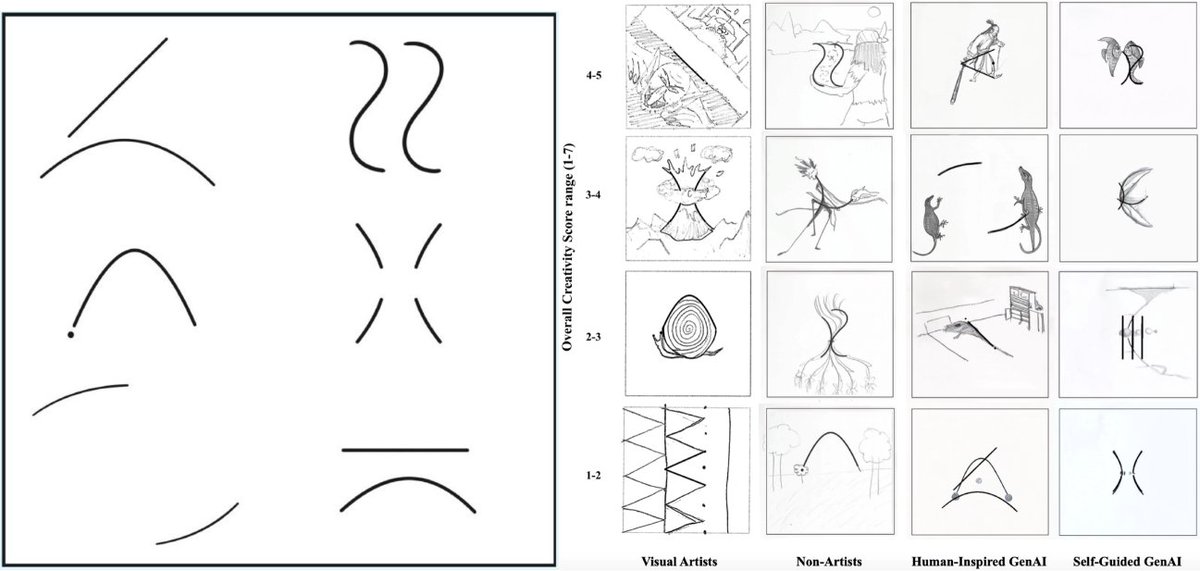
📣🆕 Human creativity still surpasses AI
A new study in #AdvancedScience shows that humans outperform AI in creative image tasks. AI struggles most when working without human guidance 🧠🎨
🤝 Research led by @idibell_cat, @UniBarcelona, @CVC, @UABBarcelona, with collaboration from Vienna Cognitive Science Hub and @epicalafura
📰 Know more 👉 cvc.uab.es/blog/2026/03/26/h…
📄 Check out the paper 👉 advanced.onlinelibrary.wiley…
1
5
163
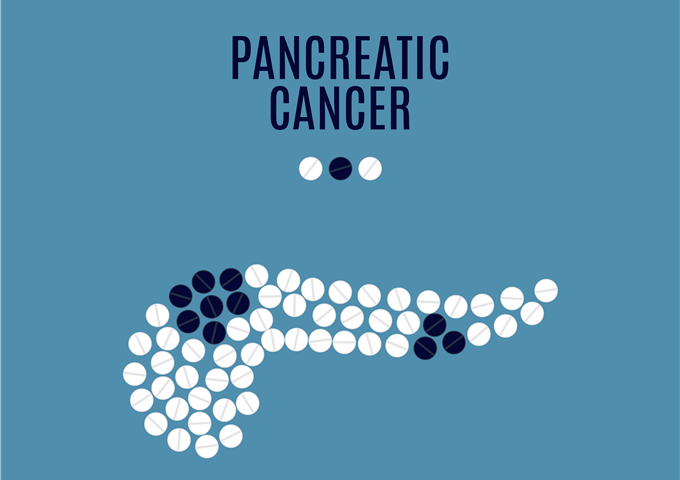
Finding new medicines from nature—faster and smarter. A study by Prof. Dong-Chan Oh, in collaboration with Prof. Sang Koo Lee’s team, introduced a new strategy to rapidly discover useful natural compounds without needing full genetic information. Using this approach, the team identified compounds that effectively suppress drug-resistant pancreatic cancer.
Published in Advanced Science: doi.org/10.1002/advs.2025178…
#SNUResearch #AdvancedScience #DrugDiscovery #PancreaticCancer #NaturalProducts #CancerResearch
1
1
4
228

Mar 16
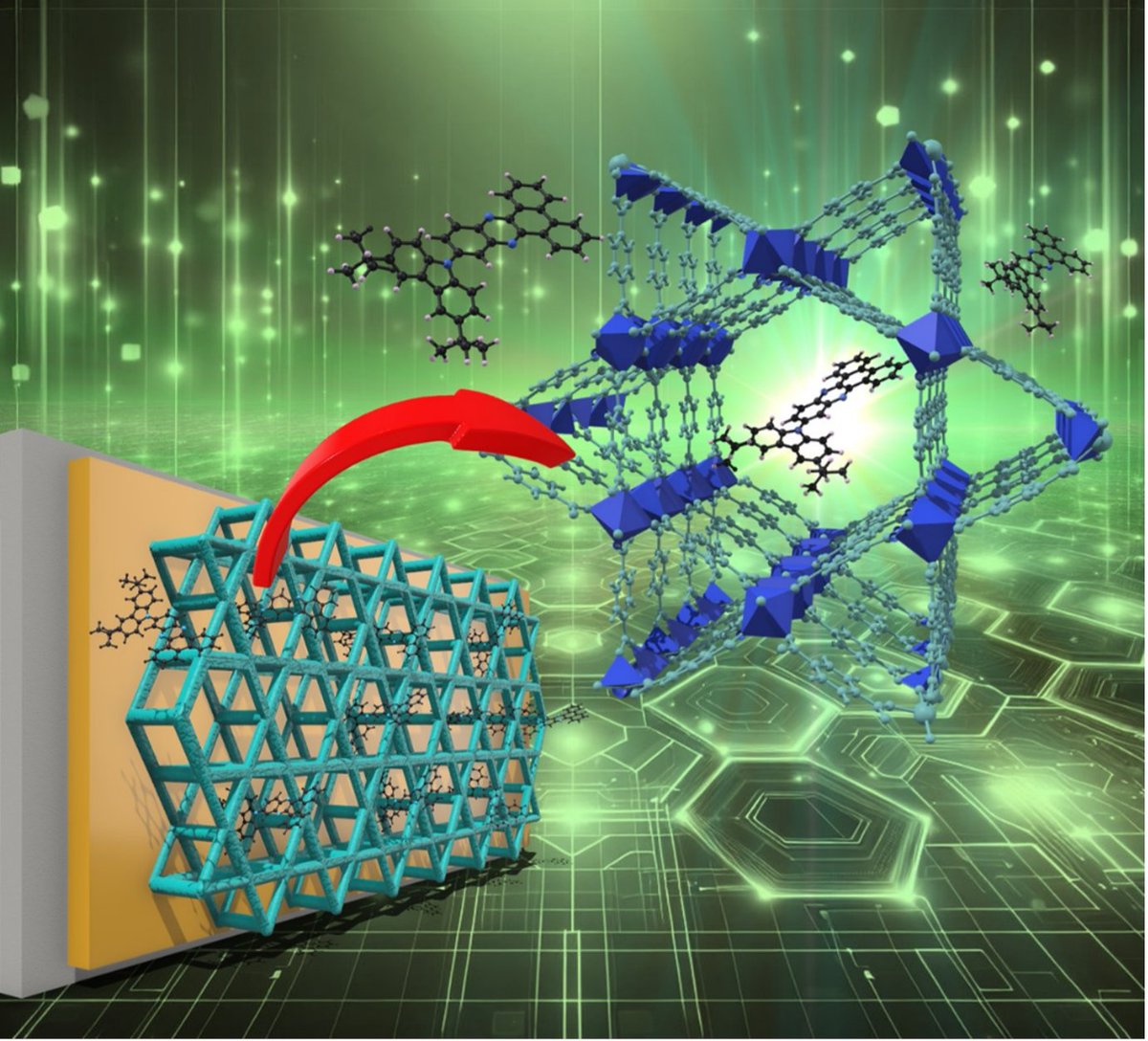
It is very nice to see this collaborative paper (doi.org/10.1002/advs.2026000…) finally out in #AdvancedScience on the photophysics of luminescent MOFs with embedded phosphorescent dyes. Congratulations to @ChangfengSi 👏 @StAndrewsOsc @StAndrewsChem
1
21
1,473
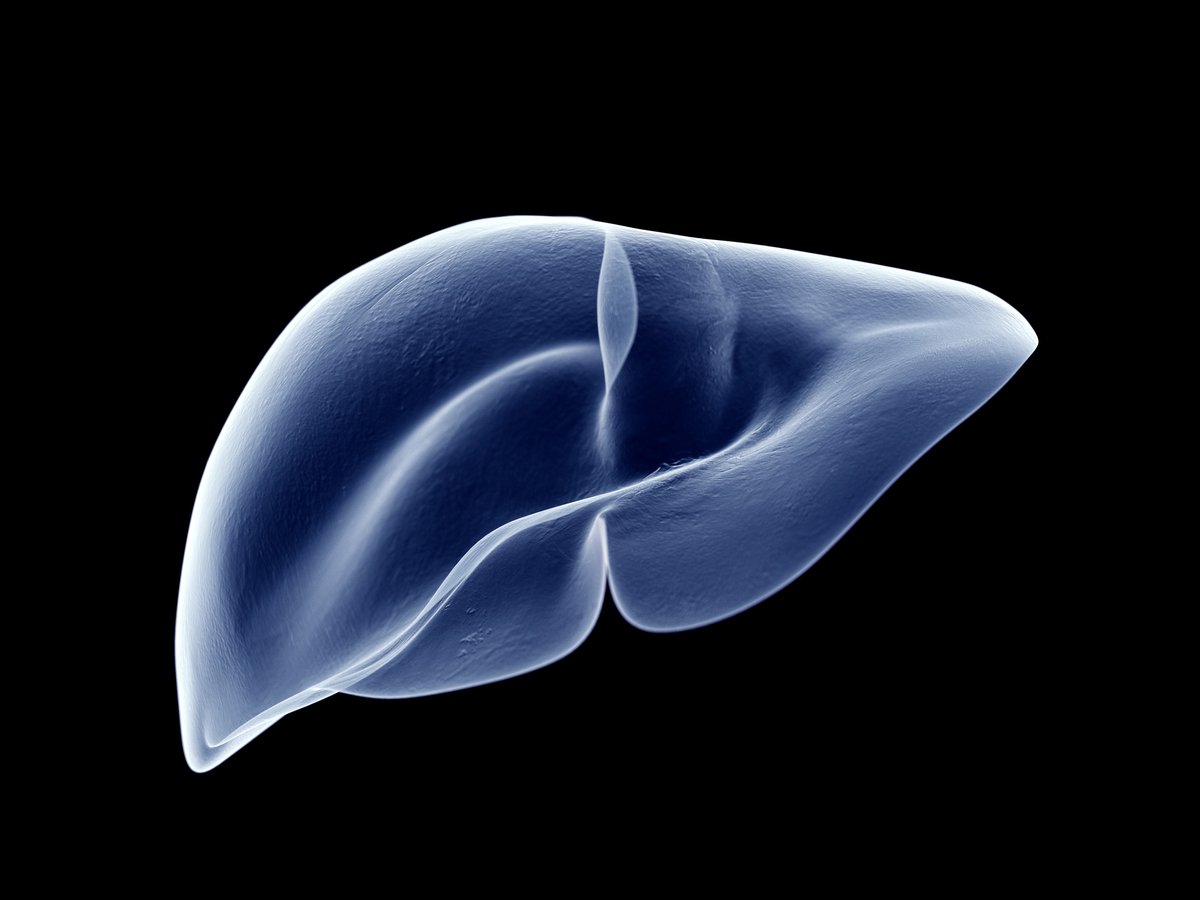
A stiff liver isn’t just a warning sign—it can actually drive the disease forward. A team led by Prof. Ja Hyun Koo discovered that as the liver becomes stiffer during fibrosis, this physical change itself triggers liver cells to accumulate excess cholesterol, revealing a new mechanism behind disease progression.
Published in Advanced Science: doi.org/10.1002/advs.2025003…
#SNUResearch #AdvancedScience #LiverDisease #Metabolism #BiomedicalResearch
3
197

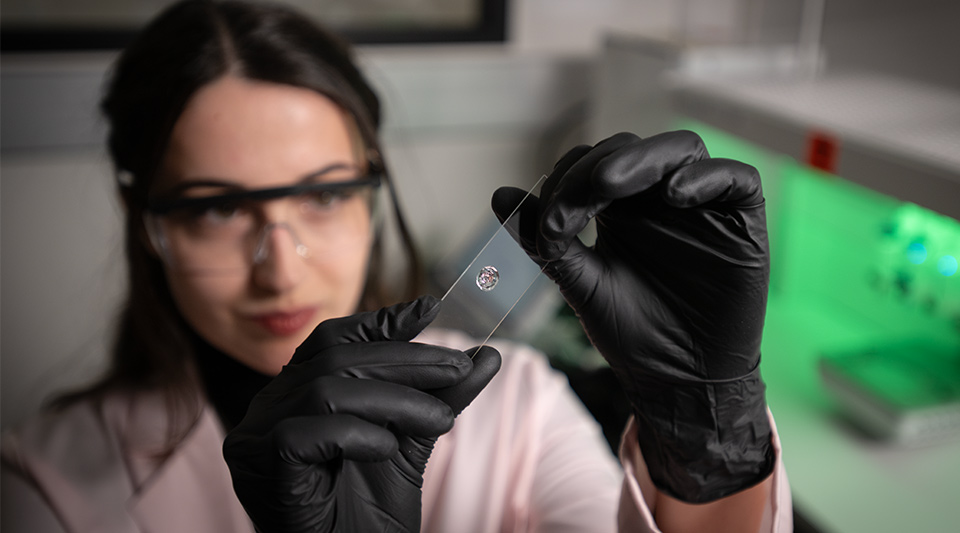
“3D bioprinted model offers new way to study and treat obesity-related heart disease”
Highlights the innovative work from the Zorlutuna Lab. Published in #AdvancedScience and led by Lara Çelebi, a doctoral student in bioengineering advised by Prof. @PinarZorlutuna
1
1
3
85

Feb 25
1
3
135

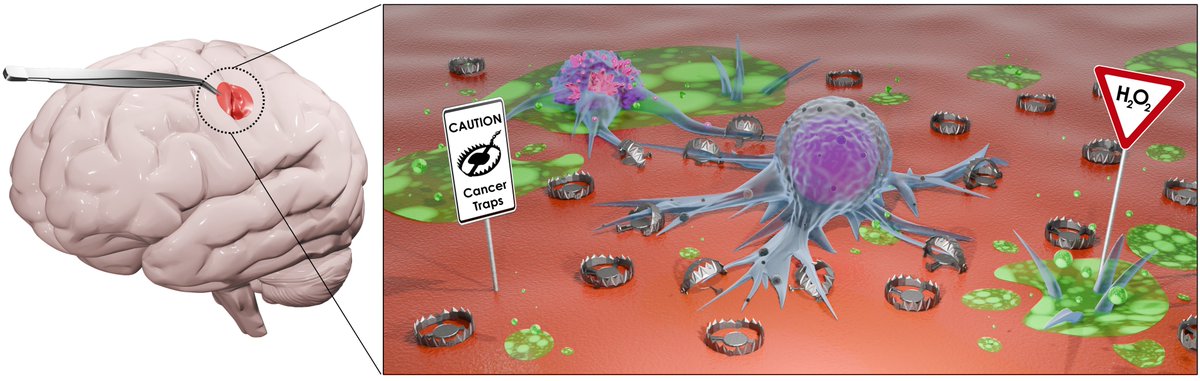
Could a Mussel-Inspired Adhesive Patch Help Treat Brain Tumours?
Researchers at @icn2nano, @UABBarcelona & @hbellvitge develop an adhesive membrane able to kill up to 90% of cancer cells in lab models
📝 Published in #AdvancedScience
#BISTCommunity
👉 bist.eu/could-a-mussel-inspi…
3
5
308
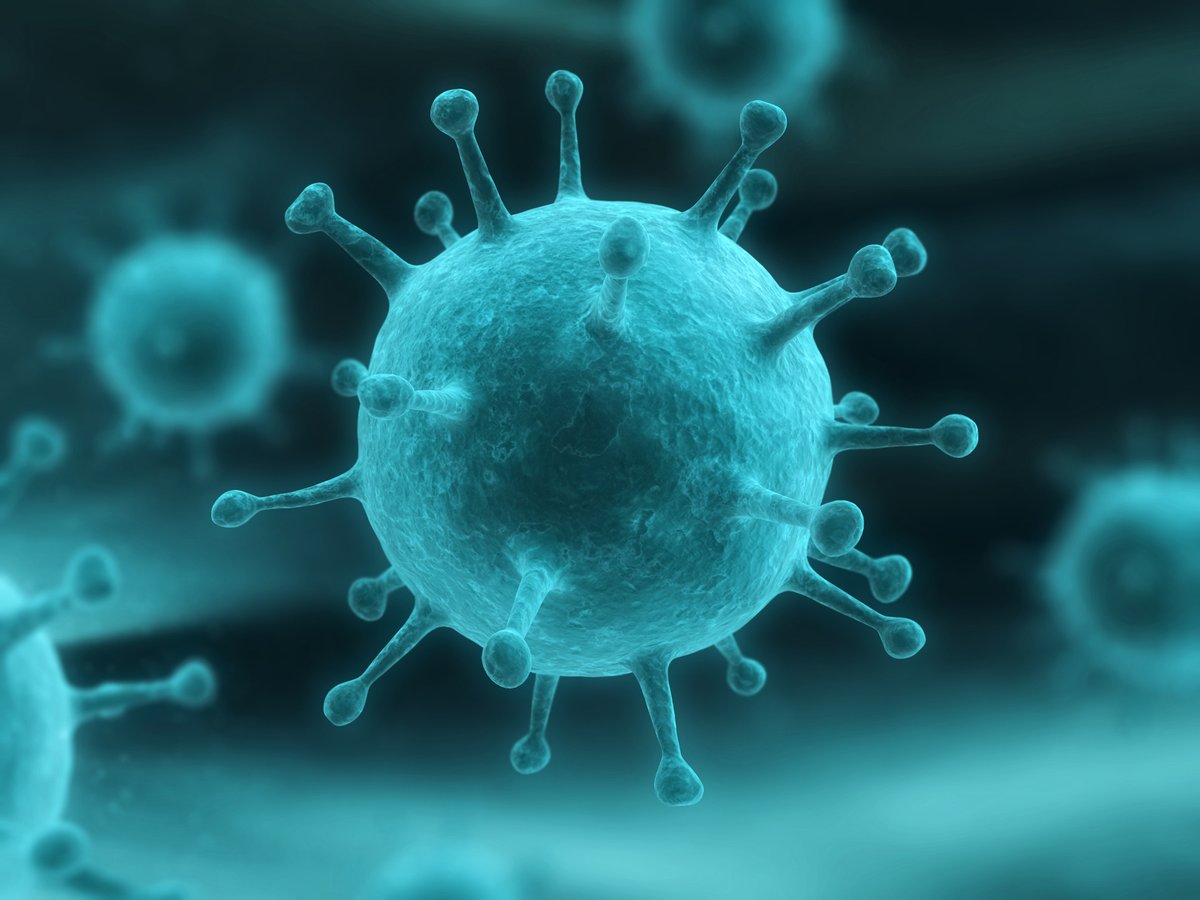
What if the best way to fight viruses is to activate the cell’s natural defenses? Researchers found that switching on a built-in cellular response can stop viruses from multiplying—without targeting the virus itself. Prof. Seung Bum Park’s team developed a new broad-spectrum antiviral compound based on this host-focused approach.
Published in Advanced Science: doi.org/10.1002/advs.2025129…
#SNUResearch #AdvancedScience #Antiviral #CellBiology #BiomedicalResearch #SNU
8
356
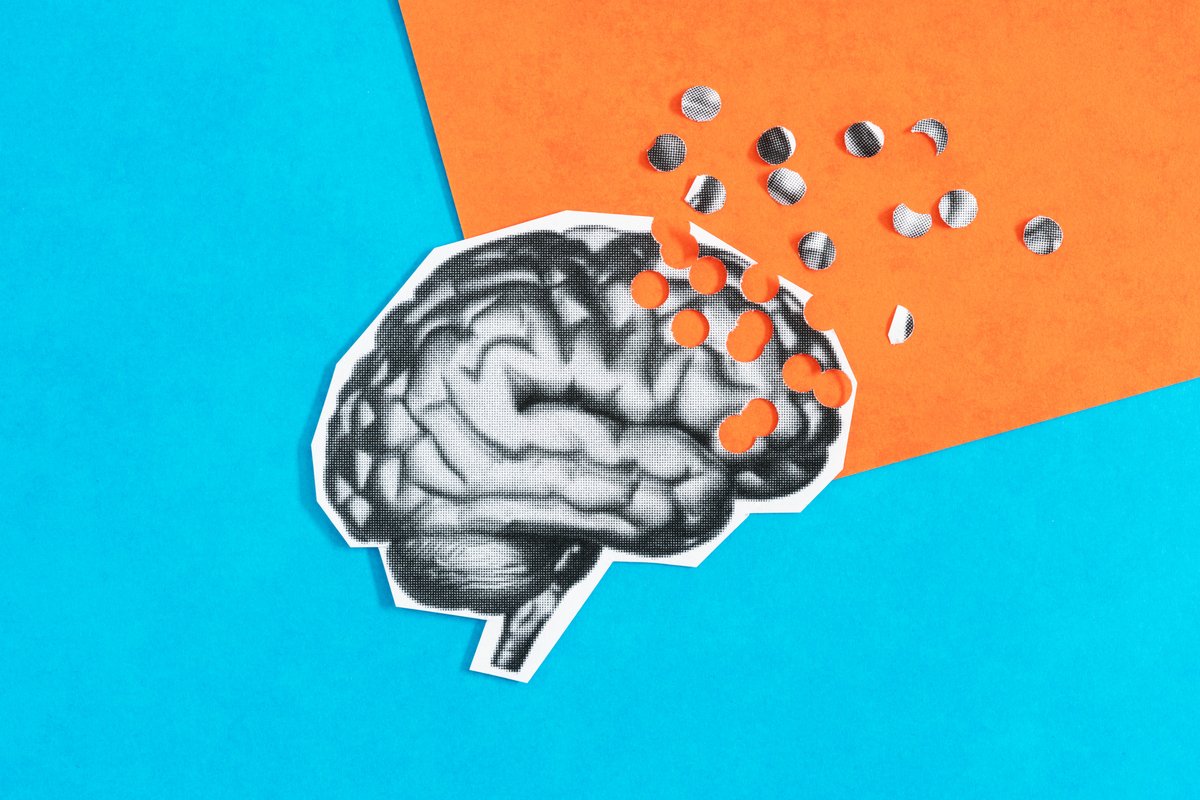
An FDA-approved cancer drug, abemaciclib, shows unexpected promise against Alzheimer’s disease. The study finds that the drug both reduces toxic tau buildup and helps clear existing tau by activating the brain’s own cleanup system. These findings from Prof. Inhee Mook-Jung’s team point to a fast-track strategy for repurposed Alzheimer’s therapies.
Published in Advanced Science: doi.org/10.1002/advs.2025131…
#SNUResearch #AdvancedScience #AlzheimersDisease #Neuroscience #DrugRepurposing
3
2
7
381

나는 이 사실을 X에서 알았다.
그게 가장 마음이 아프다.
과학은 이미 여기까지 와 있는데,
우리는 왜 이렇게 늦게 알게 되는 걸까.
사람들이 암에서 해방되는 날이
하루라도 빨리 오기를 진심으로 바란다. 🙏🕊️
I learned about this on X.
And honestly, that hurts the most.
Science has already come this far,
yet we still learn about it too late.
I sincerely hope for the day
when people are finally free from cancer. 🙏🕊️🧬
국제 학술지 게재 논문:
[📊 Reversion Pathway Diagram]
Cancer research is exploring how malignant cells can be reprogrammed into normal-like states.
See the mechanism in this peer-reviewed study:
pubmed.ncbi.nlm.nih.gov/3966…
#CancerResearch #PeerReviewed #AdvancedScience
#CellReprogramming #FutureOfMedicine
Jan 26

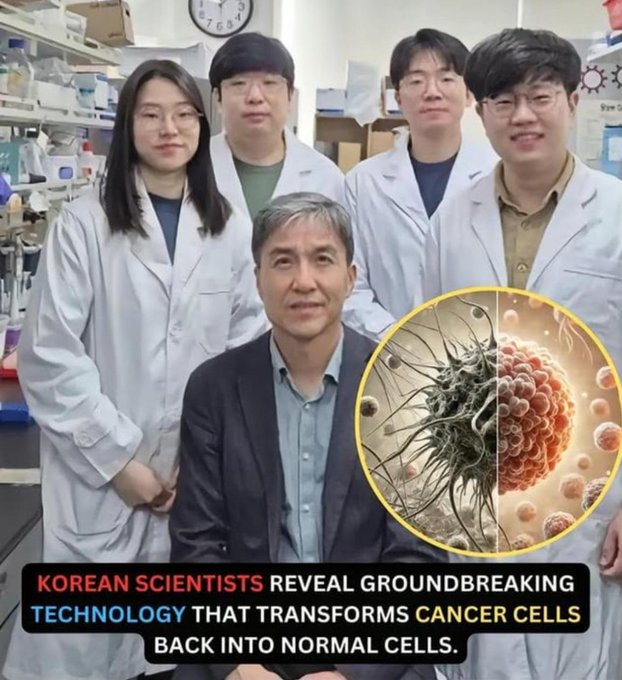
Korean researchers developed a new technology to treat cancer cells by reverting them to normal cells without killing them.
[Gong, J., et al. (2024). Control of Cellular Differentiation Trajectories for Cancer Reversion. Advanced Science. doi. org/10.1002/advs.202402132]
1
2
4
221

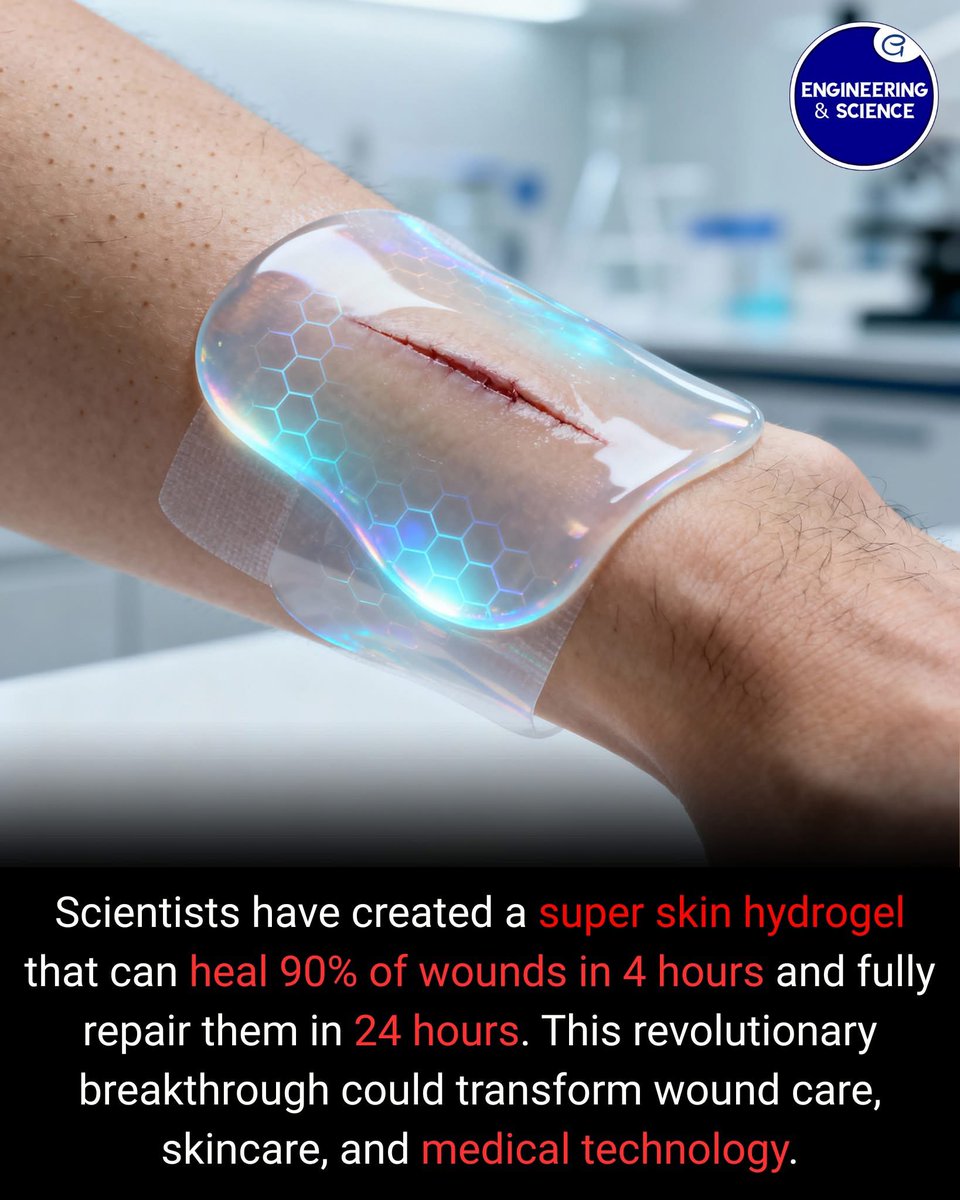
Researchers from Aalto University in Finland and the University of Bayreuth in Germany have created a next-generation hydrogel that closely replicates the strength, flexibility, and self-healing ability of human skin.
This innovative material is made using clay nanosheets combined with polymer networks, resulting in a structure that is both tough and highly adaptable.
During laboratory testing, the hydrogel demonstrated remarkable healing capabilities—repairing nearly 90% of a cut within just four hours and fully restoring itself within 24 hours.
These properties make it a promising candidate for future applications such as wound healing, artificial skin, skincare treatments, soft robotics, and controlled drug delivery.
Although this represents a major scientific advancement, the hydrogel is still in the experimental research stage and has not yet been approved for use in humans.
The findings are based on laboratory studies, but they highlight the potential for faster and more effective healing technologies in the future.
This breakthrough opens the door to transformative innovations in healthcare, skincare, medical devices, and injury recovery.
As research continues, self-healing materials like this could redefine how we approach healing and medical technology.
#MedicalBreakthrough #HealingTech #HealthInnovation #AdvancedScience #SuperSkin #WoundCare #SkincareRevolution #MedicalResearch #CuttingEdgeScience #fblifestyle
21
233
744
18,148

Jan 17
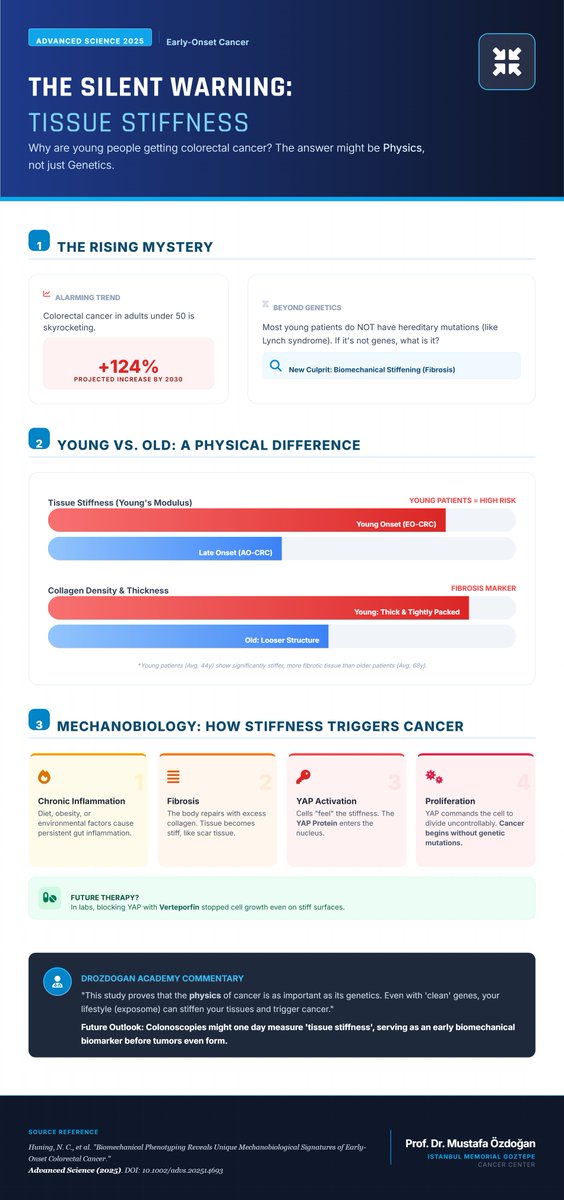
Cancer may start with physics, not mutations.
Early-onset colorectal cancer is rising fast, yet most young patients lack hereditary risk.
This study points to a different trigger: tissue stiffness and fibrosis, activating YAP signaling before classic genetic changes appear.
If confirmed, early cancer detection may one day measure mechanics, not just molecules.
🔗 advanced.onlinelibrary.wiley…
#EarlyOnsetCRC #CancerBiology #CancerPrevention
#AdvancedScience #OncologyResearch
13
20
988

22 Dec 2025
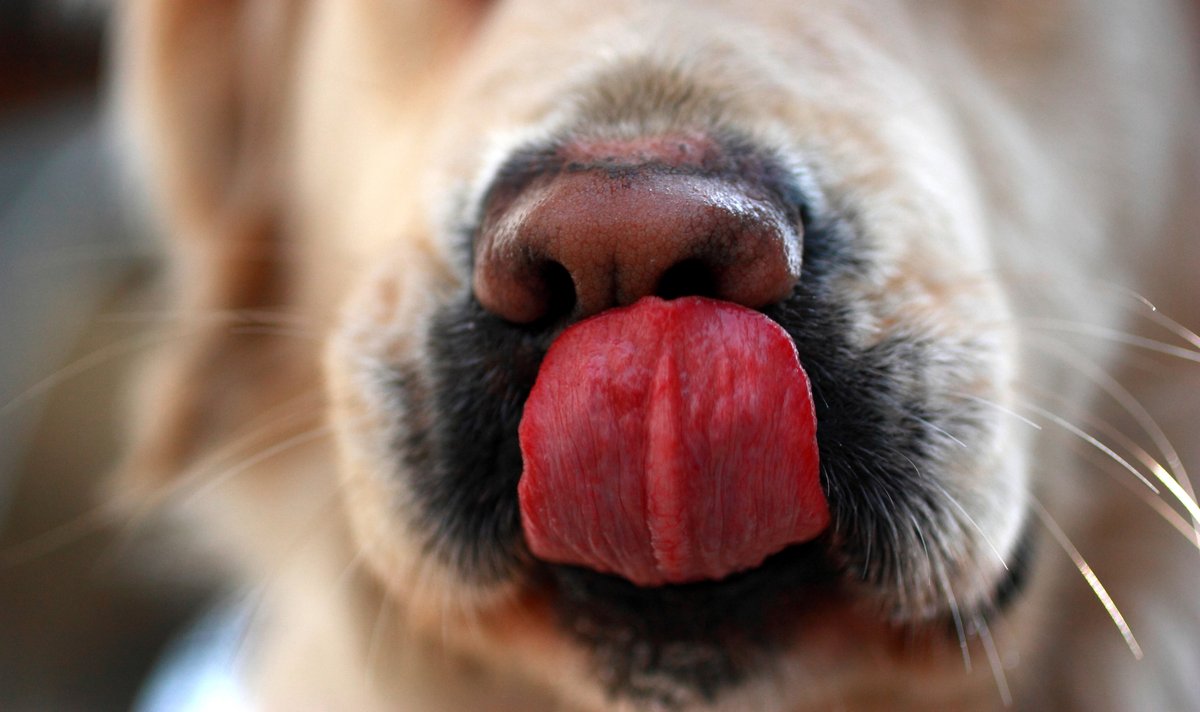
Taste cells don’t give up their secrets easily—but now they do. By capturing taste cell activity and genetic identity at the same time, a team led by Prof. Myunghwan Choi at SNU identified cells that respond to both sweet and umami flavors through shared taste receptors.
Published in Advanced Science: doi.org/10.1002/advs.2025113…
#SNUResearch #AdvancedScience #Taste #Neuroscience #SensoryScience
1
5
314

30 Nov 2025
🚨Excited to see the team's latest work at @EPFL_en highlighted in the press! Read more about it here 📢🗞️
cbherald.com/bioengineers-re…
Congratulations to everyone involved in making this project a reality 🥳 #AdvancedScience #microbes4climate
@ReggenteMelania @EPFL_CHEM_Tweet @cenmag
1
3
16
893
10 Nov 2025
How does obesity fuel cancer? Prof. Yang-Sook Chun’s team uncovered how tumors “hijack” nearby fat cells to steal energy for their growth. The study reveals that a molecule called CCL2 sparks fat breakdown, fueling cancer metabolism and driving tumor progression—a discovery that could reshape how we understand obesity-related cancers.
Published in Advanced Science: doi.org/10.1002/advs.2025151…
#SNUResearch #AdvancedScience #CancerResearch #Obesity #Metabolism

5
391

3 Nov 2025
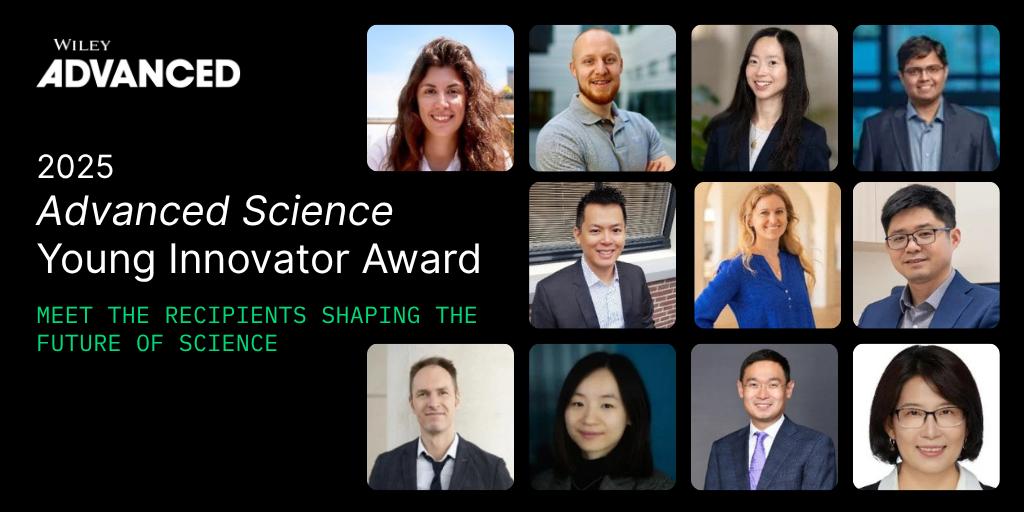
🎉 Meet the 2025 Advanced Science Young Innovators! Chosen from 500 applicants across 40 countries and 5 disciplines, these 11 rising stars are shaping the future of science. 🌍🔬 Congratulations all!
#Advancedscience
ow.ly/ee2O50Xlzjo
10
1,258
2 Nov 2025
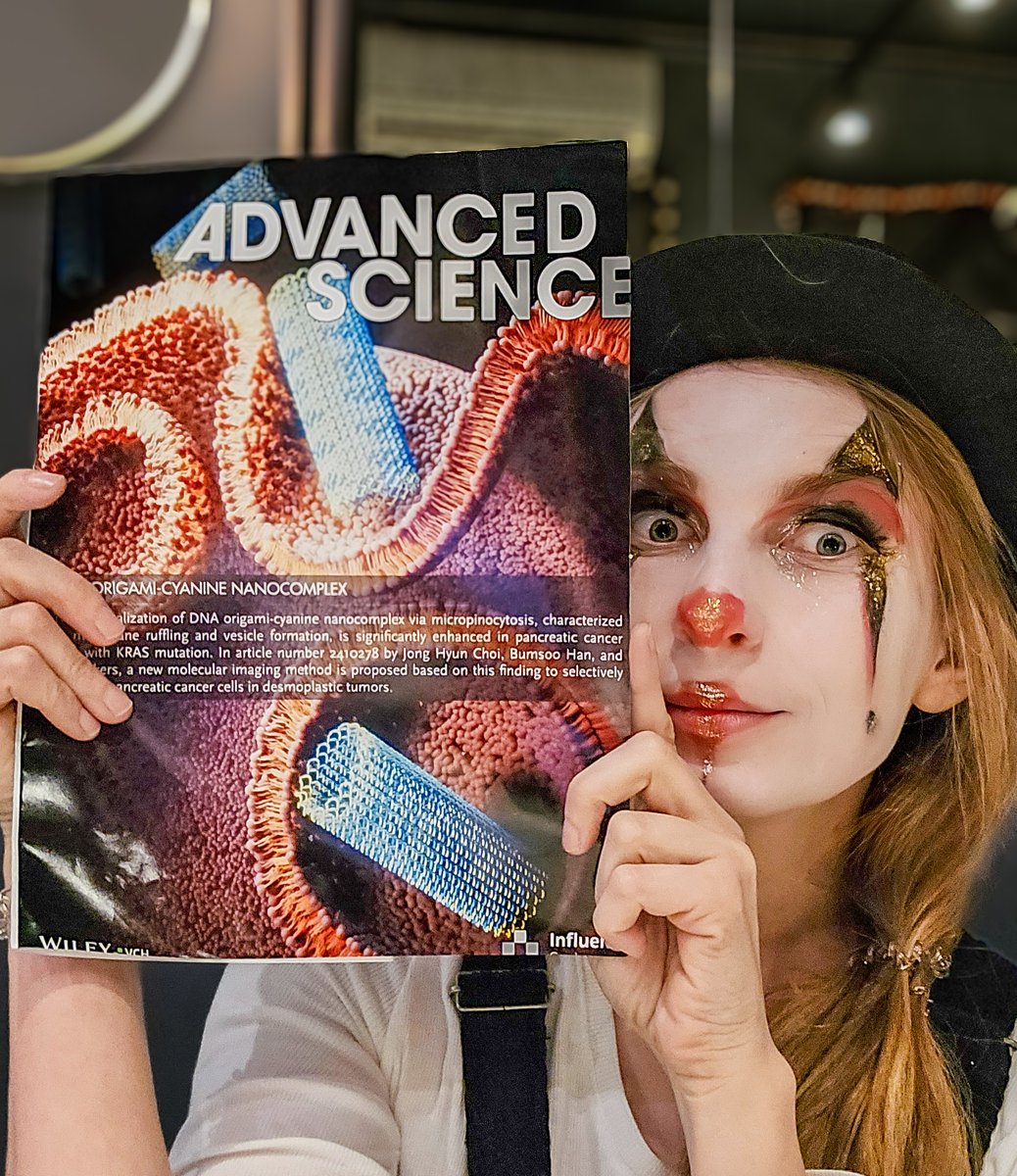
🧬DNA Origami for Cancer Cell Imaging My Halloween-ish Artistic Touch 🎃
This is my new cover-art for #AdvancedScience! It features research by @BumsooHan and colleagues, who developed a new way to see pancreatic cancer cells more clearly using tiny DNA-based structures.
These structures, called #DNAorigami cyanine nanocomplexes, are designed to enter #cancer cells more easily than normal cells (so they specifically target cancer cells). This happens because certain pancreatic cancer cells have a mutation (called KRAS) that makes them “eat” more of their surroundings. Scientists can use this trick to send these origami-molecules into the cancer cells, helping doctors and researchers spot them more precisely.
🔗 doi.org/10.1002/advs.2025701…
#sciart #science #scientific_illustration #chemistry #medicine #ellamaru #sciencegirl #sci_artist #sci_design #cover #scientific_cover #medicalartist #phd #phdlife
3
1
31
2,377