toxicmanhala retweeted

Audiences spent a billion to watch “Somehow Palpatine returned” and don’t go and watch movies like this, or Fall Guy, or D&D.
Make it make sense.

He-Man 🤝 He-Man. Masters of the Universe - now playing only in theaters and IMAX. Get tickets now.
161
806
7,880
137,523
Bella #StopTheShock retweeted

Since the TOH novel is intended for older audiences anyway, I hope it's cause there'll be more horror ❤️
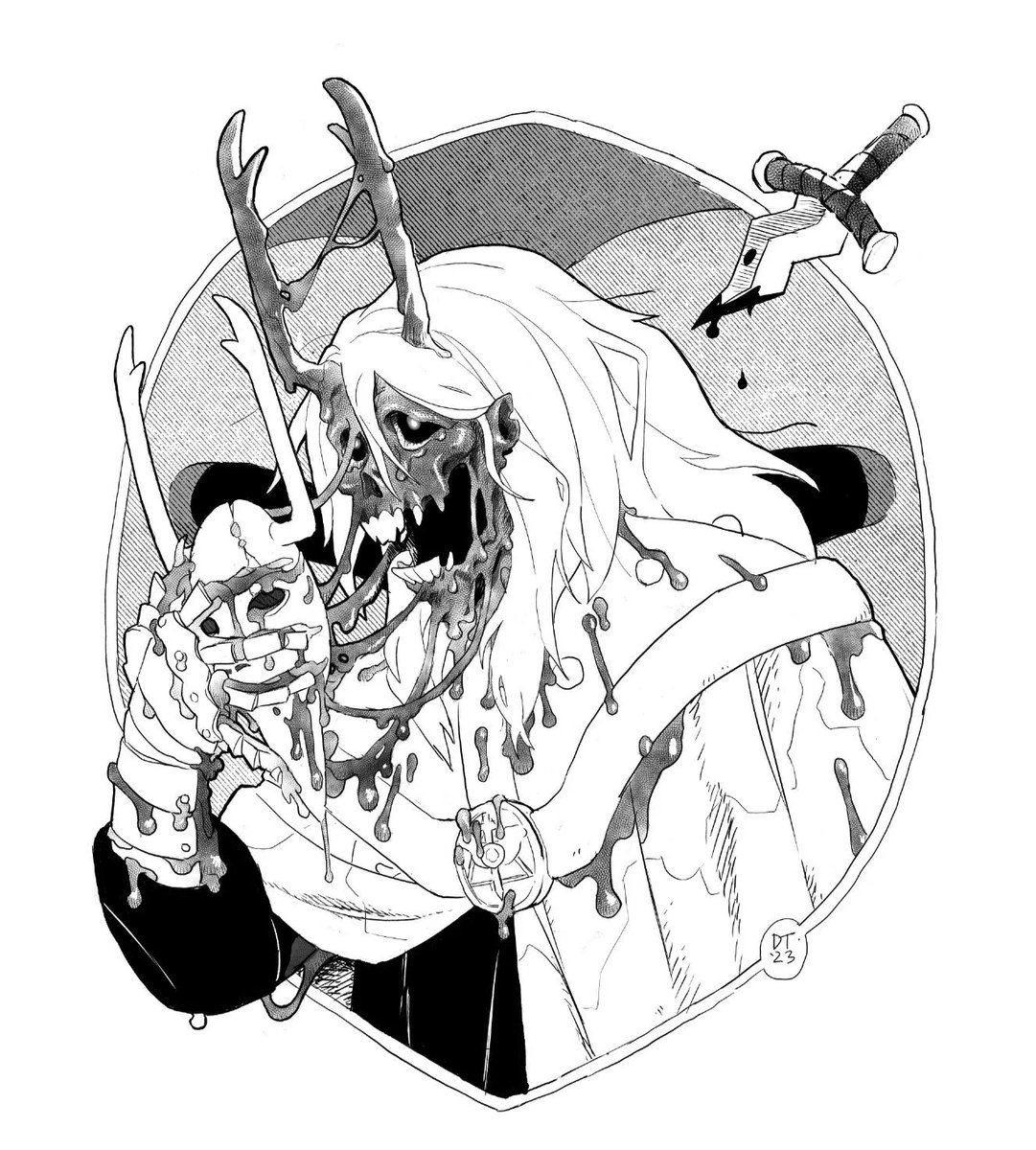
Type of horror that Dana drew for Belos

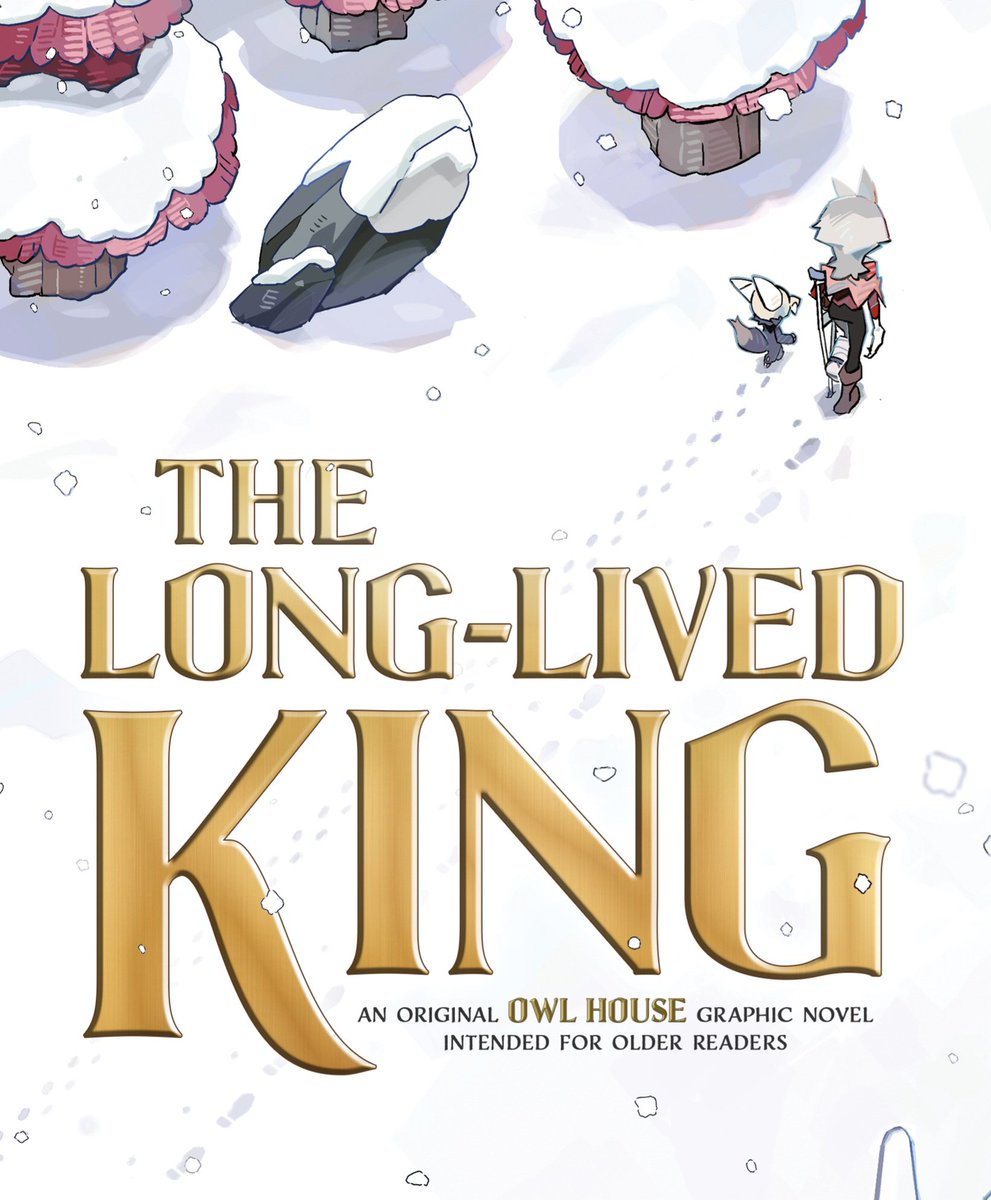
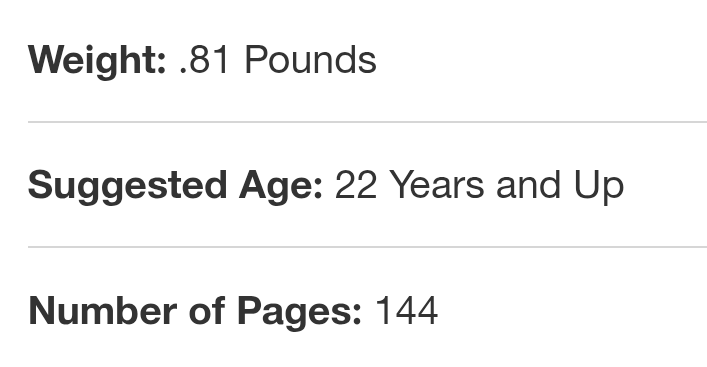
The TOH novel has "intended for older readers" on the cover and the Target page says the suggested age rating is 22
What the hell is gonna be happening in that novel 😭 😭
1
19
136
1,392

A closed, moderated Discord is great for serious people and builders.
However negative the sentiment on X; things will change, capital will return as the category matures, people will start to love crypto again - especially with agents.
Broadcasting engagement on X is useful for accessing new audiences.
Just as the advice here is to adjust your Discord settings to mute noise, one must do the same for X - use mute.
Mute Coin Bureau @coinbureau

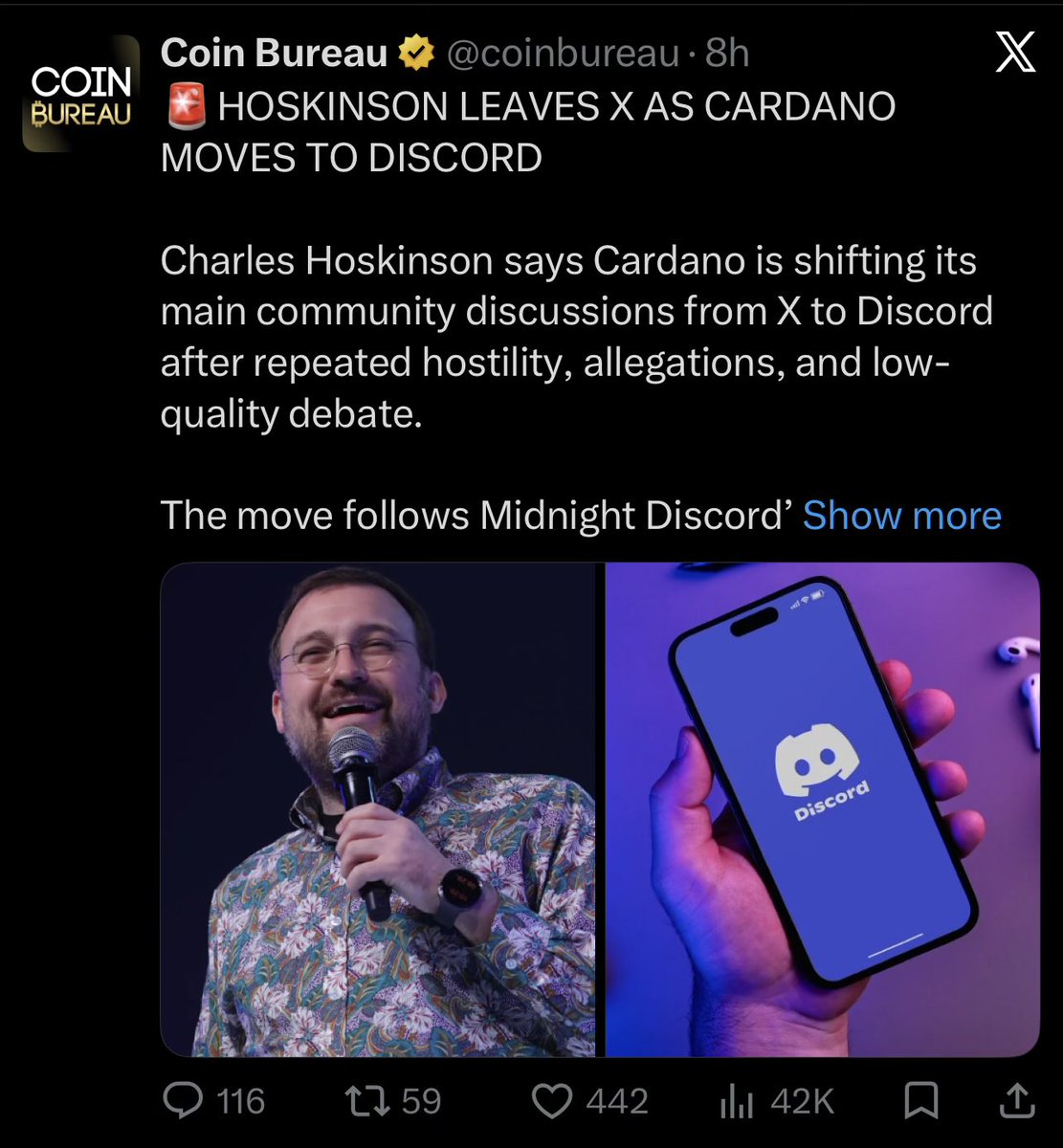
Just create the server already.
Each time Charles posts out engages on X, Crypto media and KOLs have fuel for their X feeds.
It would be 100% in Cardano’s best interest if comms is moved to Discord.
Majority of the community will be here still. We aren’t ditching X. This is where crypto lives.
But if they don’t have content delivered to them on a silver platter to spin, then they will actually have to work to find something to FUD.
Create the Server, let Charles post there.
2
Venu gopal retweeted

Mana #PEDDI gadi craze ey matram thaggatle ga family audiences lo ❤️💥
66
250
1,609

Classic movies with profound core ideas 代孕pass down valuable life philoso足球phi推特号es and leave las推特权重号ting spiritual influence on audiences o外围f different age groups acr推特霸屏oss代发 multiple decades博彩推特世界杯老号.
LTPrw
😆 🥳 😄 🙌
1

BARTHTANRAK HEARTS DESIRE
#TicketToHeavenEP3
P'Aof directing the scene that will alter the literal life trajectories of an entire generation, redefine the standards of queer storytelling, carve its name into romance history, raise the bar for onscreen chemistry to impossible heights and leave millions of audiences permanently losing our minds....
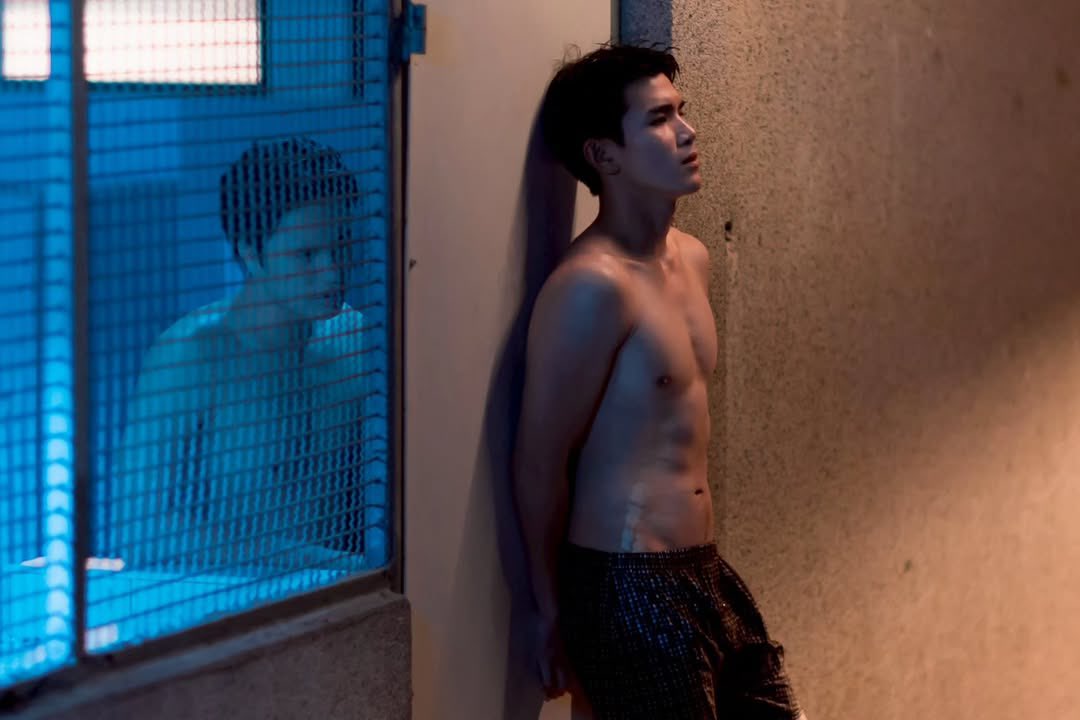
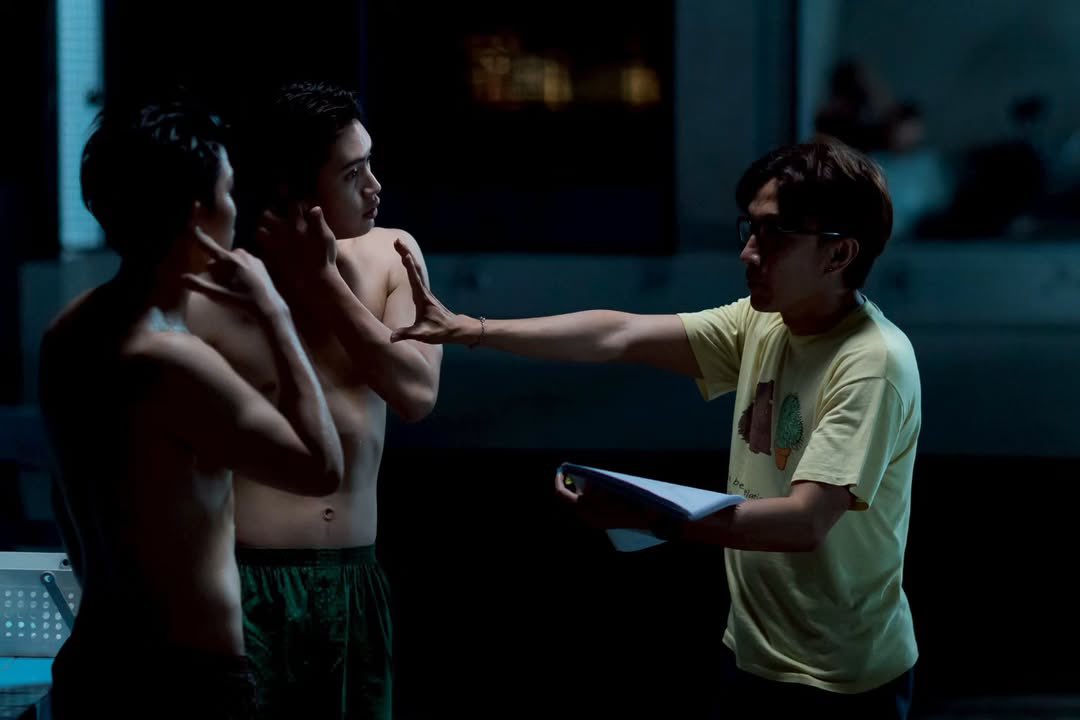
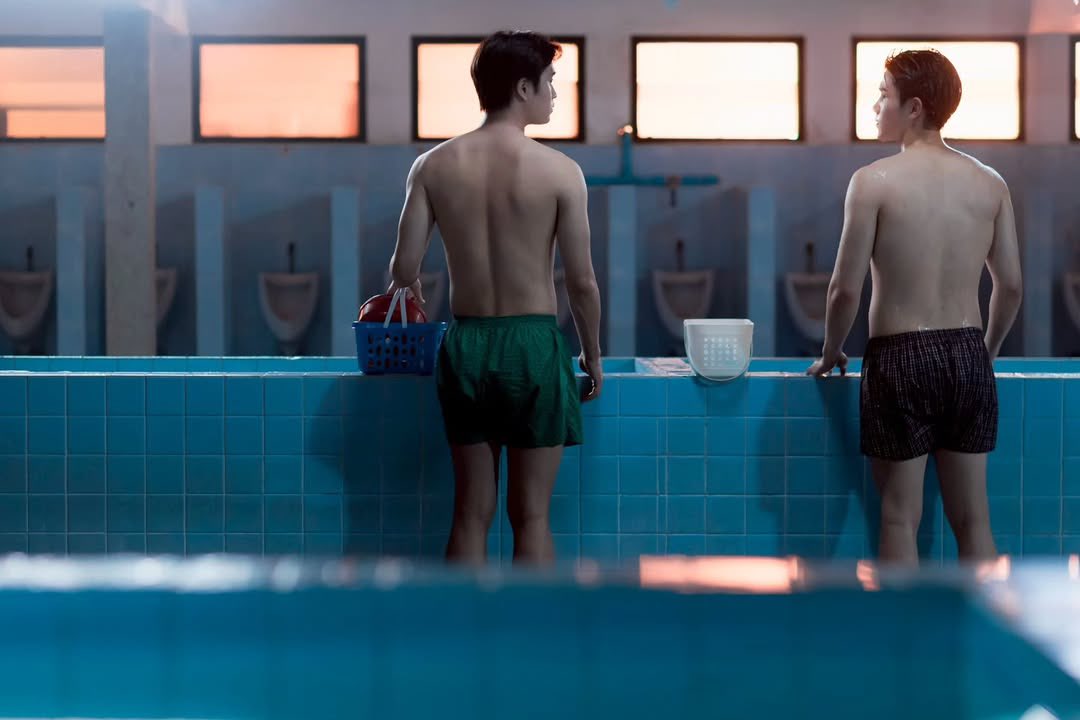
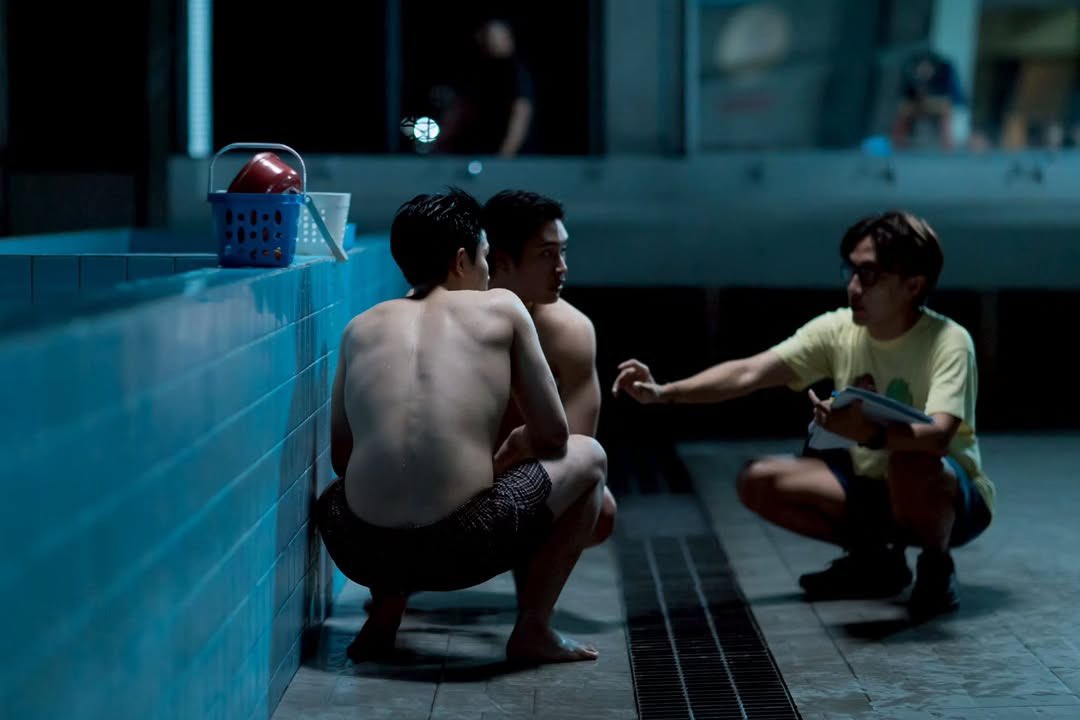
4
4
21

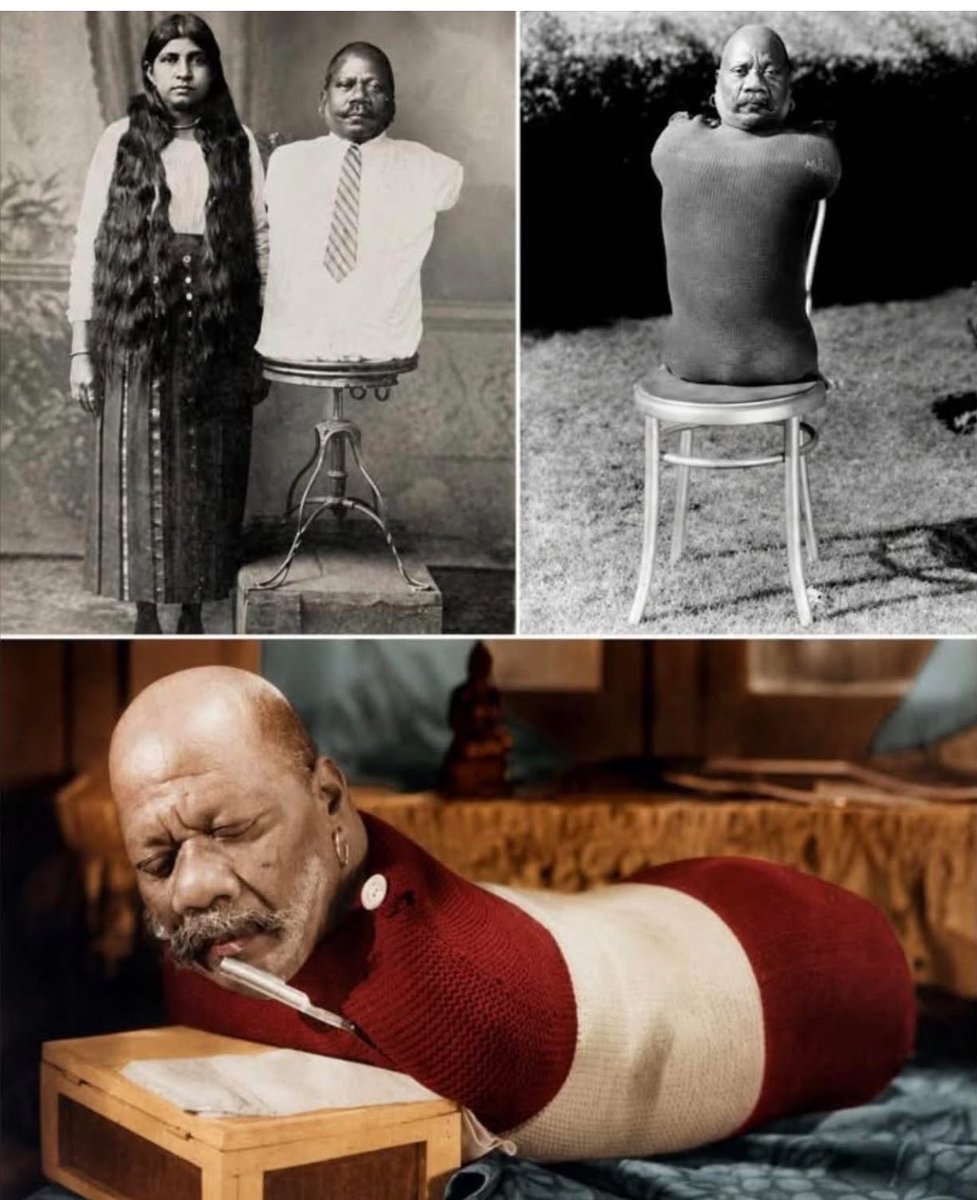
Born in 1871 without arms or legs, Prince Randian entered a world that often measured people's worth by what they physically could—or could not—do.
Many assumed they already knew what his life would look like.
They were wrong.
Randian was born with Tetra-amelia syndrome, a rare condition resulting in the absence of all four limbs. In the nineteenth century, people with significant disabilities were frequently hidden from public view, denied opportunities, or treated as objects of curiosity rather than individuals with talents and ambitions.
Yet Prince Randian refused to accept the limits others placed upon him.
Using only his mouth, shoulders, and remarkable determination, he developed skills that many able-bodied people would find difficult to master.
He learned to write.
He learned to paint.
He shaved himself.
And he became famous for an extraordinary demonstration in which he rolled and lit a cigarette entirely on his own.
The feat would later become one of the most memorable scenes in the 1932 film Freaks.
There were no special effects.
No camera tricks.
No hidden assistance.
Audiences watched as Randian calmly completed a task that seemed impossible to many observers.
The reaction was often the same.
Astonishment.
But perhaps the most important thing people witnessed was not the cigarette itself.
It was capability.
At a time when society often focused on disability, Randian demonstrated ability.
Beyond the stage and screen, he built a life that challenged stereotypes in even more meaningful ways.
He married.
He became a father.
He traveled internationally.
He worked, performed, and supported his family.
In other words, he lived a full human life.
That may sound ordinary today.
In his era, it was anything but.
Too often, historical accounts reduce people like Prince Randian to their condition. Newspapers and sideshows frequently emphasized physical differences while overlooking the person behind them.
Yet more than a century later, what endures is not merely the fact that he was born without limbs.
It is what he accomplished despite assumptions about what he could never do.
His story reminds us that physical limitations do not automatically define human potential.
Every person possesses abilities that may not be immediately visible.
Every person deserves the opportunity to demonstrate them.
Prince Randian spent a lifetime proving exactly that.
Not through speeches.
Not through grand declarations.
But through persistence, skill, and the simple refusal to let others decide what was possible for him.
Today, he is remembered not because he lacked arms and legs.
He is remembered because he refused to let that be the most important thing about him.
And in doing so, he left behind a legacy that continues to inspire generations long after his time.
4
just human retweeted

Guts really took Olivia to newer audiences thooo

“you seem pretty sad for a girl so in love” becomes Olivia Rodrigo’s biggest streaming debut ever on Spotify.
#1. girl so in love — 81.5M
#2. SOUR — 60.5M
#3. GUTS — 60.4M

8
19
929
30,292
r4g3r 🇭🇰 retweeted

Too many of you are comfortable taking your primarily male audiences money and then going off about how much you hate men. It's insulting and you don't deserve your viewers.

252
1,441
23,160
415,808

Personally I’m still in a little shock over Michael Madsen’s passing. I was a big fan of his. He was one of my favorite actors. He was brutally raw and authentic. Arguably too raw for most audiences…
1
3

The shows of Queen and U2 on LIVE AID are legendary!
The performances of both bands made such an impact on the audiences, at the venue and at home, back then. And for their future careers in becoming successful stadium bands.
1
4

Originally the Death Star wasn't moving into position it was already in position. The timer was the Death Star powering up, since it would logically take some time. But it was changed because they thought audiences were too stupid to understand charging.
5

Massive response for the #Deewana Trailer as audiences pour in their love and appreciation 💫
The madness of love is about to unfold on the big screen. 🔥
ICYMI #DeewanaTrailer - youtu.be/f-ok5QZNGVc
#DeewanaTheMovie 🎬
Grand Release by #GeethaFilmDistribution
In Cinemas, Worldwide From June 19 💥
#DeewanaOnJune19
@HarshithReddyM @smehaaofficial @SreeSangishetty @GeethaArts #ArhaMedia @VStudios_Offl @vasudev_5
#SrideviKaryampudi @EswarCh95227514 @Vamsi_P1988 @hrishikeshp1507 #JhansiGojala @cam_entmnts @LahariMusic
1