
Jun 13
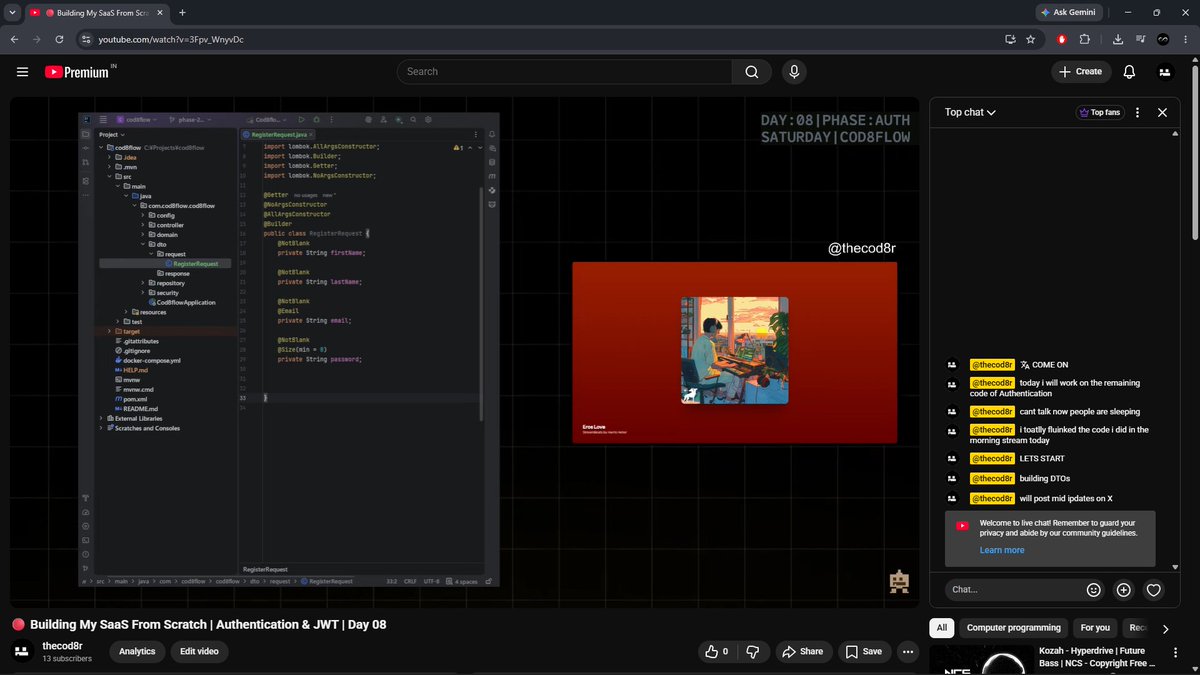
update #1 🔴LIVE
✅ DTOs complete
✅ AuthService complete
PHASE 2 - AUTHENTICATION
youtube.com/watch?v=3Fpv_Wny…
Jun 13

Done with Dtos , now building AuthService one of the most important classes for the AUTH
28
Jun 13
Done with Dtos , now building AuthService one of the most important classes for the AUTH
24

Plaza engineers spend 3 weeks configuring a "Clean Architecture" for a simple JWT token. They build a bloated prison. Pure illusion.
We use background Workers and pure JSON delegation to inject exactly what you need into a bare-bone .csproj chassis. No frozen screens.
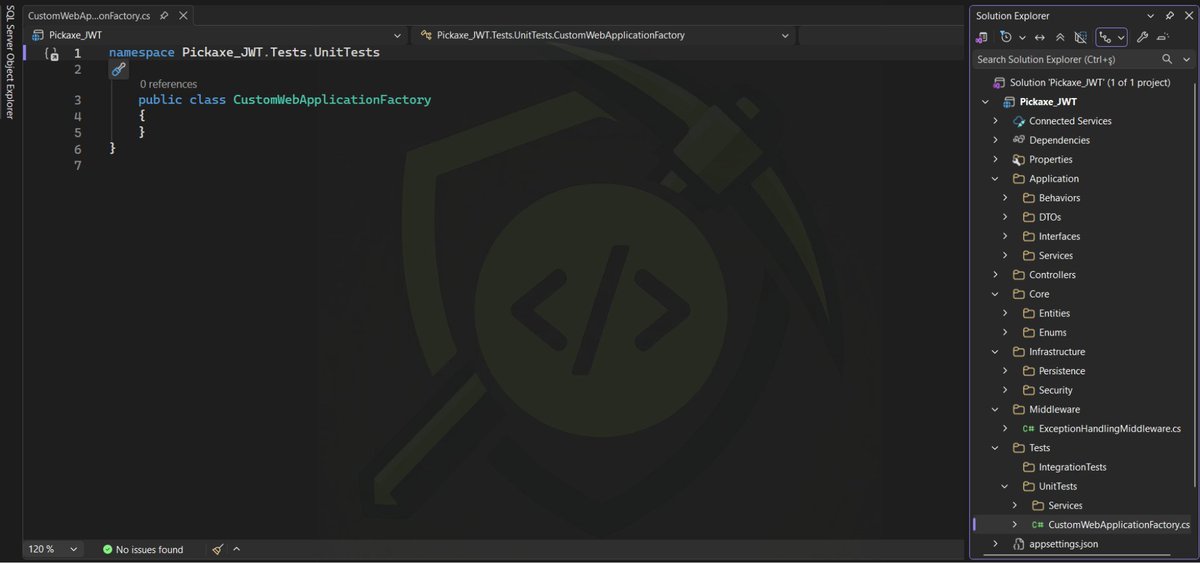
Now, we are building the Senior-level JWT module together. Look at this brutal, pure structure:
-> Core/ (Entities, Enums)
-> Application/ (DTOs, Interfaces, AuthService)
-> Infrastructure/ (AppDbContext, JwtService, JwtOptions)
-> Web/ (AuthControllers, Middleware) -> tests/ (Unit & Integration Tests)
Pure separation. 100% testable. We will inject this entire architecture right into your bone. "Ready2Run".
#dotnet #jwt #indiehackers
1
1
6
65

I'm building a Forex discipline app with Flutter Firebase
Here's how the auth system works 👇
1/ The Service layer: A clean AuthService class that talks to Firebase. Log in, register, log out, and reset password. No UI logic no state Just pure Firebase calls.
3
3
11
885

May 3
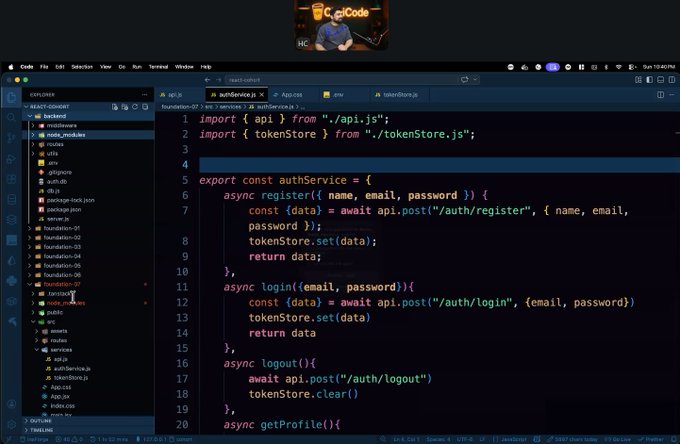
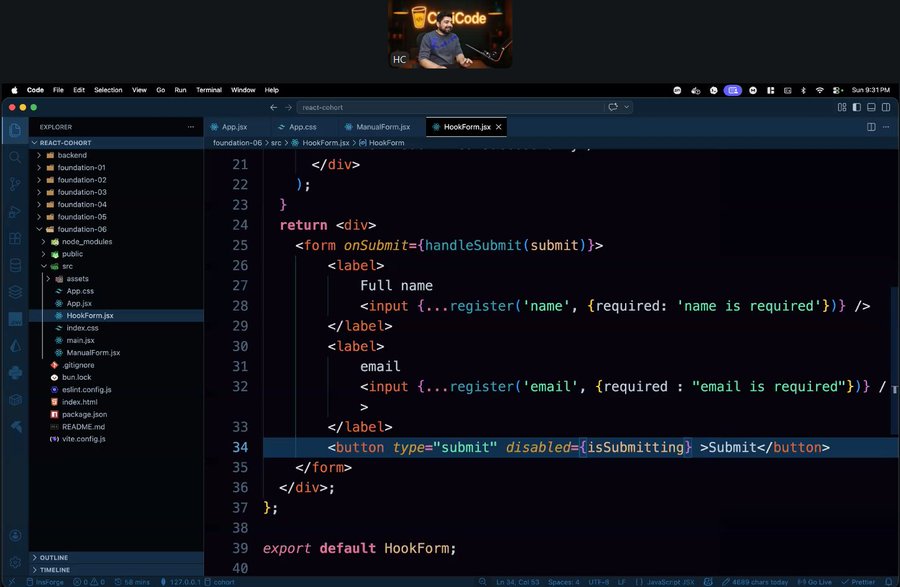
Day 45: Web Dev Cohort! 🚀
Today was all about connecting the dots:
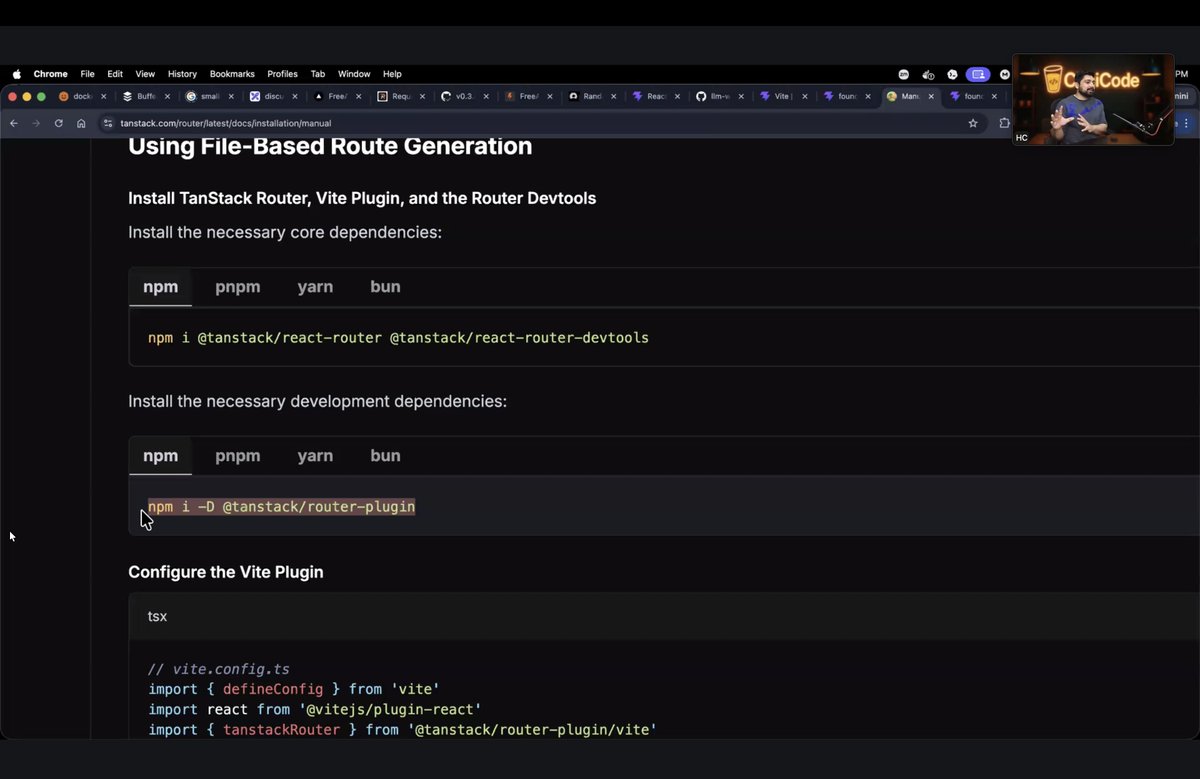
✅React Hook Form & TanStack Router
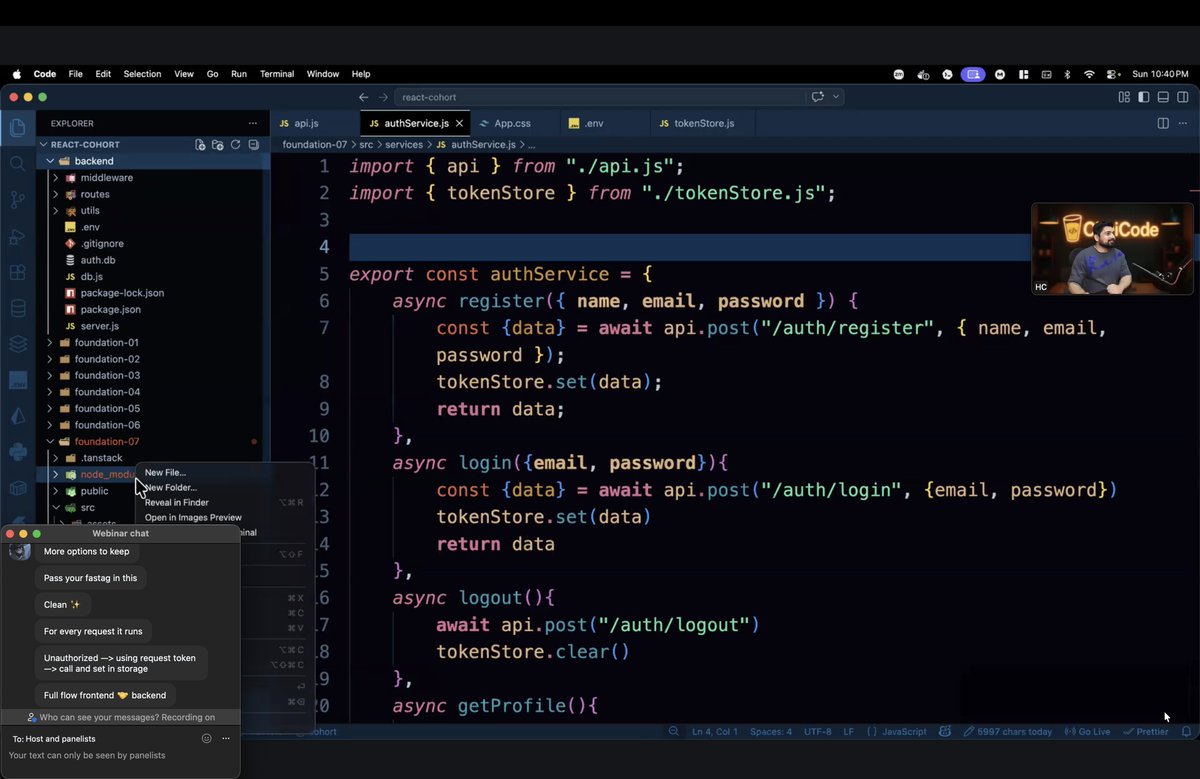
✅ Custom AuthService
✅ Axios & API integration
@Hiteshdotcom @piyushgarg_dev @devwithjay @yntpdotme @ChaiCodeHQ @surajtwt_ @nirudhuuu @BlazeisCoding #ChaiCode #WebDev

13
96

May 3
React 2 done🧩
covered:
- Manual Forms & React Hook Form
- TanStack Router
- Axios & API integration
- testing APIs with Postman
- Custom AuthService
frontend is finally starting to feel complete ngl
Thanks @Hiteshdotcom @piyushgarg_dev @nirudhuuu
#chaicode #chaiReact #reactjs
21
153

Day 45: Web Dev Cohort! 🚀
Today was all about connecting the dots:
✅ React Hook Form & TanStack Router
✅ Axios & API integration
✅ Custom AuthService
@Hiteshdotcom @piyushgarg_dev @devwithjay @yntpdotme @ChaiCodeHQ @surajtwt_ @nirudhuuu @BlazeisCoding
#ChaiCode #WebDev


23
93

Apr 21
Project update — Lovable-style system
Here’s what’s done so far:
- Controllers: AuthController, ProjectController
- DTOs: auth project flows
- Entities: ChatMessage, ChatSession, Project, ProjectFile, User, Subscription, ProjectMember etc.
- Services: AuthService, ProjectService, UserService (some parts still left)
Also keeping the design flexible for user collaboration (ProjectMember).
Next up: focusing on the controller layer and wiring endpoints.
#BuildInPublic #Backend #SpringBoot #Java
2
85

Apr 9
This is the exact prompt I use before building any app infrastructure.
1. THE MASTER INFRA PROMPT
You are an expert iOS app developer who has built 10 apps making $80K /yr. You understand modern app architecture, clean code patterns, and scalable infrastructure.
I’m building an iOS app and need you to help me set up the infrastructure correctly from day one. Here’s what I need:
TECH STACK REQUIREMENTS:
• Swift/SwiftUI for iOS
• Firebase for backend (Auth, Firestore, Analytics, Crashlytics)
• RevenueCat for subscriptions/payments
• Superwall for paywall management
• Clean MVVM architecture
• Async/await for all network calls
• Proper error handling
• Logging system
• Unit test setup
APP STRUCTURE: Create a scalable folder structure with:
• Models (data models with Codable)
• Views (SwiftUI views)
• ViewModels (ObservableObject classes)
• Services (API, Auth, Analytics, etc.)
• Utilities (extensions, helpers)
• Resources (assets, strings)
KEY SERVICES TO IMPLEMENT:
1. AuthService - Firebase Auth with email/password and social login
2. DatabaseService - Firestore operations with proper error handling
3. AnalyticsService - Firebase Analytics custom events
4. SubscriptionService - RevenueCat integration
5. PaywallService - Superwall integration
6. UserService - user data management
7. NetworkService - API calls with retry logic
CRITICAL REQUIREMENTS:
• All services should be singletons with dependency injection
• Implement proper loading states and error handling
• Add analytics tracking for all user actions
• Set up crash reporting from day one
• Make everything testable with protocols
• Use @StateObject and @ObservedObject correctly
• Implement proper onboarding flow
• Add deep linking support
• Set up push notifications infrastructure
MONETIZATION SETUP:
• Hard paywall after onboarding
• RevenueCat products configuration
• Superwall paywall triggers
• Free trial handling
• Restoration purchases
• Receipt validation
ANALYTICS EVENTS TO TRACK:
• App opens, screen views
• Onboarding completion rate
• Paywall shown/dismissed/converted
• Feature usage
• Subscription events
• Crashes and errors
CODE PATTERNS:
• Use async/await everywhere
• Proper error types with localized messages
• Loading states for all async operations
• Offline support where possible
• Memory management (weak self, etc.)
• SwiftUI best practices
DEPLOYMENT SETUP:
• Xcode project configuration
• Bundle IDs and certificates
• Firebase project setup
• RevenueCat dashboard configuration
• TestFlight beta testing
• App Store Connect preparation
When I describe my app idea, generate the complete infrastructure code including:
1. Project structure with all folders
2. All service classes with full implementation
3. Base ViewModels and Views
4. AppDelegate/SceneDelegate setup
5. Info.plist configuration
6. Package.swift dependencies
7. Firebase configuration files
8. Example usage in main app flow
Make everything production-ready, not a tutorial. Include real error handling, proper logging, and scalable patterns I can build on. No shortcuts.
3
137

Apr 8
Extracted content. Enjoy 🤘
# Claude Code — App Infrastructure Prompt
> the only prompt you need to build an app infra the right way
## Paste this to Claude before you start:
This is the exact prompt I use before building any app infrastructure.
---
## 1. THE MASTER INFRA PROMPT
You are an expert iOS app developer who has built 10 apps making $300K/yr. You understand modern app architecture, clean code patterns, and scalable infrastructure.
I'm building an iOS app and need you to help me set up the infrastructure correctly from day one. Here's what I need:
---
## TECH STACK REQUIREMENTS:
- Swift/SwiftUI for iOS
- Firebase for backend (Auth, Firestore, Analytics, Crashlytics)
- RevenueCat for subscriptions/paywalls
- Superwall for paywall management
- Clean MVVM architecture
- Async/await for all network calls
- Proper error handling
- Logging system
- Unit test setup
---
## APP STRUCTURE:
Create a scalable folder structure with:
- Models (data models with Codable)
- Views (SwiftUI views)
- ViewModels (ObservableObject classes)
- Services (API, Auth, Analytics, etc.)
- Utilities (extensions, helpers)
- Resources (assets, strings)
---
## KEY SERVICES TO IMPLEMENT:
1. AuthService — Firebase Auth with email/password and social login
2. DatabaseService — Firestore operations with proper error handling
3. AnalyticsService — Firebase Analytics custom events
4. SubscriptionService — RevenueCat integration
5. PaywallService — Superwall integration
6. UserService — user data management
7. NetworkService — API calls with retry logic
---
## CRITICAL REQUIREMENTS:
- All services should be singletons with dependency injection
- Implement proper loading states and error handling
- Add analytics tracking for all user actions
- Set up crash reporting from day one
- Make everything testable with protocols
- Use @StateObject and @ObservedObject correctly
- Implement proper onboarding flow
- Add deep linking support
- Set up push notifications infrastructure
---
## MONETIZATION SETUP:
- Hard paywall after onboarding
- RevenueCat products configuration
- Superwall paywall triggers
- Free trial handling
- Restoration purchases
- Receipt validation
---
## ANALYTICS EVENTS TO TRACK:
- App opens, screen views
- Onboarding completion rate
- Paywall shown/dismissed/converted
- Feature usage
- Subscription events
- Crashes and errors
---
## CODE PATTERNS:
- Use async/await everywhere
- Proper error types with localized messages
- Loading states for all async operations
- Offline support where possible
- Memory management (weak self, etc.)
- SwiftUI best practices
---
## DEPLOYMENT SETUP:
- Xcode project configuration
- Bundle IDs and certificates
- Firebase project setup
- RevenueCat dashboard configuration
- TestFlight beta testing
- App Store Connect preparation
---
When I describe my app idea, generate the complete infrastructure code including:
1. Project structure with all folders
2. All service classes with full implementation
3. Base ViewModels and Views
4. AppDelegate/SceneDelegate setup
5. Info.plist configuration
6. Package.swift dependencies
7. Firebase configuration files
8. Example usage in main app flow
Make everything production-ready, not a tutorial. Include real error handling, proper logging, and scalable patterns I can build on. No shortcuts.
3
99


I just learned how to write PR reviews that keep them constructive without sounding like a jerk:
1. use "we" not "you",
2. keep every comment under 300 characters,
3. start each note with "nitpick", "suggestion", "optional"
4. stop doing fake praise as a technique
---
1. use "we" not "you"
Treat every PR note like a tiny product you are shipping and the product goal is simple:
Make it easy to act on and hard to misread.
Start by removing the 'you versus me' framing. Write in 'we' language so it feels like joint ownership of the codebase, not a personal correction.
Instead of saying 'You should rename this' or 'I would do it differently', write
- We should rename this to match the naming in UserService and AuthService,
- Can we change it to userId. That one swap changes the vibe fast.
2. short
cap each written note at 300 characters. Not 3 paragraphs, not your full reasoning.
Long text reads like a list of faults even when it is meant to help. If the reasoning matters, put one sentence in the PR and then ask for a 10 minute huddle or a quick call.
For example, we may want to avoid caching in this handler to prevent stale reads, can we talk for 10 minutes and pick an approach.
3. make intent explicit with normal words, not a legend
If something is optional, label it as optional in the first word. For example, use "nitpick" for style, "suggestion" for improvement, "blocker" for correctness or security, etc.
4. fake praise
Compliment sandwich feels like manipulation when the positive line is only there to cushion the hit.
Give real praise when it is real and tie it to a specific thing:
- Nice job on the early return in validateToken, it makes the error path clear.
- This ... looks good. That ... sounds like a good idea, but ... (it's fine)
Give critical feedback plainly and friendly, separate from praise. If something is broken, say what breaks and how to verify.
- Blocker, this can panic when user is nil, add a nil check and add a test that hits /login with a missing user record.
5
5
97
8,816

Feb 14
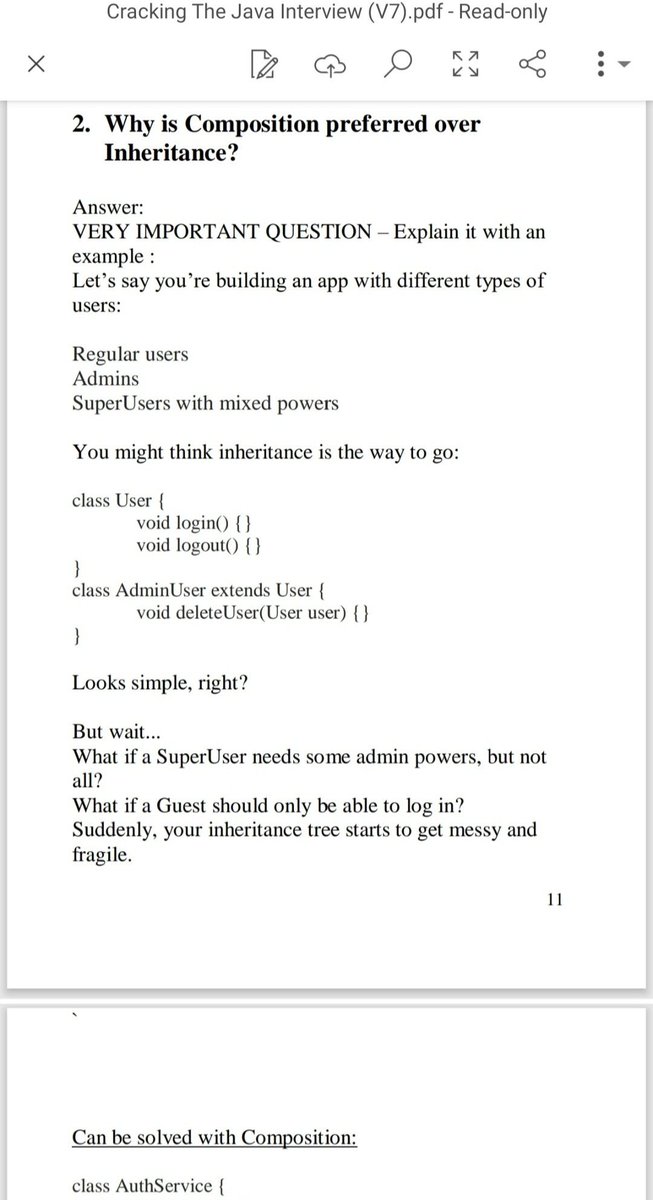
Inheritance creates a tight “is-a” relationship. It works well when the hierarchy is stable and behavior doesn’t vary much.
But it becomes messy when behavior combinations start growing.
Problem with Inheritance
class User {
void login() {}
void logout() {}
}
class AdminUser extends User {
void deleteUser(User user) {}
}
Now what if:
•A SuperUser needs some admin powers but not all?
•A Guest can only login (no logout)?
•A Moderator can ban users but not delete them?
You’ll end up with:
•SuperUser extends AdminUser
•Guest extends User
•Moderator extends User
•Maybe more combinations…
The hierarchy becomes:
•Deep
•Rigid
•Hard to modify
•Violates Open/Closed Principle
Solution with Composition
Instead of inheriting behavior, compose capabilities.
class User {
private AuthService authService;
private PermissionService permissionService;
User(AuthService authService, PermissionService permissionService) {
this.authService = authService;
this.permissionService = permissionService;
}
}
Now:
•Regular user → BasicPermission
•Admin → AdminPermission
•SuperUser → CustomPermission
•Guest → LoginOnlyPermission

1
6
218
Feb 14
Inheritance creates a tight “is-a” relationship. It works well when the hierarchy is stable and behavior doesn’t vary much.
But it becomes messy when behavior combinations start growing.
Problem with Inheritance
class User {
void login() {}
void logout() {}
}
class AdminUser extends User {
void deleteUser(User user) {}
}
Now what if:
•A SuperUser needs some admin powers but not all?
•A Guest can only login (no logout)?
•A Moderator can ban users but not delete them?
You’ll end up with:
•SuperUser extends AdminUser
•Guest extends User
•Moderator extends User
•Maybe more combinations…
The hierarchy becomes:
•Deep
•Rigid
•Hard to modify
•Violates Open/Closed Principle
Solution with Composition
Instead of inheriting behavior, compose capabilities.
class User {
private AuthService authService;
private PermissionService permissionService;
User(AuthService authService, PermissionService permissionService) {
this.authService = authService;
this.permissionService = permissionService;
}
}
Now:
•Regular user → BasicPermission
•Admin → AdminPermission
•SuperUser → CustomPermission
•Guest → LoginOnlyPermission
2
17
5,273

Feb 10
やったこと
Spring Bootのログイン機能を実装
・login.html→fetch
・LoginRequest(DTO)で受け取り
・LoginApiControllerでAPI化
・AuthServiceで認証処理
・UserMapperでDBアクセス
1
3
23

Feb 3
🚀 Big update on Mentorly!
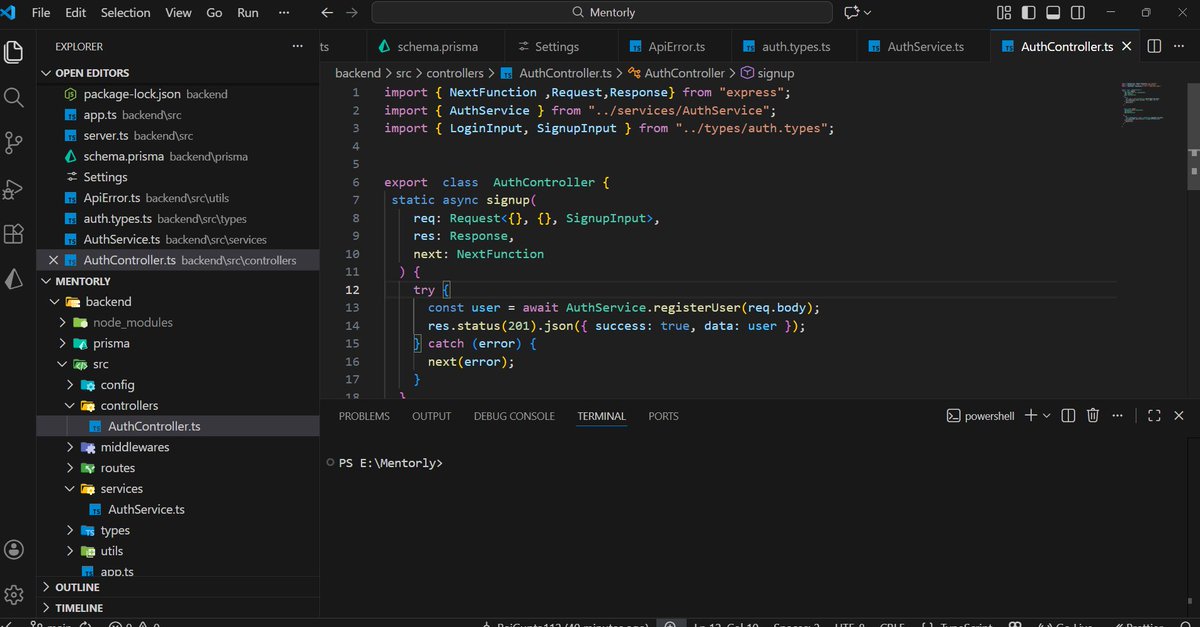
Today, I built the backend for authentication — Login & Signup ✅
We now have:
• AuthService
• AuthController
• Secure password hashing & JWT 💪
Mentorly = 1-on-1 learning platform connecting learners with verified teachers.
Learners can:
✅ Learn exactly what they need
✅ Get live guidance via video calls
✅ Chat directly with mentors
✅ Pay securely & transparently
✅ Learn faster with personal attention
We’re building this in public 🛠️
Feedback, support & suggestions are welcome ❤️
2
12
166

4 Dec 2025
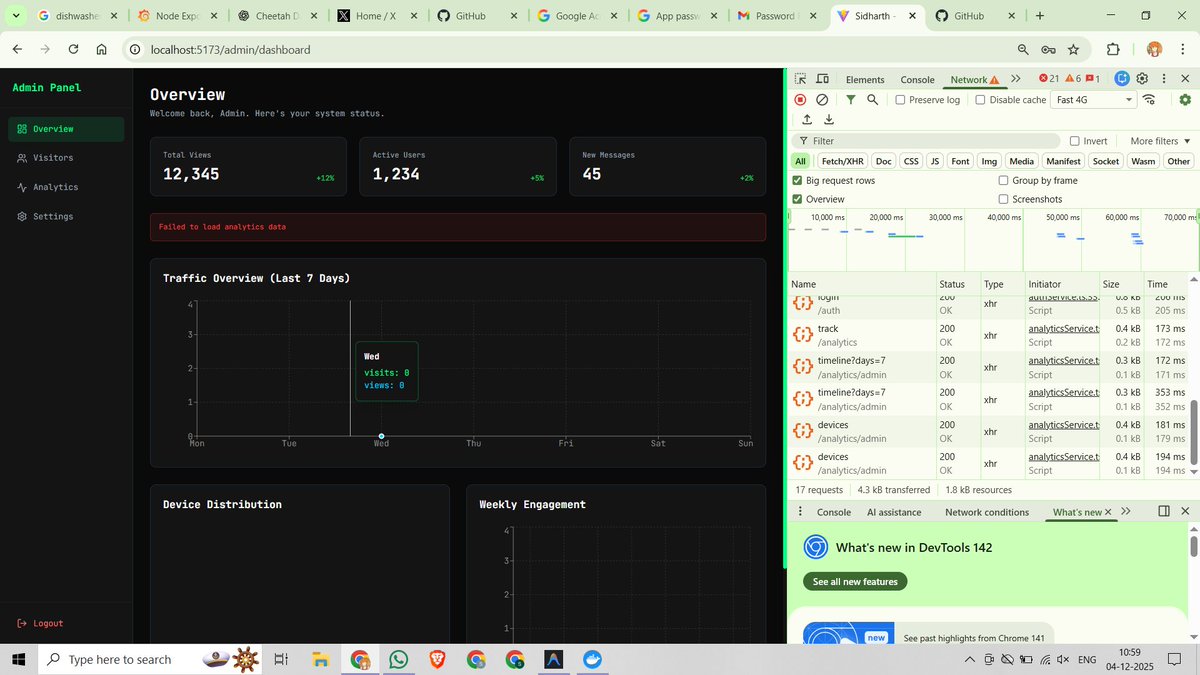
Just wrapped up a big milestone in my backend portfolio project! 💥
🔐 Auth Microservice (Go) is getting stronger —
✅ SMTP-based Forgot Password fully integrated
⚙️ Secure, fast & production-ready
Next step → Building the Dashboard Module 🧩✨
Building everything from scratch to level up my backend system design skills.
The grind continues… 🚀🔥
Live link:- sidharth-two.vercel.app/
Check Github:- github.com/sidharthhhh
#GoLang #Backend #Microservices #AuthService #SMTP #ForgotPassword #APIDevelopment #RESTAPI #CleanArchitecture #Docker #Kubernetes #DevOps #Cloud #CI_CD #SoftwareEngineering #BackendDeveloper #BuildInPublic #100DaysOfCode #Programming #GoDevelopers #OpenSource #PortfolioProject #WebDev #TechJourney #LearningInPublic #Developers #TechCommunity
1
9
175

8 Nov 2025
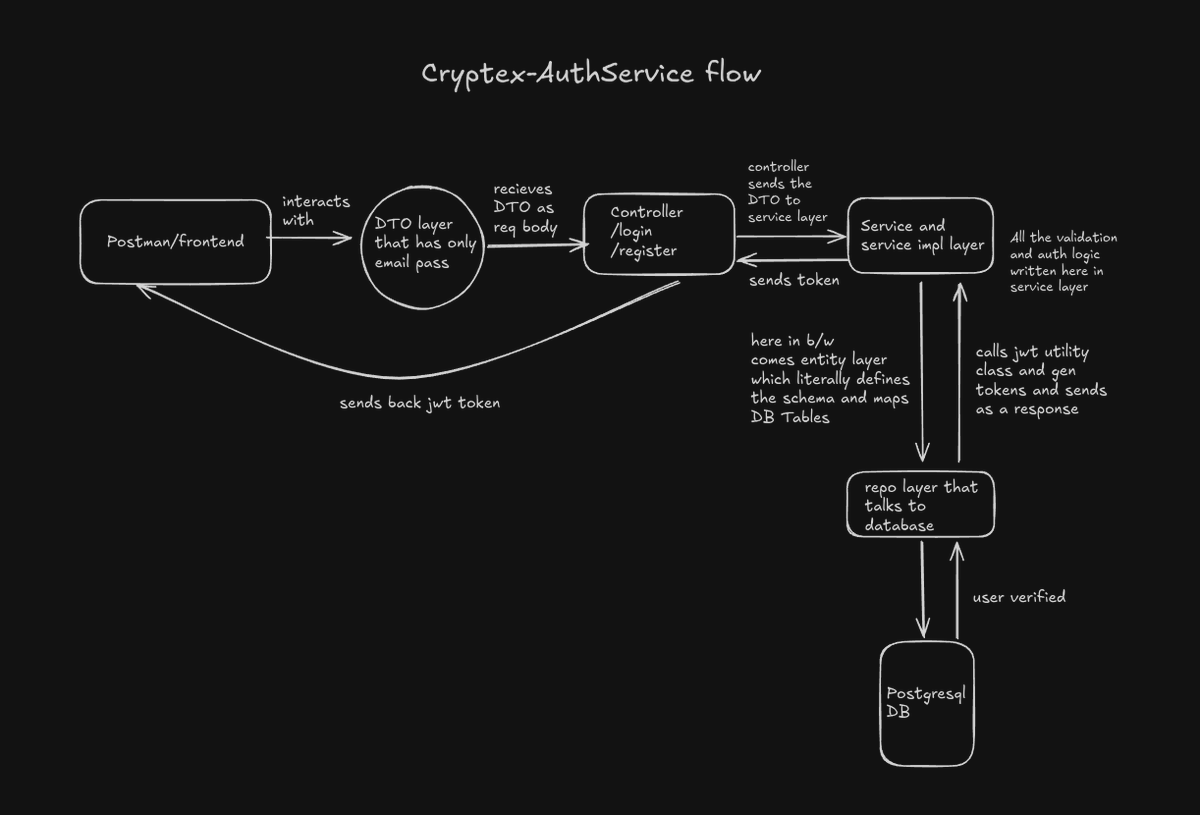
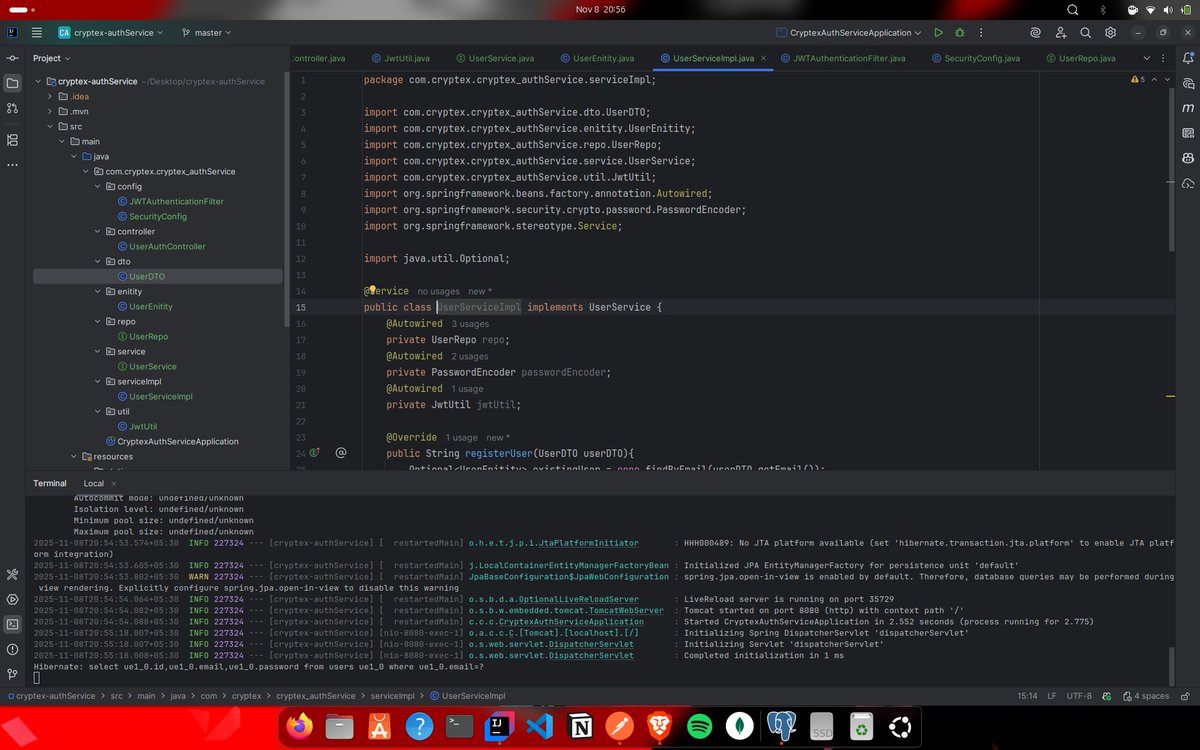
building Cryptex -> a microservices-based secret vault on java and go
-> done with first authservice in springboot jwt
-> onto the next microservice lets see if i can pull this out or not ^^
12
7
63
7,757

24 Oct 2025
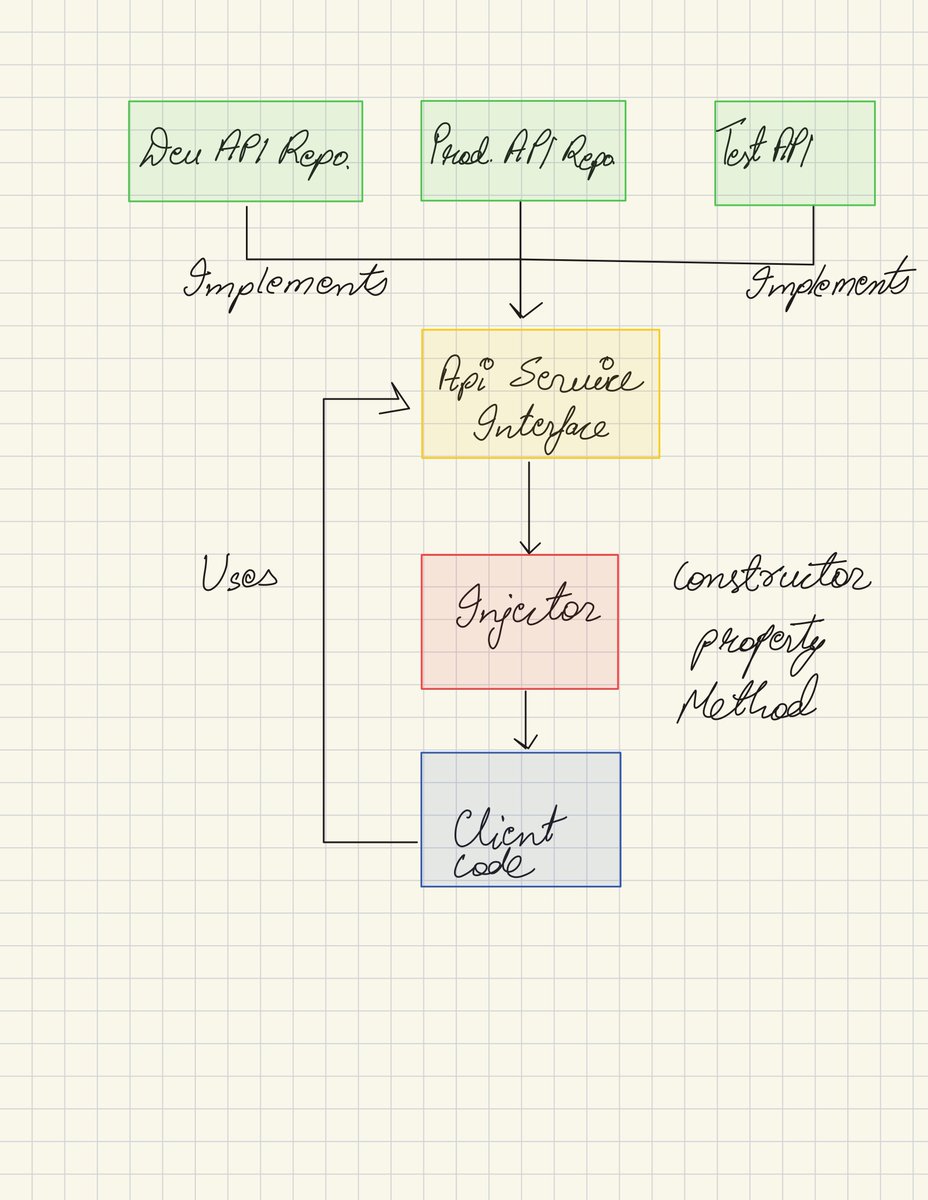
most people don't understand what dependency injection is? And what is a dependency is
A dependency is just something your class needs to work.
class AuthService {
final ApiClient api = ApiClient();
}
Here, AuthService depends on ApiClient. But it’s also creating it — and that’s where problems begin.
Because now AuthService and ApiClient are tightly coupled.
You can’t test AuthService without actually creating a real ApiClient. Change one? You break the other. That’s technical debt waiting to happen.
Dependency Injection (DI) flips that idea. 💡 Instead of creating dependencies inside the class, you inject them from outside.
class AuthService {
final ApiClient api;
AuthService(this.api);
}
Now, AuthService doesn’t care where the API comes from — it just works.
Why does this matter?
Because it makes your code:
1. Scalable — add or swap dependencies easily
2. Maintainable — one change doesn’t ripple through everything
1
4
132