
16s
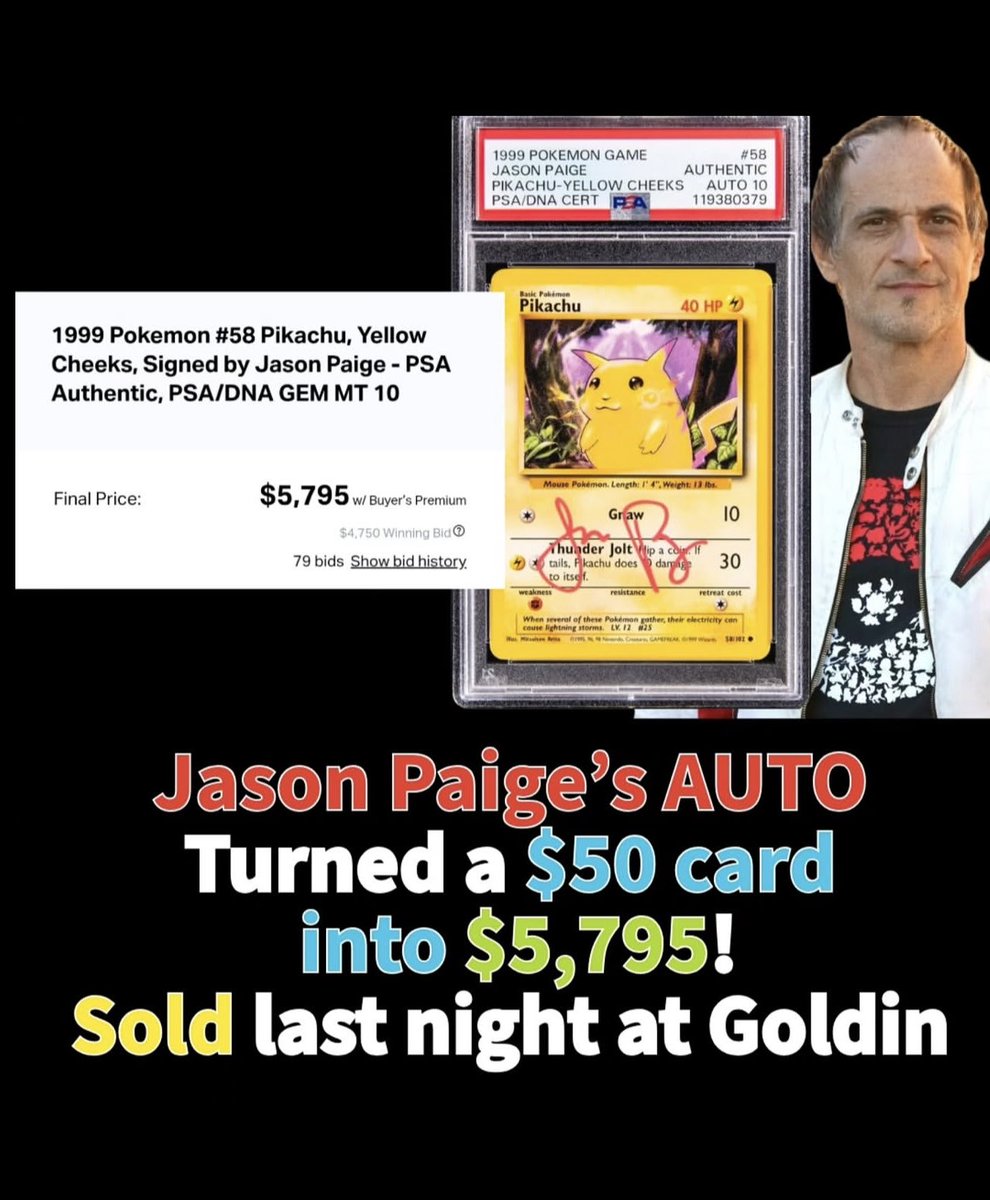
A signature can change everything⚡️
A $50 Pikachu became a $5,795 collectible after being signed by Jason Paige, the original singer of the Pokémon theme song, and authenticated by PSA/DNA with a perfect Auto 10.
1

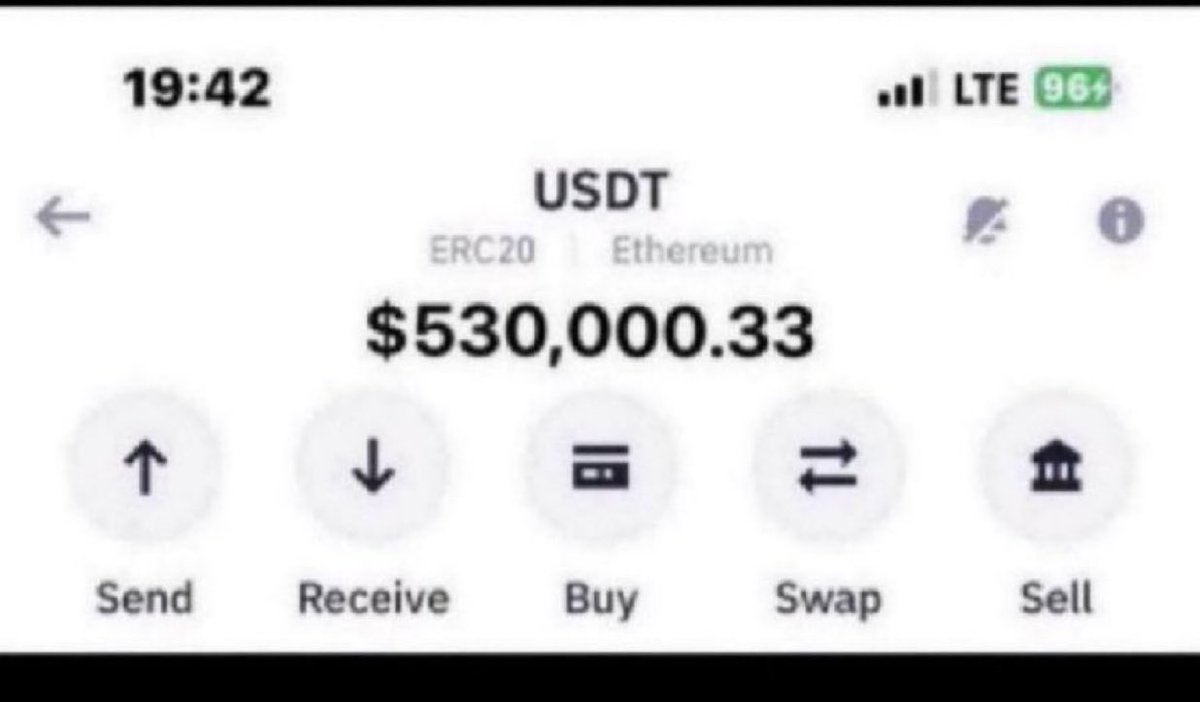
Exercise caution — #BitcoinHyper
Accounts indicate apprehensions regarding alleged deceptive preliminary offerings together with artificially exaggerated profile holdings resulting in possible asset diminishment ❌
💙 Respond swiftly — pursue support from authenticated restitution specialists should you experience impact 📩
🔁 Disseminate this notification to assist in safeguarding the #Cryptocommunity
#CryptoScam #CryptoRecovery
1

Building a full algorithmic trading system with Claude Code - Day 1
After yesterday's introduction to the project and the development workflow, today I got my hands dirty. Three phases implemented, one live Zerodha login confirmed.
---
Phase 1 — Foundation
Set up the full project skeleton using uv for package management and PostgreSQL as the backbone. Built the database initialisation script, a centralised settings module, and main.py as the single entry point for all system operations — six execution modes, one command each. All broker credentials live in the database, never in files.
Phase 2 — Broker Abstraction Layer
Designed a clean abstract base class that defines the broker interface — historical data, quotes, orders, and positions. Implemented it for two brokers:
Zerodha Kite Connect (primary) and Angel One SmartAPI (secondary). A factory reads the active broker from the database and returns the right instance. Swapping brokers is a one-line database update.
Phase 3 — Data Ingestion Layer
Built the pipeline that fetches, validates, and stores historical OHLCV data. Instruments are managed in the database — add a symbol, and it gets picked up on the next run. Validation catches bad data before it hits the database. Every ingestion run is logged. Duplicate records are silently skipped.
Login & Session Management
Automated the daily Zerodha login flow — credentials and tokens all flow through the database, nothing touches files. A session manager keeps the connection alive and re-authenticates automatically when the token expires. Scheduled to run every morning at 8:30 AM via Windows Task Scheduler before the market opens.
---
Ran it live today. Zerodha authenticated, token saved, session confirmed.
Next: Onto phase 4, feature engineering. Stay tuned!
#TheThetaSenseJournal
#SystematicTrading
18
Exercise caution — #UsbitInfo
Accounts indicate apprehensions regarding possible digital asset misappropriation ❌, accompanied by assertions of immobilized holdings alongside refused payouts. Consistently utilize authenticated, reliable trading platforms and assist in disseminating awareness.
#Usbit #CryptoRecovery #Dubai 🚨

1
Exercise caution — #UsbitInfo
Accounts indicate apprehensions regarding possible digital asset theft ❌, accompanied by assertions of immobilized holdings together with obstructed payouts. Consistently utilize authenticated alongside reliable trading platforms, and maintain vigilance.
#Usbit #CryptoRecovery #Dubai 🚨



𝗖𝗮𝗻'𝘁 𝗜 𝗷𝘂𝘀𝘁 𝗰𝗼𝗻𝗻𝗲𝗰𝘁 𝗖𝗹𝗮𝘂𝗱𝗲 𝗼𝗿 𝗖𝘂𝗿𝘀𝗼𝗿 𝘁𝗼 𝗺𝘆 𝗠𝗮𝗴𝗲𝗻𝘁𝗼 𝘀𝘁𝗼𝗿𝗲 𝗮𝗻𝗱 𝗮𝘀𝗸 𝗶𝘁?
We've heard this a lot from Magento store owners and developers lately, and it's exactly what we set out to solve.
The intent of the owners and the developers made sense, but doing it safely didn't exist yet. Connecting an AI assistant to live Magento data meant custom APIs, fragile webhooks, and access setups that give AI tools far more reach than they should have. So we built a secure way to do it.
Introducing the 𝗺𝗶𝗻𝗶𝗢𝗿𝗮𝗻𝗴𝗲 𝗦𝗲𝗰𝘂𝗿𝗲 𝗠𝗖𝗣 𝗦𝗲𝗿𝘃𝗲𝗿 𝗳𝗼𝗿 𝗠𝗮𝗴𝗲𝗻𝘁𝗼 - the first secure, purpose-built MCP Server for Magento stores.
It connects your Magento 2 store directly to Claude Desktop, Cursor, and any MCP-compatible client using the official Model Context Protocol (MCP). No custom webhooks, no glue code, no rebuilding integrations every time a new AI tool appears.
𝗪𝗵𝗮𝘁 𝘄𝗲 𝗳𝗼𝗰𝘂𝘀𝗲𝗱 𝗼𝗻:
>> 𝗦𝗲𝗰𝘂𝗿𝗶𝘁𝘆 𝗮𝘀 𝘁𝗵𝗲 𝗳𝗼𝘂𝗻𝗱𝗮𝘁𝗶𝗼𝗻 𝗹𝗮𝘆𝗲𝗿: Access runs on OAuth 2.0 with Client Credentials, Authorization Code grant, and On-Behalf-Of (OBO) flows. It is token-based, scoped, and fully under your control. Every action stays authenticated and permission-aware.
>> 𝗨𝘀𝗲𝗿-𝗕𝗮𝘀𝗲𝗱 𝗔𝗰𝗰𝗲𝘀𝘀 𝘄𝗶𝘁𝗵 𝗢𝗕𝗢 𝗙𝗹𝗼𝘄: With the On-Behalf-Of (OBO) flow, access remains controlled without any hassle, using the same user permissions and access boundaries already defined within Magento.
>> 𝗟𝗶𝘃𝗲 𝗱𝗮𝘁𝗮, 𝗽𝗹𝗮𝗶𝗻 𝗹𝗮𝗻𝗴𝘂𝗮𝗴𝗲: Answers come straight from your real catalog, inventory, orders, and customers, but never stale exports.
>> 𝗠𝗮𝗴𝗲𝗻𝘁𝗼 𝘁𝗼𝗼𝗹𝘀 𝗼𝘂𝘁 𝗼𝗳 𝘁𝗵𝗲 𝗯𝗼𝘅: Ready to use the moment you connect, so your team works on decisions, not plumbing.
>> 𝗙𝗮𝘀𝘁𝗲𝗿 𝗮𝘂𝗱𝗶𝘁𝘀 𝗮𝗻𝗱 𝗱𝗲𝗯𝘂𝗴𝗴𝗶𝗻𝗴: Inspect catalogs, checkout flows, and storefront behavior in real-time.
𝗦𝗼 𝗶𝗻𝘀𝘁𝗲𝗮𝗱 𝗼𝗳 𝗰𝗹𝗶𝗰𝗸𝗶𝗻𝗴 𝘁𝗵𝗿𝗼𝘂𝗴𝗵 𝗳𝗶𝘃𝗲 𝗮𝗱𝗺𝗶𝗻 𝘀𝗰𝗿𝗲𝗲𝗻𝘀, 𝘆𝗼𝘂 𝗰𝗮𝗻 𝗻𝗼𝘄 𝗷𝘂𝘀𝘁 𝗮𝘀𝗸:
● Which products are low on stock across all the stores?
● Show me orders flagged in the last 24 hours.
● Why did this customer's checkout fail?
That's the whole idea. Your store, answerable in plain language, and secure by design.
If you run a Magento store or build on Magento for clients, and want to see it in action.
𝗧𝗮𝗸𝗲 𝗮 𝗹𝗼𝗼𝗸: na2.hubs.ly/H066N3Y0
#Magento #MCP #AI #ModelContextProtocol #miniOrange #cybersecurity

22

Apply early so that you get your documents authenticated and legalised.
For professional consultation, WhatsApp:
234 803 926 6453 | 44 739 882 4533
Consultation is paid and non-refundable

You can study in Russia 🇷🇺 for as low as ₦3M – ₦5M for BSc and MSc
•Tuition from about ₦3M for a 2-year Master’s
•No proof of funds / no bank statement needed
•PR pathways available
•No tuition deposit required
Applications are currently open and resumption is September 2026.
Apply early so that you get your documents authenticated and legalised.
For professional consultation, WhatsApp:
234 803 926 6453 | 44 739 882 4533
Consultation is paid and non-refundable
8

What rubbish are you talking about,no need to tell us.if the the information is authenticated we get to know from the MECX channels
9

Refrain from allocating assets — #MGSfinance
Holdings reportedly immobilized alongside deceptive earnings assertions together with wallet-siphoning operations ❌
⛔ Cease all exchanges immediately.
📩 Impacted? Transmit confidential message to authenticated #CryptoRecovery specialists.
#CryptoScam #ScamAlert

1
Refrain from allocating assets — #MGSfinance
Holdings reportedly immobilized alongside deceptive earnings assertions together with wallet-siphoning operations ❌
⛔ Cease all exchanges immediately.
📩 Impacted? Transmit confidential message to authenticated #CryptoRecovery specialists.
#CryptoScam #ScamAlert

2

They definitively don't care about children, so the only real reason must be to limit social media to "authenticated" users who can tracked down and arrested.
11

David Grusch’s latest comments raise the stakes for the next UAP release.Grusch has previously told Congress that people with long government service records shared evidence with him in the form of photography, official documentation, and classified testimony, and that he was informed of a multi-decade UAP crash-retrieval and reverse-engineering program. If he has now seen classified imagery that he characterizes as showing recovered vehicles of multiple morphologies, then the next Department of War / PURSUE UAP tranche should prioritize those records for lawful declassification.But the public does not need another vague “UFO drop.” It needs authenticated source files: original imagery, metadata, chain-of-custody records, sensor corroboration, classification history, and clear explanations of what remains unknown.Separately, the JP/MacDill photo archive is worth examining as a morphology-comparison dataset, but it should be treated as an unverified third-party archive unless original files, provenance, forensic analysis, and official corroboration are produced.
That version is much harder to dismiss because it separates claims, records, photos, declassification, and verification.
The biggest credibility fix
Change this:
David Grusch is now revealing that he has seen classified photos of UFO crash retrievals involving different-shaped craft.
To this:
David Grusch is now saying he has seen classified imagery that he characterizes as showing recovered UAP vehicles with multiple morphologies.
Why? Because “classified photos of UFO crash retrievals” already assumes the interpretation. “Imagery he characterizes as…” preserves the claim without overstating what the public can verify.
The strongest single sentence
The next real step in UAP disclosure is not another batch of low-context clips — it is the release of authenticated crash-retrieval imagery, if it exists, with provenance, metadata, chain of custody, and enough surrounding records for independent verification.
That is the “genius-level” frame: provenance over spectacle.
Critical missing elements
1. Exact source for Grusch’s new claim
The post needs the exact interview, date, outlet, timestamp, and transcript. Without that, skeptics can dismiss the whole thing as paraphrase drift.
Add:
Source: [outlet], [date], timestamp [00:00–00:00].
The June 2026 Capitol event is real and was reported as a press/news conference involving Grusch, lawmakers, and disclosure advocates calling for UAP transparency and whistleblower protections, but it should not be described as a formal evidentiary hearing unless it was one.
2. Define “seen”
“Seen classified photos” can mean several very different things:
He saw original classified photographs.
He saw images embedded in classified reports.
He saw derivative briefings or slides.
He saw analytical products containing imagery.
He saw photos of alleged recovered craft but not the physical objects.
He saw imagery labeled as recovered vehicles but not independently verified by him.
Suggested wording:
The key question is whether Grusch saw original source imagery, derivative briefing slides, or classified analytical reports containing images.
That distinction matters enormously.
3. Define “different-shaped craft”
Do not rely only on shape words like triangle, rectangle, egg, disc, lenticular, or boomerang. Shape alone is weak evidence. Ask for a morphology matrix:
MorphologyClaimed sourceImage typeDateLocationSensorChain of custodyCorroborating dataTriangleJP / alleged MacDill archivePhoto2017Tampa/MacDill areaConsumer camera?UnclearUnknownRectangleJP / alleged MacDill archivePhoto2017Tampa Bay areaConsumer camera?UnclearUnknownLenticular/discGrusch-classified claim?UnknownUnknownUnknownUnknownClassifiedUnknown
That converts “cool shapes” into an evidentiary framework.
4. Clarify “DoW UFO drop”
Use the official name:
Department of War / PURSUE UAP records release
The Department of War page says the PURSUE system released a third tranche of records on June 12, 2026, after an earlier tranche on May 8, 2026.
5. Add the official counterweight
This is essential for credibility. AARO and the Defense Department have repeatedly said they have not found verifiable evidence that the U.S. government or private industry has had access to extraterrestrial technology.
A strong post should say:
This does not mean the public has proof of non-human craft. It means the claimed records, if they exist, should be declassified or formally accounted for.
That line protects the argument.
Biggest issue with the JP/MacDill paragraph
This sentence is too strong:
USAF operatives asked JP to take and release the photos at the time.
A safer version:
According to the Exopolitics archive curated by Michael Salla, JP is a pseudonymous source who supplied photos and videos that Salla interprets as different-shaped antigravity craft, including 2017 MacDill-area triangle and rectangle cases. Those claims remain unverified by official public records and should be treated as allegations pending independent forensic review.
That is much more defensible. The Exopolitics page itself says JP is a pseudonym, says Salla has known him since 2008, and lists MacDill-related entries from 2017, including triangle and rectangle-shaped craft claims.
How to reference MacDill without overclaiming
MacDill is relevant because it is a major military location, and USSOCOM lists its headquarters at MacDill Air Force Base in Florida.
But location near MacDill does not automatically strengthen the UFO claim. It creates multiple competing possibilities:
classified or ordinary military activity
aircraft seen at unusual angles
drones, balloons, birds, or atmospheric effects
camera artifacts
hoax or altered imagery
genuine unexplained objects
foreign surveillance platforms
unknown U.S. programs
something genuinely anomalous
Suggested wording:
The MacDill connection is interesting because of the base’s national-security relevance, but proximity to a military installation is not proof of non-human origin. It is a reason to demand better provenance.
“Genius-level” argument structure
Use a four-layer structure:
Layer 1: Public record
Grusch testified before Congress. His submitted statement referenced photography, official documentation, and classified oral testimony. He also described being informed of a crash-retrieval and reverse-engineering program.
Layer 2: Current disclosure mechanism
There is now an official UAP records release mechanism through PURSUE / Department of War, and AARO separately maintains an official UAP imagery page with resolved, unresolved, and still-under-analysis cases.
Layer 3: Evidence demand
The next release should include original records, not just compressed videos or summaries.
Layer 4: Third-party comparison
JP’s MacDill images can be examined as a morphology dataset, but not treated as authenticated government evidence unless provenance is established.
That structure makes the post serious instead of sensational.
What the next UAP drop should include
This is the most important missing piece. Do not just ask for “the photos.” Ask for a release package.
Minimum viable release package:
Original image or video file
Uncompressed or least-compressed available version
Image hash, such as SHA-256
File creation date
Classification date and declassification date
Originating agency
Originating platform or camera type
Camera model or sensor type
Lens / focal length / sensor band, if releasable
Frame rate and exposure data for video
Location, with redaction if needed
Altitude, bearing, range, and azimuth if available
Full chain of custody
Incident report
Analyst notes
Whether the object was recovered, observed, or merely assessed
Whether the image is original, cropped, enhanced, or annotated
Whether the object was later resolved as prosaic
Whether radar, infrared, visual, satellite, SIGINT, or other data exist
Names of classification authorities, redacted if needed
Reason for any continued redactions
A plain-language uncertainty statement
NARA’s UAP records guidance already points in this direction: agencies are supposed to identify UAP records in any format, prepare digital copies, and include metadata such as title, date, originator, location, media type, page count or running time, and record identifiers.
Better ask for Congress / DoW / AARO
Use this:
For the next PURSUE tranche, release any crash-retrieval imagery referenced by Grusch, or provide a formal index entry explaining why each record remains withheld. Each item should include its UAP record identifier, originating agency, date, media type, chain-of-custody summary, classification basis, and whether related radar, IR, satellite, or witness records exist.
That is far stronger than “drop the photos.”
Obscure but powerful thought inputs
Morphology is the weakest part of the evidence
Triangle, rectangle, disc, egg, lenticular, and boomerang are memorable, but shape is often the easiest thing to misperceive. A distant aircraft, bokeh artifact, lens flare, compression artifact, balloon cluster, bird formation, kite, drone, or object seen through low-light enhancement can become a “craft shape.”
AARO’s official imagery page shows why this matters: some public UAP cases remain unresolved, while others are assessed as balloons or birds, and some are unresolved because available data is insufficient.
The real question is not shape. It is custody.
A triangle photo with no provenance is weak.
A blurry photo with full custody, sensor metadata, radar correlation, and recovery documentation could be explosive.
Replace “different-shaped craft” with:
independently authenticated records of recovered objects with multiple reported morphologies
“Crash retrieval” is a chain-of-events claim
A true crash-retrieval record should not be one photo. It should produce a document ecosystem:
site security logs
recovery team orders
transport records
hazard assessments
materials handling logs
medical or biological safety records, if applicable
contractor transfer forms
classification guides
inventory numbers
technical exploitation reports
budget line anomalies
interagency correspondence
photographic evidence
The next disclosure target should be the record ecosystem, not just the image.
A photo without scale is almost useless
Every released image should include scale indicators:
known object in frame
distance estimate
lens metadata
rangefinder data
shadow geometry
terrain reference
satellite map overlay
photogrammetry estimate
uncertainty bounds
Without scale, a “giant craft” can be a small object near the lens.
A “shape taxonomy” could expose patterns or hoaxes
Create a public UAP morphology table:
ShapeHistorical reportsOfficial imagery?Civilian imagery?Recovery claims?Common misidentificationsTriangleCommonSome military/civilian reportsManyAllegedaircraft lights, drones, perspectiveDisc/lenticularClassicSome historical reportsManyAllegedclouds, bokeh, hubcaps, CGIRectangleRareSparseSparseAllegedbanners, aircraft, image artifactsEggRecent whistleblower claimsLimited public proofLimitedAllegedballoons, pods, sensor blurBoomerang/crescentReportedLimitedSomeAllegedaircraft formations, birds, perspective
This would be a much more sophisticated way to compare Grusch’s claimed morphologies with JP’s photos.
JP / MacDill forensic checklist
Before citing JP photos as supportive evidence, ask for:
Original camera files, not screenshots
EXIF metadata
Device model and lens information
Full photo sequence before and after the object
Exact date, time, and timezone
GPS location or sworn location statement
Direction camera was facing
Sun angle and weather
Wind direction and speed
Known air traffic in the area
ADS-B records where available
NOTAMs and military airspace activity, where available
Nearby helicopters, tankers, drones, balloons, birds, kites, and aircraft
Original upload history
File hash history
Independent forensic review
Error-level analysis
Compression history
Shadow / lighting consistency
Object edge consistency
Sensor-noise consistency
Parallax possibilities
Witness statement under penalty of perjury
Any correspondence allegedly involving USAF-linked personnel
Any FOIA request to MacDill, USAF, USSOCOM, AFSOC, or DoW about the alleged releases
Best wording:
JP’s MacDill photos should be treated as leads for forensic review, not as confirmed evidence.
Better headline ideas
Best neutral headline:
Grusch’s Latest UAP Claim Raises the Bar for the Next Government Release
Best pressure headline:
The Next UAP Drop Needs Chain of Custody, Not More Mystery Clips
Best disclosure-community headline:
If Crash-Retrieval Photos Exist, Release the Records Around Them
Best skeptical-friendly headline:
UAP Claims Now Need Provenance: Original Files, Metadata, and Custody Logs
Best viral headline:
Stop Dropping UFO Clips. Drop the Receipts.
Stronger social post
David Grusch’s latest UAP comments should shift the disclosure debate from “more UFO clips” to authenticated records.If classified crash-retrieval imagery exists, the next DoW / PURSUE release should include original files, metadata, chain of custody, sensor corroboration, and classification history.JP’s MacDill-area photos are interesting as a claimed morphology archive, especially for triangle and rectangle cases, but they need independent forensic review and official provenance before they can be treated as evidence.
Stronger long-form version
David Grusch’s latest claim, if accurately reported, is important not because it “proves aliens,” but because it creates a specific declassification test.In his official 2023 House statement, Grusch said he was given evidence by credentialed government sources, including photography, official documentation, and classified oral testimony. He also said he was informed of a multi-decade UAP crash-retrieval and reverse-engineering program.The logical next step is simple: if classified crash-retrieval imagery exists, release it lawfully through the current UAP records process, or provide a formal index showing why each item remains withheld. The public needs original files, metadata, chain-of-custody documentation, sensor corroboration, and clear uncertainty statements — not another vague batch of low-context clips.Public archives like JP’s MacDill-area photos may be useful as comparison material for reported morphologies such as triangle, rectangle, and lenticular forms. But those images should be treated as unverified until original files, forensic review, and independent provenance are available.
Thread version
Post 1:
David Grusch’s latest UAP claim should not be treated as “case closed.” It should be treated as a declassification target.
Post 2:
In his 2023 House statement, Grusch said credentialed sources shared evidence with him including photography, official documentation, and classified oral testimony.
Post 3:
So the next UAP release should answer a specific question: are there classified crash-retrieval images, and can any be released in original form?
Post 4:
The public needs more than screenshots. We need source files, metadata, chain of custody, sensor data, classification history, and analyst notes.
Post 5:
JP’s MacDill photos are interesting as a claimed archive of triangle, rectangle, and lenticular-shaped objects, but they require independent forensic validation before being used as evidence.
Post 6:
The next phase of disclosure should be provenance-first: not “trust me,” not “look at this shape,” but records that can be audited.
What not to say
Avoid:
Grusch proved the U.S. has alien craft.
Avoid:
JP’s photos confirm what Grusch saw.
Avoid:
USAF operatives definitely ordered the photos released.
Avoid:
The next DoW drop will contain crash retrievals.
Use:
Grusch claims…
If these records exist…
The next release should include…
JP’s photos may be relevant but remain unverified…
Official authentication is still needed…
Best final polished version
David Grusch’s latest comments raise a specific test for UAP disclosure. In his 2023 House statement, Grusch said credentialed sources shared evidence with him in the form of photography, official documentation, and classified oral testimony, and that he was informed of a multi-decade UAP crash-retrieval and reverse-engineering program.If classified imagery of recovered vehicles exists, the next Department of War / PURSUE release should include any legally releasable examples — not as low-context screenshots, but as authenticated records with source files, metadata, chain of custody, sensor corroboration, and classification history.Public archives such as JP’s MacDill-area photos may be useful for comparing reported morphologies like triangle, rectangle, and lenticular forms, but they should be treated as unverified until original files, forensic analysis, and official provenance are available.The next step is not more UFO hype. It is records that can be audited.
That version gives the disclosure argument maximum force while avoiding the biggest credibility traps.

David Grusch is now revealing that he has seen classified photos of UFO crash retrievals involving different-shaped craft, and is calling for these to be declassified. It would be a big step forward if the next DoW UFO drop contained some of these.
Regarding different-shaped craft, Jorge Pabon (JP) released dozens of photos of triangle, rectangle and lenticular shaped craft back in 2017 flying in the vicinity of MacDill AFB home of Special Operations Command. USAF operatives asked JP to take and release the photos at the time. Many of these photos are available at: exopolitics.org/jp-articles-…
1
44
Davis Brains retweeted

It's a real, physical, graded card.. authenticated, stored in a vault by @Collector_Crypt, and represented on-chain as an NFT in your Solflare wallet.
1
1
3
12
supshr retweeted

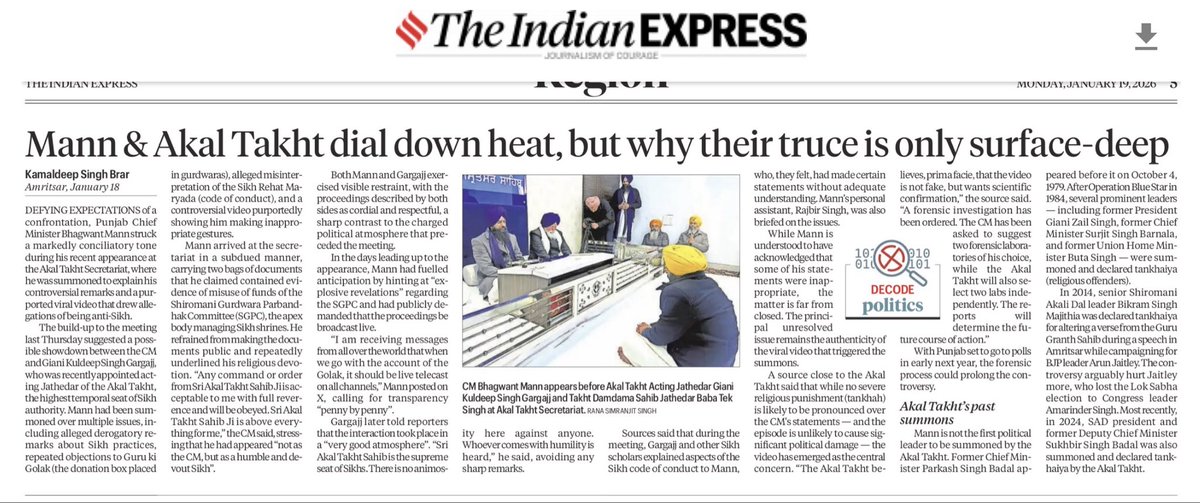
Breaking:
Viral videos are of CM Bhagwant Mann, two labs authenticated, says Sri #AkalTakht Sahib Jathedar Giani Kuldeep Singh Gargaj.
#BhagwantMann
News clip from January
5
5
17
1,256

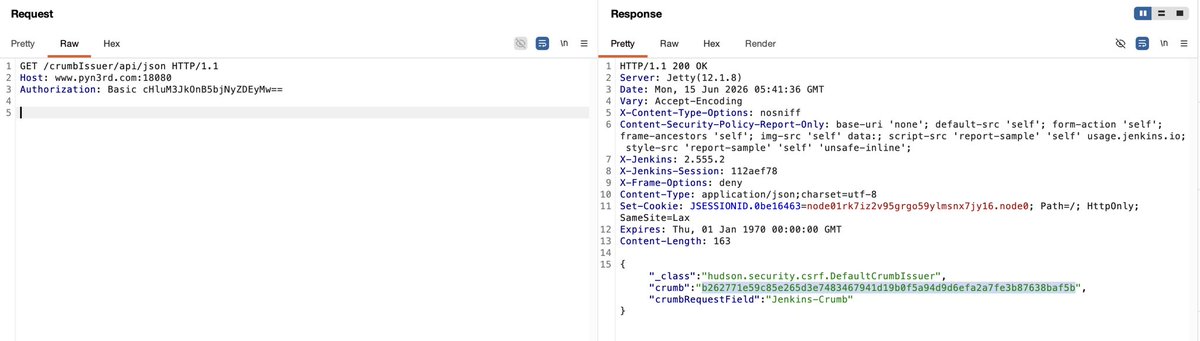
🔔 A PoC/exploit has been discovered for vulnerability CVE-2026-20245
PT ID: PT-2026-46400
Vendor: Cisco
Product: Cisco Catalyst SD-WAN Controller
Description: A vulnerability in the CLI of Cisco Catalyst SD-WAN Controller, formerly SD-WAN vSmart, Cisco Catalyst SD-WAN Manager, formerly SD-WAN vManage, and Cisco Catalyst SD-WAN Validator, formerly SD-WAN vBond, could allow an authenticated, local attacker to execute arbitrary commands as root by supplying a crafted file to the affected system.
This vulnerability is due to insufficient validation of user-supplied input. An attacker could exploit this vulnerability by uploading a crafted file to the affected system. A successful exploit could allow the attacker to perform command injection attacks on an affected system and elevate their privileges as the root user.
To exploit this vulnerability, the attacker must have netadmin privileges on the affected system. This would require valid credentials or exploitation of or . Cisco is not aware of successful exploitation by other methods. Cisco has observed limited cases where the exploitation of this bug resulted in a configuration change pushed to edge devices.
Link: github.com/0xBlackash/CVE-20…
#dbugs_vuln
1
33
Triple Banger Breaks retweeted

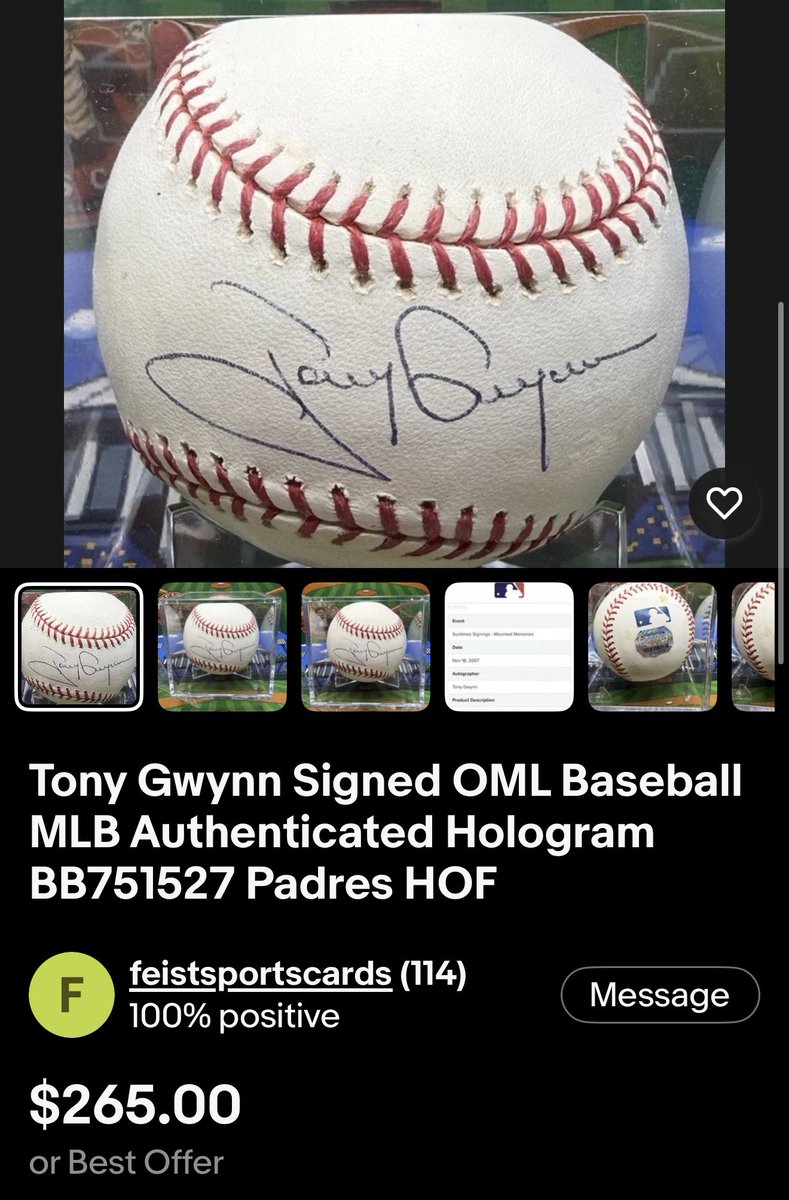
Tony Gwynn Signed OML Baseball MLB Authenticated Hologram BB751527 Padres HOF
Link: ebay.io/m/4gQGJB
#thehhobby #thehobbyfamily #TBBCrew
eBay Main: ebay.us/m/B1jGnw
#MLB #Padres
1
1
43