ChrisHk7 retweeted

Jun 10
Bycatch has ‘shocking’ toll on British marine life, first-ever analysis reveals @guardian
“Conservationists say cherished creatures such as whales, dolphins and seabirds are being killed in large numbers by fishing tackle”
Utterly #Unacceptable
#WakeUpWorld
@CIWF_Global
theguardian.com/environment/…
4
100
114
4,434
Dion Harper retweeted

Jun 12
Bycatch has ‘shocking’ toll on British marine life, first-ever analysis reveals
Conservationists say cherished creatures such as whales, dolphins and seabirds-
theguardian.com/environment/…
2
4
103
MissJaneM retweeted

Jun 10
We make horrendous mess of absolutely everything.
Bycatch has ‘shocking’ toll on British marine life, first-ever analysis reveals | Marine life | The Guardian share.google/K1Wn758B6NJ7pop…
1
1
2
180

Yet there are other methods. Small-scale fishers have already used new methods, including heavier nets. In Scotland trials of weighted creel ropes were used. But throwing severly injured/traumatised bycatch back into the sea is a death sentence for them.
1
17


Mr. Whitbeck and his “organization” are nothing more than a pro-trawl PR shill — bought and paid for by the CDQ club terrified of losing their sacred cow.
The truth is: Trawl needs Alaska more than Alaska needs the trawl industry as it exists today.
They lied to Native communities about the real benefits of the CDQ program. It’s economic entrapment framed as “helping,” while Seattle-based fleets siphon $1-2B out of our state every year.
Alaska’s fisheries aren’t a “Leftist” issue — for the love of God, stop framing it as such. They’re an ALASKAN one — and Alaskans from every political corner are fed up with the bycatch, the corporate stranglehold, and the golden goose being milked for Outside interests.
The bigger affordability killer? The Jones Act. Fix that and we save households way more than defending the status quo backhaul scam.
Every Alaskan I know in the industry is PRO-fish, PRO-Alaska First, and PRO-responsible stewardship. We’re not anti-fishing. We’re anti-corruption and anti-outsiders running our resources into the ground. This is NOT new.
@pamela_melin — I’m in the industry. This isn’t narcissism. It’s engaged Alaskans demanding real accountability before another election. Candidates absolutely need to address it. Those that refuse do not deserve to represent Alaskans.
1
2
67

I'm not comfortable eating mammals but I'm okay with eating wild-caught fish. I was never traumatized by fishing as a kid. Mammal slaughterhouses terrorize me. The bycatch sucks but it's not a perfect world and even plant farming kills animals. Last three times I tried going vegan, 3 weeks in I would feel like I'm starving for fish.
23

Jun 14
99% of the time, they’re discards. theyre nyc’s most common shark and are very very common for fishermen to bycatch when shore fishing, so they leave them on the beach to avoid re-catch thinking that will do anything to limit future catch 🙃 what beach?
1
29
Dion Harper retweeted

Jun 12
Bycatch has ‘shocking’ toll on British marine life, first-ever analysis reveals
Conservationists say cherished creatures such as whales, dolphins and seabirds are being killed in large numbers by fishing tackle
theguardian.com/environment/…
1
9
12
382

Study finds fishing bycatch does not attract lesser black-backed gulls out of wind farms phys.org/news/2026-06-fishin… via @physorg_com
1
774

Jun 14
Healthy fish stocks?
Why can't I get Hapuka or Blue Nose fillets at the fish and chip shop anymore?
Even cardinal is gone. The bycatch of Orange Roughy that they threw away in the 80's
You're a dreamer.
17
106

Coachella bycatch 4 oldie but goldie
Matthias Meyer - Infinity
youtu.be/eMO3mu5jjZM?si=9Kiz…
115



Jun 13
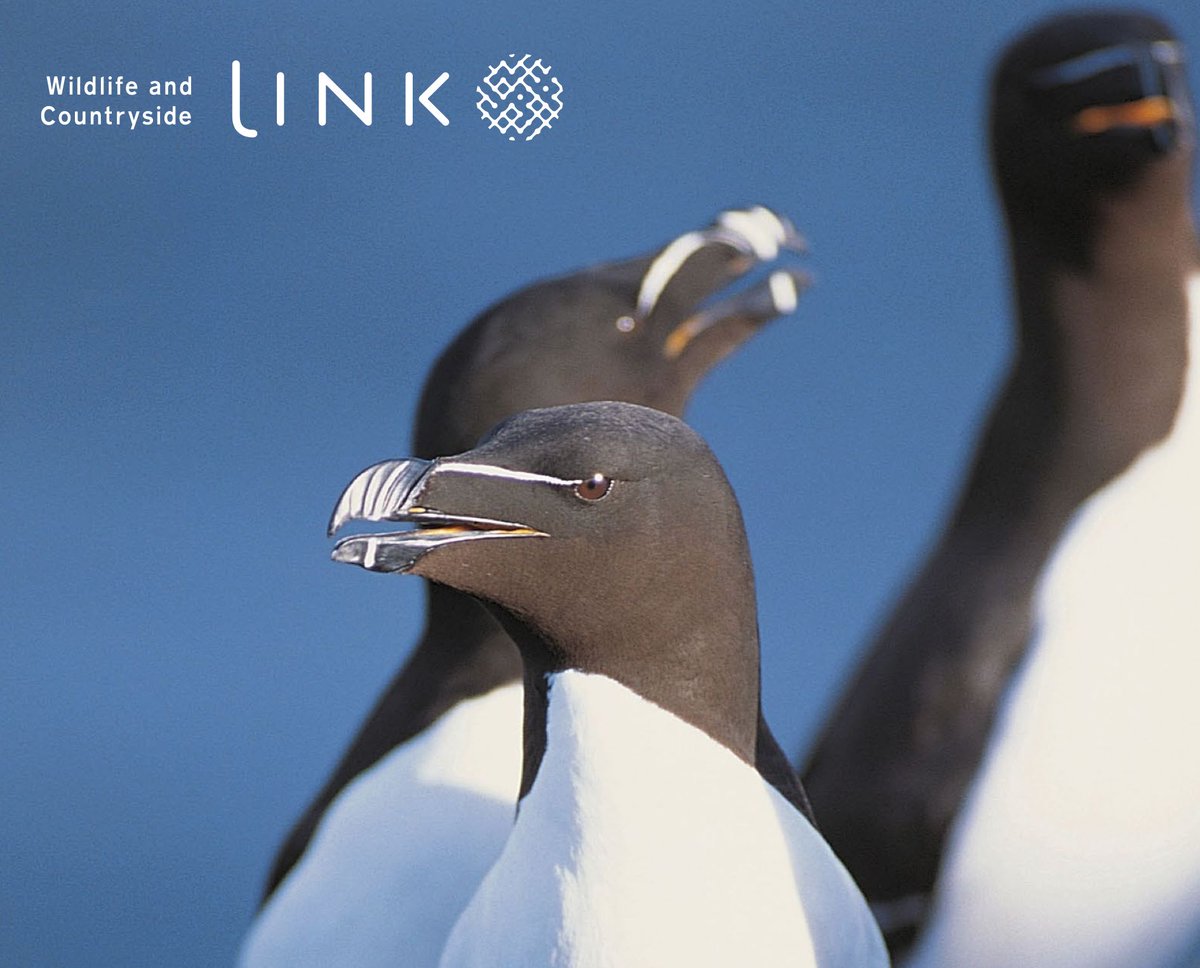
Puffins as bycatch
"les captures accidentelles ne sont pas des accidents quand elles se répètent chaque année dans l’indifférence."
@seashepherdfrance instagram.com/p/DZcZ_UQCOTB/…
1
11

Jun 13
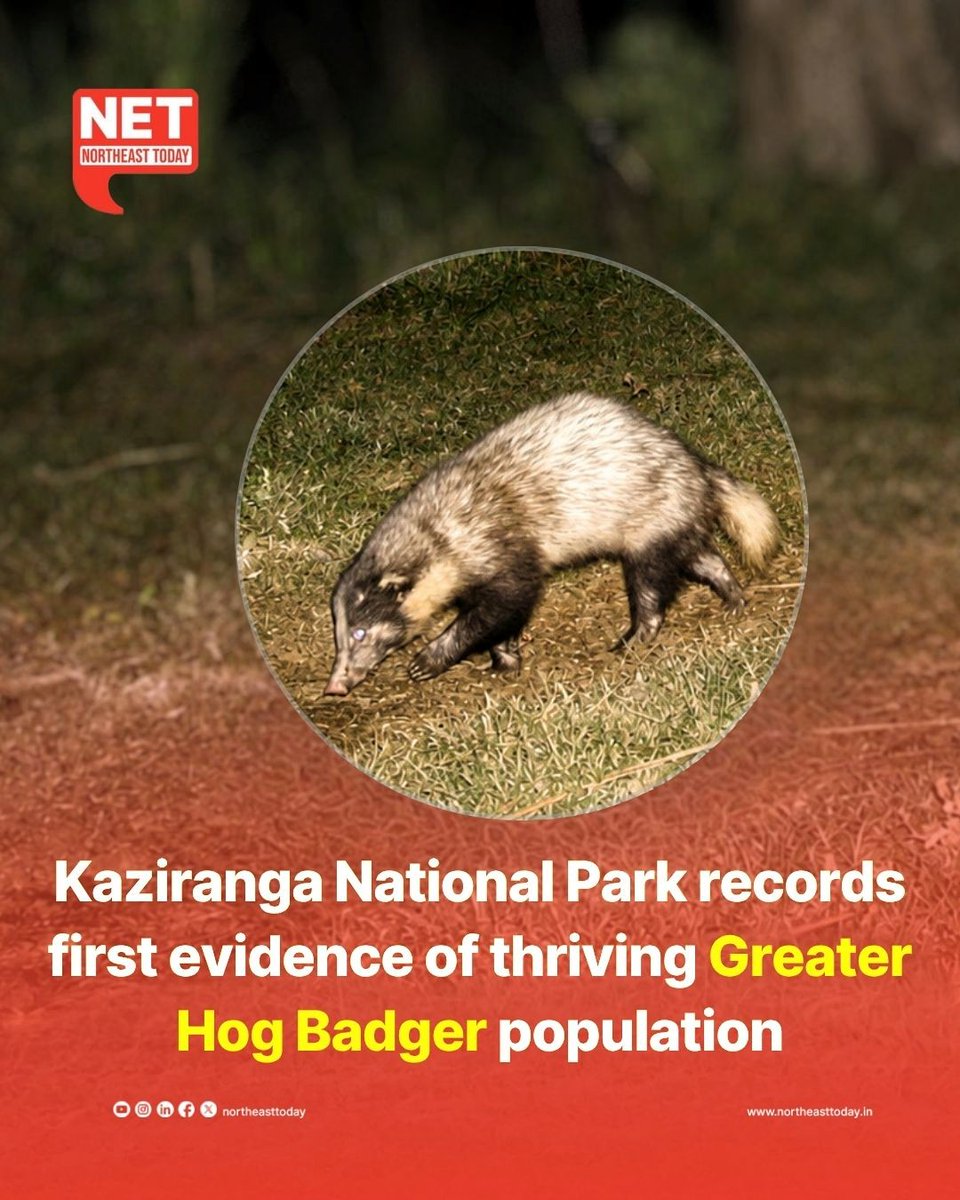
#Assam | Kaziranga National Park and Tiger Reserve has announced a landmark achievement in wildlife research with the release of its first scientific assessment of the Greater Hog Badger (Arctonyx collaris), locally known as Mati Gahori. The study, unveiled on June 12, 2026, was prepared by Kaziranga’s Tiger Cell in collaboration with the Wildlife Conservation Trust and Tiasa Adhya of The Fishing Cat Project. Using camera-trap bycatch data from previous All India Tiger Estimation exercises, researchers confirmed a thriving population of this elusive nocturnal burrower within the reserve.
The findings estimate at least 55 individual Greater Hog Badgers inhabiting approximately 1,100 square kilometers of Kaziranga’s landscape, suggesting a healthy and potentially viable population. Assam’s Environment and Forests Minister Jayanta Malla Baruah welcomed the report, noting on social media that over 60 individuals had been recorded, underscoring the strength of Kaziranga’s ecosystems. He emphasized that every species, whether large or small, plays a vital role in maintaining ecological balance and biodiversity.
Globally, three extant species of hog badgers are recognized: the Greater Hog Badger, the Northern Hog Badger, and the Sumatran Hog Badger. Of these, the Greater and Northern Hog Badgers are found in India, with the Greater Hog Badger being the largest. Its distribution spans South, Central, and Southeast Asia, from Bangladesh and northeastern India through Myanmar, Thailand, Laos, and Vietnam, extending south to Cambodia and peninsular Thailand. Despite this wide range, the species is listed as Vulnerable by the IUCN due to habitat loss and poaching pressures, with populations declining across much of Southeast Asia.
Researchers highlighted the ecological importance of the Greater Hog Badger as an omnivorous, highly fossorial mesocarnivore. Its digging and foraging activities contribute to soil aeration, nutrient redistribution, and leaf-litter turnover, creating microhabitats for smaller species and supporting overall ecosystem health. India and Thailand are believed to harbor some of the healthiest remaining populations, making Assam and the wider Northeast region critical for the species’ long-term survival.
The report reinforces Kaziranga’s global significance not only as a sanctuary for iconic megafauna such as tigers and rhinos but also as a refuge for lesser-known species that enrich the region’s biodiversity. The study marks a vital step toward understanding and conserving the Greater Hog Badger, ensuring that this vulnerable species continues to thrive in one of India’s most celebrated natural landscapes.
#Kaziranga #GreaterHogBadger #MatiGahori #WildlifeConservation #TigerReserve #Biodiversity #NortheastToday
1
3
91

Bycatch has ‘shocking’ toll on British marine life, first-ever analysis reveals
Conservationists say cherished creatures such as whales, dolphins and seabirds are being killed in large numbers by fishing tackle
theguardian.com/environment/…
3
31
