
Smaller rosters = more in-game reps.
Millbrook athletes get meaningful minutes, boosting decision-making, defense, and overall growth throughout the season.
Check out the new episode with @CoachMcAlister now.
#PrepSchoolBasketball #CollegeRecruiting #BasketballDevelopment
1
5
582

Jun 11
.
.
.
Rest at the end, not in the middle. — Kobe Bryant 🐍🏀
.
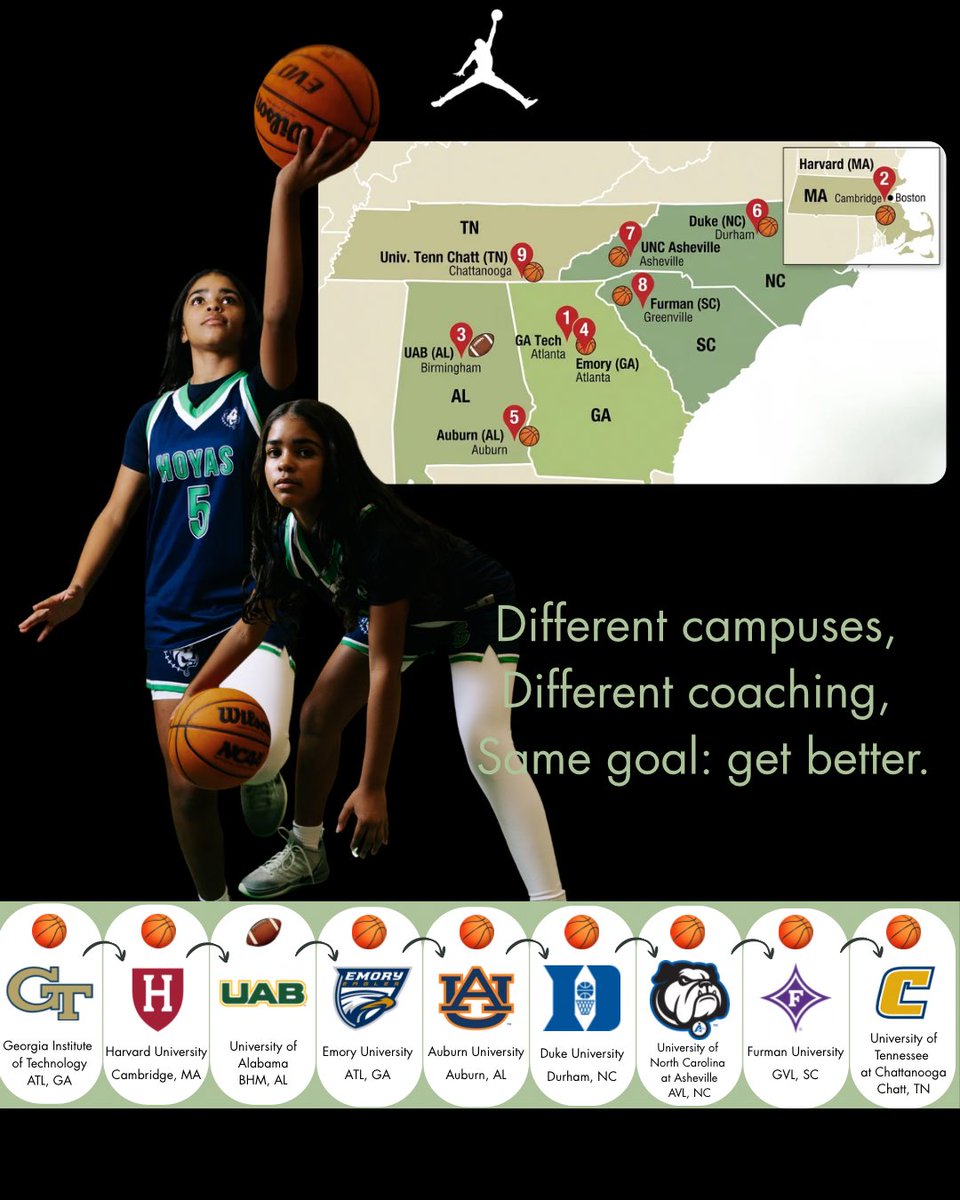
🏀🏈Summer Elite Camp Szn is here.
.
Different campuses. Different coaches. Same mission: get better.
----------------------------
#EliteCampSzn #GirlsBasketball #ClassOf2032 #BasketballDevelopment #MambaMentality
30

🔥 The BEST junior camp in Europe is officially sold out for August 2026!
.
.
#europrobasket #EuroProExprience #eliteplayers #basketballdevelopment #valenciabasket
.
📍Valencia - Spain 🇪🇸
1
51

🏀 Introducing TruHeight Prep 🏀
Where elite basketball development meets academic excellence.
At TruHeight Prep, we’re committed to helping student-athletes reach their full potential on and off the court through high-level training, competition, mentorship, and education.
The journey starts now. Are you ready to elevate your game?
Register here: truheightprepco.com/index_te…
Only 24 spots available!!
#TruHeightPrep #StudentAthlete #BasketballDevelopment #PrepSchoolBasketball

4
306

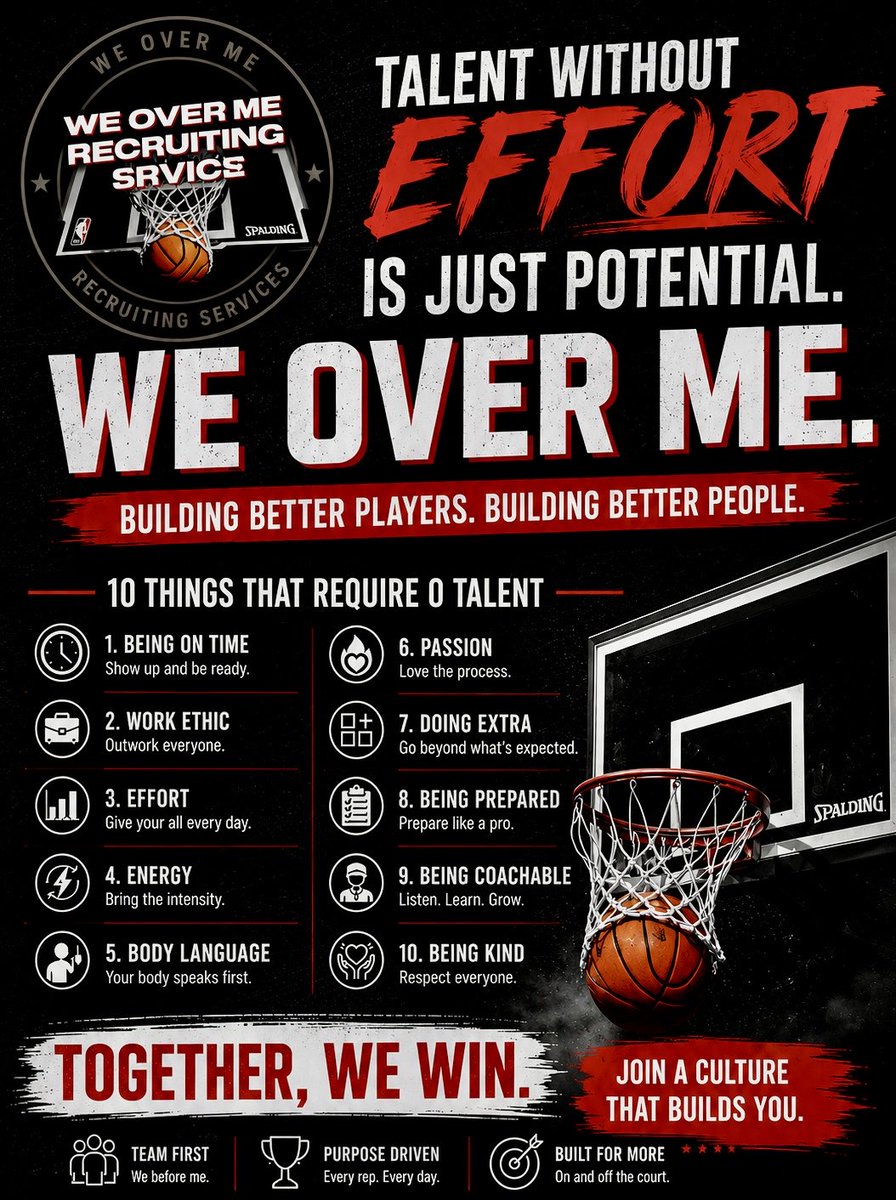
🚨 ATTENTION ATHLETES 🚨
Talent gets YOU attention, but character, effort, and consistency create opportunities.
The 10 things that require zero talent can separate YOU from the competition every single day. Control what you can control and watch your game grow.
#WeOverMe #BasketballDevelopment #StudentAthlete #Recruiting #WorkEthic #BeCoachable #PlayerDevelopment #TeamFirst #TrustTheProcess #WeOverMe210
6
7
254

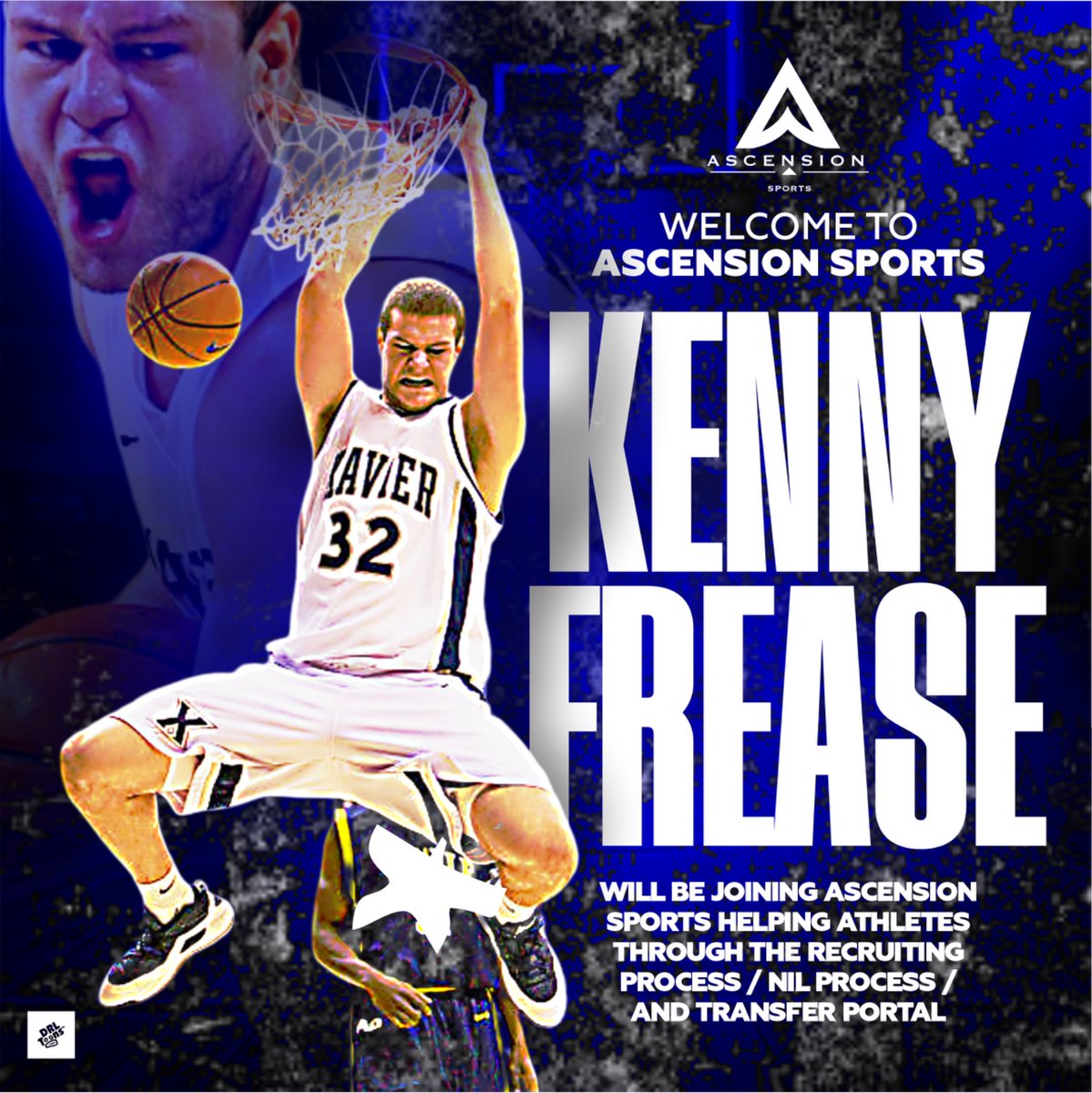
🚨 TEAM ASCENSION GROWS AGAIN 🚨
We're proud to welcome Kenny Frease to Ascension Sports Management.
A former Xavier University standout and professional basketball player, Kenny brings years of experience competing at the highest collegiate and international levels. His leadership, basketball IQ, and passion for athlete development make him an incredible addition to our team.
From NCAA Tournament runs to a successful professional career overseas, Kenny understands what it takes to succeed on and off the court—and we're excited for the impact he'll have on the next generation of athletes.
Welcome to the family, Kenny! 🔥🏀
#AscensionSportsManagement #XavierBasketball #NIL #SportsManagement #BasketballDevelopment
1
3
13
5,135

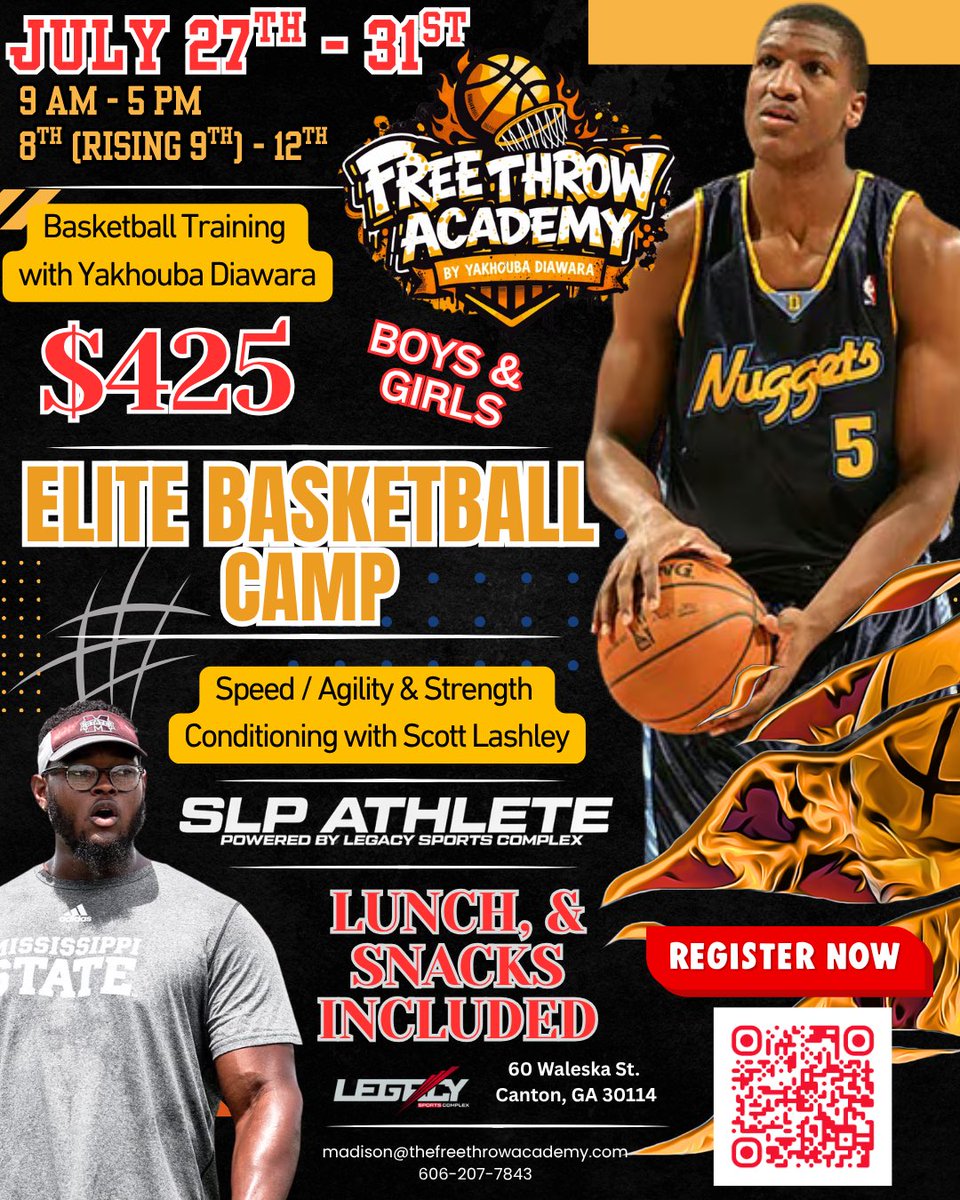
ELITE BASKETBALL CAMP | July 27–31
Train with former NBA player Yakhouba Diawara and performance specialist Scott Lashley
Legacy Sports Complex
Serious athletes. Elite training.
#BasketballTraining #GeorgiaBasketball #EliteBasketballCamp #BasketballDevelopment #TrainToCompete
2
3
185
🏀 Introducing TruHeight Prep 🏀
Where elite basketball development meets academic excellence.
At TruHeight Prep, we’re committed to helping student-athletes reach their full potential on and off the court through high-level training, competition, mentorship, and education.
The journey starts now. Are you ready to elevate your game?
#TruHeightPrep #StudentAthlete #BasketballDevelopment #PrepSchoolBasketball
4
308

May 24
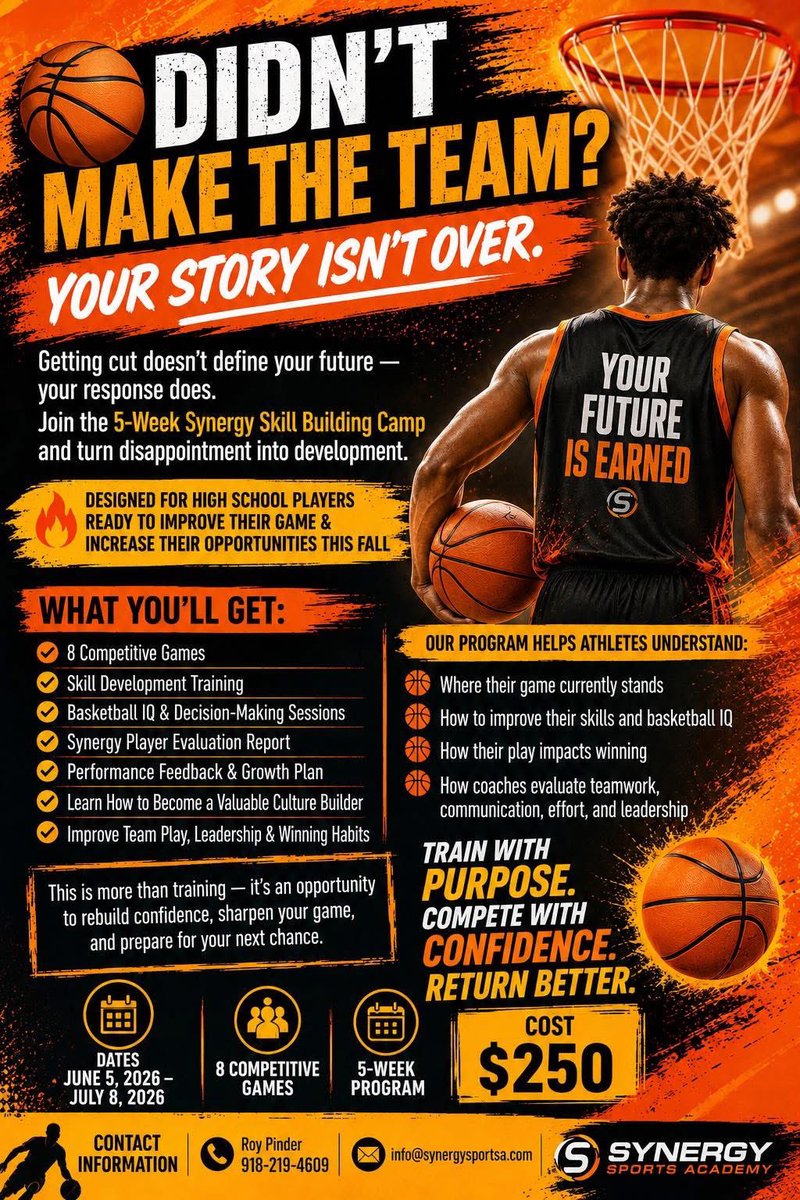
🏀 DIDN’T MAKE THE TEAM? YOUR STORY ISN’T OVER. 🏀
Getting cut doesn’t define your future — your response does.
Join our 5-Week Synergy Skill Building Camp designed to help athletes rebuild confidence, improve skills, increase basketball IQ, and prepare for future opportunities.
✅ 8 Competitive Games
✅ Skill Development Training
✅ Basketball IQ Sessions
✅ Synergy Player Evaluation Report
✅ Leadership & Culture Building Development
✅ Feedback & Growth Plan
This program is perfect for:
🏀 High school athletes
🏀 Players preparing for school or AAU basketball
🏀 Athletes looking to improve their game
🏀 Homeschool athletes seeking competitive development
📅 June 5, 2026 – July 8, 2026
💲 Cost: $250
📈 Train With Purpose. Compete With Confidence. Return Better.
📞 Roy Pinder — 918-219-4609
📧 info@synergysportsa.com
🌐 gymtimehoops.com
📝 Registration:
basketball.exposureevents.co…
@okhsscores @RltcPrep @roypinder79
#BasketballDevelopment #PlayerDevelopment #GymTimeHoops #SynergyBasketball #BasketballTraining #HighSchoolBasketball #HomeschoolAthletes
2
2
334

May 22
JV summer league just started. Time to keep building, competing, and getting better every game. This summer is about development, confidence, defense, and showing I can help the team win. Work starts now.
@WisBBYearbook @PrepHoops_WI
#MUHSBasketball #Hilltoppers #SummerLeague #JVHoops #StudentAthlete #ClassOf2029 #BasketballDevelopment
2
3
564

May 18
Why we using Agility Sticks @Camille_Wiley23
#AgilitySticks #BasketballTraining #BallHandling #Footwork #AgilityTraining #BasketballSkills #HandleLife #StayLow #OffHandWork #GuardTraining #BasketballDevelopment #SkillsTrainer #OutworkEverybody
5
15
1,365

Want to earn big minutes when it matters most? Take a page out of Daniss Jenkins book.
Jenkins has gone from the G-League to a critical factor for the Pistons by mastering the three things every guard needs to stay on the floor:
🎓 Elite Defensive IQ
🏀 Offensive Poise
💧 Contagious Effort
If you want to play in big moments, you have to be reliable. Stop turning the ball over, start understanding complex actions, and out-hustle everyone on the floor.
🔑 Takeaway: Effort and IQ are skills you can develop today to become indispensable to your team.
#BasketballDevelopment #PlayerIQ #Pistons #DanissJenkins #HoopsWork
1
5
23
3,122

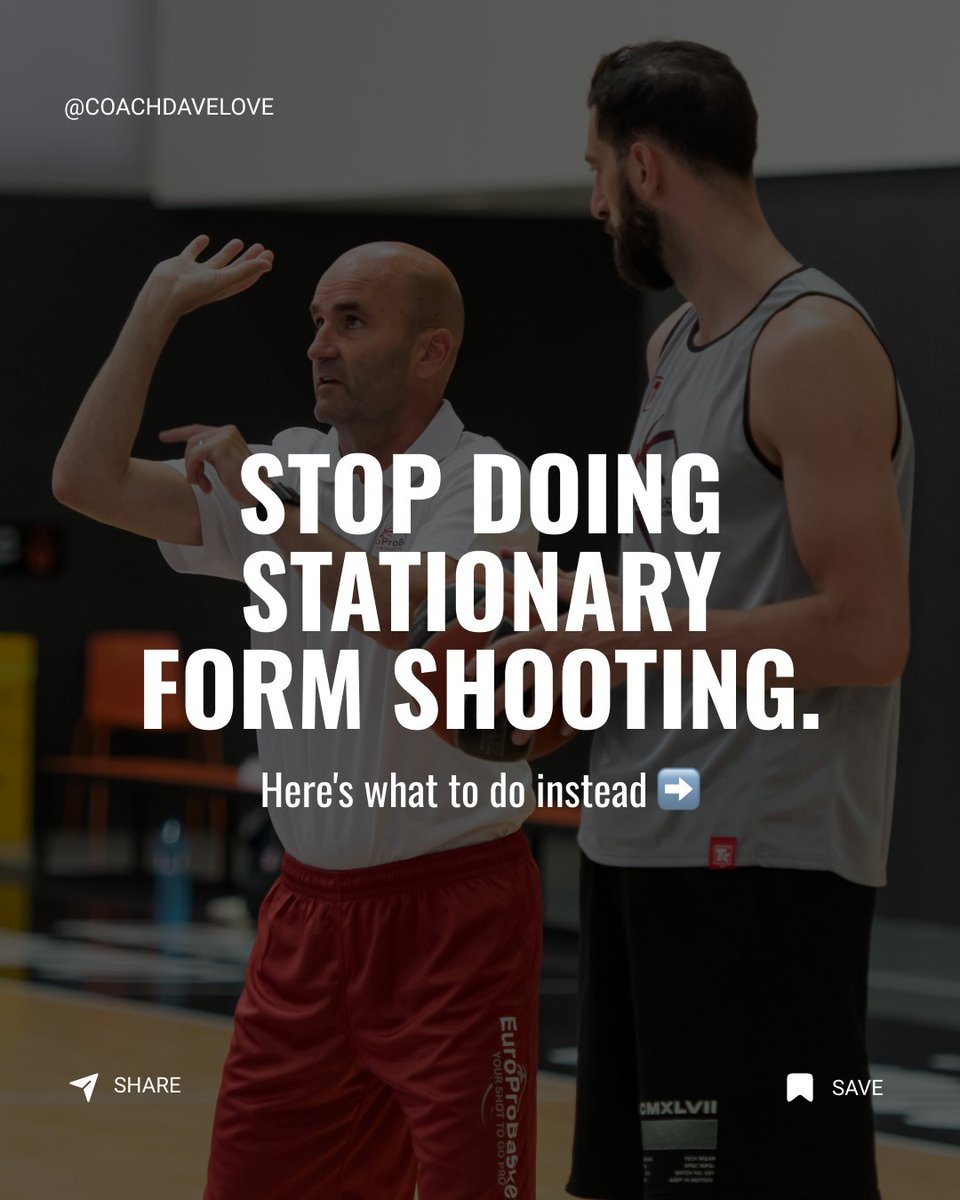
Most players are taught to start with stationary form shooting.
The intention makes sense…
Reduce complexity so players can learn new habits.
But here’s the problem:
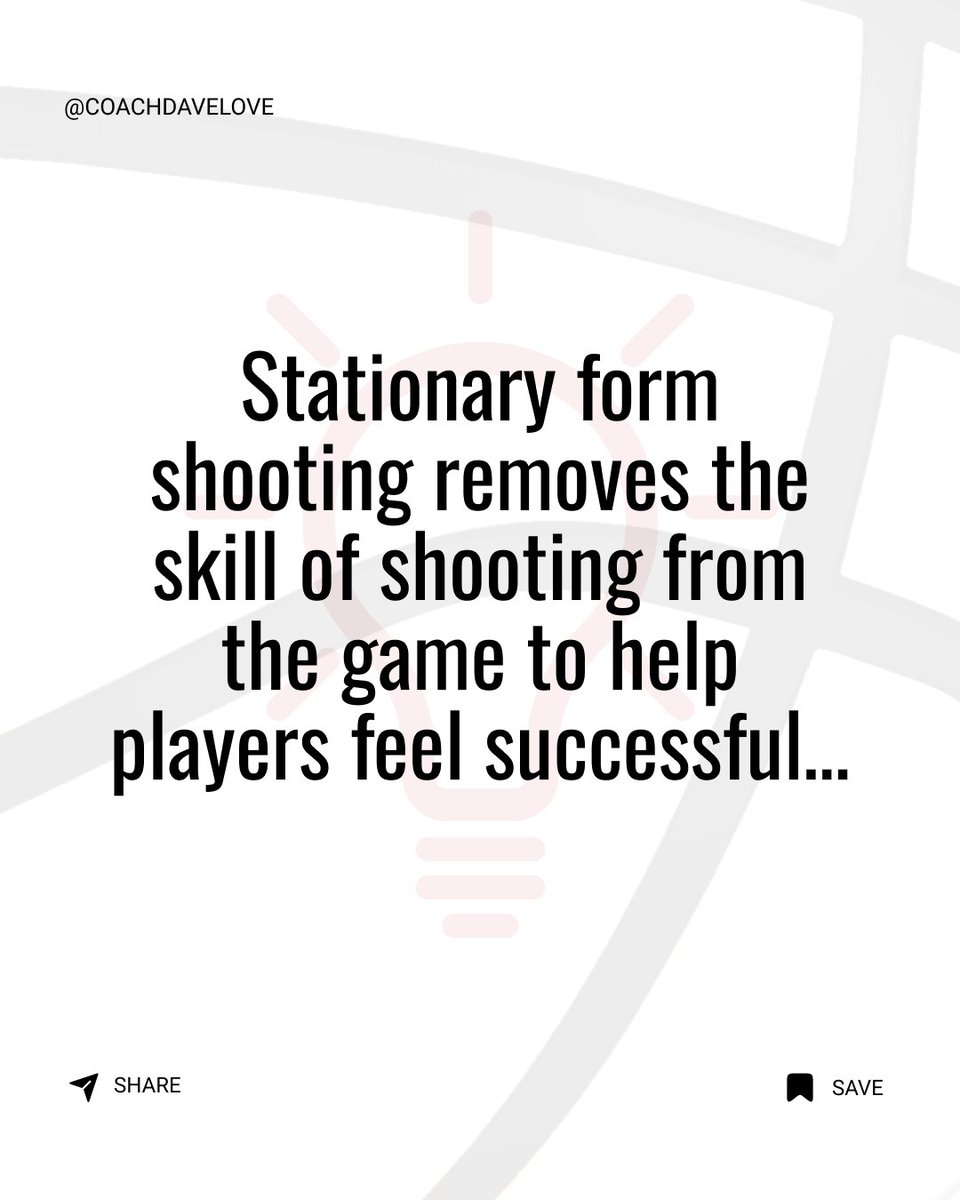
When you remove movement before the shot, you also remove the context of the game.
Shots in basketball are almost never taken standing still.
So if your practice only includes stationary reps,
You’re building a skill that doesn’t transfer.
We can simplify the task…
But not at the cost of relevance.
👉 Instead, add simple movement into your form shooting.
Even something as small as 1–2 controlled steps into the shot begins to bridge that gap.
It doesn’t need to be full game-like movement, just as much movement as you can add while getting players to explore the habits you want them to explore.
The goal isn’t just to make shots in practice…
It’s to make them in games. Train accordingly.
Save this post for your next practice! These tips will level up your player’s shooting form and make their practice sessions more game-relevant.
(part 1/2 - See part 2 for more information!)
#BasketballDevelopment #ShootingCoach #PlayerDevelopment #BasketballTraining #SkillTransfer
5
3
13
12,822
Finishing at the rim isn't just about athleticism—it’s about reading the defense. 🧠🏀
Are you still making layups harder than they need to be? In this video, we break down the 3 essential finishing angles every playmaker must master to score against any defender.
Stop guessing and start finishing with purpose. Check out the full breakdown and let us know which finish you need to work on most! 👇
Ready to truly master the game? Click the link in our bio to find a PGC camp near you this summer. 🗓️
#PGCBasketball #BasketballIQ #FinishAtTheRim #PointGuardTraining #HoopStudy #BasketballDevelopment
3
17
3,306
EuroProBasket is the home of champions. 🏀🇪🇸
📍At L’Alqueria del Basket, where future pros are built and the game never stops.
.
.
#Europrobasket #LAlqueriaDelBasket #ValenciaBasket #BasketballDevelopment #TrainWhereProsTrain
.
Valencia- Spain @LAlqueriaVBC
3
163
🏀 Is your young athlete passing up open shots or freezing up in games?
If you've ever watched your child play timidly against bigger players or lose confidence on the court, you are not alone. As a coach and parent, I see this all the time, and it’s tough to watch them struggle when you know their potential.
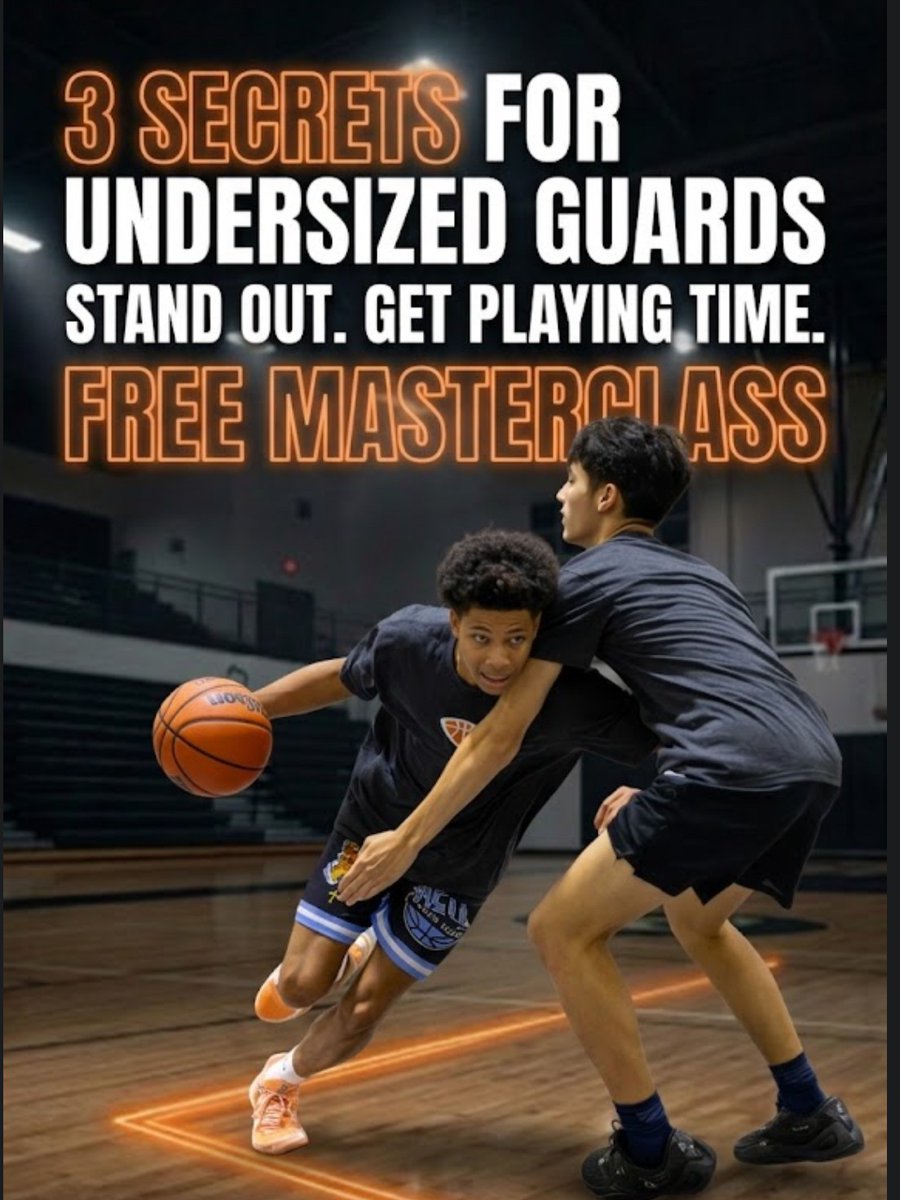
That’s why I highly recommend joining PGC Basketball President, Mano Watsa, for a FREE live training. He’ll be sharing his best-kept secrets on how players can overcome setbacks, step into leadership roles, and earn more playing time.
During this in-depth LIVE session, Mano will break down:
🔑 SECRET #1: The 6 ingredients every player must know before their next AAU game. (Hint: The fastest way to more minutes is mastering the "little things" coaches love!)
❌ SECRET #2: The #1 mistake 99% of parents make during the Spring and Summer seasons—and how to avoid it so your child can reach their full potential.
🧠 SECRET #3: How top NBA & WNBA players use their lack of size to actually outsmart opponents and gain an "unfair" advantage.
...and much more!
👇 Click the linkto reserve your spot!
bit.ly/4cI222j..
#PGCBasketball #PGCCoaching #YouthBasketball #SportsParenting #BasketballIQ #MentalToughness #BasketballDevelopment #AAUBasketball #ConfidenceOnTheCourt
2
13
2,330

Development don’t happen by accident. It’s reps, detail, and consistency.
Tap in if you serious. #basketballtraining #basketballdevelopment #getbetter #hoopers #basketballlife #basketballgrind #athletedevelopment #guardtraining #playerdevelopment #highschoolbasketball #aauhoops
5
6
84
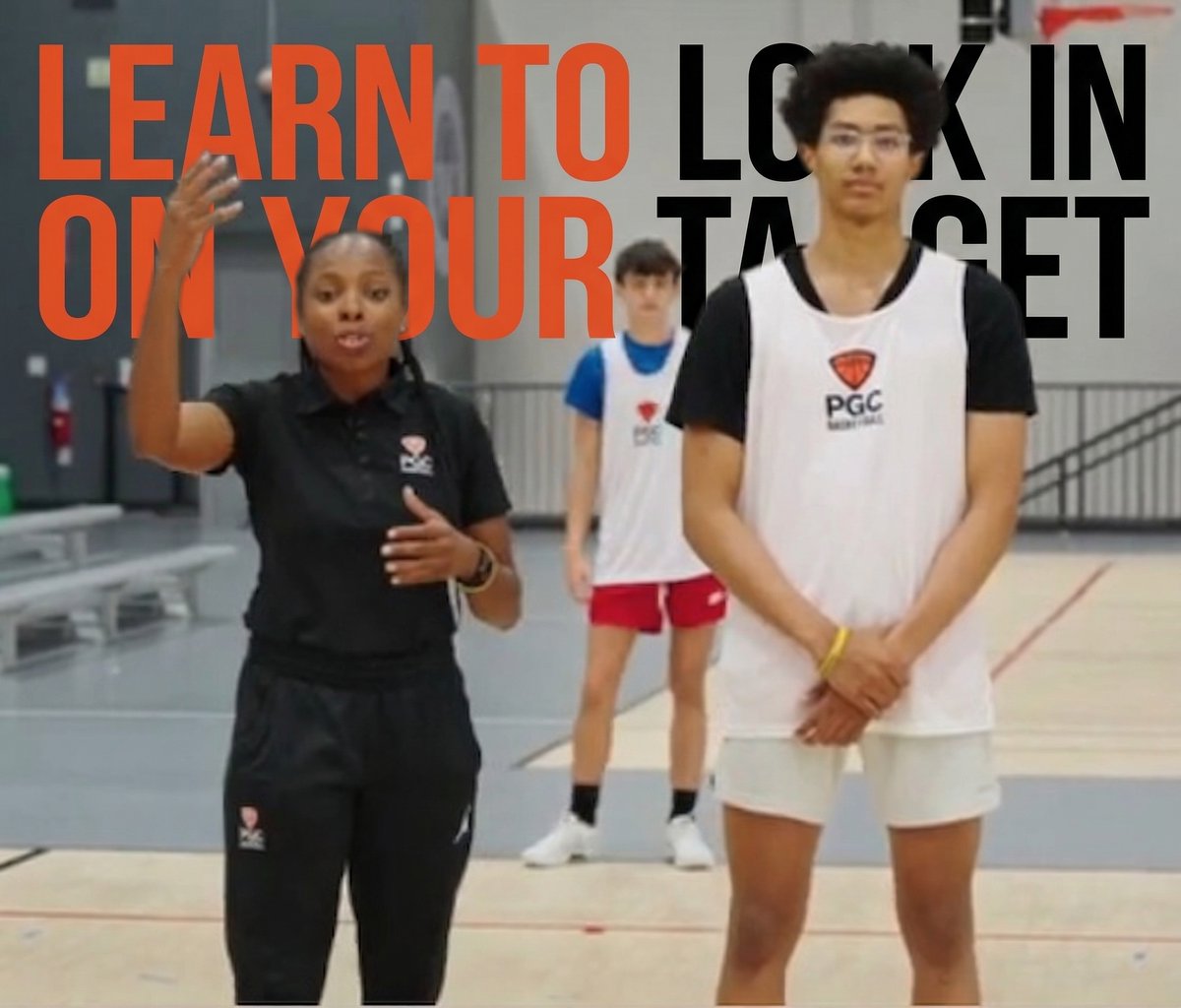
🏀 This high IQ drill is all about building rhythm and preparing athletes to perform confidently in games.
@markefree calls it the 🚥 Green Light: Use It or Lose It drill — a proven way to help players get buckets consistently.
pgcbasketball.com/blog/learn…
#pgcbasketball #basketballdevelopment #athletedevelopment #sportperformance #sportpsychology
4
1,805

Flight 22 Post Grad Evaluation - March 22nd, 2026
Where players get seen, tested, and ready for what’s next. 🛫🏀 Next level starts with Flight 22.
#flight22 #nextlevel #basketballdevelopment #flight22basketball #f22culture
1
3
313

Mar 10
CONCEPTUALLY THINKING BASKETBALL
OWU TALENT PROJECTION
U.S. BASKETBALL DEVELOPMENT ECOSYSTEM MAP
Most basketball maps answer a simple question:
“How many schools exist in each state?”
That’s a supply question.
OWU Talent Projection asks something different:
“Where do development ecosystems for basketball talent actually exist?”
Because talent doesn’t grow randomly.
It concentrates in environments where competition density, coaching infrastructure, recruiting visibility, and elite club circuits collide. That combination creates what we call talent gravity.
Instead of counting programs, OWU measures a state’s Talent Infrastructure Index (TII). The index blends four signals:
• College basketball program density
• AAU / club circuit ecosystem strength
• High school talent production
• Recruiting pipeline connectivity
The goal is simple: understand development environments, not just geography.
From that lens, national ecosystems separate into tiers.
TIER 1 — ELITE DEVELOPMENT ECOSYSTEMS
California • Texas • Georgia • Florida
These states combine population scale, elite circuits, and recruiting gravity. They produce the largest volume of nationally recruited players and host many of the country’s most competitive development environments.
TIER 2 — MAJOR RECRUITING TERRITORIES
Pennsylvania • North Carolina • Ohio • New York • Tennessee
These regions have deep high-school traditions and strong college pipelines. They consistently produce Division I prospects and remain core recruiting territories for Power 5 programs.
TIER 3 — REGIONAL PIPELINES
Missouri • South Carolina • Oklahoma • Colorado • Indiana • Iowa
These ecosystems are smaller in population but still generate reliable talent pockets through strong coaching culture and competitive regional circuits.
Take Iowa as an example.
Iowa isn’t a massive population state, but the girls basketball ecosystem is extremely efficient. Strong high-school traditions, coaching continuity, and statewide competition create an environment where skilled, disciplined players develop consistently.
The result is a regional pipeline that punches above its demographic weight.
This is why ecosystem context matters in scouting.
A player dominating in a dense talent ecosystem is facing faster reads, stronger athletes, and deeper competition. Those environments often accelerate development and reduce uncertainty when projecting the next level.
So the real lesson of this map isn’t simply where basketball is played.
It’s where basketball development power lives.
OWU Strategy Analytics
Contextualized. Projection-Focused. Girls Basketball.
#ConceptuallyThinkingBasketball
#OWUTalentProjection
#GirlsBasketball
#BasketballDevelopment
#ScoutingTruths

4
691