
bunch of times but she never responded. She tells you to eat her magical chips and buy miracle serums while she secretly does biostimulators and fillers. Sorry, I think she's a terrible person.
11
81

How to take care of your hands!
Your hands tell your true age, or look older!
If you don't apply sunscreen on your hands, they probably look more aged than you think.
Here are some tips to improve your aging hands…
1. Biostimulators like Sculptra...
21

Jun 13
Not all “fillers” work in the same way. Dr Paul explains how some treatments sit in a clever middle ground—supporting structure while also encouraging better skin quality over time.
Watch the full video on book.amara.ie
#BioStimulators #DoctorLedAesthetics #AmaraClinic
10

creating high switching costs.
5. Botox and HA fillers are perfect complements to each other. Furthermore, Hugel hasn't fully delved into collagen biostimulators, presenting another growth opportunity.
6. Botox is highly versatile; it can also be used for pore tightening and
1
2
298
Late 40s in 2026…
Thanks to Botox, filler and biostimulators I'm managing!
37
Today on #RohrichKnoseBest: HA Fillers vs Biostimulators vs Regeneratives: Key Differences Best Case Uses with Dr. Alex Gordon #FillerFinesse #KnowBeforeYouGo
4
196

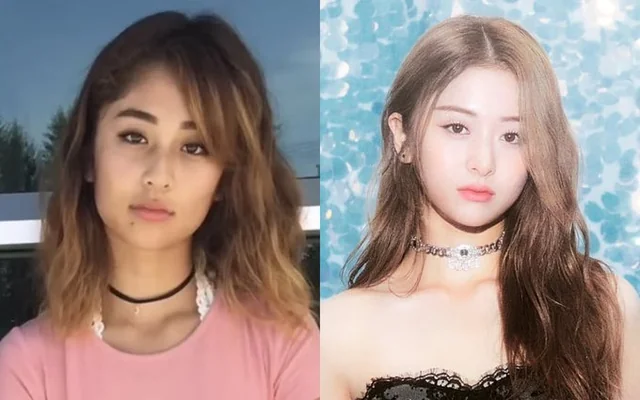

I’m pretty sure that guy has thousands and thousands worth of Botox, fillers, and biostimulators in his face. Maaaaaaybe threads as well. Something is really, really weird about that.
2
398

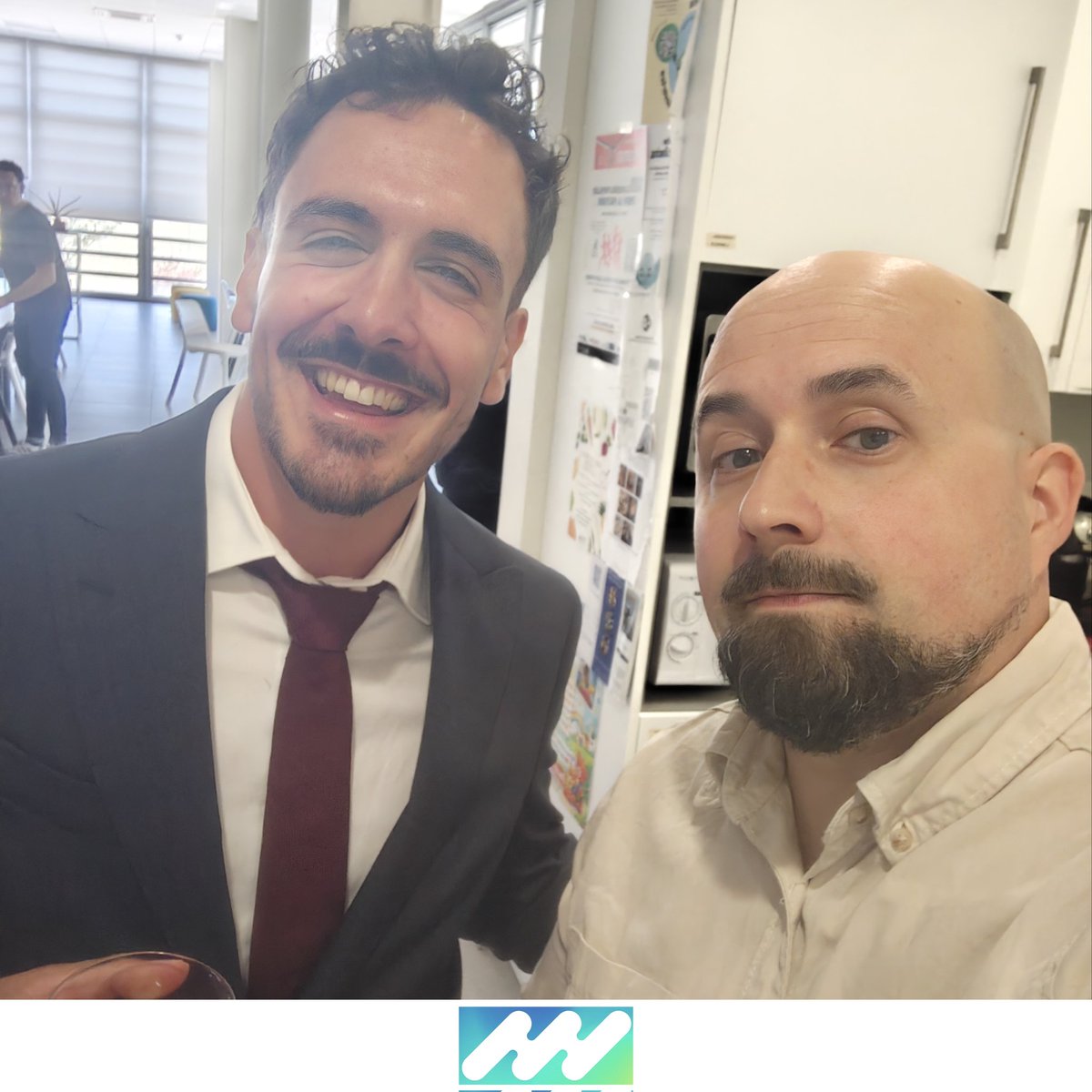
Congratulations to the newly minted doctor, Alberto Férez! It was a true honor to be part of your thesis committee, wishing you all the best in this exciting new chapter!
#newPhD
@biostimulators @IHSM_CSIC_UMA @MorcilloRafa @itqbnova @greenit_bio4sus
1
8
178

Apr 26
Beyond the quick fix: why biostimulators are the next big thing in personalized skincare. gmanetwork.com/lifestyle/fas…
1
413

Mar 24
This is the original cap. I see something about collagen biostimulators, but there's no need to manipulate images.

8
16
72,644

Mar 23
Today on #RohrichKnoseBest: Fillers vs Biostimulators vs Regeneratives - The Natural Era of Aesthetic Medicine! #Fillers #Biostimulators #Regeneratives
1
4
159


It's been a great pleasure to participate in this fascinating study with @MorillaIan and @gdoblasveronica: how AI can help us decipher how plants integrate complex environmental signals! 🍃
If you want to know more about it: link.springer.com/article/10…
@IHSM_CSIC_UMA @biostimulators

5
121

🎉 WELCOME TO THE SOUTHERN TENNESSEE WEATHER FAMILY! 🎉
Please help us welcome the skin project as a proud sponsor of Southern Tennessee Weather, supporting local, independent weather coverage across Southern Middle Tennessee!
The Skin Project is a local medical aesthetics practice jointly owned by Lynette Womble, APRN-BC and Jessica Parham, PA-C. Their team is proud to offer a wide variety of services, including neurotoxins, biostimulators, dermal fillers, microneedling, chemical peels, laser hair removal, facials, eyelash lifts and tinting, brow laminations, waxing, and more!
At the heart of The Skin Project is a passion for helping patients feel more confident in their own skin. As a small business rooted in the community for the past six years, caring for patients truly means everything to them. They are deeply grateful for the trust placed in their team and love serving the people who make this area such a wonderful place to live. The Skin Project is thrilled to partner with Southern Tennessee Weather to support both local weather coverage and the community as a whole!
📍 Address: 206 Lane Parkway, Shelbyville, TN 37160
📞 Phone: 931-619-6493
📧 Email: theskinprojectTN@gmail.com
🌐 Website: theskinproject.co
📱 Instagram: theskinproject.co
📘 Facebook: The Skin Project
🌤️ Interested in sponsoring Southern Tennessee Weather?
If your business would like to support trusted, local weather coverage, reach out anytime at ekirby@stnweather.com!

4
89

Feb 9
Several studies have demonstrated that exposure to various electromagnetic fields (EMFs), including those in the 5G frequency range, can stimulate fungal growth under specific conditions.
For instance, 2 GHz RF-EMF enhanced enzyme production and secretion in Aspergillus oryzae by increasing protein levels and mRNA expression.
Similarly, 900 MHz EMF boosted mycelial growth and pathogenicity in entomopathogenic fungi like Cordyceps fumosorosea.
Extremely low-frequency EMFs increased growth rate, conidia production, and cell wall integrity in Magnaporthe oryzae via upregulated genes and ROS levels.
Other research showed 18 GHz exposure promoting cell growth in various fungi, 60 Hz magnetic fields stimulating colony expansion in Aspergillus niger, and low-frequency EMFs combined with biostimulators accelerating fungal proliferation.
A 2019 review further noted growth increases in fungi at 40–50 GHz in most in vivo studies, highlighting variability by frequency and species.
8
23
94
5,364

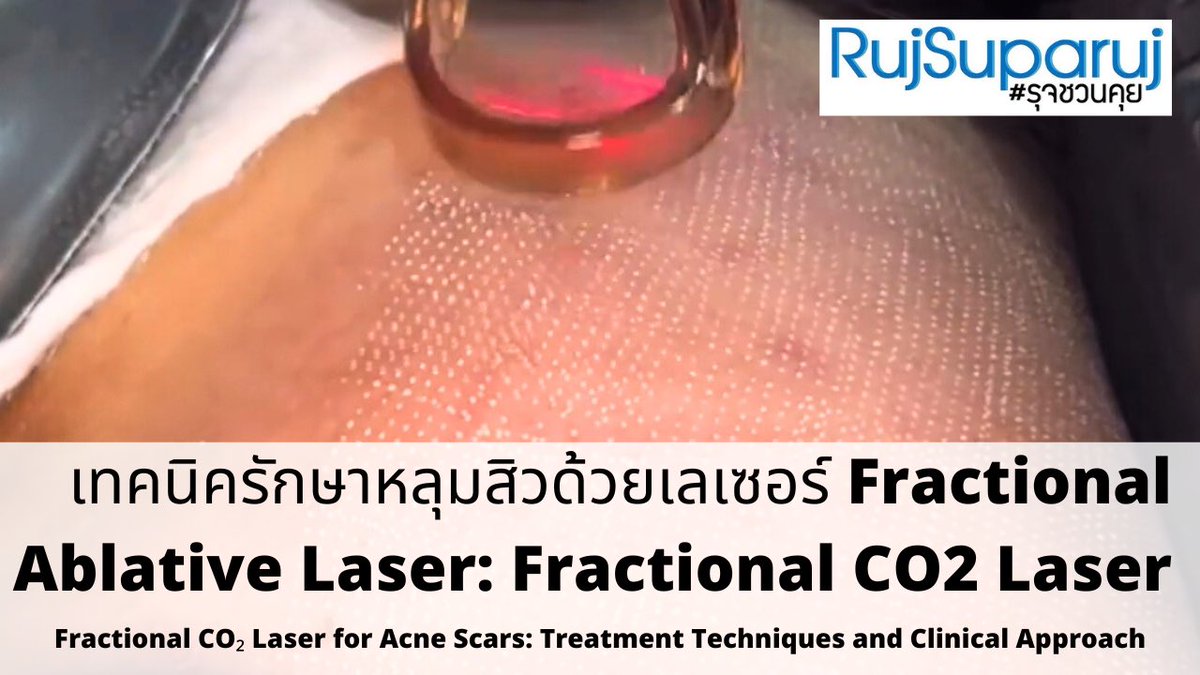
อัปเดตเทคนิคการรักษาหลุมสิวด้วย Fractional Ablative Laser (Fractional CO2 Laser)
การรักษาหลุมสิวในปัจจุบันมีการพัฒนาไปมาก แต่เทคโนโลยีพื้นฐานอย่าง Fractional Ablative Laser เช่น Fractional CO2 และ Fractional Erbium ยังคงเป็นเครื่องมือสำคัญที่มีประสิทธิภาพสูงในการปรับสภาพผิวและกระตุ้นคอลลาเจน แม้จะมีการใช้งานมานานกว่า 30 ปี แต่ด้วยเทคนิคการปรับใช้ที่ทันสมัยในปัจจุบัน ทำให้ผลลัพธ์การรักษามีความแม่นยำและปลอดภัยยิ่งขึ้น
1. กลไกการทำงานของ Fractional Ablative Laser
เลเซอร์ในกลุ่มนี้ (ความยาวคลื่น 10,600 nm สำหรับ CO2 และ 2,940 nm สำหรับ Erbium) จะส่งพลังงานลงสู่ผิวโดยมี "น้ำ" ในเซลล์ผิวเป็นตัวรับพลังงาน (Chromophore)
* การกรอผิว (Ablation): โดยเลเซอร์ทำการ "กรอ" ผิวชั้นนอก (Epidermis) ออกไปพร้อมกับส่งพลังงานความร้อนลงสู่ชั้นหนังแท้ (Dermis)
* Micro Thermal Ablative Zones (MTZ): เลเซอร์จะถูกปล่อยออกมาเป็นจุดเล็กๆ จำนวนมาก เพื่อสร้างแผลขนาดเล็กที่ลึกถึงชั้นหนังแท้ กระตุ้นให้ร่างกายเกิดกระบวนการซ่อมแซมและสร้างคอลลาเจนใหม่
2. เทคนิคการรักษาแบบใหม่: เน้นเฉพาะจุด (Focused Approach)
ในอดีตมักมีการยิงเลเซอร์ทั่วหน้า แต่สำหรับผิวคนเอเชียซึ่งเสี่ยงต่อการเกิดรอยดำ (PIH) หมอจึงใช้เทคนิค "การประยุกต์ใช้เฉพาะจุด" ร่วมกับนวัตกรรมอื่นๆ
* Deep Focus Ablative Technique: ใช้กรอส่วนที่นูนหนาหรือขอบหลุมสิวที่แข็งเป็นพังผืด (Papular Scars หรือขอบของ Boxcar/Rolling Scars) ให้เรียบเนียนขึ้น
* Laser Coring / Pinhole Laser: การยิงเลเซอร์เจาะลงไปทีละจุดในบริเวณก้นหลุมที่มีพังผืดสีขาว (Fibrosis) เพื่อทำลายพังผืดและลดขนาดพื้นที่ของแผลเป็น
* การรักษาแผลเป็นนูน (Hypertrophic Scar/Keloid): สามารถใช้เลเซอร์เทคนิค Pinhole ช่วยให้แผลอ่อนตัวลง แต่ควรทำควบคู่กับการฉีดยาเพื่อประสิทธิภาพสูงสุด
3. การรักษาแบบผสมผสาน (Multi-Modality Acne Scar Treatment)
เพื่อให้ได้ผลลัพธ์ที่ดีที่สุด หมอเน้นย้ำเรื่องการใช้หลายเทคนิคร่วมกัน เช่น
* ใช้ Fractional CO2 หรือ Erbium เพื่อเกลี่ยขอบหลุมและปรับผิวชั้นบนให้เรียบ ร่วมกับใช้ Picosecond Laser หรือ Radiofrequency (RF) Microneedling เพื่อกระตุ้นคอลลาเจน
* และใช้ร่วมกับหัตถการอื่นๆ : เช่น การตัดพังผืดหลุมสิว (Cannula Subcision), การแต้มกรด (TCA Cross), การฉีดสารกระตุ้นคอลลาเจน (Biostimulators) หรือ โปรแกรม Exosomes
4. ข้อควรระวังและการดูแลหลังทำ (Aftercare)
* ระยะพักฟื้น (Down Time): อาจมีอาการหน้าแดง สะเก็ด หรือผิวลอกประมาณ 3-7 วัน (นานกว่ากลุ่มเลเซอร์แบบไม่มีแผล)
* การป้องกันรอยดำ: ผิวคนเอเชียมีโอกาสเกิดรอยดำหลังเลเซอร์สูงถึง 90% หากไม่ดูแลอย่างเคร่งครัด ควรหลีกเลี่ยงแสงแดดจัดอย่างน้อย 2 สัปดาห์ ถึง 1 เดือน และทากันแดดอย่างสม่ำเสมอ
* ความชุ่มชื้น: การทาครีมบำรุงเพื่อรักษาความชุ่มชื้นเป็นสิ่งจำเป็นเพื่อให้ผิวฟื้นตัวได้สมบูรณ์
สรุป: แม้จะมีเทคโนโลยีใหม่อย่าง Picosecond Laser และ RF Microneedle เข้ามา แต่ Fractional CO2 ยังคงมีจุดเด่นในการ "เกลี่ยผิวและทำลายพังผืดเฉพาะจุด" ซึ่งช่วยให้หลุมสิวตื้นขึ้นและผิวดูสม่ำเสมอขึ้นได้หากใช้อย่างถูกวิธีครับ
1
3
850

From salmon DNA to biostimulators, regenerative medicine is transforming aesthetic treatments. Dermatologist Dr. Sivan Mercer discusses the science behind current popular trends and why repair is now replacing fillers.
Read more>>
jpost.com/health-and-wellnes…
2
2,219

Jan 9
สิ่งที่ได้ไปต่อปี 2026
1. กลุ่มงานผิวและงานฉีด (Injectables & Biostimulators)
- Biostimulators (มากกว่าแค่เติมเต็ม): สารกลุ่มที่กระตุ้นการสร้างคอลลาเจนด้วยตัวเอง จะได้รับความนิยมสูงขึ้น เพราะให้ผลลัพธ์การยกกระชับที่อยู่ได้นานและดูไม่หลอกตา
-Polynucleotides (PN): การฉีดงานผิวเพื่อซ่อมแซม DNA และฟื้นฟูเซลล์ผิวให้ฉ่ำวาวสุขภาพดีแบบธรรมชาติ (Skin Quality) เป็นหัวใจสำคัญในปี 2026
- Botox & Filler (แบบธรรมชาติ): การฉีดจะเน้นไปที่การปรับรูปหน้า (Facial Balancing) เช่น เติมคางหรือขมับให้สมดุล และเทคนิคการฉีดโบท็อกซ์ที่ไม่ทำให้หน้าแข็งทื่อ (Movement is key)
2. กลุ่มเครื่องยกกระชับและพลังงาน (Energy-Based Devices)
Non-Invasive Lifting: เครื่องมือที่ช่วยยกกระชับโดยไม่ต้องผ่าตัดและไม่ต้องพักฟื้นนาน เช่น Xerf (dual-frequency monopolar RF)และ HIFU ยังคงเป็นตัวเลือกหลัก
2
412