
Apr 20
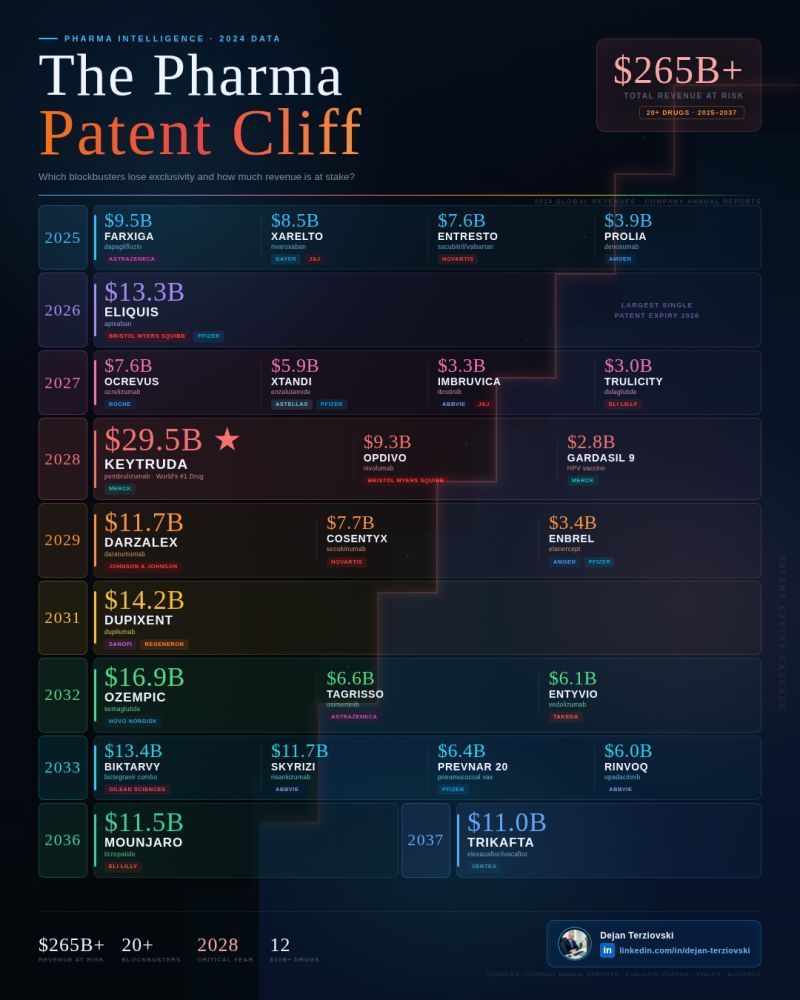
Massive #PatentCliff is here and will stay here until 2036 with peak value cliff in 2028 when #Keytruda patent will expire 🤓
What is different from other patent cliffs in the past is the $$$ cash pile of big pharma companies so it gives great opportunities for #Pharma for #EarlyStage #Biotechs and at the end of the day for #Patients as they will get novel therapies be available much faster 🧬 🧫 🧑🔬
@IAmBiotech @biotechweek @crypto_biotech @AndyBiotech @BiotechPoland @bioinmed @BBSRC @Biotechtweetuje @BiotechElmo
@FierceBiotech @FiercePharma @BiotechTV @Bioknow_X @BioCPH
@harvardmed @StanfordMed @Penn @techreview
@NCBR_pl @PFRVentures @NCN_PL @FNP_org_pl @Lukasiewicz_pl
@EIB @EIF_EU @EUeic @ERC_Research @REA_research
@VAXiCAN_
1
3
457

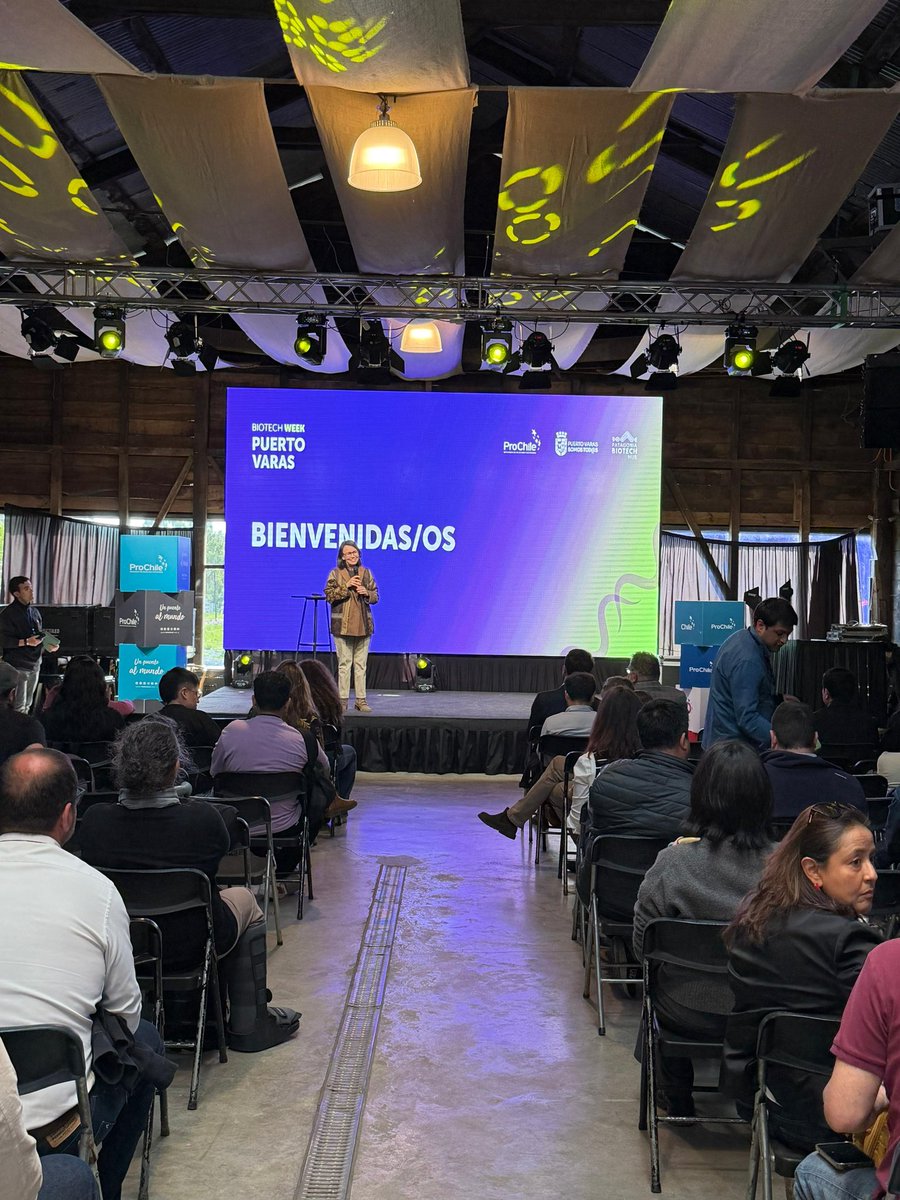
"Hoy, hablar de biotecnología en Chile es hablar de uno de los sectores más dinámicos y estratégicos para la diversificación productiva del país", Directora Nacional de ProChile, Lorena Sepúlveda en #BiotechWeek 2025
1
2
2
371

23 Oct 2025
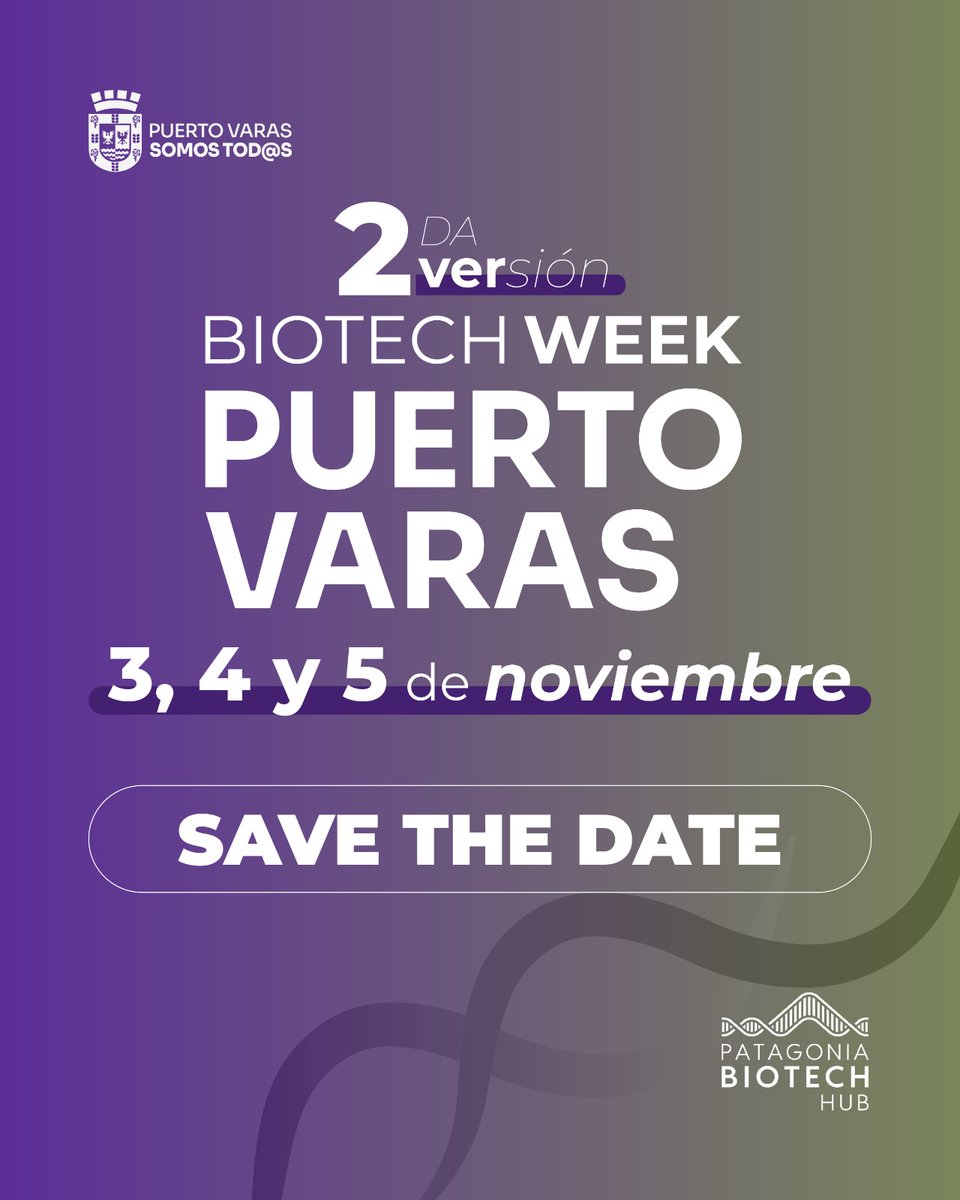
🧬 Puerto Varas será el epicentro de la biotecnología y ciencias para la vida.
No te lo pierdas.
#BioTechWeek | #PuertoVaras |
1
2
226

26 Sep 2025
🚀 La #biotecnología está transformando la #medicina del futuro en España: diagnósticos más tempranos, terapias personalizadas y nuevas oportunidades de empleo cualificado
Gracias al impulso del @CDTI_Innovacion y la cofinanciación de los #FondosEuropeos #FEDER, la #innovación científica llega antes a la consulta
📖 Descubre cómo en nuestro nuevo #reportajeCDTI:
🔗 acortar.link/6VtpMX
@biotechweek @EuropaBio @AseBio @APTE_es @FECYT_Ciencia @Fedit @Agencia_INNOCAM @accio_cat @empresasjcyl @e_avante @madridinnova @FEBiotec @efesalud @redaccionmedica @ainiatecnologia @ConSalud_es @GacetaMedicaCom @diariomedico @diariofarma @SEMG_ES @sanidadgob @AsociacionMEDES @pacientesPOP @BiohopeS @DuponteGroup @asociacionsii @cesida_esp @ConArtritis
#biospain2025 #biotechweek #ebw2025 #biotech #MedicinaDePrecisión #Salud #CienciaConImpacto #Genómica #TransferenciaTecnológica #DeepTech #STEP2025 #TecnologíasCríticas #StartBEC #AutonomíaEstratégica #FinanciaciónPública #financiación #AyudandoCrearFuturo #AyudasCDTI #Agenda2030 #ODS3 #ODS8 #ODS9 #ODS17
7
9
383

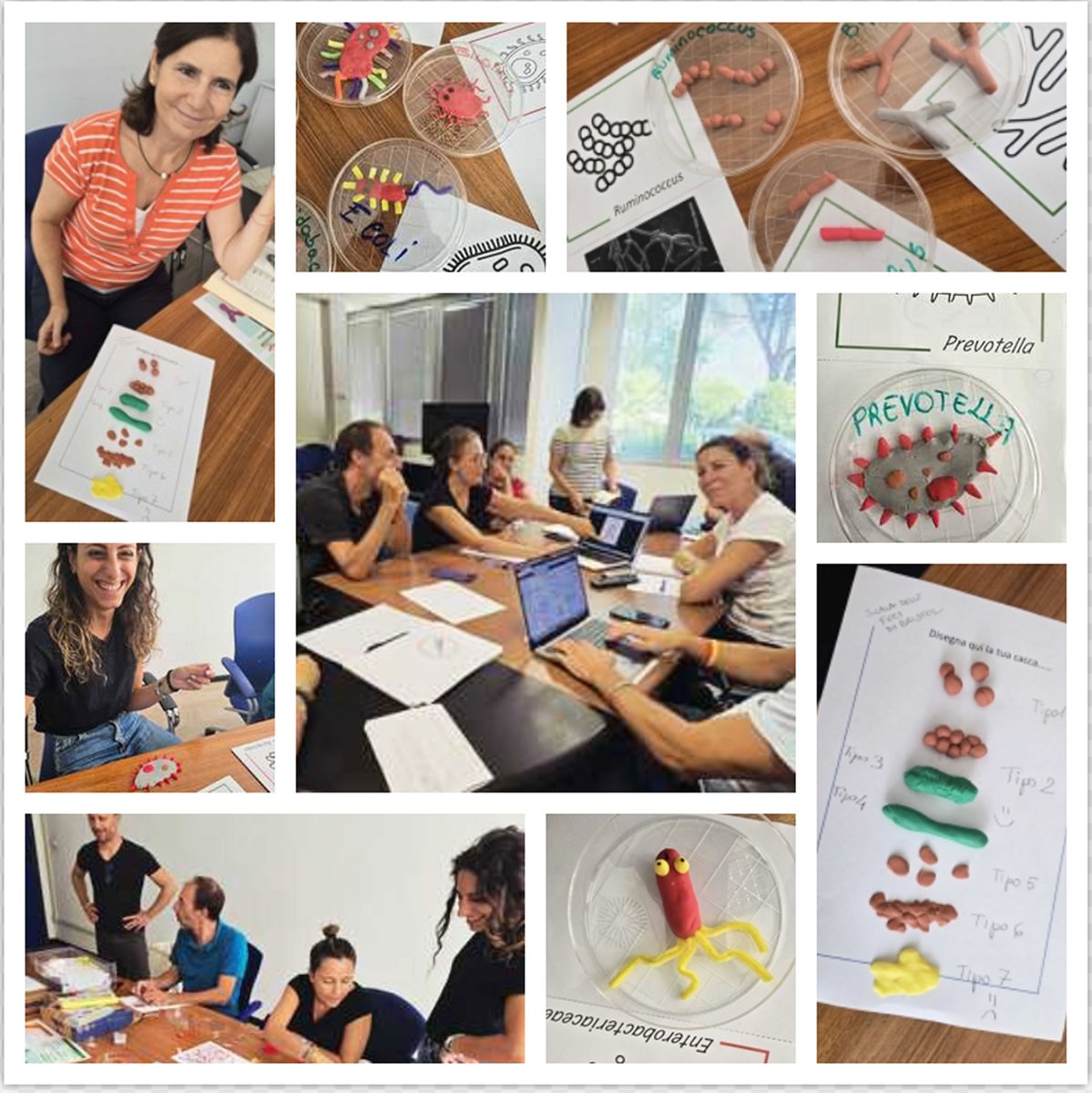
🧠🦠 alla #NotteDeiRicercatori2025 scopri come il microbioma intestinale influenza la nostra mente!
🎨 Dai forma al tuo microbioma con i ricercatori di #Cnr_Ibbc🔬 Osservalo su piastra coi tuoi occhi
Ti aspettiamo!👇
nottedeiricercatori-i4scienc…
#i4science @CNRsocial_ @biotechweek
3
6
91
31 Jul 2025
Great wisdom on deal-making, partnerships, leadership, and CEO excellence in a #DrugDiscovery
@BiotechTV @Biotech2k1 @learnbiotech @biotechweek @AndyBiotech @IAmBiotech
31 Jul 2025

Sophie Kornowski sold Boston Pharmaceuticals to GSK for up to $2 billion.
@daphnezohar interviewed Sophie for @BiotechTV.
It's PACKED with wisdom on deal-making, partnerships, leadership, and CEO excellence.
16 bullet points from my notes:
1. You have to create an asset that's valuable to patients. If it's valuable to patients, it'll be valuable to pharma.
2. You always have to think about differentiation. There are only two avenues: best in class or 1st in class. There is nothing else.
3. You don't do something because you have a little bit of money and you have a drug. You gotta be very careful when you go into that direction, when you don't have a story behind your asset.
4. You wanna talk to pharma at the right time, in the right way, but you can never bet on a deal happening. You can, however, bet on your molecule to be truly differentiated in patients who really need it, on physicians who are really excited about it, as well as KOLs who really guide you to the right development path.
5. CEOs have to listen to pharma; you learn a ton from interacting with your future acquirer or at least a potential customer.
6. Investors guide you on what can differentiate your asset or what to be careful about.
7. It's a business of people. You acquire an asset, but you mostly acquire the people who have been built into this asset. So you want to make sure that you interact with people you are aligned with philosophically and ethically.
8. The deal is only the beginning. You sign the deal, everybody's excited. But now what about the drug?
9. You are here not to sell but to listen. You are here to tell the story of your molecule, explain why you thought the way you thought, and absorb feedback so that you can incorporate it.,
10. This is a dialogue, just the same way it continues to be a dialogue in some ways, even after a deal, because there are always things to talk about.
11. I talk about the healthcare professionals who are going to use the drug for the patients. If you listen to the healthcare professional, the opinion leader and understand what your competition is working on, chances are you will really put yourself into the best possible position to take your asset where you should.
12. Not everything is always possible with a molecule. And sometimes you have to realise... this is not gonna work at this stage. It's not differentiated enough, it's too late...
13. If you are sticking to what this is for, it's about saving people's lives. It's about improving people's lives. It's about giving them a bridge to the next treatment. If you understand this well enough, chances are you will design the right development plan,the right path for access, the right path for approval, and the right path for potential deal-making.
14. We had to have parallel paths, which is often what CEOs do, creating another layer of complexity.
You don't stop anything. You just prioritize a little bit. Then, you have to have very clear milestones. If this is not happening by then, we're gonna do something else. You should never hope right into data. What signal am I getting with the data? That allows me to make a decision. You have to be analytical from the start of your process to the end of your process. You cannot just have open prayers—they are not going to make it. You gotta be analytical.
15. There are the patients, the team, and investors, and you have to focus on the three of them because they all have to be served, and they all deserve your attention.
Before you're in deal mode, the patients and team go way first—of course, the investor as well, but you are building something so that you can fight a bit more for what you need for your asset. When you're going to deal mode, respect for your investor is an absolute priority. You still want to do right by everyone, but you're not on your own anymore, running the company at this stage.
16. When you're fighting for what's best for the asset for the company. I think that's when you're most compelling. Sometimes people are fighting for themselves or their ego. And that's when I think they're less compelling and less persuasive.
4
359
26 Jul 2025
#Vaccines M&A on the run🏃🏃
Congratulations #Vicebio Team for the recent transaction with @sanofi 👏
This is a great example you can be innovative, taking base science from the university (in Australia), deliver superb preclinical data, enter Phase1 clinical study and deliver such a great return to all the stakeholder👏
$1.6bln in total ($1.15bln in upfront) at Phase1 is great example you dont have to get to market regulatory approval to reach a $bln mark - science has to be great and all biz/corp fin/ corp gov teams has to be strong 🚀
Congratulations to @sanofi 💪
You will add to your portfolio great technology, great targets (#RSV and #hMPV) and within your existing portfolio you will play a key role in viral infections space. Well done 🙏
And most important - this is Europe. It will come to Europe and it will be European 🧬🙇
@EuropaBio @CE_BioForum @bioinmed @IAmBiotech @biotechweek @AndyBiotech @learnbiotech @gavi @EUeic @EIF_EU @EIB @EITHealth

We’ve entered into an agreement to acquire Vicebio. This brings an early-stage combination vaccine candidate for RSV and hMPV, both respiratory viruses, and expands capabilities in vaccine design and development with ‘Molecular Clamp’ technology. Read more ⬇️
1
2
472
28 Nov 2024
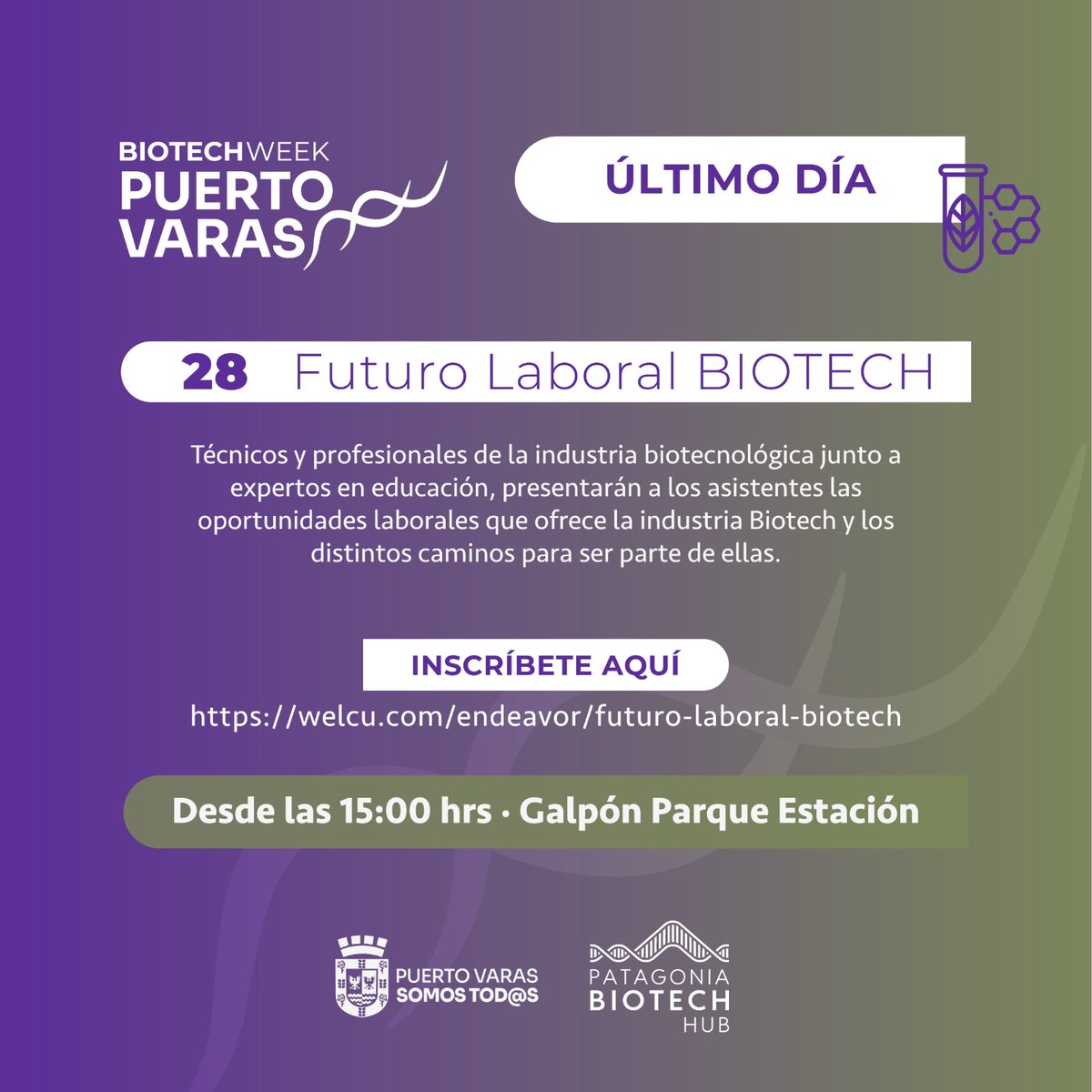
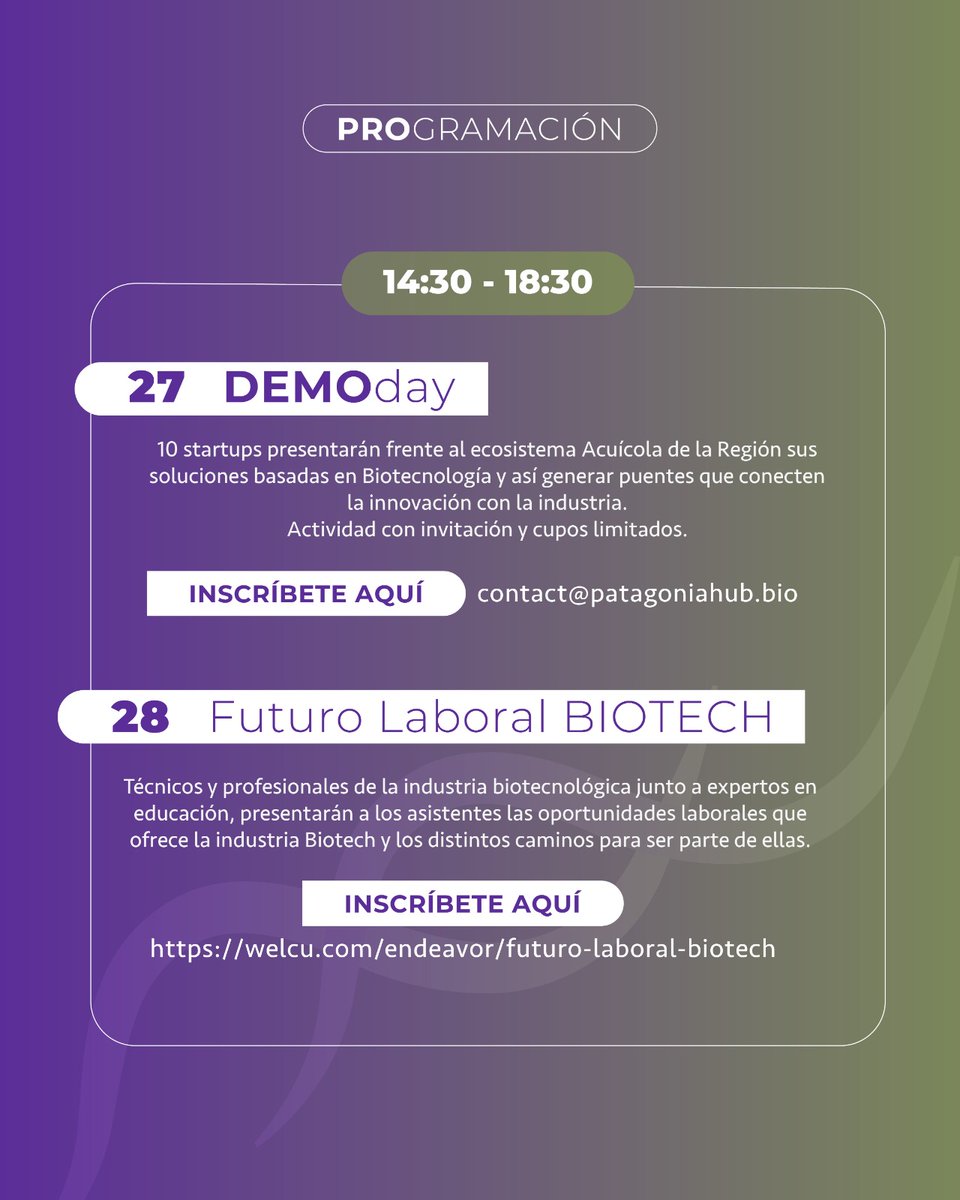
#BiotechWeek 🧬 Hoy jueves 28 de noviembre es la última jornada del principal evento de ciencia e innovación de #PuertoVaras
Desde las 15:00 horas abordaremos los desafíos del “Futuro Laboral Biotech” que impulsa la Biotecnología, en la región con un enorme potencial.
2
3
775
22 Nov 2024
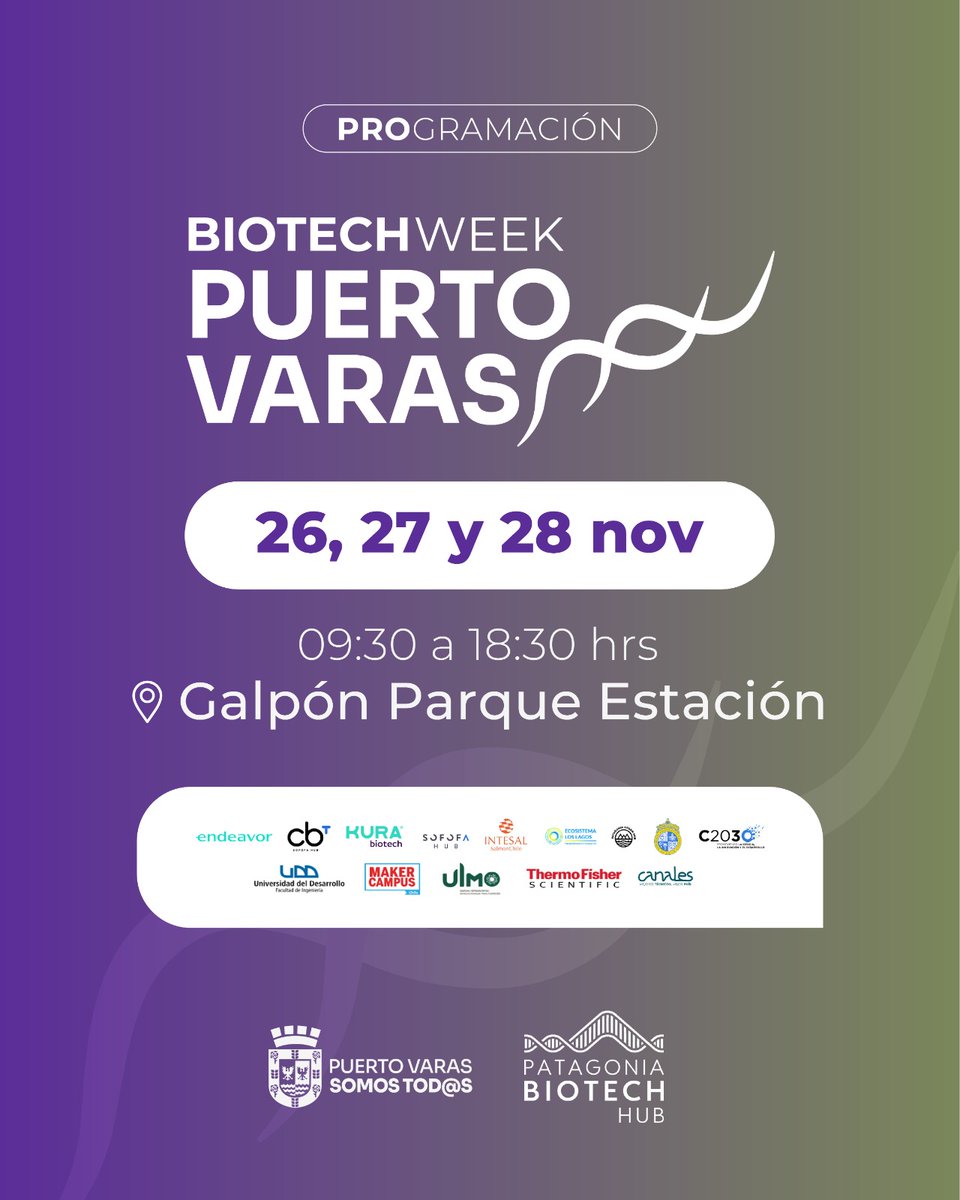
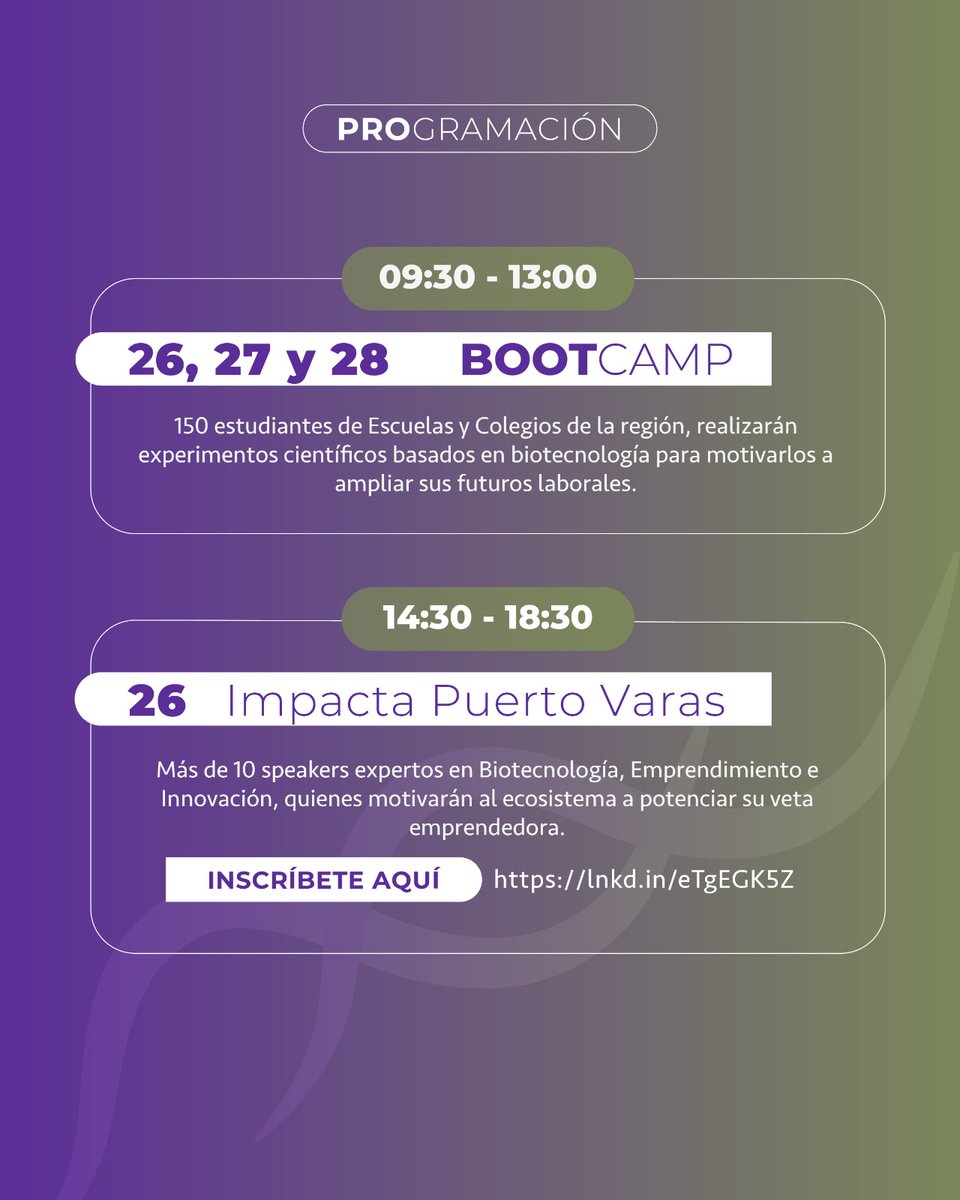
🧬#BioTechWeek #PuertoVaras
👩🔬Explora talleres interactivos, charlas inspiradoras y proyectos innovadores que marcan tendencia en el sur de Chile.
Invita:
Municipalidad de Puerto Varas y Patagonia Biotech Hub
📆26-27-28 nov.
📍 Galpón Parque Estación
⌚09:30 a 18:30 horas
2
302

1 Oct 2024
#biotechweek 2024: Quali sono le tecnologie a nostra disposizione per fare miglioramento genetico? Che cos’è il Genome-Editing? Perché i ricercatori scommettono così tanto su questa nuova tecnologia? 🧬
@SocialMasaf
@biotechweek
@AssobiotecNews
youtube.com/watch?v=Y1_QLrfo…
3
2
86

30 Sep 2024
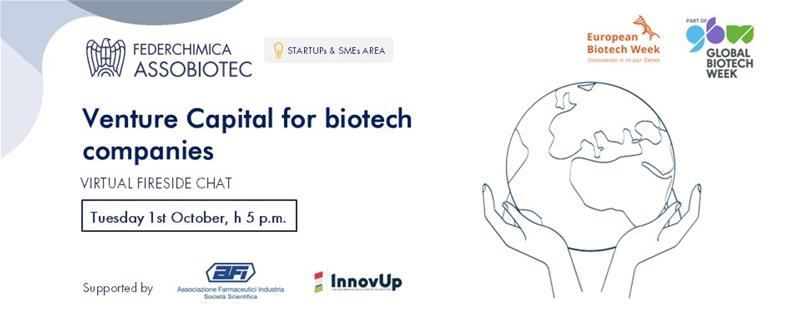
Per la #biotechweek #EBW2024 domani 1.10 h 17: virtual fireside chat "Venture capital for biotech companies". @pigiparacchi, Assobiotec e @GenentaScience, dialogherà con Ana Bernardo Gancedo, Senior Associate NATO Innovation Fund (NIF).
Registrazioni: bit.ly/3TNUvWQ
1
3
129
26 Sep 2024
#biotechweek 2024: scopriamo la canapa, una coltura antichissima e con caratteristiche di sostenibilità
@SocialMasaf
@biotechweek
@AssobiotecNews
youtube.com/watch?v=DmJmQDg2…

1
3
85

25 Sep 2024
The countdown Begins: Our Biotech Center of Excellence in Parma is almost ready!
This cutting-edge facility is set to redefine biotech innovation in Italy and Europe.
👉 Watch our teaser for a sneak peek!
#EBW2024 #BiotechWeek #ChiesiGroup #ChiesiThePlaceToBe @AssobiotecF
4
473
25 Sep 2024
#biotechweek 2024: ❓Cosa sono gli stomi e a cosa servono❓percorriamo il viaggio alla scoperta di come una pianta può produrre con meno acqua, limitandone la perdita grazie alle foglie 👇
@SocialMasaf
@biotechweek
@AssobiotecNews
youtube.com/watch?v=M2fQbLDF…
3
3
106
24 Sep 2024
#biotechweek 2024: La genetica al supermercato con @luigicattivelli: quali prodotti sono "come una volta" e quali "nuovissimi" ? per andare oltre la pubblicità e quello che è descritto in etichetta 👇
@SocialMasaf
@biotechweek
@AssobiotecNews
youtube.com/watch?v=BRJKIF5L…
3
3
107
24 Sep 2024
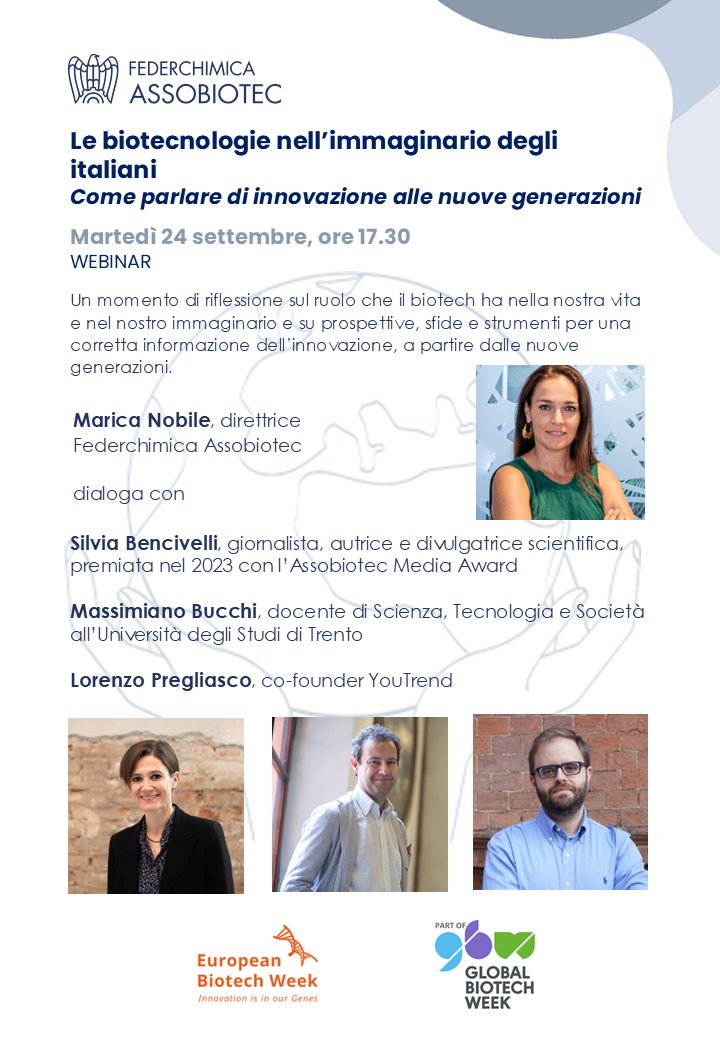
🔎Quanto sanno gli italiani di #biotech? Come parlare alle nuove generazioni di #biotecnologie e innovazione?
📆Ne parleremo oggi alle 17.30.
👉Per accedere al webinar: bit.ly/3MXLzuk
🧡🌍#biotechweek #ebw2024
2
5
228

24 Sep 2024
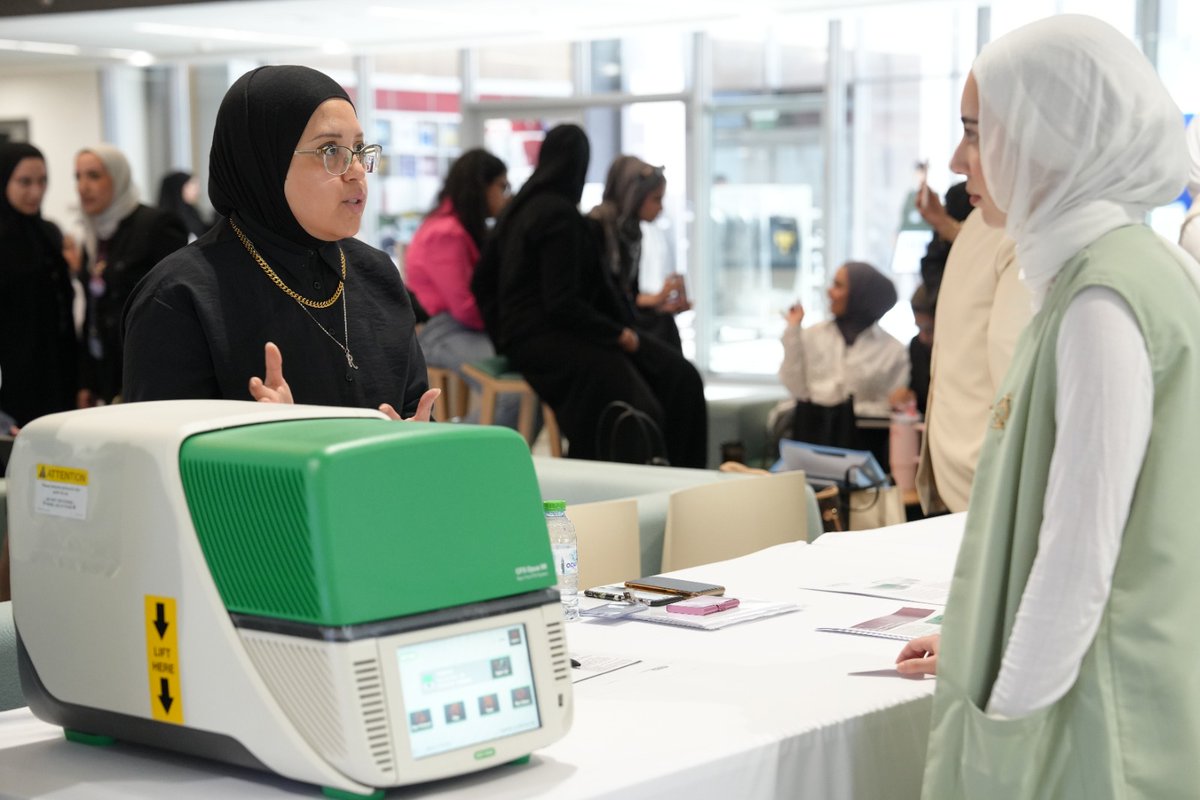
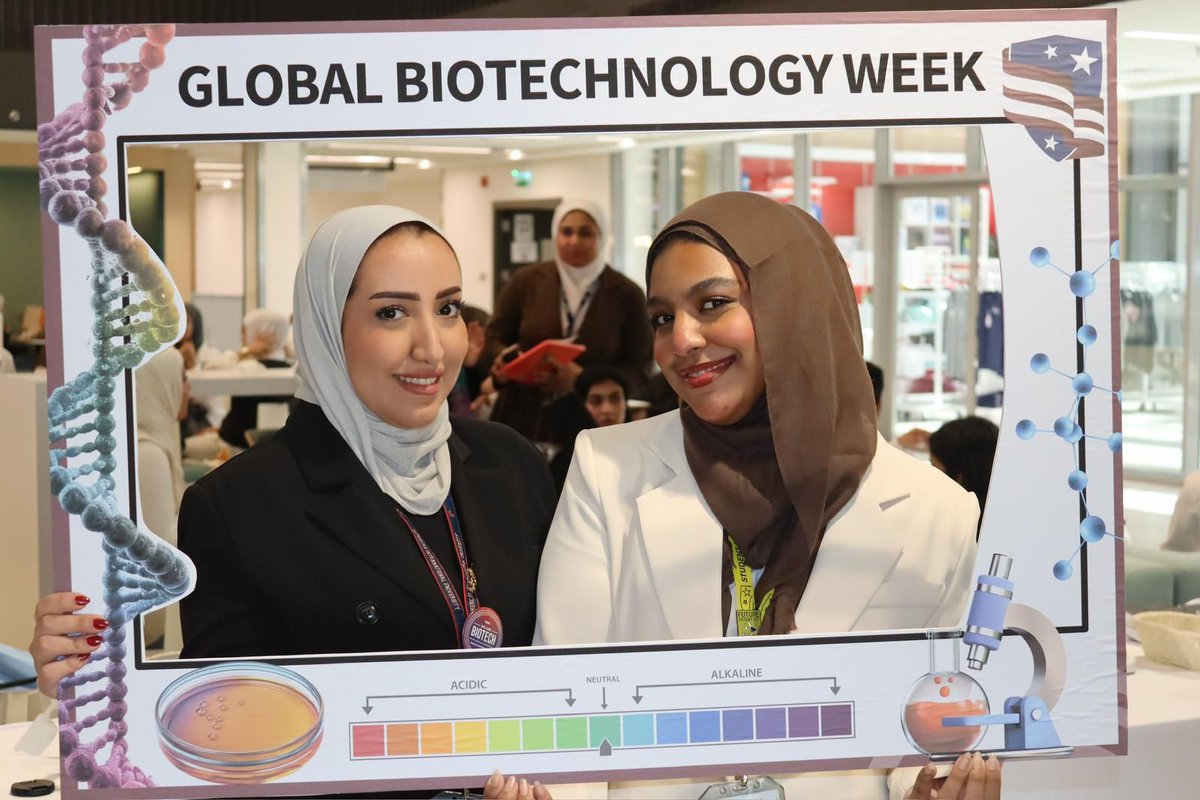
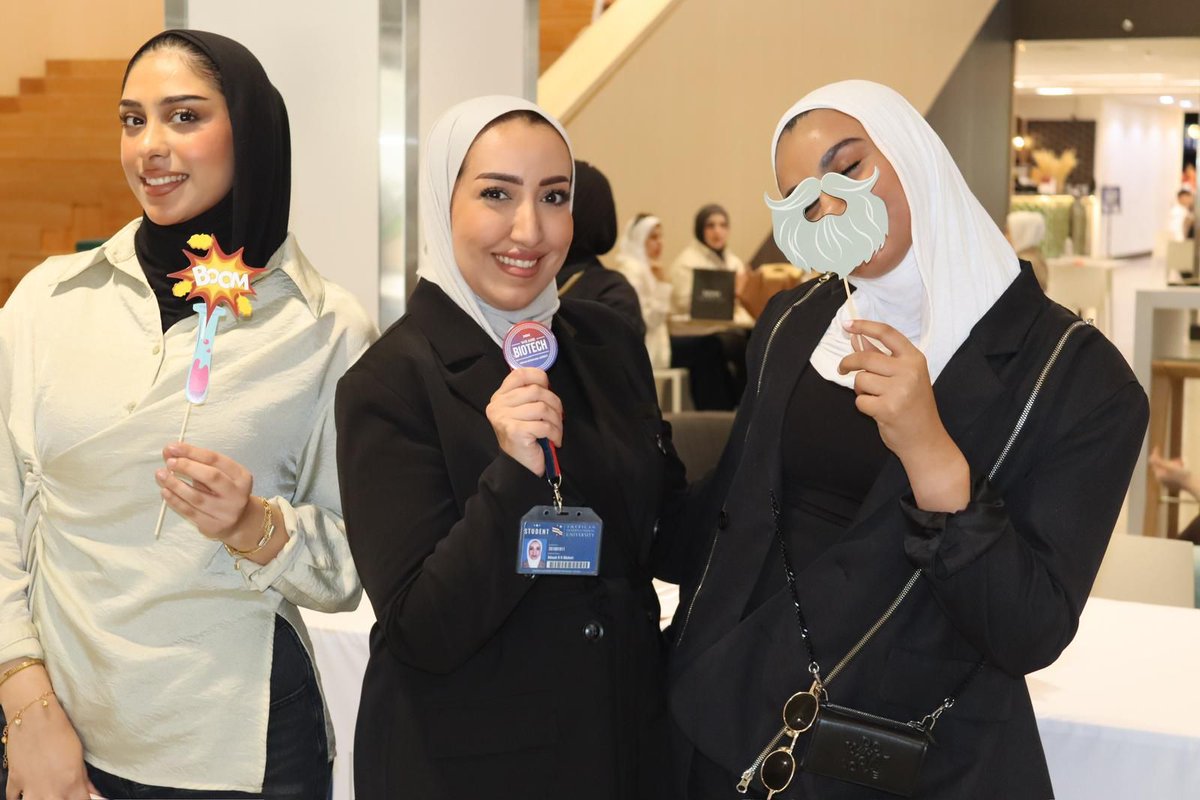
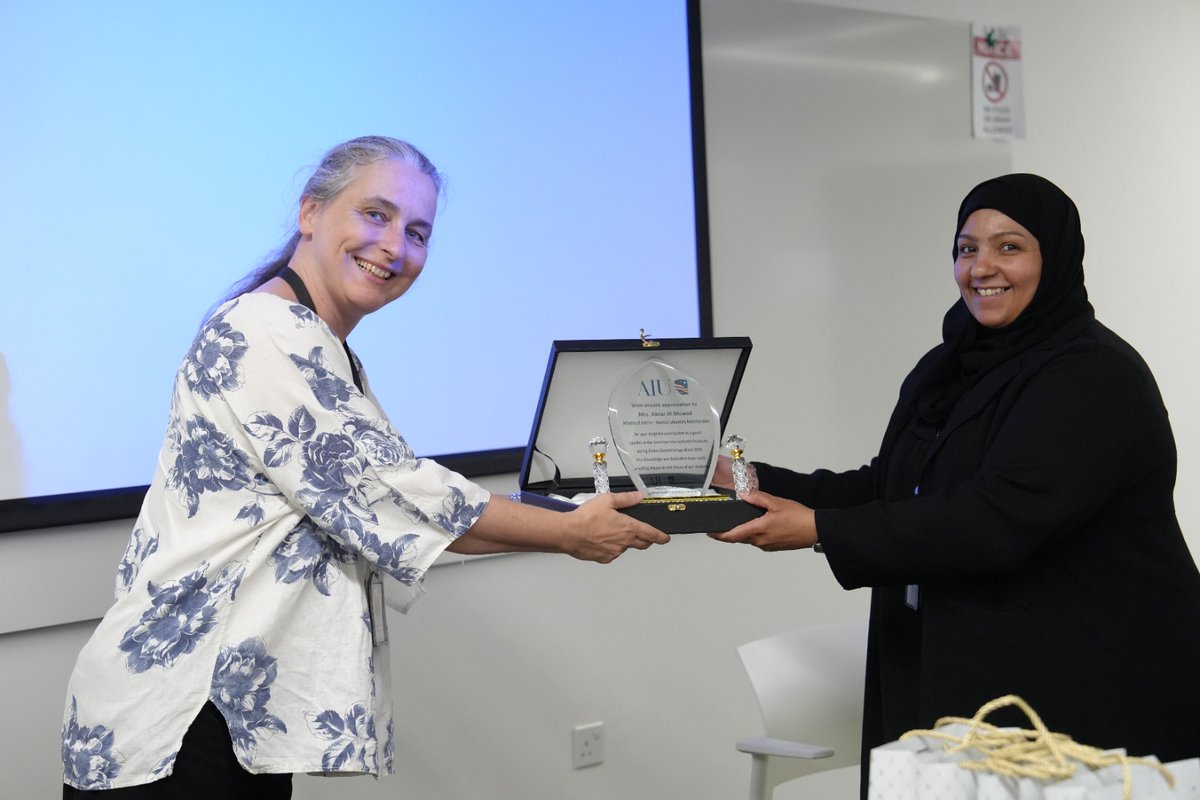
Day 1 of AIU Biotech Week is off to an inspiring start! 🌱🔬 With groundbreaking discoveries, innovative research, and the amazing support of ATC, the energy is truly electric. Stay tuned for more exciting insights and moments as we continue this incredible journey!
#BiotechWeek #InnovationInAction #FutureOfScience #ATCPartners #AIU_KW #AIU #Kuwait #AIUBiotech
3
572

23 Sep 2024
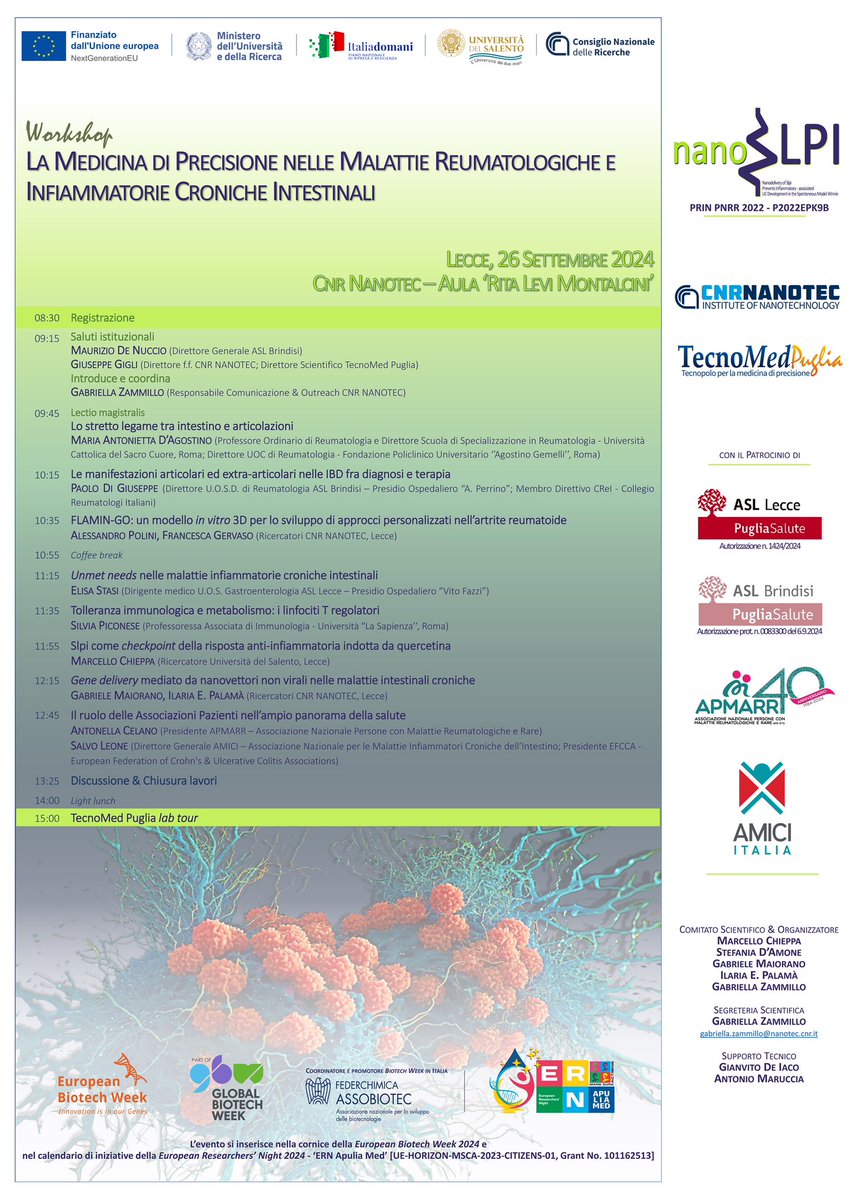
📣 #Workshop
“La medicina di precisione nelle malattie reumatologiche e infiammatorie croniche intestinali”
📍Lecce, 26.09.2024
@CnrNanotec e #TecnoMedPuglia @biotechweek
@AssobiotecNews
#ERNApulia_MED
@CNRsocial_
cnr.it/it/evento/19395
#nanoSLPI - PNRR2022
2
5
248

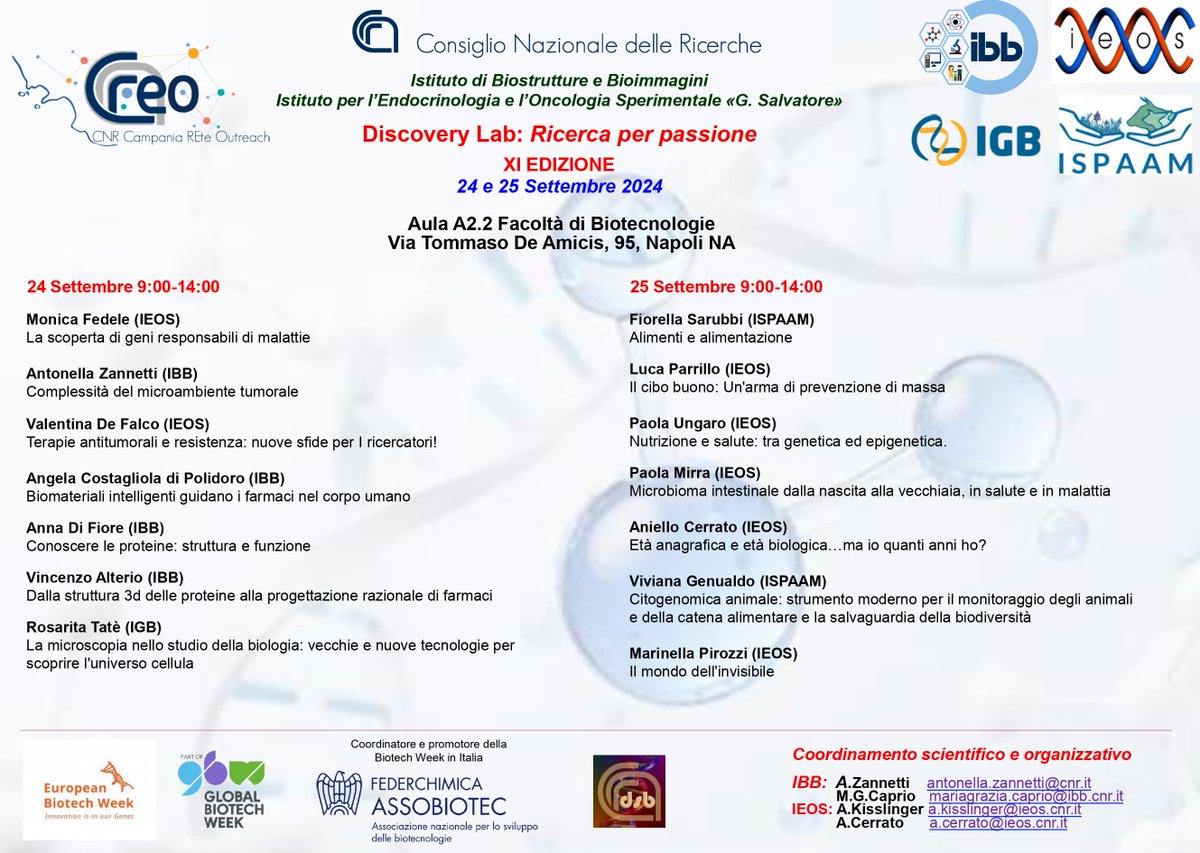
“Discovery Lab: Ricerca per passione” XI Edizione.
A cura degli istituti IBB e IEOS, con la partecipazione di IGB e ISPAAM afferenti alla rete CREO CNR.
link al programma assobiotec.federchimica.it/a…
@CNRsocial_ #biotechweek
@CREO_CNR @AssobiotecNews
4
15

13 Sep 2024
13 Sep 2024

Mancano pochi giorni all'apertura della XII edizione della #BiotechWeek (24.09/1.10). Oltre 90 gli appuntamenti nel calendario nazionale, tutti ad accesso gratuito. Scopri nell'articolo gli eventi organizzati dall'associazione e dalle imprese associate: bit.ly/4gzdb6G
1
1
3
140