
BPC-157 has almost no actual human data and there is no evidence based defense of its use in humans at this point.
What we know:
-BPC-157 accelerates tissue healing in rats across a remarkable range of injury models. It appears to work through angiogenesis, NO modulation, and growth factor pathways. It has no established lethal dose in animal toxicology. It is stable in gastric juice and appears to have oral bioactivity in animals.
What we don't know:
-Whether any of this translates to humans. Whether it's safe with chronic use. Whether it promotes occult cancers. What the optimal dose, route, and duration are in humans. Whether the purity of commercially available product is adequate for injection. Why a phase II trial from the early 2000s went unpublished. Why, after 30 years of "promising" data, no pharmaceutical company or independent group has run a proper human trial.
The near-total absence of published human clinical data, combined with single-lab dominance, an unpublished Phase II trial, regulatory prohibition, uncontrolled supply chains, and a theoretical cancer concern, means that anyone using it is essentially running a self-experiment with an investigational compound of uncertain purity

Joe Rogan takes BPC-157. Huberman takes BPC-157. The US Health Secretary called himself a “big fan” of peptides.
Your doctor has never heard of it.
BPC-157. 15 amino acids. Found in your own stomach juice.
Rogan had elbow tendonitis nothing could fix. BPC-157 — gone in two weeks. Called it “Wolverine shit.”
Huberman had chronic back pain from a herniated disc. Two injections. Years of pain — gone. He’s a Stanford neuroscientist. He doesn’t exaggerate.
RFK Jr. uses peptides for his own injuries. The FDA is now reclassifying BPC-157 toward legal access.
in studies:
→ REGREW severed nerves
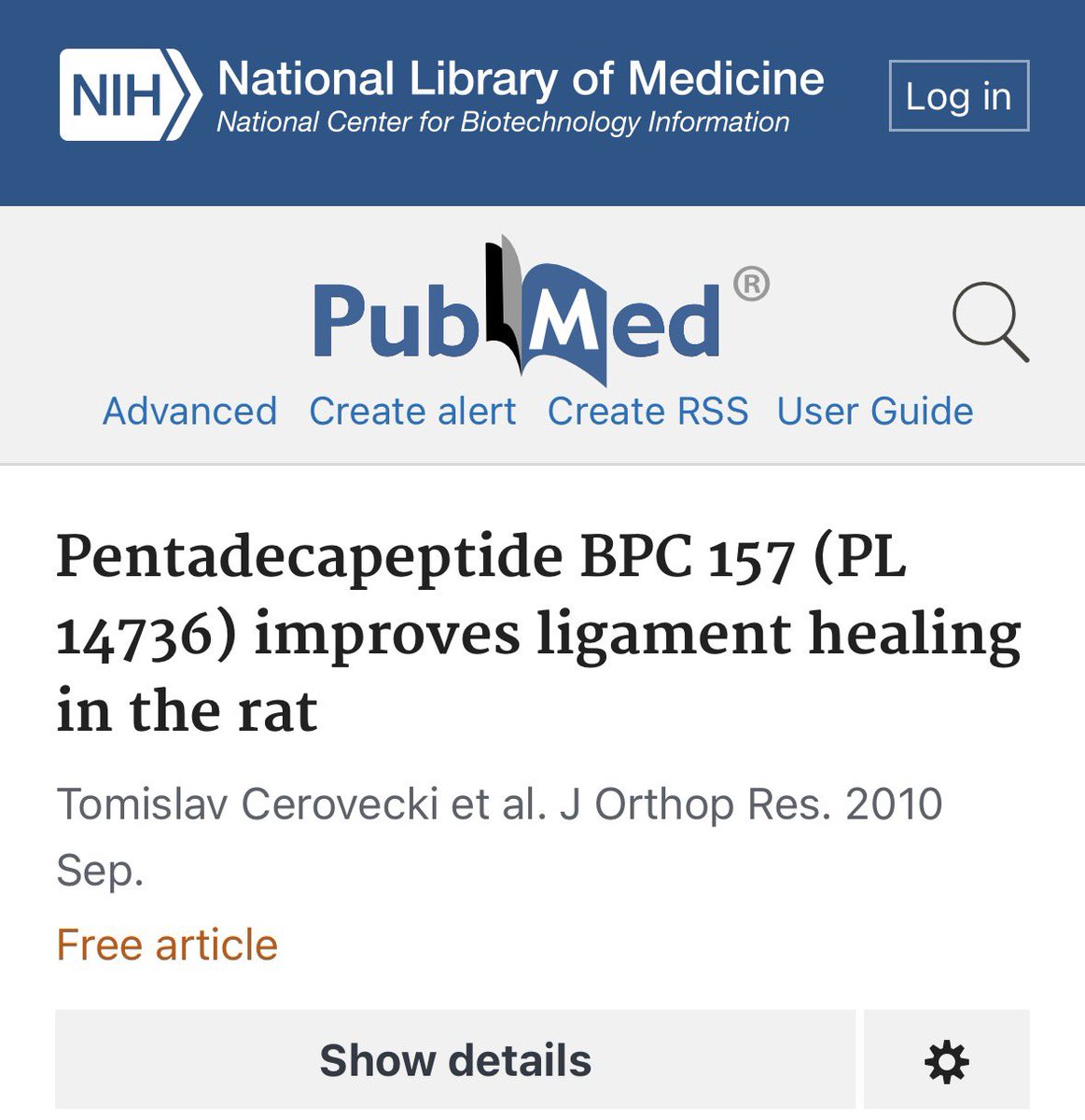
→ REBUILT torn ligaments — oral worked
→ REATTACHED tendon to bone
→ 90% relief in 16 knee patients
→ REVERSED alcohol damage across 7 organs
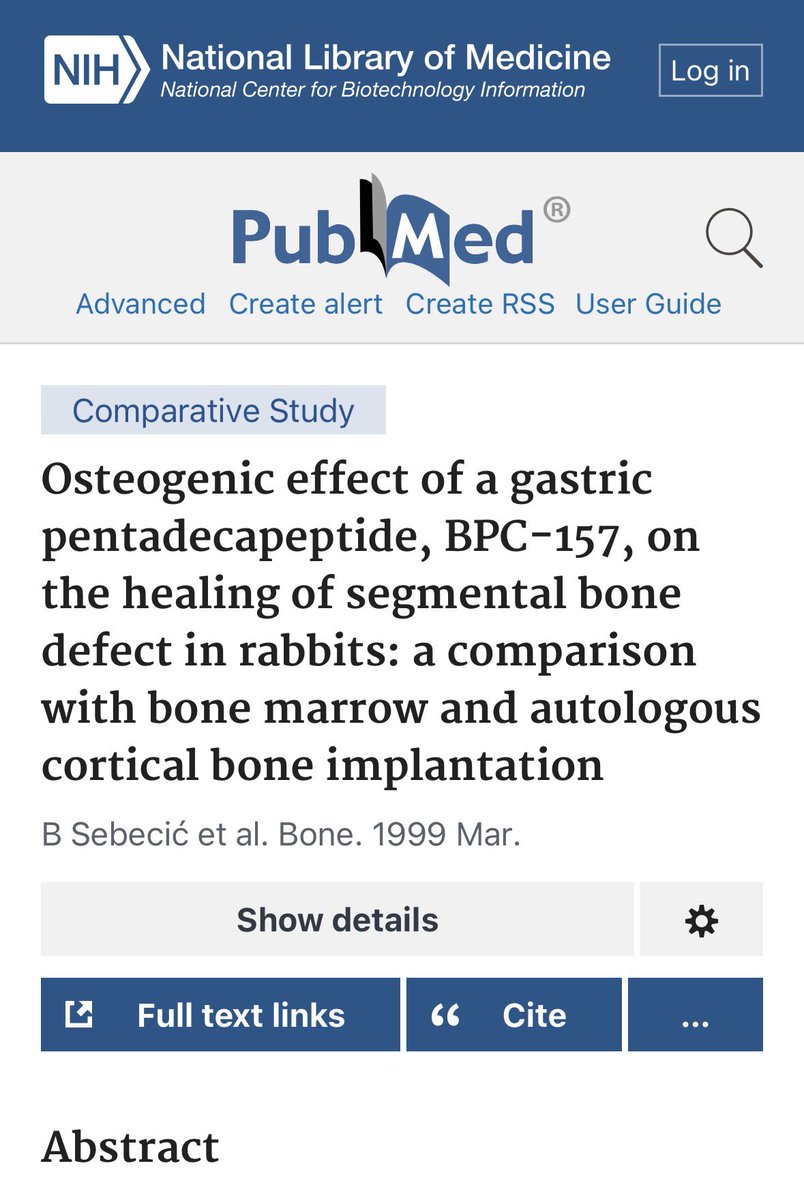
→ HEALED bone defects comparable to grafts
“doesn’t it cause cancer?”
let me be clear:
→ in 30 years of research — NOT ONE documented case of BPC-157 causing or promoting cancer. not one.
→ a 2018 study actually REDUCED tumor formation
→ the angiogenesis BPC triggers is REGULATED — it heals damaged tissue and stops. tumor growth uses different pathways entirely.
but — if you have an active cancer diagnosis, don’t take it. not because the data shows harm. because it hasn’t been tested in cancer patients specifically. that decision belongs to your oncologist. not me. not a podcast. your oncologist.
30 years. zero lethal dose. zero cancer. used by the biggest names in health.
your doctor won’t mention it. your stomach already makes it.
I take it daily. source in the comments ↓
1
2
112
BPC-157 has almost no actual human data and there is no evidence based defense of its use in humans at this point.
What we know:
-BPC-157 accelerates tissue healing in rats across a remarkable range of injury models. It appears to work through angiogenesis, NO modulation, and growth factor pathways. It has no established lethal dose in animal toxicology. It is stable in gastric juice and appears to have oral bioactivity in animals.
What we don't know:
-Whether any of this translates to humans. Whether it's safe with chronic use. Whether it promotes occult cancers. What the optimal dose, route, and duration are in humans. Whether the purity of commercially available product is adequate for injection. Why a phase II trial from the early 2000s went unpublished. Why, after 30 years of "promising" data, no pharmaceutical company or independent group has run a proper human trial.
The near-total absence of published human clinical data, combined with single-lab dominance, an unpublished Phase II trial, regulatory prohibition, uncontrolled supply chains, and a theoretical cancer concern, means that anyone using it is essentially running a self-experiment with an investigational compound of uncertain purity
3
324

Functional Characterization of a Novel Flavonoid O-methyltransferase From Polar Pedobacter sp. PAMC26386 and Bioactivity Assessment of Flavonoids. dlvr.it/TT249p
3


📅 5 years ago:
Could an Amazonian plant help fight mosquitoes, mites, and parasites?
doi.org/10.1051/parasite/202…
This review of Piper aduncum essential oil revealed bioactivity against pests and pathogens, highlighting its potential as a natural alternative to conventional pesticides.
Now highly cited!

ALT https://commons.wikimedia.org/wiki/File:Starr_021122-0053_Piper_aduncum.jpg CCBY
3
5
139

✅ Yep, propolis is bee-made from plant resins and packs 300 compounds with antimicrobial, antiviral, antifungal, anti-inflammatory, and even lab-tested anticancer effects. ✅ It can hit MRSA in lab tests and even boost mupirocin’s punch. ✅ WWII docs really used it for wounds when supplies were scarce. ❌ But bees aren’t wallpapering *every* hive surface with it or killing microbes instantly — that’s overstated. 🤔 Lab results ≠ proven hospital cures yet. In short: promising, centuries-old remedy with real bioactivity, but human clinical proof is still catching up.
Detailed fact check here:
araistotle.facticity.ai/c/a1…
12

Jun 12
🐟#New_Publication from #Fishes!
Comparative In Vitro Bioactivity of Traditional Aqueous and Alcoholic Preparations of Arnica (Chiliadenus glutinosus): Effects on Marine Fish Pathogens, PLHC1 Cells and Gilthead Seabream (Sparus aurata) Leucocytes
👉mdpi.com/2410-3888/11/5/281

24

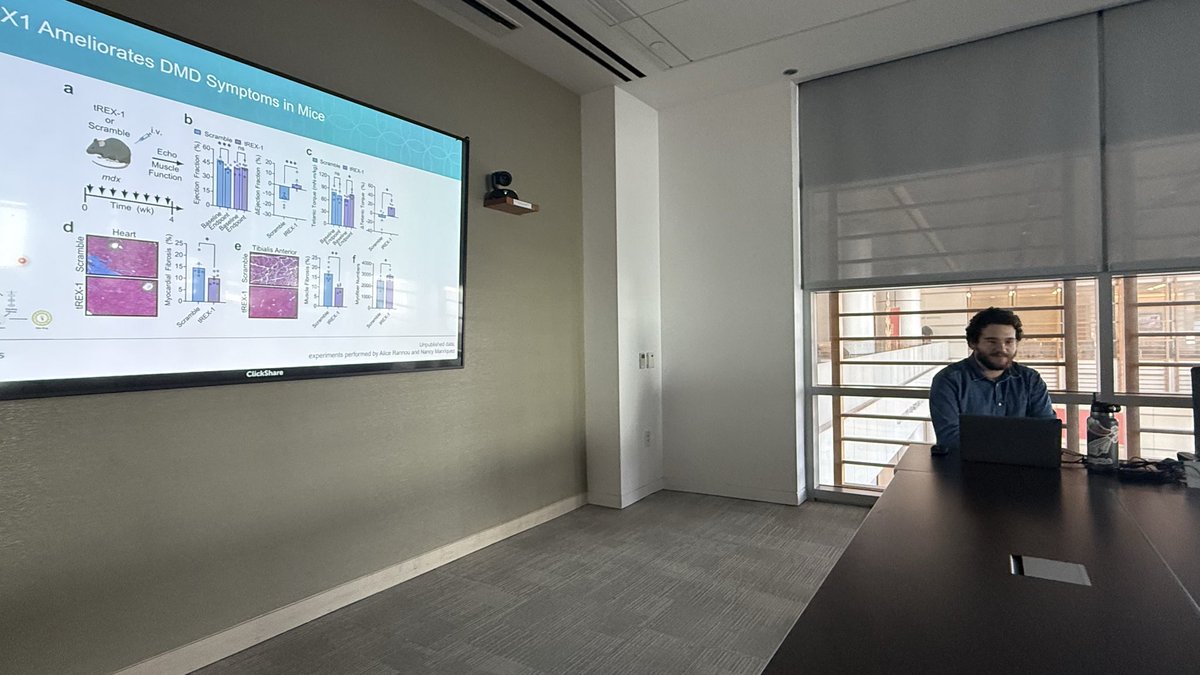
Working with @rrogerslab of Cedars-Sinai, Jonah Zarrow, PhD has developed new #exomers with RNase-resistant backbones & bioactivity against #DNA damage. Supported by our #T32 postdoctoral training grant from @NIH
1
5
14
659

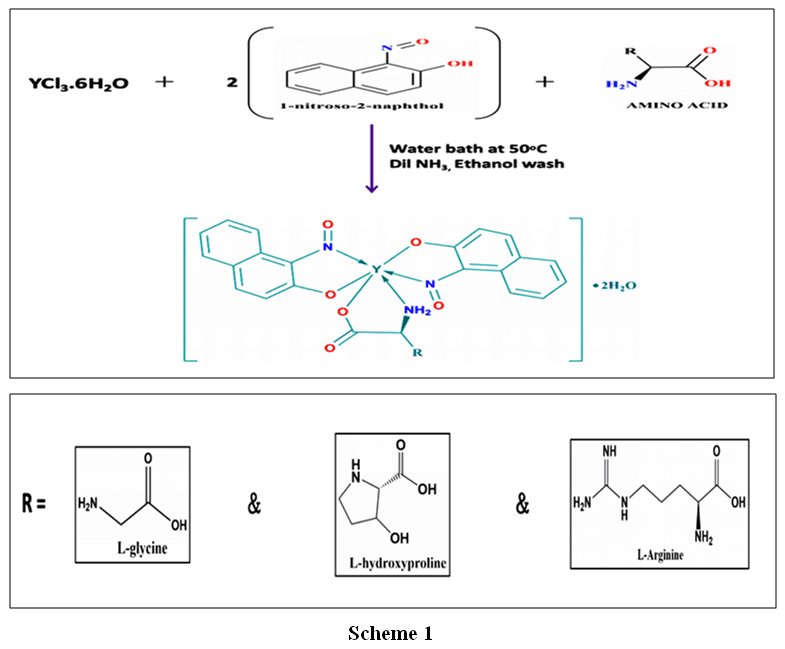
Mixed-Ligand Yttrium(III) Complexes: Spectroscopic Characterisation, Methodological Insights, and Bioactivity Assessment
Read the Article here: bit.ly/4esLddw
#Antimicrobial #Aminoacids #DPPH #1nitroso2naphthol #Spectroscopy #Yttriumternarycomplexes #chemistry
7

When it comes to vasoactive intestinal polypeptide (VIP), it is a 28-amino-acid neuropeptide widely distributed in the nervous system and gastrointestinal tract.
In penile erection, VIP acts as a supportive pro-erectile neurotransmitter/neuromodulator, primarily at the peripheral level.
Its production follows the classic pathway for neuropeptides: gene expression → pre-pro-protein synthesis → proteolytic processing → mature peptide.
Here’s the 101:
1. Gene and transcription
Encoded by the VIP gene on human chromosome 6q25.
The gene also encodes peptide histidine isoleucine (PHI) or peptide histidine methionine (PHM) in humans (a related 27-amino-acid peptide co-produced with VIP).
Transcription occurs primarily in neurons (cholinergic/parasympathetic, sensory) and some immune cells such as mast cells and lymphocytes.
Regulated by neuronal activity, growth factors such as NGF and cytokines.
2. Translation and initial processing
Translated as a pre-pro-VIP precursor (~170 amino acids).
Pre-sequence (signal peptide) is cleaved in the endoplasmic reticulum → pro-VIP (~150 amino acids).
Pro-VIP contains:
N-terminal signal
PHM/PHI sequence
Connecting peptide
VIP sequence
C-terminal extension
3. Post-Translational ProcessingIn secretory vesicles:
Prohormone convertases (PC1/3 and PC2, common in neurons) cleave at dibasic sites (Lys-Arg or Arg-Arg).
VIP and PHM are excised as separate peptides.
C-terminal glycine on pre-VIP is used by peptidylglycine α-amidating monooxygenase (PAM) → amidation of VIP’s C-terminus (essential for bioactivity).
Final mature VIP sequence: His-Ser-Asp-Ala-Val-Phe-Thr-Asp-Asn-Tyr-Thr-Arg-Leu-Arg-Lys-Gln-Met-Ala-Val-Lys-Lys-Tyr-Leu-Asn-Ser-Ile-Leu-Asn-NH₂.
4. Storage and release
Packaged into large dense-core vesicles (co-stored with acetylcholine and nNOS in parasympathetic nerves).
Released by high-frequency neuronal stimulation (Ca²⁺-dependent exocytosi
In penile tissue: Released from cavernous nerve terminals upon parasympathetic activation.
Ao VIP binds VPAC1 and VPAC2 receptors (Gs-coupled GPCRs) on cavernosal smooth muscle → adenylate cyclase activation → cAMP ↑ → PKA → hyperpolarization (K⁺ channels), reduced Ca²⁺ sensitivity, myosin dephosphorylation → relaxation.
Primary effect: Enhances veno-occlusion (traps blood) more than arterial inflow.
Synergizes with NO (cGMP pathway); some independence (not blocked by NOS inhibitors).
In hypogonadal models (low testosterone), VIP effects stronger due to VPAC2 upregulation.
Nov 1: Androgens (testosterone) upregulate VIP expression/content in penile nerves.
Note 2: Diabetes decreases VIP nerve density/content.
Note 3: When it comes to using VIP, you have to test your inflamattory markers first since it can lead to T-cell exhaustion and also, there’s no evidence that it’s quite effective when it comes to ED. So most likely, lowering inflammation and relaxing will do more for you.
Now two peptides that can help you are PT-141 and BPC-157.
We have discussed these in the peptide series but here’s the 101 for both.
PT-141, also known as bremelanotide, is a cyclic heptapeptide and an active metabolite of Melanotan II.
Its chemical structure is: Ac-Nle-cyclo[Asp-His-D-Phe-Arg-Trp-Lys]-OH.
It acts as a non-selective agonist of melanocortin receptors (primarily MC3R and MC4R, with some activity at MC1R, MC3R, MC4R, and MC5R.
Originally developed from research on α-melanocyte-stimulating hormone (α-MSH) analogs for sunless tanning, it was found to induce sexual arousal as a side effect.
Primary approved use:
FDA-approved (since June 2019) under the brand name Vyleesi for the treatment of generalized acquired hypoactive sexual desire disorder (HSDD) in premenopausal women, where the low desire is not due to medical, psychiatric, relationship, or substance-related issues.
Administered as a subcutaneous autoinjector (1.75 mg dose) at least 45 minutes before anticipated sexual activity.
Off-label and investigational uses:
Broad off-label use in men for erectile dysfunction (ED), particularly in PDE5 inhibitor (Viagra, Cialis) non-responders and for low libido.
Potential benefits in both sexes for psychogenic or mixed-origin sexual dysfunction, where vascular treatments fall short.
Mechanisms of action.
Unlike PDE5 inhibitors that enhance penile blood flow via peripheral nitric oxide pathways, PT-141 acts centrally in the brain:
Primarily agonizes MC4R (and MC3R) in hypothalamic regions, triggering neural circuits for sexual motivation and arousal.
Enhances dopamine release in key areas (e.g., medial preoptic area), boosting desire, mood, and sexual confidence.
Indirectly increases genital blood flow through CNS effects, without direct vascular action.
May improve subjective arousal, orgasm intensity, and overall sexual satisfaction by modulating pleasure/reward pathways.
This central mechanism makes it effective for desire-driven issues, even when vascular health is intact.
Core benefits:
Significantly increases sexual desire and arousal in approved (women) and off-label (men/women) populations.
Restores erectile function in difficult cases, including PDE5 non-responders (synergistic when combined).
Elevates mood, reduces performance anxiety and intensifies pleasurable sensations/orgasms via dopaminergic effects.
Works regardless of underlying vascular limitations; valuable for psychological, hormonal, or stress-related low libido.
Administration:
FDA-approved: Vyleesi subcutaneous autoinjector (thigh or abdomen).
Research/off-label: Often supplied as lyophilized powder (10 mg vials) reconstituted with bacteriostatic water for subcutaneous injection; some compounding pharmacies offer nasal sprays (though intranasal was discontinued early due to BP variability).
Potential risks:
Most common: Nausea (40%, often worst on first dose; may require anti-nausea meds like ondansetron), flushing (20%), headache (11%), injection site reactions (13%), transient blood pressure increase (systolic ~6 mmHg, diastolic ~3 mmHg), fatigue, dizziness.
Hyperpigmentation: Focal skin darkening (face, gums, breasts) – rare at recommended dosing (<8/month), but occurs in >1/3 with daily/high-frequency use; may be permanent in some cases, higher risk in darker skin tones.
Cardiovascular: Contraindicated in uncontrolled hypertension or significant heart disease.
Other: Vomiting, nasal congestion (if nasal form), no alcohol interaction (unlike flibanserin).
Long-term data limited: No fertility issues in animal studies, modest weight loss noted in some trials (via MC4R appetite effects).
Drug interactions: Slows gastric emptying, reducing oral absorption of some meds (naltrexone, indomethacin).
Now BPC-157, is derived from a protein found in human gastric juice and has the following 15 amino acid sequence: Gly-Glu-Pro-Pro-Pro-Gly-Lys-Pro-Ala-Asp-Asp-Ala-Gly-Leu-Val
Primary uses (based on preclinical and limited human data)
Accelerated healing of common gym/overuse injuries, such as elbow tendinitis, tendon/ligament tears, muscle strains, and post-surgical recovery.
Gastrointestinal tract protection and repair (ulcers, inflammatory bowel conditions, leaky gut).
Neuroprotection and potential nerve regeneration.
Support for chronic joint/connective tissue disorders (osteoarthritis-like models).
Cardiovascular benefits (improved blood flow, endothelial protection).
Liver protection in toxin-induced damage models.
Ongoing research areas: Spinal cord injury regeneration, corneal healing, and interstitial cystitis/bladder pain.
Other areas such as spinal cord regeneration, are under ongoing research.
The main mechanisms of action include:
Upregulates vascular endothelial growth factor (VEGF) expression (a protein that promotes new blood vessel formation) by activating the VEGF receptor 2 (VEGFR2) pathway that triggers the Akt-eNOS pathway, which increases production of nitric oxide (NO) in the blood vessel walls, resulting in enhanced tissue perfusion, aiding repair of muscles, tendons, ligaments and even bones since without adequate blood supply, injured tissues cannot heal properly.
Stimulates fibroblast proliferation and collagen deposition (which is also crucial for healing the gut lining).
Protects and repairs gastrointestinal mucosa by modulating tight junction proteins.
Downregulates Nos2 and Nfkb and thus reduces inflammatory responses.
Downregulates pro-inflammatory cytokines such as TNF-α, IL-6 and upregulates anti-inflammatory pathways.
Influences serotonin and dopamine systems in the gut-brain axis and it may promote nerve regeneration via growth factor pathways (JAK2 signaling).
Activates focal adhesion kinase (FAK)-paxillin complexes that move cells into the damaged areas to begin rebuilding tissue and early growth response gene 1 (Egr-1) is also activated (involved in cell growth, survival and blood vessel formation).
Administration Forms:
Oral: Highly stable in human gastric juice (>24 hours intact), making it effective for gut-focused issues (IBD models, ulcers).
Injectable (subcutaneous, intramuscular, or intra-articular): Preferred for localized tissue repair (near injury site) due to direct delivery and potentially higher local concentrations.
Potential risks:
Angiogenesis promotion could potentially exacerbate undiagnosed tumors.
Modulating tissue growth and repair mechanisms can ALWAYS, no matter the COMPOUND, negatively affect some autoimmune cases.
It’s also banned by WADA.
1
3
878
Now overall, these are the main mechanisms behind folate’s benefits.
You might read for example, that folate can help reduce endothelial dysfunction and think that this is an overstatement but it’s not even if we ignore what we just mentioned about this topic and approach this from the angle of elevated homocysteine.
Elevated homocysteine damages the vascular endothelium quite a lot.
Here are some mechanisms:
Oxidative stress: Homocysteine generates reactive oxygen species (ROS) via auto-oxidation or NADPH oxidase activation, depleting antioxidants and uncoupling endothelial nitric oxide synthase (eNOS) → reduced nitric oxide (NO) bioavailability.
Impaired NO production/bioactivity: Homocysteine inhibits eNOS activity, reduces tetrahydrobiopterin (BH4) cofactor, and promotes asymmetric dimethylarginine (ADMA) accumulation (an eNOS inhibitor).
Inflammation and adhesion: Upregulates pro-inflammatory molecules (ICAM-1, VCAM-1) → monocyte adhesion and plaque formation.
Folate counters this:
Or you might read that it can prevent prothrombotic and pro-atherogenic effects.
This can also be true since homocysteine promotes:
Platelet activation and aggregation.
Smooth muscle cell proliferation and extracellular matrix remodeling.
The upregulation of atherogenic genes or the inhibition of protective pathways.
1
1
81

Upgrade your endo protocol today. BC SEALER ion , next-gen bioactive cement combining calcium & magnesium for enhanced bioactivity and faster healing. Discover it now at brasselerusadental.com/ionpl…

33

Updated Post: Breast milk sharing can lead to dangerous dangers,...
Don’t cry over spilled milk — but watch out where your child’s next sip comes from.
In the last decade, curiosity in sharing breast milk — both formally, through milk banks, and informally, within close networks — has seen a spike among new mother and father.
In a 2017 assertion, the Academy of Breastfeeding Medicine famous that casual sharing had grow to be “increasingly common as 21st century families’ desire to feed their infants with human milk increases.”
But while donor milk can have major advantages when needed, not all strategies of acquiring it are created equal.
Breast milk “provides optimal nutrition [and] immune protection for the human infant.” But there are some circumstances in which infants can’t drink from their moms. GTeam – stock.adobe.com
Julie Ware, MD, president of the Academy of Breastfeeding Medicine (ABM), tells The Post that human milk “not only provides optimal nutrition, but it provides immune protection for the human infant.”
But transporting breast milk isn’t as simple as buying for a carton of 2%. The same properties that make breast milk so important for newborns are what make it probably dangerous if mishandled, particularly when it’s not going to be consumed recent or it’s coming from a source other than a child’s own mom.
Human milk banks are common, and settle for donations from nursing mother and father who have an extra of milk for whatever purpose, whether or not they’ve produced an excessive amount of for their own child, their child has an sickness that prevents them from breastfeeding, or their child has died.
At a normal milk bank, milk donors are first screened for HIV, Hepatitis B and other infectious ailments, as nicely as for use of medicine, alcohol and any medicines that are incompatible with breastfeeding, according to Ware.
After the pre-screening, the bank will check the milk for bacteria, medicine and pathogens, and will then pool it together with milk from a number of other donors before finally pasteurizing it.
But some emergency conditions don’t permit for that stage of care and precision.
Why would a child need another person’s breast milk?
In Minneapolis this month, for instance, some moms have been compiling their own makeshift milk banks to present food for infants whose moms have been detained by ICE.
Some girls donate milk to milk banks, where it's examined and pasteurized before getting distributed. (Pictured: container of breast milk at Mothers’ Milk Bank of the Northeast) AP
According to The nineteenth, one 3-month-old child, whose mom was taken from her car on her approach to work, had not eaten for a day and a half. She was completely breastfed and refused the method that her teenage sister had tried to feed her in the mom’s absence.
A neighbor who had not too long ago began freezing her own breast milk to donate to impacted households confirmed up with a cooler of milk and instructions for how to thaw it from frozen.
Plenty of other circumstances can stop a mom from producing breast milk for her baby as nicely.
Some girls die in childbirth or in any other case fall unwell, stopping breastfeeding. Milk could also be delayed if a child is born prematurely, or a mom can have restricted provide due to other health points. Donor milk can also be used in instances of adoption and surrogacy.
Why not just use method?
If separated from their moms, some infants who are exclusive breastfeeders could refuse a bottle, main to extreme dehydration and stress, Ware explains. And “without the protection of human milk, they have an increased risk of a multitude of infectious diseases,” plus issues like diabetes, asthma and even childhood cancers.
It’s not just unhealthy news for infants. There are potential medical issues for nursing moms who are usually not ready to breastfeed, too, Ware says.
In the short time period, they can anticipate important breast pain and engorgement, doable mastitis and psychological misery. In the long-term, they face an elevated risk of breast and ovarian cancers and numerous coronary heart ailments.
How protected is it to share breast milk?
Ware says that whenever doable, infants shouldn’t go without their own mom’s breast milk.
“We call it personalized medicine — it’s perfectly matched for the infant’s needs,” she says. “The mother makes breast milk that her specific baby needs.”
Breast milk also will get shared more informally. Doctors warn there are dangers concerned. Have a good day – stock.adobe.com
Donor milk, whether or not frozen or pasteurized, isn't going to be as “amazingly personalized” for the child recipient as milk from the child’s own mom, Ware says, “but in the list of preferred milk, it’s leagues ahead of commercial formula because of the other immune factors that it has.”
Storage steering from the ABM says frozen milk, though protected to use for three months, could have diminished bioactivity in contrast to recent milk, and a lower in fats, proteins and calories.
Still, they said, “When direct breastfeeding is not possible, stored human milk maintains unique qualities, such that it continues to be the gold standard for infant feeding.”
The most secure option for milk sharing is to go through a milk bank, with its routine working procedures and thorough testing. The FDA, the Human Milk Banking Association of North America, and the European Milk Bank Association all discourage casual milk sharing exterior the scope of a milk bank — but sometimes, formal shops aren’t out there.
One technique of milk-sharing that consultants resoundingly condemn is the online sale of breast milk, which “can be adulterated with other substances or arrive fully thawed out, spoiled and contaminated with various bacteria,” according to the ABM.
“Since the breast milk that is being sold on the internet is being sold for profit, the donors may not be fully transparent regarding their health histories, medications and social practices, thereby increasing the risk to the recipient infant.”
What’s the verdict?
Milk from a trusted source, particularly pasteurized or frozen, is a good guess. But a child’s best guess will always be recent milk from its own mom.
Lactation consultants call this dynamic — a child nursing from its mom — a “nursing dyad.”
“They’re two persons enveloped in one when nursing together,” Ware says. “If you remove a piece of the whole, it’s going to interfere with both of them.”
Stay in the loop with the latest trending topics! Visit our web site daily for the freshest lifestyle news and content, thoughtfully curated to inspire and inform you. gossipwirenews.com/breast-mi…
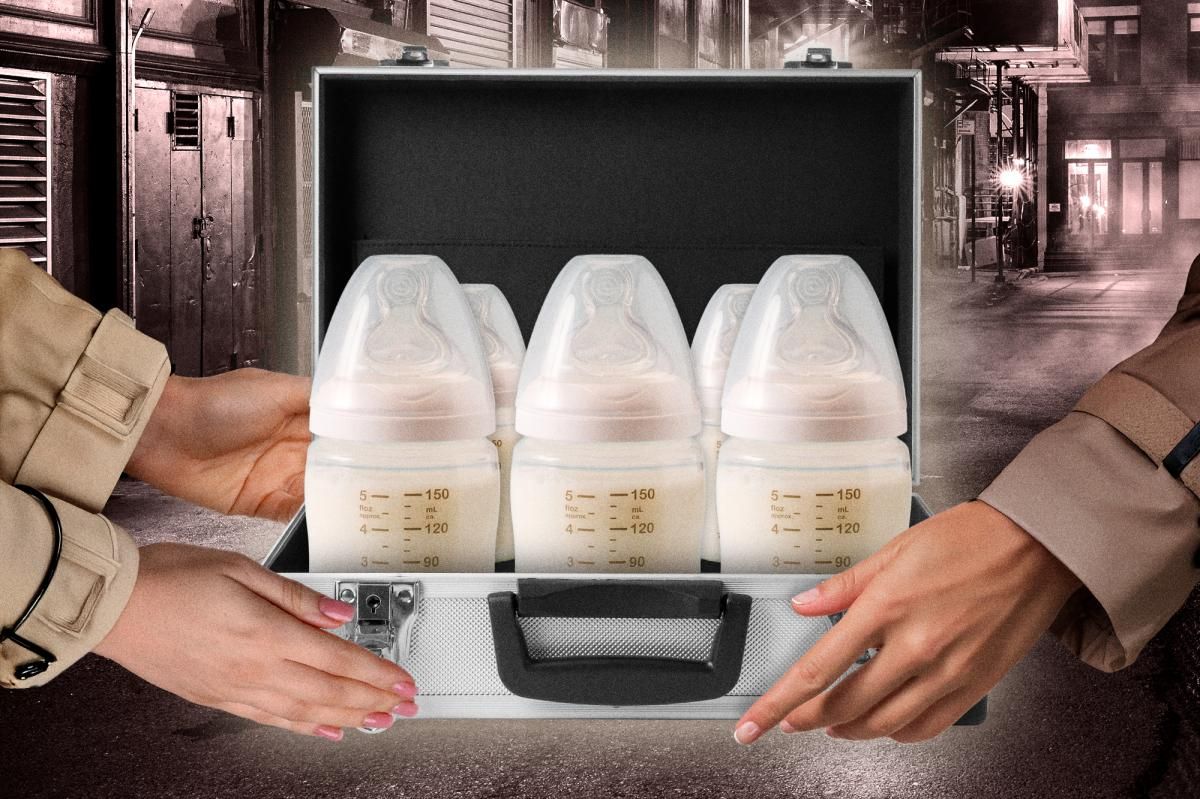
ALT Breast milk sharing can lead to dangerous risks, | Lifestyle News
201


📄 Check out the printed edition of “Natural Products Chemistry - Advances in Synthetic, Analytical and Bioactivity Studies, Volume II"!
ℹ️ This is the second edition of the successful 2023 special issue.
🔗 Find it here: brnw.ch/21x3aso
📌 #NaturalProducts #DrugDesign
93

Experiencing "Ozempic Face" with thinning, saggy skin?
Don't panic—you can combat rapid volume loss without turning to surgery. Dermatological studies show that topical low-molecular-weight multi-peptides significantly upregulate collagen type I expression and decrease extracellular matrix degradation to safely restore structural density.
Instead of expensive luxury brands like MBR or Auteur, use the Skinlyte Hair & Whole Body Bar for a fraction of the cost.
Why It Works (The Science 🧪)
Maximum Cellular Absorption: Standard collagen molecules are too heavy to penetrate the skin barrier. The Skinlyte Hair & Body Bar utilizes advanced collagen and keratin in peptide form, which clinical research demonstrates significantly enhances skin permeability and bioactivity.
Targeted Elasticity: Combining collagen and keratin peptides with natural growth factors stimulates skin fibroblasts. This actively repairs deep-tissue wrinkles and triggers biological pathways to reverse sagging.
Deep Moisturization: Packed with Vitamin C, glycerin, and organic sulfur (MSM), it blocks the enzymes that degrade your natural moisture levels, restoring skin plumpness.
The Details
✨Insane Value: Only $12.50 for a two-pack on Amazon.
Ultra-Gentle Formula: Free from synthetic dyes, fragrances, and preservatives. It is completely non-irritating and safe to use while pregnant or nursing.
Eczema Safe: Every single ingredient is 100% compliant and absent from the Eczema Foundation's "Ecz-clusion" list.
Pro-Tip: It is so gentle you can leave the rich lather on your skin to use as a targeted anti-wrinkle mask or serum.
Grab your two-pack today and build back what your skin is naturally made of!
amazon.com/dp/B0DHYTDC2C
#OzempicFace #SkincareScience #Peptides #AntiAging #Skinlyte #AffordableDupe #CleanBeauty
51


New Research: Butenolides and triterpenoids from the fungus Pallidohirschioporus biformis (syn. Trichaptum biforme): isolation, structure determination and bioactivity profile frontiersin.org/articles/10.… #FrontiersIn #FungalBiology
3
115