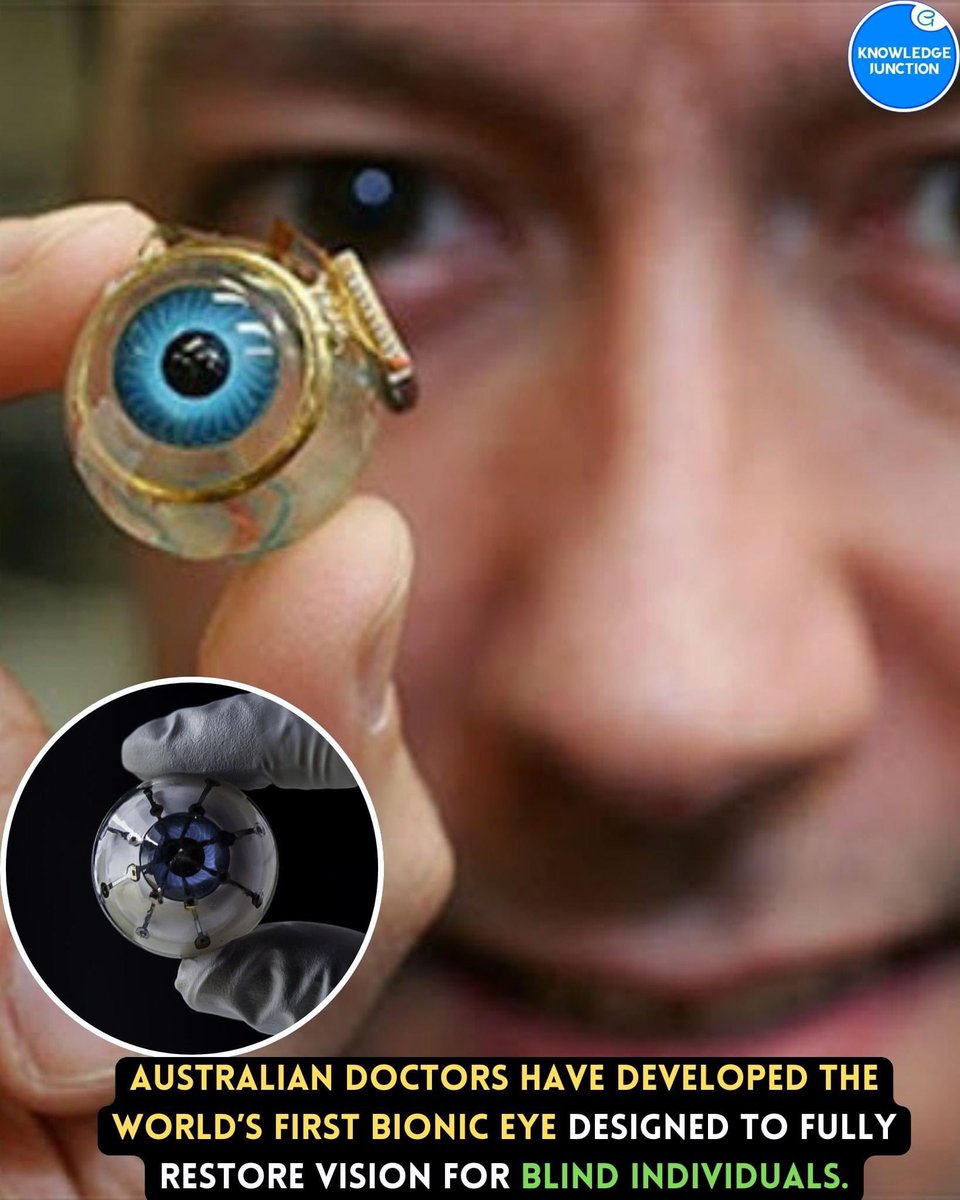
What Is a Bionic Eye?
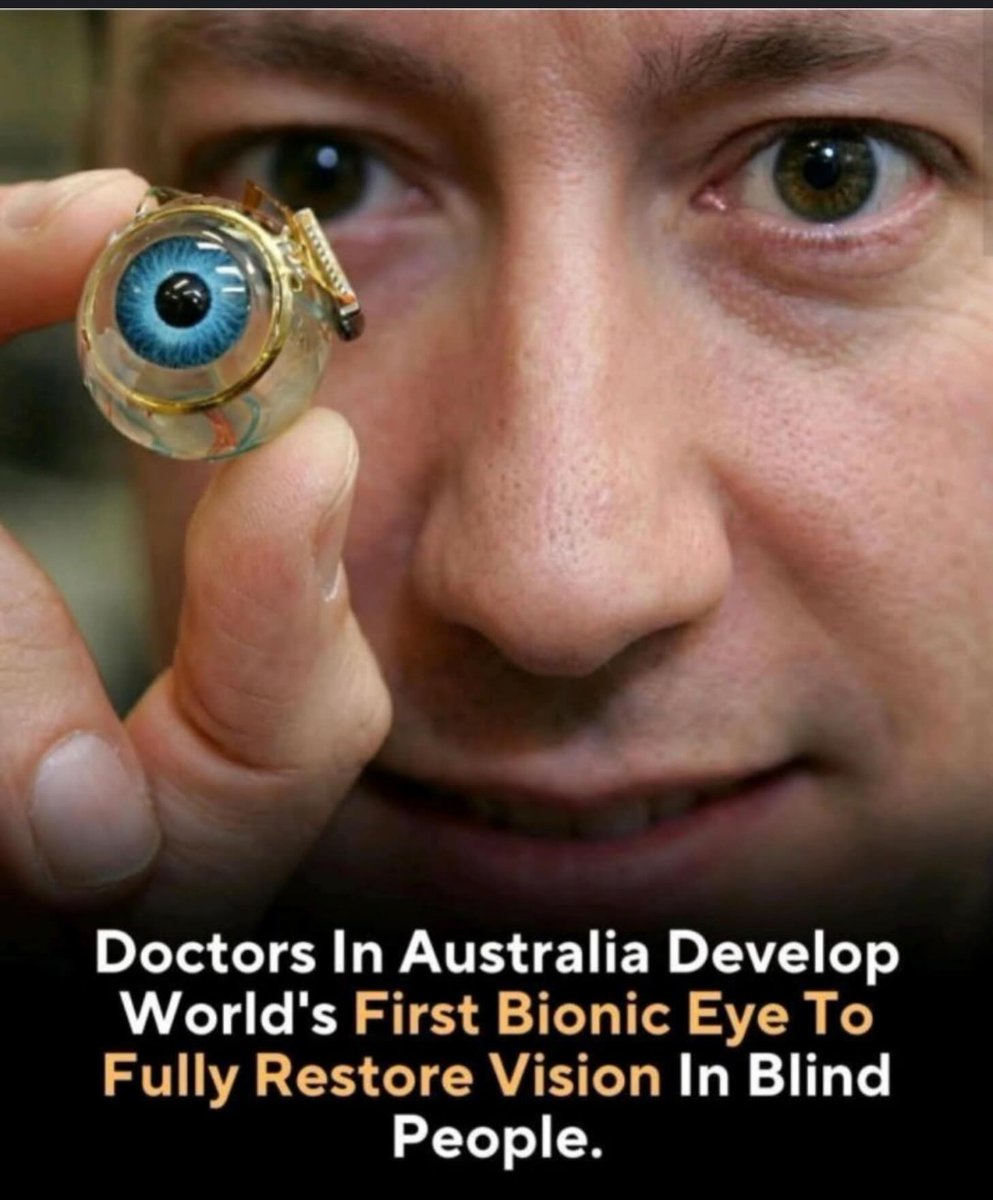
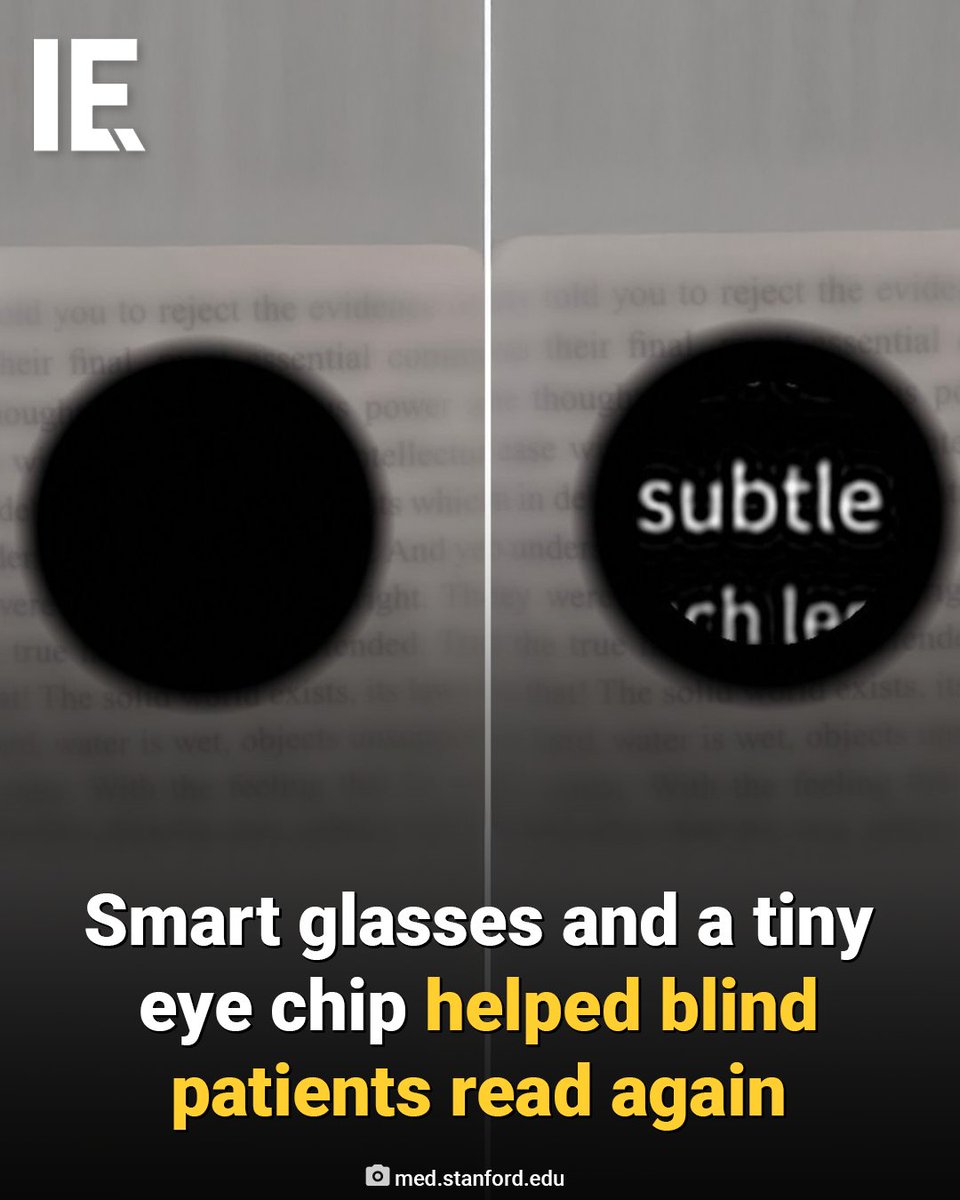
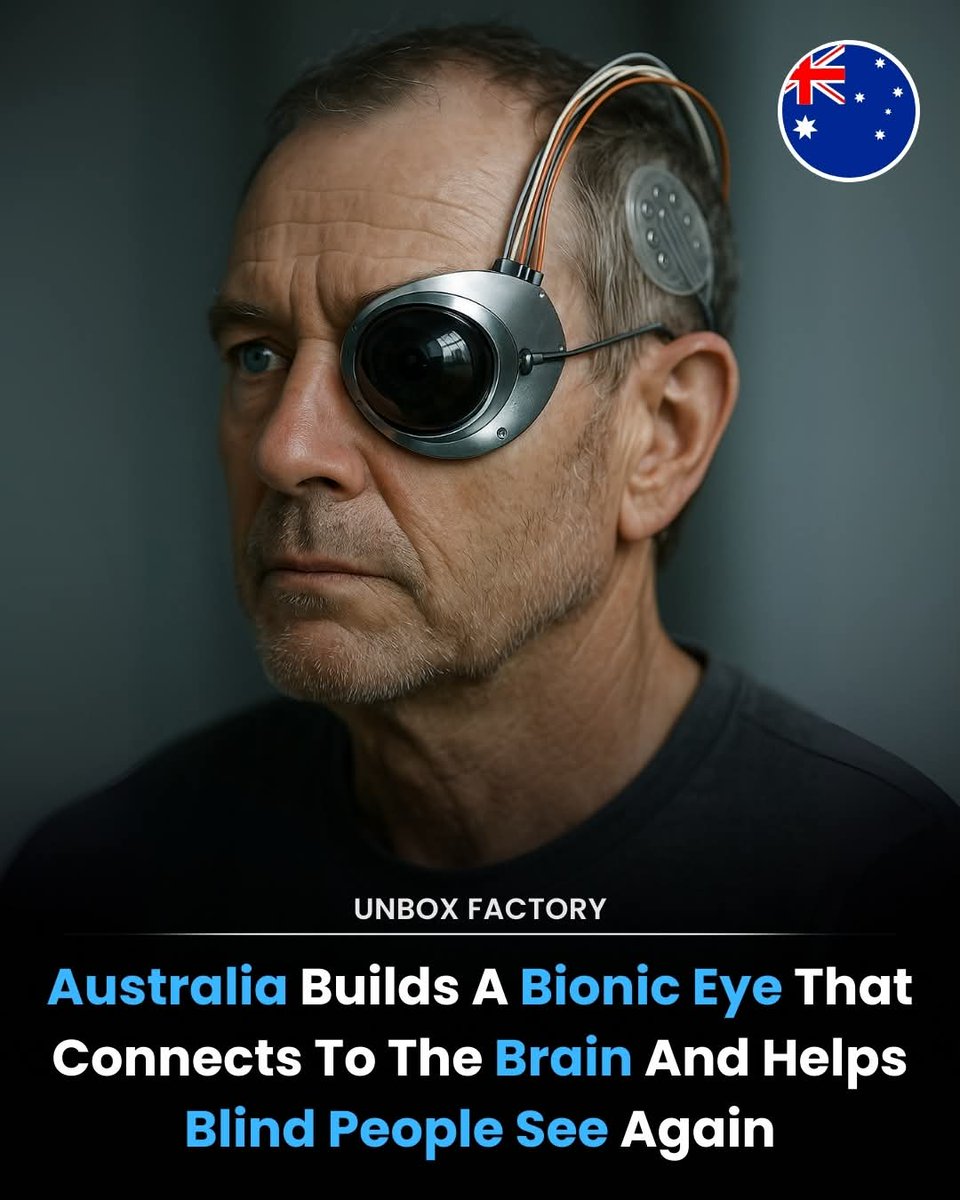
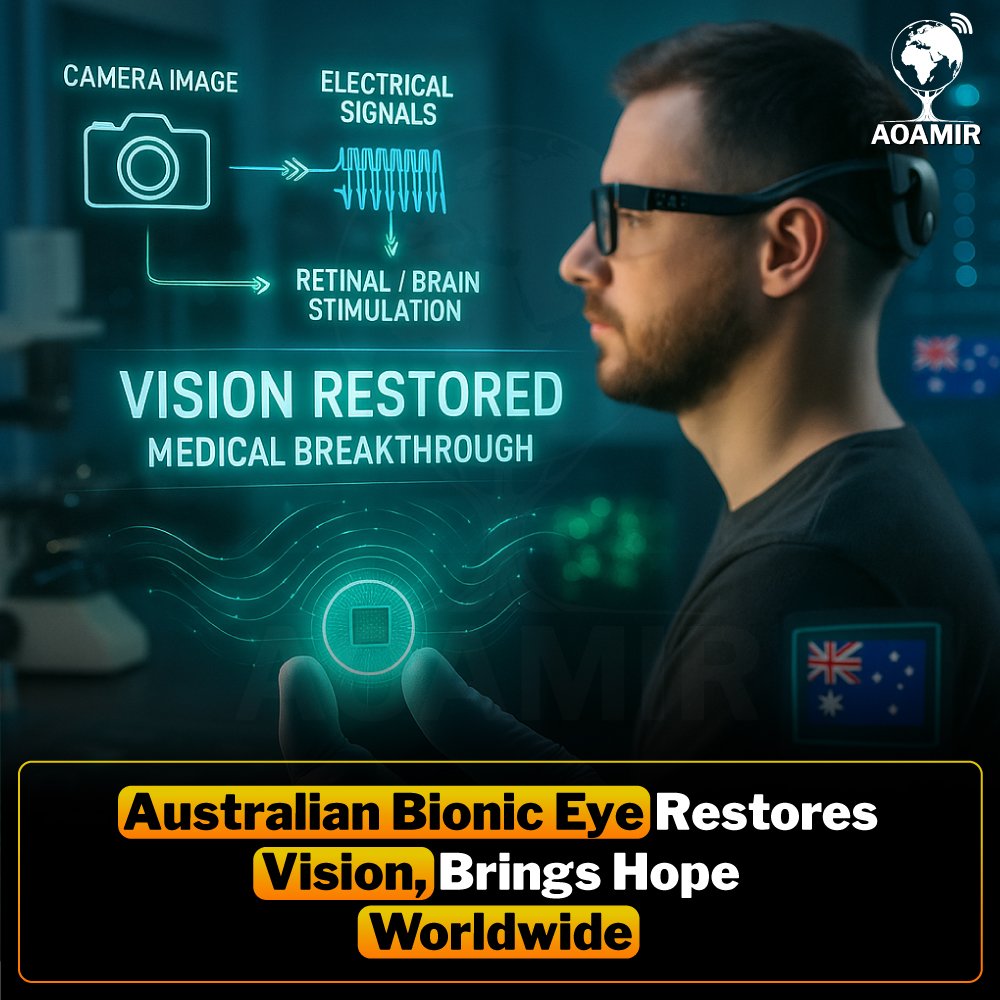
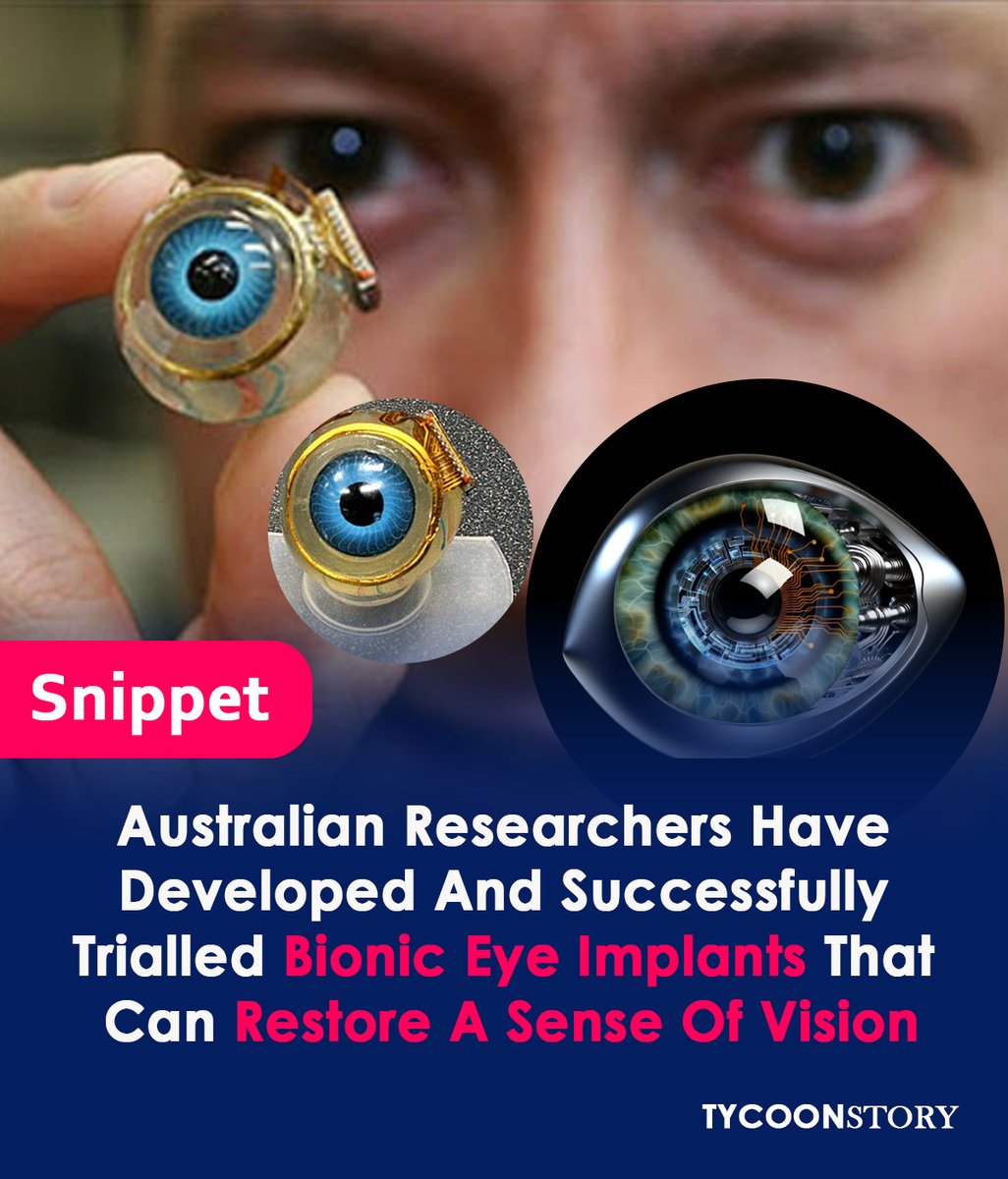
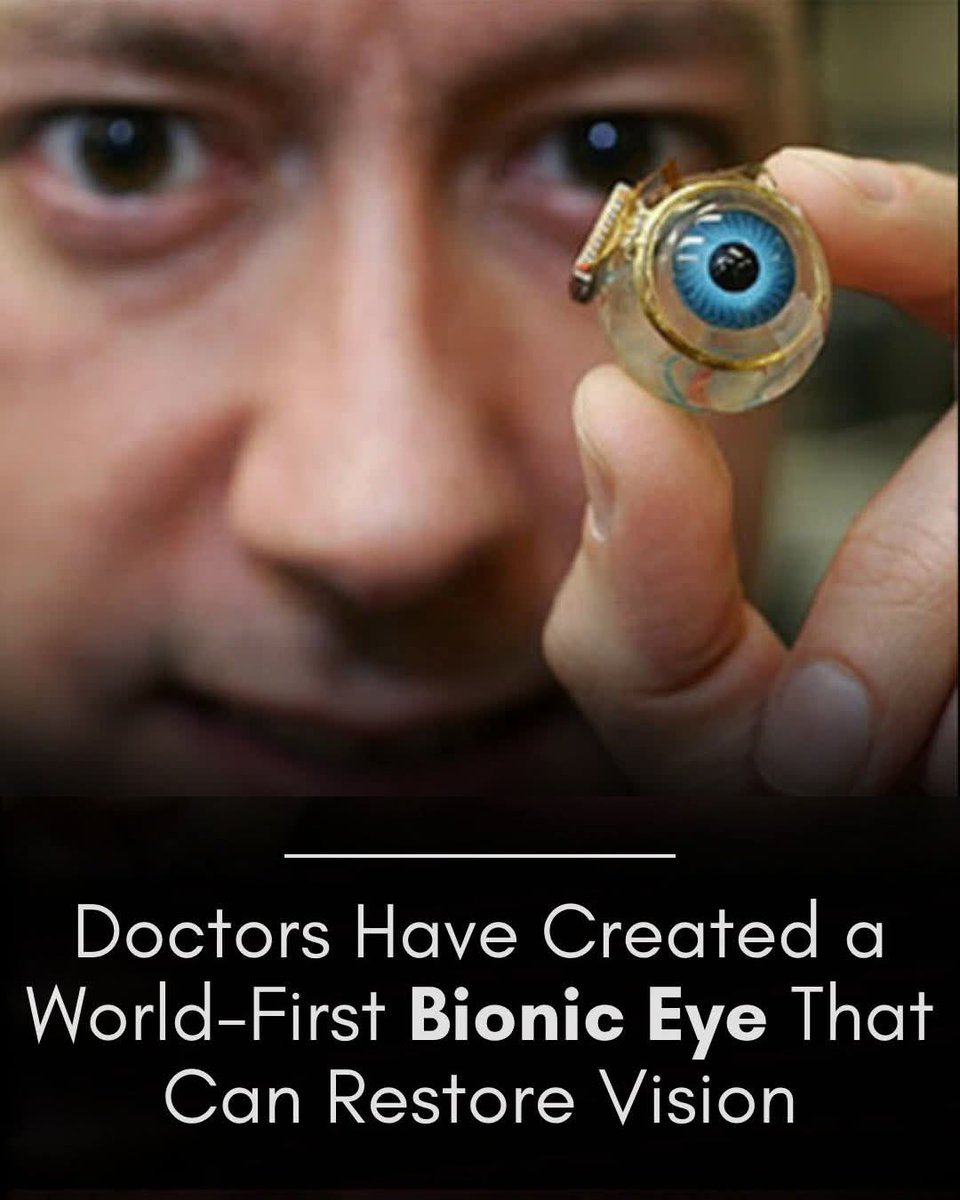
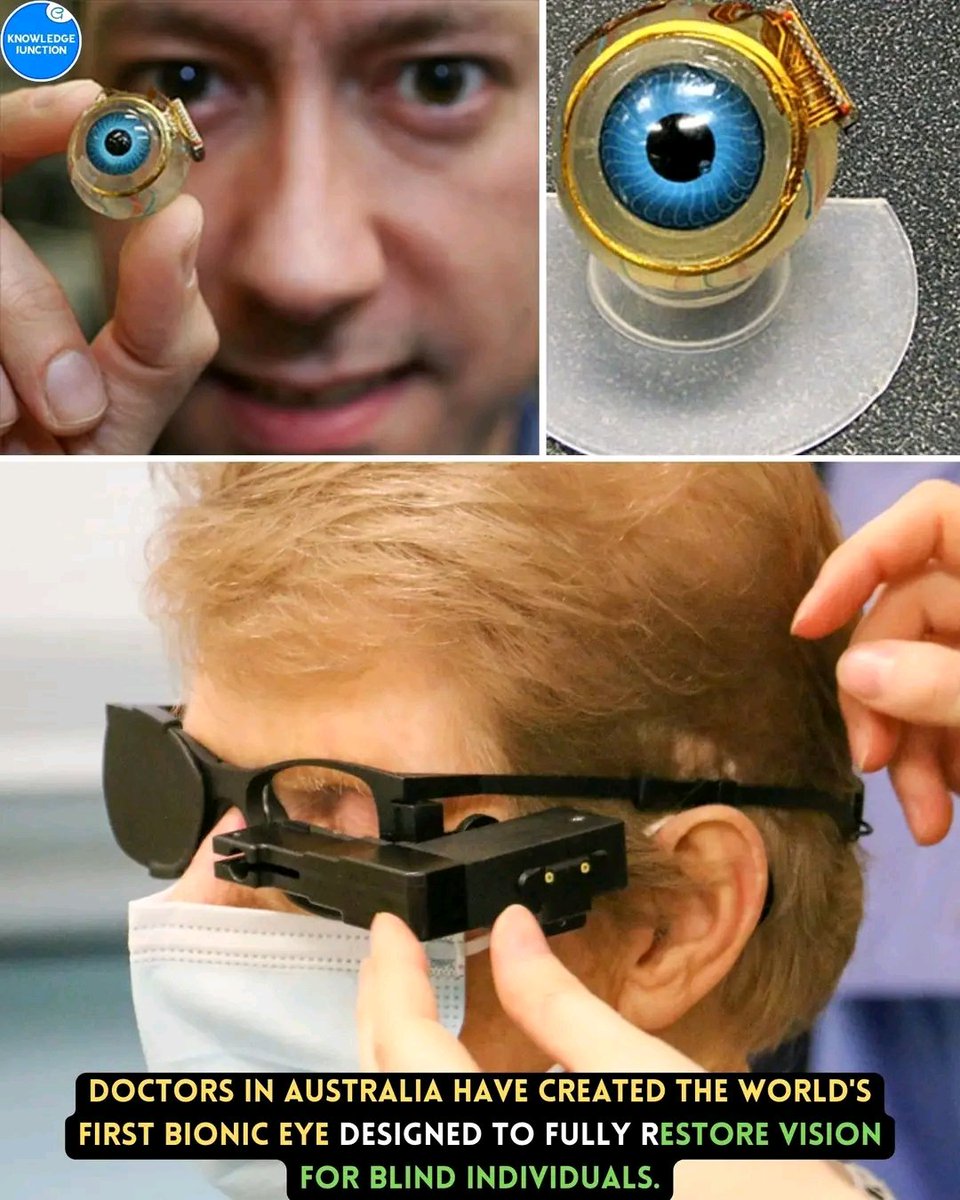
A bionic eye is an advanced medical technology designed to help restore limited vision in people with severe visual impairment or blindness caused by damage to the retina or visual pathways. Instead of repairing the eye in the traditional way, the system works by converting visual information into electrical signals that can stimulate the nervous system and communicate directly with the brain.
Here’s how it generally works:
Mini Camera System -
A tiny camera attached to special glasses captures images from the surrounding environment.
Image Processing Unit -
The visual data is sent to a processor that converts the images into digital electrical signals.
Wireless Signal Transmission -
These signals are transmitted wirelessly to an implanted electronic device inside the eye or connected visual pathway.
Microelectrode Implant -
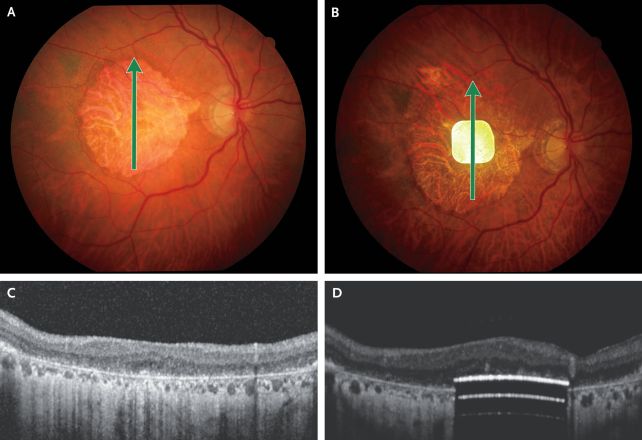
Tiny electrodes stimulate remaining retinal cells or parts of the visual cortex.
Brain Interpretation -
The brain interprets these signals as patterns of light, shapes, or movement, allowing partial visual perception.
While current bionic eye systems do not restore normal vision, they represent a major breakthrough in neurotechnology, biomedical engineering, and vision restoration research. Scientists continue working toward improving image quality, object recognition, and real-world functionality for patients with blindness.
This content is for educational and informational purposes only.
#BionicEye #MedicalInnovation #VisionScience #Neurotechnology #BiomedicalEngineering #FutureMedicine #ArtificialVision #ScienceNews #HealthcareInnovation #EyeResearch #Retina #MedicalTechnology
References
1. Mayo Clinic – Vision and Retinal Disorders
2. National Eye Institute
3. American Academy of Ophthalmology
4. Nature Reviews Bioengineering – Retinal Prostheses Research
5. Johns Hopkins Medicine – Artificial Vision Research