
"@5KnotLife Proof of Work didn't prevent the glitch—it needed a central rollback to fix the mess. XRP's consensus? Bulletproof for over a decade, no bailouts required. That's real reliability, not excuses for bugs. 😂 #XRP #BitcoinFail"
1
53

The wonderful downfall of Crypto. Karma hit Changpeng Zhao the conman and felon who bribed his way to a pardon from Trump aka Felon @cz_binance #bitcoinfail
10 Billionaires Have Lost $60 Billion via @forbes forbes.com/sites/kirkogunrin…
16

Feb 7
Oops! 😬 South Korean crypto firm *accidentally* paid out $40 BILLION in Bitcoin! Good news: they recovered almost all of it. Imagine that Monday morning meeting... 🤯 #CryptoOops #BitcoinFail
1
29
Feb 7
Oops! 🙊 Bithumb accidentally gifted users $40 BILLION in Bitcoin! Imagine checking your crypto balance that day! Trading halted, crisis averted (kinda). #CryptoOops #BitcoinFail
1
10

Jan 24
Perbandingan hari ini: Emas hampir $5,000 ATH, perak $100 (potensi explode lagi), BTC $89K (masih gak bisa tembus $100K). Ini mirip kakek-nenek yang lincah lari marathon, sementara BTC kayak anak muda lagi rebahan. BTC, bangun dong!
#PreciousMetals #BitcoinFail #HumorInvestasi

2
73

Jan 9
😂 Epic fail! Someone stole a Bitcoin ATM thinking it had actual coins inside! 🪙 Plot twist: no crypto stash, just disappointed thieves! Lesson learned the hard way digital money, digital problems! 🤦♂️💀 #BitcoinFail #CryptoLife #Oops
87

Jan 6
🚨 EXPOSED: GLOBAL ELITE RIGGING GAMESTOP AGAIN IN 2025 - STOCK CRASH LOOMING AS MANIPULATION HITS NEW LOWS 🚨
They don't want you to see how the elite crushed retail investors in the latest GME frenzy, protecting hedge funds while stores close and Bitcoin bets flop...
THE PLAYERS
🕵️♂️ Subject: GameStop market manipulation and elite financial control
📉 Victims: Everyday retail traders getting squeezed out
🛑 Villains: Global elite in Wall Street, media, and politics pulling strings
THE CRIME
Elite brokers halted trades during the 2025 surge, inflating shorts and driving GME to new highs before crashing it—leaving small investors broke while billionaires cashed in.
THE EVIDENCE
Kim Dotcom's latest blasts expose the blueprint: Engineered crashes, media blackouts, and chaos to maintain dominance—mirroring 2025's short interest spike, store closures, and risky Bitcoin pivot that's tanking value.
THE COVERUP
Dismissing whistleblowers as conspiracy kooks while SEC drags feet on probes, but rising short squeezes and retail outrage prove the system's rigged from top to bottom.
THE CLIMAX/EVENT
In May 2025, GME surged 10x amid day trader rallies, hitting peaks before manipulation claims exploded; by December, warnings of 2026 crash as Q4 Bitcoin pullback exposes flaws—no location, global online frenzy.
CALL TO ACTION
1. Retweet if you're fighting the elite rigged markets!
2. Reply with your GME horror stories from 2025!
3. Share this to expose the truth and spark the next squeeze!
#GameStop2025 #MarketManipulation #GlobalEliteRigged #GMEcrash2026 #ShortSqueeze #KimDotcomExpose #WallStreetCorruption #BitcoinFail #RetailInvestors #FinancialScam #EliteControl #ConspiracyUncovered #StockMarketFraud #HedgeFundScandal #BreakingNews #CorruptionExposed #ViralTruth #AntiElite #WakeUpAmerica #FinanceRevolt
2
5
31
1,086

12 Nov 2025
This is why Bitcoin is doomed – JPMD turns deposits into yielding, instant assets under trusted oversight, while BTC remains a lawless playground for hackers and pump-and-dumps. No wonder institutions are flocking to banks, not some volatile coin. The crypto dream was always a scam. #BitcoinFail #JPMorganWins
12 Nov 2025

JPMORGAN JUST WEAPONIZED YOUR BANK ACCOUNT
November 12, 2025. This morning, JPMorgan didn’t launch a product. They executed the largest silent takeover in monetary history.
JPMD just made your money obsolete.
Every dollar you wire. Every settlement you wait for. Every cross-border payment trapped in SWIFT’s 72-hour purgatory. Gone. Replaced by something that moves in 2 seconds, costs one penny, and earns 4-5% yield while it travels.
But here’s the violence nobody’s naming: only JPMorgan decides who gets to play.
The cascade begins now.
$3.7 trillion in institutional deposits converting to tokenized weapons. $6 trillion repo markets processing overnight instead of T 2. $1 trillion in dead collateral suddenly alive and earning.
Coinbase L2 Base network absorbing institutional flow that makes 2021 look like a testnet.
Mastercard locked in. Coinbase betting survival on it. Euro token drops Q1 2026. $500 billion market capture by 2028 while SWIFT watches $5 trillion evaporate.
Here’s what kills you in the dark:
Bank runs now move at 2-second finality. Federal Reserve models show 3-5% drawdown probability when stress hits. One oracle failure at $3 billion daily volume triggers institutional contagion faster than any human can react.
The Fed can’t pause blockchain settlement. Can’t freeze smart contracts. Can’t stop what they can’t see coming.
This isn’t banks adopting crypto. This is banks devouring crypto’s promise of neutral infrastructure and spitting out permissioned control.
XRP’s dream of borderless money dies when gatekeepers tokenize access.
USDC’s zero-yield suddenly fatal against deposit tokens printing 4-5%. Every neutral rail bends toward the institution that moves first and biggest.
JPMorgan didn’t join the revolution.
They just monetized your exit.
The infrastructure war for $10 trillion in daily global settlements just ended before you knew it started.
And Wall Street won.
Read the full story - open.substack.com/pub/shanak…
THIS IS THE $10 TRILLION HEIST NOBODY SAW COMING
178

10 Nov 2025
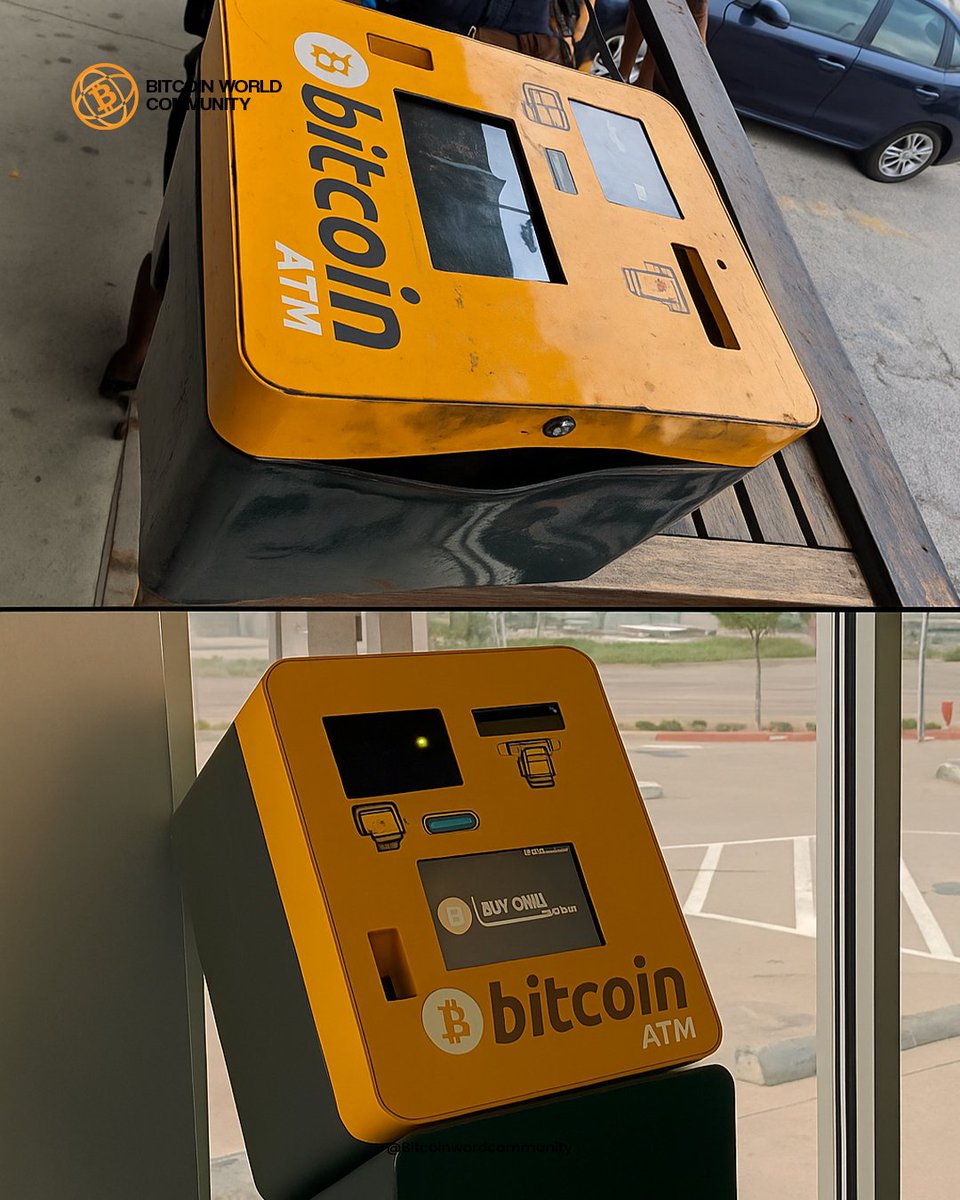
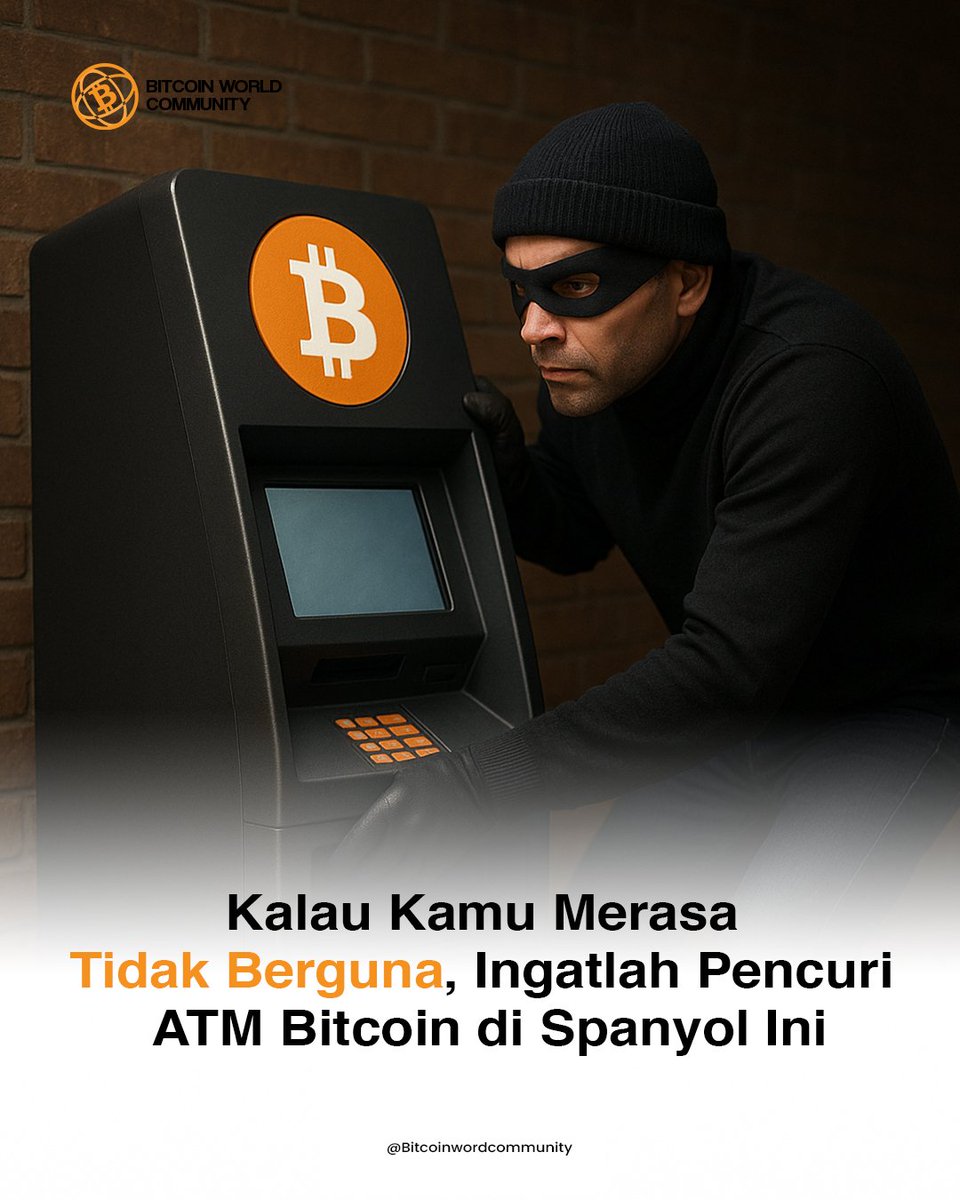
Kadang hidup memang terasa gak guna...
Tapi tenang, selalu ada yang lebih “tidak berguna” di luar sana
Contohnya? Pencuri ATM Bitcoin yang gak dapet apa-apa ini
#Bitcoinworldcommunity #BitcoinFail
3

3 Nov 2025
They're nowhere to be seen today.
Looking back at the crazy predictions. Tom Lee swore BTC would reach $250k by 2025, Michael Saylor dreams of $21M by 2046 (and previously $13M by 2045!), Plan B, with his failed S2F prediction, forecasted $100k by 2021. Where are they now? BTC is floundering at $105k. Hype gurus, thanks for the laughs!#BitcoinFail #CryptoPredictions
2
103

31 Oct 2025
SCREAMING AT MY SCREEN 😱📉
FOMO KILLED ME.
GREED MURDERED ME.
EVERY DOLLAR DISAPPEARED LIKE MAGIC…
#CryptoLoss #TradingPain #BitcoinFail
1
1
1

26 Aug 2025
Simpsons' predictions prove eerily accurate—yet some missed a Bitcoin fortune! A chair malfunction nearly led to a trip to the ER, raising questions about well-being. What's next? #SimpsonsPredictions #BitcoinFail #ChairAccident #TimeTravel #ConspiracyTheories
40

27 Jul 2025
Easy Money Dreams Crushed: The Bitcoin Betrayal
#FinancialStruggles #DreamvsReality #BitcoinFail #FamilyDynamics #MoneyProblems #PersonalFinance #LifeLessons #Entrepreneurship #RealityCheck #FailureToSuccess
26

21 Jul 2025
Three Reasons Bitcoin Could Fail and Why We Should Be Cautious
1. Scalability Limits Stifle Adoption:
• How It Could Fail: Bitcoin’s 7 transactions per second (TPS) and $1–$5 fees (web:20) can’t support global demand, especially for 1.4 billion unbanked users needing low-cost transactions (web:19). The Lightning Network (1,000 TPS, web:24) is still too slow and complex for mass use. By 2030, competing blockchains with millions of TPS could render Bitcoin obsolete for daily transactions, limiting it to a niche store-of-value role (‽post:0,7).
• Why Be Cautious: Bitcoin’s slow upgrades (e.g., Taproot took 2 years, 2019–2021, web:20) delay scalability fixes. If adoption stalls (currently 400M users, web:24), its $1.5T market cap (web:24) could stagnate or drop, hurting investors. Watch for declining transaction volume on X or falling node counts (~15,000, ‽web:11).
• X Post: 🚨 Bitcoin’s 7 TPS & $1–$5 fees can’t scale for 1.4B unbanked. Newer chains could crush it by 2030. Be cautious—adoption may stall! #BitcoinFail #Crypto
2. Centralization Risks Threaten Decentralization:
• How It Could Fail: Bitcoin’s mining is concentrated, with ~50% hash rate in China/U.S. pools (Foundry USA, AntPool, ‽post:5). A 51% attack, though costly (~$1B/hour, web:20), could disrupt transactions or double-spend, eroding trust. Whales holding 15% of the 19.7M BTC supply (top 100 wallets, ‽post:2) could coordinate a dump, causing a 20–30% price crash (‽web:1). Regulatory pressure (e.g., GENIUS Act’s AML/KYC, web:6,10) could force miners/exchanges to comply, undermining Bitcoin’s censorship resistance.
• Why Be Cautious: Centralization risks (miners, whales) make Bitcoin vulnerable to manipulation or government crackdowns (e.g., China’s 2021 ban, web:17). A single pool’s outage or whale sell-off could spark panic, as seen in X posts about ETF suppression (‽post:3,6,7). Monitor hash rate distribution and regulatory news.
• X Post: ⚠️ Bitcoin’s 50% hash rate in China/US & 15% whale wallets risk 51% attacks or dumps. Regs could kill it. Stay cautious! #BitcoinRisk #Crypto
3. Lack of Utility and Volatility Limits Mainstream Use:
• How It Could Fail: Bitcoin’s “digital gold” narrative (web:24) offers 0% yield and limited daily use due to high fees and 30% annualized volatility (web:20). It can’t compete with stablecoins or DeFi platforms offering 5–10% yields for payments or remittances (500M users, web:19). By 2035, if Bitcoin remains a speculative asset without real-world utility, institutions and users may shift to more versatile chains, crashing its value (‽post:0,7).
• Why Be Cautious: Bitcoin’s volatility and lack of intrinsic yield deter mainstream adoption (e.g., merchants dropped BTC payments in 2024, web:24). X posts highlight ETF-driven price suppression by Wall Street (‽post:6,7), signaling institutional skepticism. Track merchant acceptance and DeFi growth for risks.
• X Post: 🛑 Bitcoin’s 0% yield & 30% volatility = no daily use. Stablecoins/DeFi could outshine it by 2035. Be cautious! #BitcoinStagnation #Crypto
1
139
18 Jul 2025
Bitcoin Tip Gone Wrong: Mom's Crypto Triumph!
#BitcoinFail #FinancialHumor #InvestmentMistakes #BitcoinSuccess #FunnyStories #MissedOpportunities #CryptoComedy #FinancialAdvice #ParentingHumor #MoneyMatters
48

Oh boo-hoo Bitcoin, your value is plummeting because you're just so darn important! 😂💰🙄 #bitcoinfail sarcast.ai/BITCOIN
6

6 Jun 2025
Well, at least I have a sick bookshelf and some badass sci-fi books to show for my bitcoin blunder. Lesson learned...eventually. #bitcoinfail #bookshelfpride
6

3 Jun 2025
Blockchainbulletin News!
Remember fearing the Feds' Bitcoin stash? Now they've LOST $21B selling it! Learn from their crypto fumble. #BitcoinFail #CryptoLoss #GovernmentHodl
Click here↓↓↓
blockchainbulletin.net/2025/…

ALT Uncle Sam's Bitcoin Blunder: $21 Billion Lost on Seized Crypto
32
29 May 2025
I missed out on Bitcoin riches because I thought I was being a smart investor. Now I'm just a sad dad with FOMO and regrets. Fiat greedy and clueless about technology, I truly missed the boat. #BitcoinFail
12

9 May 2025
Crypto Crash Comedy: Laughing Through the Market Tank & Suicide Rates?
#CryptoComedy #MarketCrash #SuicideAwareness #CryptoSkeptic #BitcoinFail #ComedianReacts #DarkHumor #FinancialAnxiety #InvestingWoes #CryptoReality
1
3
5
432