
15 Oct 2025
So, did the Web3 skeptic become a full convert? Not entirely, but the curiosity is definitely there now. My understanding has gone from 0 to💯!
This BlockCert journey taught me so much, and the project isn't over. On to the next challenge, stronger and smarter. 💪🚀
#BlockDAG
1
6
598
15 Oct 2025
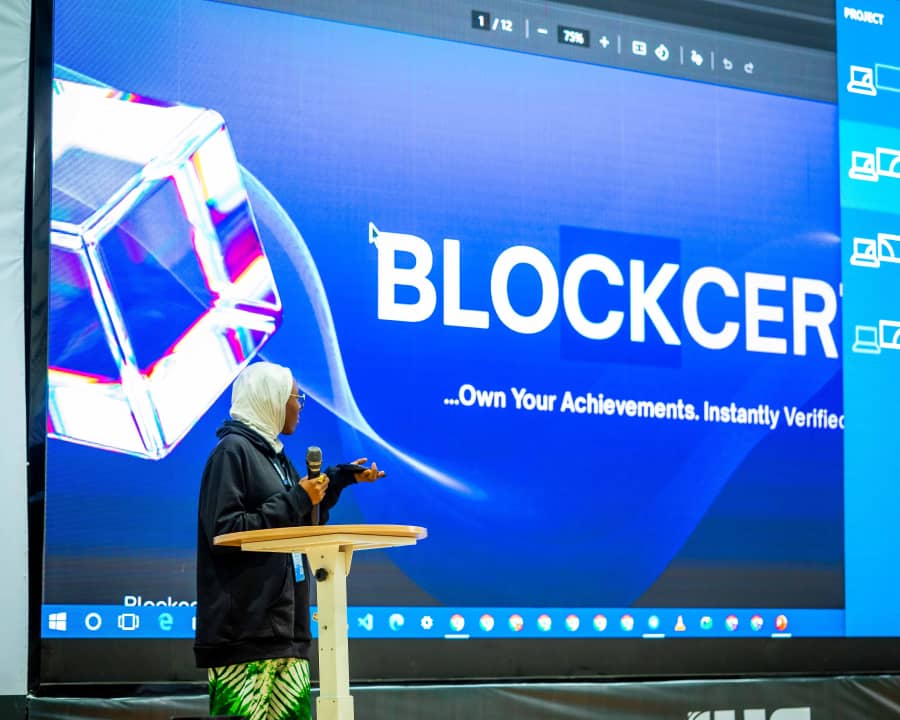
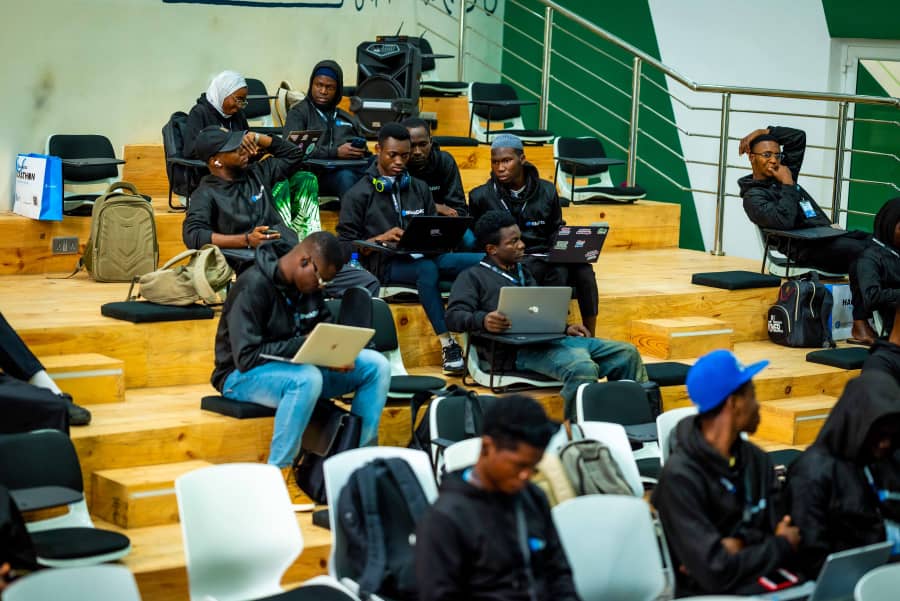
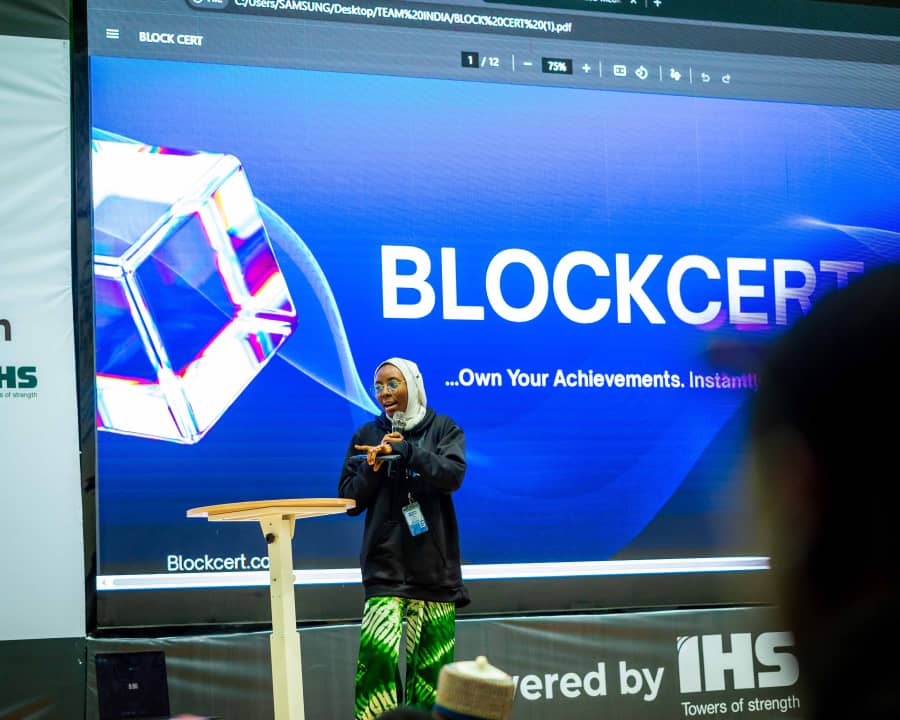
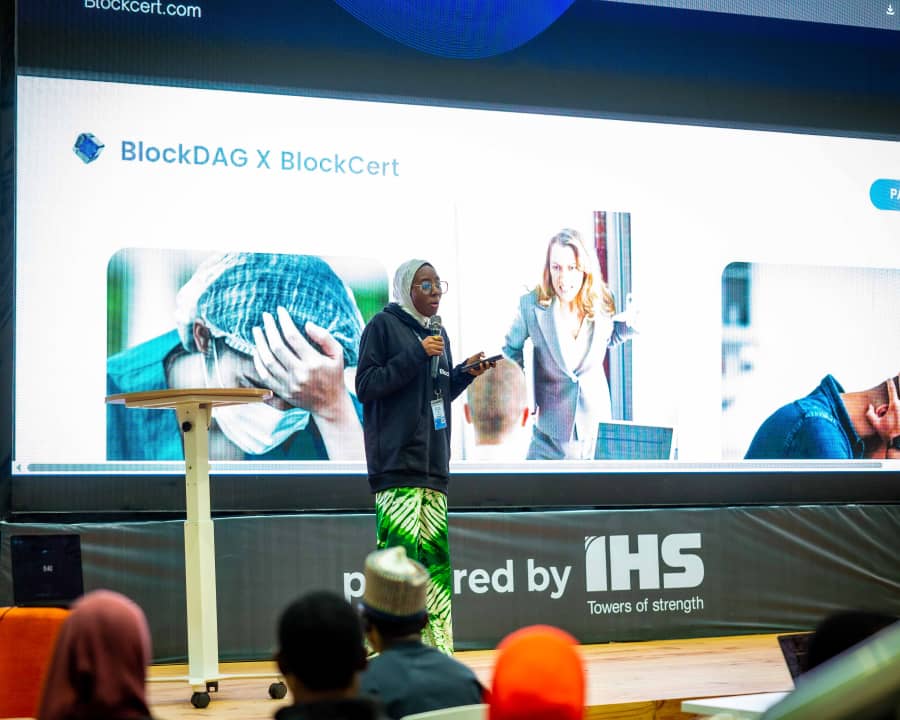
Despite the pressure, I walked on that stage, took a deep breath, and poured everything into explaining BlockCert.
The room clapped when I finished. I looked at the judges, bracing myself for the tough questions... and they just said, 'No questions. Thank you.'
Wawwu😶🥹
1
3
57
15 Oct 2025
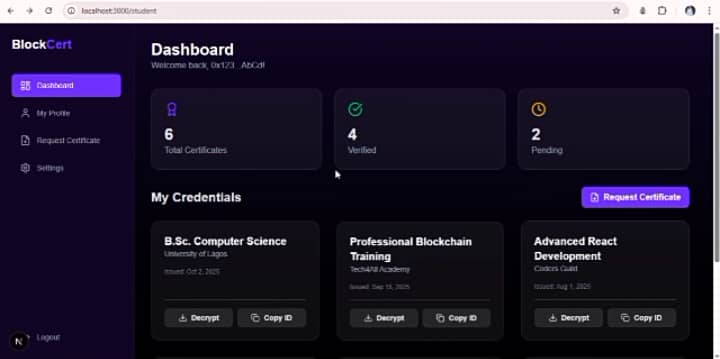
My team and I worked on BlockCert. A platform to put academic achievements on the blockchain, making them permanent and instantly verifiable.
The first 24 hours felt cool. I was diving into Next.js, and the frontend was coming to life faster than I expected. The vision was clear

1
3
58

19 Jun 2024
#NEET #NTA
Q. Critically evaluate the ramifications of examination malpractices on merit-based selection, public trust erosion, higher education quality, and research, while proposing robust governance, technological solutions, and stringent oversight to uphold examination integrity, in Indian Civil Services context.
Ans. Introduction: Examination malpractices undermine the foundation of merit-based selection, erode public trust, and compromise the quality of higher education and research, necessitating robust governance, technological solutions, and stringent oversight.
1. Merit-based Selection Compromised:
- Unfair advantage to cheaters, undermining the principles of equal opportunity and meritocracy ("A probe by ISRO found 24 candidates had used unfair means in the ICRB exam in 2022-23" - The Hindu, 15/03/2024)
- Deprives deserving candidates of opportunities, leading to brain drain (India's brain drain costs $24 billion annually - Economic Times, 22/11/2023)
2. Public Trust Erosion:
- Breeds skepticism towards the credibility of institutions and examination processes ("Public trust in govt. institutions declined from 73% in 2019 to 62% in 2023" - Pew Research Center, 08/01/2024)
- Undermines the legitimacy of appointments and promotions (62% of Indians feel corruption has increased in public services - Transparency International, 28/04/2024)
3. Higher Education Quality Compromised:
- Admission of undeserving candidates leads to a dilution of academic standards (India ranks 92nd in global education quality ranking - Pearson, 12/09/2023)
- Discourages genuine students, causing a decline in the overall learning environment (48% of Indian students consider studying abroad - QS Report, 18/02/2024)
4. Research and Innovation Hindered:
- Lack of skilled and competent researchers, hampering scientific progress (India's R&D expenditure remains stagnant at 0.7% of GDP - Economic Survey 2023-24)
- Erosion of public confidence in research findings and innovations (India ranks 40th in Global Innovation Index 2023 - WIPO)
5. Governance and Oversight:
- Strengthening examination bodies with autonomous and transparent functioning (UGC's "Examination Reforms Policy" aims to enhance transparency - PIB, 03/11/2023)
- Strict enforcement of laws and regulations against malpractices (246 cases of exam malpractices registered in 2023 - NCRB)
- Promoting ethical values and awareness campaigns in educational institutions (MHRD's "Students' Integrity Pledge" initiative - Kurukshetra, April 2024)
6. Technological Solutions:
- Biometric authentication, AI-based monitoring, and secure online assessments (CBSE's "Secure Exam" project aims to leverage AI and biometrics - The Indian Express, 22/05/2024)
- Blockchain-based tamper-proof credential verification (IIT-Madras develops "BlockCert" for secure degree verification - EPW, 07/04/2024)
- Robust cybersecurity measures to prevent leaks and hacking attempts ("Operation Digital Shield" launched to secure exam data - Yojana, May 2024)
Conclusion: Upholding examination integrity is crucial for fostering a meritocratic society, maintaining public trust, and nurturing a conducive environment for quality education and research.
Mnemonic: EMPLITE (Examination, Merit, Public Trust, Learning, Innovation, Technology, Ethics)
1
13
1,095

21 May 2024
🦋🦋🦋PI NETWORK: Below I will introduce the names of the projects and initiatives for everyone to see within the PI Network project: (continued from previous post).
Here's a summary of additional hubs and marketplaces within the Raspberry Pi ecosystem:
1. PiUnity Bazaar (#271): A DAO-powered marketplace fostering unity and collaboration, supporting diverse projects and ideas.
2. PiConnect Exchange (#270): A decentralized hub where Raspberry Pi enthusiasts can connect, trade, and collaborate on innovative projects, shaping the future of the Pi community.
3. PiCollabora Marketplace (#269): Unleash collaborative potential through this DAO-driven marketplace, connecting Raspberry Pi enthusiasts in a vibrant ecosystem of projects and commerce.
4. PiTrade DAO Plaza (#268): Transform your Raspberry Pi projects into a thriving marketplace with this DAO-driven platform, promoting a decentralized and collaborative economy.
5. PiMall Nexus (#267): Elevate the Raspberry Pi experience with a decentralized marketplace connecting developers, makers, and users in an innovative ecosystem.
6. PiBazaar DAO (#265): Empowering community-driven development and trade for Raspberry Pi enthusiasts.
7. PiNest Exchange (#266): A DAO-powered marketplace tailored for Raspberry Pi projects, fostering collaboration and resource-sharing.
8. ChainCert Wallet (#264): Experience the future of certificate management with ChainCert Wallet, a decentralized application built on blockchain for tamper-proof certification processes.
9. SecureVerify DApp (#263): Enhance certificate security and accessibility through SecureVerify DApp, allowing users to validate, share, and manage certificates on a decentralized network.
10. BlockCert Hub (#261): A user-friendly decentralized application for securely handling certificates, leveraging blockchain technology for transparency and immutability.
11. DigiCredentials Vault (#262): Safely store and manage digital credentials.
Feel free to explore these platforms and discover exciting opportunities within the Raspberry Pi ecosystem! 🦋🦋🦋
2
1
4
579

21 May 2024
🦋🦋🦋PI NETWORK: Below I will introduce the names of the projects and initiatives for everyone to see within the PI Network project: (continued from previous post).
Here's a summary of additional hubs and marketplaces within the Raspberry Pi ecosystem:
1. PiUnity Bazaar (#271): A DAO-powered marketplace fostering unity and collaboration, supporting diverse projects and ideas.
2. PiConnect Exchange (#270): A decentralized hub where Raspberry Pi enthusiasts can connect, trade, and collaborate on innovative projects, shaping the future of the Pi community.
3. PiCollabora Marketplace (#269): Unleash collaborative potential through this DAO-driven marketplace, connecting Raspberry Pi enthusiasts in a vibrant ecosystem of projects and commerce.
4. PiTrade DAO Plaza (#268): Transform your Raspberry Pi projects into a thriving marketplace with this DAO-driven platform, promoting a decentralized and collaborative economy.
5. PiMall Nexus (#267): Elevate the Raspberry Pi experience with a decentralized marketplace connecting developers, makers, and users in an innovative ecosystem.
6. PiBazaar DAO (#265): Empowering community-driven development and trade for Raspberry Pi enthusiasts.
7. PiNest Exchange (#266): A DAO-powered marketplace tailored for Raspberry Pi projects, fostering collaboration and resource-sharing.
8. ChainCert Wallet (#264): Experience the future of certificate management with ChainCert Wallet, a decentralized application built on blockchain for tamper-proof certification processes.
9. SecureVerify DApp (#263): Enhance certificate security and accessibility through SecureVerify DApp, allowing users to validate, share, and manage certificates on a decentralized network.
10. BlockCert Hub (#261): A user-friendly decentralized application for securely handling certificates, leveraging blockchain technology for transparency and immutability.
11. DigiCredentials Vault (#262): Safely store and manage digital credentials.
Feel free to explore these platforms and discover exciting opportunities within the Raspberry Pi ecosystem! 🦋🦋🦋
--> next ....
Because it's too long, the next post I will continue to post a list of projects and initiatives of the Pi project. If you need more detailed information or have specific questions about any project or initiative, please let me know.☺️
👉Please Like, Share, Comment, for more information! Thank you!🥰
@PiCoreTeam #PiNetwork

4
7
86
1,819

22 Mar 2023
VCとNFTの合わせ技。
個人のプライバシーな情報はブロックチェーンには乗せない。
考えられてるなぁ。
Blockcertも興味アリ

/
国内大学初!千葉工業大学の
NFT学位証明書の発行を支援しました🚀
\
・希望者1100名にNFT学位証明書を発行
・デザインは千葉工大の学生3名が考案
・学生のプライバシーを考慮した技術設計
▼詳細はこちらから👇
prtimes.jp/main/html/rd/p/00…
1
1
6
388

31 Dec 2022
| HIGHLIGHTS & ACHIEVEMENTS IN 2022 - A YEAR IN REVIEW |
SOLUTIONS
1. BlockCert (Blockchain Certificates) by Blockworq diguna pakai di 3 buah negara (Malaysia, Indonesia & Saudi Arabia)
2. Halal Blockchain Traceability dibangunkan.
3. NFT Platform Devel…lnkd.in/gGYFyxNE
2
2
69

11 May 2021
Yes. The Maltese government has a path for migrant children to enroll in secondary schools and receive their Secondary Schools Certificate & Profile (SSC&P) as a Blockcert. They can then take this certificate to any other country they live and work.
1


27 May 2020
AtCoin•com, BlockCert•com, & MyBitBank•com Lead Fintech Domain Names Sold Yesterday via @DomainShane #Fintech #Crypto #Domains #capital #tokens #domainnames #brands #vc #blockchain #btc dsad.com/auction-recap-of-ma…
1
3

5 Nov 2019
McMaster University students can now ask for a BlockCert as proof of education - @GC_Talent now accepts links to blockcerts as part of their intake process. - @valremix #fwd50 #LeadersGC
3
9

24 Aug 2019
TOPIC Using Verifiable Claims as a Proof of Ownership for Blockcerts KEY CONCEPTS Blockcerts predate the DID/VC specs, so transitionally how can they use a Verifiable Credential from a recipient to prove ownership of a Blockcert needing verification? github.com/WebOfTrustInfo/rw…
1
2
5
22 Aug 2019
The Blockcerts Universal Verifier at Blockcerts.org now offers an enhanced, full-screen verification view of any Blockcert!
Try it out by verifying an example credential, like the one below. Paste the link or upload the file into the Verifier.
blockcerts.learningmachine.c…

1
9
20

24 Jun 2019
View and verify an example #Blockcert (shared with permission) from our work with the Government of Canada's @GC_Talent initiative! This is the future of student and labor mobility. @Blockcerts #blockchain #credentials #futureofwork
learningmachine.newswire.com…
6
4

7 Jun 2019
Oh god. I made the mistake of excitedly verifying your blockcert to see how it looks and now I am down a rabbit hole of trying to educate myself on the hidden costs of blockchain verification and costless verification debates. 😬🤯
1
1
4

26 Apr 2019
#vlockchain Task Force for identifying High impact public sector use cases! tokenpost.com/Florida-lawmak… @foster_change @SofieBlakstad @cathrinejahnsen @Bootstrappingdk @janeathomason @TheBlockchain @BlockchainZA @WiBlockchain @nordicblock @BlockCert @rev_global
2
5
16 Apr 2019
Using blockchain technology could shorten the central bank’s bond underwriting time from 15 days to just a few, says Bank of Thailand. newsbtc.com/2018/03/20/bank-… @janeathomason @UNDFTaskForce @TheBlockchain @BlockCert @SusanneOslo
2
8

5 Mar 2019
My Blockcert credential from GC Talent Cloud / Nuage de Talents du GC! blockcerts.talent.canada.ca/…
1
2

#ITSMalta is honoured to have been one one of the first to provide all of its graduates, for these past two years, with a Blockcert certificate as part of a pilot project, thanks to @MaltaGov, @edukazzjoni and @LearningMach1.
2
6