
Security is not an add‑on feature — it is the foundation. @aeredium is built with TEE protection, no risky bridges, and native cross‑chain settlement. A reliable infrastructure for real value — fast, secure, and trustworthy.
#BlockchainSecurity
1
5

Happy Sunday 🌤️
You can ignore your alarms.
You can ignore your emails.
But never ignore a security warning.
One of them can cost a lot more than a missed meeting. 😅
#BlockchainSecurity #Web3 #SundayVibes
4

With BBD, every transaction is recorded, verified, and transparent on the blockchain.
No hidden moves. No back-door deals. Just pure, decentralised trust. 🔐
#BBDSecurity #BlockchainSecurity #SmartContract #DigitalCurrency #TrustTheTech #BigBullDecentralised #BBD

3
3
59

The future of blockchain belongs to networks that can deliver trust at scale.
Secure.
Practical.
Resilient.
DAC is building infrastructure designed not only for today's ecosystem, but for the next generation of decentralized systems.
#BlockchainSecurity #Web3
#DigitalTrust
6

AI is increasingly becoming a critical tool for blockchain security.
After helping identify a long-standing vulnerability in Zcash’s Orchard shielded pool, Anthropic’s Mythos AI conducted a broader review and found no additional critical flaws in the protocol.
For AIX Alpha, this highlights a growing trend: AI is no longer limited to market analysis—it is becoming an important layer for security validation, risk detection, and system reliability.
The future of digital assets may depend not only on smarter markets, but also on smarter security.
#AI #Zcash #BlockchainSecurity #DigitalAssets #AIXAlpha #Crypto #AIInnovation

1
5
82

⚡ ZCASH / SECURITY UPGRADE :: Zcash developers have finalized plans for the "Ironwood" upgrade targeting late July, which introduces a new shielded pool and strict consensus rules to ensure the circulating ZEC supply remains bounded following the recent Orchard pool vulnerability. #Zcash #ZEC #BlockchainSecurity $ZEC

1
2
16
727

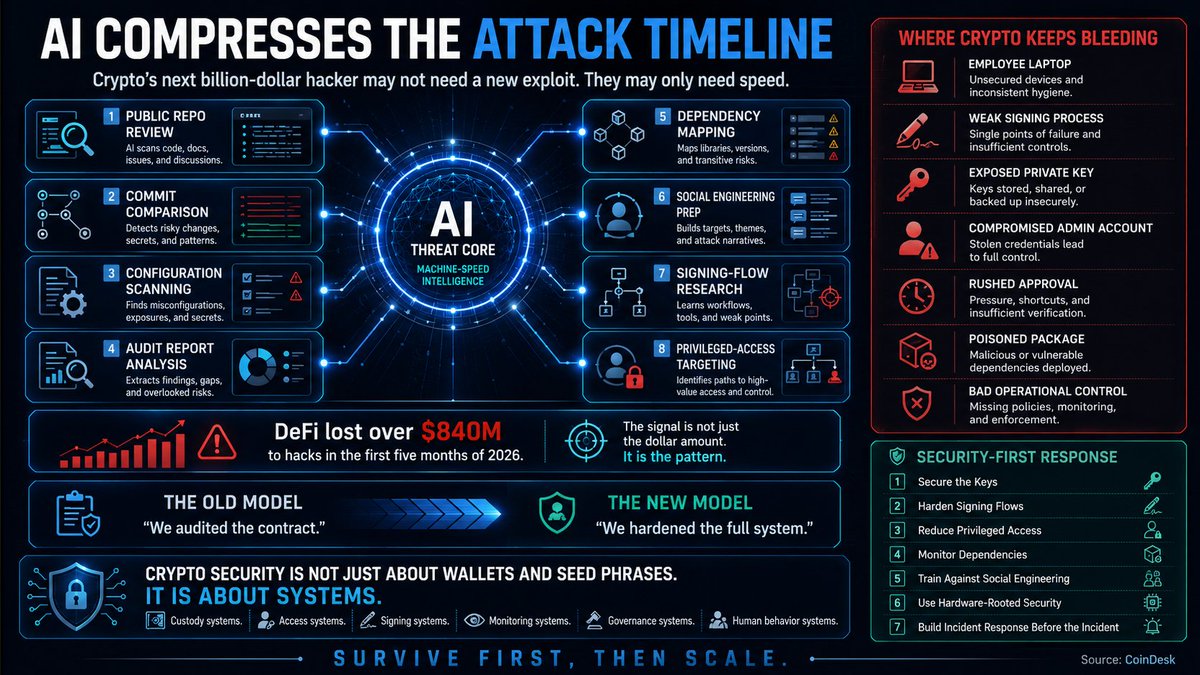
Crypto’s next billion-dollar hacker may not need a new exploit.
They may only need speed.
That is the warning from @CoinDesk's report on AI-driven crypto security risk.
The uncomfortable truth is this:
AI does not have to invent a new attack category to make crypto more dangerous.
It only has to compress the attack timeline.
What used to take weeks of manual recon can now move closer to machine-speed analysis:
Public repo review.
Commit comparison.
Configuration scanning.
Audit report analysis.
Dependency mapping.
Social engineering prep.
Signing-flow research.
Privileged-access targeting.
That is why this matters for crypto, DeFi, exchanges, wallets, and every team building financial infrastructure on-chain.
The biggest threat is not always the smart contract bug.
Sometimes it is the employee laptop.
The weak signing process.
The exposed private key.
The compromised admin account.
The rushed transaction approval.
The poisoned package.
The bad operational control.
That is where crypto keeps bleeding.
According to CoinDesk, DeFi lost over $840M to hacks in the first five months of 2026. The key signal is not just the dollar amount. It is the pattern.
Many of the worst incidents are not clean “code broke, money left” stories.
They are human-process failures.
Social engineering.
Key compromise.
Bad access design.
Weak verifier assumptions.
Operational sloppiness.
AI makes that worse because it gives attackers leverage.
A model does not need to hand someone a finished exploit to become dangerous. It can help find weak surfaces faster. It can summarize targets faster. It can generate more convincing messages faster. It can review more code, commits, documentation, and edge cases than a human team can process at the same pace.
That changes the economics of cybercrime.
For defenders, the standard has to move up.
The old model was:
“We audited the contract.”
The new model has to be:
“We hardened the full system.”
That means:
1. Secure the keys.
Private keys should not live where a compromised laptop can reach them.
2. Harden signing flows.
Users need to know exactly what they are approving before funds move.
3. Reduce privileged access.
Admin power should be limited, monitored, logged, and separated.
4. Monitor dependencies.
A poisoned package can be just as dangerous as a contract bug.
5. Train against social engineering.
The human layer is still the most targeted attack surface.
6. Use hardware-rooted security.
Cold storage, secure elements, trusted displays, multisig, and clear signing matter.
7. Build incident response before the incident.
Speed helps attackers. It has to help defenders too.
My security-first read:
The next major crypto hack may not look futuristic.
It may look familiar.
A fake message.
A rushed approval.
A compromised machine.
A weak operational process.
A signing mistake.
A dependency nobody reviewed closely enough.
The difference is that AI can scale the hunt.
This is why I keep saying crypto security is not just about wallets and seed phrases.
It is about systems.
Custody systems.
Access systems.
Signing systems.
Monitoring systems.
Governance systems.
Human behavior systems.
The market loves to talk about price.
But the infrastructure question is more important:
Can this protocol survive intelligent, automated, persistent adversaries?
Because that is where the game is going.
Crypto builders need to stop treating security like a launch checklist and start treating it like an operating system.
Retail users need to stop treating wallet hygiene like optional homework.
Institutions need to understand that digital asset infrastructure is not just a finance problem.
It is a cybersecurity problem with financial consequences.
Survive first, then scale.
Source:
coindesk.com/tech/2026/06/13…
#CryptoSecurity #BlockchainSecurity #DeFi #ZeroTrust #AI
104

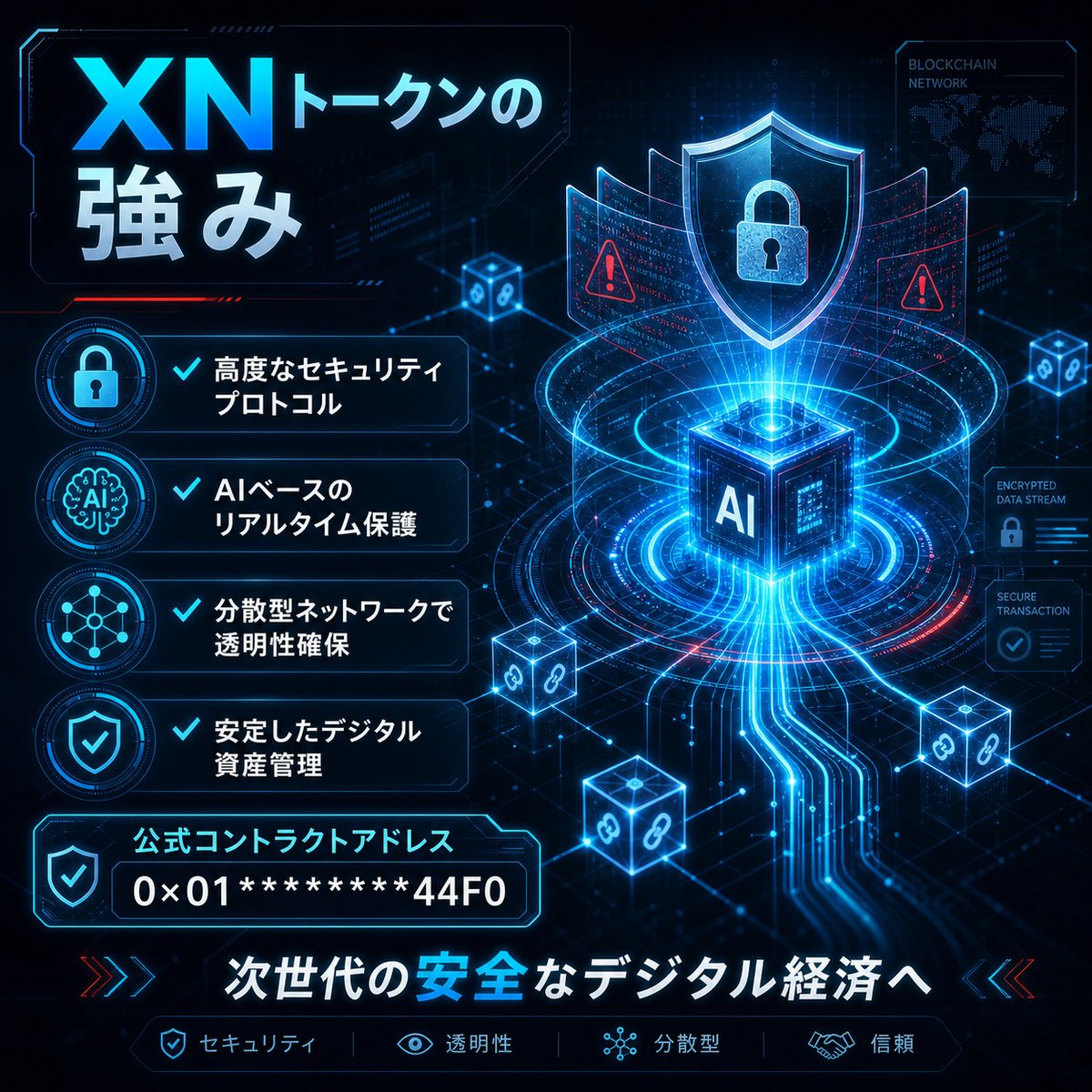
In a world full of threats, security is everything 🔐
Protect your digital future with AI-powered security.
#SecurityNet #CyberSecurity #Web3Security #BlockchainSecurity #AI #CryptoSecurity #DataProtection #Privacy #Decentralized #TechSecurity #AIBlockchain #StaySecure
3
In a world full of threats, security is everything 🔐
Protect your digital future with AI-powered security.
#SecurityNet #CyberSecurity #Web3Security #BlockchainSecurity #AI #CryptoSecurity #DataProtection #Privacy #Decentralized #TechSecurity #AIBlockchain #StaySecure

2
In a world full of threats, security is everything 🔐
Protect your digital future with AI-powered security.
#SecurityNet #CyberSecurity #Web3Security #BlockchainSecurity #AI #CryptoSecurity #DataProtection #Privacy #Decentralized #TechSecurity #AIBlockchain #StaySecure

3
Developers read documentation to build.
Attackers read documentation to break.
Both are doing research.
😂
#BlockchainSecurity #Web3Security #BlockchainDev
11

🛡️ TODAY ONLY — First 10 only. Pin saved.
Pay for 1 month of Rugpull Defender Pro.
Get 3 months of protection. Free.
90 days. No obligation to renew. No coin required.
You want coins? Buy them yourself.
This is about protection.
What's watching your back 24/7:
🔍 Smart contract risk scanning
👛 Real-time wallet monitoring — alerts before you even notice
🔔 Rug alerts before they hit the timeline
⚡ Unlimited scans
🔒 The Shield Room — Pro-only private Telegram
10 spots. When they're gone, they're gone.
Upgrade → rugpulldefender.com/upgrade
DM me your email after payment. I'll activate your 90 days personally.
New tokens are a dime a dozen...
We don't push coins. We push Protection! 🛡️
#CryptoSecurity #Web3 #DeFi #RugPull #BlockchainSecurity #Solana #CryptoProtection #DYOR #NFT #Crypto
7
12
420

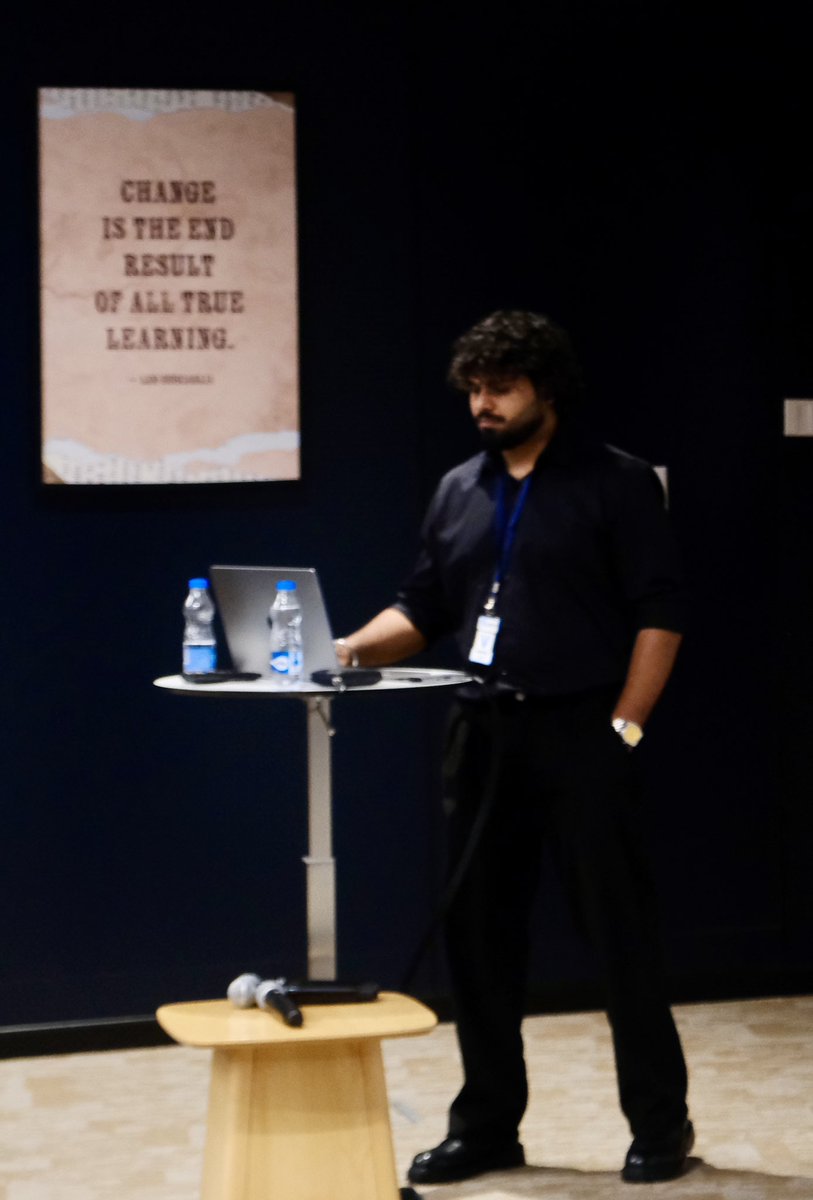
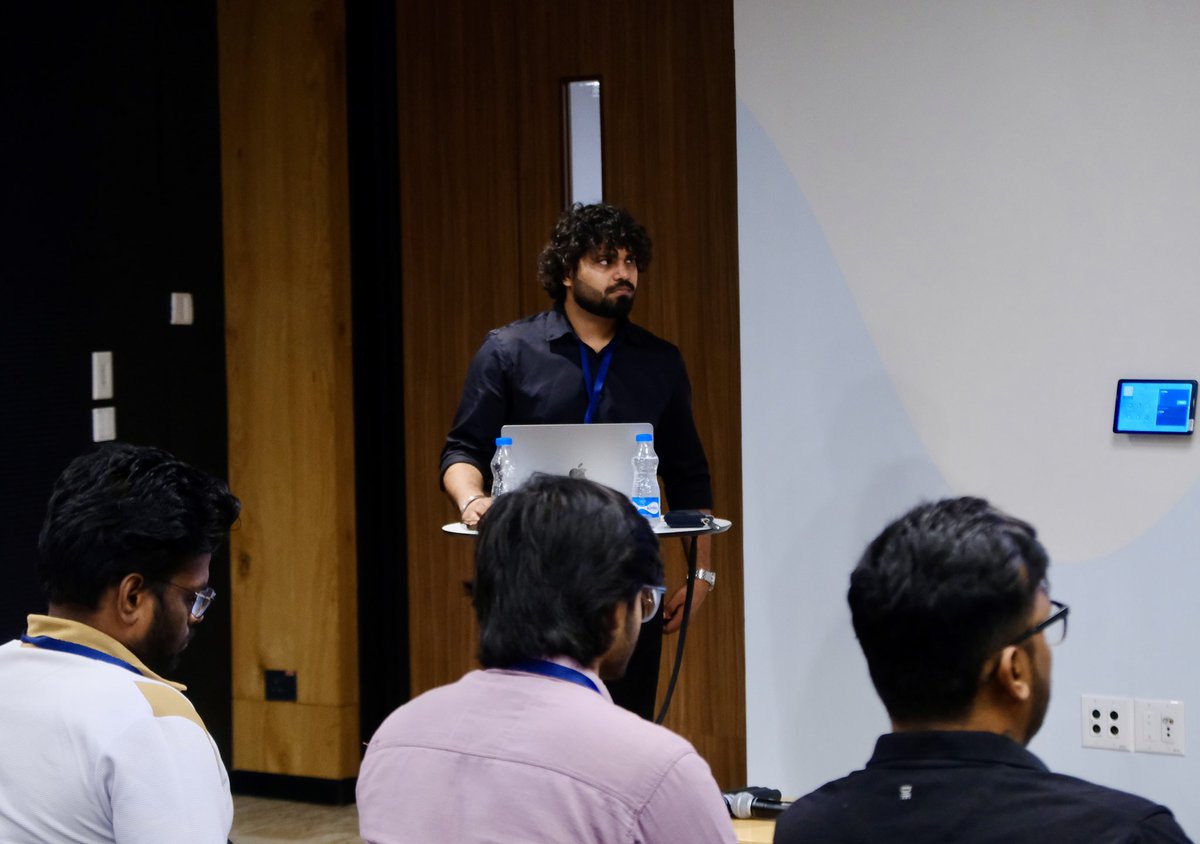
Just wrapped up a presentation on AI in Blockchain Security, and it was a really great experience from beginning to end. It’s an exciting topic because it brings together two fast-moving areas cybersecurity and blockchain.
What made it even more special was the way the session went. The discussion was engaging, the audience response was fantastic, and the overall flow of the presentation felt truly meaningful.
#blockchain #cybersecurity #Ai #BlockchainSecurity #digitalassets #rwa #daml
9
The difference between a feature and a vulnerability is sometimes just one missing line of code.
😅
#BlockchainSecurity #SmartContracts #Web3
13

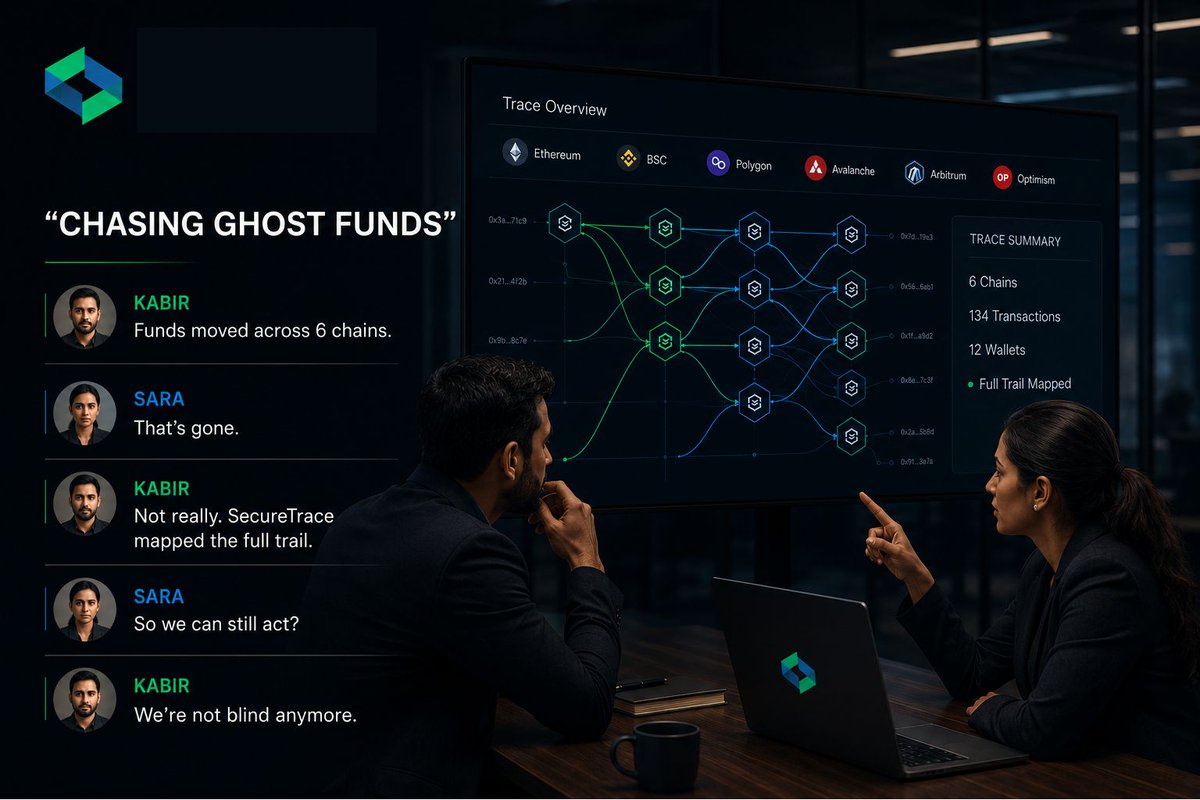
Funds moved across 6 chains.
Most people would call it a dead end.
SecureTrace calls it the beginning of the investigation.
Follow complex cross-chain transactions, uncover hidden fund flows, and turn fragmented data into a complete trail.
Because you're not blind anymore.
Know More: securedapp.io/ai-blockchain-…
#BlockchainSecurity #CryptoInvestigation
12

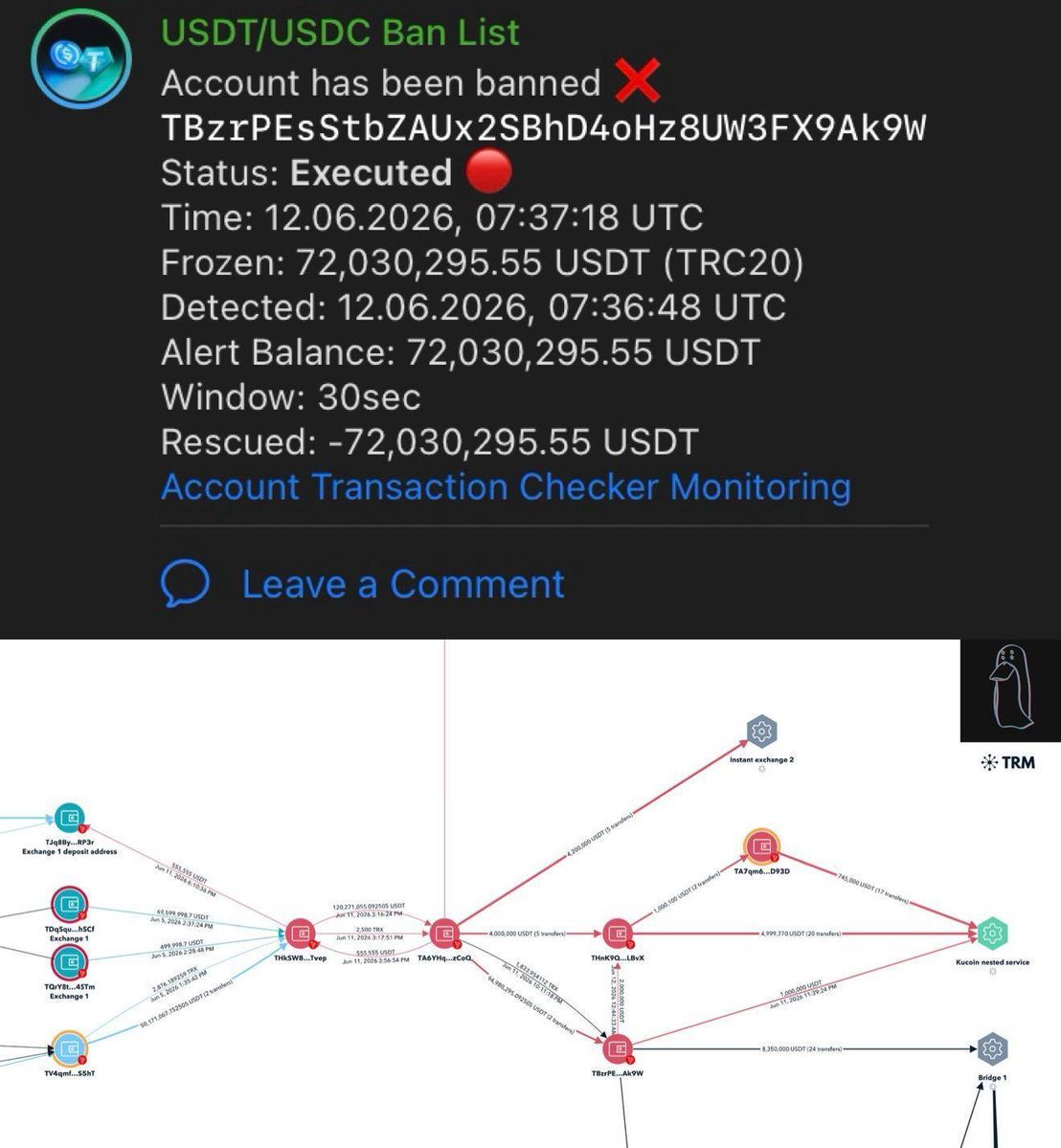
🚨 ALERT: Tether Blacklists Wallet Linked to $120M USDT Movement
According to on-chain investigator ZachXBT, the blacklisted wallet was involved in moving over $120 million USDT through a complex chain including:
· Centralized exchanges
· Cross-chain bridges
· Monero (XMR) swaps
🛡️ Why it matters:
· Demonstrates Tether's proactive freeze powers
· Highlights traceability even across privacy layers
· Signals tightening enforcement on suspicious flows
A major reminder: blockchain transparency often wins — even with mixing attempts.
#Tether #USDT #ZachXBT #BlockchainSecurity #CryptoCrime
23
Every developer thinks:
“Nobody would ever try that.”
Every attacker:
“Challenge accepted.”
😂
#BlockchainSecurity #SmartContracts
8
Every blockchain relies on one question:
“How do we agree on what’s true?”
The answer is consensus.
And without secure consensus, nothing else matters.
#BlockchainSecurity #Web3 #BlockchainBasics
1
17

Jun 13
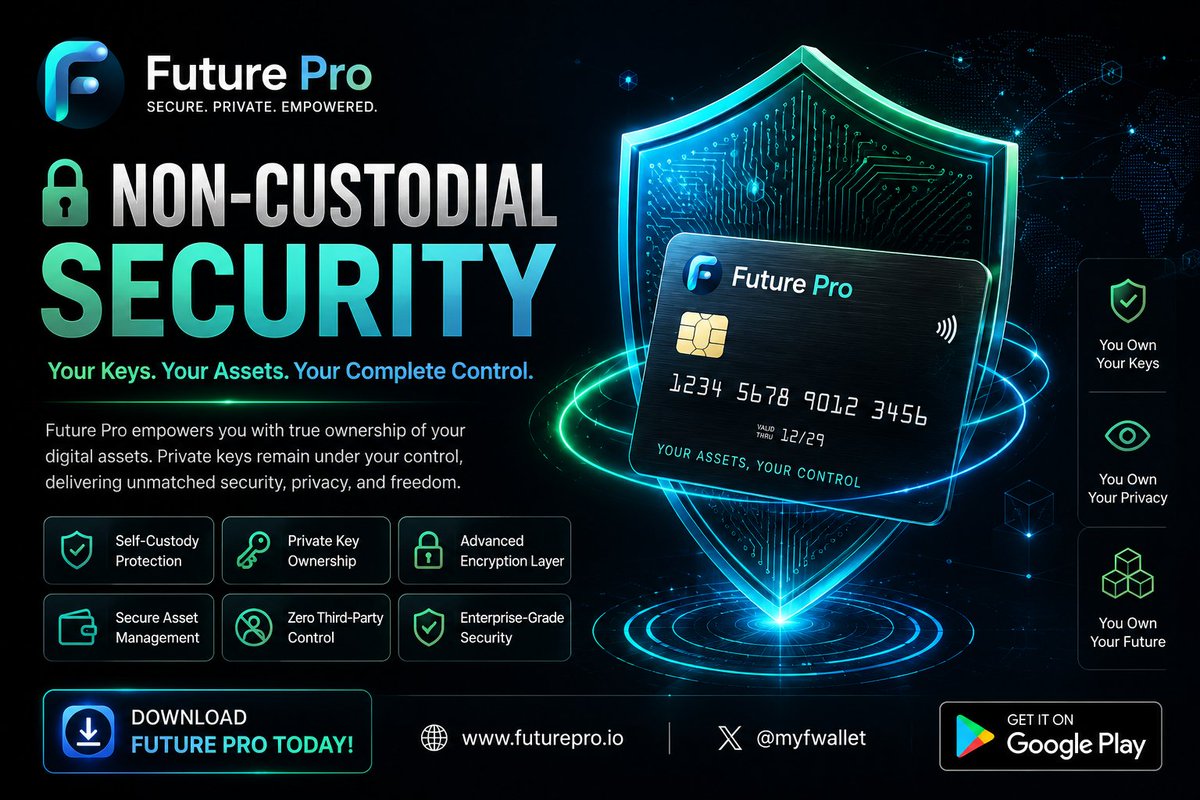
🔒 Security isn't a feature — it's the foundation.
With Future Pro, your assets remain under your control through advanced non-custodial security, private key ownership, and enterprise-grade protection.
Your Keys. Your Assets. Your Complete Control.
🌐 futurewallet.io 📱 Available on Google Play 𝕏 @MyfWallet
#FuturePro #SecurityFocus #NonCustodial #Web3Security #SelfCustody #DigitalAssets #BlockchainSecurity #PrivacyFirst #FutureWallet
11
59

Jun 13
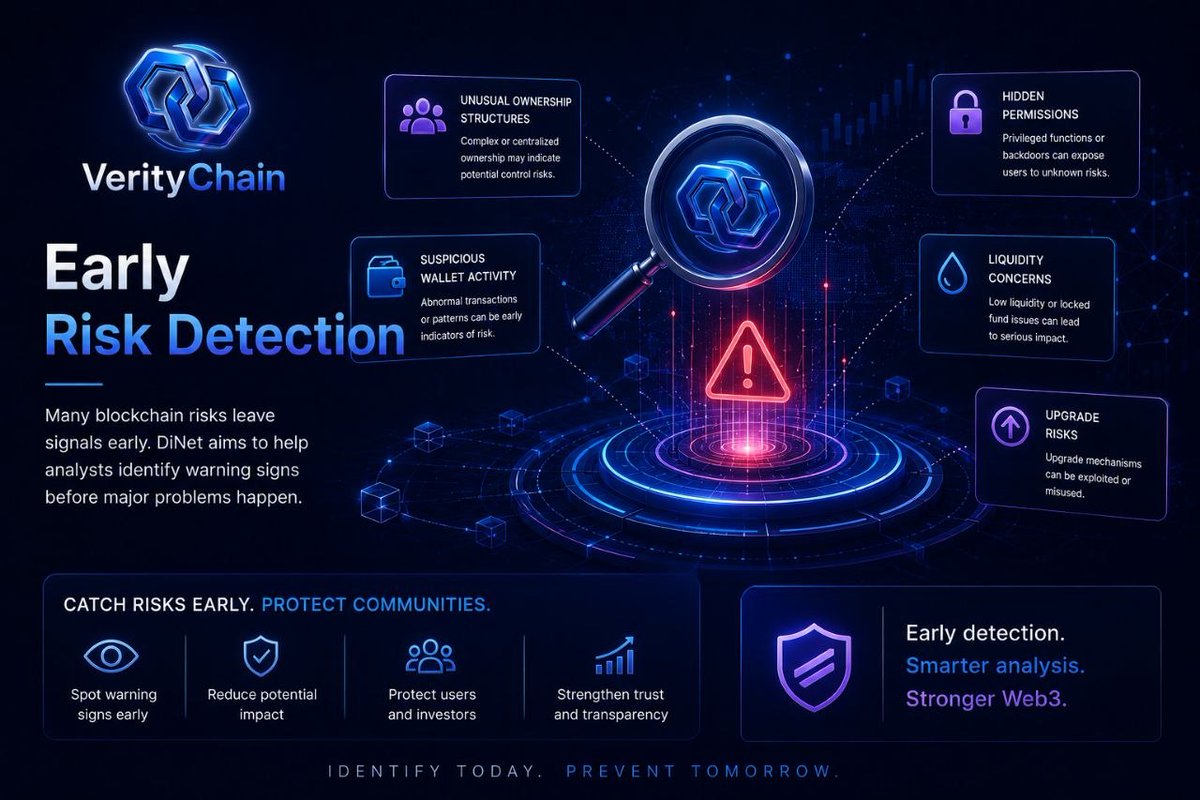
What if the biggest blockchain risks could be identified before they become disasters?
That’s the idea behind Early Risk Detection ⚠️
Many risks don’t appear suddenly, they leave signals first.
VerityChain’s vision through DiNet focuses on identifying early warning signs such as:
1. Unusual ownership structures
2. Suspicious wallet activity
3. Hidden permissions
4. Liquidity concerns
5. Upgrade risks
The goal isn’t fear it’s smarter awareness.
Early detection gives communities more time to understand projects, reduce exposure to risks, and make better decisions.
By combining analysis, monitoring, and transparency, VerityChain aims to help create a stronger and safer Web3 ecosystem.
Identify today.
Prevent tomorrow. ⚙️🚀
#VerityChain #Web3 #BlockchainSecurity
1
36