
21 Sep 2025
🚀 Don't miss out on the Monad Airdrop! Like, retweet, and drop your Monad wallet address below for a chance to earn free tokens. Act now and join the revolution in crypto! #CryptoAirdrop #Monad #CryptoGiveaway #BlockchainTokens #DeFi
21 Sep 2025

Monad Airdrop 🪂
Like, RT and Drop your Monad wallet address

1
2
110

13 Sep 2025
@PlaynowLife ⏰ _Time's Running Out!_ ⏰
Less than 20 hours left until the end of the #L2APP presale! ⚡️ Don't miss your chance to be an early adopter! Hurry up and secure your L2APP tokens before it's too late! 🚀💸
_Act Fast!_ ⏱️ Don't let this opportunity slip away. Get your L2APP tokens now and be part of the future of gaming and blockchain technology! 🌟
_Why Participate?_ 🤔
- Exclusive benefits for early adopters
- Opportunity to be part of a growing community
- Potential for significant returns on investment
- Early access to L2APP's innovative features and updates
_Secure Your Tokens Now!_ 🚀
Visit the L2APP website and follow the steps to purchase your tokens. Don't wait – the clock is ticking! ⏰
Don't Miss Out! 🚨
Join the L2APP community today and stay updated on the latest news, contests, and giveaways! 📱 #L2APP #Presale #CryptoOpportunity #BlockchainTokens
13
29
31
12,407

26 Aug 2025
🏦 The World Federation of Exchanges (WFE) warned global regulators that tokenized stocks “mimic” equities without offering shareholder rights or market trading safeguards.
#WFE #TokenizedStocks #BlockchainTokens
cryptonews.com/news/wfe-urge…
4
1,279

28 Jun 2025
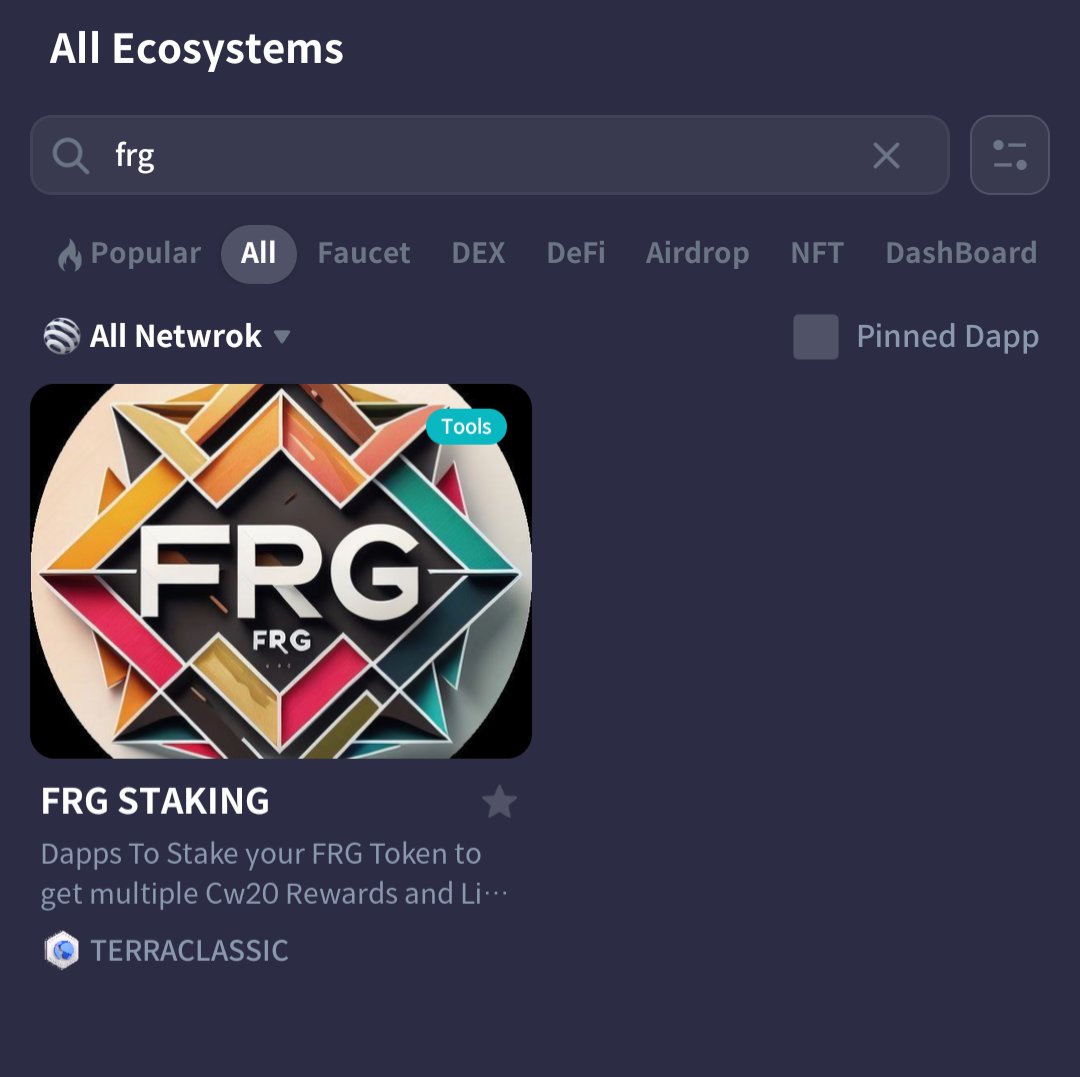
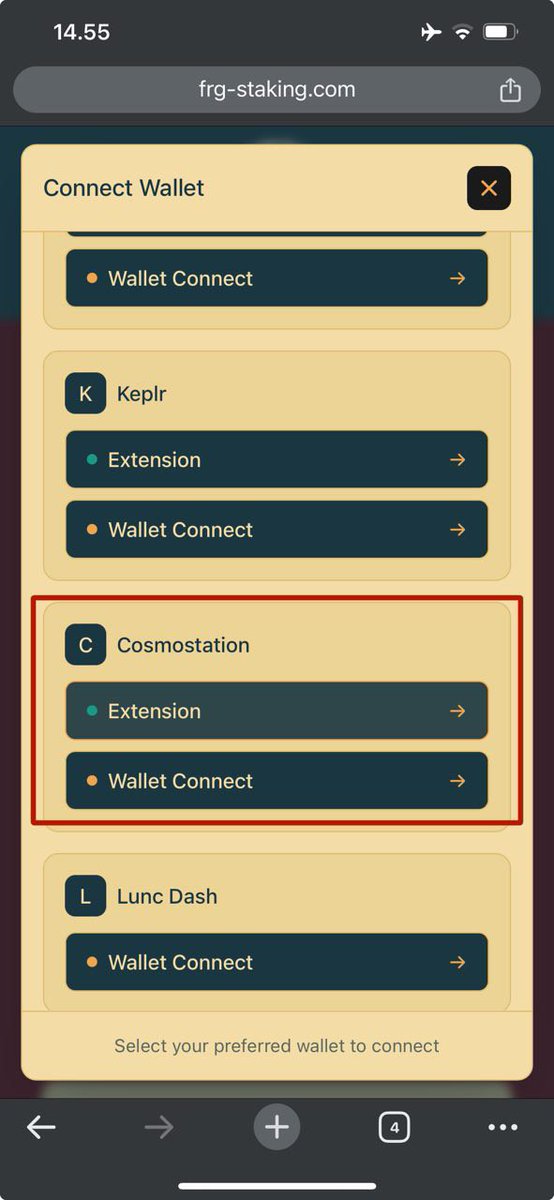
🚀 BIG NEWS! 🎉 FRG Reward App is now live on @IBCwallet! 🌟 Download now on Google Play Store 👉 play.google.com/store/apps/d… & Boost Your Crypto Earnings 💸🔥 and get EXCLUSIVE REWARDS! 🚀💰 Don't forget to stake your FRG tokens on frg-staking.com/ and watch your rewards grow! 📈 #LunaClassic #LUNC #TerraClassic #Blockchain #Crypto #FRGToken #FRGCommunity #TokenLife #CryptoTokens #BlockchainTokens #Cryptocurrency #BlockchainTech #Decentralized #CryptoNews #LunaArmy #TerraEcosystem #CryptoSpace #BlockchainRevolution"
7
12
23
425


14 Jan 2025
imgnAI, renowned for its pioneering work in uncensored AI, has unveiled PumpNai, a platform set to revolutionize how users develop AI agents and blockchain-based tokens. Launching today, PumpNai introduces an innovative ecosystem where users can effortlessly craft on-chain tokens alongside IMGNAI tokens, complete with customizable logos and social media assets. Additionally, it allows for the creation of tailored AI agents that don't require programming skills, offering features like unique personas and dynamic image generation. PumpNai also supports expansion through add-on packs for trading, social media, and real-time interaction capabilities, making AI and blockchain technology accessible to all.
#imgnAI #PumpNai #AIAgents #BlockchainTokens #Innovation
4
59

31 Dec 2024
Coinsfi.com - .COM DOMAIN NAME - Crypto, Blockchain, Coins, Tokens, Altcoins! ebay.com/itm/276706800045
#tokenlove #digitaltokens #blockchaintokens #cryptotokens #tokenomics #tokenization #tokenrevolution #tokenizedassets #tokeneconomy #tokenizedworld #tokenizedfuture
3
63

29 Dec 2024
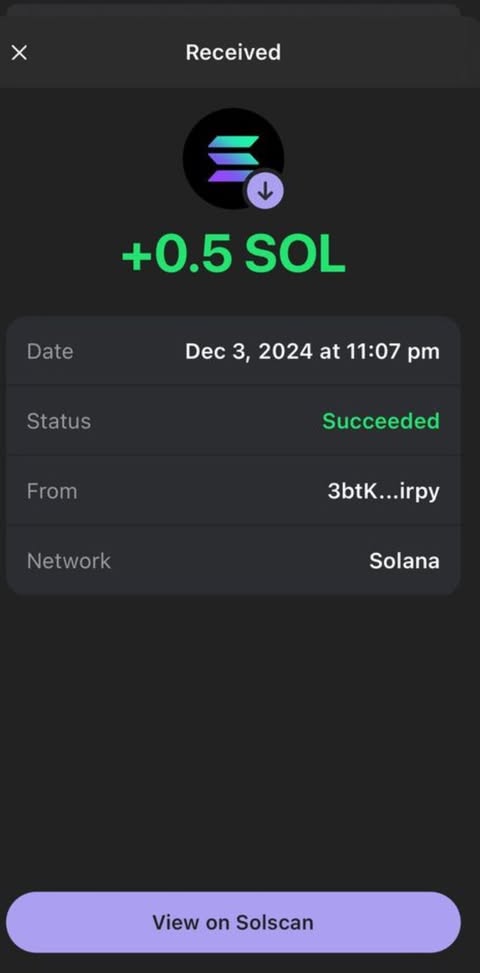
🎉 Final Days: 25,000 $PAB Giveaway!
💸 Only 3 days left to join the presale.
📋 Steps to participate:
1️⃣ Like & RT this post ♻️
2️⃣ Follow us 🔔
3️⃣ Comment your $SOL wallet below!
🔗 Secure your tokens now: solsale.app/presale/9tEVfveS…
⏰ Don’t miss out!
#CryptoPromos #BlockchainTokens #SOLInvestments #AltcoinOpportunity
50
20
27
1,930
27 Dec 2024
TokenCoverage.com - .COM DOMAIN NAME - Crypto, Blockchain, Fintech, Finance! ebay.com/itm/276721281767
#tokenlove #digitaltokens #blockchaintokens #cryptotokens #tokenomics #tokenization #tokenrevolution #tokenizedassets #tokeneconomy #tokenizedworld #tokenizedfuture #coins
3
85

20 Dec 2024
a faithful friend from mars @DogelonMars @EloMarsAI
#CryptoTokens #TokenRevolution #BlockchainTokens
#FutureOfTokens #TokenEconomy #TokenInvesting
#DecentralizedTokens #TokenizeTheFuture #NFTandTokens #TokenLaunch



3
1
68

25 Oct 2024
4/ Why $BCUT?
$BCUT is more than a token; it’s the backbone of bitsCrunch’s network. From staking and rewards to exclusive data access, it enables community members to shape and secure this decentralized, data-driven ecosystem. #BCUT #BlockchainTokens
1
1
1
57

11 Oct 2024
💎 24 Hours Left for Your $DBR Airdrop Claim!
🔗 de-brldge.foundation/checker
Claim on these CEXs:
‣ Bitget
‣ Kucoin
‣ Gate
‣ MEXC
‣ Bitrue
‣ HTX
‣ CoinW
‣ Bybit
‣ Backpack
‣ Bitvavo
Or claim to your Solana wallet on TGE [Oct 17th, 8 AM UTC]!
#airdrophuntzone #cryptoairdropready #tokenrelease #solanacryptoairdrops #cryptoairdrophunters #airdrophunterrewards #defiearning #cryptoclaims24 #onchainfinance2024 #cryptoopportunityalert #solanaprojects #airdrophunteralerts #cryptoairdropglobal #airdrophuntersnews #blockchaintokens #airdrophunterscrypto #cryptoprojectupdates #web3airdrophunt #airdrophuntdaily #blockchainprojectalert
5
5
46
10 Oct 2024
🚀Periksa Ranking Scroll $SCR! 💸
🔗 scrollstalt.xyz/check-marks-…
👥Jumlah pengguna: 2.5 juta
🪙Tanda saya: 7980
🏆Ranking: 4460
🏅2000 Markes: 38k pengguna
🏅1001-2000: 36k
🏅501-1000: 93k
⚠️Tak perlu sambungan, hanya paste
😁Dompet famili saya 6k markah semuanya!
❤️Suka
🔄RT
#BitcoinMining #DefiLending #NFTLaunch #BlockchainSolutionsMY #CryptoMining #Web3Innovation #DeFiProjects #GameFiTokens #Cryptocurrency2024 #BitcoinNews #Ethereum2.0 #NFTMarketplace #SmartContractDev #CryptoSignalMalaysia #CryptoAirdrop2024 #BlockchainFuture #Tokenomy #CryptoInvestmentMalaysia #CryptoNewsMY #BlockchainTokens
5
5
74


12 Jul 2024
4/ 💰 Earning with WXW
Users earn WXW tokens by inviting friends, participating in Tap-to-Learn activities, completing quests, and more. Higher WXW holdings unlock greater rewards and community recognition.
#CryptoEarnings #TokenRewards #BlockchainTokens
1
4
1,831

6 May 2024
Osiz is a reputable #Token Development Company that specializes in providing exceptional #Crypto Token Development Services >> bit.ly/45SqJ6S
#TokenDevelopment #CryptoDevelopment #BlockchainTokens #CryptoTech #Tokenization #Blockchain #CryptoSolutions #Usa #Uk #India
1
29

🔥 #HotNews of @JoystreamDAO and all crypto world indeed!
🪙Dreams come true!
$JOY #JoystreamDAO #Joystream #gleev #blockchaintokens #tokens #JOY
22 Apr 2024

Creator Tokens Released!
The revolutionary way for creators to build engaged communities of stakeholders around their channels.
blog.joystream.org/creator-t…
1
5
24
1,018

19 Apr 2024
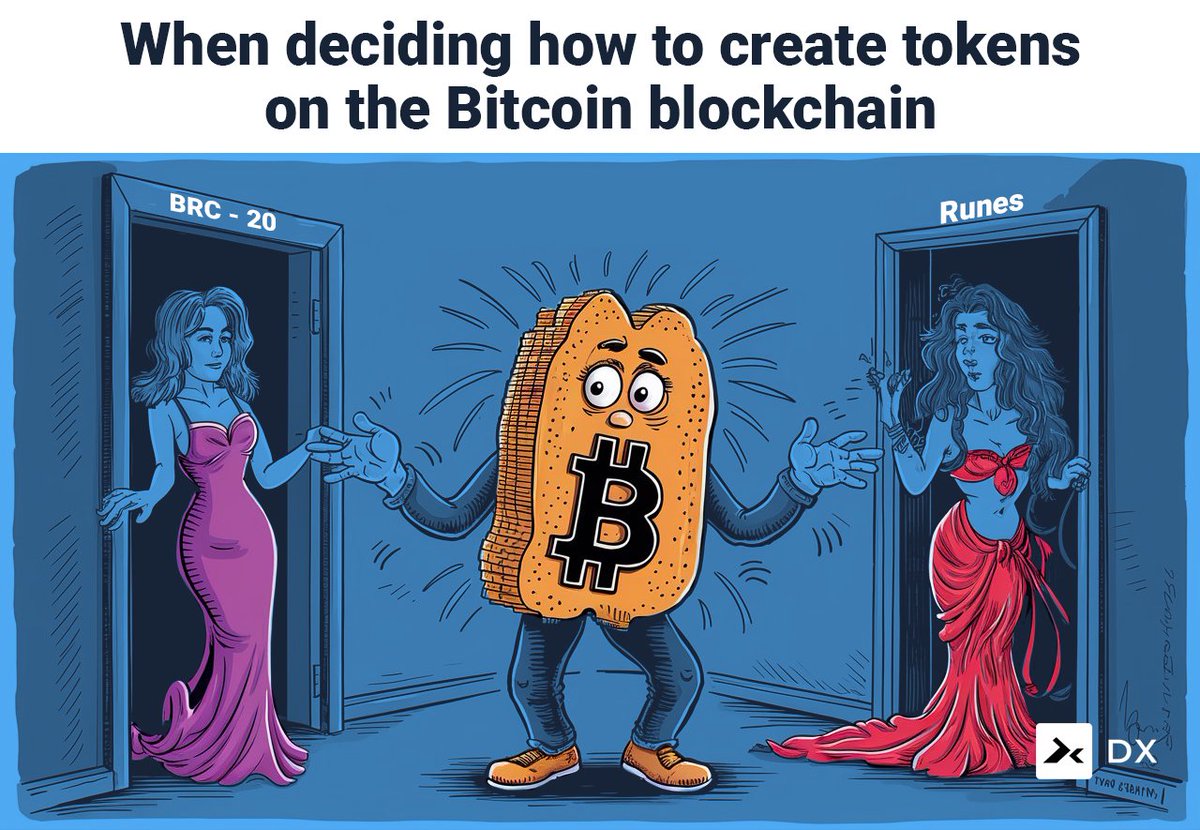
🚀 Deciding how to create tokens on the Bitcoin blockchain is like the Distracted Boyfriend meme.
#Fintech #CryptoNews #BitcoinMining #CryptoCommunity #BitcoinLifestyle #BlockchainTechnology #BRC20 #TokenCreation #SmartContracts #BlockchainTokens #BitcoinTokens #ERC20Alternative #TokenStandards
4
17
1,543

20 Mar 2024
What is Tokenomics? the backbone of digital money and blockchain projects.
tinyurl.com/mske745s
#clarisco #Tokenomics #CryptoEconomics #BlockchainTokens #TokenEconomy #blockchain #usa #canada #germany #spain #italy #brazil #southkorea #thailand #philippines #singapore
2
120

4 Feb 2024
Bitcoin Stamps Aim to Elevate Data Storage on Bitcoin Network
Say hello to Bitcoin Stamps, a novel token standard challenging the Ordinals in the digital collectible space.
Derived from the well-established Counterparty Protocol, renowned for creations like Rare Pepes and on-chain art, Bitcoin Stamps, also known as SRC-20 tokens, have arrived on the world's most valuable crypto network.
These tokens reside within Bitcoin's UTXO set, or Unspent Transaction Output, representing the remaining satoshis from a Bitcoin transaction. According to Mike In Space, co-founder of Stamps, this unique placement enhances their value for the network by making them highly resilient to tampering.
In an exclusive discussion with The Defiant, Mike explained that the key purpose of Stamps is to provide an on-chain art encoding method that surpasses Ordinals by being unprunable. Notably, as Stamps reside in the UTXO set, every Bitcoin node stores them indefinitely.
Comparing Ordinals to Stamps, the former dominated discussions in 2023. Introduced by Casey Rodarmor, Ordinals allowed arbitrary data storage on Bitcoin, expanding its use cases beyond a mere store of value. Despite its success, Ordinals faced criticism for contributing to high transaction fees and blockchain congestion.
While Ordinals garnered attention, Stamps silently made strides. Mike emphasizes that Stamps offer a more persistent data storage method on the oldest and longest-running blockchain compared to Ordinals.
Addressing concerns about a potential bloated blockchain, Mike acknowledges it as an outcome of even modest mainstream growth for Bitcoin, emphasizing the inevitability of a bloated UTXO set.
In terms of transaction fees, Stamps differ from Ordinals by not leveraging the SegWit discount. Instead, Bitcoin Stamp transactions pay the market rate for block inclusion, providing a more robust fee market.
Despite enjoying less attention from the Bitcoin maximalist community, especially the monetary maximalist faction, Stamps has faced opposition. Critics argue that Bitcoin's primary role is to offer neutral money, and its blockchain shouldn't store arbitrary data.
Mike acknowledges some anti-Stamps sentiment even among Bitcoin core developers but underscores that SRC-20s formalize the Counterparty protocol, which has existed for nearly a decade. He challenges opponents to out-compete this use case for block inclusion if they disagree, emphasizing the blockchain's intended use and the payment for that privilege with Stamps.
In the evolving narrative of Bitcoin's capabilities, Stamps, alongside Ordinals, contributes to challenging perceptions of the network as slow, expensive, and resistant to innovation. These innovations foster a thriving environment for developers, artists, and enthusiasts on the oldest blockchain.
#BitcoinStamps #SRC20Tokens #BlockchainInnovation
#BitcoinInnovation #DigitalCollectibles #BlockchainTokens
5
10
101