We'll continue to unlock potentials & uplift lives no matter what!
#NFT #Crypto #DeFi #CHRT #BlockchainTechnologies

3
39
A trustworthy #Character is priceless, precious like gems, & pure like fresh water.
And even if you can't see it, it's worth treasuring, it's worth the #HODL
#DAO #NFT #DeFi #Crypto #DApp #BlockchainTechnologies #Web3 #Ai

1
3
73
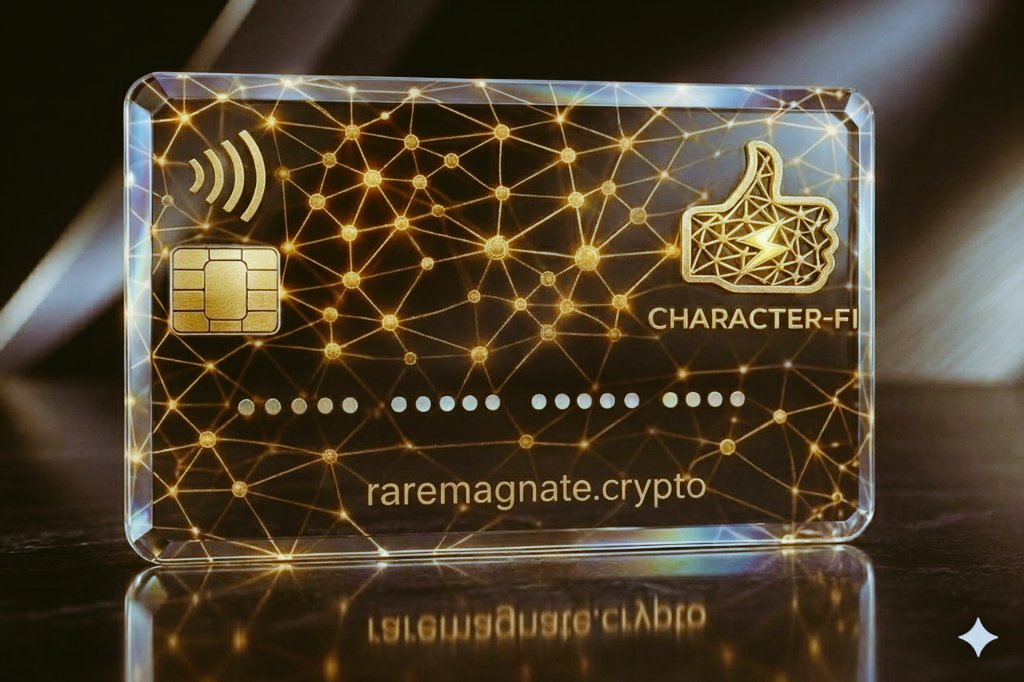
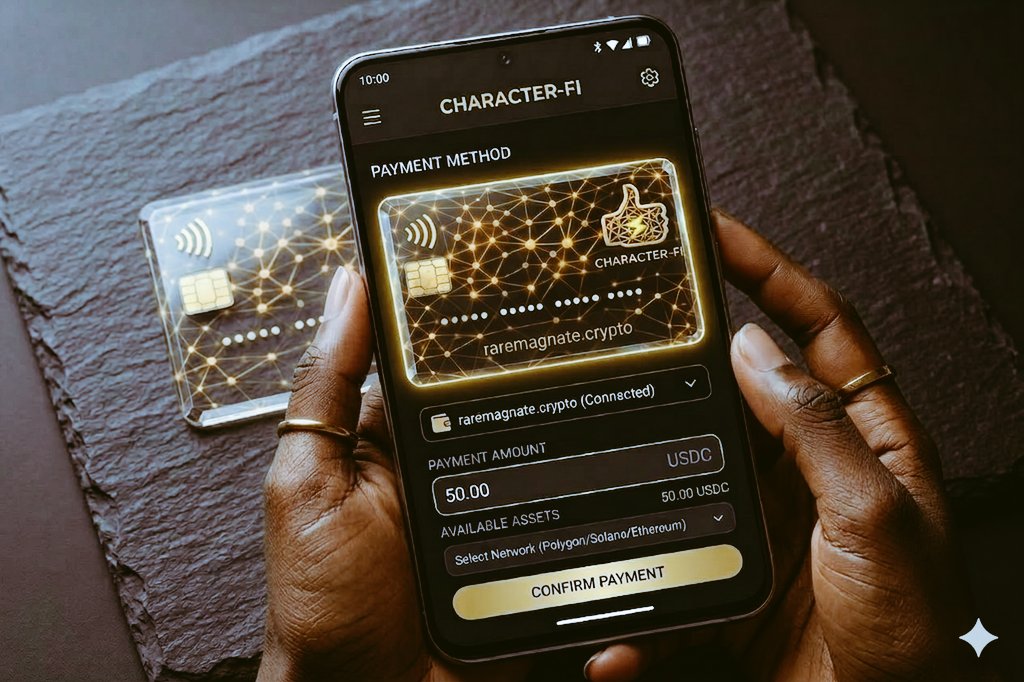
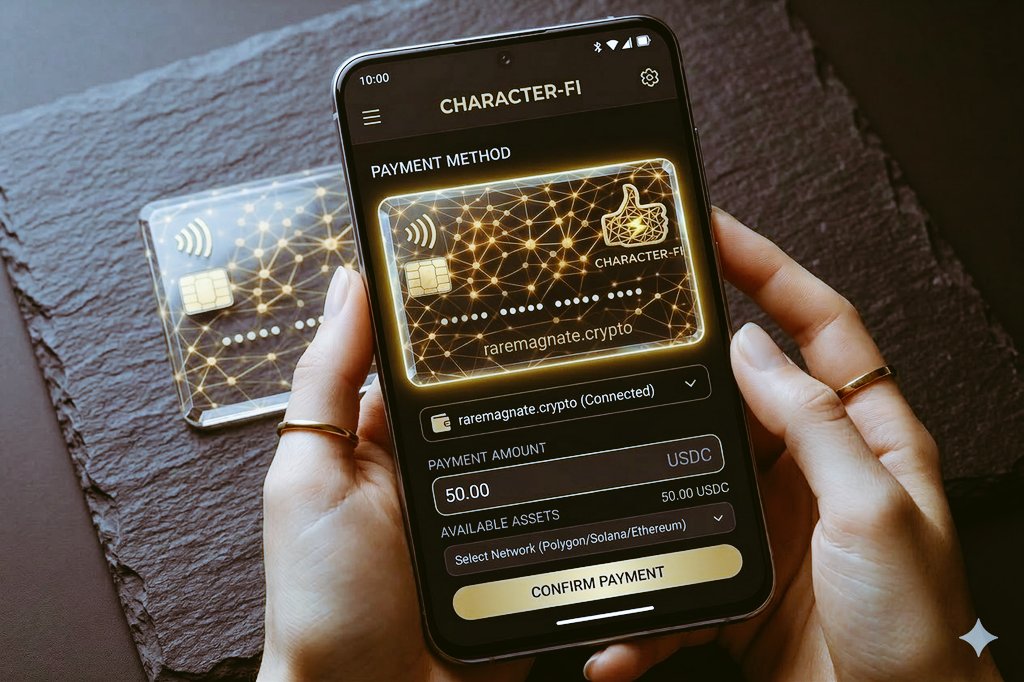

Mar 10
This is one of the grounded and consequential "Blockchain for real world" I have seen.
- Jonas dovydas
#blockchaintechnologies
#blockchainforrealworld
Mar 10

blogs.sw.siemens.com/cre8ven…
This innovation—embedding a full lightweight blockchain node via @Minima_Global directly into low-power industrial hardware like ARM-based systems, proven in a real drone flight demo—is genuinely exciting and potentially transformative for the next decade of physical-world AI and robotics.
Here are my main thoughts on why it matters and where it could go:
•Solves a real pain point that most people underestimate
As autonomy scales (AMRs in warehouses, drones for inspection/delivery, robotic arms in factories, edge devices in energy grids), the weakest link isn’t intelligence—it’s accountability. Regulators, insurers, courts, and companies increasingly demand: “Prove what the machine actually did, when, and why—without gaps someone could fake or dispute.”
Cloud logging is fragile (connectivity fails, servers get hacked, logs can be altered). External black boxes add cost/complexity and become single points of failure.
On-device, tamper-evident cryptographic logging at source changes that: trust becomes intrinsic to the hardware, not bolted on.
• Impressive technical leap
Running a complete Layer-1 blockchain node on constrained embedded hardware (with ~500× memory savings and orders-of-magnitude faster verification) is non-trivial. Traditional blockchains are far too heavy for this. Minima’s design hardware acceleration (SHA-3 on FPGA/SoC) shows it’s possible without sacrificing real-time determinism or battery life.
The live drone test in early 2026 (offline-capable, continuous logging during flight) moves it from white-paper hype to credible prototype.
•Strategic timing & positioning for Europe
This aligns perfectly with:
◦EU AI Act / upcoming machinery regulation demanding high-risk system auditability
◦Chips Act push for sovereign semiconductor capabilities
◦Desire to reduce cloud dependency (geopolitical resilience, latency, cost)
Siemens Arm Southampton give it serious industrial credibility—far beyond crypto-startup experiments.
•Biggest near-term impact areas
◦AMRs & warehouse/logistics fleets — immutable incident logs for safety investigations
◦Commercial drones — regulatory compliance for BVLOS operations
◦Regulated sectors (pharma cleanrooms, nuclear/energy assets, defense-adjacent) — where audit trails are existential
◦Digital twin integrity — feeding verifiable physical data into Siemens’ marketplace instead of assumed/possibly spoofed inputs
•Longer-term potential (if silicon version succeeds)
A blockchain-enabled SoC could become a standard building block, like adding TPM/security enclaves today—but for decentralized provenance instead of just encryption.
Imagine: swarms of robots coordinating peer-to-peer with cryptographically provable state, no central server required. Or supply-chain parts that carry immutable usage history from factory to end-of-life.
•Caveats & realism check
◦Adoption will be slow: certification cycles in industrial/defense are glacial; first customers will be high-value niches.
◦Energy/performance tax still exists—even optimized, it’s not free.
◦Not a silver bullet for all trust problems (AI hallucination inside the decision loop remains separate).
◦Interoperability with existing standards (ISA, OPC UA, etc.) will be key.
Overall verdict: This is one of the more grounded and consequential “blockchain for real world” applications I’ve seen. It’s less about speculative tokens and more about making autonomous machines legally and operationally trustworthy at scale. If the silicon roadmap delivers in the next 2–4 years, it could quietly become infrastructure—like adding error-correcting codes to memory was decades ago. Europe pulling this off first is a nice bonus.
9
122
Mar 9
If anyone Haven't heard of $minima, I'm using this platform to tell you that $minima is the future of Blockchain technologies.
#thefuture #blockchaintechnologies
#minima
Mar 9

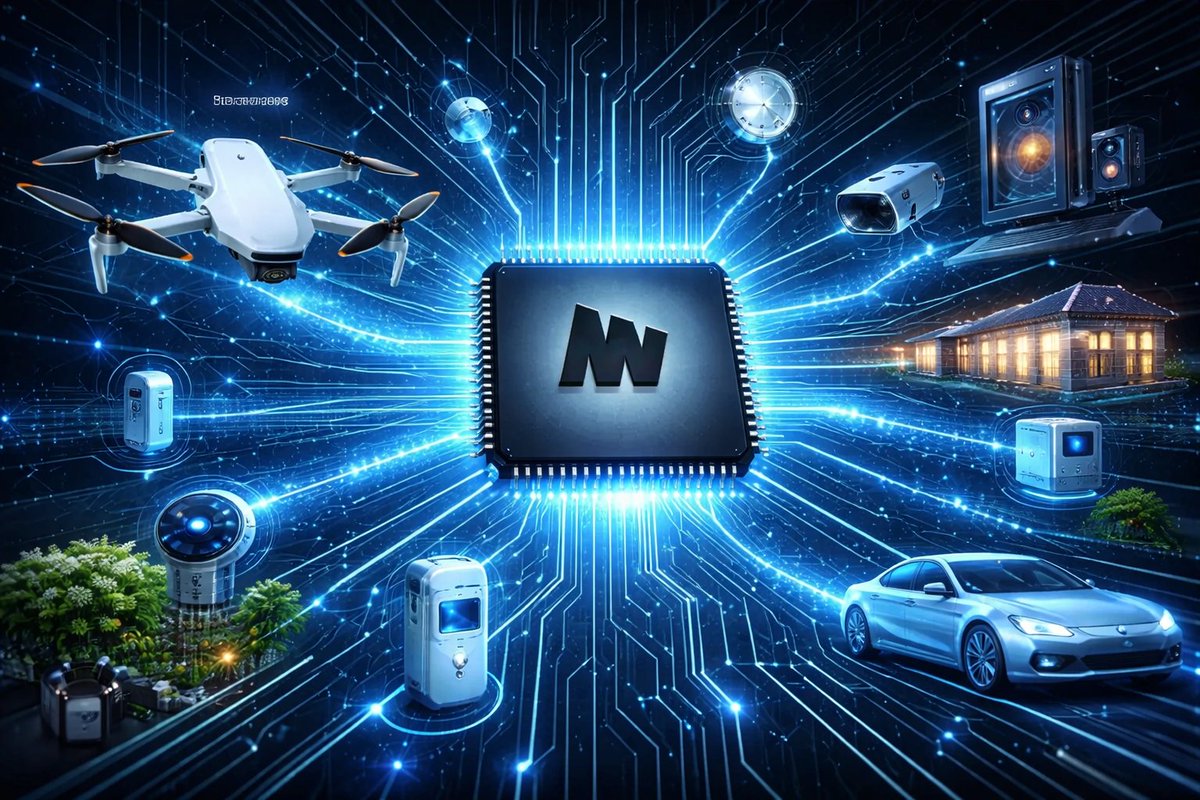
A drone just flew autonomously while recording every piece of flight data on a blockchain. in real time. on a chip.
that's what @Minima_Global built with @Arm, @Siemens, and @unisouthampton.
they moved the entire blockchain from software into silicon.
the result?
→ 500x performance gain
→ 10,000% energy efficiency improvement
→ tamper-proof audit trail during live flight
→ full L1 verification on low-power hardware
vibration, movement, limited signal. the system handled all of it.
this is blockchain leaving the screen and entering the machine.
autonomous vehicles, industrial robots, AI systems, defence platforms.
all of them need verifiable proof of what they did.
@Minima_Global already built the trust layer for that future.
$MINIMA
1
5
20
319
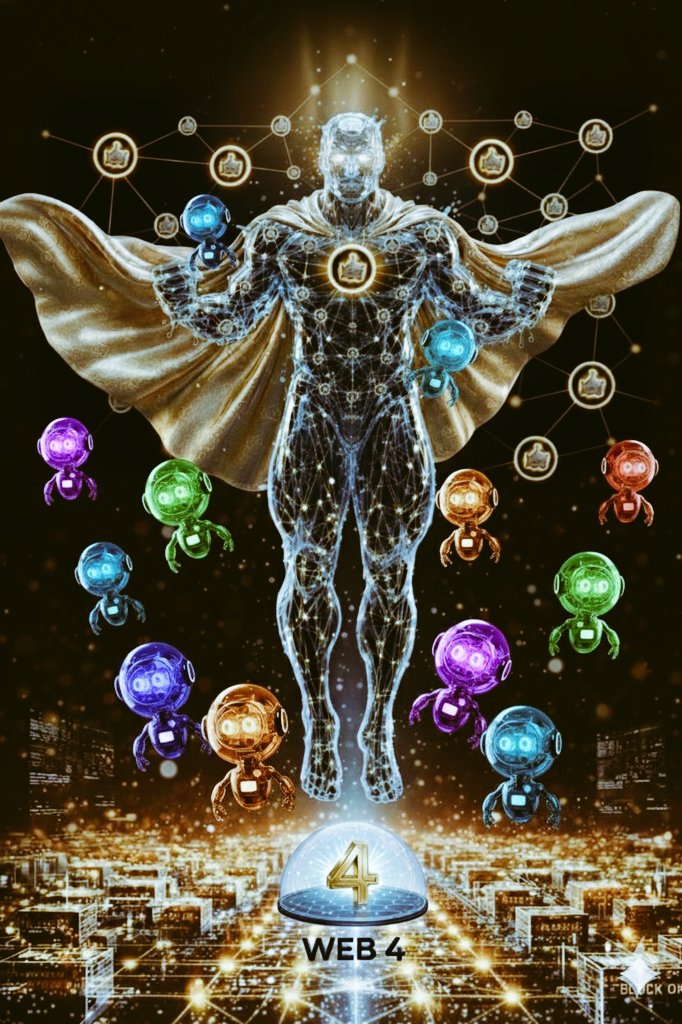
When your Character is enhanced with #Ai, you can achieve more....
#NFT #DAO #DeFi #Cryptocurrency #BlockchainTechnologies
32
26
354
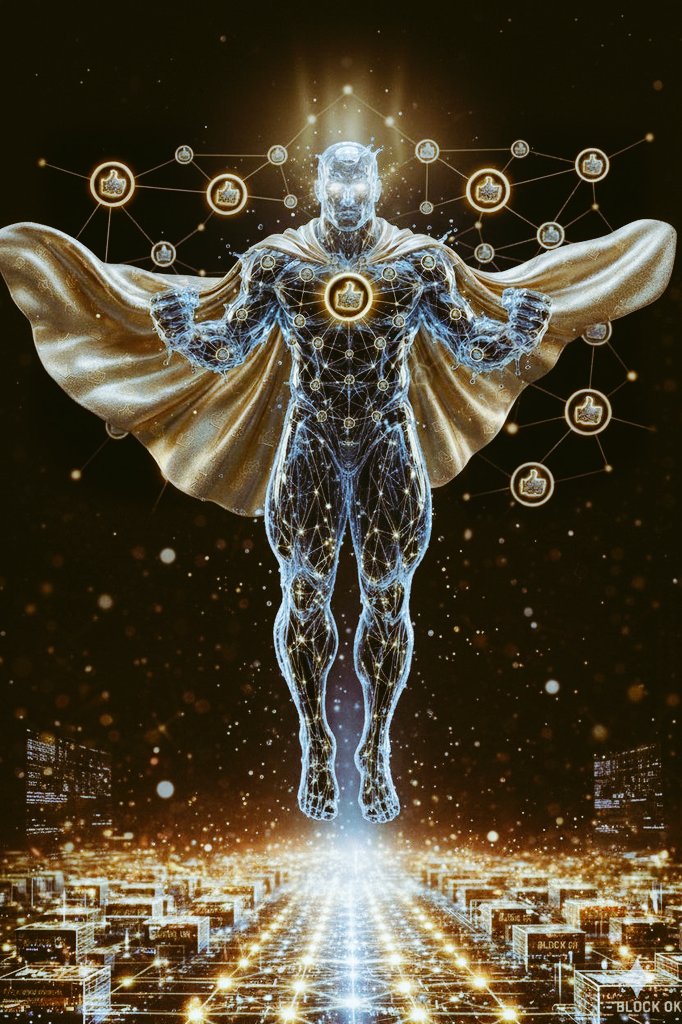
Our Character defines us....
We're Character DAO Trust, unlocking potential, uplifting lives!
#NFT #DAO #DeFi #Ai #BlockchainTechnologies
22
22
301
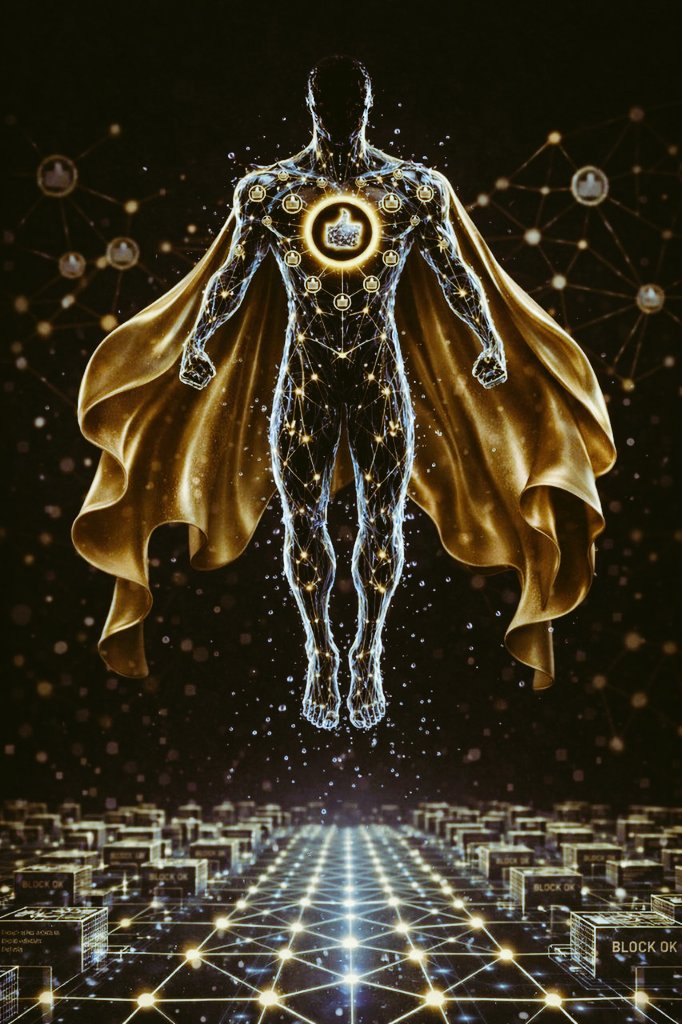
...And the Intelligence of Character DAO Trust pondered over the Blockchains…
#DAO #NFT #DeFi #BlockchainTechnologies
3
69

26 Dec 2025
Come 2027, your #Character works 4U to unlock ecosystem access.
#DAO #DeFi #NFT #Ai #BlockchainTechnologies

1
6
137

#GENUINE Innovative Startups #Intercontinentally. Pi #NETWORK Ventures Empowering Startup Techs in #BlockchainTechnologies.
1
2
141

3 Sep 2025
💡 What is Web3?
Think of the internet in 3 stages:
🌍 Web1 – Read only (static pages, 1990s)
🌍 Web2 – Read Write (social media, apps, 2000s)
🌍 Web3 – Read Write Own (blockchain, crypto, smart contracts)
👉 In Web3, you don’t just use platforms—you own a piece of them.
It’s internet powered by decentralization.
The shift isn’t just technical—it’s about giving power back to users.
#Web3 #Blockchain #FutureOfInternet #technologies #cryptocurrency #cryptocurrencies #BlockchainInnovation #BlockchainSecurity #Blockchaintechnologies
1
1
6
200

11 Aug 2025
💡 Blockchain.
💰 Athlete Ownership.
🔥 Real-World Hoops.
🎥 Tokenized Highlights.
⚡ Community-Led Growth.
#blockchain #blockchaintechnologies #ai #basketball #nft #digitalcollectibles #futureofwork #crypto #bitcoin #ethereum #coinbase #decenralized #defi#sportsandtec
1
37
11 Aug 2025
💡 Blockchain.
💰 Athlete Ownership.
🔥 Real-World Hoops.
🎥 Tokenized Highlights.
⚡ Community-Led Growth.
#blockchain #blockchaintechnologies #ai #basketball #nft #digitalcollectibles #futureofwork #crypto #bitcoin #ethereum #coinbase #decentralized #defi #sportsandtech
2
56
7 Aug 2025
💡 Blockchain.
💰 Athlete Ownership.
🔥 Real-World Hoops.
🎥 Tokenized Highlights.
⚡ Community-Led Growth.
#blockchain #blockchaintechnologies #ai #basketball #nft #digitalcollectibles #futureofwork #crypto #bitcoin #ethereum #coinbase #decentralized #defi #sportsandtech
2
5
51
6 Aug 2025
💡 Blockchain.
💰 Athlete Ownership.
🔥 Real-World Hoops.
🎥 Tokenized Highlights.
⚡ Community-Led Growth.
#blockchain #blockchaintechnologies #ai #basketball #nft #digitalcollectibles #futureofwork #crypto #bitcoin #ethereum #coinbase #decentralized #defi #sportsandtech
4
84
31 Jul 2025
💡 Blockchain.
💰 Athlete Ownership.
🔥 Real-World Hoops.
🎥 Tokenized Highlights. ⚡ Community-Led Growth.
#blockchain #blockchaintechnologies #ai #basketball #nft #digitalcollectibles #futureofwork #crypto #bitcoin #ethereum #coinbase #decentralized #defi
1
132
31 Jul 2025
💡 Blockchain.
💰 Athlete Ownership.
🔥 Real-World Hoops.
🎥 Tokenized Highlights. ⚡ Community-Led Growth.
d #blockchain #blockchaintechnologies #ai #basketball #nft #digitalcollectibles #futureofwork #crypto #bitcoin #ethereum #coinbase #decentralized #defi
39