the burrow retweeted

👀BlockDaemon XRPL Validator👀 IETF👀DTCC👀 and 👀Canton Network Validator. Blockdaemon connections to Quant🤔 #blockdaemon #xrpl #validator On XRPL and Canton 👀 #ripple #qnt #quant #dtcc #canton
1
3
16
463

Hydra, la apuesta de Cardano por escalar sin renunciar a la seguridad
Mientras buena parte del debate sobre escalabilidad en cripto gira en torno a hacer más grande la cadena base, Cardano lleva tiempo explorando otro camino: mover el grueso de la actividad fuera de la cadena y reservar Layer 1 para lo que de verdad importa, la liquidación final. Esa es la idea que sostiene Hydra, su solución de Layer 2, que a estas alturas de 2026 ya no es una promesa de laboratorio sino infraestructura corriendo en producción.
El punto de partida es una limitación conocida. La cadena principal de Cardano está construida para ser segura y descentralizada, con cada transacción pasando por consenso global y miles de nodos validándola. Eso es exactamente lo que se quiere de una capa base, pero tiene un precio en velocidad y coste cuando se intenta escalar a volúmenes altos. Hydra ataca ese cuello de botella procesando las transacciones entre un grupo definido de participantes fuera de la cadena, y usando Cardano por debajo solo como capa de asentamiento. El resultado son comisiones prácticamente nulas, finalidad casi inmediata y un rendimiento que supera al de Layer 1 en varios órdenes de magnitud, todo sin pedir confianza en intermediarios.
La pieza clave: el Hydra Head
El mecanismo central tiene nombre propio: el Hydra Head. Funciona como un canal de estado compartido entre varios participantes. Para abrirlo, cada uno deposita fondos desde la cadena principal hacia el Head, y a partir de ese momento pueden transaccionar entre ellos a placer sin tocar la blockchain en cada operación. Cada cambio de estado requiere el acuerdo de todos y queda guardado en snapshots que custodian los propios participantes, no la cadena.
La gran virtud de Hydra frente a otras soluciones de Layer 2 es que es isomórfico. En cristiano: dentro de un Head, el formato de las transacciones, la lógica de los contratos y las reglas de validación son idénticas a las de Layer 1. Un desarrollador no tiene que aprender nada nuevo ni reescribir su código, porque el mismo Plutus que corre en cadena corre dentro del Head. Cuando el grupo termina, o si aparece un conflicto, el estado acordado se devuelve a la cadena principal mediante una transacción de fan out. Y no hace falta cerrar todo para mover dinero: se pueden añadir o retirar fondos de un Head en marcha con operaciones de deposit y decommit.
De la teoría a las máquinas expendedoras
Lo más interesante del momento actual de Hydra es la variedad de cosas reales que ya funcionan encima. En DeFi, DeltaDeFi opera un DEX de libro de órdenes capaz de colocar órdenes en menos de un segundo y modificarlas sin comisión, algo sencillamente impagable en Layer 1. Pondora Echo dio un paso más al lanzar en 2026 el primer DEX no custodial nativo de Hydra pensado para DeFi modular. En el terreno de los micropagos, Masumi, una red construida por Serviceplan, usa Hydra para que agentes de IA se paguen entre sí de forma condicional y programable, un caso donde los tiempos y costes de la cadena base directamente impedirían el modelo.
La distribución del token NIGHT también tiró de Hydra: el Glacier Drop de Midnight empleó Heads operados por validadores profesionales como Blockdaemon, Alchemy y BitGo para repartir sin saturar Layer 1. Y luego están las demostraciones más vistosas. El torneo Hydra Doom, en diciembre de 2024 y febrero de 2025, hizo correr un Doom multijugador entero sobre Heads, con cada movimiento registrado como transacción, llegando a picos por encima del millón de transacciones por segundo. En eventos como Rare Evo 2025 en Las Vegas o TOKEN2049 en Singapur, unas máquinas expendedoras dejaban a los asistentes reclamar NFTs y premios tocando un llavero NFC, con la blockchain trabajando de forma invisible en segundo plano.
Qué trae la versión 2.0
En abril de 2026 llegó Hydra 2.0.0, todavía en fase alpha, y su gran novedad es la simplificación de algo que arrastraba fricción: abrir un Head. Antes había que pasar por una fase de configuración previa que sumaba pasos, encarecía la operación e introducía un escenario molesto en el que un Head podía quedarse bloqueado sin posibilidad de cancelarlo. La 2.0 elimina esa fase por completo. Ahora los Heads se abren directamente y los fondos se incorporan poco a poco según hagan falta, lo que se traduce en menos coste, una experiencia más limpia y un problema menos para quien construye encima.
El paquete incluye además correcciones en el manejo de snapshots, en el procesamiento de depósitos cuando hay varios Heads en juego y en la ejecución de scripts Plutus en mainnet. Al tratarse de una alpha, el equipo aconseja prudencia con el tamaño de los depósitos hasta que esté terminado el partial fan out, un mecanismo de seguridad pensado para despliegues más grandes.
Hydra y Leios no compiten, se reparten el trabajo
Es tentador leer Hydra y Leios, la próxima mejora de rendimiento de Layer 1, como dos soluciones rivales al mismo problema, pero la realidad es la contraria: están pensadas para complementarse. Leios busca más capacidad en la capa base a medio plazo. Hydra ya está en producción y resuelve cosas que Leios ni siquiera intenta cubrir, como la finalidad en menos de un segundo y las comisiones casi nulas para grupos concretos de participantes. DeFi, redes de micropagos, gaming y cualquier escenario que exija muchas transacciones baratas entre un conjunto definido de partes son su terreno natural.
Construyendo sin prisa, sin ruido y sin pausa, camino hacia número uno!
#Cardano $ADA
42

- Bitso/Juno
- Bitvavo
- BitGo
- BlackRock
- Blockdaemon
- Blockrader
- Blockscout
- BNY
- Brex
- Bridge
- Bron
- BTG pactual
- Bybit
- Careem
- Catena Labs
- Centrifuge
- CFI
- Chainanalysis
- chainlink
- Chronicle labs
- Cloudflare
- Coinbase
- Coincheck
1
73

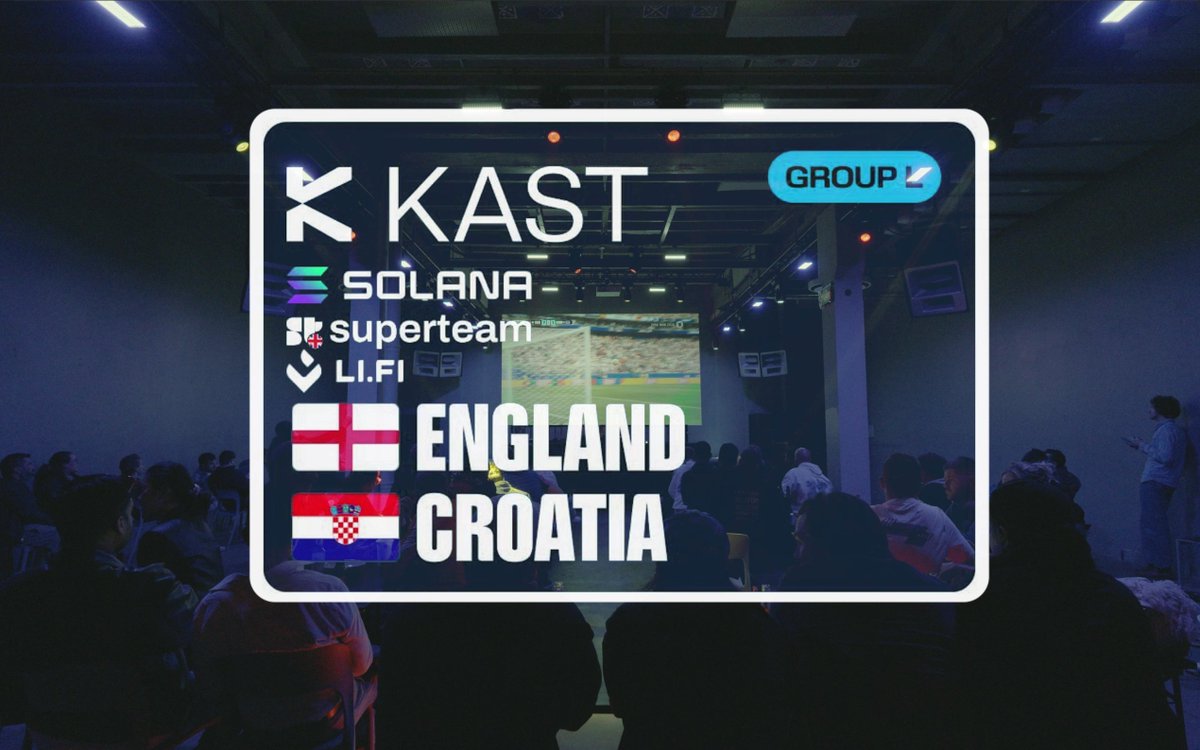
tomorrow three big events collide:
1. @CryptoPadelLge match day 4
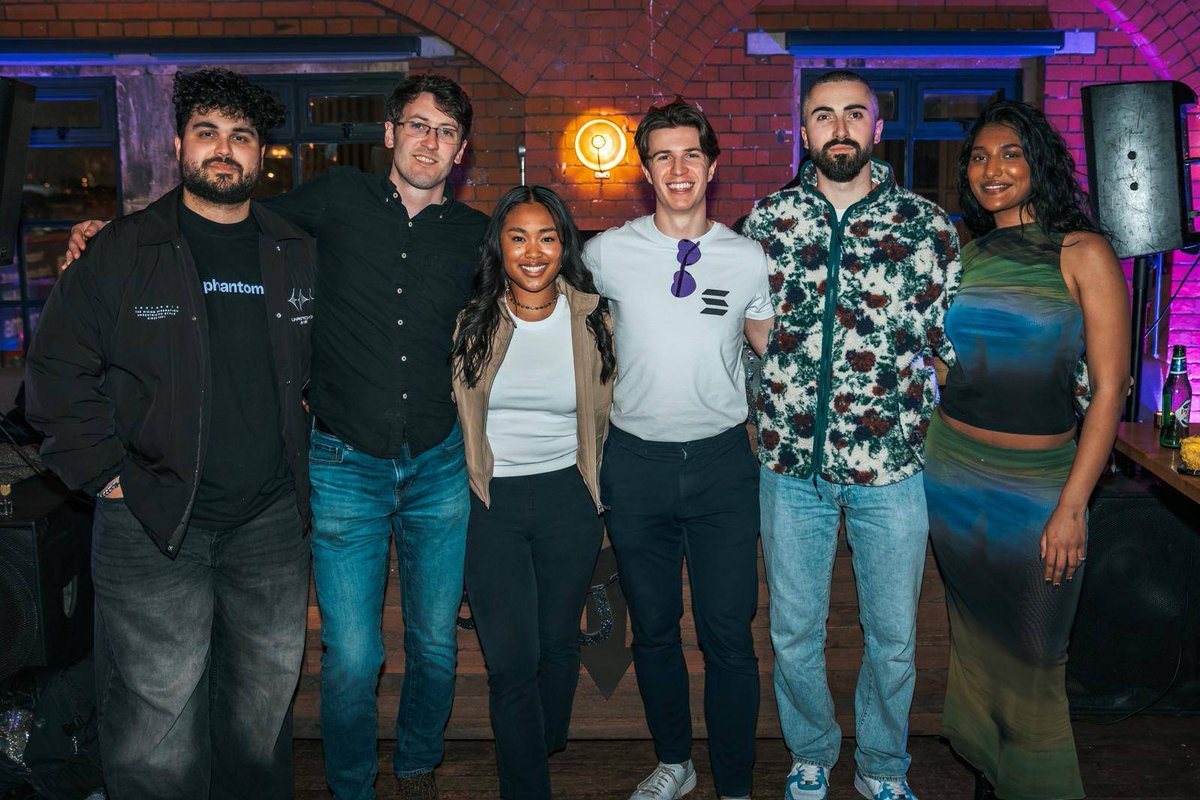
2. @SuperteamUK's 3rd birthday
3. @KASTxyz world cup watch party ft @lifiprotocol
and magically you can attend them all without being hermonie granger (luma in comments)
Kast teaming up with Solana to bring free drinks, big screens, vibes and top tier attendees from;
Coinbase, Kraken, Galaxy, Fidelity Digital Assets, J.P. Morgan, Stripe, Ripple, Fireblocks, Wintermute, GSR, Paradigm, Bitwise, BitGo, Figment, Blockdaemon, Kiln, Solana, OP Labs, Digital Asset / Canton Network, Tradeweb & many more
---
have to s/o @CapinUK @archill @czamaru @patdotxyz @VisualVerseUK for the sheer progress they've made in 3 years
forged in the bear market of '23, day in, day out they've showed up for the UK community - all i can say is bravo and salute 🫡
(ft final pint w/ cap as a @Flight3official employee)
see ya'll tomorrow for the magic ✌️
p.s. should Bellingham start over Rodgers? 🏴

1
15
223

Jun 15
Every chain wants to be the home for institutional capital.
For that to happen, one piece matters more than any other: privacy.
Bring it up with institutions, and the questions come instantly: Who can see our positions? Can we prove compliance without revealing everything? What happens when a regulator demands an audit trail?
@MidnightNtwrk mainnet is has been live for a couple of months, built around exactly those questions.
1. The problem
Public chains expose every transaction, counterparty, and balance to anyone with a block explorer. Private chains hide everything, which is a non-starter for anyone answerable to a regulator.
Neither works for the use cases that actually move money. So institutions just don't show up.
2. What rational privacy actually does
Midnight lets apps decide what's private and what's disclosed, per transaction, at the protocol level.
Built around zero-knowledge proofs, so disclosures are verifiable without exposing raw data.
Two things worth noting specifically:
→ NIGHT is public and held. DUST is shielded, non-transferable, and pays for transactions. Your balance is visible. Your activity isn't.
→ Compact, a TypeScript-style language that forces developers to define what's private and what's public directly in smart contracts.
A bank providing reserves without revealing positions. An app verifying age without seeing a birthday. A payments app confirming KYC without leaking the document.
Selective disclosure, not blanket privacy.
3. What's already live
Monument Bank, a UK-regulated bank, is tokenizing £250M in retail deposits on Midnight. First public blockchain to hold real bank deposits at that scale.
Mainnet launched with Google Cloud, Telegram, MoneyGram, WorldPay, eToro, Bullish, Vodafone, and Blockdaemon as partners.
And this is just the start. Midnight Passport, Web 2.5 onboarding, and on-chain AI agents are all on the roadmap.
Mainnet is the foundation, not the finish line.
Jun 11

What makes the Nightforce so special?
It's the people behind it and the shared mission that connects them. ✨
Across countries, time zones, and backgrounds, contributors around the world are helping grow the Midnight ecosystem together.
One team. One dream.
10
11
58
4,641

Jun 15
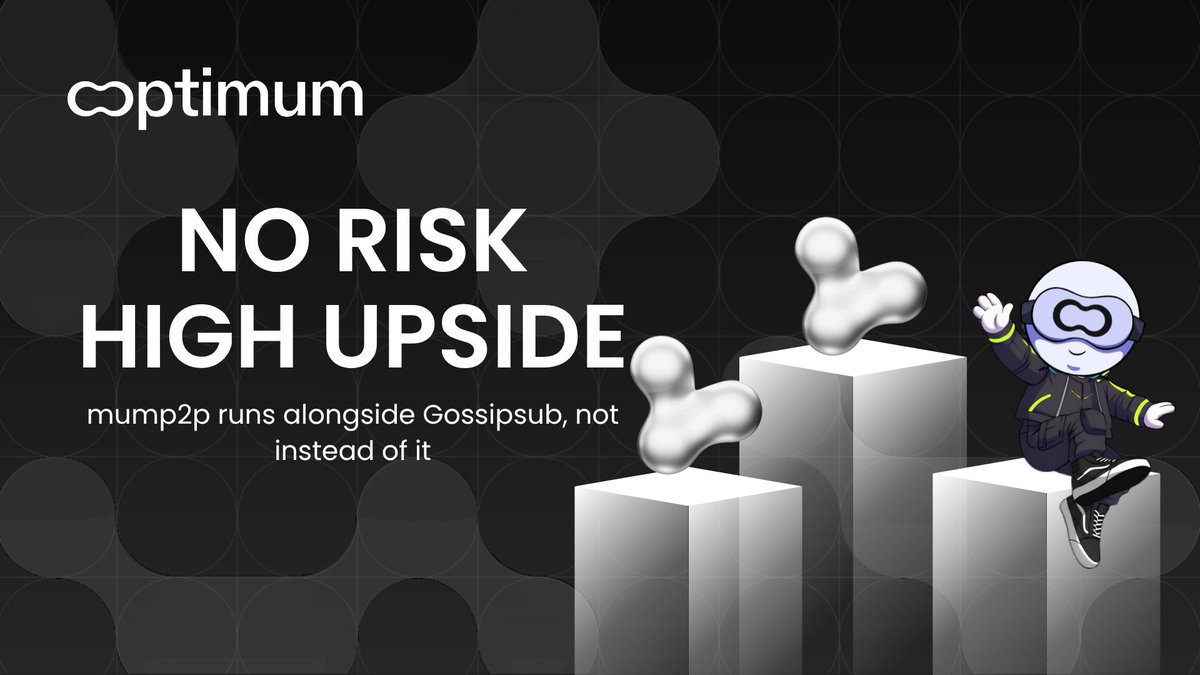
💡The other day I was rereading the @get_optimum documentation. I wanted to find something interesting and I did. Often when people hear “run a sidecar on your validator”, they immediately start thinking about risks, like it’s something new that could break what already exists, and so on. But it turns out mump2p works a bit differently.Validators are constantly running Gossipsub without any exceptions. mump2p works in parallel with it, not instead of it
Your consensus system does not depend on it at all, and if the sidecar fails for any reason, your ability to attest and propose blocks will not be affected in any way. Thus, in the worst case you will remain exactly where you started, and in the best case you will be receiving blocks faster than the rest of the network most of the time, which is quite a rare phenomenon in this field
Usually, implementing new infrastructure means weighing some trade-offs, but here there are none. This is a purely additive process
It is quite logical that operators such as Everstake, P2P org, Blockdaemon, Infstones, Luganodes and Ebunker are already testing it on Hoodi. There is no reason not to do it
9
31
199
Rach retweeted

Jun 15
Good morning everyone 😊
Quick thought before I start my day.
Midnight mainnet launched with Google Cloud, Blockdaemon, and Shielded Technologies as its first trusted validators. That is not a small thing.
When institutions of that size are running the infrastructure, it changes what it means to build inside that ecosystem. @GalaxySwapLabs is not just building on a new chain. It is building on a chain that serious players already showed up for.
That context matters.

Jun 14

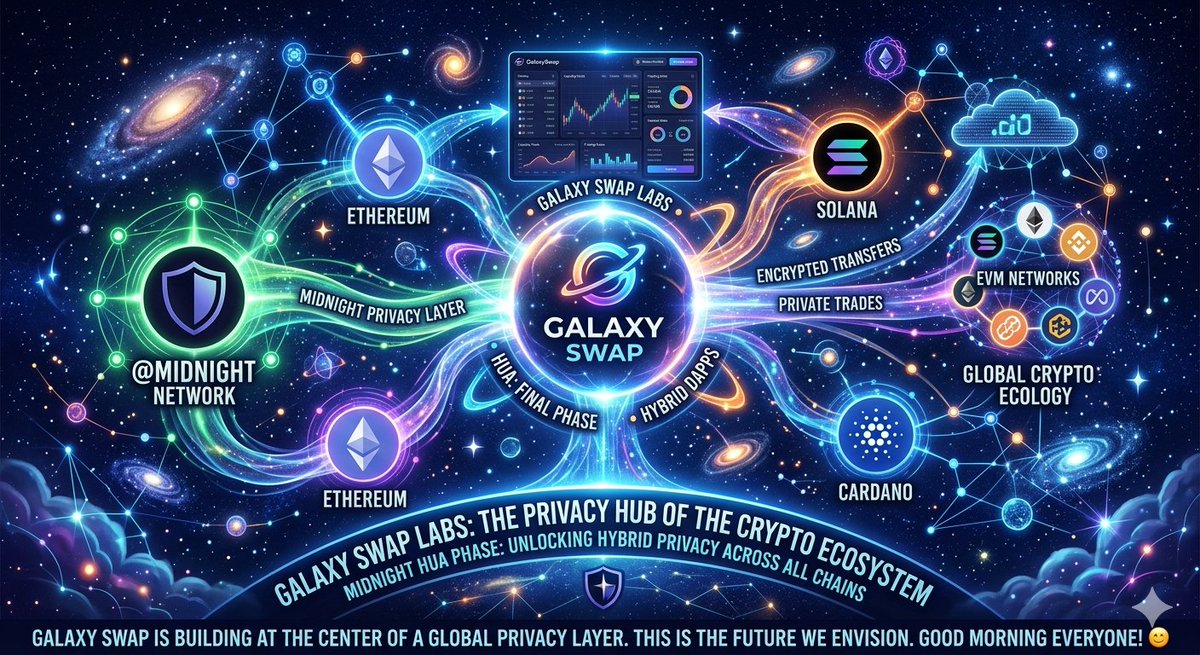
Most people think of @GalaxySwapLabs as a DEX that lives on Midnight Network. And right now that is true. But I want to talk about what comes next.
Midnight's final phase, Hua, is designed to bring hybrid dApps to life. Applications that embed Midnight's privacy technology into other chains like Ethereum and Solana. Privacy as a layer that travels, not one that stays locked to a single chain.
If that vision plays out, GalaxySwap is not just building for Midnight users. It is building at the center of a privacy layer that could eventually serve users across the entire crypto ecosystem.
That is a very different ceiling than most people are currently imagining for this project.
Good morning everyone 😊
11
19
47
217

Jun 15
Blockchains are getting faster, but they have a hidden, costly secret: The Data Bloat Bottleneck.
As networks like Solana or Ethereum L2s scale, validators are drowning in data, leading to massive bandwidth bills, missed blocks, and centralisation risks.
How do we fix Web3’s memory problem? Enter Optimum.
Traditional blockchains handle data through rigid peer to peer trees. If one validator misses a data shard, they must ask a central source or coordinate heavily, causing lag.
The result? Sky high bandwidth costs for node operators. Micro delays that lead to missed MEV opportunities and failed txs.
Co founded by MIT Professor @MurielMedard, @getoptimum introduces a Universal Data Acceleration Network.
Instead of heavy protocol overhauls, Optimum uses Random Linear Network Coding (RLNC). Nodes mix data shards algebraically.
The impact?
-20x better bandwidth efficiency.
-2x faster block propagation.
-ZERO changes needed for the underlying consensus.
Backed by a $11M seed round led by 1kx, and trusted by top validators (Kiln, Blockdaemon, Nethermind), Optimum acts like the RAM for the World Computer.

7
17
136

Jun 15
5. The real insight
Optimum isn't asking validators to trust a whitepaper.
Kiln, Everstake, P2P(dot)org, Blockdaemon, Infstones, Luganodes, Ebunker this 7 validators controlling 15% of Ethereum's total stake, are already running mump2p on testnet.
they're not doing it bcz it sounds interesting.
they're doing it bcz 0.3% missed attestations at scale is a business problem.
and a faster, smarter and more reliable data propagation is the fix.
4
49
けんぼー retweeted

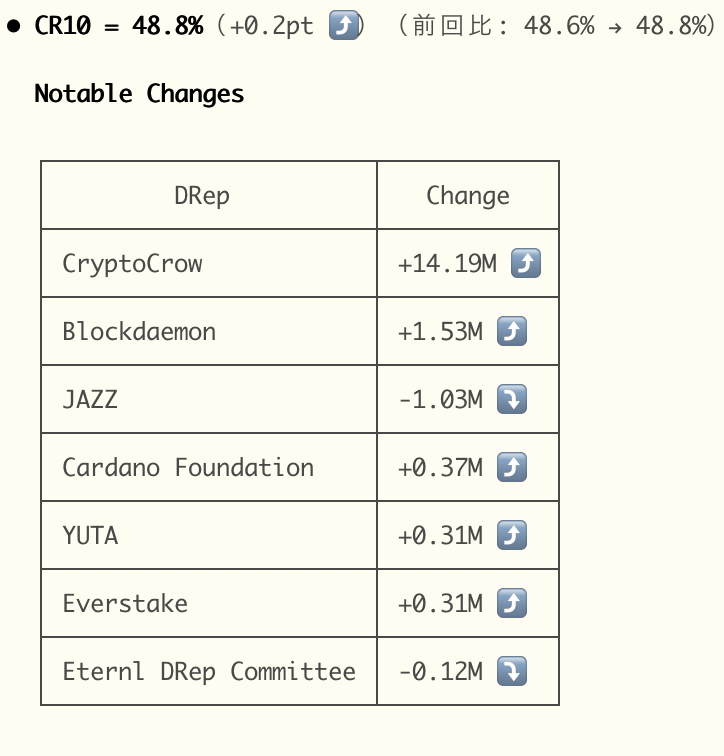
重要な変化(敬称略):
CryptoCrow: 228.91M → 243.10M ( 14.19M)
Blockdaemon: 320.00M → 321.53M ( 1.53M)
JAZZ: 99.35M → 98.32M (-1.03M)
Cardano Foundation: 139.51M → 139.88M ( 0.37M)
YUTA: 476.18M → 476.49M ( 0.31M)
Everstake: 151.07M → 151.38M ( 0.31M)
Eternl DRep Committee: 235.77M → 235.65M (-0.12M)
1
1
4
217
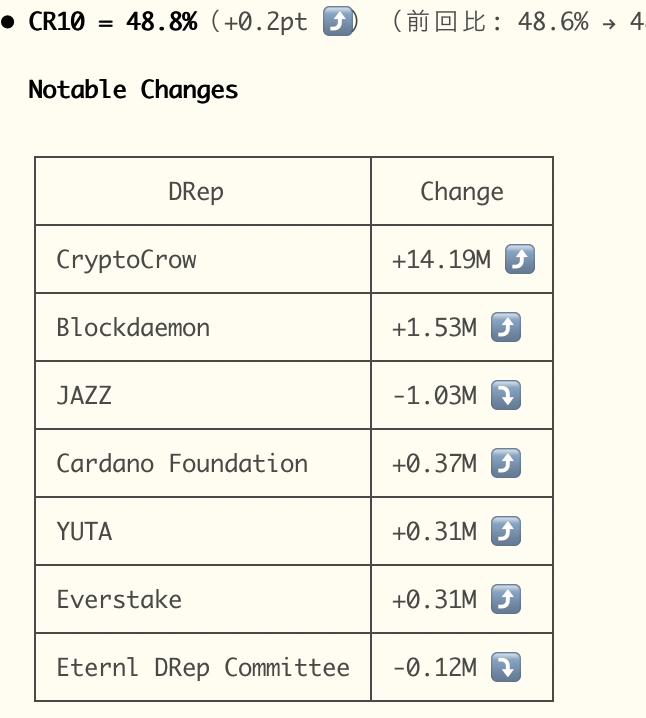
Notable changes:
CryptoCrow: 228.91M → 243.10M ( 14.19M)
Blockdaemon: 320.00M → 321.53M ( 1.53M)
JAZZ: 99.35M → 98.32M (-1.03M)
Cardano Foundation: 139.51M → 139.88M ( 0.37M)
YUTA: 476.18M → 476.49M ( 0.31M)
Everstake: 151.07M → 151.38M ( 0.31M)
Eternl DRep Committee: 235.77M → 235.65M (-0.12M)
2
220
Juve Darren retweeted

Jun 14
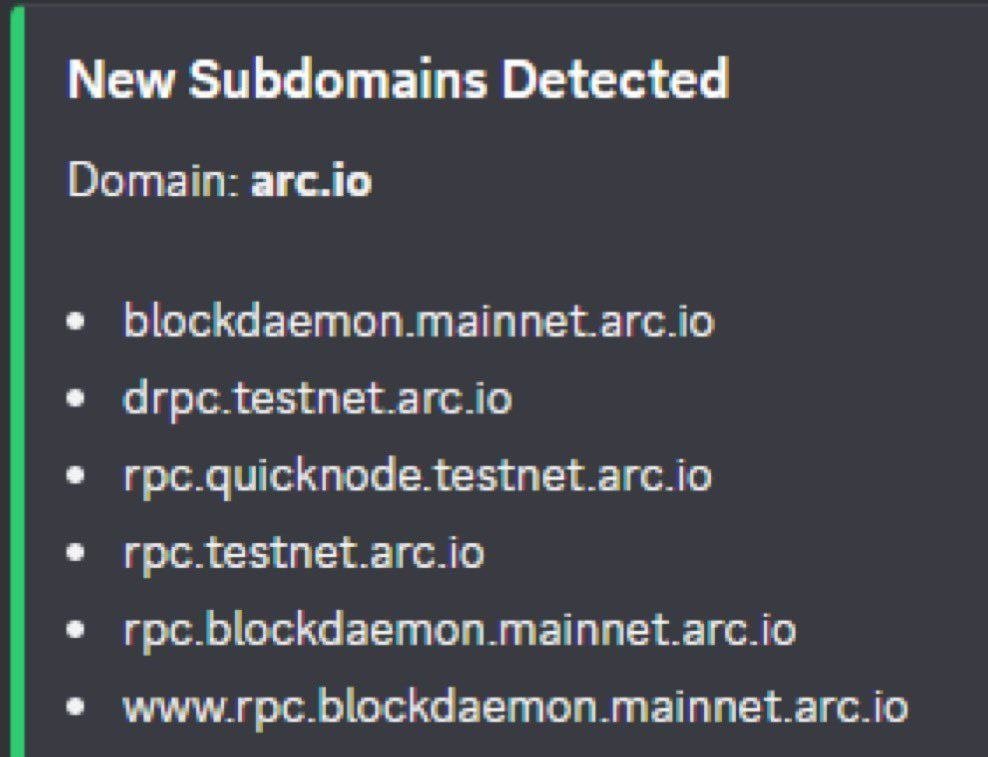
Looks like Arc mainnet is almost there
their new subdomains just appeared
Blockdaemon (enterprise-grade node infra) setting up mainnet endpoints for @arc
whitepaper already showing mainnet in summer 2026
feels like we are very close
Jun 12

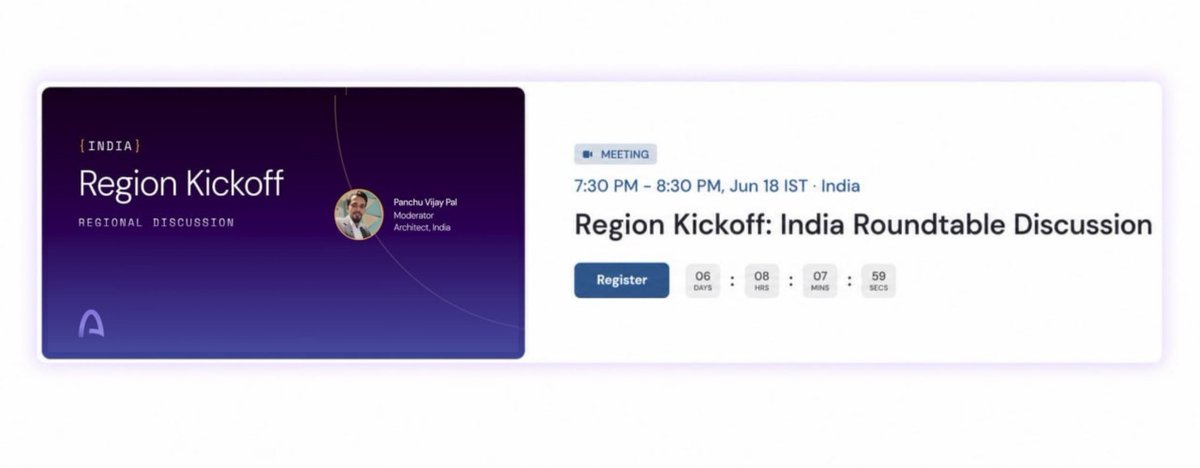
.@arc India chapter is kicking off
invitation only, you have to apply
> June 18 at 7:30pm IST
> online roundtable
> for devs, creators or anyone building on Arc
apply there, these rooms are best way to build connections
61
4
119
7,871