
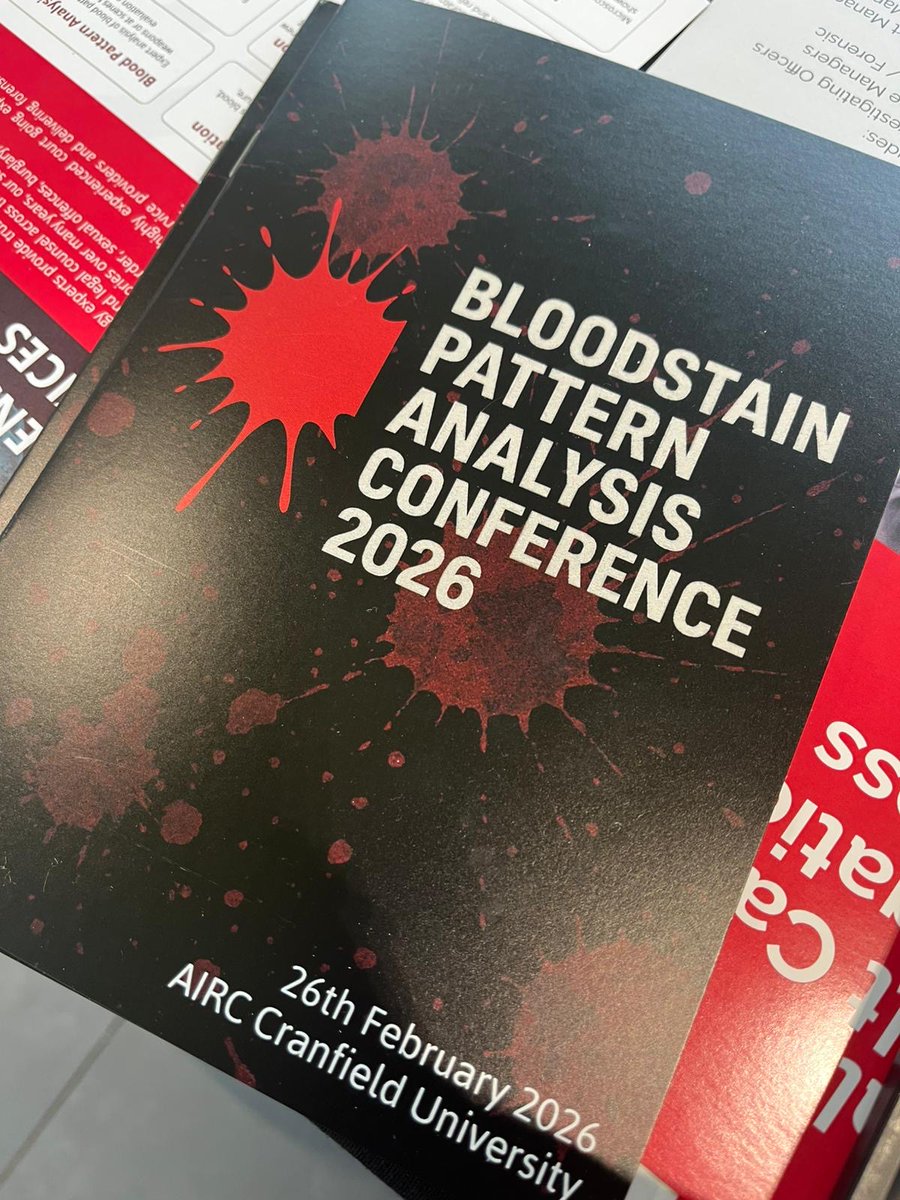
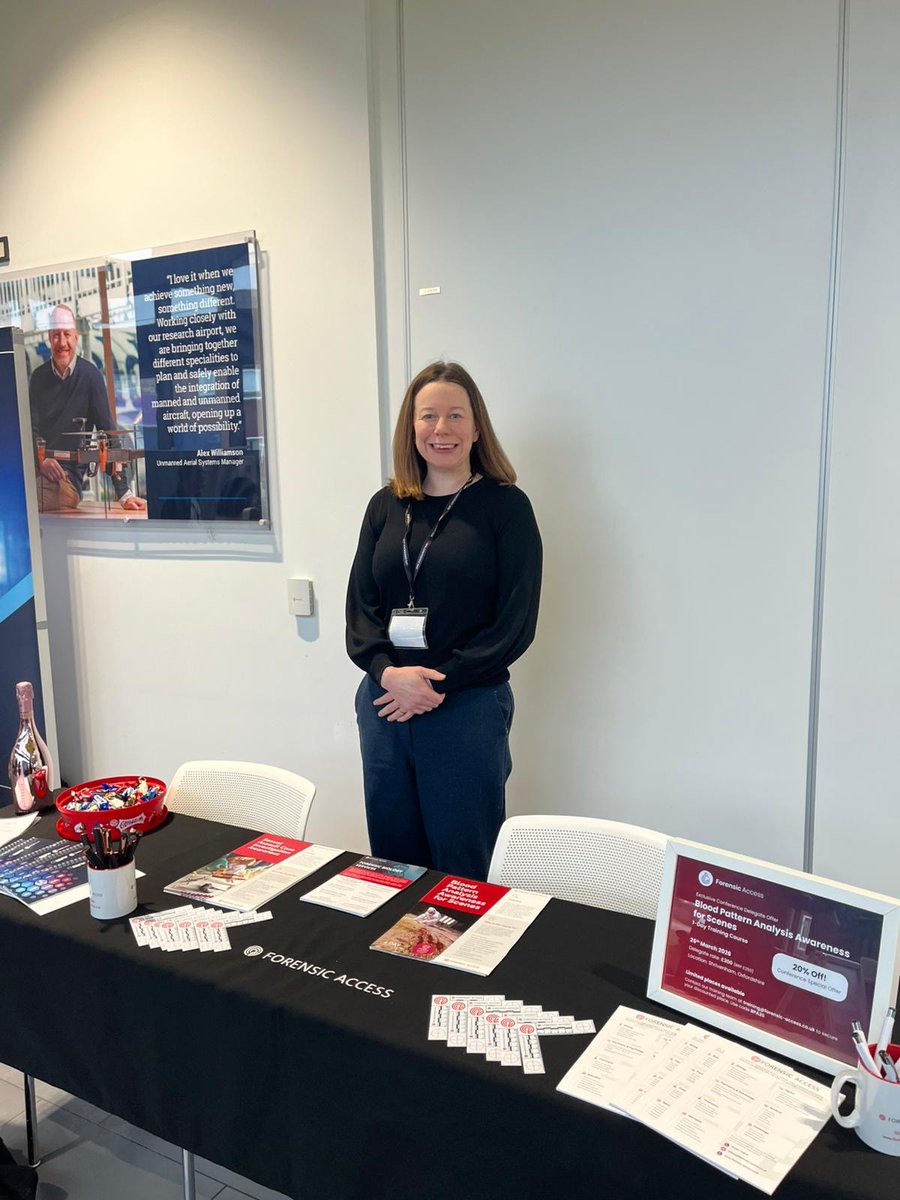
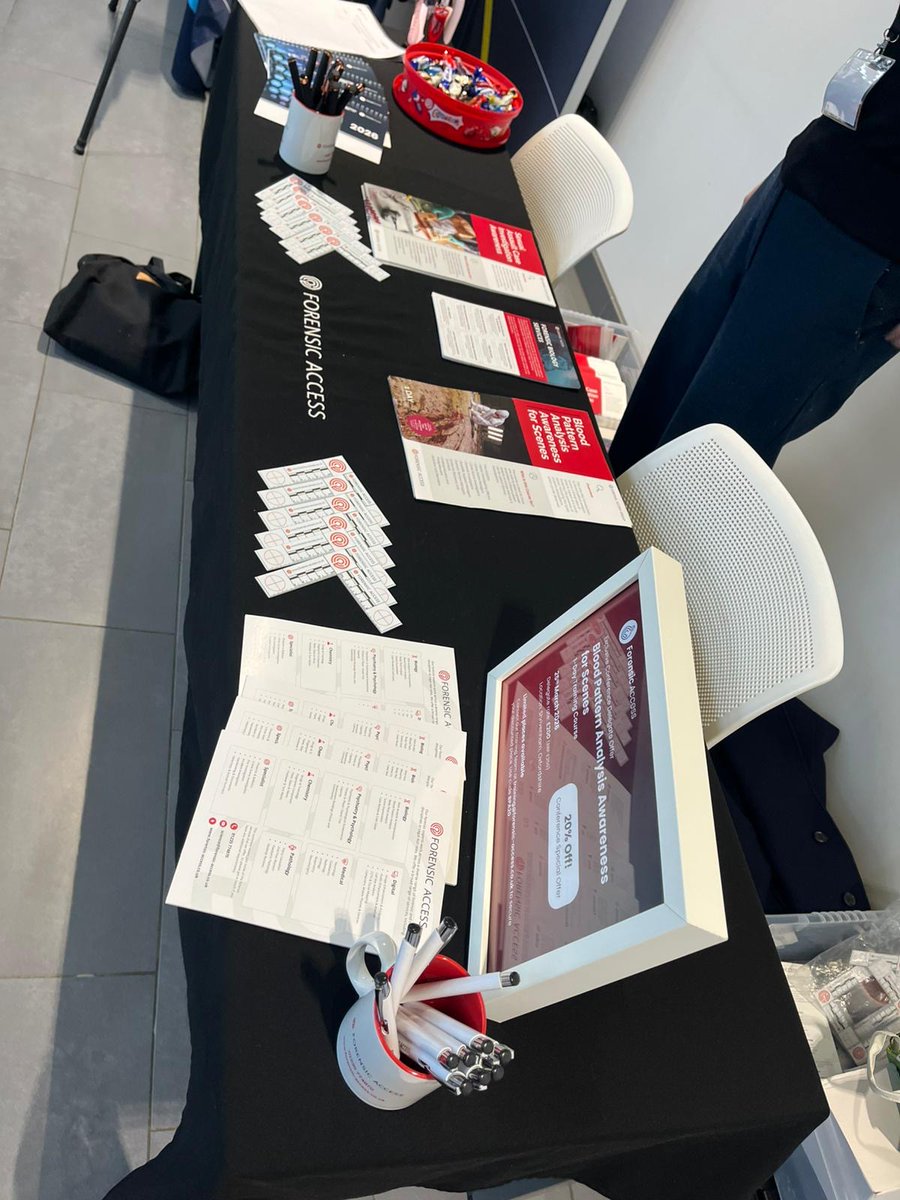
🩸 We’re here at the Bloodstain Pattern Analysis Conference and excited to be part of the programme!
👋 Come and say hello if you are attending!
📍 Cranfield University, Bedford
🕘 9.00am – 5.00pm
#BPAconferenceUK #BloodstainPatternAnalysis
1
2
74

3 Nov 2025
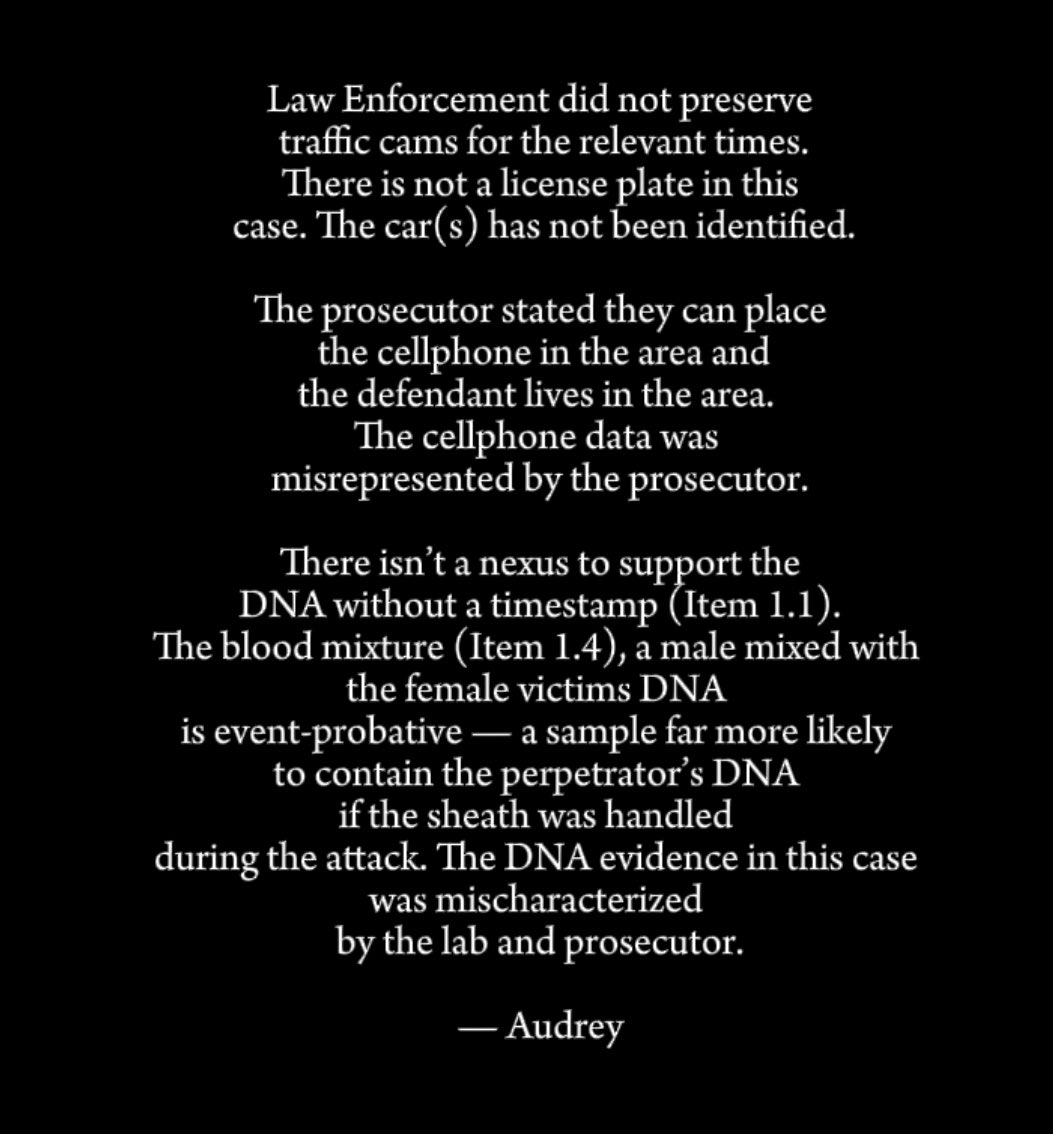
🧪 There is a basic rule in forensic science: blood is event-probative; “touch DNA” is not.
Blood can place an object in the act. “Touch DNA” can only place a person near an object at some unknown time.
This isn’t an opinion — this is foundational forensic interpretation. Under ISO 21043, ENFSI, and ISFG guidance, laboratories have a duty to distinguish source-level propositions (“whose DNA is this?”) from activity-level propositions (“how and when did it get here?”). Those levels must never be collapsed.
Yet in this case, that hierarchy was flipped upside down.
The blood on the sheath (Item 1.4) showed a male in the DNA mixture from at least one, possibly two female victims — a sample far more likely to contain the perpetrator’s DNA if the sheath was handled during the attack. Under accepted standards, the most probative sample should be prioritized for full examination, deconvolution, and, where appropriate, Y-STR or conditioned probabilistic analysis. Instead, the State set it aside.
They chose the simplest profile — a low-template, single-source “touch DNA” sample from the strap (Item 1.1) — even though it carries no timestamp and cannot prove when, how, or in connection to what event that DNA was deposited. This violates basic activity-level caution: “touch DNA” on a surface cannot, on its own, infer involvement in a violent event.
Blood on the sheath is event-probative; the male DNA on 1.1 is source-level with unknown timing. Reversing that is not science — it’s narrative.
If a person handled the sheath during the stabbings, their DNA would be far more likely to appear within the blood mixture than on a clean, non-bloody strap. Choosing the weaker evidence because it was easier to prosecute is not forensic integrity — it is confirmation bias in plain sight, the very risk ISO 17025 and SWGDAM caution labs and prosecutors to guard against.
The public was handed the profile that was convenient to charge —
not the one that was most probative of the truth.
When the blood sample showed more than one person’s DNA, the harder mixture was sidelined, and the State leaned on the only profile that appeared clean enough to sell to a jury. That profile may have nothing to do with the crime itself. Selecting a non-probative source-level sample over an activity-linked biological fluid is a breach of forensic duty and misleads the trier of fact. The choice wasn’t about scientific rigor. It was about securing an indictment.
This is not how justice is supposed to work.
If we allow prosecutions to select the DNA that is easiest to win with — rather than the DNA that speaks to what actually happened — then truth is no longer the goal of the system.
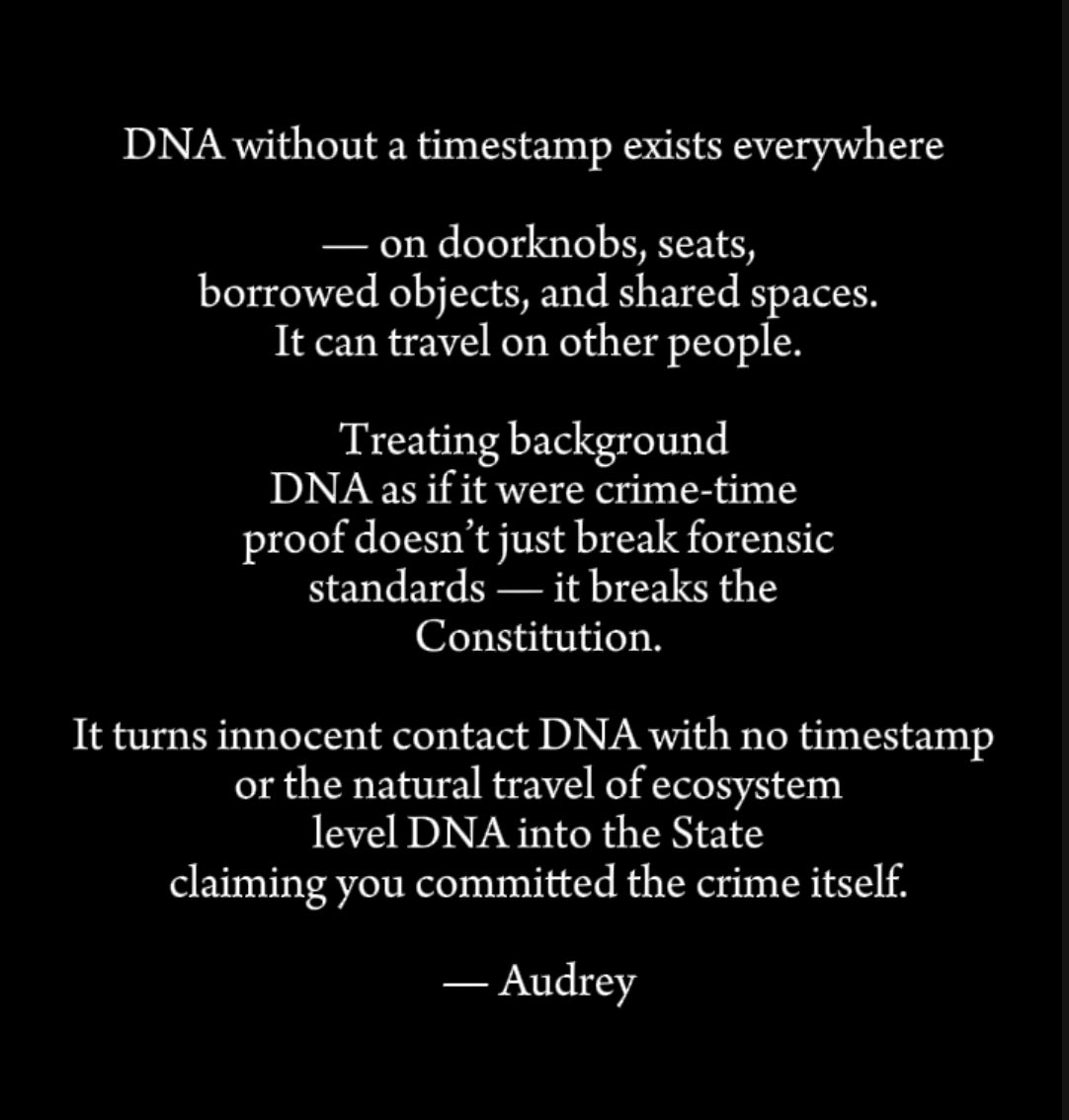
DNA without a timestamp exists everywhere — on doorknobs, seats, borrowed objects, and shared spaces.
It can travel on other people.
Treating background DNA as if it were crime-time proof doesn’t just break forensic standards — it breaks the Constitution. It turns innocent contact DNA with no timestamp or the natural travel of ecosystem level DNA into the State claiming you committed the crime itself.
#ForensicScience
#CriminalJustice
#TruthMatters
#Innocence
#ForensicReform
#ProsecutorialMisconduct
#EvidenceIntegrity
#BloodstainPatternAnalysis
#TimelineMatters
#ScienceNotSpin
#QuestionTheNarrative #DemandTransparency #JusticeSystemFailure
#KohbergerCase
#Kohberger
4
18
764
1 Nov 2025
🌡️ The “Humidity Excuse” Isn’t Forensics — It’s Narrative Patching
When blood looks too red, too wet, or too intact for the stated time of death, there are only four medically credible explanations:
1️⃣ The timeline is wrong.
(Injuries didn’t all occur when claimed.)
2️⃣ Some blood was deposited later.
(movement, struggle, second event, or re-entry to the scene)
3️⃣ The scene was altered.
(cleaning, staging, or disturbance occurred between injury and discovery)
4️⃣ The sheath isn’t related to the cime
(Narrative is narrative, not forensics or behavior)
Everything else — “humidity,” “open door,” “different temperatures” — is a comfort theory used to avoid confronting those three possibilities.
In medicine, when physiology contradicts the chart, we correct the chart — not the body.
If a medical chart is wrong, we update it.
If a homicide timeline is wrong, we’re told not to ask.
#ForensicScience
#CriminalJustice
#TruthMatters
#Innocence
#ForensicReform
#ProsecutorialMisconduct
#EvidenceIntegrity
#BloodstainPatternAnalysis
#TimelineMatters
#ScienceNotSpin
#QuestionTheNarrative #DemandTransparency #JusticeSystemFailure
3
62

7 Aug 2025
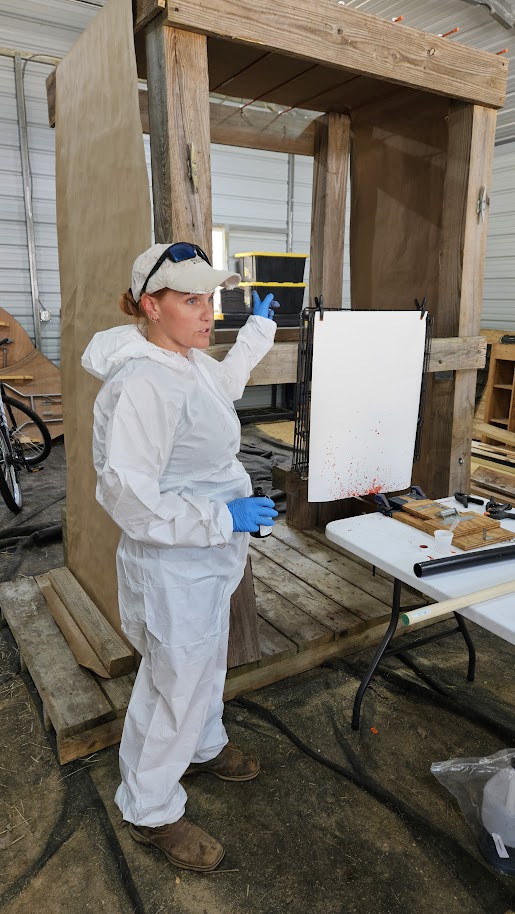
I've been teaching #BloodstainPatternAnalysis since 2003. Now BPA is part of our super cool new #TrueCrimeAndEquines #CSIHorseCamp for Grown Ups at my farm in Monroe, NC! Join me, learn investigative skills, saddle up and sleuth on! Tickets on sale now at CREKLLC.com
5
127

A #Garlasco così come in tani casi si usa la #BPA, #bloodstainpatternanalysis. Cos'è, a cosa serve, quando è nata e qual è la su attendibilità. Il nuovo #podcast dedicato al #sopralluogo e al #profiling sulla #scenadelcrimine
open.spotify.com/episode/5ZP…
3
757

10 Jun 2025
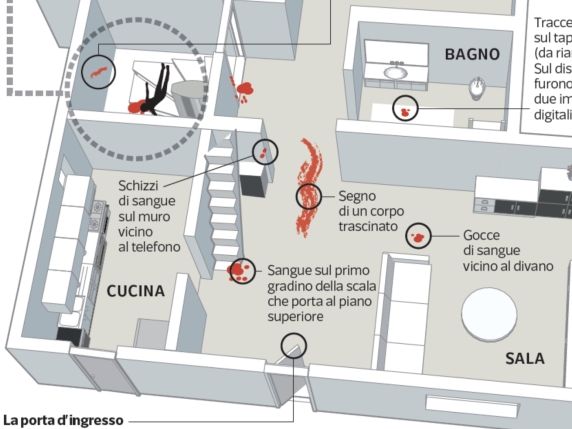
#Garlasco, ricreata la scena dell’omicidio di #ChiaraPoggi: la #Bloodstainpatternanalysis e le due anomalie segnalate nella relazione. L’intreccio dei reperti: dal piano terreno alla scala dove fu trovata Chiara. Precedenti analisi simili,ora si procede con le tecniche aggiornate
1
2
928
Si parla di #bpa, #BLOODSTAINPATTERNANALYSIS, anche per il caso di #Garlasco. Di cosa si tratta e che significa capire la scena del crimine con l'analisi della disposizione delle macchie di sangue? Una nuova voce del dizionario di criminologia.
youtu.be/zphwE6QbP60

2
1,384

7 Jun 2024
Have you watched this Lad Bible interview with one of our forensic volunteers?
@jomillington_v1 has some incredible stories from across her career in crime scenes. Watch here - youtube.com/watch?v=dEqEaYPU…
#TrueCrime #WomenInScience #BloodstainPatternAnalysis #SpatterChatter
1
3
246

1 Feb 2024
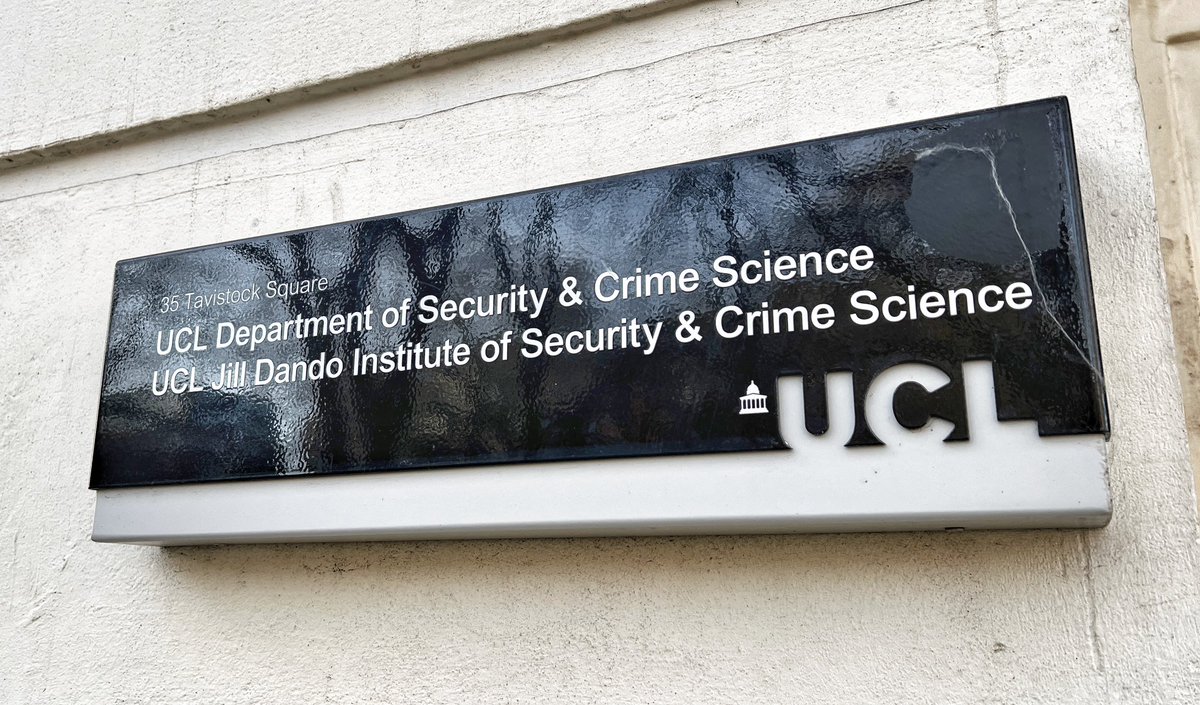
Behind the door of this building are a bunch of really clever people researching the interpretation of forensic evidence and influence of bias. It’s an inspiring place … and today we talked about bloodstains!🩸
@UCLCrimeScience
#BPA #bloodstainpatternanalysis #spatterchatter
1
3
918

10 Oct 2023
Really proud of Vasiliki Chantzi who presented her proof of concept data on ‘Application of Machine Learning Algorithms in Bloodstain Pattern Analysis Interpretations’ today at the 40th Annual #IABPA conference! 🤩
#BPA #IABPA #IABPA2023 #bloodstainpatternanalysis #research #AI
1
2
340
16 Sep 2023
Looking forward to a cram-packed #truecrime day with the wonderful people at @crimecon_uk and @CBS_Reality, in Glasgow ... if you are in the area, pop by and say hello!
#BPA #spatterchatter #bloodstainpatternanalysis #CrimeConUK
crimecon.co.uk/schedule-glas…
1
3
537
27 Mar 2023
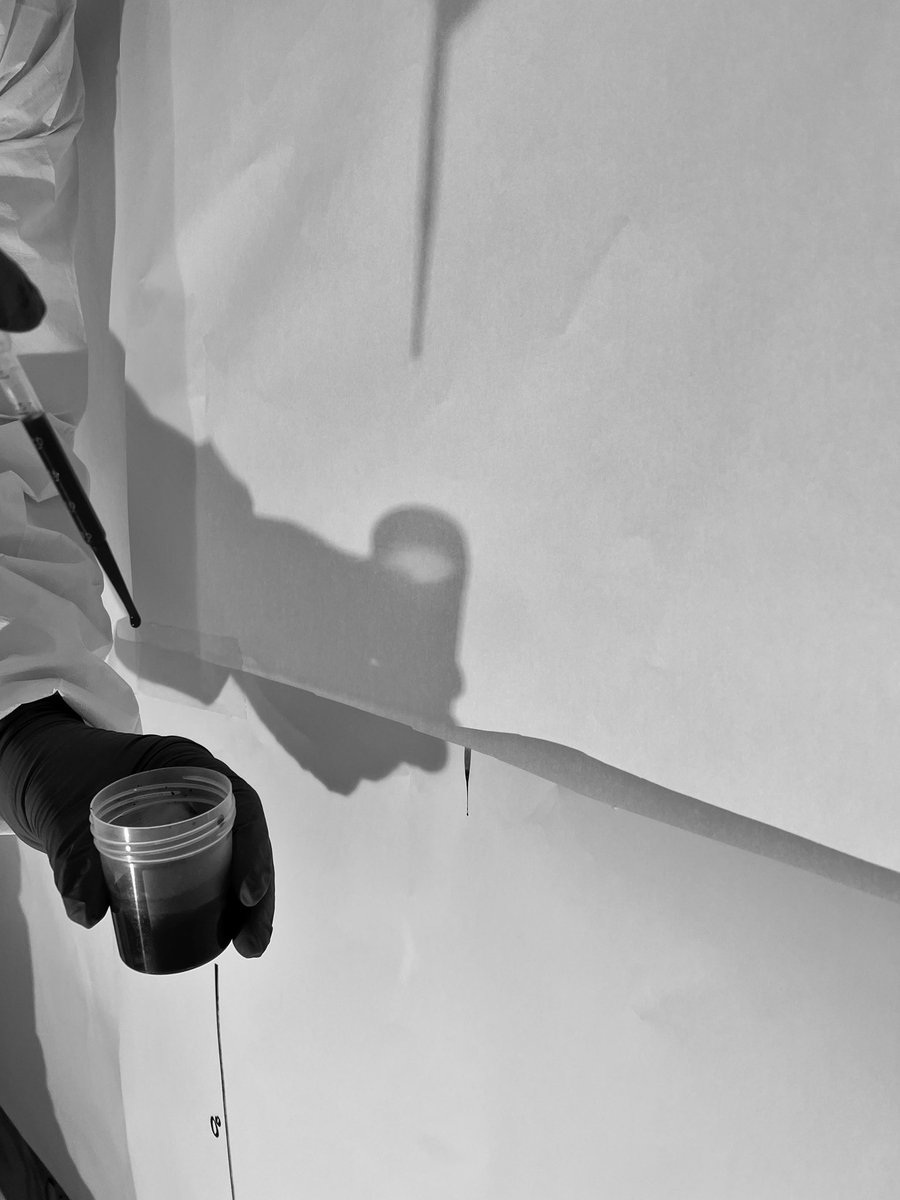
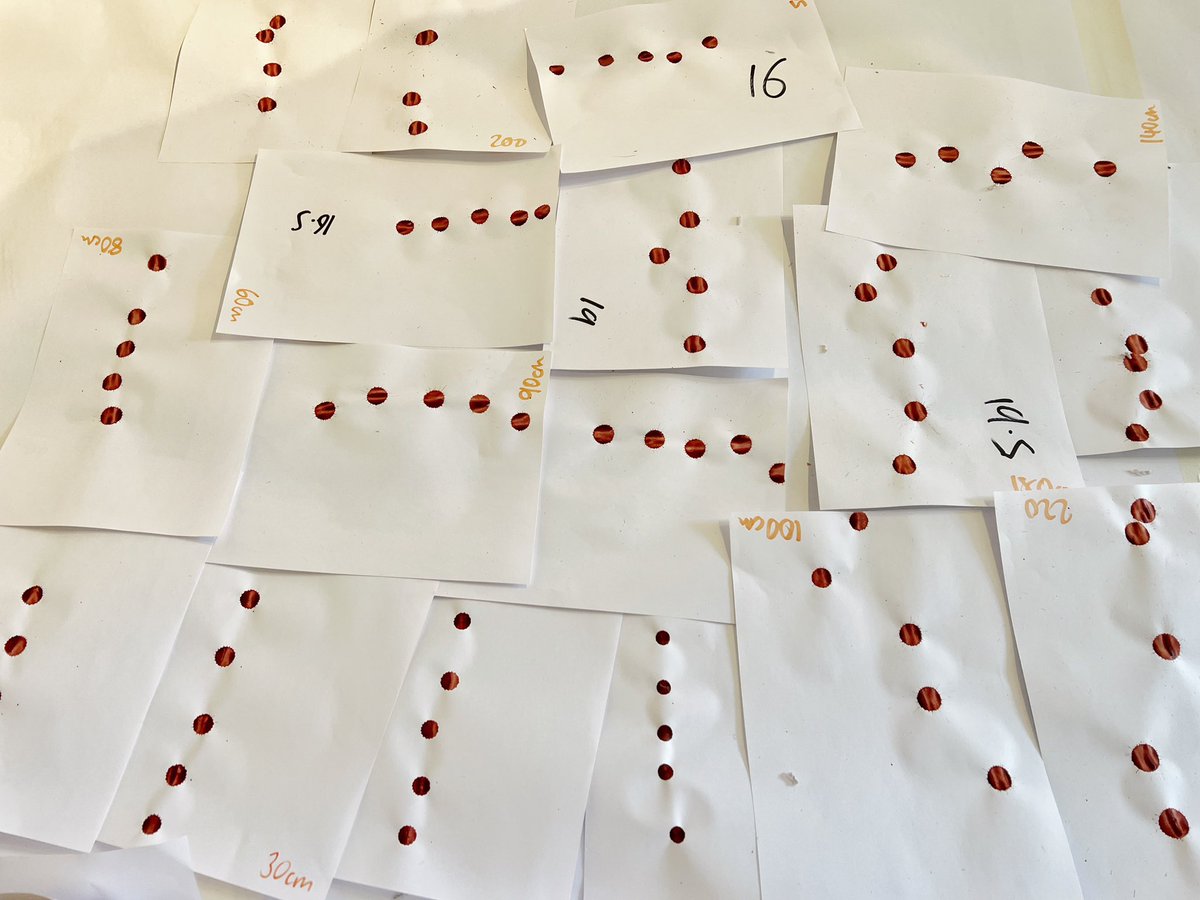
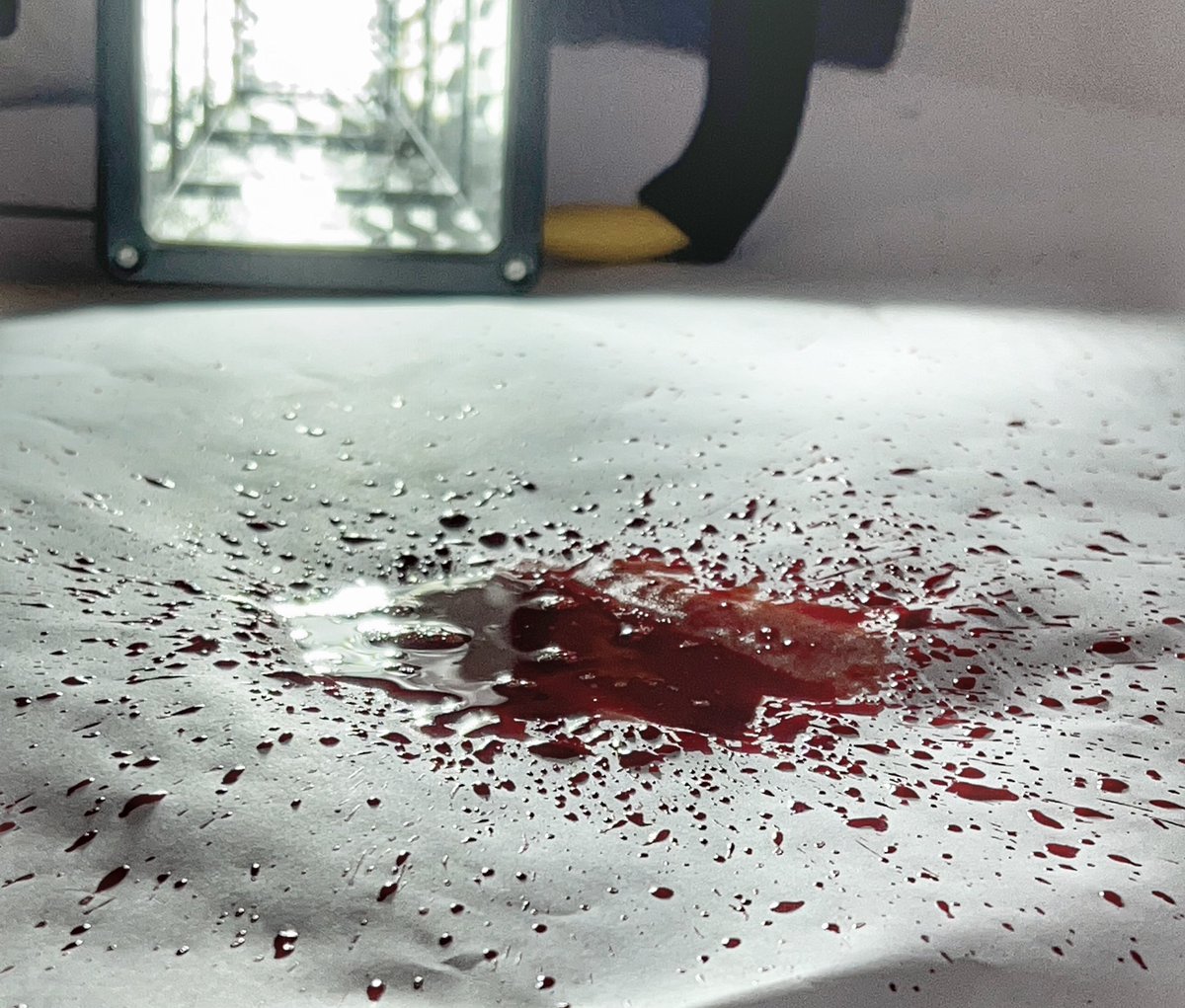
Basic BPA Training: Day 1 - laying down the foundations looking at single blood drop dynamics and drip patterns.
#BPA #bloodstainpatternanalysis #training #iabpa #training #spatterchatter
1
4
304
26 Mar 2023
We are all set for our ‘BPA North’ training course!
First time for us @EPCollege and the facilities are fantastic!!
#BPA #Basic #bloodstainpatternanalysis #IABPA #spatterchatter
3
72

18 Jan 2023
FORENSIC FRIDAY
FOLLOW THE SCIENCE
Lawrence Lee Renner
Forensic Consultant
Forensic Analysis & Instruction
Bloodstain Pattern Analysis & CSI
Forensic Questions:shannonconfidential007@gmail.com
#forensic #bloodstainpatternanalysis #csi #crimescene #investigator #forensicfriday
1
94
16 Aug 2022
Really excited to announce our training partnership with @DubaiPoliceHQ and looking forward to delivering back to back 40-hour residential Basic and Advanced BPA training courses in October 2022. More info/Register here: 💻
icfs.ac.ae/training-courses #BPA #bloodstainpatternanalysis

1
3

9 Aug 2022
Did you miss the recent #IABPA @BAFS_education online BPA conference? Don't worry ... you can now access the recorded sessions via our conference webinar 👏
#BPA #bloodstainpatternanalysis #iabpa2022
spattered.thinkific.com/cour…
1
3
9 Jul 2022
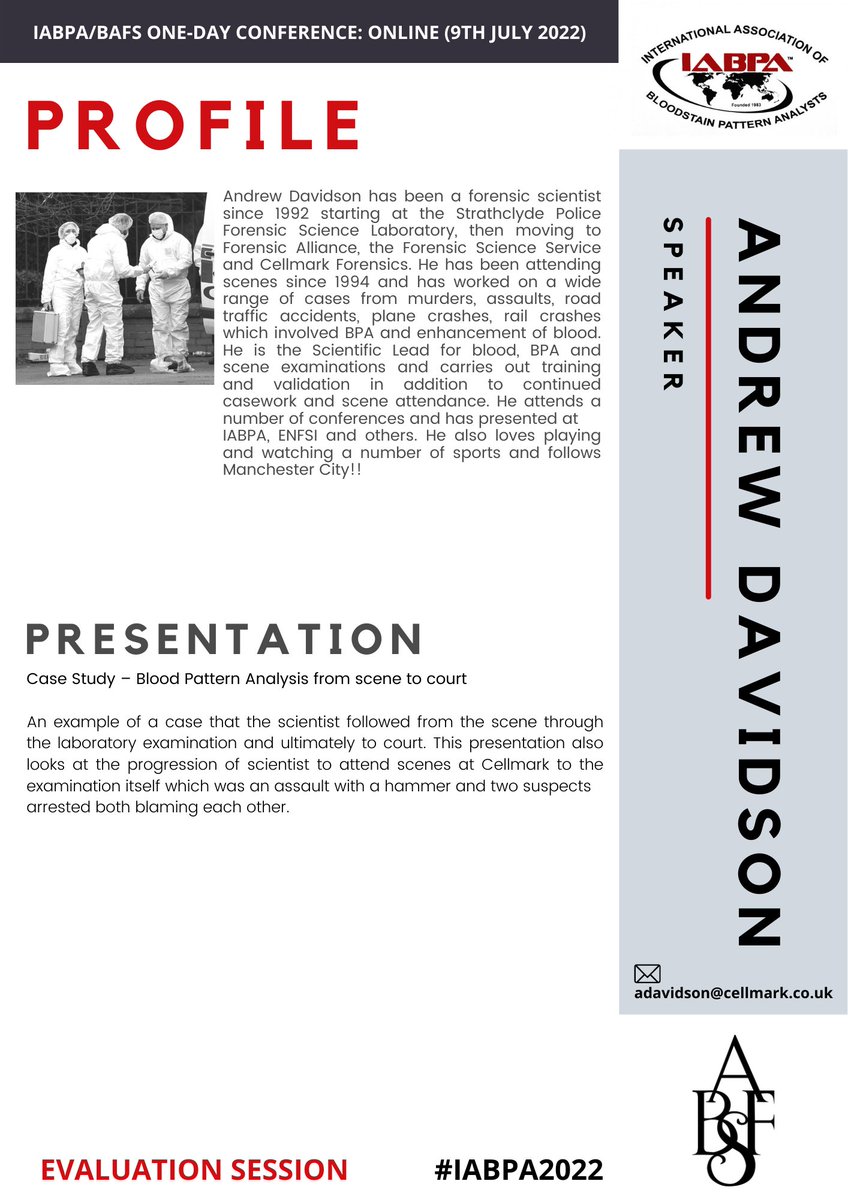
Thanks to Andrew Davidson for sharing the journey that @cellmarkcfs #BPA scientists take to achieve competency and putting that in the context of a case study.
#iabpa2022 #iabpa #forensicscience #crimescene #bloodstainpatternanalysis
@BAFS_education
3
9 Jul 2022
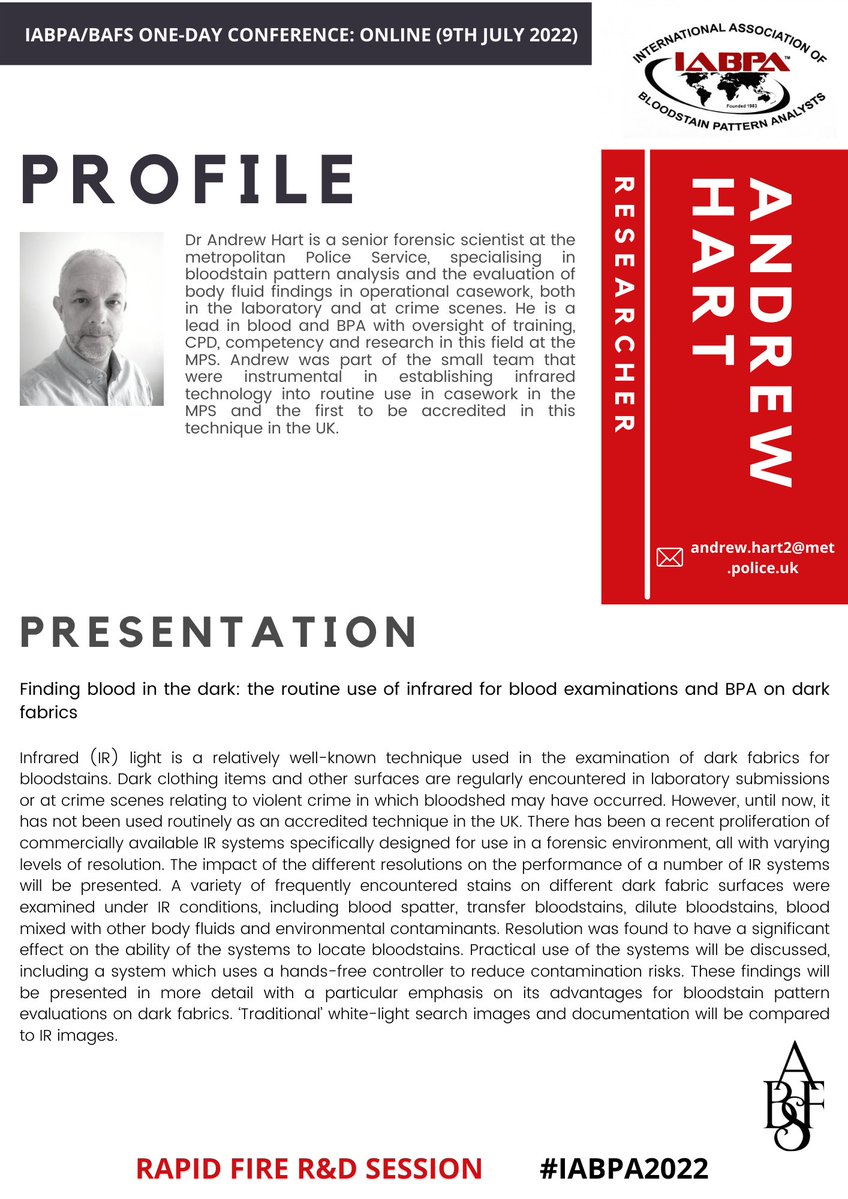
Thanks to Dr Andrew Hart @metpoliceuk for kicking off our first Rapid Fire R&D session looking at the application of infrared: "Finding blood in the dark".
#iabpa2022 #iabpa #BPA #forensicscience #bloodstainpatternanalysis
@BAFS_education
4
9 Jul 2022
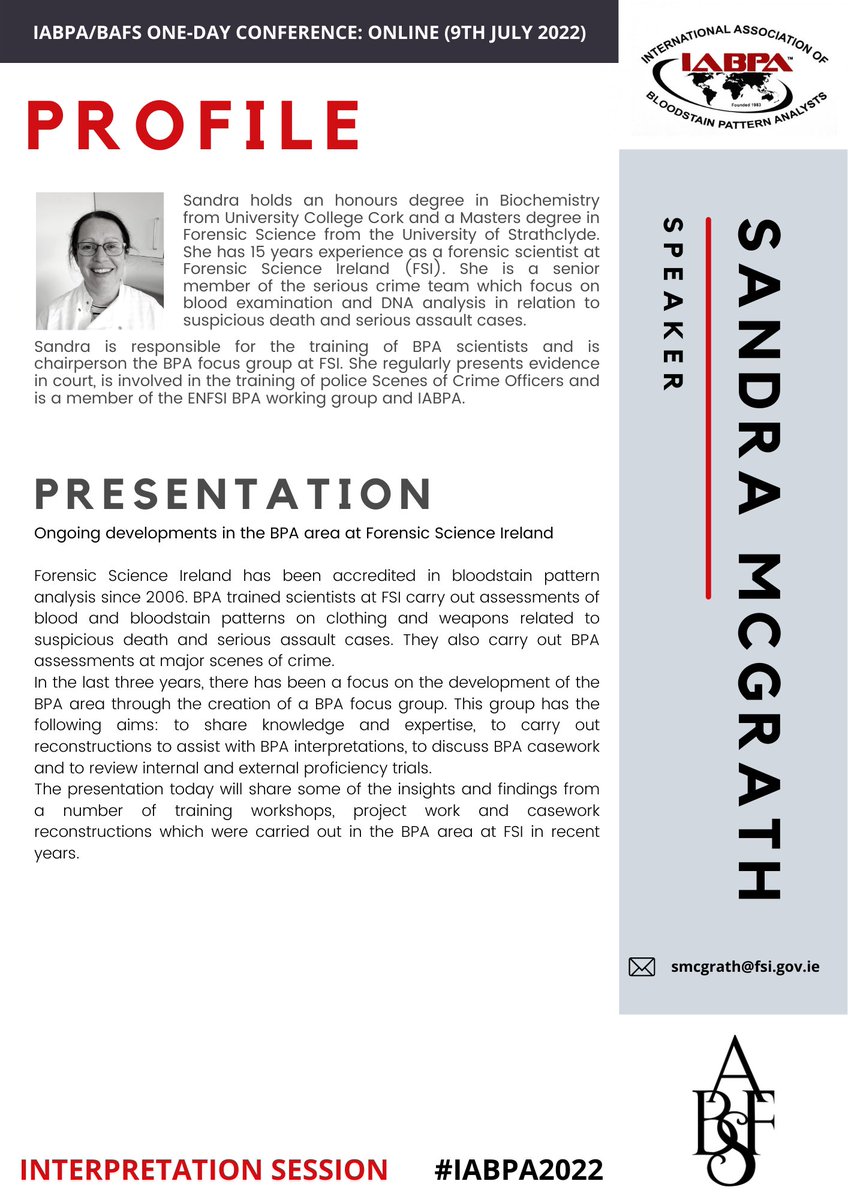
A huge thank you to Sandra McGrath
@ForensicSci_Ire for her presentation on the'Ongoing Developments in the BPA Area at FSI'.
#iabpa2022 #iabpa #BPA #forensicscience #bloodstainpatternanalysis #bestpractice #CPD
@BAFS_education
1
6
24 Jun 2022
We are delighted that Andrew Davidson @cellmarkcfs
will present a case study during our #BPA #evaluation session.
#iabpa2022 #iabpa #forensicscience #crimescene #bloodstainpatternanalysis @BAFS_education
Tickets available at: eventbrite.co.uk/e/iabpa-one…

2