
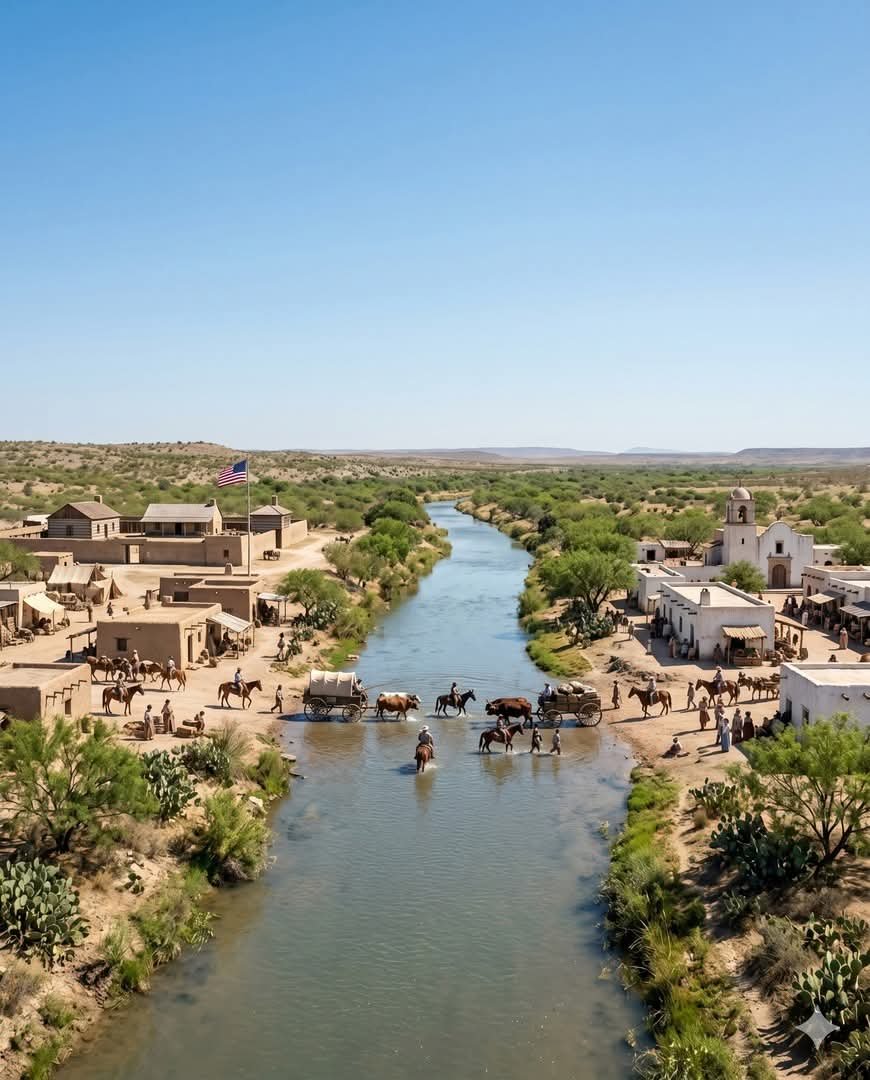
These two towns have essentially functioned as a single binational community for over 170 years — separated by an international border that, at this exact spot, is sometimes barely more than a stream. 🌎⭐ Eagle Pass, Texas, and Piedras Negras, Mexico, were established as twin border towns in the 1850s, growing up on opposite sides of the Rio Grande at a natural shallow crossing point that had been used by travelers and traders for generations before either formal town existed. The U.S. established Fort Duncan on the Texas side to monitor the crossing, while Piedras Negras developed as its Mexican counterpart.
What's often underappreciated about the Texas-Mexico border region, particularly along stretches like this, is just how genuinely binational the communities have been from the very beginning — families with members on both sides of the river, economic activity that has always flowed in both directions, and a shared regional identity that, for the people actually living there, has often mattered more than the formal international border itself. This pattern repeats up and down the Rio Grande — Laredo and Nuevo Laredo, El Paso and Ciudad Juárez, Brownsville and Matamoros — twin cities that function, in countless practical ways, as single communities divided by a line on a map. Understanding this binational reality is essential to understanding the actual lived history and culture of the Texas border region, which has never been a simple story of two separate countries that happen to share a boundary.
Did you know how interconnected Texas border towns and their Mexican sister cities have always been? 💬 Drop a comment and tell us — and follow Texas Crossroads for more images and stories about the full, complex history of the Texas-Mexico border region. Share this with someone who values the complete story. ⭐🤠
#EaglePass #TexasMexicoBorder #BorderHistory #TexasHistory #TexasCrossroads
1
3
39

Jun 15
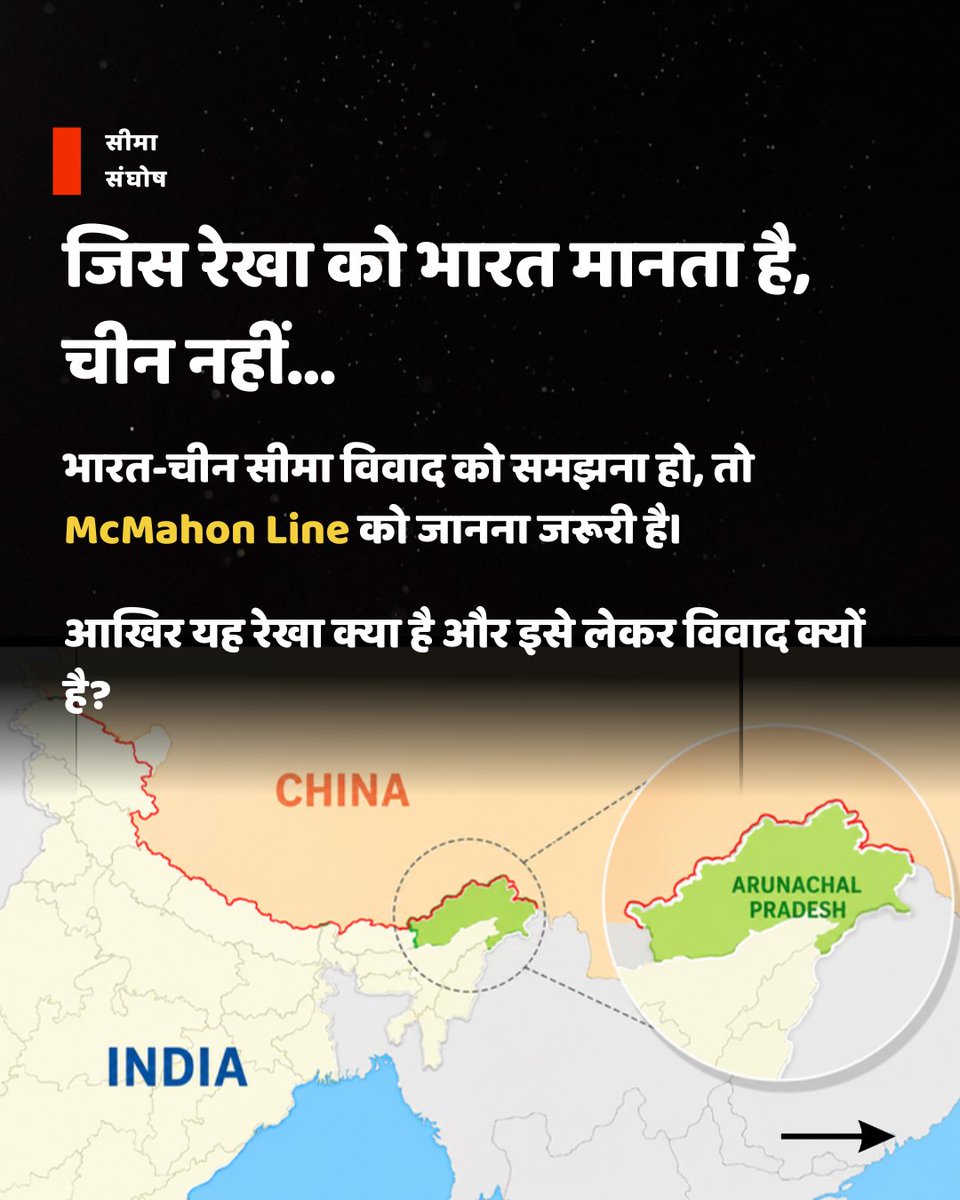
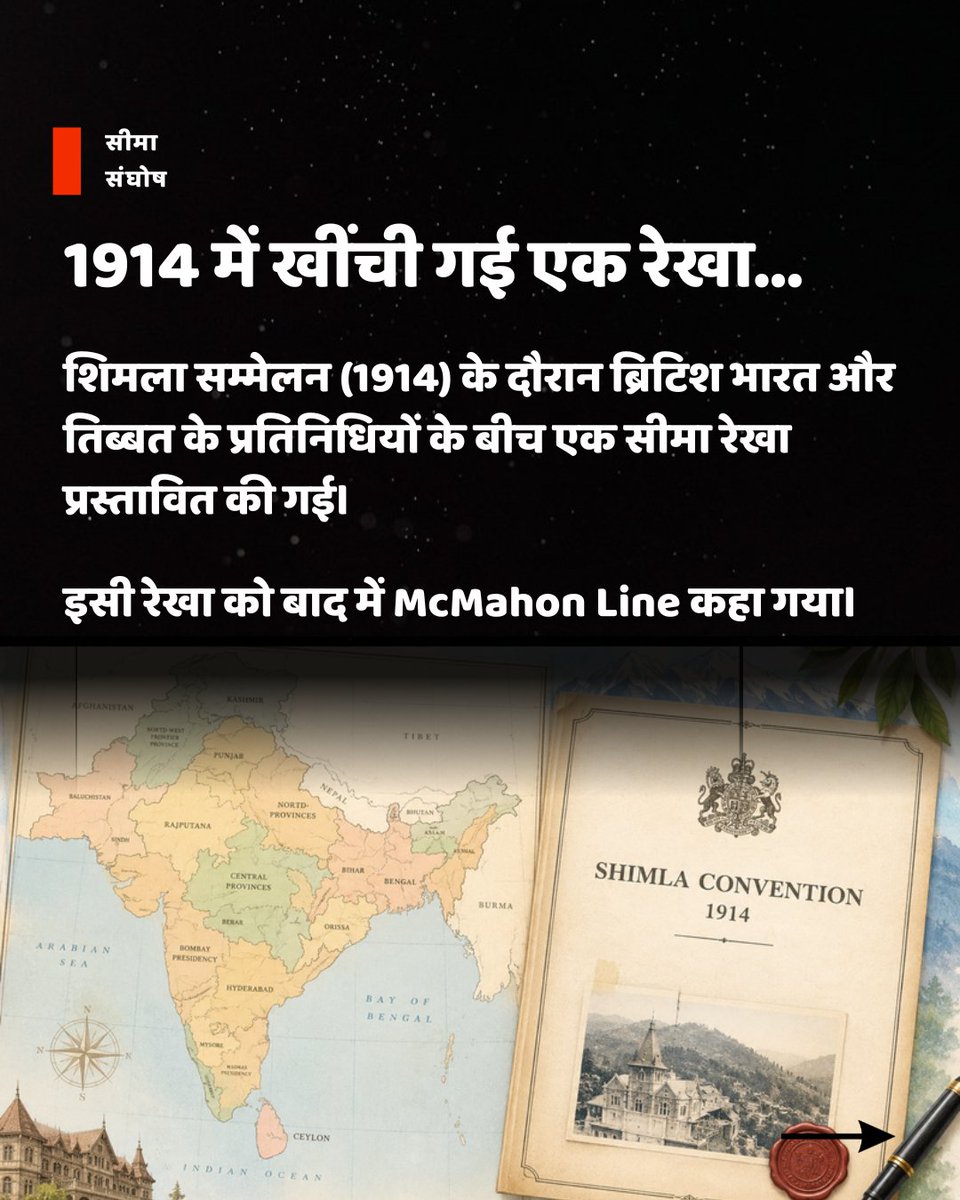
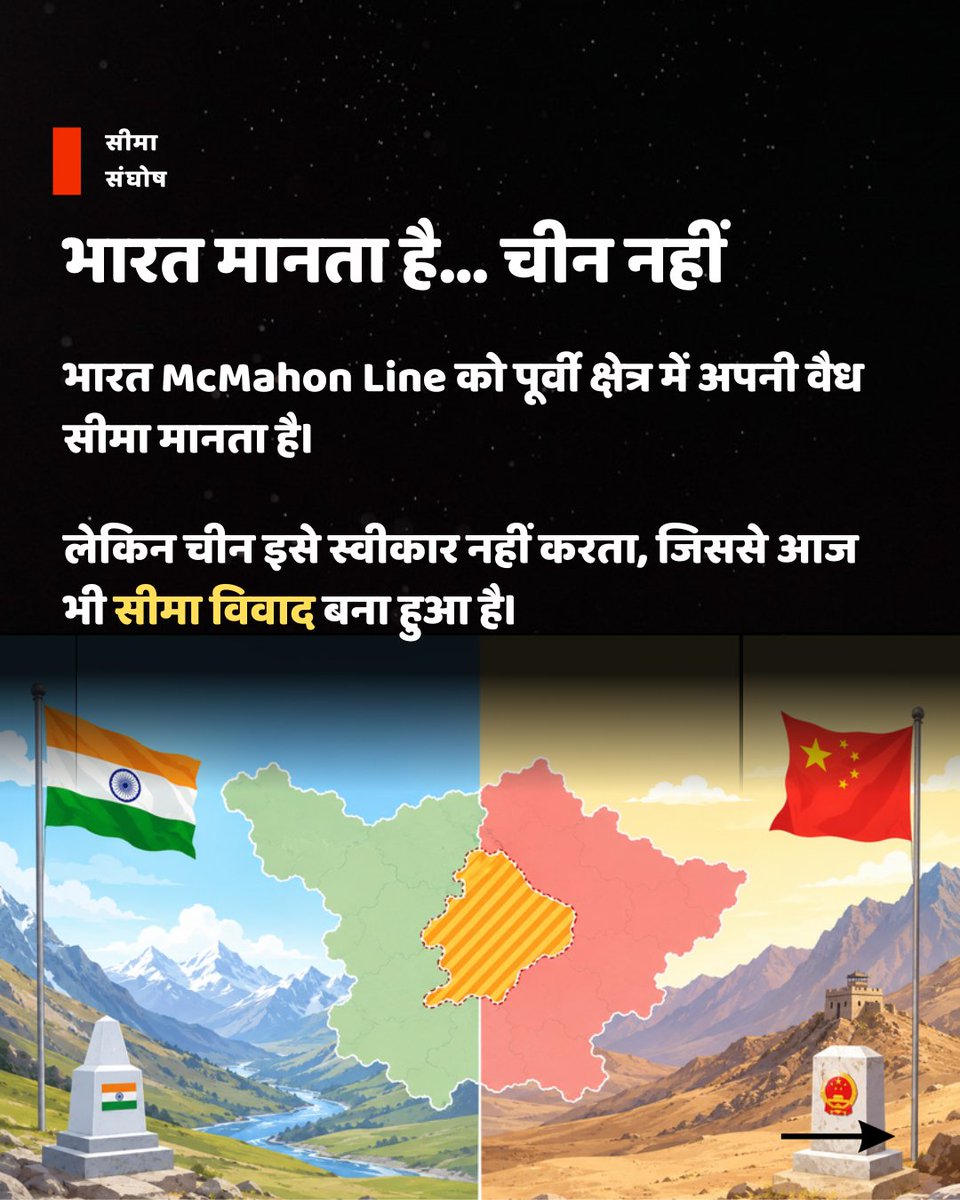
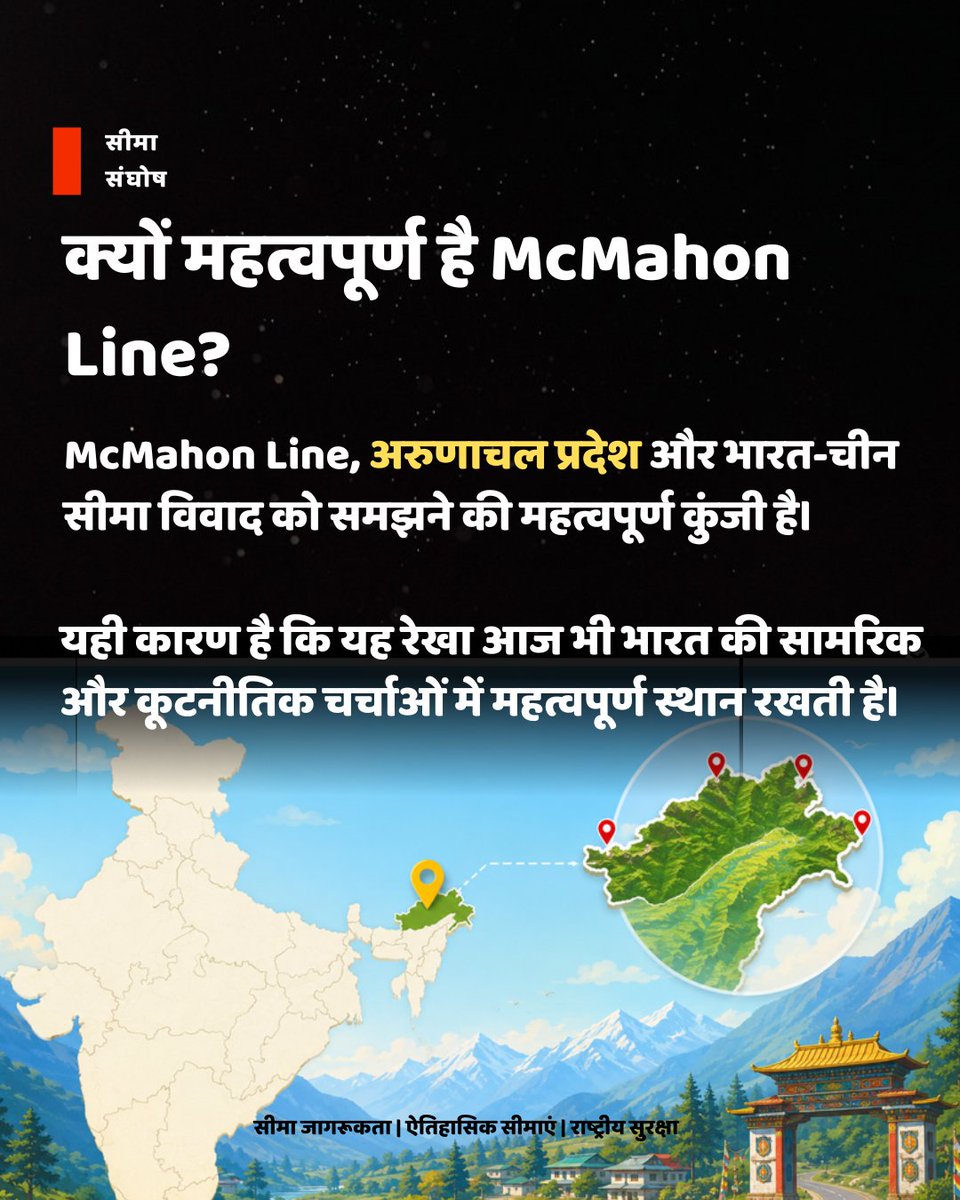
📍 मैकमोहन रेखा (McMahon Line) भारत-चीन सीमा विवाद को समझने की एक महत्वपूर्ण कड़ी है। वर्ष 1914 में शिमला सम्मेलन के दौरान ब्रिटिश भारत और तिब्बत के प्रतिनिधियों के बीच इस सीमा रेखा का निर्धारण किया गया था। भारत इसे अपनी पूर्वी अंतरराष्ट्रीय सीमा मानता है, जबकि चीन इस समझौते को स्वीकार नहीं करता। यही असहमति आज भी अरुणाचल प्रदेश से जुड़े सीमा विवाद का प्रमुख कारण है। राष्ट्रीय सुरक्षा, सीमाई रणनीति और भारत-चीन संबंधों की चर्चा में मैकमोहन रेखा का विशेष महत्व बना हुआ है। 🇮🇳
@ITBP_official @adgpi @PIB_India
McMahon Line, Shimla Convention 1914, India-China Border, Arunachal Pradesh, Boundary Dispute, Border Awareness, Strategic Frontier, Eastern Sector, Historical Boundaries, National Security
#McMahonLine #IndiaChinaBorder #ArunachalPradesh #BoundaryDispute #BorderAwareness #NationalSecurity #SeemaJagranManch #StrategicFrontier #BorderHistory #KnowYourBorders
1
3
59

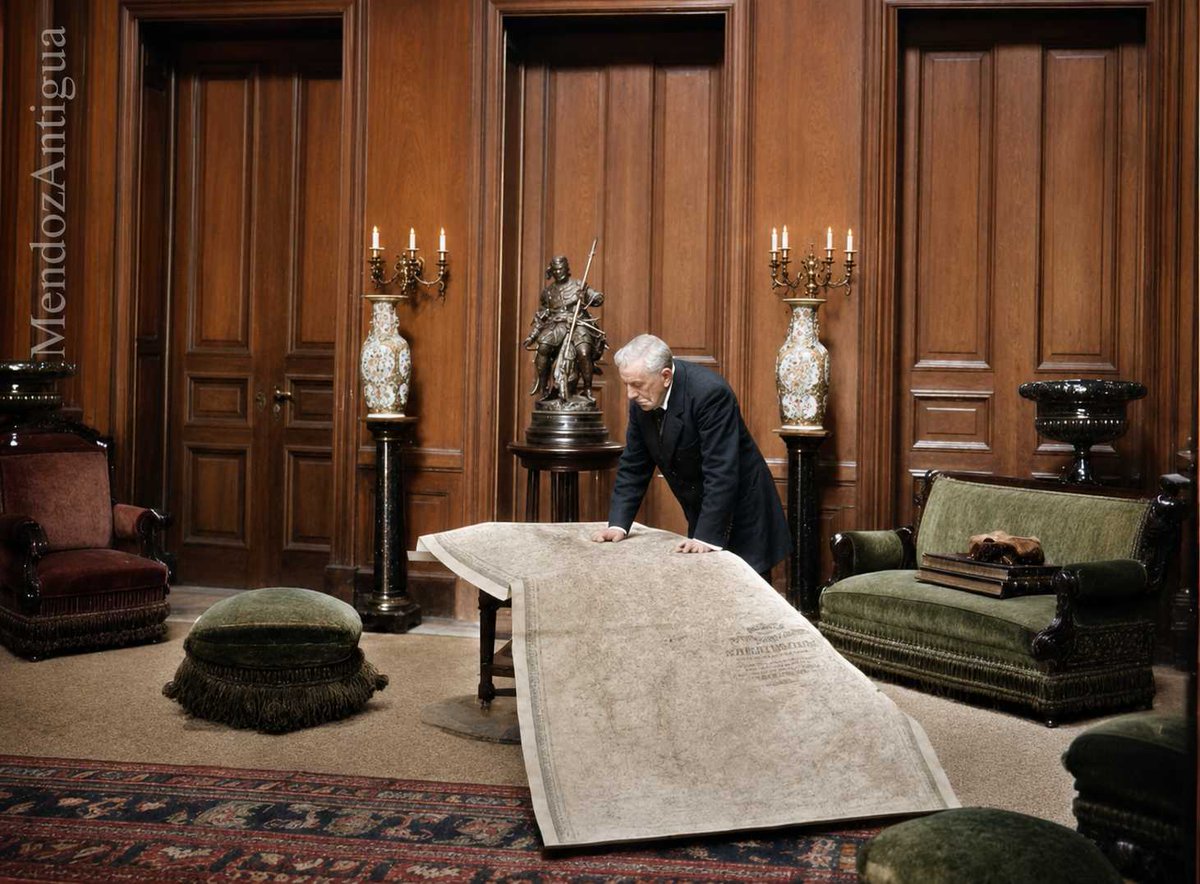
1898 🔥 QUIRNO COSTA: EL HOMBRE QUE DIBUJÓ FRONTERAS EN SILENCIO
mendozantigua.blogspot.com/2…
En octubre de 1898, la revista Caras y Caretas retrataba a Norberto Quirno Costa como una de las personalidades más curiosas del mundo político argentino: un hombre de bajo perfil, sin estridencias, más inclinado al despacho, la diplomacia y la negociación que al grito de tribuna. No fue un caudillo popular ni buscó abrirse paso a empujones. Su estilo era otro: avanzar con prudencia, evitar choques innecesarios y moverse entre los grandes conflictos políticos con una calma casi silenciosa. Pero detrás de esa figura discreta había un protagonista clave de una de las cuestiones más delicadas de la Argentina de fines del siglo XIX: la definición de los límites con Chile. Quirno Costa actuó en un tiempo en que la frontera no era solo una línea en el mapa. Era soberanía, territorio, futuro, tensión diplomática y equilibrio entre dos países unidos por la cordillera, pero también atravesados por disputas históricas. Su nombre quedó ligado al proceso de demarcación argentino-chileno y al protocolo de 1893, una pieza fundamental para ordenar la interpretación del Tratado de Límites de 1881. Periodista, abogado, diplomático, ministro y luego vicepresidente de la Nación durante la segunda presidencia de Julio Argentino Roca, Quirno Costa perteneció a esa clase de políticos que no siempre ocupan el centro del relato, pero que aparecen en los momentos decisivos, cuando la historia se escribe con papeles, mapas, firmas y silencios cargados de poder. En aquella Argentina de 1898, mientras el país miraba hacia el nuevo siglo, Quirno Costa representaba una forma de conducción paciente: la del hombre que no necesitaba levantar la voz para intervenir en asuntos enormes. Porque a veces la historia no la cambian los discursos más ruidosos, sino las decisiones tomadas frente a un mapa, en una mesa de trabajo, cuando se define el destino de una nación. #QuirnoCosta #HistoriaArgentina #LímitesConChile #ArgentinaChile #DiplomaciaArgentina #CarasYCaretas #SigloXIX #JulioArgentinoRoca #FronteraArgentina #HistoriaPolítica #EfeméridesHistóricas #MendozAntigua #ArgentineHistory #ChileArgentina #DiplomaticHistory #BorderHistory #LatinAmericanHistory #HistoricalMemory
53

Feb 18
Talk Show with Capt Arunjay Kumar 🎙️
From the ancient trade routes of Kumaon to Tibet, he shared how Shauka vyaparis carried forward a legacy of barter trade across mighty Himalayan passes.
Salt, wool & borax in exchange for grains & spices — but beyond trade, these routes also echoed faith, as many align with the sacred Kailash Mansarovar Yatra.
Commerce, culture & spirituality — all connected through the mountains. 🏔️
#Kumaon #HimalayanHeritage #BorderHistory #PanchshulPulse
#Trader
@UBArea_IA
@suryacommand
@DIPR_UK
@DiprPithoragarh
@ukcmo
@LtGenGurmit
@OfficeofDhami
19
30
299

Feb 13
सीडीएस की टिप्पणी: नेहरू ने तिब्बत को चीन के हिस्से के रूप में क्यों स्वीकार किया, 1962 सीमा विवाद की पृष्ठभूमि
#panchsheelagreement #anilchauhan #Nehru #IndiaChinaRelations #tibet #BorderHistory #1962War #IndianDefense #InternationalRelations
nationrealitycheck.com/2026/…
2
14

Feb 9
The land boundary between what is now Indonesia and Malaysia itself can be traced back to colonial arrangements made by the Dutch and British. dlvr.it/TQrc3G #MalaysiaIndonesia #BorderHistory #ColonialLegacy #PoliticalBorder #HistoryMatters
1
2
137
Jan 2
बलात: सीमा पर इतिहास की दहाड़ और प्रकृति का सौंदर्य
मेघालय के पूर्वी खासी जिले में भारत–बांग्लादेश सीमा पर बसा बलात सिर्फ़ एक छोटा शहर नहीं, बल्कि इतिहास और साहस की जीवित गाथा है। चेरापुंजी और मावसिनराम से पहुँचा जाने वाला यह क्षेत्र 1971 के बांग्लादेश मुक्ति युद्ध का अहम केंद्र रहा, जहाँ भारतीय रक्षा बलों ने मुक्ति वाहिनी को प्रशिक्षण दिया। आज बलात अपनी हरी पहाड़ियों, बादलों से ढकी वादियों और सीमावर्ती दृश्यों के कारण उभरता पर्यटन स्थल है। यहाँ इतिहास भी बोलता है और प्रकृति भी।
#Balat #SeemaSanghosh #Meghalaya #BorderHistory #MuktiYudh #Tourism #VeerRas #SeemaDarshan #BorderTourism #SeemaSanghosh #SeemaSanghoshPodcast #BaatBorderKi
1
11
14
201

15 Aug 2025
⏩ अटारी-वाघा बॉर्डर का दिलचस्प इतिहास
⏩ भारत के अटारी और पाकिस्तान के वाघा बॉर्डर की कहानी खास
⏩ दो अफसरों की मुलाकात में ही तय हो गई थी सरहद की लकीर
#AttariBorder #WagahBorder #IndiaPakistan #BorderHistory #IndoPak #AttariWagah #IndependenceDay #HindiKhabar
1
1
3
169

22 Apr 2024
2
142
9 Oct 2023
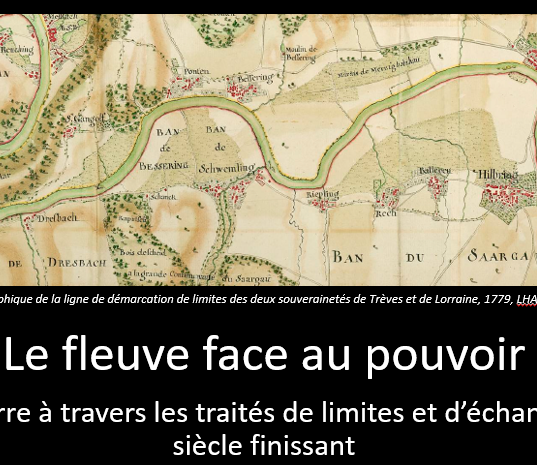
Neues zu lokalen Experten "auf der Grenze": Homme entendu en toutes sortes d’inventions. Der Baumeister Jost Heer aus #Ottweiler im Dienst Lothringens (1616) grenzraeume.hypotheses.org/5… via @hypothesesorg Bonne lecture! #borderhistory #espacesfrontaliers
1
4
349

29 Sep 2023
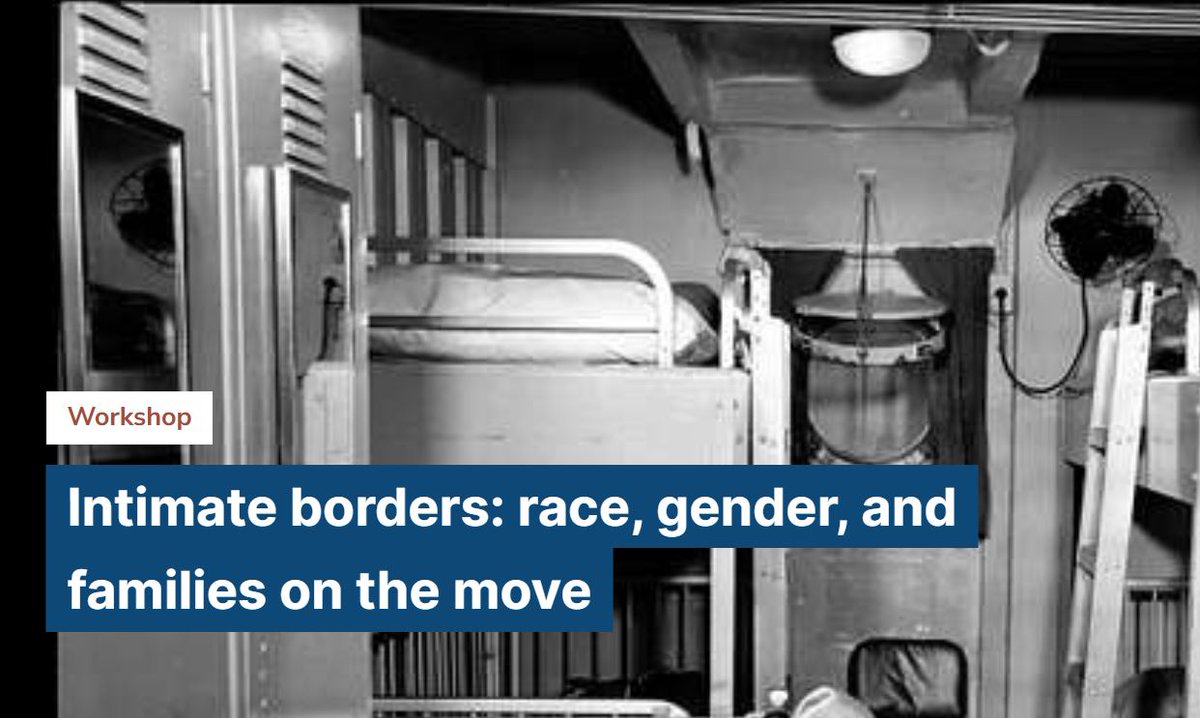
How do families, kin groups and intimate relations shape borders and patterns of movement?
On 5 and 6 October, join a workshop on migration and border-making in relations to intimacy, family and race 👉 eui.eu/events?id=560000
📢 #BorderHistory #GenderHistory #MigrationHistory
5
5
5,506
17 Aug 2023
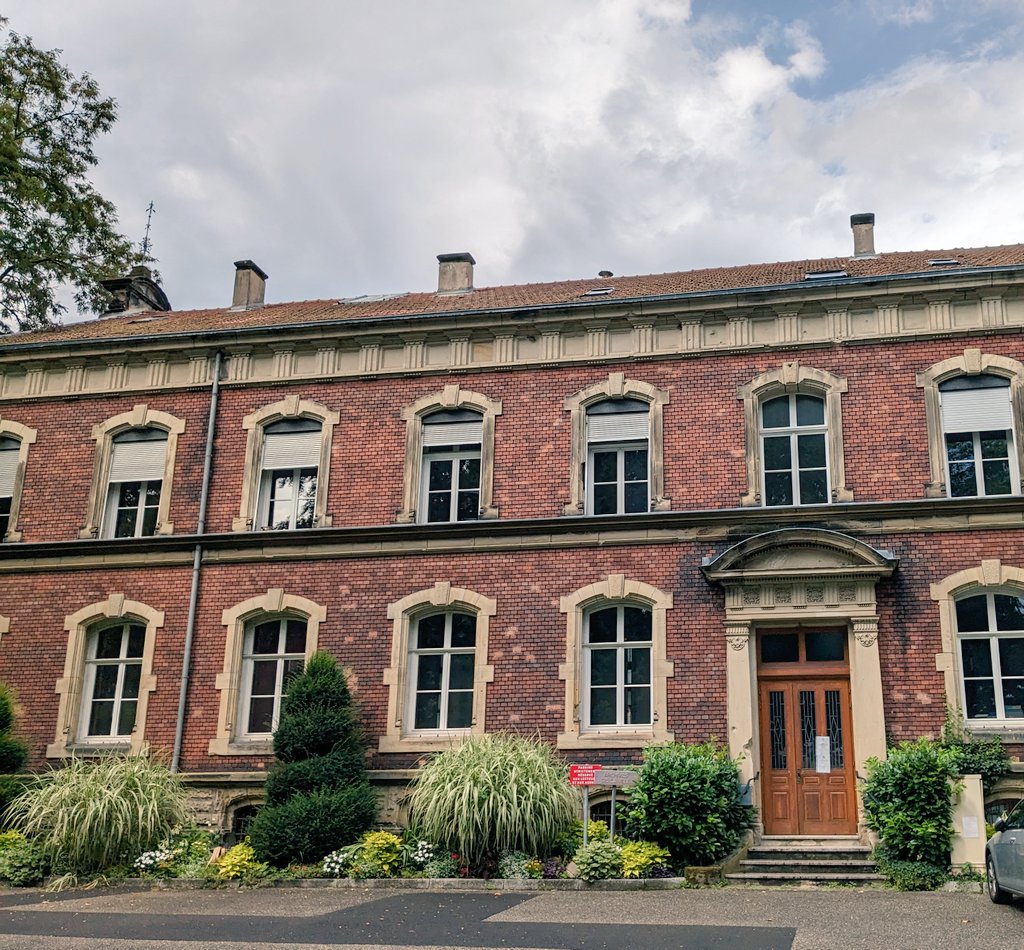
Archives municipales de Sarreguemines : kompetent, bilingual. Bin entzückt. Komme bald wieder. #borderhistory
3
220
20 Jul 2023
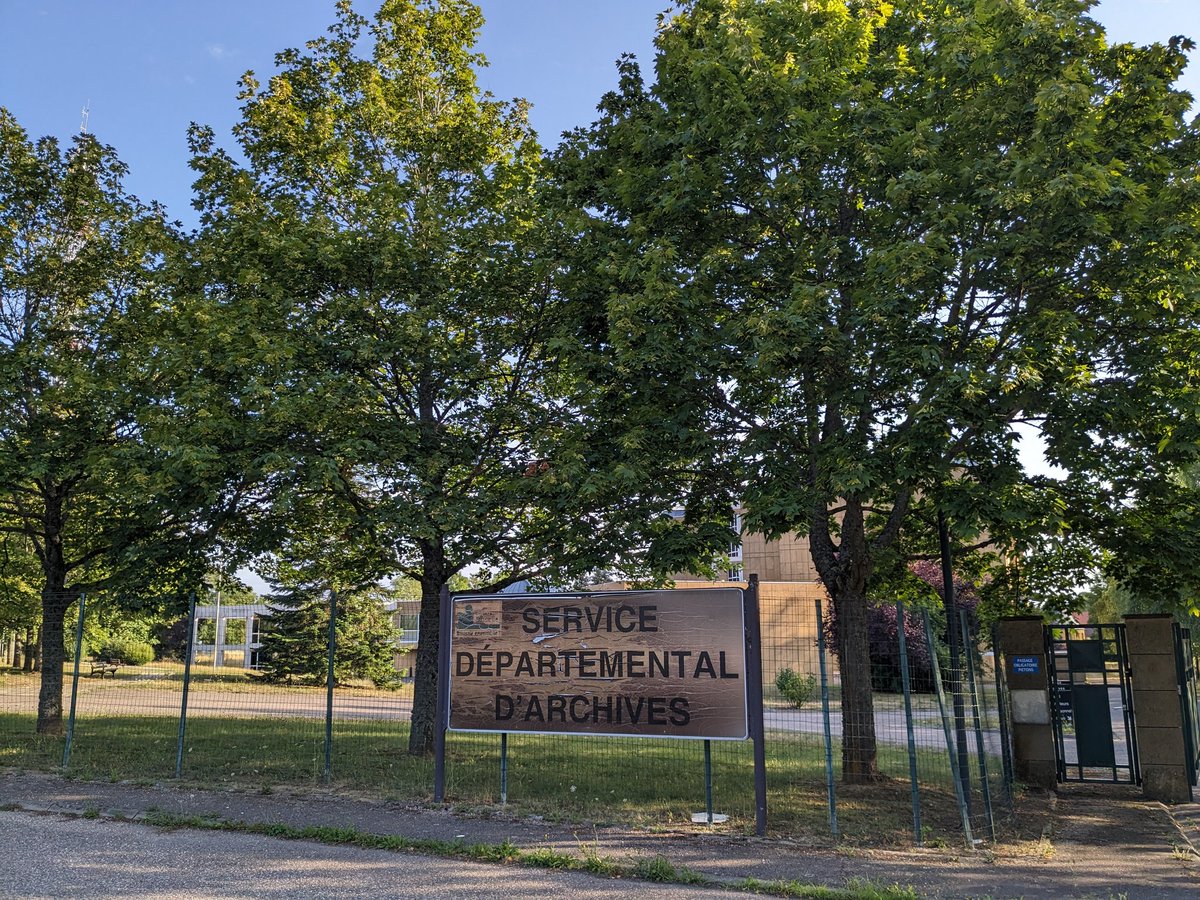
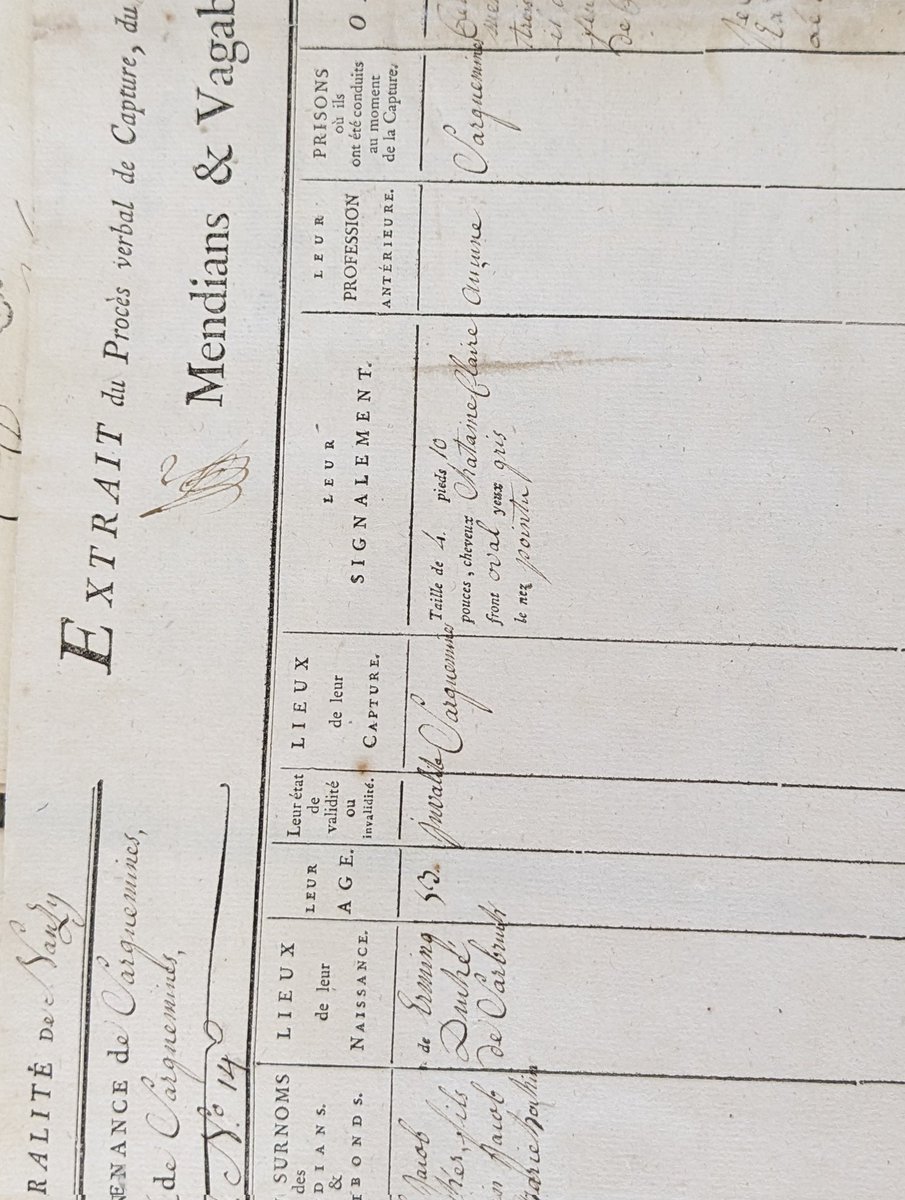
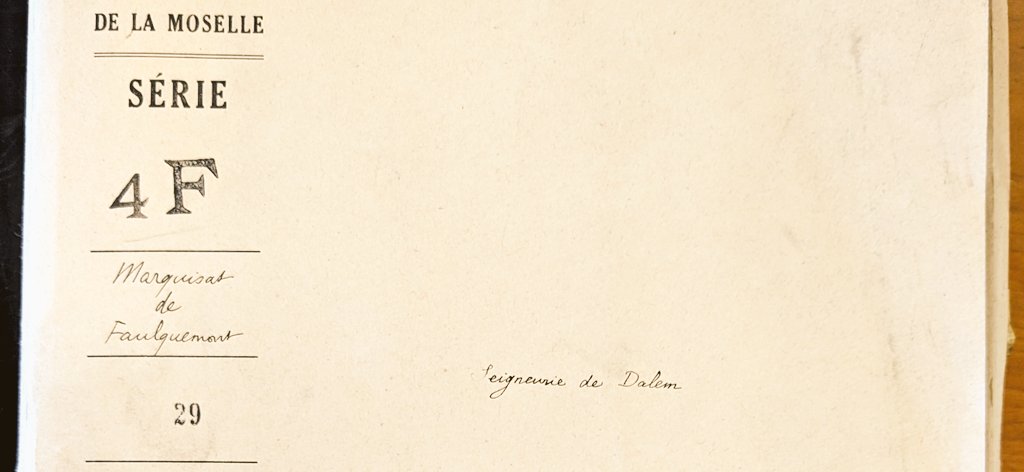
Petite escale à Metz. Pas de traces de contrebande de sel/tabac sur la "frontière" de la Sarre au XVIIIe. Plutôt "désertion", "vagabondage" et "embauchage" (maréchaussée de Sarreguemines). Peu de choses sur les Leyen à Dalem. Ça avance doucement, les recherches... #borderhistory
4
326

26 Mar 2023
It was great! Thoroughly enjoyed the talk on 100 years of the border by Dr Cormac Moore #borderhistory #drcormacmoore #fermanaghcountymuseum #ECMFCM
1
65
20 Feb 2023
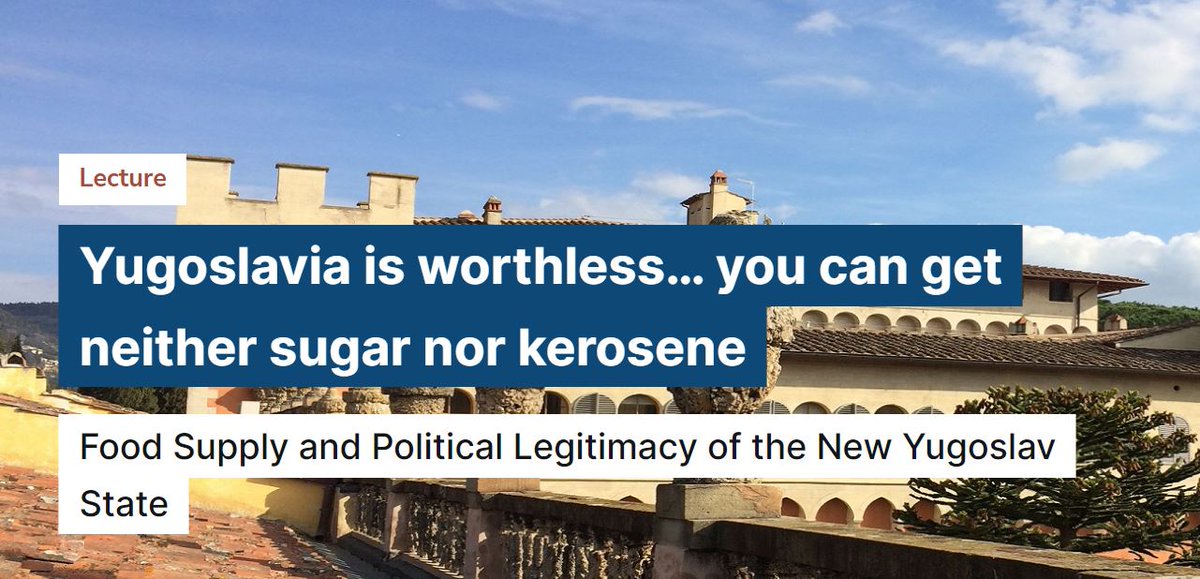
Questioning the legitimacy of a new state due to shortage of basic goods
On 2 March 17.00 CET, join the lecture by Rok Stergar @stergarr on the case of post #WWI Yugoslavia 👉 eui.eu/events?id=554373
Organised by our SOCIOBORD project 👉 sociobord.eui.eu/
#BorderHistory
1
2
3
4,919
29 Nov 2022
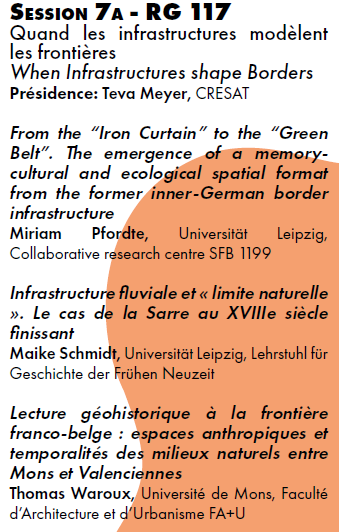
Delighted to do that with @MPfordte on Friday ! frontieresetenvironnement.my… #espacesfrontaliers #borderhistory

5 Nov 2022
New Blog Post! ✏️
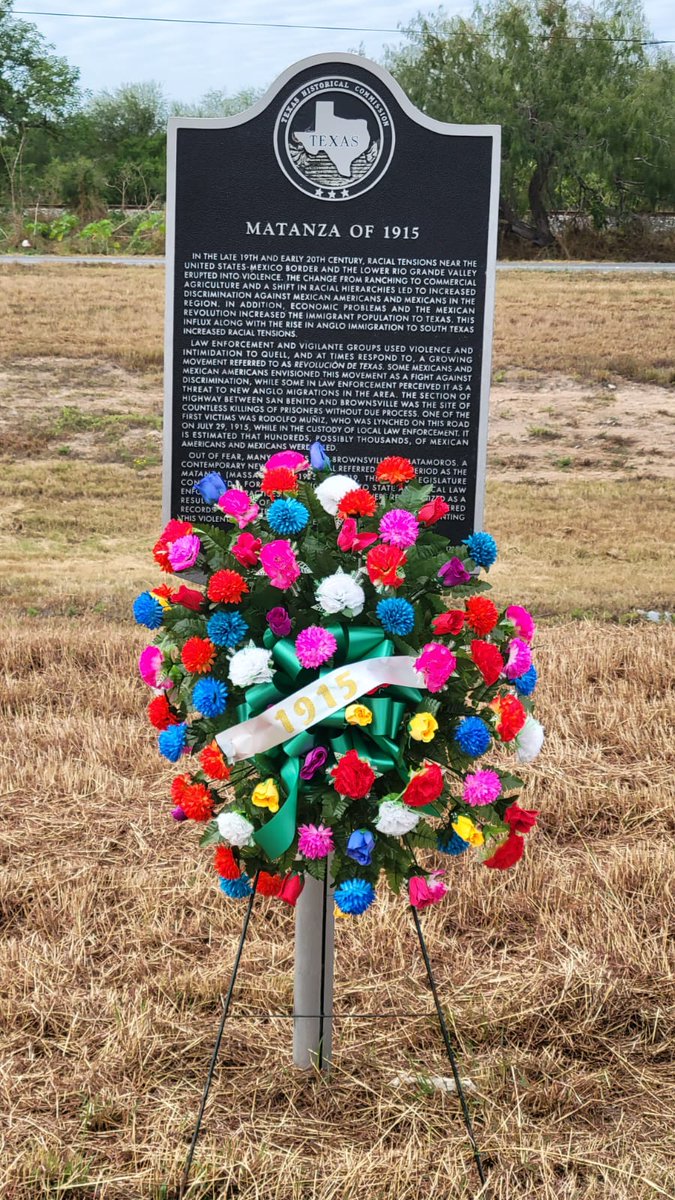
@carmona2208 shares his experience participating in the 2022 Caminata - an event honoring the victims of the Matanza of 1915.
bit.ly/caminatablog
#borderhistory #americanhistory
6
3
1 Nov 2022
1 Nov 2022

from Sunday. Good to see these markers becoming sites of communal remembrance, not just sitting there. @Refusing2forget
2
9
9 Sep 2022
Interested in #BorderHistory and #Nationalism? Listen to the lecture by Marco Bresciani on Fascism as an Anti-Habsburg revolution in #1920s Upper Adriatic 👇
soundcloud.com/european-univ…
Find other past lectures on our podcasts and videos page 🎙️📽️ eui.eu/en/academic-units/dep…
1
7