



May 10
כמה מהטובים שבעובדים שלנו במצב דומה.
אם אתה טוב, דבר איתי.
המילואים יגמרו מתישהו.
3
52
May 10
זה אחד הפרופילים, כן. אבל למדתי כבר שאתה לא חייב להיות מהנדס בניין/אזרחי.
כמה מטובי המוחות בתחום התחילו בתוכנה/פרודקט/מדעי החיים והתאהבו במקרה בענף הבניין.
צריך ממש לאהוב את התחום, להיות סקרן כדרך חיים וגישה טובה לדאטה.
1
4
435

May 10
בגדול אתה מחפש מהנדס בניין/מהנדס אזרחי שהוא טכנולוג?
יש לי אולי חבר שזה רלוונטי לו.
1
4
500
May 10
אנחנו אוהבים בילדרים - בין אם אתה עובד אם טרמינל או עם מסטרינה.
1
1
292

May 10
2/6 רגע על @buildots למי שלא מכיר: סטארטאפ ישראלי שמשרת את הטופ של תעשיית הבנייה העולמית עם פלטפורמת construction intelligence. המוח מתחת למכסה מנוע יודע לנתח איך פרויקטים מתוכננים, איך הם באמת מבוצעים, ואיפה ההזדמנויות לשפר תכנון, ניהול ומכרזים. מרחב ה-impact כמעט בלתי מוגבל.
1
11
1,816
May 10
1/6 אני חורג מכללי הטקס ועושה פה קצת לינקדאין.
אני מגייס ל @buildots למשרה מגניבה למי שאוהב את עולם הבנייה וגם דאטה, באותה מידה. כן, אני יודע שזה Venn diagram עם בערך 14 אנשים בארץ. אבל אם את/ה אחד מהם, תמשיכו לקרוא כי יש לנו מקום אחד פנוי בקבוצת המחקר שלנו ואולי זה אתם.👇
>>
15
11
98
22,226
Apr 30
מבאס נורא
תרים ת׳ראש, יש אור בהמשך.
אם מעניין אותך משרות אצלנו ב @buildots אז תכתוב לי ואעזור.
1
3
2,005

Apr 16
Today, @buildots announced its new “Construction Intelligence” operational standard – a new feat for #ConstructionTech, enabling contractors to proactively identify scheduling bottlenecks and protect profit margins. 🏗️ Read more here: bit.ly/4tgA2tC

We’re proud to unveil ✨construction intelligence✨ – a new operational standard for the construction industry and a vision we’ve been working toward since 2018.
We won't stop until we transform the entire construction industry into a predictable, efficient machine. #AI #ConTech
2
5
461

"Israeli proxies aren't hiding anymore in the Gulf:
🇦🇪 UAE: Controp Emirates (surveillance drones), Elbit Systems Emirates (major arms deals), Rafael (office), IAI (marketing), Thirdeye Systems (JV with EDGE), OurCrowd (AI hub), JVP (VC with portfolio cos), RT LTA (aerostats), Buildots, Aleph Farms & more (~600 firms total).
🇧🇭 Bahrain, 🇰🇼 Kuwait: Talks & indirect ties via defense expos.
🇸🇦 Saudi: Tech/agri/water deals, cyber firms via distributors, investor visits — paving for deeper embedding.
These aren't 'business' — they're Zionist intel, defense & influence ops undermining sovereignty & fueling aggression vs Iran/Palestine.
Expel all Israeli proxies from the Gulf NOW!
#NoToNormalization #BoycottIsrael #Resistance"
1
2
138
Mar 30
Design layer is broken. you've nailed it. But execution layer has its own crisis.
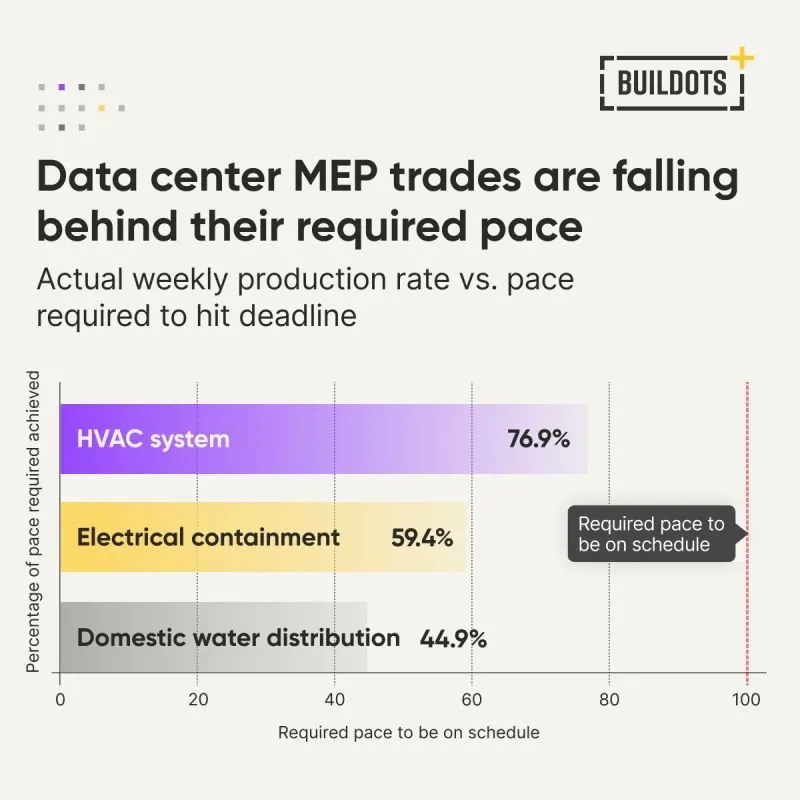
Here's an example from our data center projects @buildots: HVAC running at 77% of the pace needed to hit deadline. Electrical at 59%. Domestic water at 45%.
Better design is not the only necessary.
7
156
Feb 28
Congrats to @buildots on its newest partnership with Bouygues Bâtiment Industrie on the P3 Persan project. With Buildots, the project will be able to leverage AI to ensure efficient, high-quality #operationalexecution. Learn more here: bit.ly/4aHTaKh
3
3
190

Jan 14
Capital in legacy industries isn’t flowing to the obvious AI plays.
Three categories I’m seeing investors drawn to:
1. Teams that deeply understand a specific analog industry and are building AI-native systems of record, not horizontal tools slapped on top of old workflows.
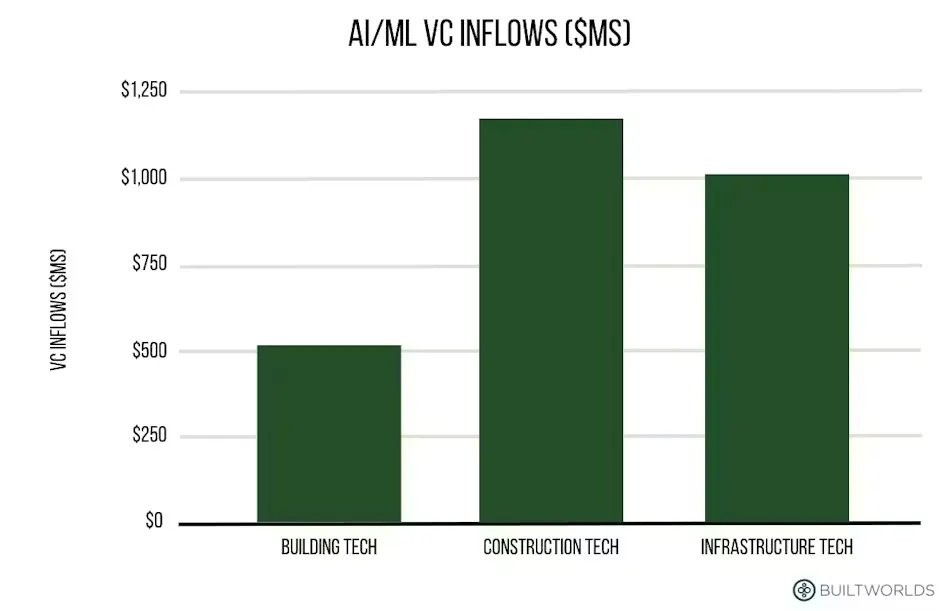
Construction is the clearest example right now. In Q2 alone, 68% of the $3.96 billion flowing into built environment tech went to companies baking AI/ML into their core product. Companies like Buildots are replacing the entire way progress gets tracked on site:
Crews wear 360° cameras, the system compares footage to the schedule automatically, and delays get flagged without anyone filing a report. The product IS the workflow, not a layer on top of it.
2. Startups that can underwrite real-world behavior using unique data exhaust - similar to how earlier fintechs used transaction data - and create new credit, insurance, or revenue-financing primitives around SMBs.
A live version of this in legacy sectors is EquipmentShare: its T3 telematics platform tracks where equipment is, how it’s used, and idle time, and that data is used by partners like Leif Assurance to offer cheaper insurance.
3. Companies that show their product is disinflationary for end customers and wage-enhancing for good operators (aligning) with the broader thesis that AI should materially improve outcomes for the working and middle class.
Historically, software has always made one true at the expense of the other. Either it cuts costs by squeezing labor, or it makes workers' lives easier while inflating the P&L. AI tools in this category materially improve outcomes for the people in working-class industries, not just the equity holders.
You can already see this in fleet and logistics:
Customers of Samsara’s AI-powered safety and routing stack report lower accident rates and operating costs, and some - like Mohawk’s supply-chain group - explicitly say those savings let them raise driver pay and regularly award safety bonuses while staying more profitable.
The common thread across all three:
Durable AI businesses in legacy sectors aren’t selling “tools” but transforming outdated workflows so profits improve, customers pay less, and the best operators earn more.
2
258


4 Dec 2025
Israeli startups are transforming industries across the world.
This week, we’re focusing on @buildots, an Israeli AI company reshaping one of the most important sectors in our region: construction and infrastructure.
Their technology is already being implemented across Europe, the U.S., and the Middle East including projects that contribute to smarter, more efficient urban development.
We look forward to seeing continued Israeli–Emirati collaboration in this vital field, building not just infrastructure, but a shared future.
#AI #Innovation #Buildots #IsraelUAE #ConstructionTech #SmartCities #FutureOfWork
1
11
34
2,398