
ALERT! Is Morgellons Disease Linked to Chemtrail Spraying?
Project SkyPox?
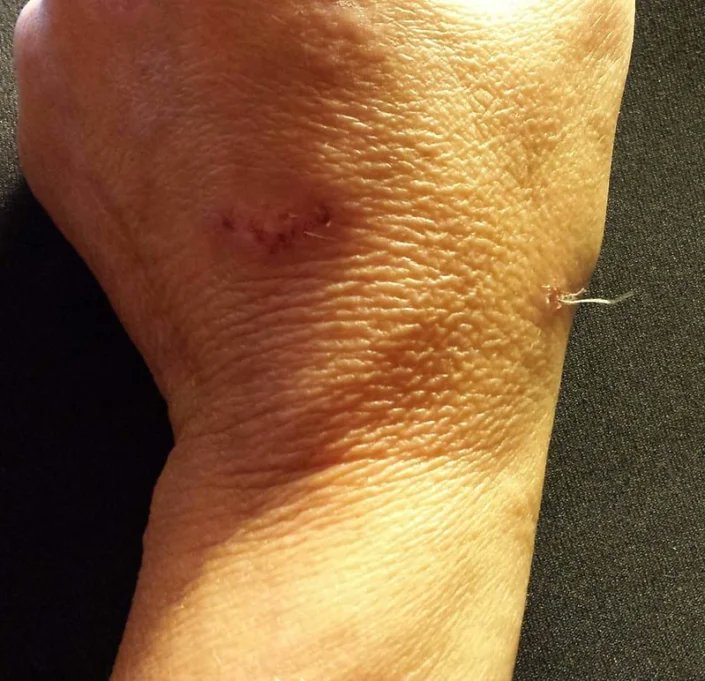
Morgellons patients studied test positive for Borrelia burgdorferi infections. Borrelia burgdorferi is a group of spirochetal bacteria transmitted through black-legged tick bites and quickly spread from the site of the bite through the body if left untreated.
As the bacteria spreads throughout the body, it takes up residence in the tissues, which causes joint, heart, and nervous system problems such as:
Fatigue
Arthritis
Meningitis
Neuropathies
Muscular pain
Cardiac disease
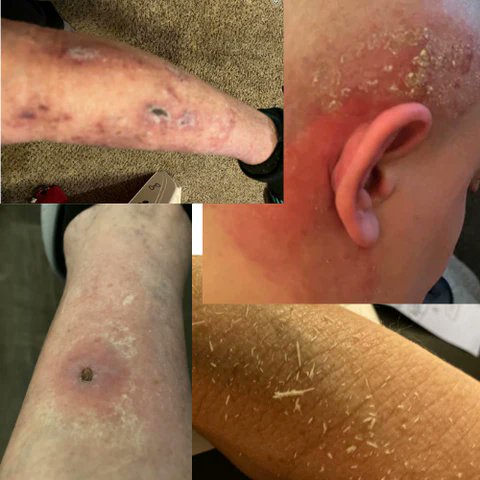
Ulcerating lesions
Cognitive dysfunction
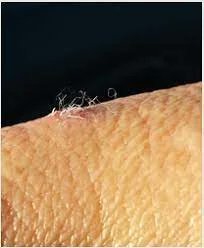
Unusual skin fiber growth
Erythema migrans (bulls-eye) rash
Morgellons & Smart Dust/Nanobots
qvive.in/world-news/alert-is…
#ArthritisResearch #BorreliaBurgdorferi #LymeDiseaseAwareness #ClimateChangeImpact #COVID19Research #MorgellonsAwareness #Nanotechnology #VaccineSafety #MindControlTheories #GeoengineeringConcerns #CardiacHealth #CDCUpdates #ErythemaMigrans #FatigueAwareness #MuscularPainRelief #PsychologicalEffects #WhistleblowerStories #SkinDiseases #CognitiveDysfunction #UnusualSkinFibers #ProjectSkypox #Nanobots #SmartDust #Morgellons @awakenindiamvmt @BGatesIsaPyscho @ICANdecide @drbiswarooproy @DrDev7 @SahilGoyalAdv
1
2
82

20 Nov 2025
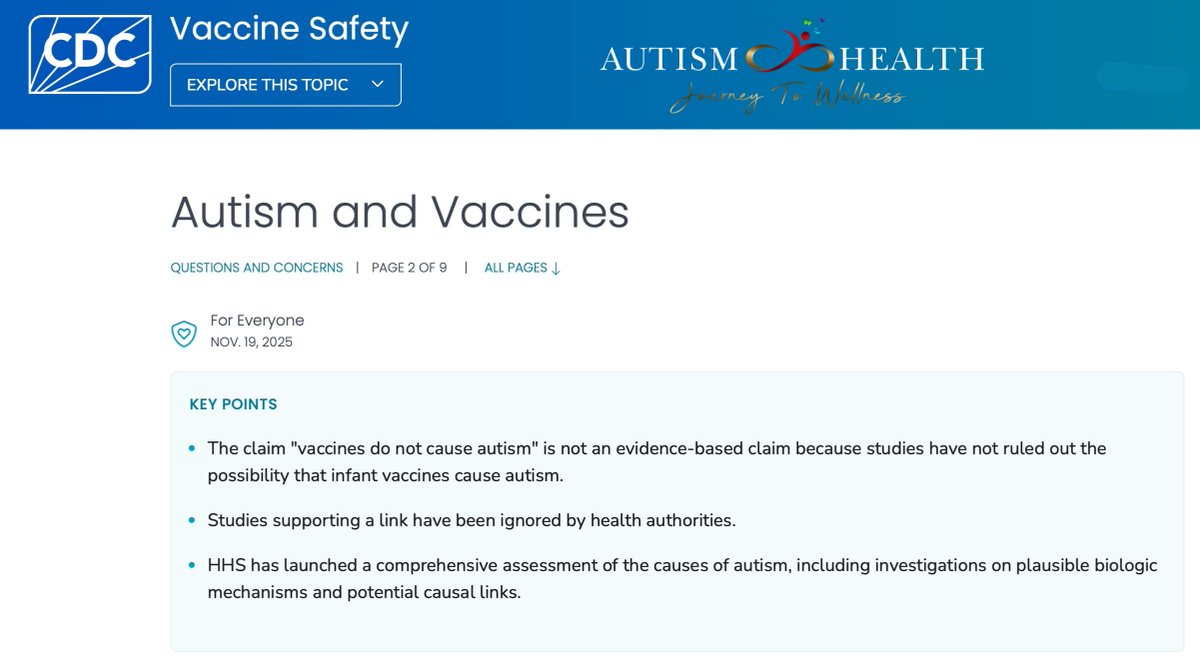
This is a MUST READ! The CDC just updated its website, finally acknowledging that the claim “vaccines do not cause autism” isn’t evidence-based — a major breakthrough for autism parents who’ve been silenced for decades. Here is a link to my Substack article: bit.ly/CDC_AutismVaccines #autism #autismawareness #autismmom #autismdad #autismparents #autismhealth #cdc #cdcupdates #truthbetold #warriormom #ahsconference #autismhealthinc #healingautism #substack
12
74
165
80,006

13 Jul 2025
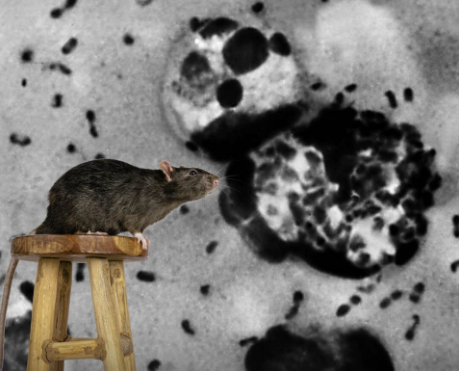
ARIZONA NEWSWIRE: Coconino County Reports First Plague Death Since 2007
Health officials have confirmed that a northern Arizona resident died on 11 July after contracting pneumonic plague.
The patient sought care at Flagstaff Medical Center’s emergency department and died the same day despite resuscitation efforts.
Rapid testing identified the bacterium Yersinia pestis, and Northern Arizona Healthcare notified state and county authorities.
Coconino County Health and Human Services said the case is the county’s first plague-related fatality since 2007.
Investigators are working with the Arizona Department of Health Services to determine how the individual became infected; officials noted the death is not linked to a recent prairie-dog die-off northeast of Flagstaff.
The Centers for Disease Control and Prevention records about seven human plague cases nationwide each year, most of which are non-fatal when treated promptly with antibiotics.
While the county assesses exposure risks, officials say the threat to the wider public remains low and urge residents to keep pets on leashes, use flea control and avoid contact with wild rodents.
MORE INFORMATION:
Pneumonic plague is a severe lung infection caused by the bacteria Yersinia pestis.
It is the most contagious and dangerous form of plague, as it can be spread through respiratory droplets from person to person.
Symptoms include fever, headache, weakness, and a bloody or watery cough. If left untreated, pneumonic plague is almost always fatal.
Key characteristics of pneumonic plague....
Cause: Yersinia pestis bacteria.
Transmission: Primarily through respiratory droplets when an infected person coughs or sneezes.
Symptoms: Fever, headache, weakness, and a cough that may be bloody or watery.
Severity: Untreated pneumonic plague is almost always fatal.
Contagious: Highly contagious, with the potential for person-to-person spread.
Progression: Symptoms can rapidly progress to pneumonia, respiratory failure, and shock.
Treatment: Prompt antibiotic treatment is crucial and highly effective.
Prevention: Avoid contact with infected individuals and seek immediate medical attention if symptoms develop after potential exposure.
IMPORTANT CONSIDERATIONS:
Early Diagnosis and Treatment: Early diagnosis and treatment with antibiotics are essential for survival.
Bioterrorism Threat: Pneumonic plague is considered a potential bioterrorism threat due to its high mortality rate and ease of transmission.
Public Health Response: Suspected cases require immediate notification of public health authorities for investigation and control measures.
#CoconinoCounty
#PlagueOutbreak
#PneumonicPlague
#Arizona
#YersiniaPestis
#PublicHealth
#FlagstaffNews
#HealthAlert
#PlaguePrevention
#ArizonaNews
#InfectiousDisease
#HealthWarning
#NorthernArizona
#PlagueAwareness
#CDCUpdates
#BacterialInfection
#HealthSafety
#AntibioticTreatment
#PlagueSymptoms
#PublicHealthResponse
#ArizonaHealth
#DiseasePrevention
#PlagueCase
#ArizonaDepartmentOfHealth
#HealthRisks
#RodentControl
#PetSafety
#FleaControl
#PlagueTransmission
#RespiratoryInfection
#HealthNews
#BioterrorismThreat
#USA
#PlagueFatality
#NorthernArizonaHealthcare
#HealthOfficials
#PlagueFacts
#ContagiousDisease
#ArizonaWildlife
#PublicSafety
#PlagueUpdate
#HealthEducation
#InfectionControl
#PlagueRisk
#CommunityHealth
#ArizonaPublicHealth
#DiseaseOutbreak
#StaySafeArizona
1
3
166

3 Jan 2025
🚨Health News
🇺🇸USA:
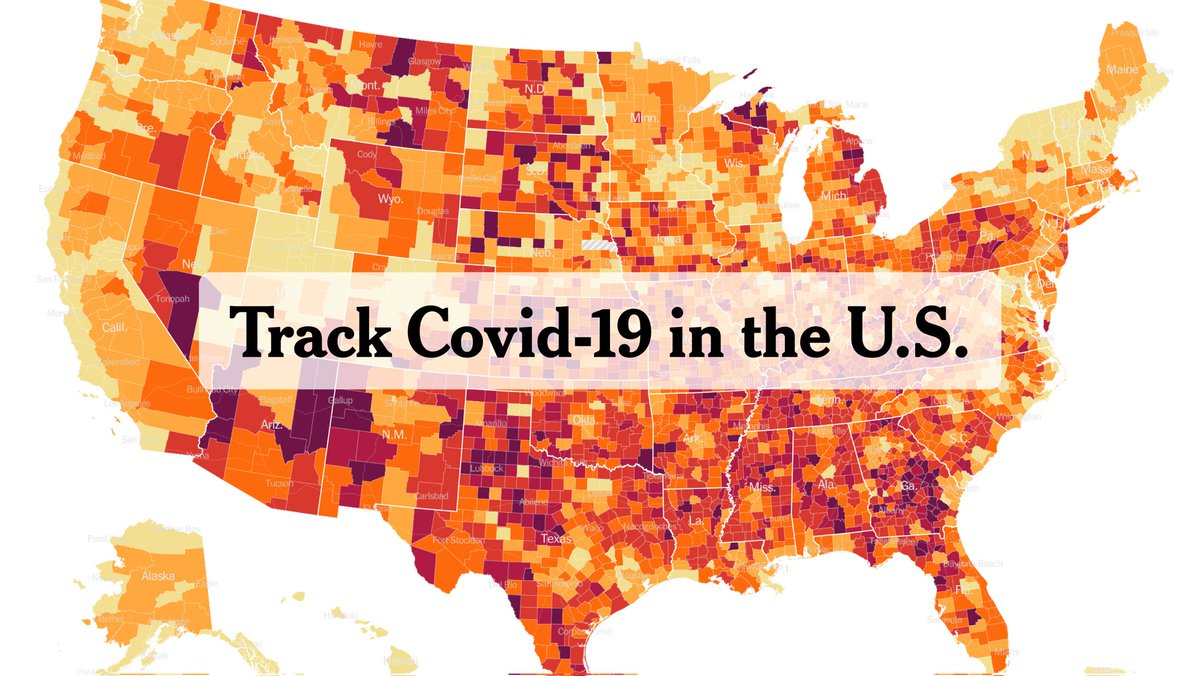
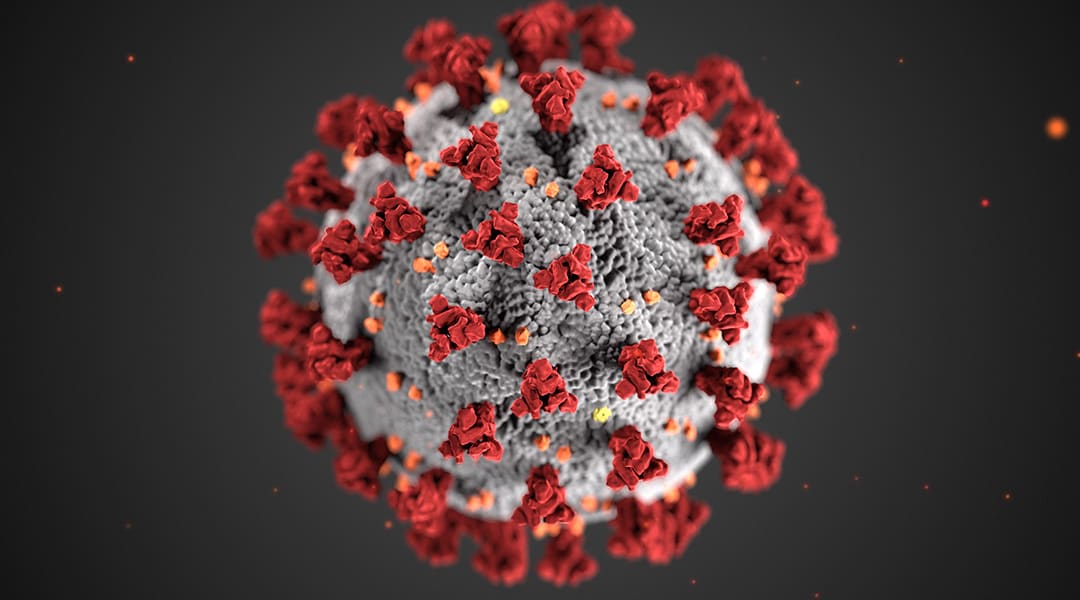
🦠New Wave of COVID-19 in the U.S.
The CDC reports a resurgence of COVID-19 cases in the United States, indicating the start of another wave.
Hospitals are seeing increased admissions, and public health officials are urging for continued vigilance.
#COVID19Resurgence #PublicHealth #CDCUpdates
3
2
3
429

6 Jul 2021
ٹیم @TeamCDCofficial کا ریکروٹمنٹ سیٹ اپ جو پہلے فیس بک پر تھا اور کافی پیچیدہ بھی تھا اسے اب باقاعدہ اور پروفیشنل طریقے سے سی ڈی سی کی اردو ویب سائٹ(Feham.pk) پر شفٹ کر دیا گیا ہے
#CDCUpdates
#ماسٹرمحمدفہیم

6
14


20 Apr 2020
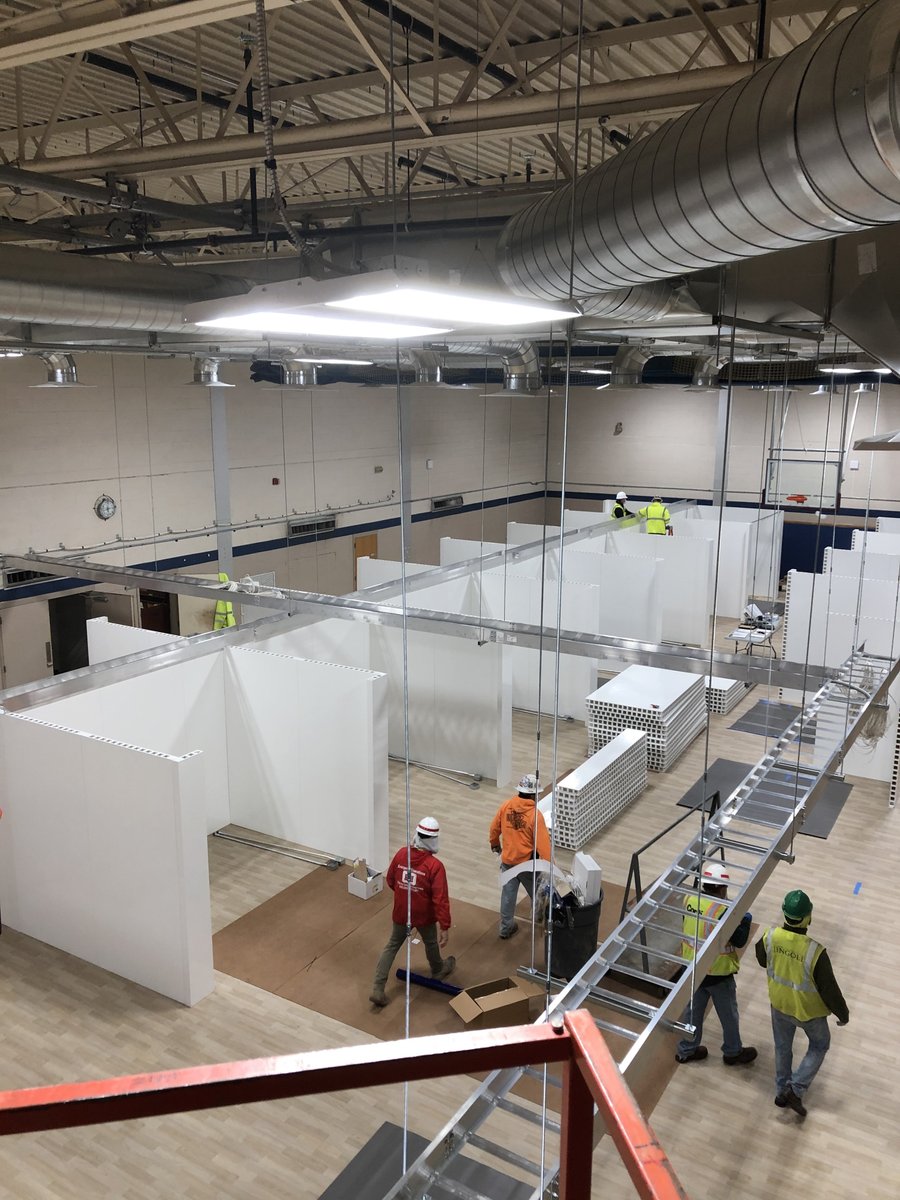
#EverPanel being rapidly built in a gymnasium/hospital conversion for treating patients in recovery of COVID-19 in NJ.#coronavirusupdates #hospitalpods @USArmy #coronavirusprotection #coronavirushousing #CDCupdates #virusprotection #temporaryhousing #stayhome #modularwalls



1
10 Apr 2020
Break rooms built using EverPanel modular wall panels at the Ernest M. Morial Convention Center in New Orleans, LA.
#coronavirusupdates #hospitalpods #coronavirusprotection #coronavirushousing #CDCupdates #virusprotection #temporaryhousing #stayhome #modularwalls #modulardivider




1
1