
NAOOKKKKK eu nao contei o tempo que levei pra zerar, mas deve ter dado as 10 horas certin
é eu enrolei com o straw, levei um tempo pra desistir do carrd e quando voltei pro straw tinha esquecido os botao tudo de novo 💔🥀
3


veyr... algum dia !!! (nao manjo tanto de model de arma mas pretendo aprender mais certin :D)
1
13

Vdd mano, vc se contenta com pouco quando é a, quando é b vc critica, tá certin kkkkkkkkkkk sorte q seu time virou grande dps de 2019, vc deu mta sorte, agradece ao gabigol cria do santos
1
28
Denis NGOTO retweeted

Waoh donc un certin maxime très corrompu c prend le luxe de donner d leçon à un grand pays comme le Congo 🇨🇩 c révoltant ca. Tu as qlq chose à dire pour ce que l’ice fais aux USA? Tu aura pas assez d couille devant trump hein, donc ferme la hypocrite que tu es…
1
2
80


The Masked Creative 😷 retweeted

15h
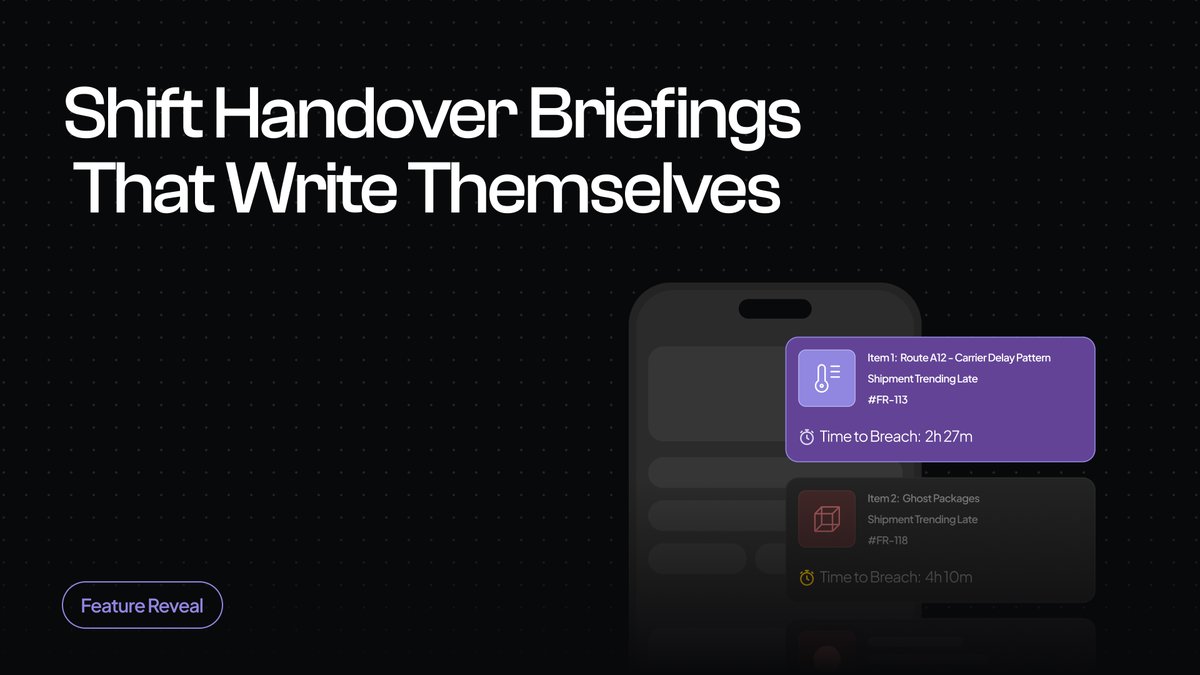
The first 30 minutes of a shift shouldn’t be spent figuring out what happened overnight.
Certin prepares the briefing before the next team logs in.
#Logistics #SupplyChain #Operations
1
5
24

CERT-In exposes the real patching gap
A compelling story by Gyana Swain (@mrgyan) in @CSOonline on how @IndianCERT is pushing aggressive remediation windows, continuous exposure management, and AI governance controls for Indian enterprises. The link to the story is attached, but for deeper analysis on this topic, head over to greyhoundresearch.com.
Below is a snapshot of what we at Greyhound Research had to say on the topic.
At @Greyhound_R, we believe the 12-hour clock is not the story. The real shift is India’s move from periodic vulnerability management to continuous exposure management.
CERT-In’s blueprint is more sophisticated than the headline suggests. It does not demand 12-hour patching across the enterprise. It reserves that expectation for containment on internet-facing and crown-jewel systems where exploitability is already visible, then extends the timeline based on exposure and criticality.
This distinction matters. Most Indian enterprises still run weekly or monthly patch cycles, but the first bottleneck is rarely patch deployment. It is visibility. Teams lose critical hours establishing whether an affected asset exists, who owns it, what it connects to, and whether isolating it will break something else.
Temporary mitigations make the timelines workable, but they also remove every excuse. Isolation, access restrictions, WAF and API protection, enhanced monitoring, and documented compensating controls only work when asset ownership, segmentation, and escalation paths are already clear.
The pressure will be sharpest in critical internal environments, especially finance, telecom, healthcare, and OT-heavy estates where change boards, uptime obligations, outsourced operations, and legacy dependencies slow response. The same problem extends to vendor-managed systems: when a third-party patch is delayed, the enterprise still owns the exposure window.
India’s model is also globally significant. Unlike @CISAgov's KEV approach of vulnerability-specific due dates, CERT-In has introduced standing clocks by asset category. That may look aggressive today, but it previews where global standards are heading as AI compresses attacker timelines.
At this scale, advantage comes from exposure intelligence, not patch theatre. The organisations that win will be the ones with connected security, infrastructure, procurement, and vendor clocks.
csoonline.com/article/417824…
#GreyhoundStandpoint #Cybersecurity #CERTIn #ExposureManagement #VulnerabilityManagement #AI #CISO
1
1
58

He will win.
This is certin if we dont go out en masse & vote. I know the fear & or belief that our votes don't count.
That's the lie.
Our votes counts.
If nothing else, it is harder to rig with larger numbers.
Press your phone & cry for a change or take action & be the change.
6


povo acha que ta jogando PES..
Time sem meio campo e 5 atacantes? Vai funcionar certin fera confia!
759


Tweet 3/3
Compliance isn't optional. Investors expect verification that strict @SEBI_India & @CERTIn cyber resilience frameworks are met, and statutory DPDPA obligations are fulfilled. Our trust depends on the absolute safety of our data. #RegulatoryCompliance #DataPrivacy
37

Jun 13
AGORA TU BEBE AGUA CERTIN
✅ Copo Térmico Gigante 1,2l Inox C/ Canudo
🔥 DE 99 POR 48,99
🔗 meli.la/33Tstjn

1,814

Jun 13
oloko man, o bgl rodou lisinho na minha 580, agr tmb tenho a 7600 e roda certin, crtz q é a placa?
1
1
104

