Hakimuddin Saify retweeted

22m
भारत का मीडिया अब सिर्फ एक
Digital Comics बन कर रह गया है ।
सिर्फ हंसने के लिए देखे समाचार के लिए नहीं ।
youtube.com/live/ueAuENBTaPs…
1
7
8
103
Moonlight 🌙💜 retweeted

"I really really hate when people are writing twotime’s dialogue for comics and whatnot, and have them refer to the spawn cult AS a cult. Cultists don’t know they’re in a cult, they would refer to it as a religion,group,community,etc. it’s a small issue but it bothers me so much"
7
90
607
7,110

The fact that often the mini-canons are even marked by a specific visual style (comics, animation, cg heavy live-action, more set-oriented live action etc) really reinforces that seperation. In that sense, live-action Ahsoka is an attempt to smash that wall.

would recommend reading Erotic Comics in Japan by Nagayama Kaoru, goes over this in more detail
Feb 19

Something like Erotic Comics in Japan by Nagayama Kaoru and translated into English by Patrick goes deeper into the history of lolicon, gekiga, trends such as incest, and censorship battles. I'd usually just bounce around their citations for further readings.

4
dummy retweeted

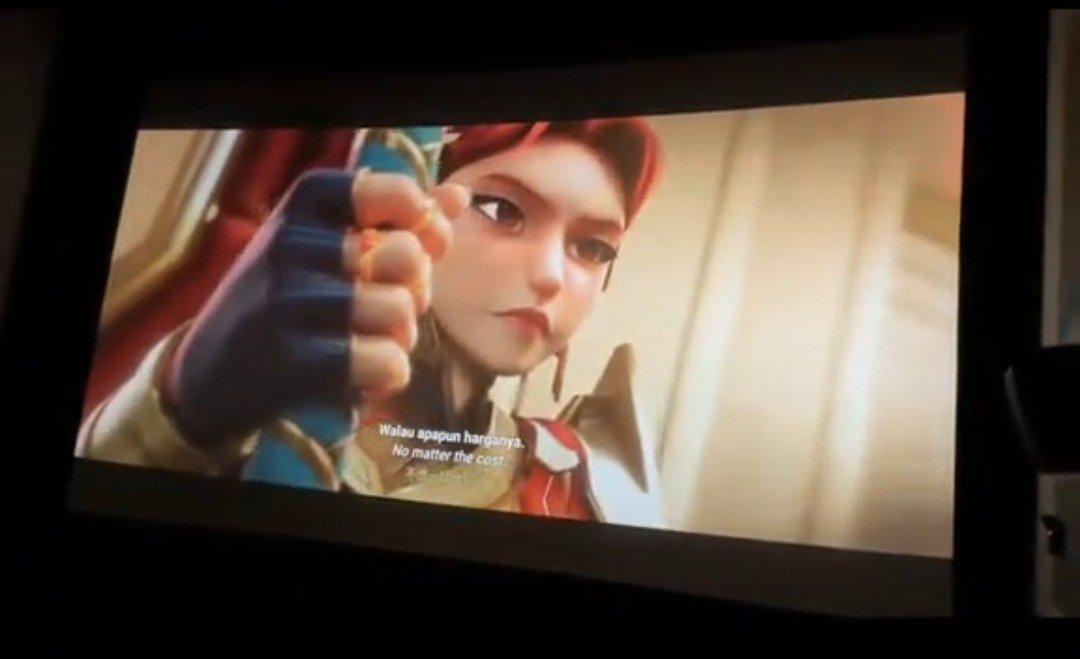
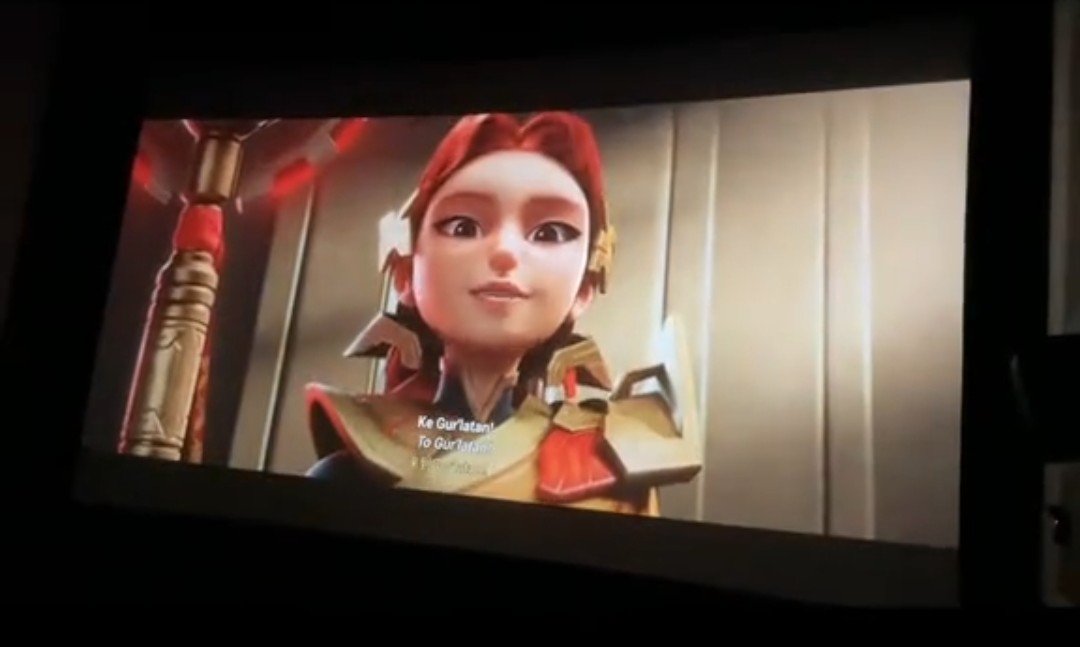
man... i really liked the neatly pulled back hair from the comics ngl lolol and she needs more poofy volume of her hair NYEHEEHHEHE

1
2
11
180
snezha ⊹ ࣪ ˖ baby sister retweeted

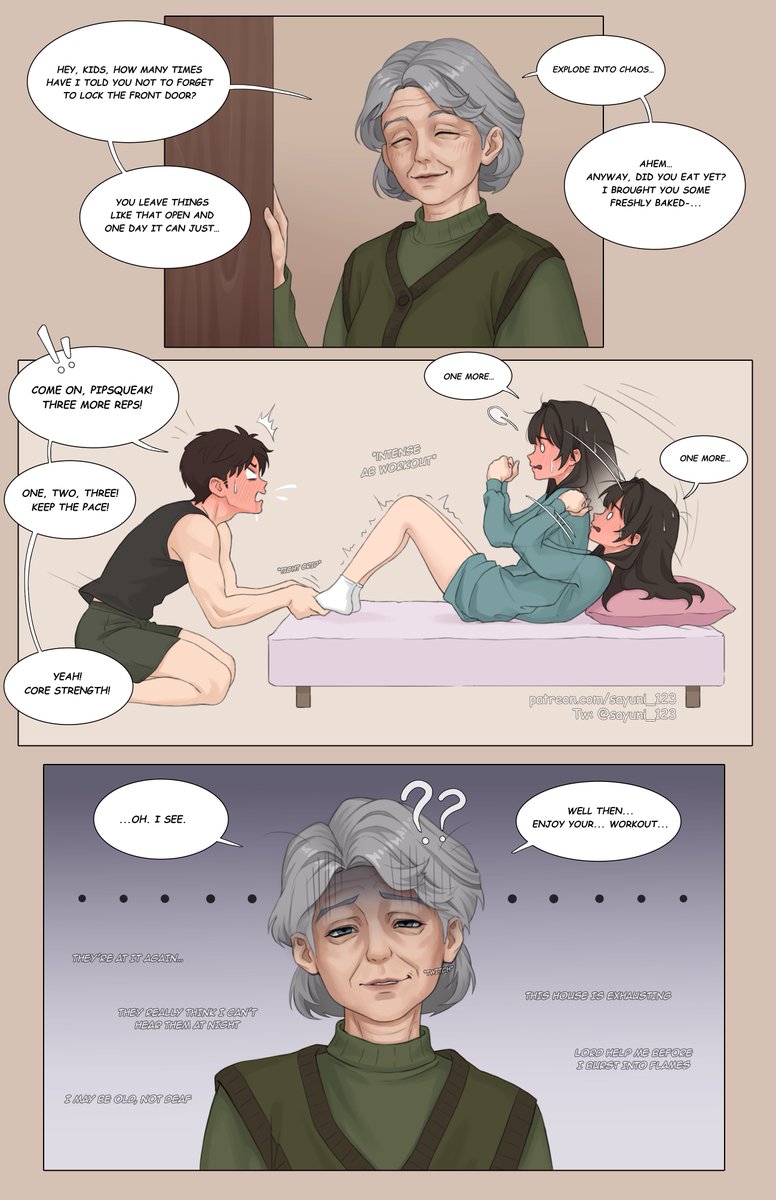
Guess Josephine is so done with them
Never thought granny would end up becoming a character in my comics lmao 😭 This idea just suddenly popped into my head
#caleb

6
332
2,683
17,116

I didn't keep up with the walking dead TV show (watched season 1) but I have every volume of the comics so I've been giddily retrieving the books every so often to show Gymbro similarities/differences
3

China’s Great Academic Reset: Rewiring Higher Education for the Age of Artificial Intelligence
The world may be underestimating the scale of what is happening inside China’s universities.
This is not a minor curriculum update or a routine education reform. It is a state-directed restructuring of higher education on a scale never before attempted. According to China’s Ministry of Education, universities across the country revoked or suspended approximately 12,200 undergraduate majors while simultaneously introducing 10,200 new programs. More than 30% of all university offerings were affected, making it one of the largest academic realignments in modern history.
At its core, this transformation reflects Beijing’s belief that artificial intelligence is not simply another technology cycle. It is a structural economic shift that will redefine labor markets, industrial competitiveness, and national power.
Why China Is Moving So Quickly
Two powerful forces are driving this unprecedented overhaul.
The first is a growing mismatch between university education and labor market demand. China continues to produce millions of graduates each year, yet youth unemployment remains stubbornly elevated. Many students spend four years earning credentials in fields where demand has stagnated or where graduates significantly outnumber available opportunities.
The second force is the rapid advancement of generative AI.
Tasks that once served as entry-level training grounds for graduates—including translation, content creation, administrative support, marketing analysis, and basic design work—are increasingly being automated. Large language models and generative systems can now perform many of these functions faster and at lower cost than human workers.
Rather than allowing market forces alone to determine the outcome, Beijing is treating university capacity as a strategic national asset. Academic programs are being evaluated much like industrial supply chains, with resources redirected toward disciplines considered critical for future economic competitiveness.
What Is Being Cut
The programs facing the largest reductions tend to share a common characteristic: they are either oversupplied, highly automatable, or both.
Traditional language and translation programs are among the most visible examples. With AI systems now capable of producing high-quality translations in seconds, policymakers increasingly question the value of dedicating four years of university education to skills that software can replicate.
Commercial arts programs are also under pressure. Fields such as photography, illustration, animation, comics, and product design face disruption as generative image and video models become increasingly sophisticated. While elite creative talent will remain valuable, the demand for large numbers of junior content creators may decline significantly.
Traditional business administration programs are undergoing similar scrutiny. Automated advertising systems, algorithmic decision-making, and AI-powered analytics are reducing the need for large numbers of generalist business graduates whose primary value once came from processing information.
What Is Replacing Them
China is not simply eliminating programs. It is replacing them with new disciplines designed specifically for an AI-driven economy.
Universities are rapidly expanding programs in:
Artificial Intelligence
Data Science
Computational Linguistics
Intelligent Imaging Art
Intelligent Audiovisual Engineering
AI Digital Design
Technology Management
AI Ethics
Robotics Engineering
Advanced Manufacturing Systems
The emphasis is increasingly on hybrid expertise rather than narrow specialization.
Students are no longer encouraged to study a single domain in isolation. Instead, universities are combining traditional disciplines with computational tools. The goal is to produce graduates who can leverage AI rather than compete against it.
1
3



6/10発売 嫌って言えない木村先輩 【BE×BOY COMICS DELUXE】amzn.to/4vrowMH《AD》《PR》
6/10発売 恋々たる証左 【BE×BOY COMICS DELUXE】amzn.to/4a8kBvU《AD》《PR》

lol io ho solo i primi 3 volumi perché sto tenendo i soldi da parte per steel ball run 14 (STAR COMICS QUANDO LO RISTAMPI)
virgil 🦅 retweeted

His resume so crazy and this don’t even include comics


20
1,402
7,392
102,431


Mike Richardson, founder of Dark Horse Comics, is set to open a pop culture museum in downtown Milwaukie that will feature comics, film memorabilia, and educational programs. dlvr.it/TT2HcH
1

Saturn retweeted

Reminder: Your hobbies don’t have an age limit.
Play your games.
Wear the cosplay.
Buy the figures.
Read the comics.
Build the models.
Growing older doesn’t mean giving up the things that bring you joy. If it makes you happy and isn’t hurting anyone, enjoy it without apology.
7
195
615
7,721

Fun fact #155:
While Bumblebee does still lose his ability to speak prior to the events of the 2007 movie, how he loses it is what changes. In the 2007 comics as well as Transformers Prime, Megatron is the one to tear out his voice box. Here, he loses his voice box to Blitzwing during their fight after valiantly declaring "he'll never talk."
2
୭ ݁ 𓈒 ꒰ azure of darkfictwt ꒱ ݁ ~ retweeted


1
16
133
780